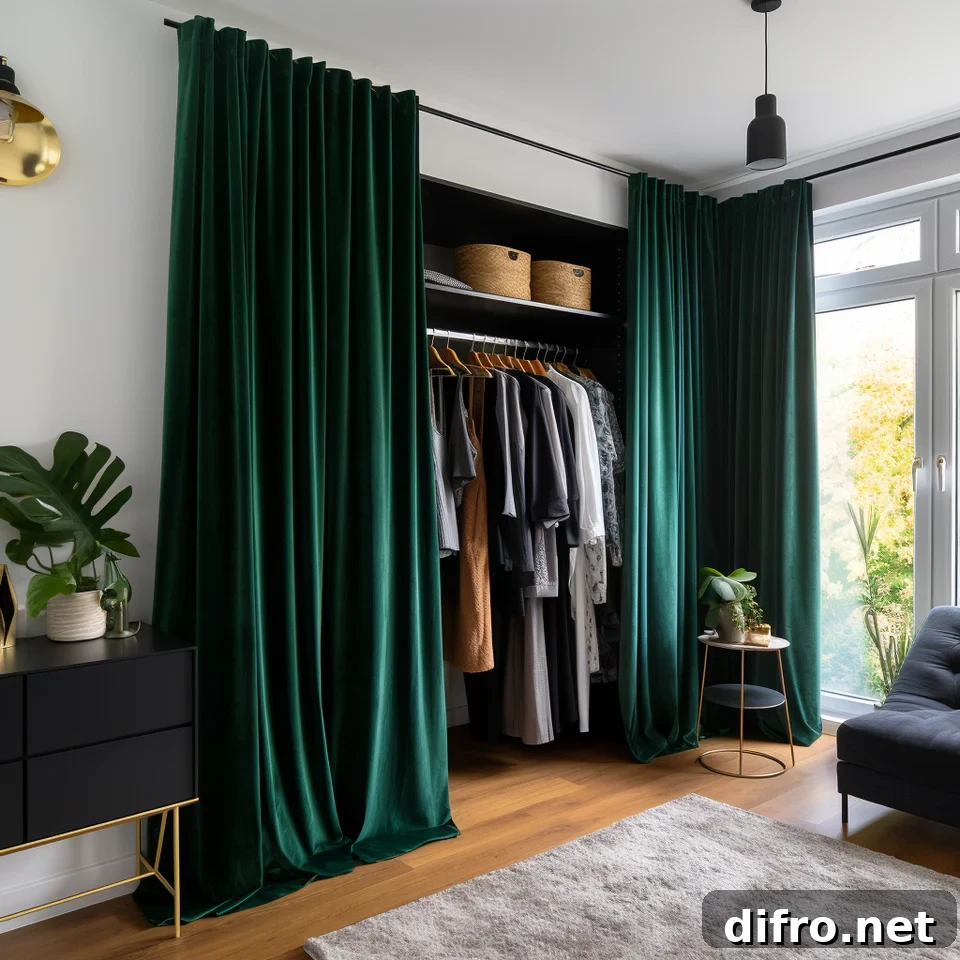
Closet doors are often treated as an afterthought in home design, but they have a major impact on both function and style. Whether you are renovating a bedroom, remodeling a walk-in closet, or simply refreshing a living space, exploring closet door alternatives can open up creative and practical possibilities. If standard swinging or sliding doors don’t match your vision, consider these varied solutions that balance aesthetics, space efficiency, and privacy.
1. Sliding Panels for a Modern Look
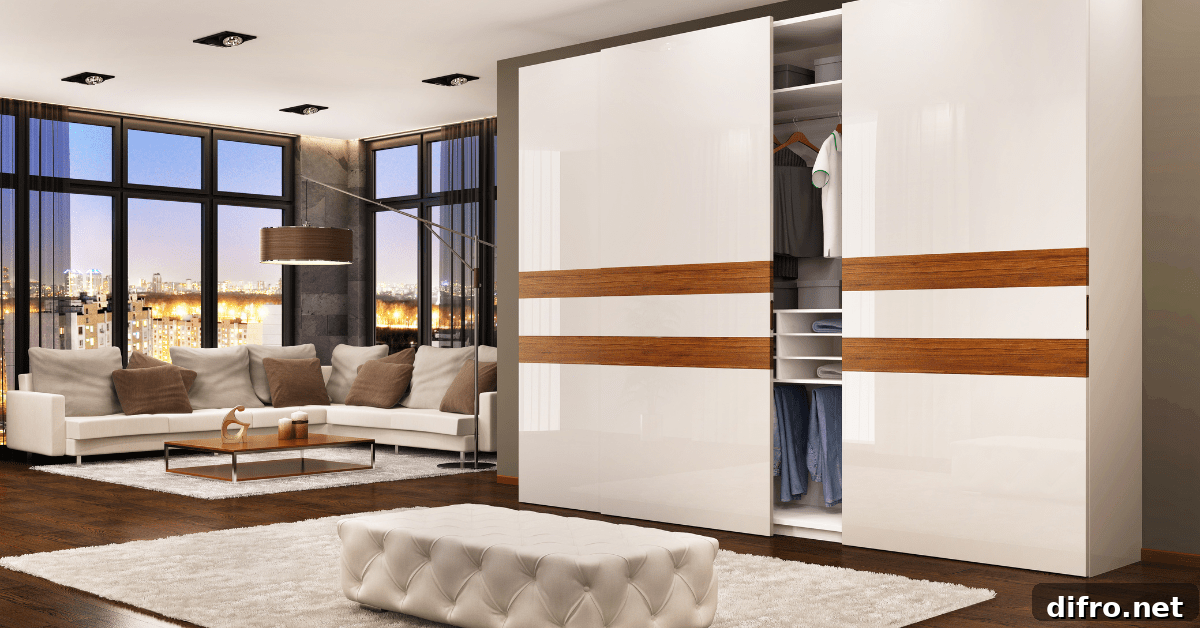
Sliding panels are a sleek and space-saving closet door alternative suited to contemporary and compact homes. They operate on a track, so they don’t swing into the room and can span wide openings smoothly. Materials range from solid wood and veneered panels to frosted or clear glass and textile-covered panels, giving you options for light transmission, texture, and privacy.
Consider frosted glass panels to allow natural light into a closet while keeping contents concealed, or choose painted wood or laminate panels for a cohesive look with bedroom cabinetry. Hardware selection matters: soft-close tracks and sturdy rollers improve longevity and user experience. Sliding panels are ideal where you want clean lines and a modern aesthetic without sacrificing accessibility.
2. Curtains: Soft and Flexible
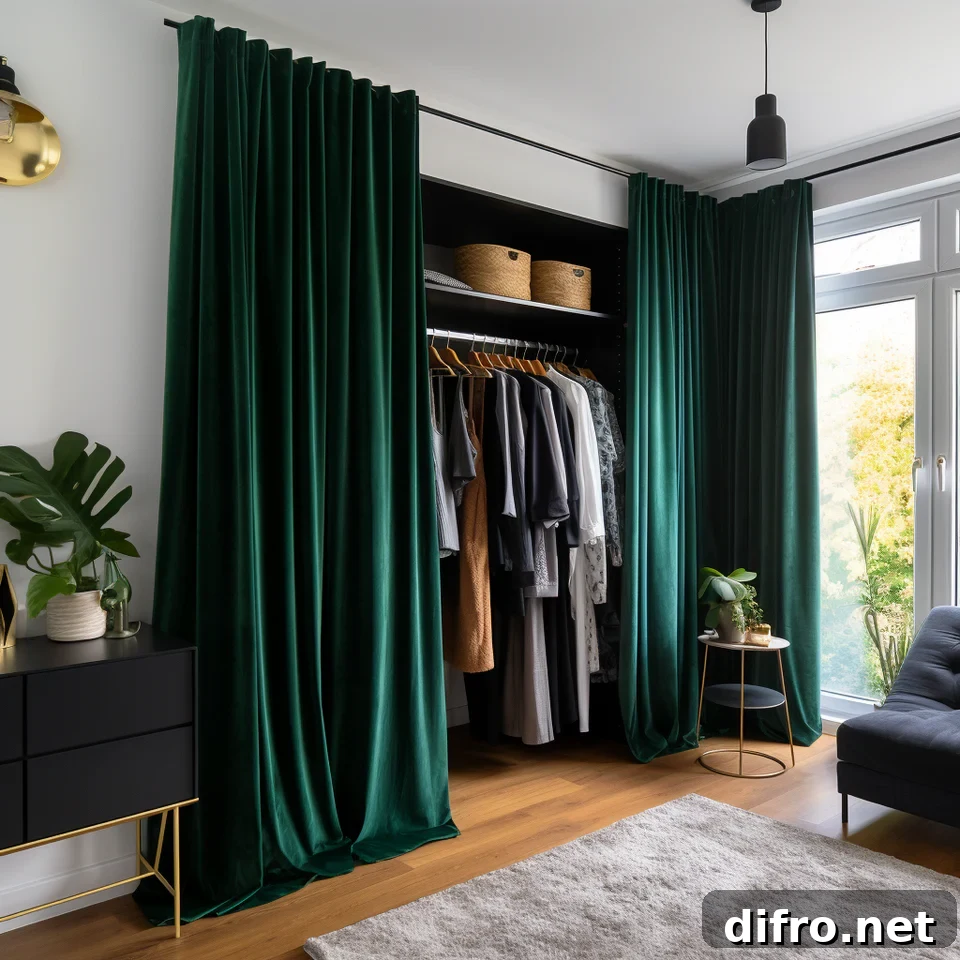
Curtains are one of the most affordable and adaptable closet door alternatives. A curtain rod or track mounted above the opening lets you pull fabric across to conceal storage and then tuck it aside when you need access. Fabrics range from lightweight sheers that create an airy feel to heavier velvets or lined linens that provide better light control and sound dampening.
This option works particularly well for renters or anyone seeking a temporary solution—installation can be minimal and reversible. For a polished result, choose a curtain length and header style that complements the room, and consider blackout or lined panels if privacy and light blocking are priorities. Curtain systems are also an excellent choice for adding color, pattern, or texture as a room accent.
3. Open Shelving: Embrace the Uncluttered Look
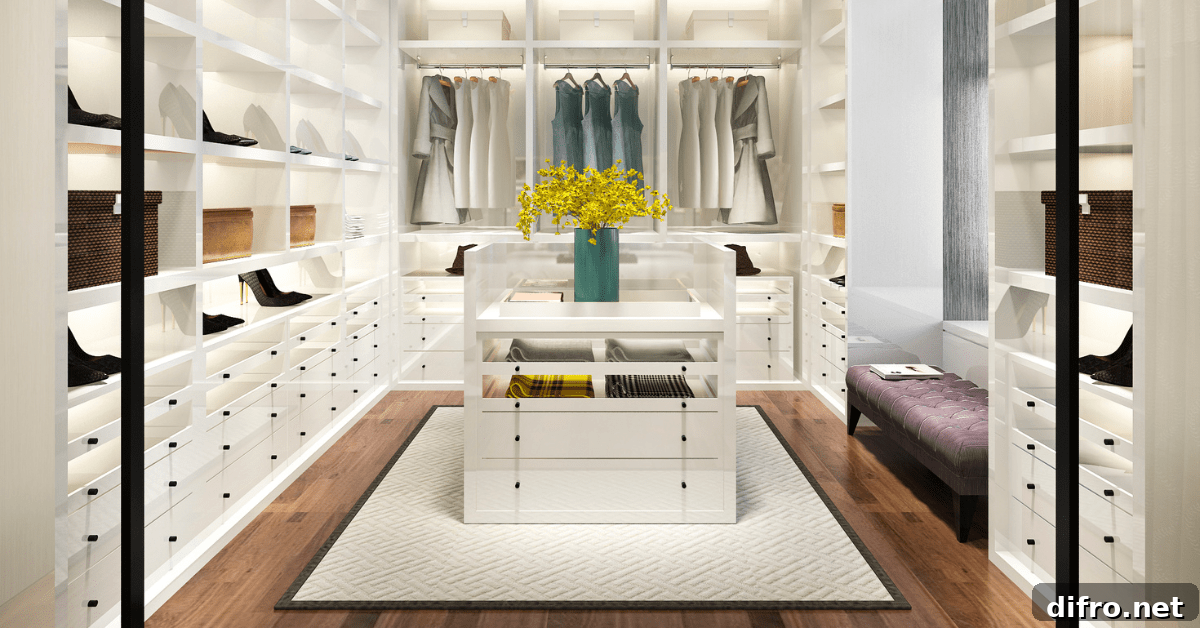
Open shelving eliminates doors completely to create a functional, display-focused closet area. This approach works best when you want clothing and accessories to be part of the room’s visual composition. Open closets encourage tidy organization and provide quick access to frequently used items, while shelving and baskets can add structure and conceal small clutter.
Open shelving is especially effective in walk-in closets and boutique-style bedrooms. To maintain a refined look, organize clothing by color or type, use matching hangers, and incorporate storage bins or drawer units for smaller items. Lighting—such as LED strips or spotlights—can enhance visibility and highlight the display, turning a closet into a design feature rather than a hidden space.
4. Folding Screens: Elegant and Versatile
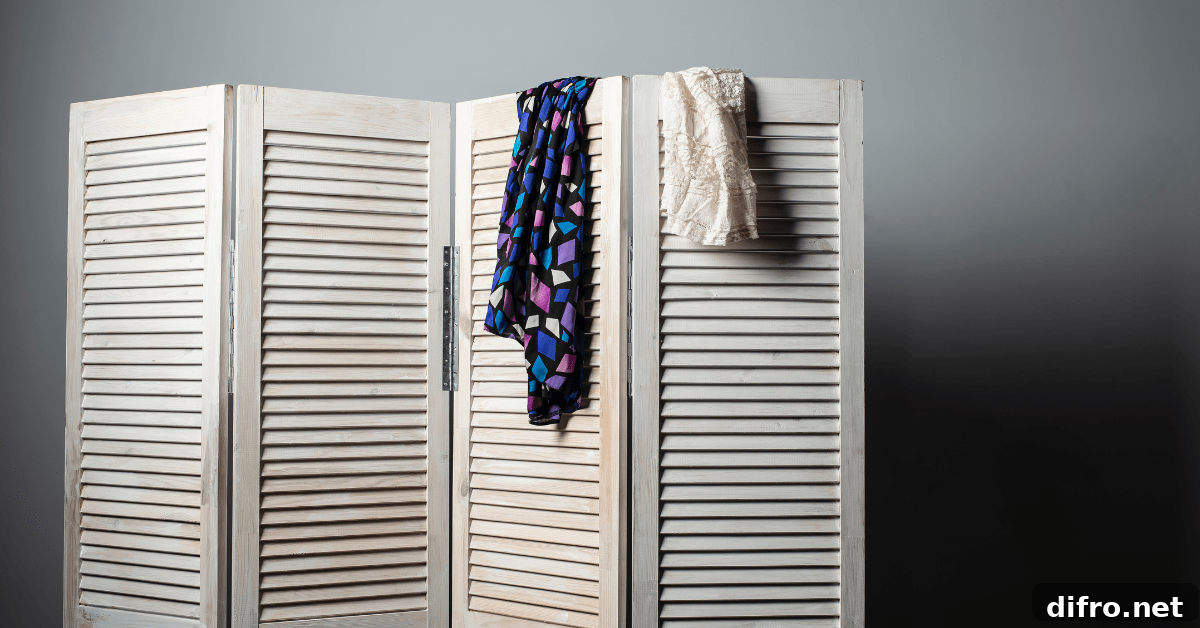
Folding screens offer a decorative and flexible way to hide closet space without permanent installation. Available in a range of materials—wood, fabric, woven rattan, or metal—screens can tailor the mood of a room from traditional to eclectic or modern. They’re portable, easy to store, and simple to reposition, making them a good choice for multi-purpose rooms and temporary setups.
Because folding screens are freestanding, they provide a soft visual barrier without altering the closet itself. Choose a screen with a pattern or finish that complements existing furnishings, or pick a neutral design to blend in. They’re also a low-cost solution for renters who want privacy without making structural changes.
5. Bi-Fold Doors: Space-Saving and Practical
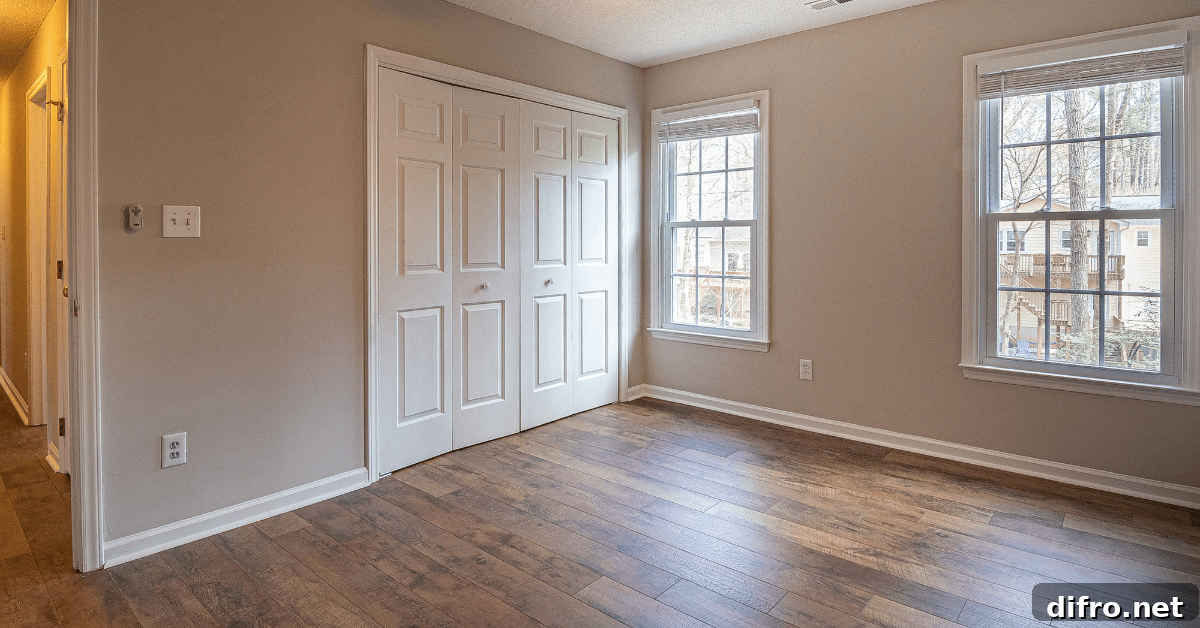
Bi-fold doors fold in on themselves to create a compact opening that preserves floor space. They come in many finishes—painted panels, mirrored faces, and slatted (louvered) styles—so you can select a look that suits the architecture of the room. Mirrored bi-fold doors are particularly useful in small bedrooms because they reflect light and visually expand the space.
Installation is relatively straightforward, and modern hardware makes operation smooth. Bi-fold doors offer a good balance between privacy and accessibility, making them a practical, budget-friendly closet door alternative for many homes.
Choosing the right closet door alternative depends on your room size, storage needs, aesthetic goals, and budget. Sliding panels and bi-fold doors prioritize space savings and a streamlined look. Curtains and folding screens offer flexible, renter-friendly solutions with strong decorative potential. Open shelving turns storage into a design display while demanding consistent organization. Evaluate each option against how you use the space, the level of privacy you need, and the overall interior style to find the best fit for your home.