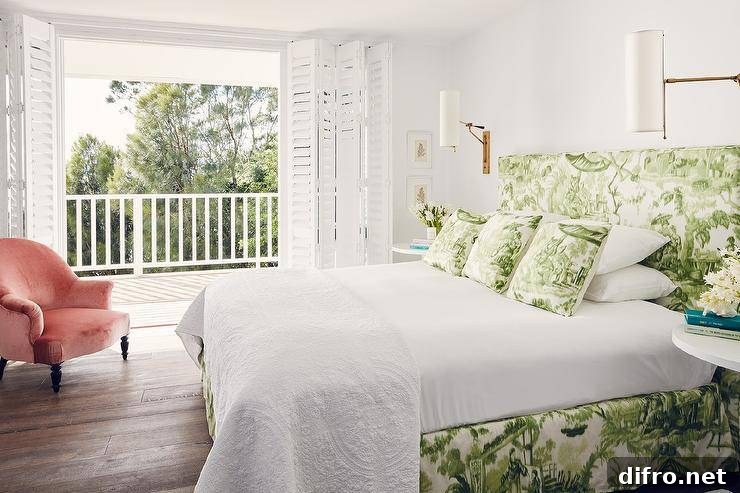
Toile de Jouy—commonly shortened to “toile”—is a classic printed fabric that blends history, art, and refined style. Originating in 18th‑century France, toile is known for its detailed scenes—pastoral vignettes, floral motifs, and landscapes—typically rendered in a single color against a white or off‑white ground. The name translates as “cloth from Jouy,” referring to Jouy‑en‑Josas, the town where it was first made.
Today, Toile de Jouy remains a popular choice in interior design, prized for its timeless elegance and surprising versatility. It can anchor traditional rooms or add a vintage accent to modern interiors. In this guide, we explore practical and stylish ways to incorporate Toile de Jouy into your home—from walls and upholstery to bedding and small accessories—along with tips for mixing it with contemporary elements and caring for the fabric.
Understanding the History and Significance of Toile de Jouy
Toile de Jouy emerged in the late 1700s and quickly became associated with refined taste in French interiors. Early prints often depicted countryside life, mythological scenes, or exotic landscapes, reflecting an era fascinated by nature, storytelling, and craftsmanship. The original printing technique—copperplate engraving—allowed for the fine, illustrative detail that made toile instantly recognizable.
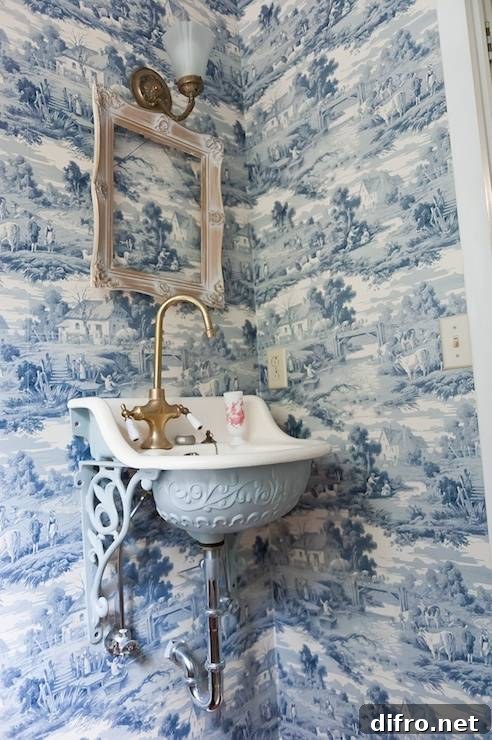
Because of its narrative quality and fine detail, toile continues to convey a sense of history and craftsmanship. Contemporary manufactures reinterpret the classic motifs in new colorways and scales, keeping the pattern fresh while preserving its heritage appeal.
Using Toile de Jouy in Wall Coverings
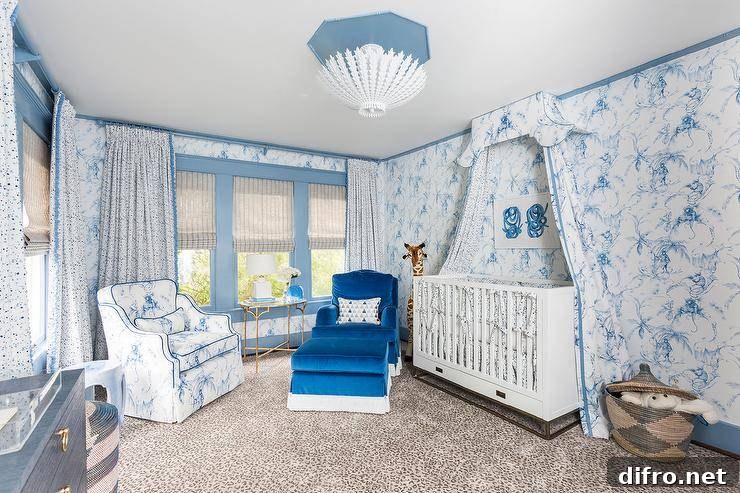
Toile wallpaper or fabric panels instantly elevate a room. A toile wall covering can become the focal point of a living room, dining room, or powder room when used on a single accent wall or across an entire space for dramatic impact. When choosing a pattern, consider the scale: smaller, tightly repeated motifs work well in compact spaces; larger vignettes suit open rooms where the scenes can be appreciated.
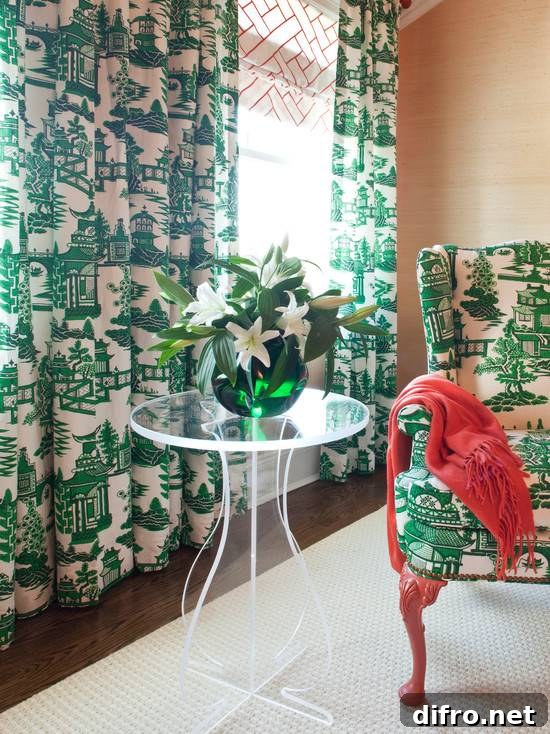
For a classic look, choose blue or red toile. For a contemporary update, opt for neutral grays, black, or unexpected shades like charcoal or muted greens. Balance the detailed pattern with solid-colored furniture, simple trim, and unadorned textiles to avoid a visually busy space.
Upholstering Furniture with Toile de Jouy
Upholstery is a wonderful way to introduce toile without overwhelming a room. A single statement piece—an armchair, ottoman, or headboard—covered in Toile de Jouy becomes an instant focal point. Pay attention to pattern scale and symmetry when upholstering; align motifs on symmetrical pieces and consider repeating large scenes across wide surfaces.
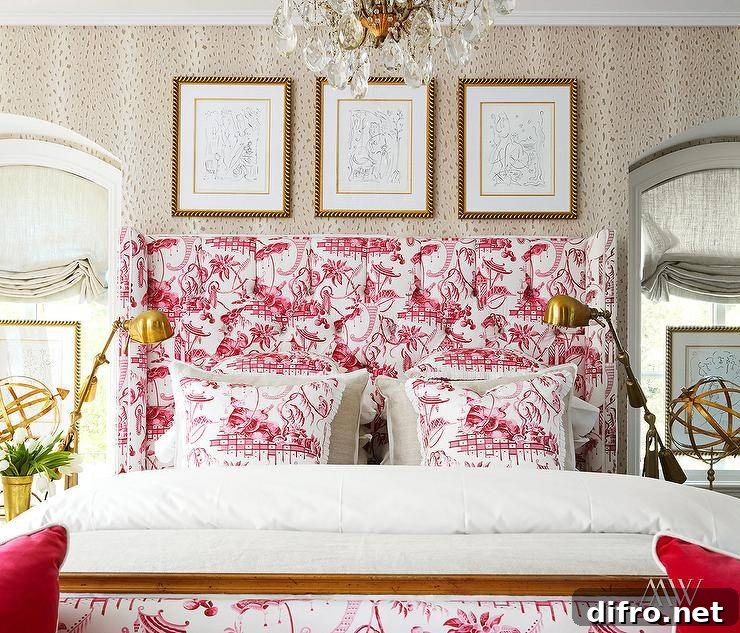
Smaller-scale prints can add texture without dominating, while larger motifs deliver drama. Always request a swatch or sample and view it against the room’s lighting and other finishes before committing.
Enhancing Bedrooms with Toile de Jouy Bedding
Toile bedding—duvet covers, shams, bedskirts, and headboards—creates a polished, restful bedroom. Use toile as the main bedding pattern and pair it with solid throws or complementary pillows to create contrast. In guest rooms or primary suites, toile can set a tranquil, sophisticated tone when anchored by neutral walls and classic furniture.
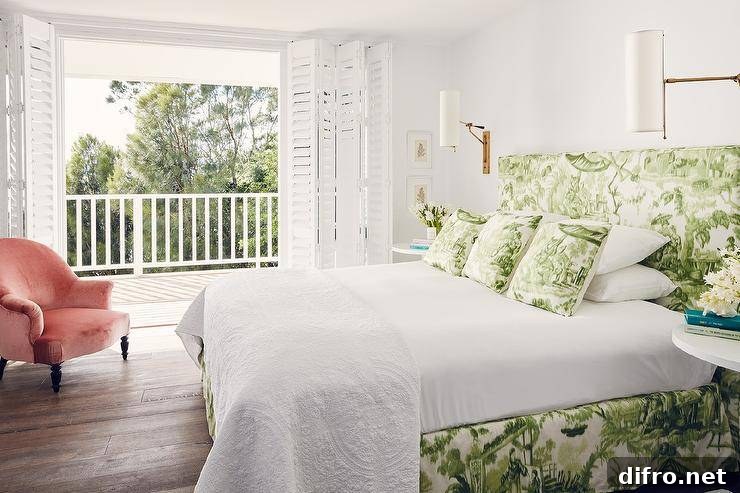
Choose a color that complements your existing palette and mix toile with solid linens or subtle textures for a balanced, layered look.
Adding Toile Accents and Accessories
If you prefer a lighter touch, introduce toile through accessories: throw pillows, curtains, lampshades, table linens, or framed fabric panels. These accents bring pattern and charm without a full redesign, and they’re easy to change as trends or tastes evolve.
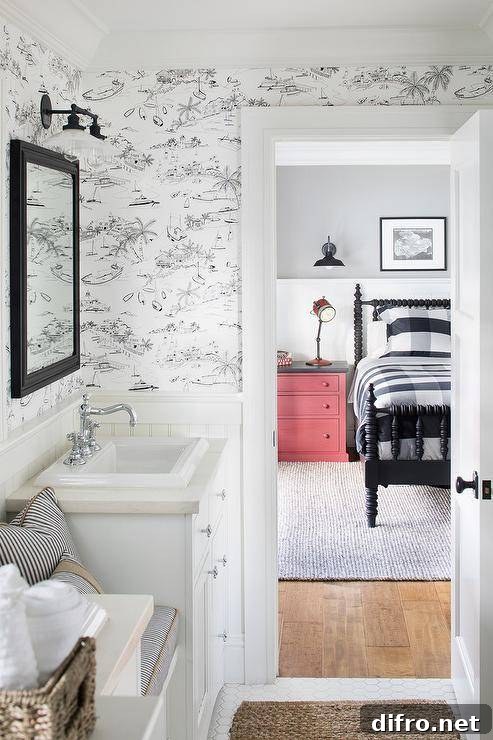
Smaller touches let you test the pattern in a room—use a couple of accessories first before committing to upholstery or wallpaper.
Combining Toile de Jouy with Modern Elements
Toile pairs beautifully with modern design. Placing a toile‑upholstered chair in a room with clean lines, neutral tones, and minimalist furnishings creates a pleasing contrast between ornate pattern and simple form. Mix toile with modern textures—glass, chrome, leather—or keep the palette restrained to let the toile shine.
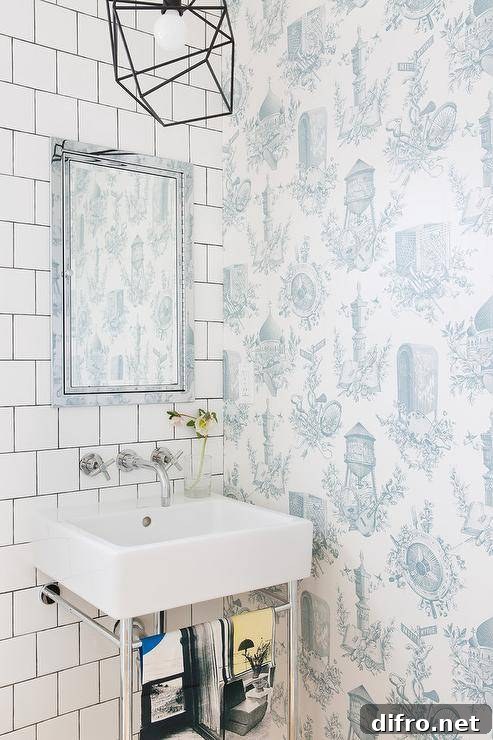
Start small—a guest bath or entryway is a low‑risk place to experiment with bold pattern and color combinations.
Maintaining and Caring for Toile Fabrics
Proper care keeps Toile de Jouy looking its best. Always follow the manufacturer’s care instructions because printing methods and base fabrics vary. For many toile textiles, gentle washing in cold water, avoiding bleach, and air drying or tumble drying on low heat preserves color and detail. Upholstered pieces benefit from routine vacuuming, prompt spot cleaning, and protection from direct sunlight to reduce fading.
Test any cleaning method on an inconspicuous area first. For valuable antique or hand‑printed textiles, professional cleaning and conservation are recommended.
Related Articles
- Embracing Grandmillennial Style to Bring Nostalgia Into Modern Decor
- Timeless Treasures: 15 Expert Tips for Shopping Vintage Decor
- Modern Vintage Design: How to Mix The Old And New To Create This Look
Incorporating Toile de Jouy into your home adds a layer of history and elegance that works across many design styles. Whether you select wallpaper, upholstered furniture, bedding, or small accents, toile can provide a classic yet fresh dimension to interiors. Choose the right scale and color for your space, mix with complementary solids and modern pieces, and follow manufacturer care instructions to preserve the beauty of your toile fabrics for years to come.
Ready to refresh your space? Subscribe to our newsletter for interior design tips, trends, and inspiration to transform your home.
Frequently Asked Questions (FAQs)
What is Toile de Jouy?
Toile de Jouy is a printed textile that originated in 18th‑century France. Recognizable for its finely detailed scenes—often pastoral or historical—it usually features a single color on a pale background.
What scenes appear in Toile de Jouy patterns?
Traditional motifs include pastoral life, gardening, picnics, mythological subjects, and idealized countryside vignettes. The designs are narrative and often evoke nostalgia and romanticism.
What colors are common in toile fabrics?
Classic toile commonly appears in blue, red, green, black, or brown on white or cream. Contemporary interpretations expand the palette to grays, neutrals, and unexpected hues.
How is toile commonly used?
Toile is used for wallpaper, upholstery, curtains, bedding, and decorative accessories. It works well in both period rooms and modern interiors when used thoughtfully.
How should I care for toile?
Care varies by fabric and printing method. Follow manufacturer instructions: generally, use gentle washing, avoid harsh chemicals, dry with care, and protect textiles from prolonged sun exposure.
Is Toile de Jouy still in style?
Yes. Toile’s classic storytelling and adaptability keep it relevant. Designers continue to reinterpret it for contemporary spaces while honoring its historical roots.