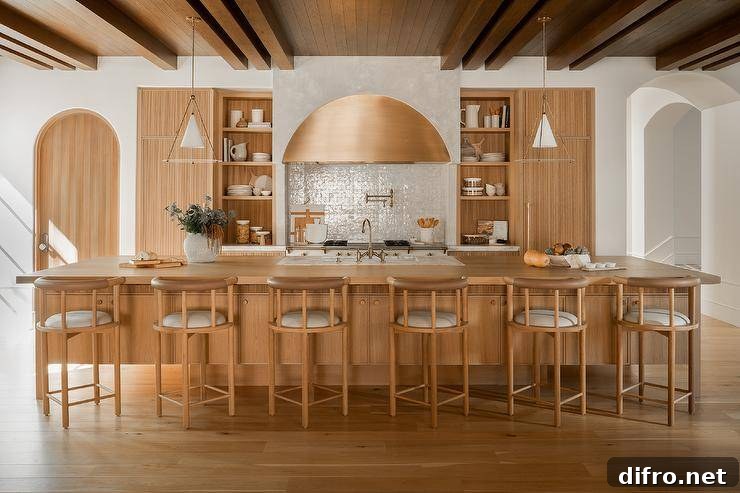
Mixing wood tones in your home can feel intimidating, but with a few simple principles it becomes an opportunity to create warmth, depth, and a cohesive look. The key is to pay attention to undertones, grain patterns, and scale so that each piece feels intentional rather than accidental. Thoughtful combinations of light, medium and dark woods can elevate a room, adding texture and visual interest while keeping the overall palette unified.
Understanding the Basics of Wood Tone Variations
Wood tones span a wide spectrum—from pale, creamy shades like maple and ash to richer, deeper hues such as walnut and mahogany. Each species has its own grain, density and natural undertones that determine how it reads in a space. For example, some woods lean warm with red or yellow undertones, while others read cooler with gray or blue hints. Recognizing these subtleties helps you choose pieces that harmonize instead of clash.
Light woods reflect more light and make spaces feel airy and modern. Medium tones bring a timeless, balanced look, and darker woods ground a room with a sense of depth. When mixing wood tones, think of contrast and cohesion: contrast to create interest, cohesion to maintain harmony. Use grain patterns and finishes—matte, satin or glossy—to further coordinate different pieces.
Strategies for Balancing Different Wood Tones
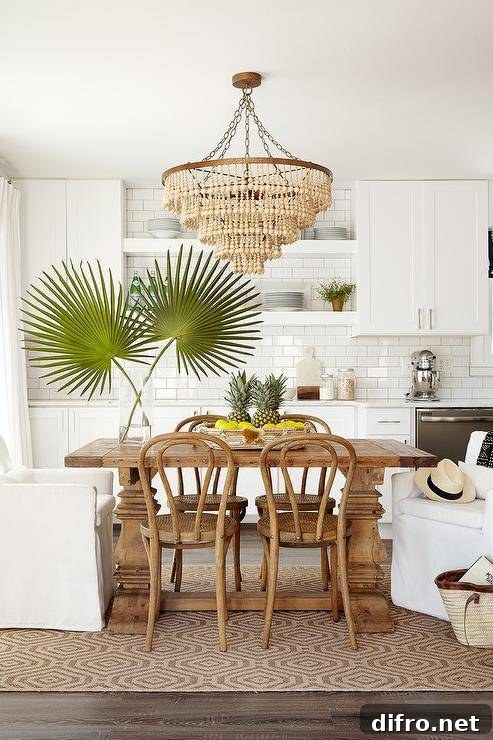
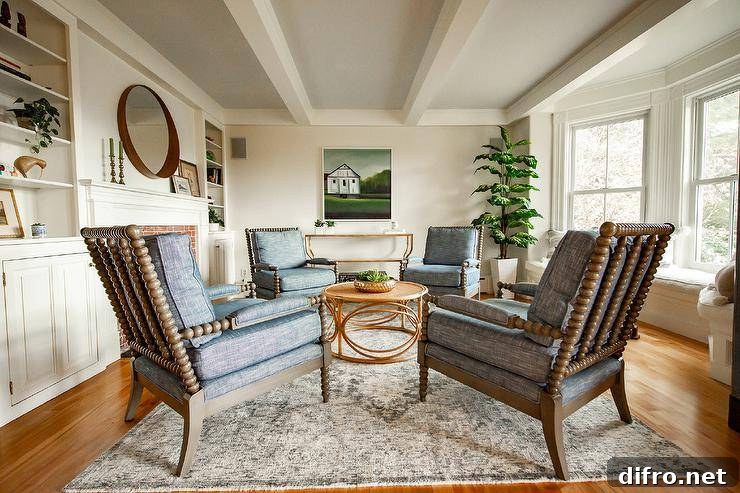
Use textiles and finishes as transition pieces between different wood tones. Rugs, runners and upholstery are excellent for softening the contrast between floors, tables and cabinetry. A rug that contains both warm and cool hues or patterns with neutral tones can visually tie together light and dark wood elements.
Another strategy is to repeat a tone in small doses throughout the room so it reads as a deliberate design choice. If you have a dark oak dining table, introduce smaller dark elements—picture frames, lamp bases or accent stools—to echo that tone elsewhere. Conversely, bring in lighter wood through chairs, shelving or decorative boxes to create balance without competing with the dominant pieces.
Choosing the Right Wood Furniture and Accessories
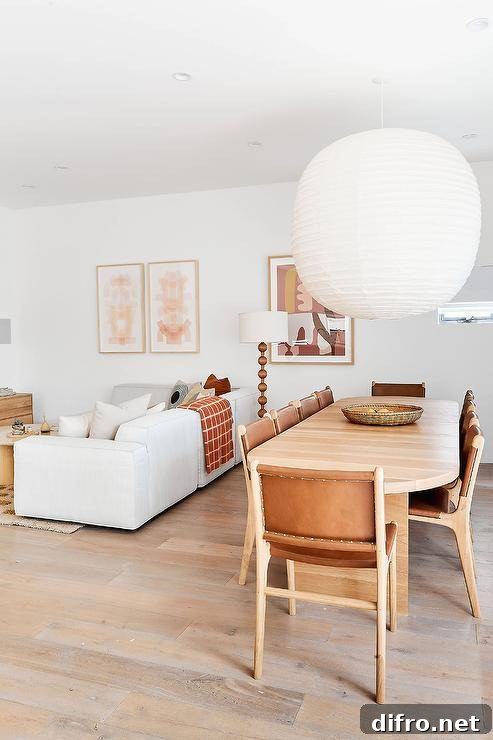
Begin by selecting a dominant wood tone that anchors the room—this will usually be the largest piece like a dining table, sofa frame or built-in cabinetry. Once you have a foundation, layer in complementary tones through secondary furniture and accessories. Introducing contrast in smaller doses, such as side tables, chairs or shelving, makes the mix feel curated and intentional.
Accessories are powerful connectors: wooden bowls, picture frames, lamp bases and small sculptural pieces can repeat undertones and bridge differences between larger pieces. Pay attention to finish and grain; a matte finish can soften a dark wood, while a pronounced grain in a lighter wood can add character without overpowering the space.
Tips for Incorporating Mixed Wood Tones in Various Rooms
Living room: Choose a primary wood tone for large furniture like the media console or coffee table, and introduce contrast with side tables, trays, frames or shelving. Layering finishes and using soft textiles will prevent the space from feeling heavy.
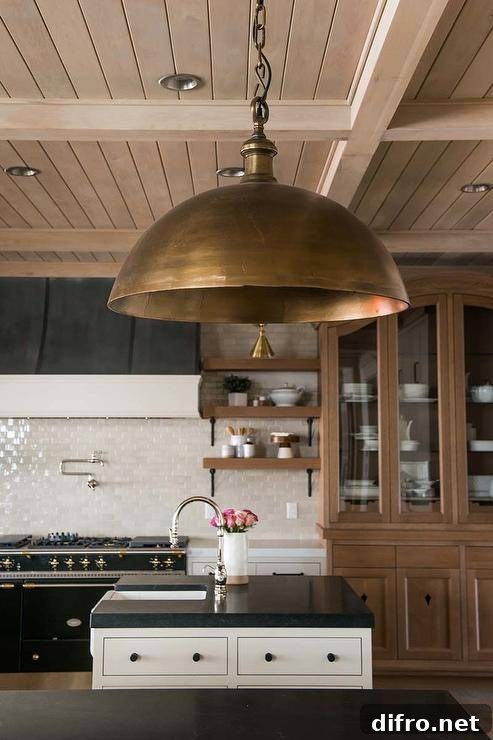
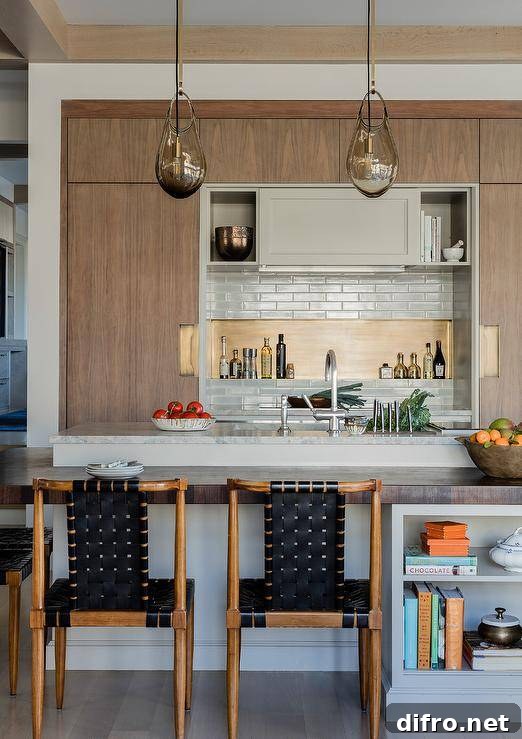
Kitchen: Pair cabinetry with countertops, island accents or open shelving in complementary woods. If cabinets are dark, select seating or shelving in lighter tones to add airiness. Consistent metal finishes—such as hardware or light fixtures—help tie different wood colors together.
Bedroom: Consider the mood you want—warmer woods like cherry or walnut create a cozy, intimate feeling, while lighter woods like ash or maple promote calm and brightness. Mix bedside tables, dressers and headboards in different tones and repeat a chosen accent tone in bedding or lamps for continuity.
Enhancing Your Home with Mixed Wood Tones
Mixed wood tones celebrate the natural beauty and variety of wood, creating layered interiors that feel collected and lived-in. Use a dominant tone to anchor the room, introduce secondary tones in measured amounts, and employ textiles and accents to bridge any gaps. Thoughtful attention to undertone, grain and finish will ensure each piece complements the next and contributes to a cohesive, inviting home.
As you experiment, photograph arrangements and test combinations in different lighting—natural and artificial—to confirm they work throughout the day. With a deliberate approach, mixing wood tones becomes an easy way to add personality and sophistication to your home without sacrificing harmony.
Related Articles
- Linoleum Flooring – The Classic Kitchen Choice Making a Trendy Comeback
- Stunning Kitchen Flooring Ideas for Your Home
- Expert Guide to Terracotta Floor Tiles: Everything to Know
Turn your house into the home of your dreams. Subscribe to a design newsletter for regular ideas and decor trends to guide your next project.