In the fast-changing world of home decor, staying current helps your living space feel fresh, functional, and stylish. As 2024 unfolds, some design trends that once felt modern have begun to show their age. Below, we outline the home decor trends to leave behind this year and offer practical alternatives to help you update your interior with warmth, personality, and longevity.
Embracing Change in Home Decor as We Move Toward 2024
The look and function of homes are evolving. Updating decor isn’t about following every trend, but about choosing directions that improve daily life—comfort, sustainability, and personal expression. Below are key trends to move away from, with suggestions for what to embrace instead.
The Overuse of Minimalism
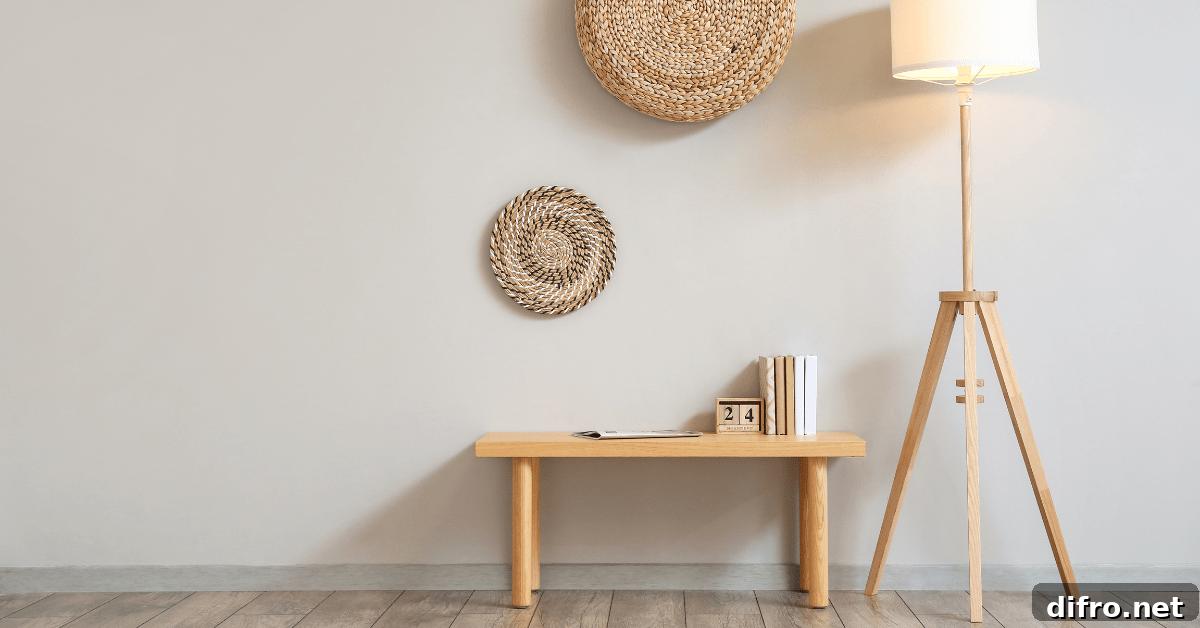
Pure minimalism—with stark white walls and nearly empty rooms—has started to feel cold and impersonal. Instead, aim for a balanced approach: keep clean lines but layer colors, patterns, and meaningful objects. Curated displays and textured fabrics create personality without clutter. Think purposeful pieces rather than stripped-down sameness.
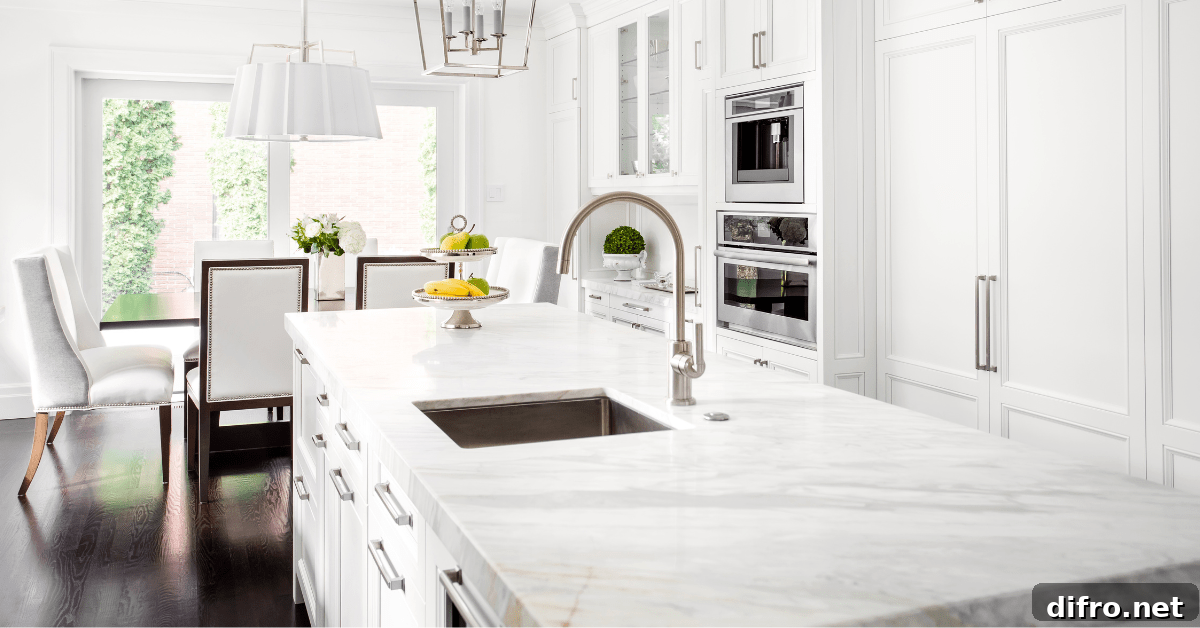
All-White Kitchens
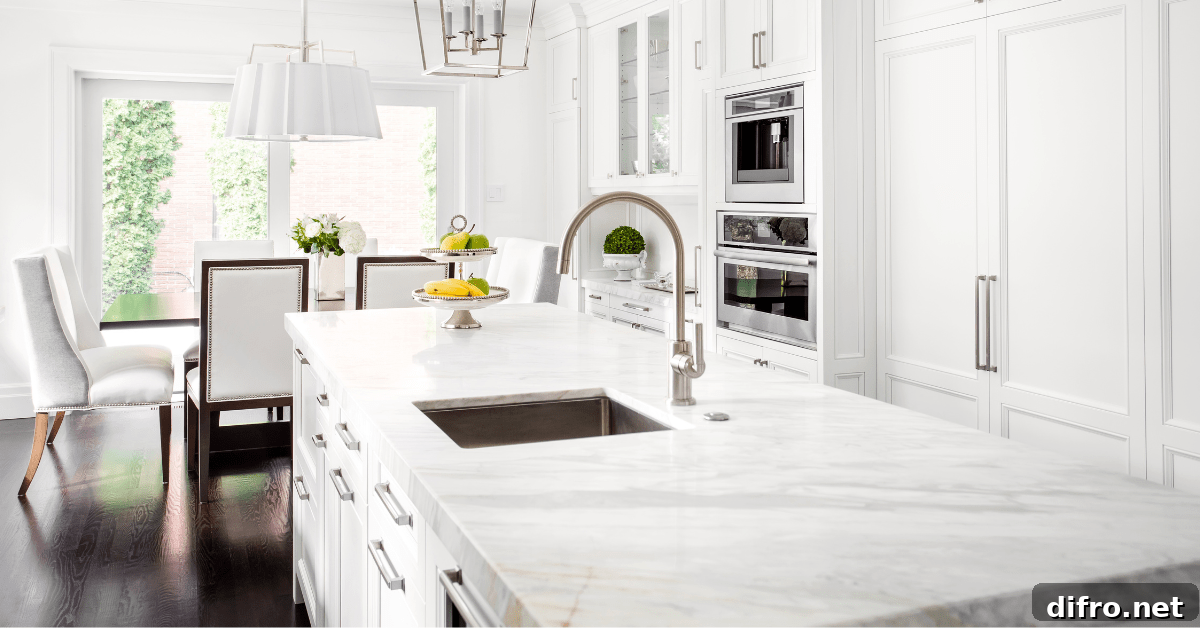
All-white kitchens can look pristine but often lack warmth. In 2024, kitchens that feel lived-in and welcoming are preferred. Introduce color through cabinetry, backsplashes, or accented islands. Warm wood tones and tactile materials—quartz, matte tiles, aged brass—help kitchens feel inviting while staying modern and practical.
Fast Furniture
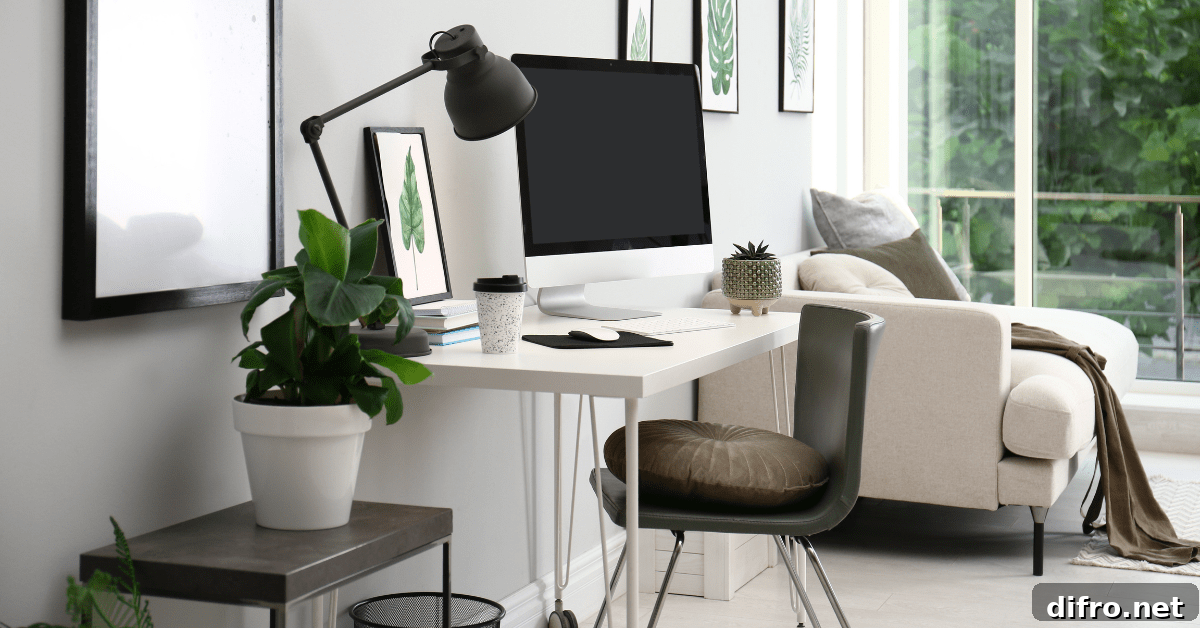
Disposable, low-quality furniture contributes to waste and often needs replacing within a few years. The smarter investment is durable, well-made pieces that prioritize sustainability—solid-wood frames, responsibly sourced materials, and timeless silhouettes. Choose quality over quantity to save money and reduce environmental impact long-term.
Open Floor Plans (Without Thoughtful Zoning)
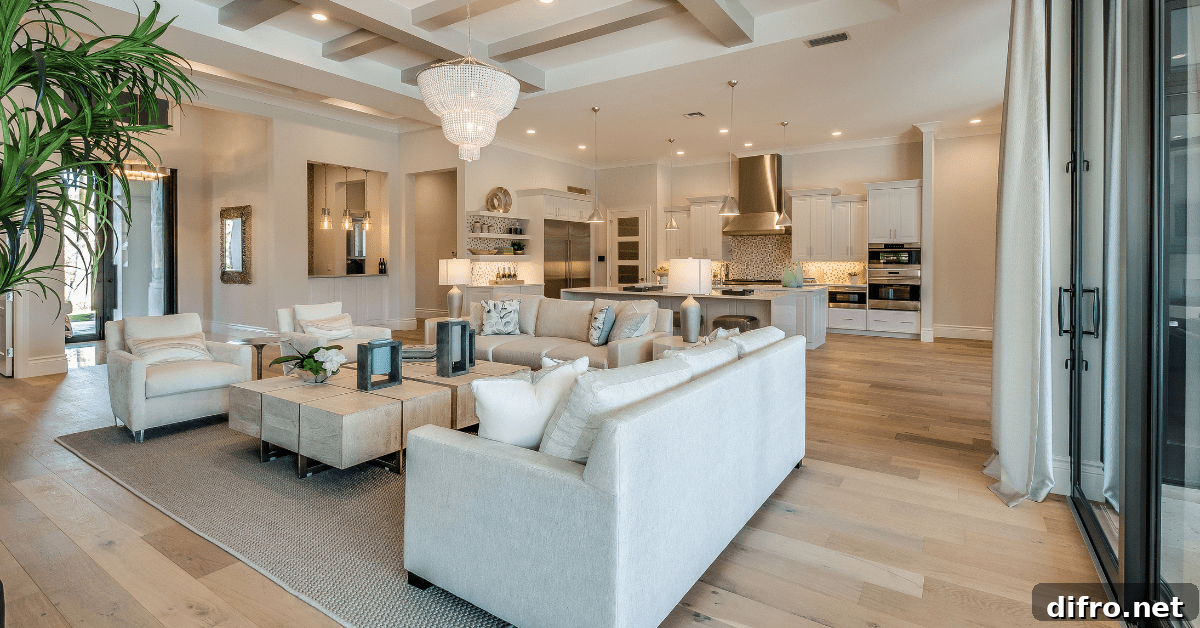
Open plans remain appealing for light and flow, but completely open spaces can lack privacy and purpose. In 2024, create zones within open layouts: use shelving, area rugs, furniture arrangements, screens, or plants to define work, dining, and relaxation areas. Thoughtful zoning makes large spaces more functional for modern life.
Harsh Industrial Aesthetics
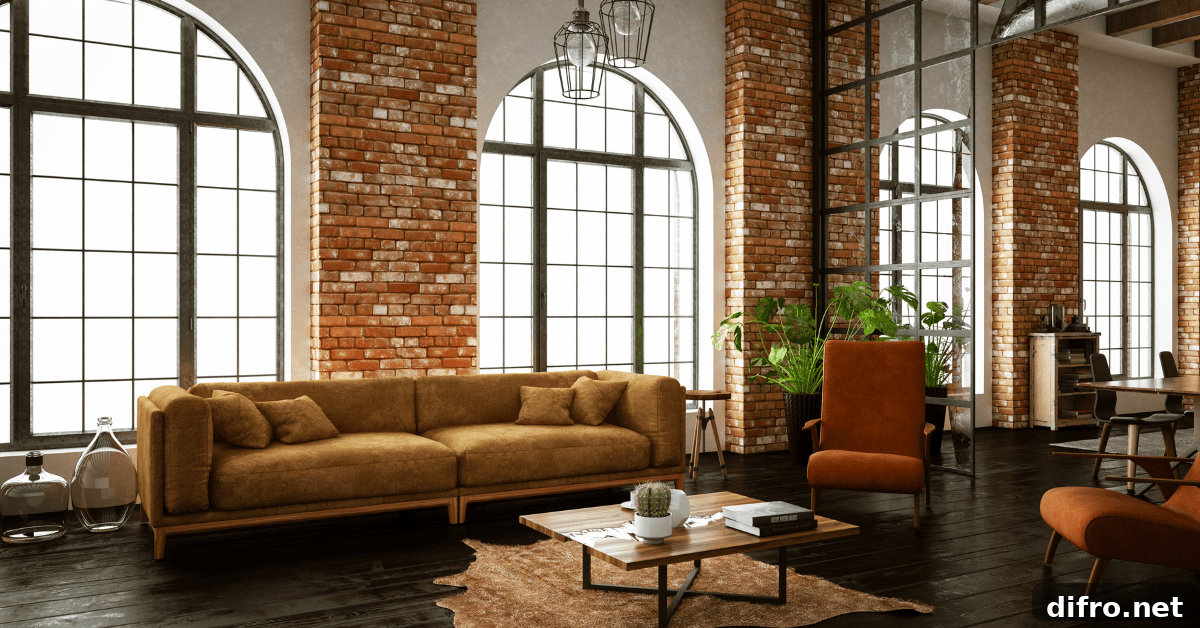
The raw industrial look with exposed concrete and metal can feel cold if taken too far. Soften industrial elements with warm woods, plush textiles, and layered lighting. Adding plants and rounded shapes balances the aesthetic, preserving character while improving comfort and coziness.
Single-Use Spaces
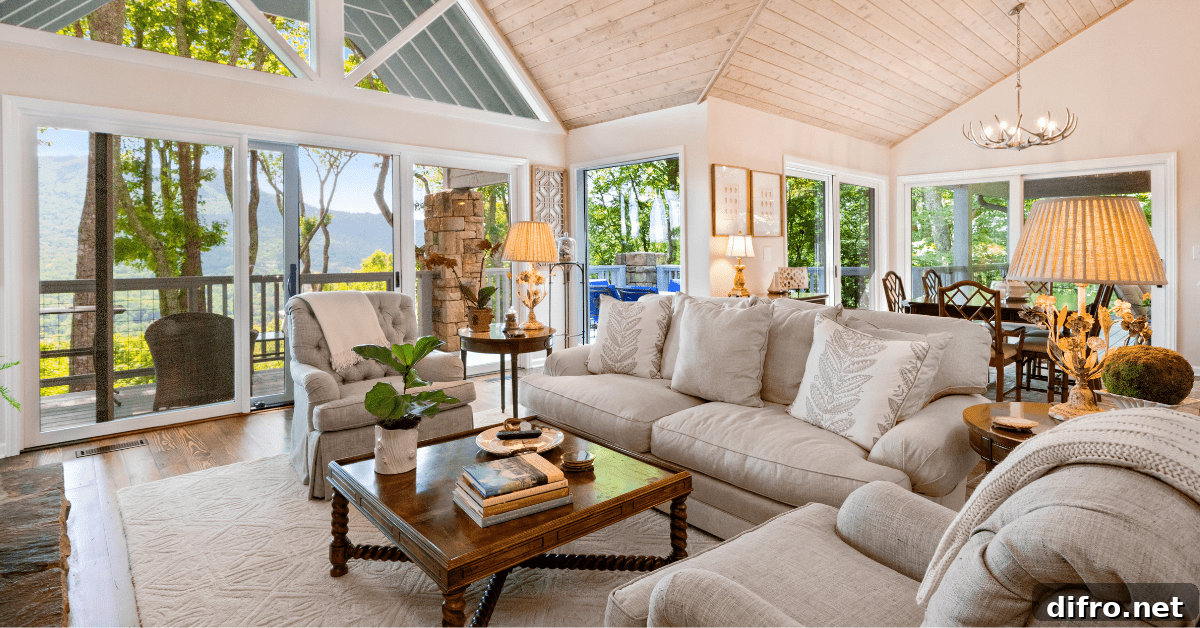
With more varied daily routines, rooms that serve only one function feel inefficient. Flexible design is essential: choose multipurpose furniture, foldaway workstations, and adaptable lighting. These strategies enable rooms to switch roles easily—from home office by day to family room by night—without sacrificing style.
Heavy, Dark Fabrics
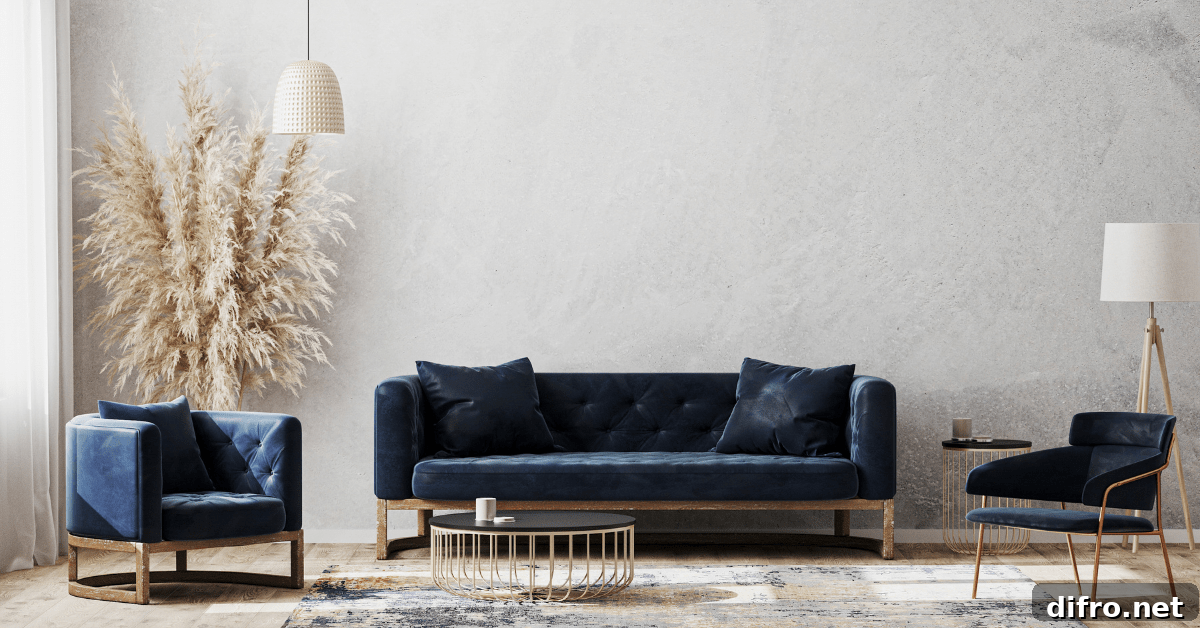
Thick, dark textiles can make rooms feel smaller and less inviting. Lighter, breathable fabrics—linen, cotton, and natural blends—bring airiness and comfort. Use lighter upholstery and layered throws to brighten spaces while maintaining depth with accent colors and textured rugs.
Saying Farewell to Formal, Single-Purpose Dining Rooms
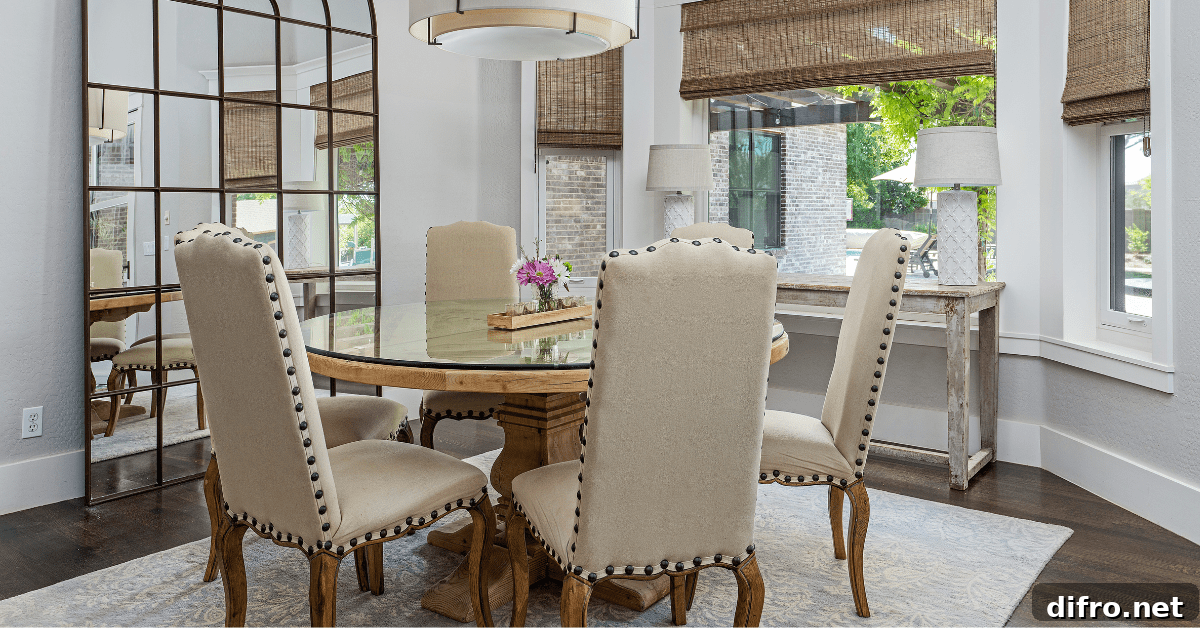
Formal dining rooms used only on special occasions are less common. Instead, dining areas are becoming multipurpose hubs for homework, crafts, and work calls. Choose durable tables, comfortable seating, and smart storage so the space supports everyday life as well as entertaining.
Moving Beyond Matchy-Matchy Decor
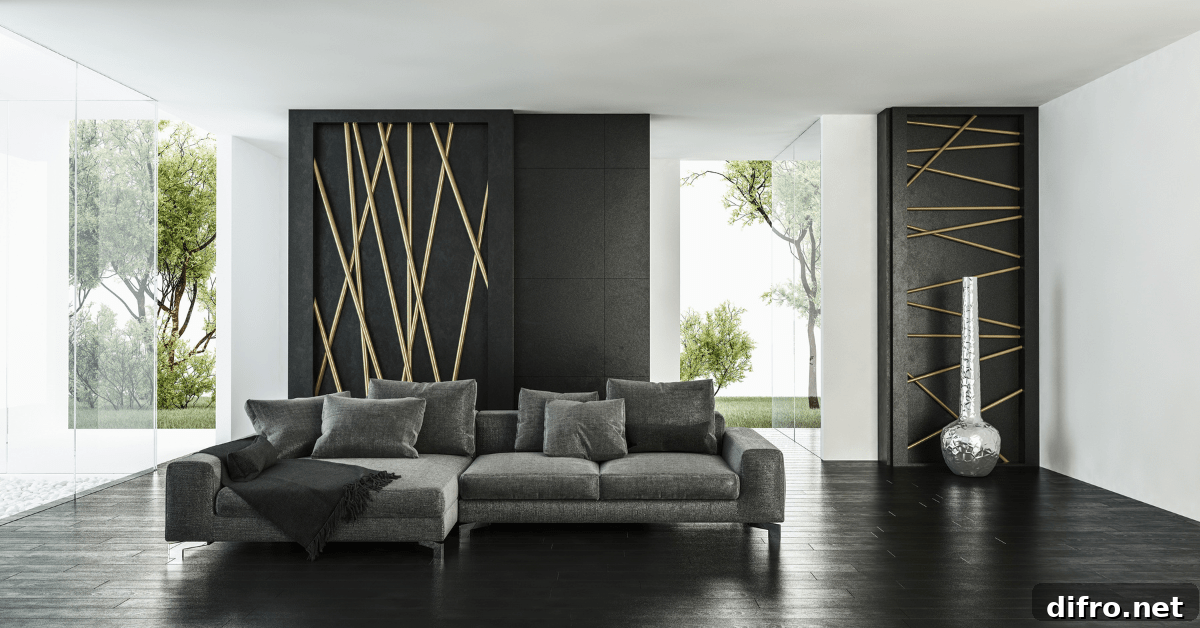
Perfectly coordinated furniture sets can feel staged. The trend now favors eclectic mixes—blending styles, eras, and textures to create rooms that feel personal and collected. Mix vintage finds with contemporary pieces to craft a layered, lived-in look that tells your story.
Goodbye, Gray—Hello Warm Tones
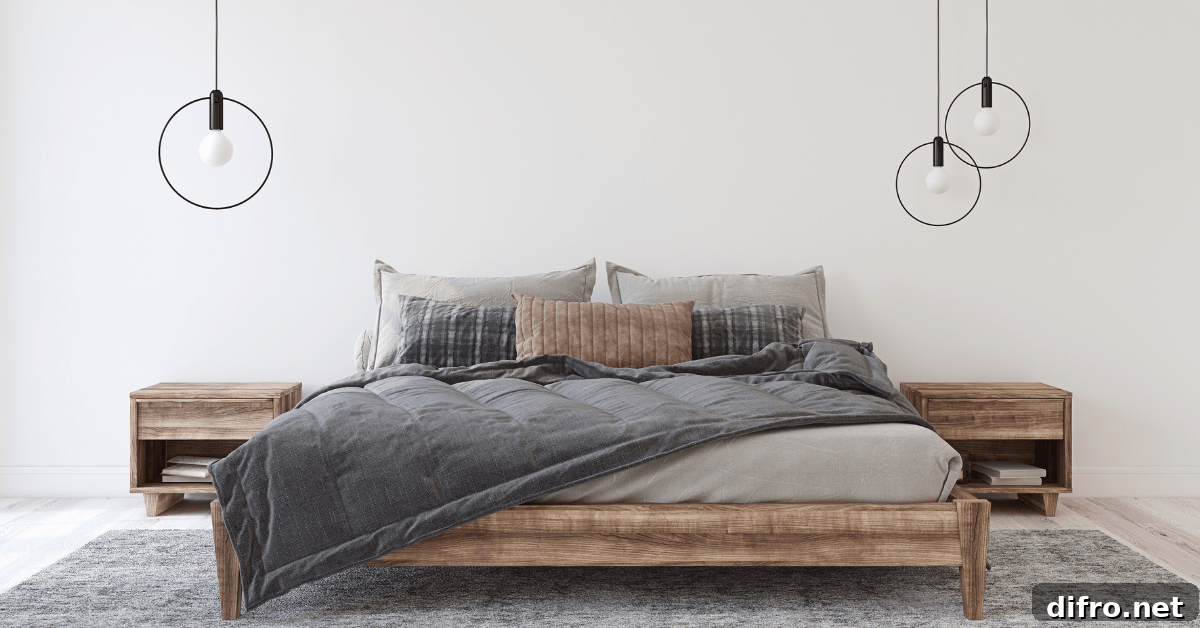
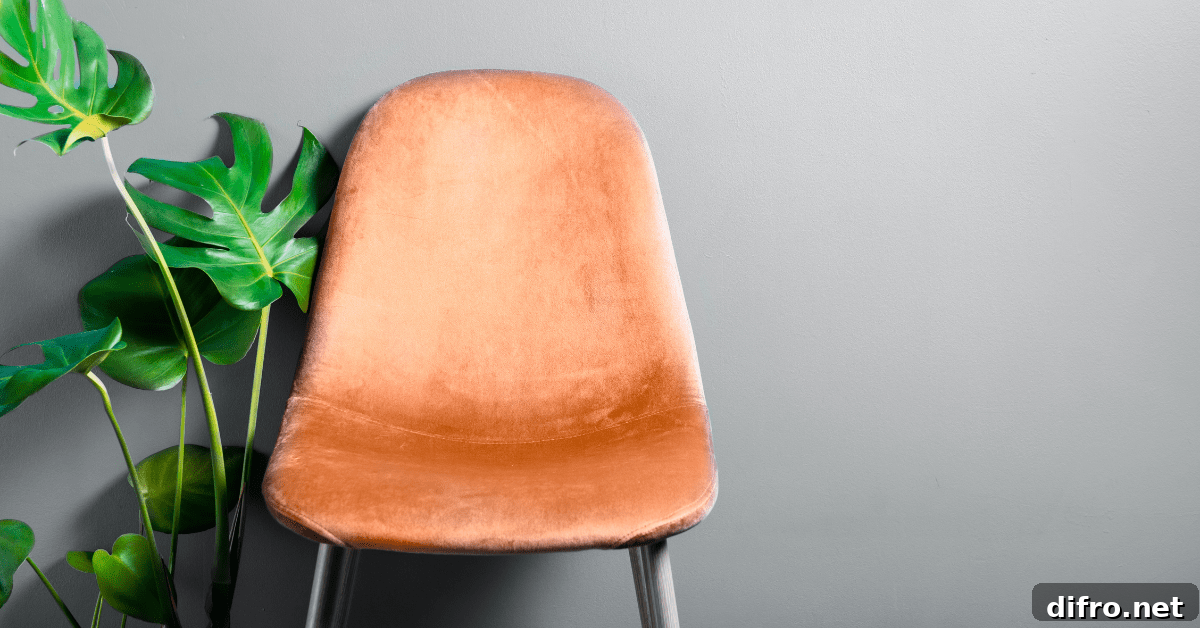
Gray has been a reliable neutral, but warmer, earthier palettes are rising. Terracotta, deep greens, ochres, and muted rust tones create a sense of comfort and connection to nature. Combine these hues with natural materials and organic textures to achieve a cozy, contemporary vibe.
Related Topics
- Avoiding common decor mistakes
- Using the color wheel and complementary colors in design
- Retro kitchen decor and timeless design elements
Letting go of outmoded trends is an opportunity to refresh your home with thoughtful, sustainable, and personal choices. Whether you prioritize comfort, functionality, or ecological responsibility, small changes—like choosing durable furniture, adding warm hues, or creating flexible spaces—can make a big difference. Update with intention: keep what works, replace what doesn’t, and design a home that reflects how you live today.
Ready to refresh your space? Subscribe to design tips and trend updates for practical ideas to transform your home.