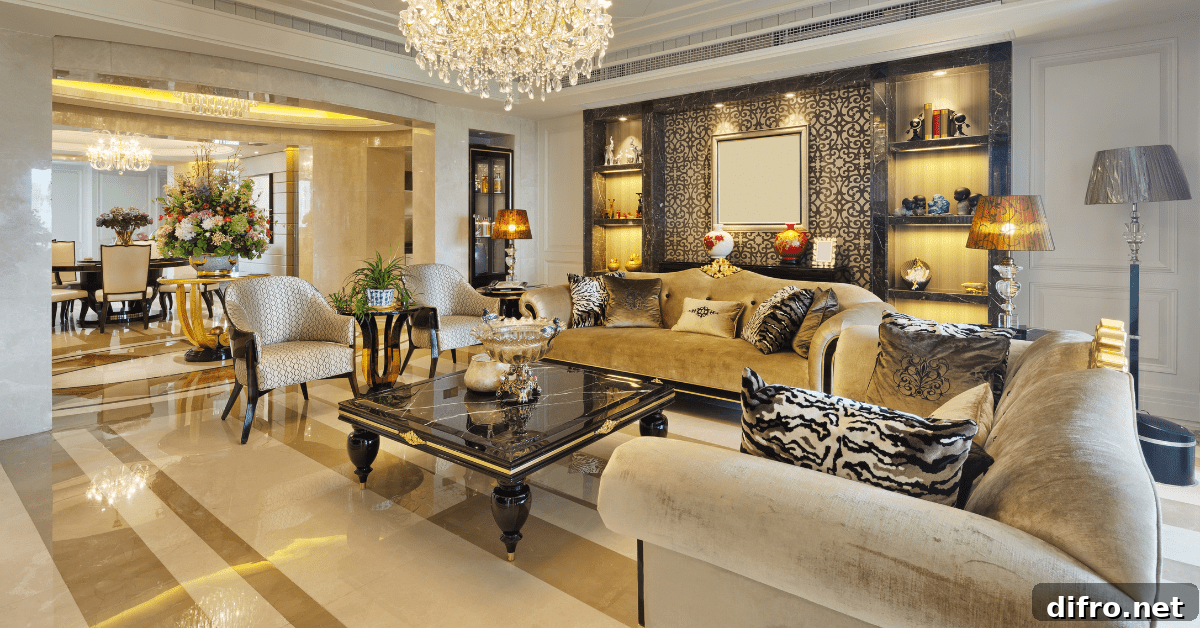
In interior design and home planning, the phrases “family room” and “living room” are frequently used interchangeably, which can cause confusion when organizing or decorating a home. While both areas serve as communal spaces for gathering and relaxation, they have distinct roles, locations, and design priorities. This article clarifies the differences between a family room vs a living room and provides practical ideas to help you optimize each space for comfort, function, and style.
Understanding the Basics of What Sets the Family Room Apart from the Living Room
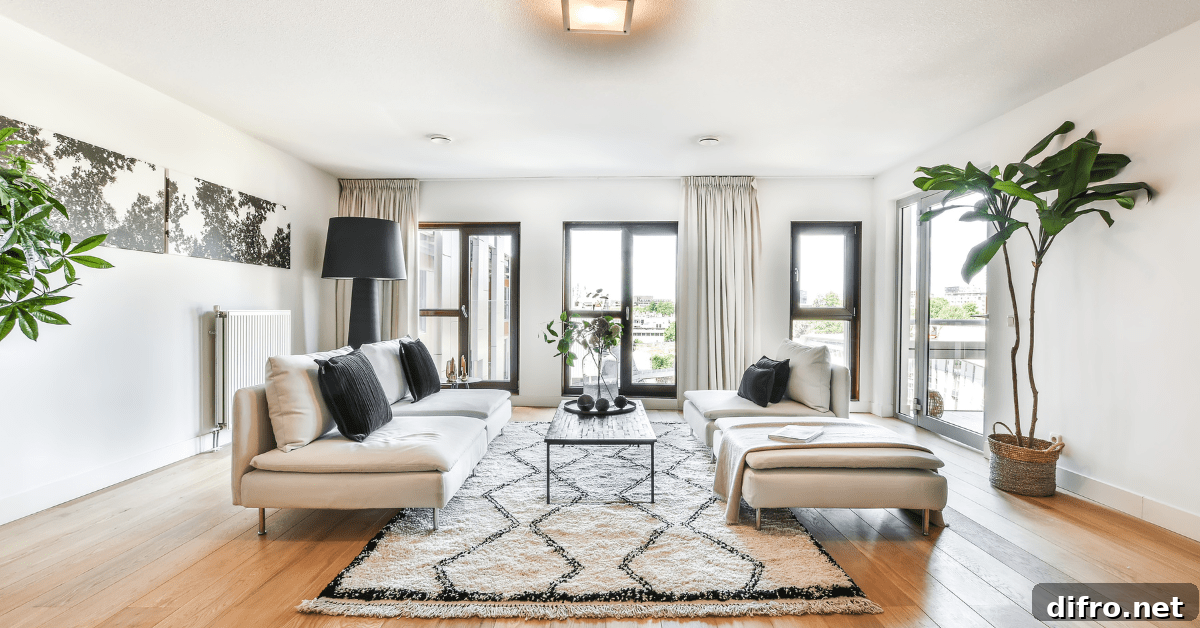
At a glance both rooms offer places to relax and entertain, but their differences come down to purpose and placement. A living room is traditionally a more formal front-facing space where guests are received and design details are showcased. It often reflects your home’s aesthetic with curated decor, art, and furniture chosen to impress and welcome visitors. The family room, by contrast, is typically located toward the center or rear of the house and is designed for everyday living. It prioritizes comfort, flexibility, and practicality—making it ideal for watching television, playing games, or spending casual time together.
Design and Decor for Tailoring Each Room to Its Purpose
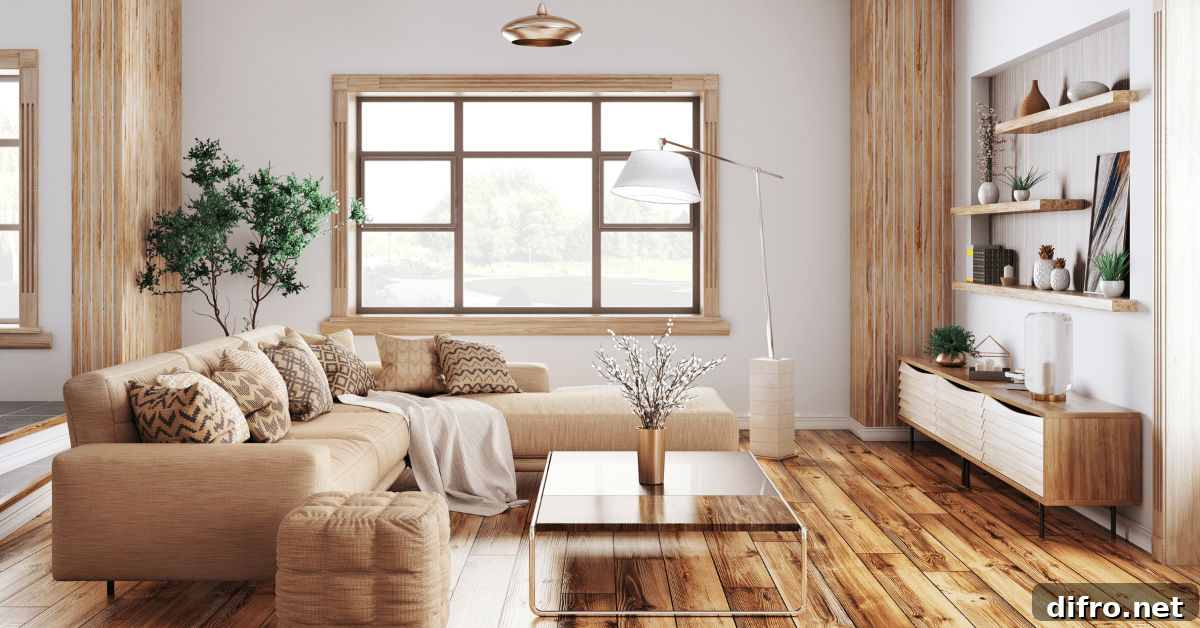
Design choices should reflect each room’s intended use. In a living room, you can emphasize refined finishes, decorative lighting, statement furniture, and carefully chosen artwork. Consider a cohesive color palette and textures that elevate the space while keeping circulation clear for guests. For the family room, durability and comfort are paramount: stain-resistant fabrics, modular or sectional seating, washable rugs, and integrated storage help the room stay functional and tidy. You can still incorporate style—mix casual patterns, layered textiles, and family-friendly accessories that feel welcoming without sacrificing aesthetics.
Choosing the Right Furniture – Comfort Meets Style
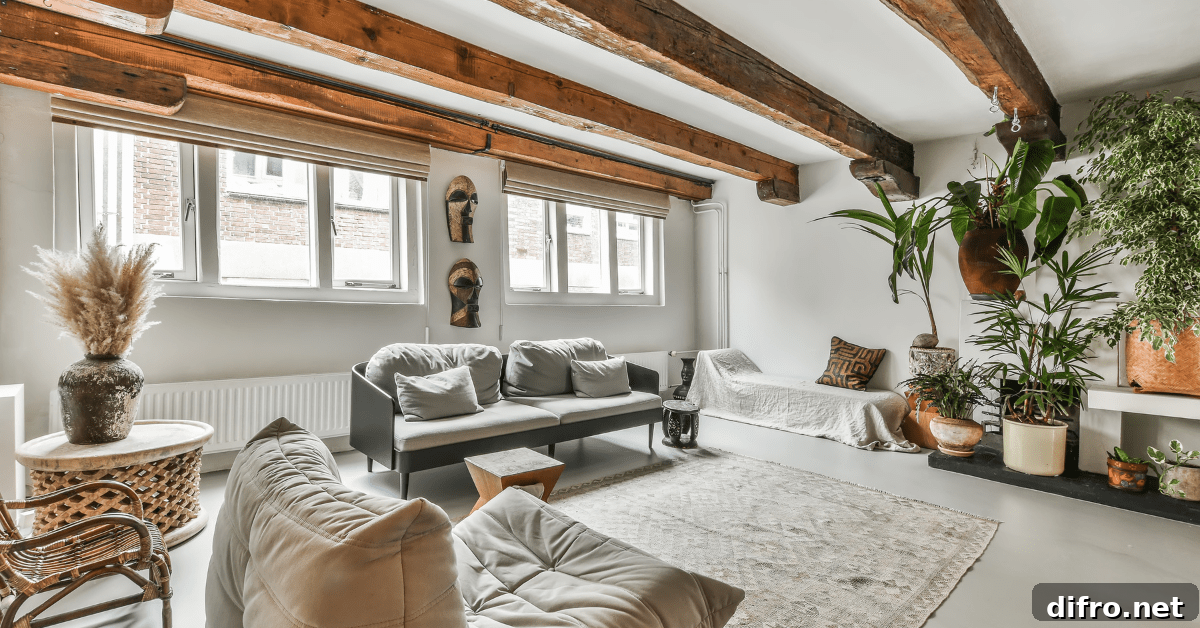
Furniture defines how a room functions. In the living room, choose pieces that serve as focal points—an elegant sofa, sculptural chairs, or a distinctive coffee table. Scale and proportion are important here: allow space for circulation and spotlight design features. For the family room, prioritize seating capacity and adaptability—sectionals, sleeper sofas, ottomans with storage, and coffee tables that double as play surfaces are practical choices. Think about arranging furniture to support conversation and sightlines to the television while leaving pathways that accommodate everyday traffic.
Lighting and Atmosphere – Setting the Mood in Each Space
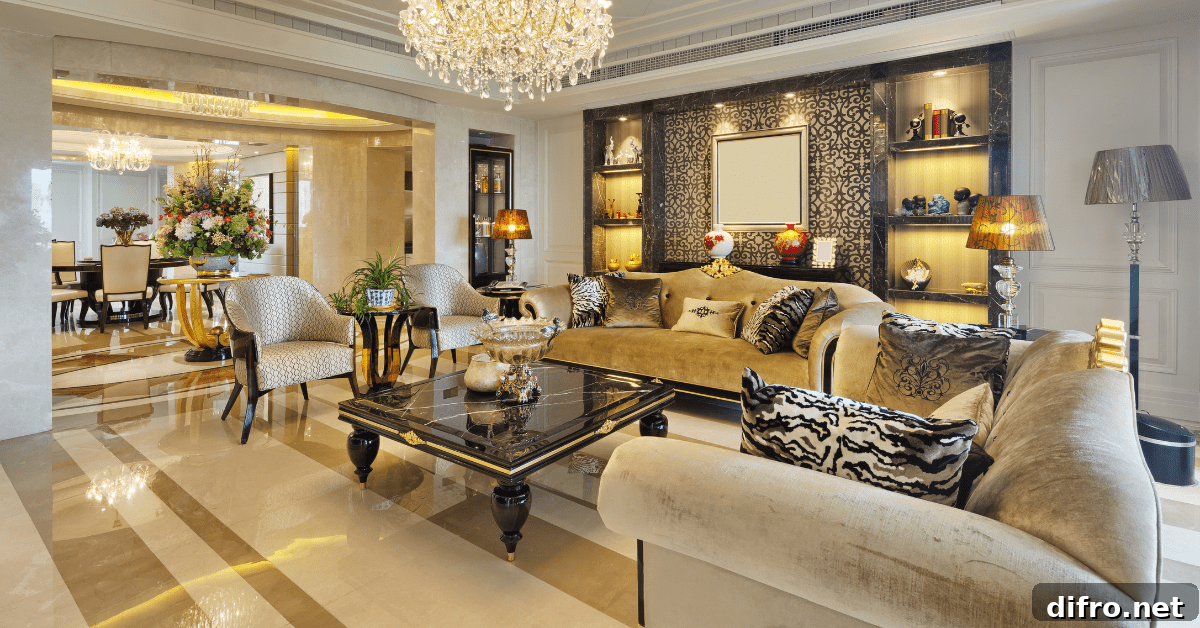
Layered lighting transforms each room’s atmosphere. In a living room, combine ambient ceiling lights, accent uplighting or picture lighting, and task lighting to highlight features and create a polished look. Cooler white light can work for contemporary displays, while warmer tones add intimacy. The family room benefits from flexible lighting: dimmers, warm floor lamps for reading, and adjustable task lights for activities. Consider blackout curtains or shades for media viewing and use dimmable fixtures to tailor mood and functionality throughout the day.
Entertainment and Technology – Integrating Modern Amenities
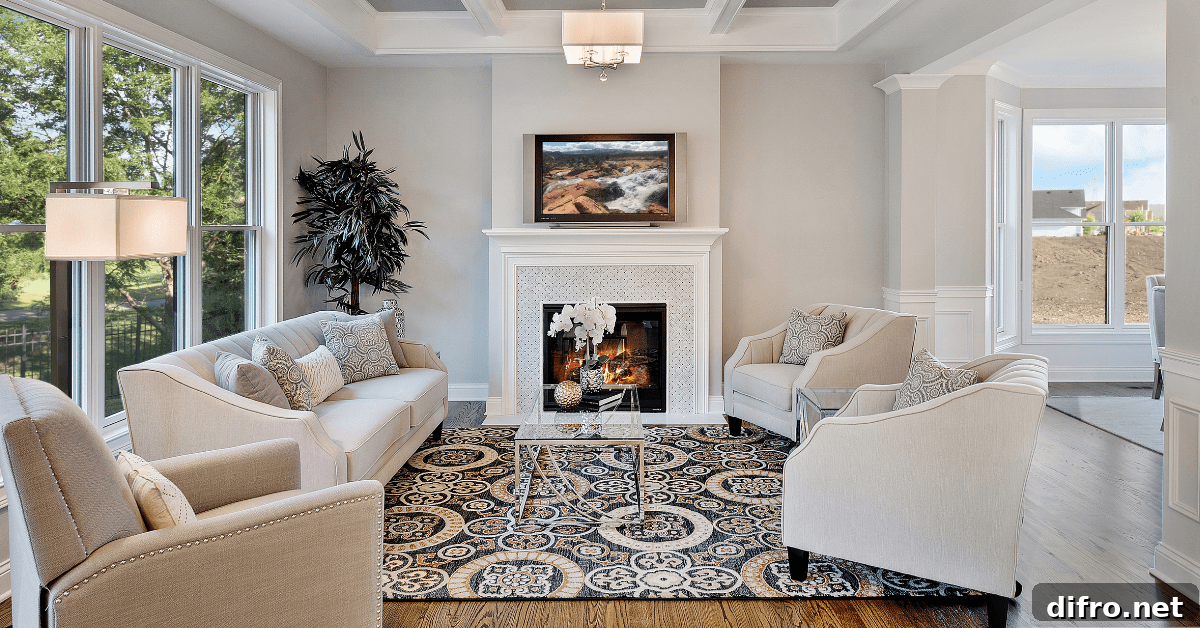
Technology differs by room based on usage. Living rooms often feature subtle audio setups and a television placed to complement the decor, while family rooms are more likely to host larger screens, gaming consoles, and multimedia hubs. When integrating tech, plan for concealed cabling, adequate power outlets, and ventilation for equipment. Consider acoustics: rugs, curtains, and soft furnishings reduce echo in family rooms, and discreet speakers or soundbars can preserve the living room’s elegant feel.
Key Tips for Designing Both Spaces
- Define the primary purpose of each room before choosing finishes and furniture.
- Use durable, easy-care materials in high-traffic family areas and more delicate accents in formal living spaces.
- Balance comfort and aesthetics—stylish does not have to mean impractical.
- Create focal points: a piece of art, fireplace, or media wall anchors the space visually.
- Plan furniture layout around conversation, sightlines, and traffic flow.
- Include versatile storage solutions to keep both rooms organized and clutter-free.
- Layer lighting for flexibility: ambient, task, and accent lighting tailored to each room’s needs.
- Integrate technology thoughtfully, prioritizing both function and appearance.
While family rooms and living rooms share the goal of bringing people together, acknowledging their different roles helps you design spaces that work day-to-day and when entertaining. A purposeful living room can offer a refined space to greet guests and display personal style, while a well-planned family room becomes the practical, cozy heart of everyday life. By tailoring furniture, finishes, lighting, and technology to each room’s use, you can create a balanced, comfortable home that supports both formal and informal moments.
Subscribe to a design newsletter or follow interior design updates to receive ideas and trends that help turn your house into a comfortable, stylish home.