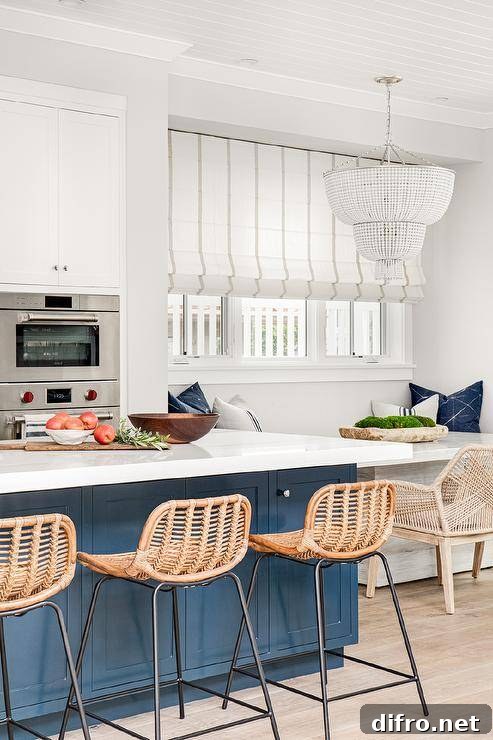
Too often kitchen windows are left bare while every other room in the house gets curtains or blinds. It’s an odd oversight: the kitchen is where we spend a lot of time and where natural light matters most. You don’t want heavy, dark drapery that makes the space feel gloomy, but window treatments can offer privacy, style, and light control while keeping the room bright and inviting.
Things to Consider Before Choosing a Curtain Style
There are many options—curtains, blinds, shades, valances, and shutters. Think about function first: how much light do you want to admit, how much privacy is needed, and how easy should the covering be to clean? Then consider color, texture, and pattern to complement your kitchen’s design.
For a clean, modern look, choose neutral fabrics and simple lines. Light, cool tones make a small kitchen feel larger and brighter; darker, warmer tones work well in larger kitchens where they add warmth and a cosier scale.
Bold geometric patterns or asymmetrical treatments create visual interest, while subtle patterns or solids provide a calmer backdrop. If privacy matters but you still want daylight, select woven or translucent materials that obscure the view from outside while letting light through—sheers, woven roller shades, and translucent Roman shades are good choices.
A valance can be the finishing touch at the top of a window and is especially useful to balance offset or multiple windows without covering too much glass.
Use the ideas below to add coverage and style to kitchen windows.
Cafe Curtains
Cafe curtains cover the lower half of a window, leaving the top open to daylight. They’re ideal for farmhouse, cottage, and casual kitchens because they allow natural light while providing privacy at counter level. Cafe curtains are easy to install—often on a simple rod or tension rod—and work well in plain fabrics, patterned textiles, or with decorative edging.
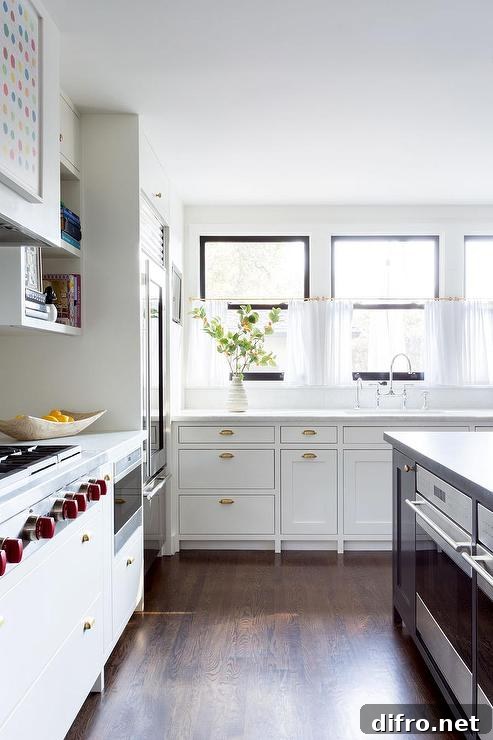
Many DIYers create cafe curtains from tea towels or dishcloths for a seasonal or budget-friendly update. Add a coordinating valance for a layered look that still floods the kitchen with light.
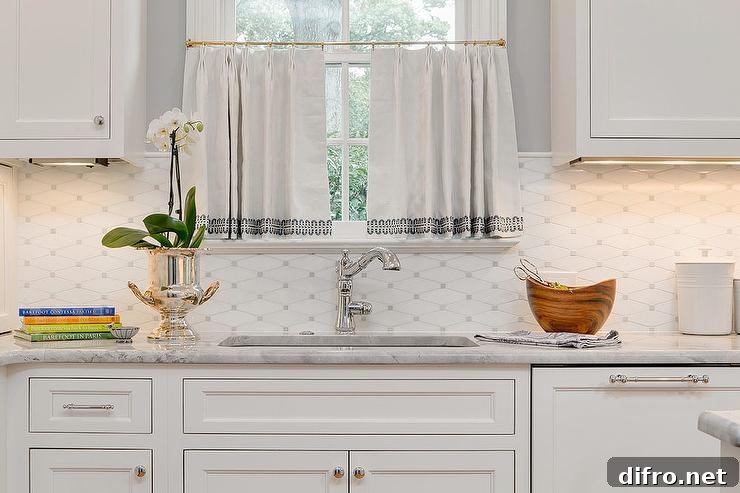
Drop Cloth Curtains
Drop cloth curtains are an inexpensive, rustic option that’s easy to customize. You can simply hem canvas drop cloths for a casual valance or sew pleats for a more finished panel. They pair nicely with farmhouse and industrial kitchens and can be purchased ready-made if you prefer.
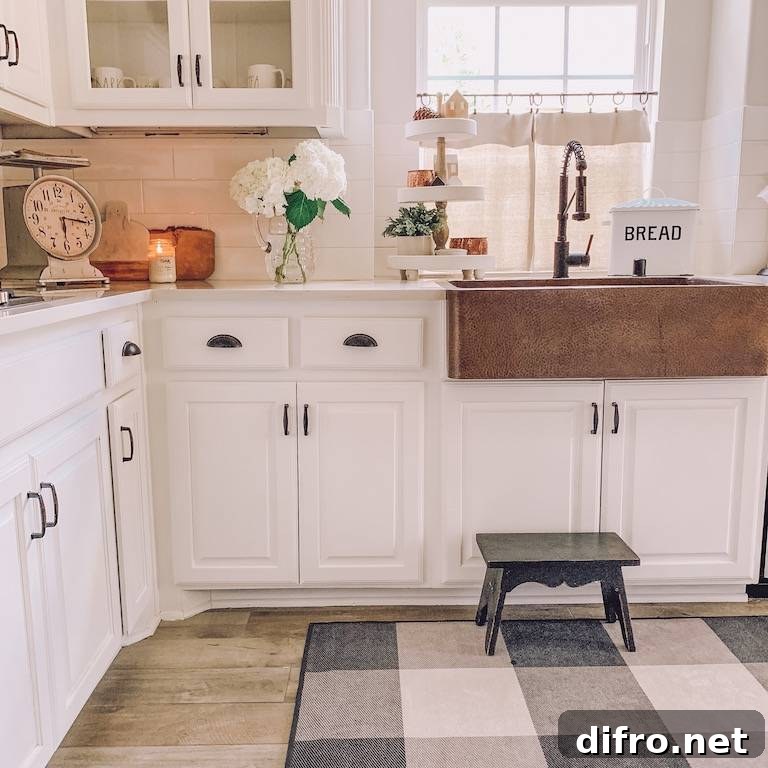
Roman Shades
Roman shades offer a polished, tailored look. They stack neatly when raised and lie flat when lowered, providing a clean silhouette that suits classic, contemporary, and transitional kitchens. Choose light-filtering fabrics if you want soft daylight when closed, or blackout backing for stronger light control.
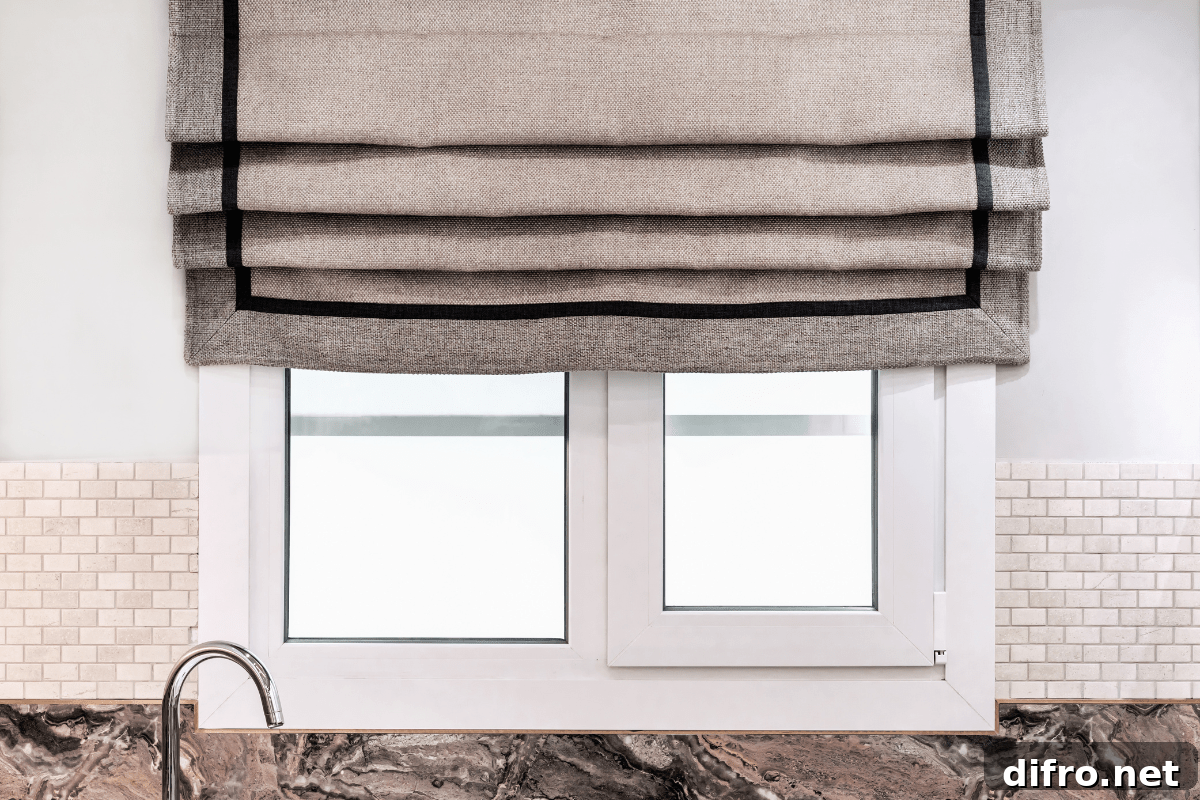
Floor-to-Ceiling Curtains
When a kitchen includes a tall window or sliding glass door, floor-to-ceiling curtains provide scale and drama. They can make the room feel taller and more cohesive, and they work especially well when coordinated with adjoining dining or living areas.
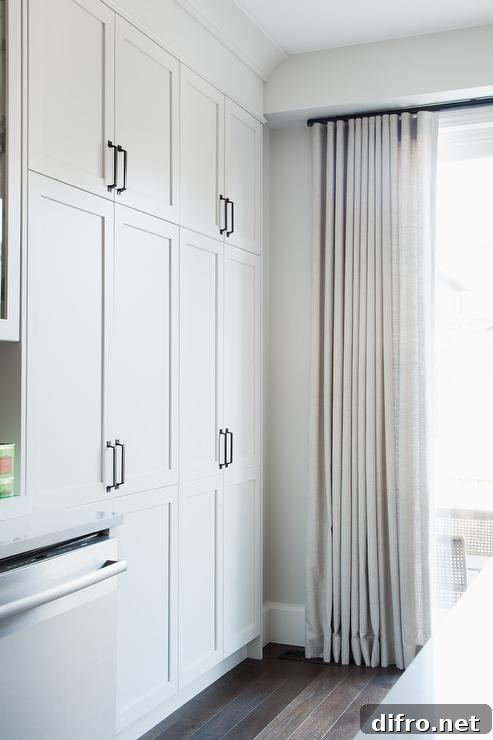
Mixing Types and Matching Sets
Layering different treatments—like Roman shades with side panels, or a valance over woven shades—creates a luxurious, custom look. Matching curtains across different window sizes and styles also unifies open-plan kitchens and dining areas. Don’t be afraid to mix colors and textures to complement cabinetry and countertops.
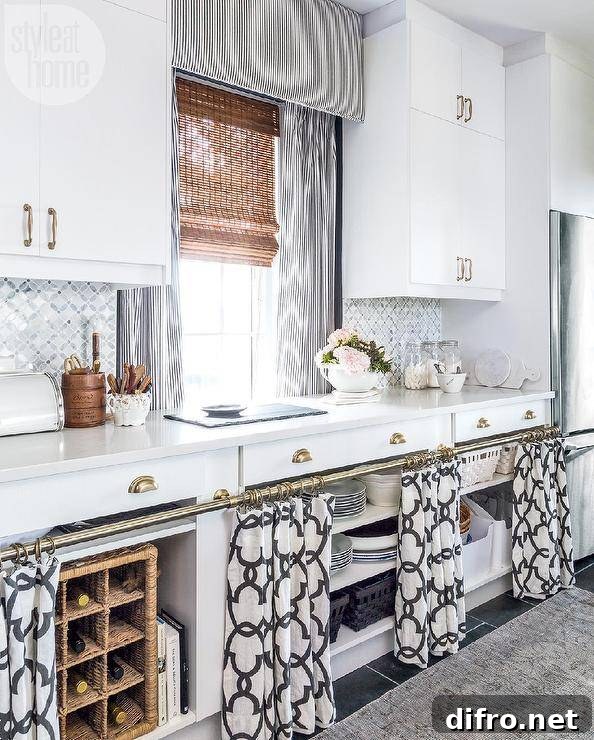
Bamboo Shades and Wood Options
Bamboo and woven wood shades add natural texture and filter sunlight into a warm glow. They suit coastal, modern, and eclectic kitchens. For a more structured, long-lasting option, interior wood shutters provide excellent privacy and a high-end look, though they tend to be pricier.
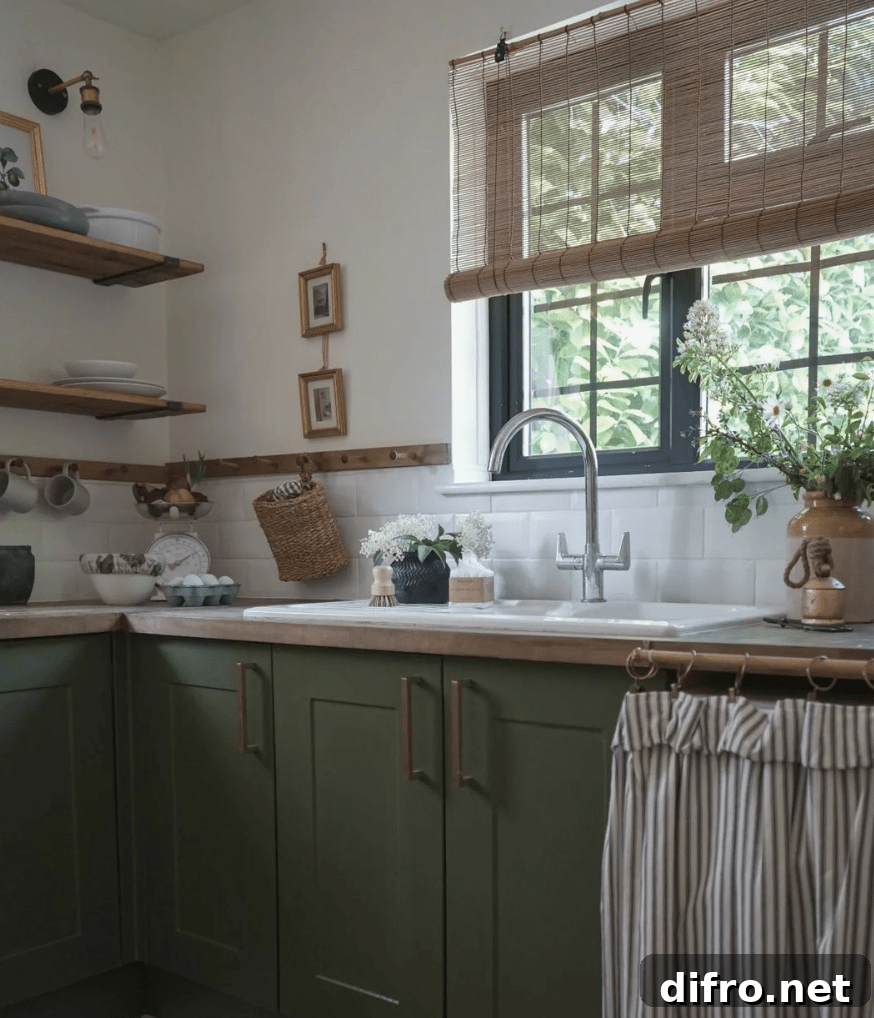
Sheer Curtains and Lace
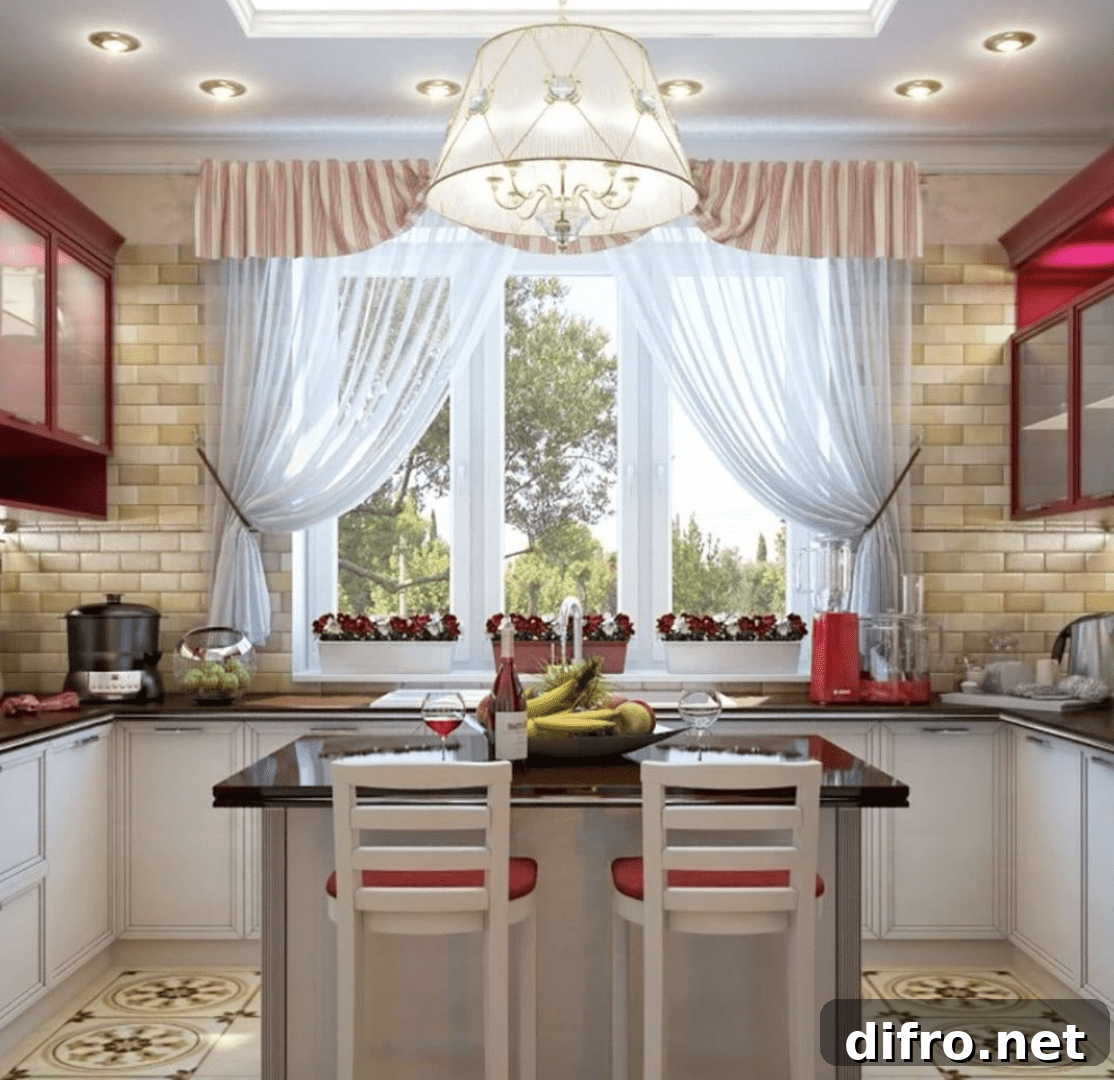
Sheers soften sunlight and add a light, airy feel while offering minimal privacy. They’re versatile and can be layered with heavier panels. Lace curtains create a romantic, vintage vibe that suits cottage and rustic kitchens.
Roller and Tie-Up Shades
Roller shades are minimal and user-friendly, available in many fabrics from light-filtering to blackout. Tie-up shades add quaint charm; they’re decorative and fit farmhouse or cottage styles well but require manual tying to keep them out of the way.
Wood Shutters
Custom-fitted interior wood shutters deliver a refined, durable option that adds resale value and excellent control over light and privacy. They pair well with traditional and transitional kitchens.
Five Styles to Consider
Choose a treatment that complements your home’s overall style. Here are five popular directions to guide your choice:
Farmhouse
Use neutrals, gingham, buffalo check, or drop-cloth textures. Farmhouse curtains favor simple, muted palettes rather than large, ornate patterns.
Modern
Monochrome or tonal curtains with clean lines create a sleek, cohesive look. Match fabric tones to cabinetry or islands for a unified effect.
Contemporary
Soft lines and subtle sheers suit contemporary kitchens; roller shades in a bold color can add a striking, minimal accent while keeping functionality.
Coastal
Light blues, seafoam greens, and subtle stripes or ticking fabrics evoke a relaxed, beach-inspired vibe.
Mediterranean
Earthy tones—rust, terracotta, and warm sands—or rich Mediterranean blues work well with warmer cabinetry and textured finishes.
Important Safety Information
Remember safety when selecting kitchen window treatments. Avoid flammable fabrics near cooktops or open flames, and consider heat and grease exposure when choosing materials. Long blind cords present a strangulation hazard, so opt for cordless designs or secure cords out of reach. Choose fabrics that are easy to clean and resistant to staining, smoke, and cooking odors.
With the right balance of function, safety, and style, kitchen window treatments can transform an often-overlooked surface into a design feature that enhances light, privacy, and comfort.