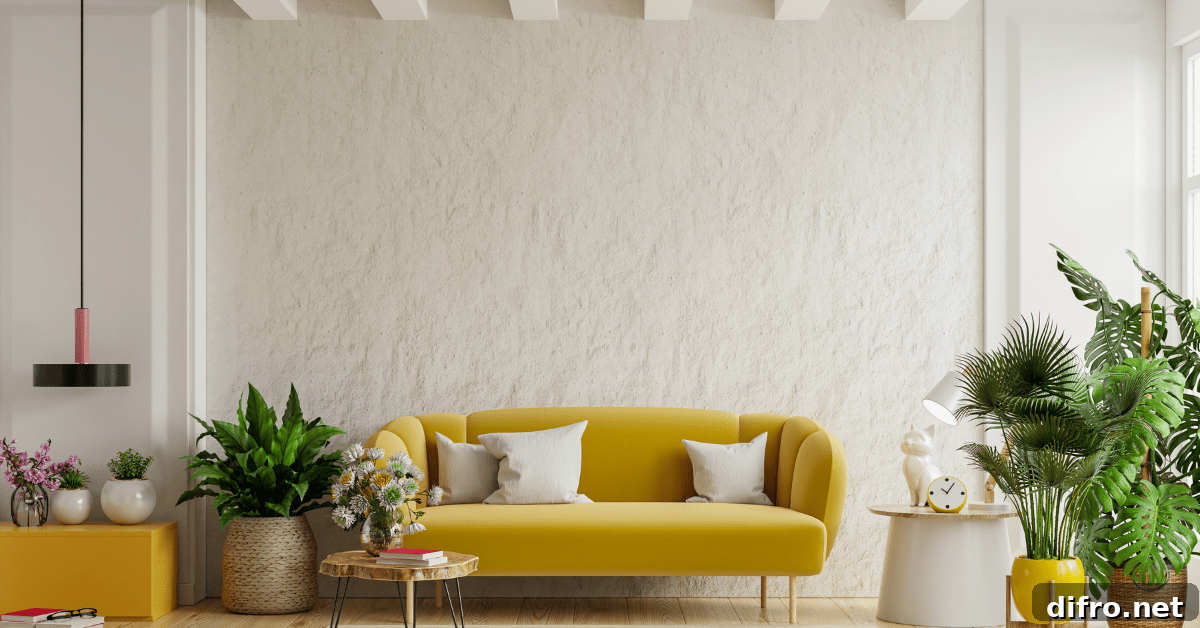
White is a timeless foundation in interior design, offering a versatile, clean backdrop that can be styled to suit any mood or aesthetic. When paired with the right colors, white transforms from a simple neutral into a dynamic canvas that highlights texture, form, and contrast. Below are expert-recommended color pairings that work particularly well with white, with practical tips for applying each combination in your home.
1. Dramatic Darks
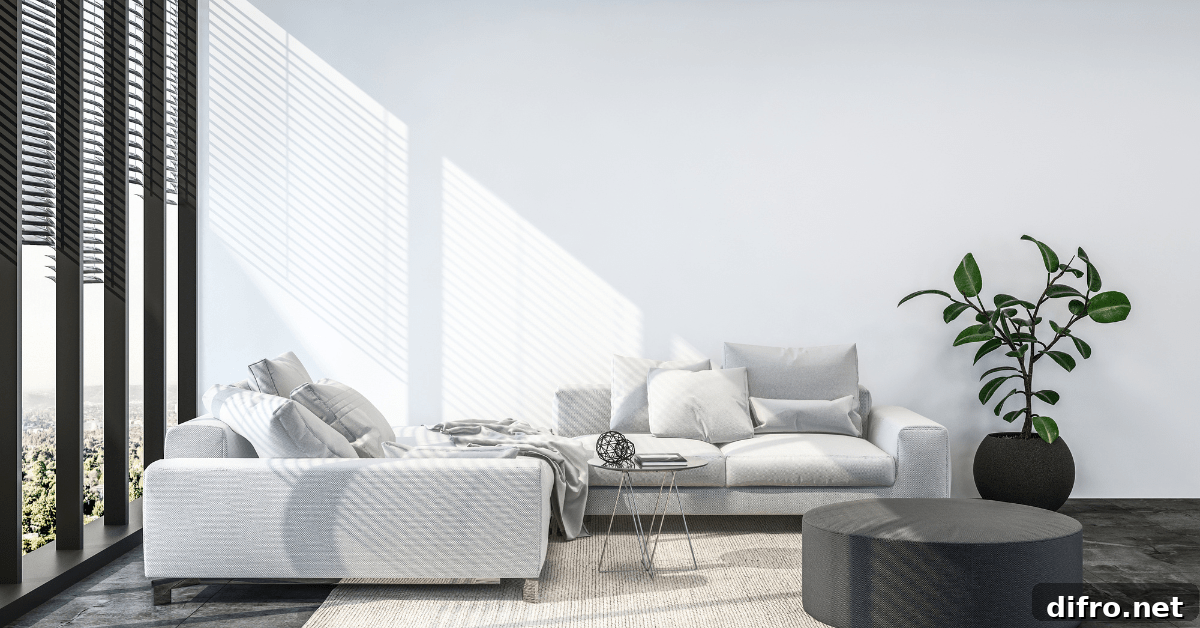
Bold, dark tones—such as navy, charcoal, and black—create striking contrast against white and lend spaces a sophisticated, modern edge. This pairing emphasizes architectural lines and focal pieces, making white elements appear brighter and more defined. Dark hues work especially well as cabinetry, accent walls, window frames, or statement furniture in kitchens, bathrooms, and living rooms.
To maintain balance, limit the dark color to one or two focused elements: an accent wall, lower kitchen cabinets, or a prominent sofa. Keep surrounding surfaces and accessories light to preserve openness and avoid making the room feel closed in. Textural contrast—glossy tiles against matte paint or metal hardware against matte wood—amplifies visual interest.
2. Soothing Sage
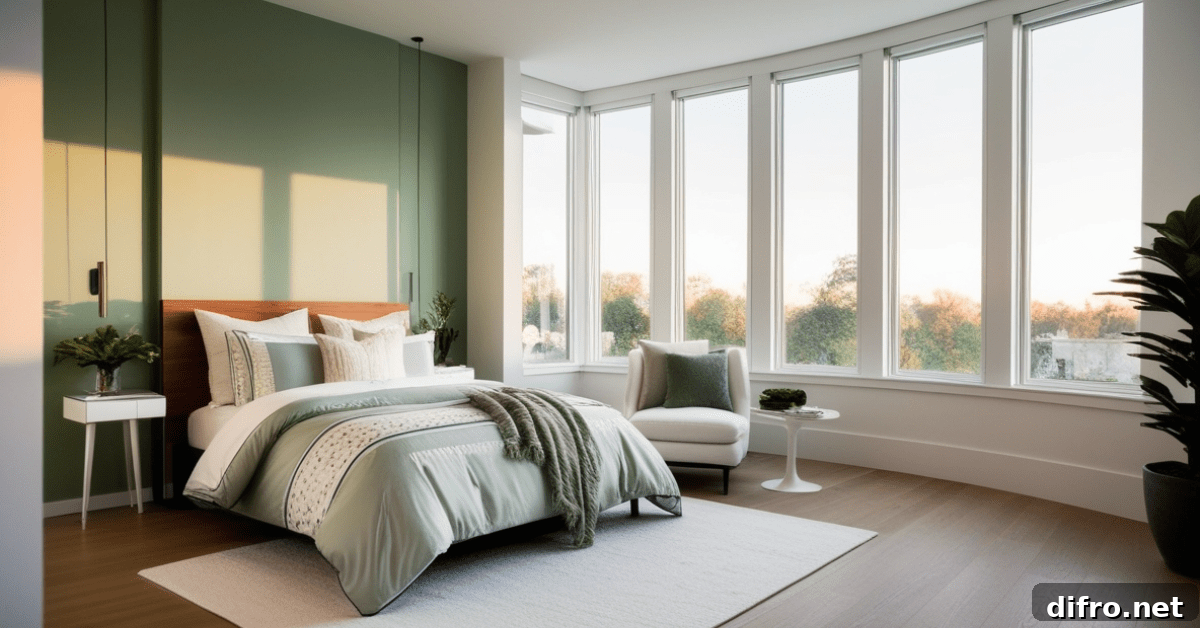
Sage green pairs with white to create a calm, nature-inspired atmosphere. Its muted, slightly gray undertone brings a sense of serenity that complements white’s clarity. This combination is ideal for bedrooms, living rooms, nurseries, and any area meant for relaxation.
Introduce sage through textiles like upholstered chairs, curtains, or bedding, or select it for a feature wall to anchor a seating area. Pair with natural wood finishes and plenty of plants to reinforce the organic feel. Small brass or matte black details can add refinement without disrupting the soft palette.
3. Warm Beiges and Cool Grays
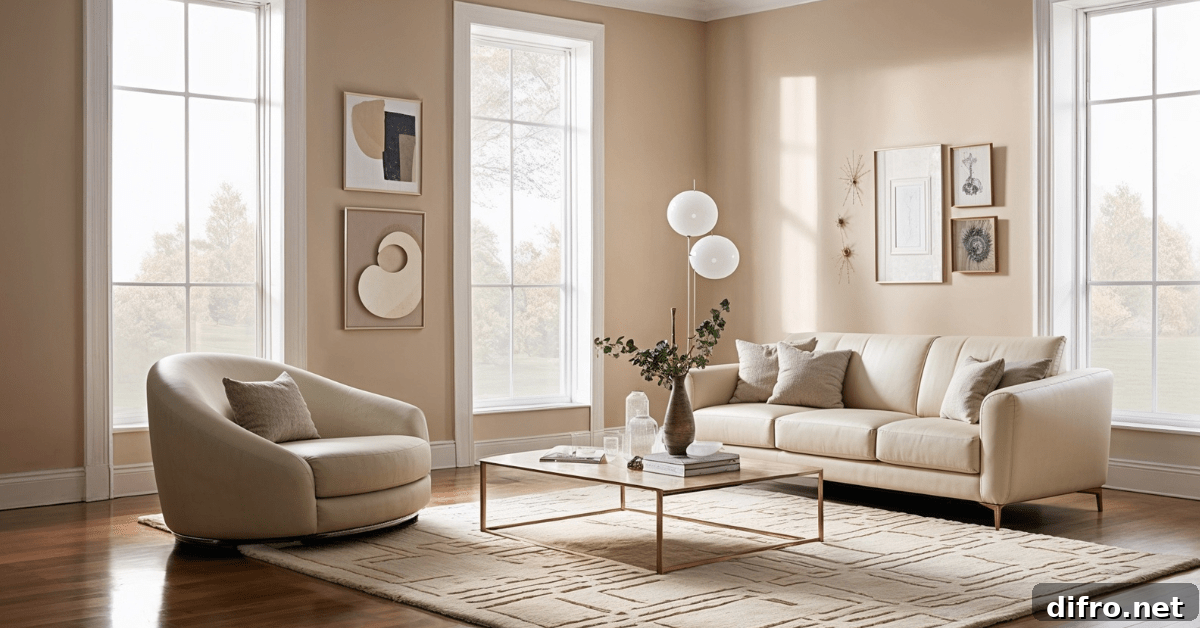
Pairing white with other neutrals—warm beiges, taupes, and cool grays—creates an elegant, layered look that feels cohesive and refined. Warm neutrals soften creamy whites, while cool grays emphasize bright, crisp whites. This approach is ideal for open-plan living areas, minimalist interiors, and spaces that prioritize calm, understated sophistication.
When working with a neutral palette, texture is your best tool. Mix nubby textiles, woven rugs, polished metals, and different wood grains to add depth. Layering tonal variations prevents the space from feeling flat and highlights architectural details without relying on bold color.
4. Soft Pink
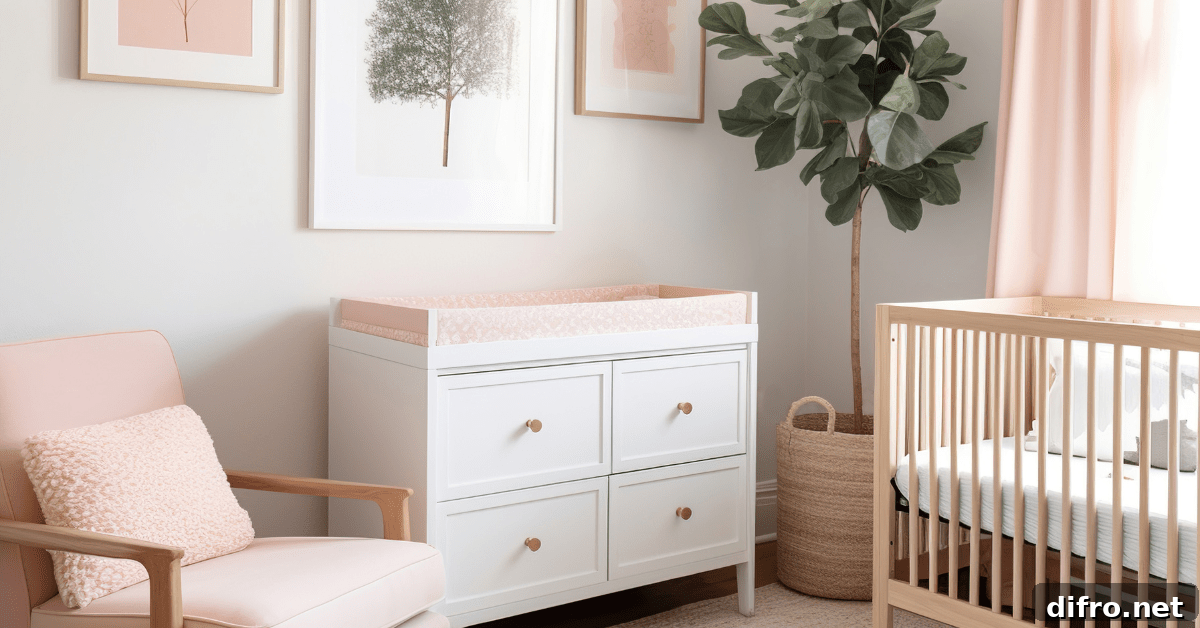
Blush or soft pink introduces a gentle, romantic energy to white interiors. It warms the space subtly without overpowering the purity of white and works beautifully in bedrooms, guest rooms, and cozy sitting areas. The effect is light, airy, and welcoming.
Use soft pink sparingly: throw pillows, drapery, an upholstered chair, or a painted small-scale furniture piece can serve as a delicate focal point. Pair with muted metallics like brushed gold or warm brass to add a sophisticated sheen.
5. Vibrant Yellow
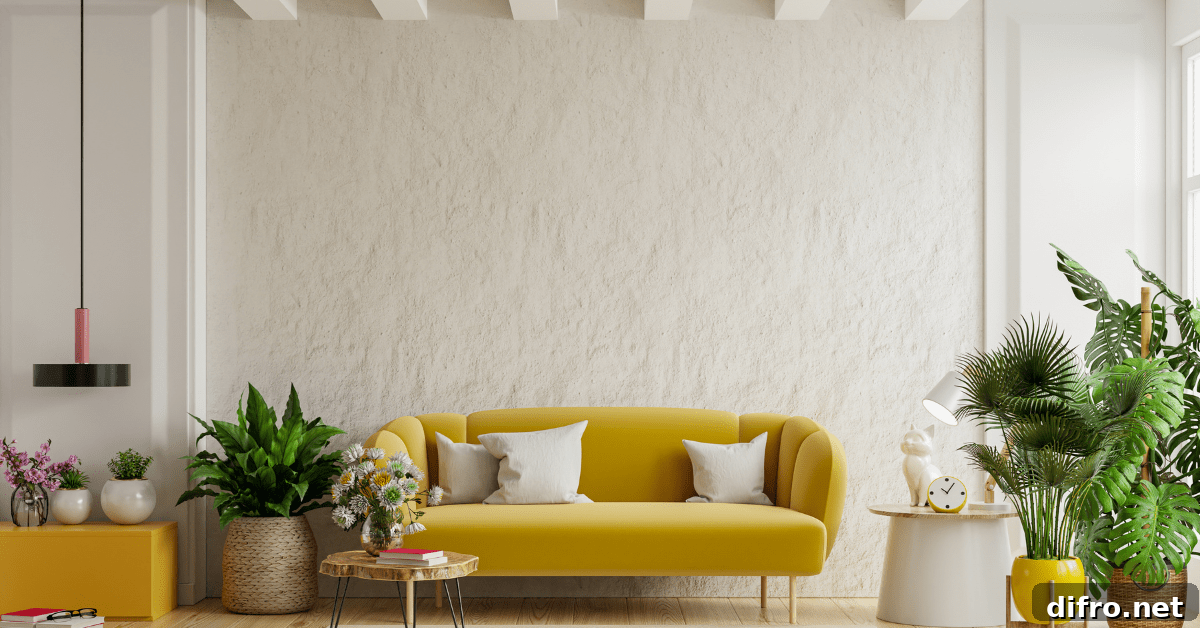
Yellow paired with white brings brightness and a cheerful atmosphere to kitchens, dining rooms, and creative spaces. Shades from pale butter to sunny lemon energize a room and highlight white’s freshness. Yellow encourages optimism and can make smaller spaces feel more expansive.
Because yellow is highly noticeable, apply it strategically: a single accent wall, an upholstered armchair, a set of kitchen stools, or accent pieces like vases and artwork. This keeps the effect lively without overwhelming the room.
6. Cool Blues
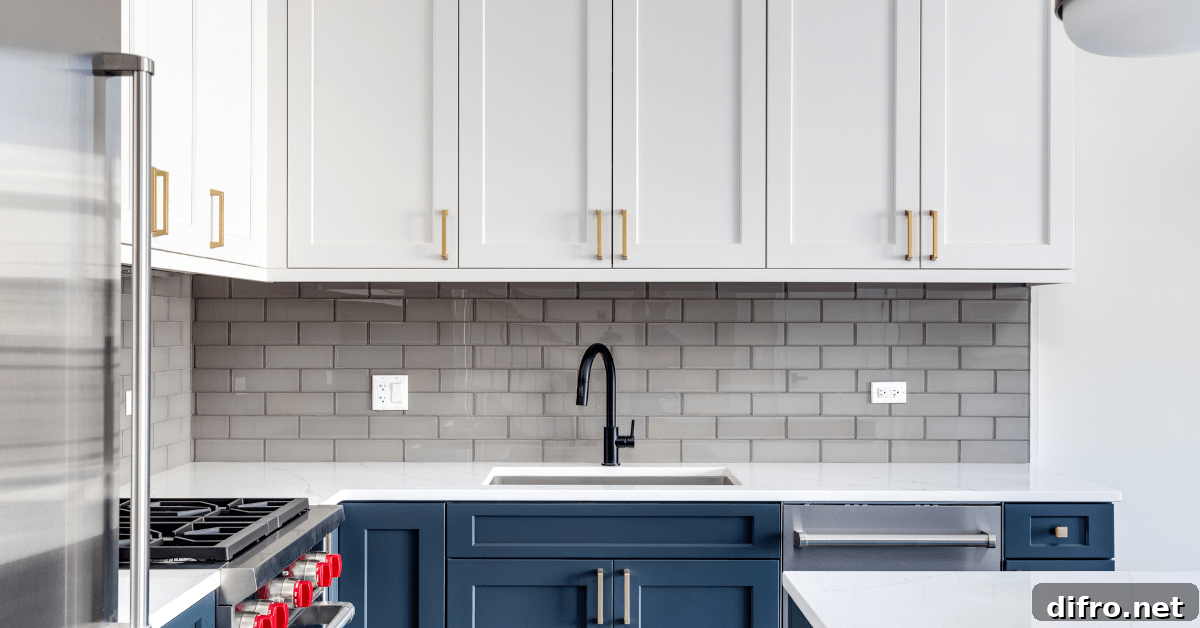
Blue and white evoke coastal calm and crisp freshness. Light blues are soothing and subtle, while darker shades like navy create dramatic contrast and visual structure. This pairing suits bedrooms, bathrooms, and kitchens, and lends itself well to layered textile and pattern work.
Experiment with multiple shades of blue in a white space to add depth—think navy trim with pale blue accents or patterned textiles that mix several blues. Incorporating natural textures such as linen, rattan, and light wood completes the serene palette.
7. Earthy Oranges
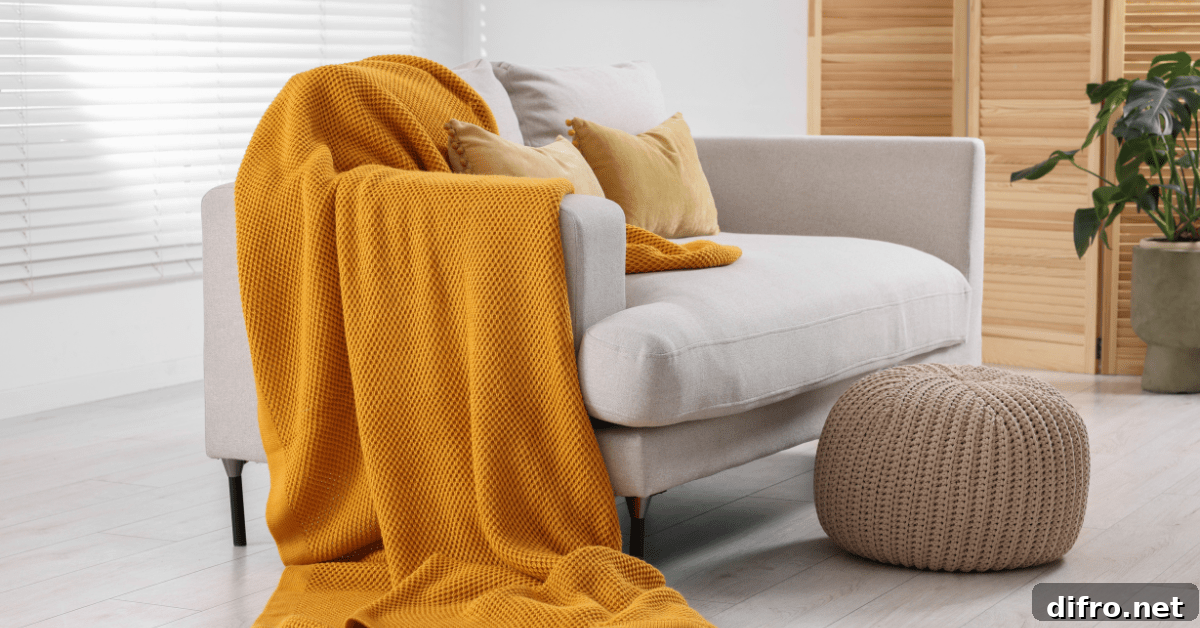
Terracotta, rust, and other earthy orange tones bring warmth and richness to white interiors. These hues create an inviting, lived-in feel that works well in dining areas, living rooms, and entryways. The contrast feels modern yet grounded.
Introduce these tones with accessories, ceramics, throw blankets, or planters. Natural materials—terracotta pots, leather accents, and warm wood—reinforce the color’s earthy quality and help maintain a balanced, grounded space.
8. Shades of Green
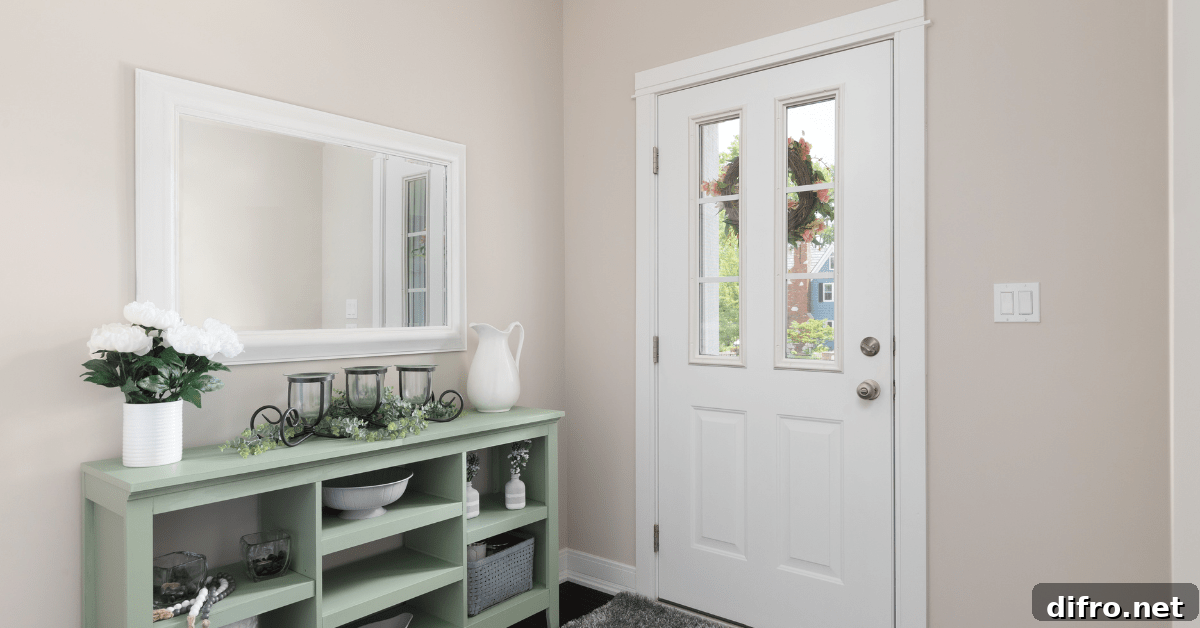
Green in its many variations complements white with freshness and vitality. Deep emeralds provide dramatic contrast and elegance, while olive and moss tones offer a subtler, earthy pairing. White and green work especially well in spaces that emphasize a connection to the outdoors.
Add green through potted plants, artwork, textiles, or painted furniture. A single green cabinet or console can serve as a strong focal point against white walls. Combining green with natural materials and layered lighting achieves a balanced, rejuvenating space.
Related Articles
- Transforming Your Home with the Earthy Color Palette of Terracotta
- 6 Colors That Complement Green in Home Decor
- Stunning Colors That Work With Purple for Your Home
White may appear understated, but when paired thoughtfully with complementary colors it becomes a powerful design tool. Whether you prefer bold contrasts, soft pastels, or warm earthy tones, the right color combinations can bring clarity, warmth, and personality to your home. Focus on balance, texture, and scale as you experiment—small accents can have as much impact as large swaths of color.
Turn your house into the home of your dreams. Subscribe to a design newsletter for curated ideas, decor trends, and practical tips to start your decorating journey.