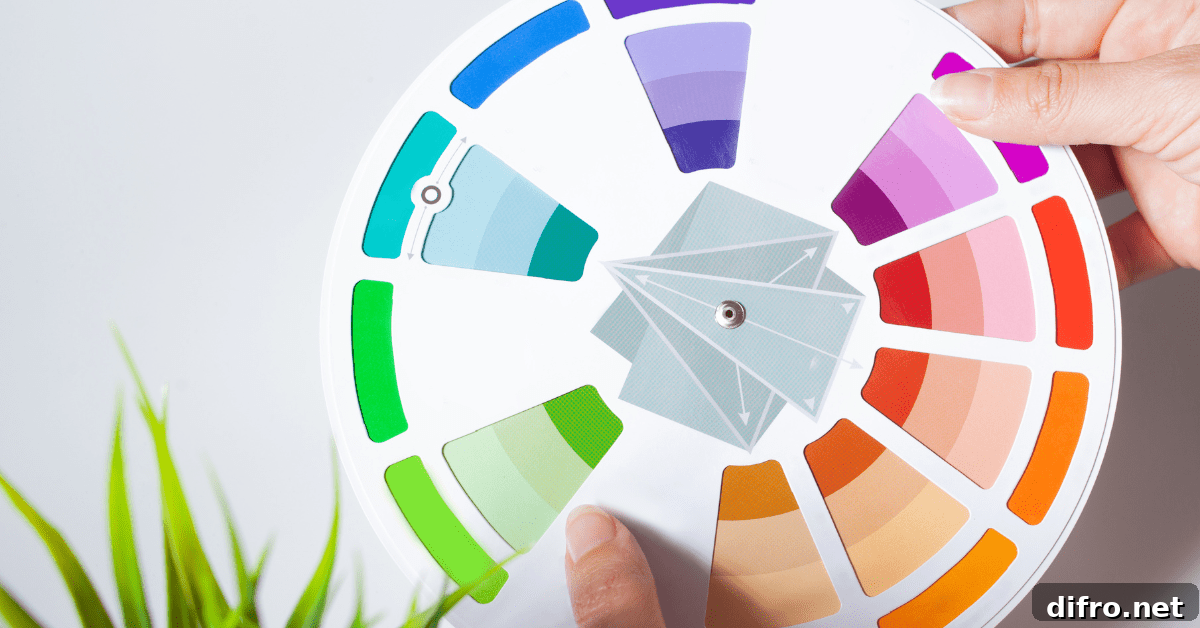
Delving into design and decoration, the color wheel is an essential tool that helps creators achieve visual harmony and balanced palettes. This circular diagram organizes hues according to their relationships, offering a clear framework for selecting complementary, analogous, or contrasting colors. Understanding the wheel makes it easier to plan color schemes that enhance mood, balance compositions, and highlight focal points in interiors, graphics, or any creative project.
Adjacent hues on the wheel produce subtle, harmonious transitions that foster unity, while opposites introduce striking contrast and energy. Knowing how these relationships work opens up countless creative possibilities, whether you’re refreshing a room, designing a logo, or composing a painting.
Understanding Primary Colors – The Building Blocks of the Color Wheel
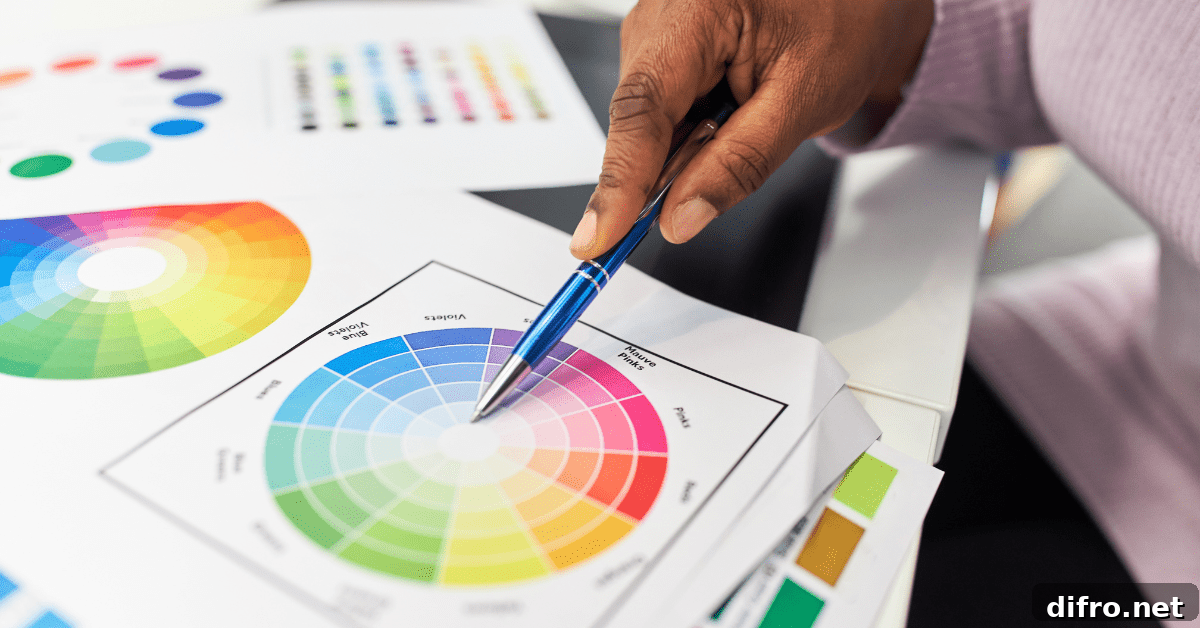
Primary colors—red, blue, and yellow—form the foundation of the traditional artist’s color wheel. They cannot be mixed from other hues, yet they combine to produce all other colors. These three pigments are the starting point for mixing secondary and tertiary shades and are crucial for understanding how color relationships behave in both pigment and light-based systems.
Each primary color also has a complementary counterpart directly across the wheel. Pairing primaries with their opposites can heighten visual vibrancy or, when blended, neutralize to earth tones. This dual nature—both contrast and balance—makes primary colors indispensable for designers seeking deliberate emotional or visual effects.
Exploring Secondary Colors – Mixing Primary Colors for Vibrant Results
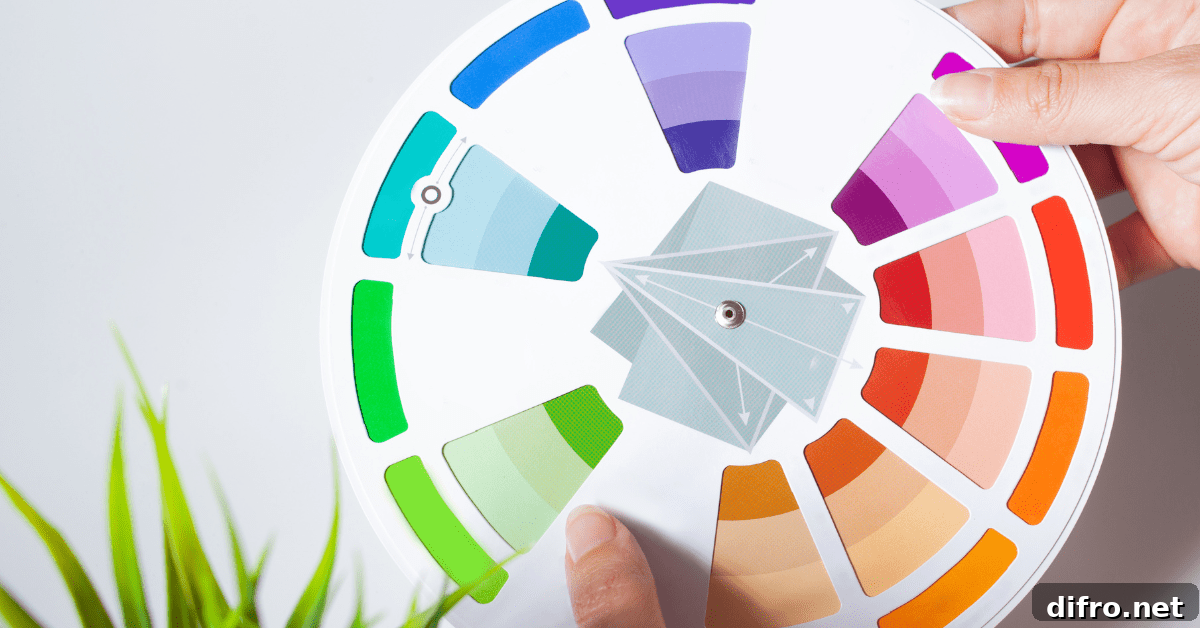
Secondary colors arise when you mix two primary colors: blue + yellow = green, red + blue = purple, and red + yellow = orange. These hues broaden the palette, offering more nuanced tones that can be tuned by adjusting proportions or by mixing in tints and shades. Secondary colors are versatile in interior design and art—they can act as accent tones, background layers, or central elements depending on saturation and value.
Understanding how primary colors combine helps predict outcomes when mixing pigments or choosing paint and fabric swatches. It also sets the stage for tertiary colors, which are created by combining a primary with a neighboring secondary hue, enabling even more refined color choices.
The Role of Complementary Colors For Enhancing Visual Appeal Through Opposites
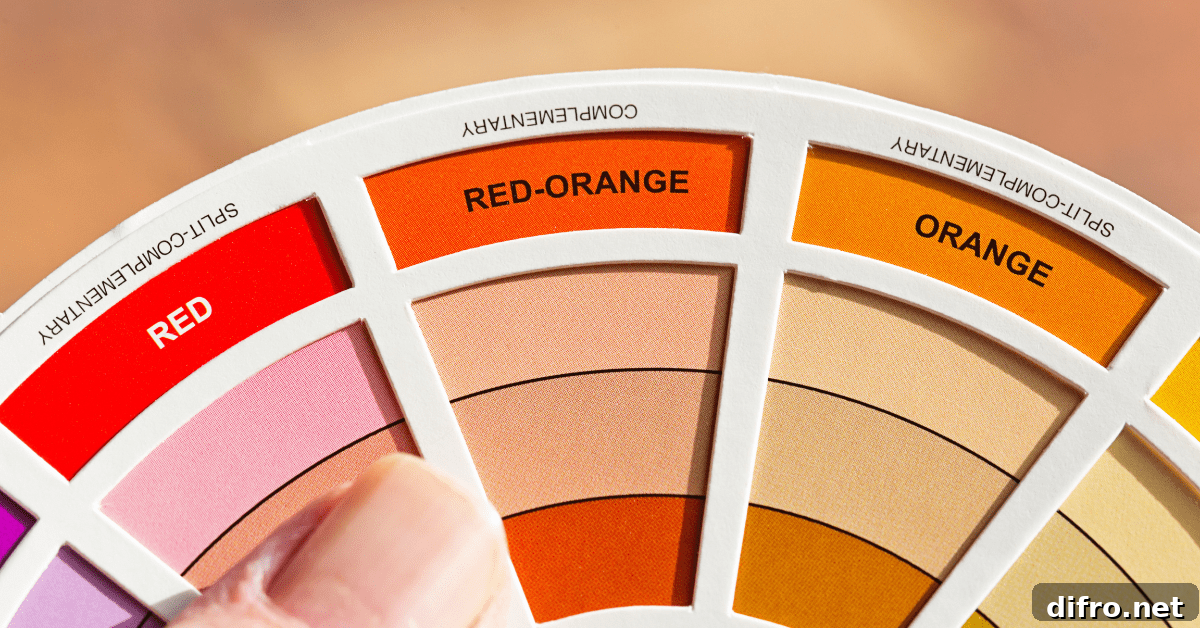
Complementary colors sit opposite each other on the wheel and deliver powerful contrast when used together. This pairing amplifies each hue’s intensity and draws the eye, making it ideal for focal accents, branding, or dramatic interiors. For example, pairing a warm hue with its cool opposite can create balance while maintaining visual excitement—blue and orange, red and green, or purple and yellow all exploit this dynamic to great effect.
Beyond contrast, complementary color schemes can help define spatial relationships. Darker complements can recede while brighter accents advance, creating depth and emphasis in a room or composition. Thoughtful use of opposites allows designers to guide attention, manipulate mood, and achieve a cohesive aesthetic.
Color Opposites and How To Leverage Them For Home Decor
What Color is the Opposite of Green?
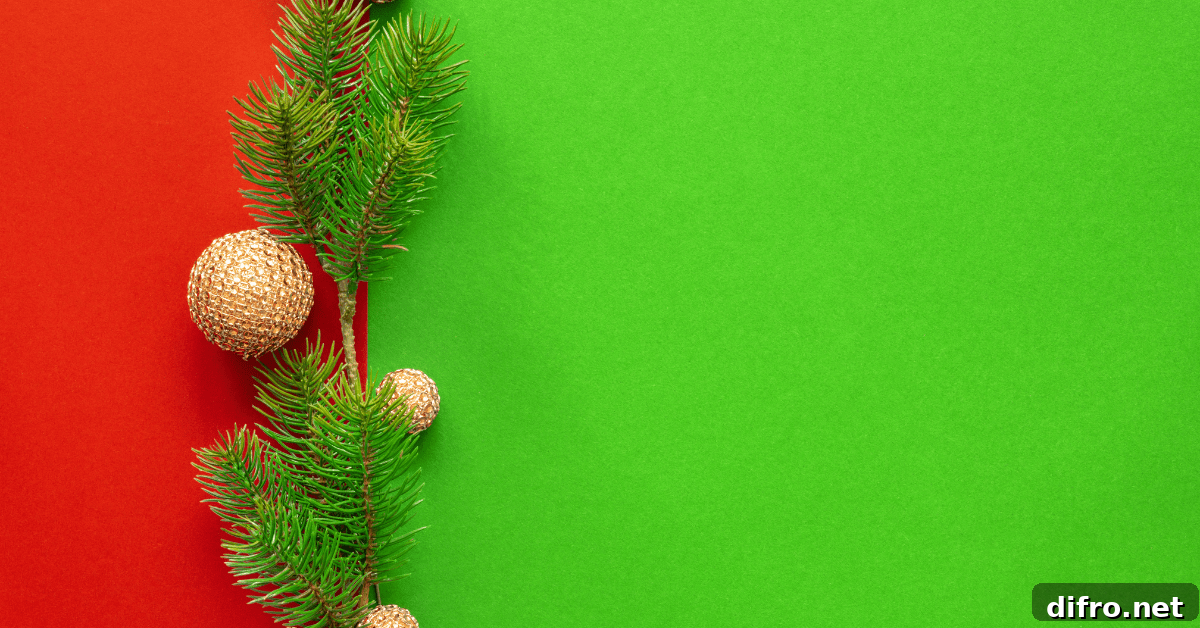
On the traditional color wheel, red is opposite green. Used together, they create strong contrast: green’s calm, natural feel is energized by red accents. In interiors, a few red accessories or a single red feature wall can enliven a green-dominant space without overwhelming it.
Which Color is the Opposite of Blue on the Color Wheel?

Orange opposes blue on the wheel. This pairing balances blue’s cool serenity with orange’s warmth and vitality. In practical terms, a blue room gains energy from orange accents like cushions, artwork, or a rug, while still feeling composed.
What Color is the Opposite of Purple?
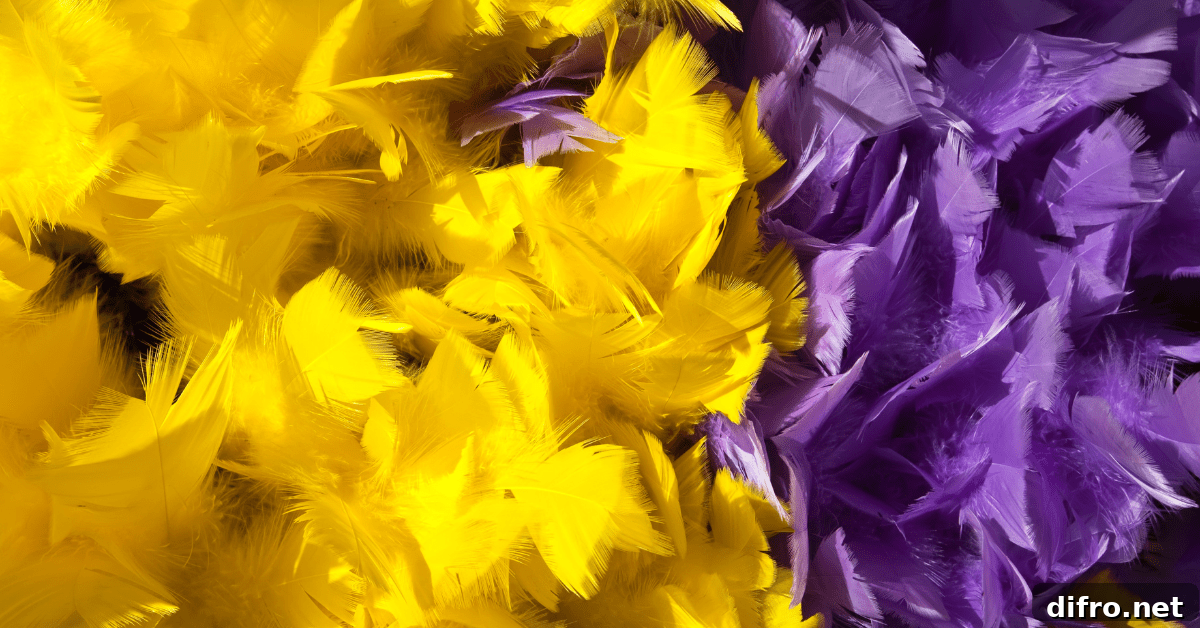
Yellow sits opposite purple. This high-contrast combination can feel luxurious and lively; a soft purple paired with muted yellow produces balance, while saturated purple and bright yellow create a bold, attention-grabbing look.
Further Reading
- Behr’s Color of the Year 2024: Cracked Pepper
- Your Guide For Understanding Analogous Color Schemes
- Pantone’s Color of the Year For 2024
Exploring the color wheel reveals how each hue relates to others and how opposites can be used to craft expressive, balanced designs. Whether you’re selecting paint, arranging textiles, or composing a visual identity, applying color theory intentionally helps you convey mood, direct attention, and create cohesive, beautiful results.
Ready to refresh your home? Subscribe to our newsletter for interior design tips, trends, and ideas to transform your space. Subscribe for updates!