
Have you ever looked at a piece of furniture in your home and felt it needed a fresh look? Maybe you picked up a charming but worn chair at a flea market and wished you could give it a new life. Painting furniture is more than just changing its color — it’s a way to refresh your space, personalize pieces, and extend the life of items you love. This detailed guide walks you through how to paint furniture step by step, from preparation to finishing touches, so you can turn the old into something beautiful and durable.
Cleaning and Sanding Your Furniture Before Painting
The key to a professional-looking paint job is proper preparation. Start by thoroughly cleaning the piece to remove dirt, grease, and old residue. A mild detergent and a soft sponge or cloth will remove surface grime. After cleaning, let the furniture dry completely.
Sanding is the next essential step. It smooths imperfections and creates a surface that helps paint adhere. Use medium-grit sandpaper and sand in the direction of the wood grain. If the piece has a glossy finish, a bit more abrasion is necessary to dull the surface. Remove sanding dust with a tack cloth or a slightly damp rag so the paint will go on clean and even.

Selecting the Right Paint and Tools for Furniture Painting
Choosing the right paint and tools will determine both the look and longevity of your project. Consider these options:
- Oil-based paints for strong durability, especially on high-use surfaces.
- Water-based acrylic or latex paints for easier cleanup and faster drying times.
- Chalk paint for a soft, matte finish that requires minimal prep and is excellent for a vintage look.
- Milk paint for an organic, slightly distressed appearance when layered or sealed.
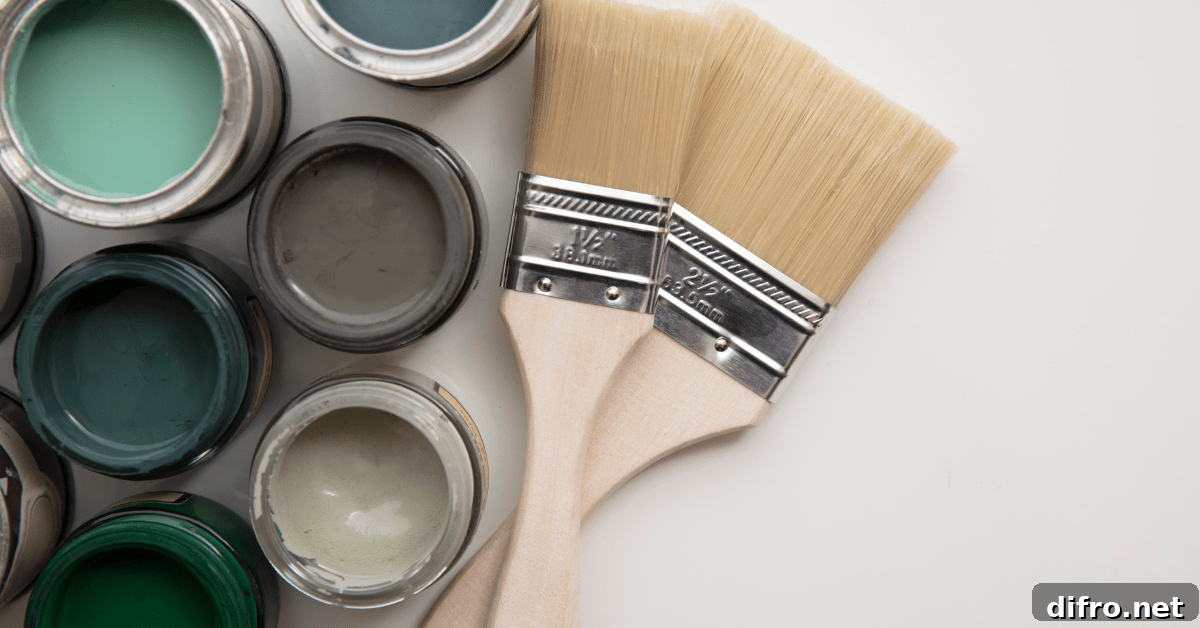
Always use a primer when covering a dark finish or switching between very different paint types. Primer evens out color and improves adhesion, reducing the number of topcoats needed. For tools, invest in high-quality brushes (natural or synthetic depending on paint), a foam roller for flat surfaces, and a small angled brush to reach corners and details. A good sanding block and tack cloth complete the basic toolkit.
Applying Paint for a Professional Finish on Your Furniture
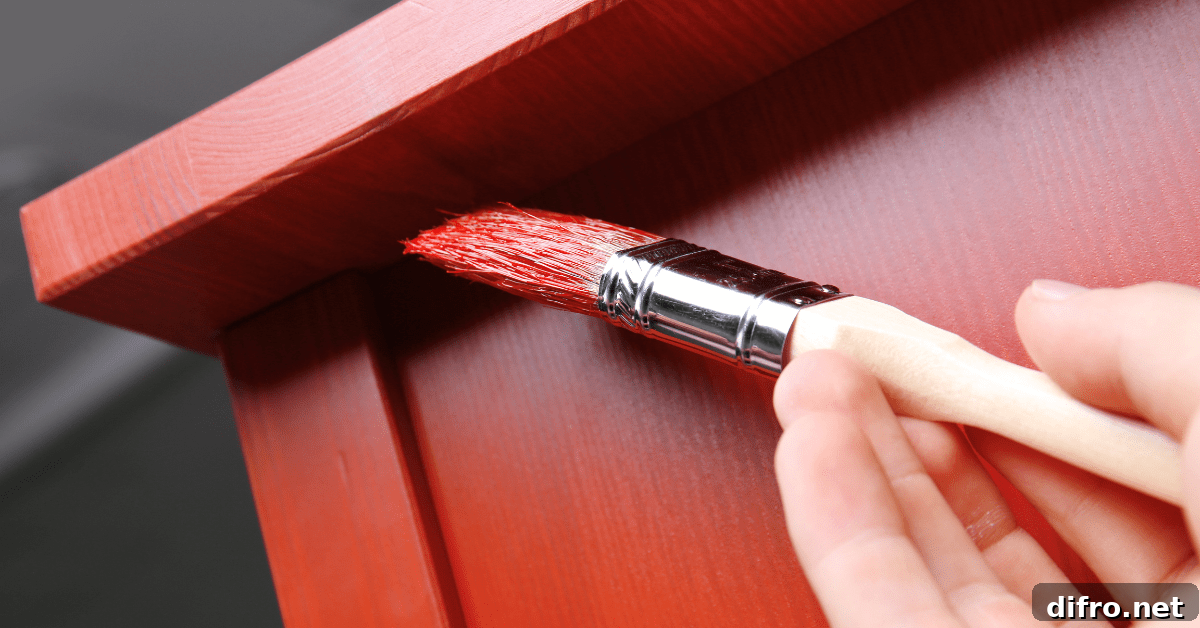
When you’re ready to paint, take your time and apply thin, even coats. Thick coats dry unevenly and are more likely to run or crack. Brush with the grain when working on wood, and keep a light, steady pressure for smooth strokes. If using a roller, choose one with a fine nap to minimize texture on flat surfaces.
Allow each coat to dry fully according to the paint manufacturer’s recommendations before applying the next coat. Lightly sand between coats with fine-grit sandpaper for the smoothest results. For a modern, sleek look, a high-gloss or semi-gloss finish adds reflectivity and makes surfaces easier to clean. For a more relaxed or vintage feel, use a matte finish and add gentle distressing at edges with sandpaper after the paint dries.
Always protect your finished piece with a suitable sealant: water-based polyurethanes for flexibility and clarity, oil-based polyurethanes for toughness, or furniture wax for a soft sheen and hand-rubbed finish. Apply the sealant in thin, even layers and follow drying times to avoid tackiness.
Tips and Tricks to Give Your Painted Furniture a Unique Edge
Painting furniture is a chance to express creativity. Try these techniques to add personality:
- Distressing: Lightly sand edges and raised details after painting to create a lived-in, vintage look.
- Two-tone finishes: Paint the exterior one color and the interior of drawers or cabinet backs a contrasting or complementary shade for visual interest.
- Stenciling and patterns: Use stencils, painter’s tape, or stamps to add subtle or bold designs to surfaces.
- Hardware updates: Replacing knobs and pulls can dramatically change a piece’s style; choose finishes that complement your paint choice.
Enjoying and Caring for Your Newly Painted Furniture
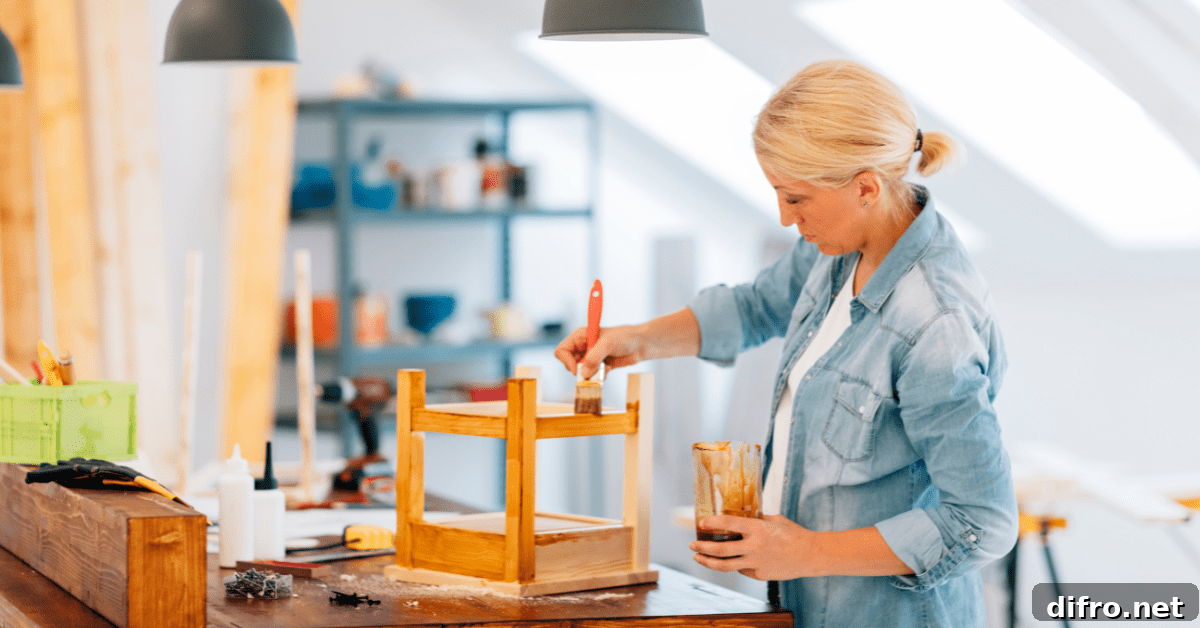
Once your piece is finished and fully cured, place it thoughtfully in your home and enjoy the transformation. To maintain the finish, clean gently with a damp cloth and mild soap when needed. Avoid abrasive cleaners or pads that can dull or scratch the paint. Use coasters, placemats, and felt pads to protect tabletops and surfaces from scratches and heat damage. With reasonable care, a freshly painted piece can remain attractive and functional for years.

Related Articles
- Stunning DIY Home Decor for Elevating Your Home
- Craft Your Own DIY Shoe Rack: Your Complete Guide
- Make a DIY Makeup Vanity on a Budget
Painting furniture is a rewarding weekend project that lets you refresh existing pieces and exercise creativity. The essentials are simple: prepare thoroughly, choose the right paint and primer, apply thin coats with care, and protect the finish. Whether you aim for a bold modern statement, a soft shabby-chic look, or a classic, durable update, these techniques will help you achieve professional results and enjoy a piece that reflects your personal style.
Turn your house into the home of your dreams. Our newsletter shares design ideas and decor trends to inspire your next project. Subscribe to receive regular tips and inspiration.