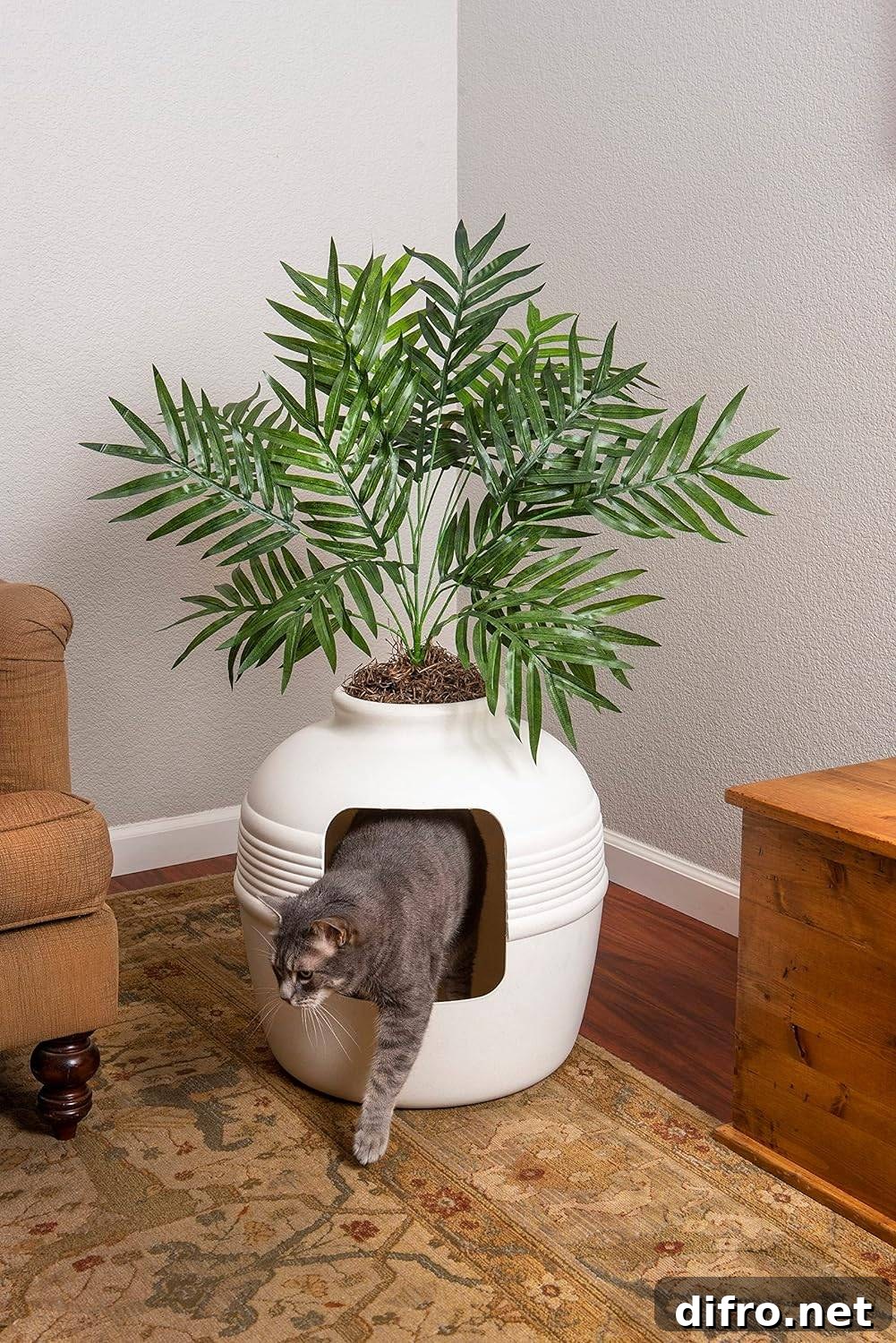
Having a cat adds warmth and companionship to a home, but managing the litter box is one of the common challenges pet owners face. Hidden litter boxes offer a stylish, practical solution that helps control odors and mess while keeping your living spaces tidy. This guide explains the different types of hidden litter boxes, what to consider when choosing one, how to maintain it, and how to integrate these solutions with your decor for a cleaner, more harmonious home.
Understanding Hidden Litter Box Options
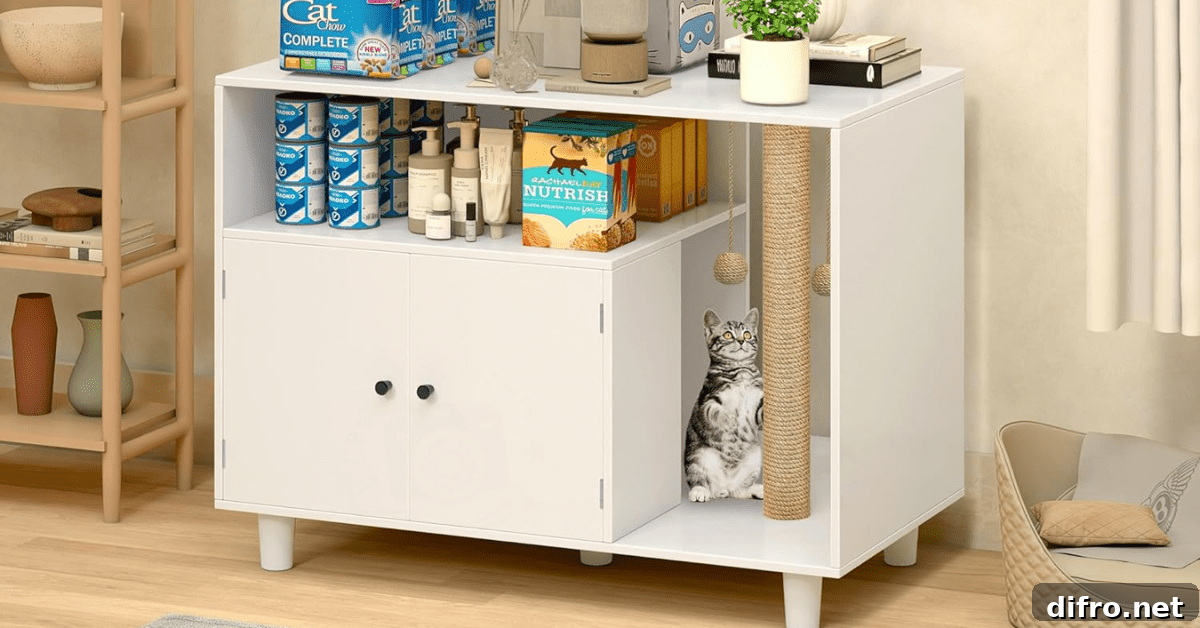
Hidden litter boxes come in several forms. Enclosed litter box furniture looks like cabinets, side tables, benches, or end tables and hides the litter tray inside a discrete chamber. Litter box enclosures and decorative screens are another option; they can be freestanding units or built into existing cabinetry. Planter-style litter boxes combine greenery and concealment, and some designs are available in neutral shades—especially white—to blend seamlessly with many interiors.
Factors to Consider When Choosing a Hidden Litter Box
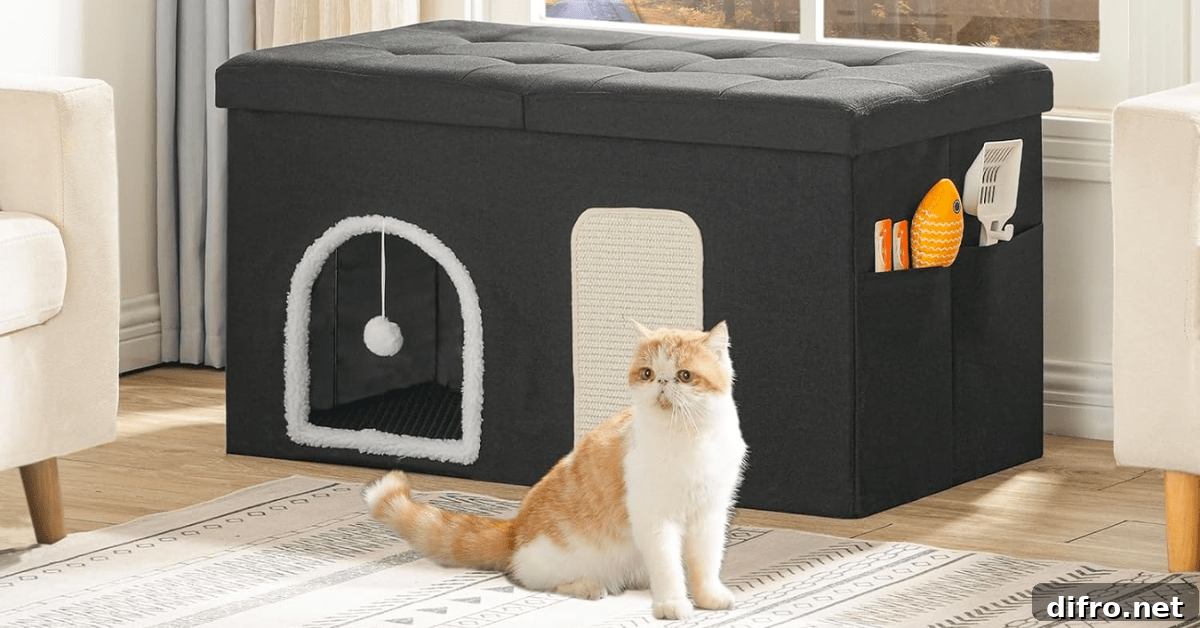
Measure the space where you plan to place the unit and check the internal dimensions to ensure your cat can enter, turn, and exit comfortably. Consider materials—sturdy, easy-to-clean finishes like sealed wood, plastic, or metal will last longer and withstand daily use. Look for dual-purpose furniture that provides storage or seating while hiding the litter box, and choose models with removable trays, wide entryways, or low thresholds to accommodate kittens, seniors, or arthritic cats.
Incorporating Hidden Litter Boxes into Home Decor
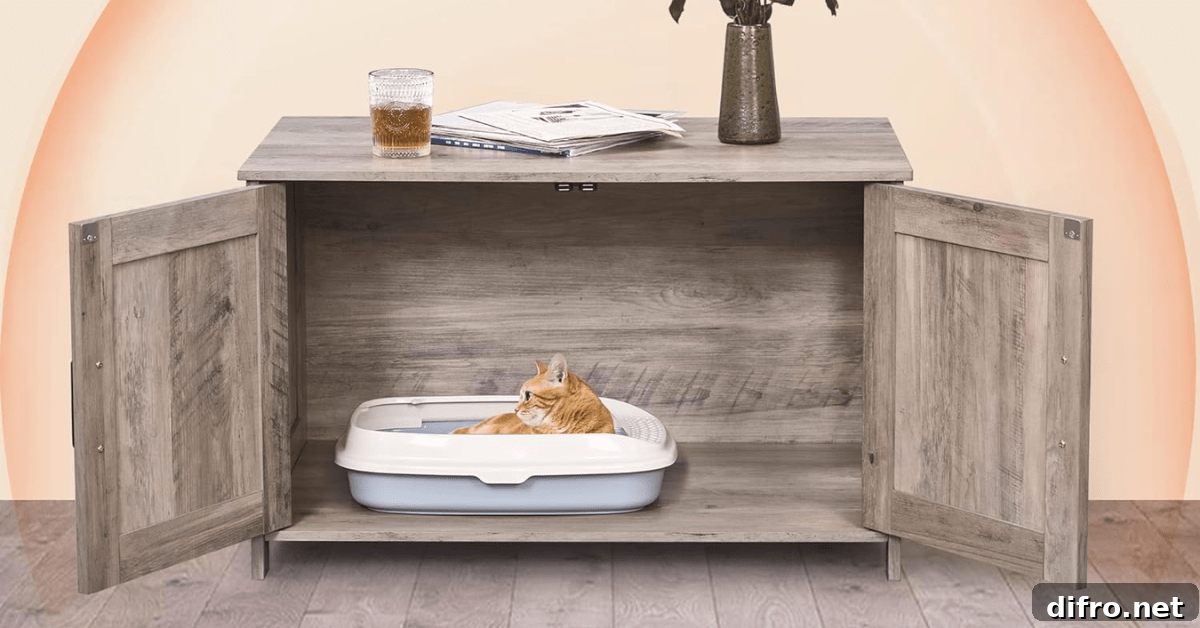
Select a design that complements your existing furniture—matching wood tones, paint colors, or clean modern lines helps the piece feel intentional rather than an afterthought. Place the unit where privacy and ventilation are balanced: a corner of the living room, a laundry area, or an unused hallway nook. If your decor is minimal, choose simple, neutral finishes; if you prefer eclectic spaces, a planter-style enclosure or woven basket unit can add texture while hiding the tray.
Maintaining a Hidden Litter Box
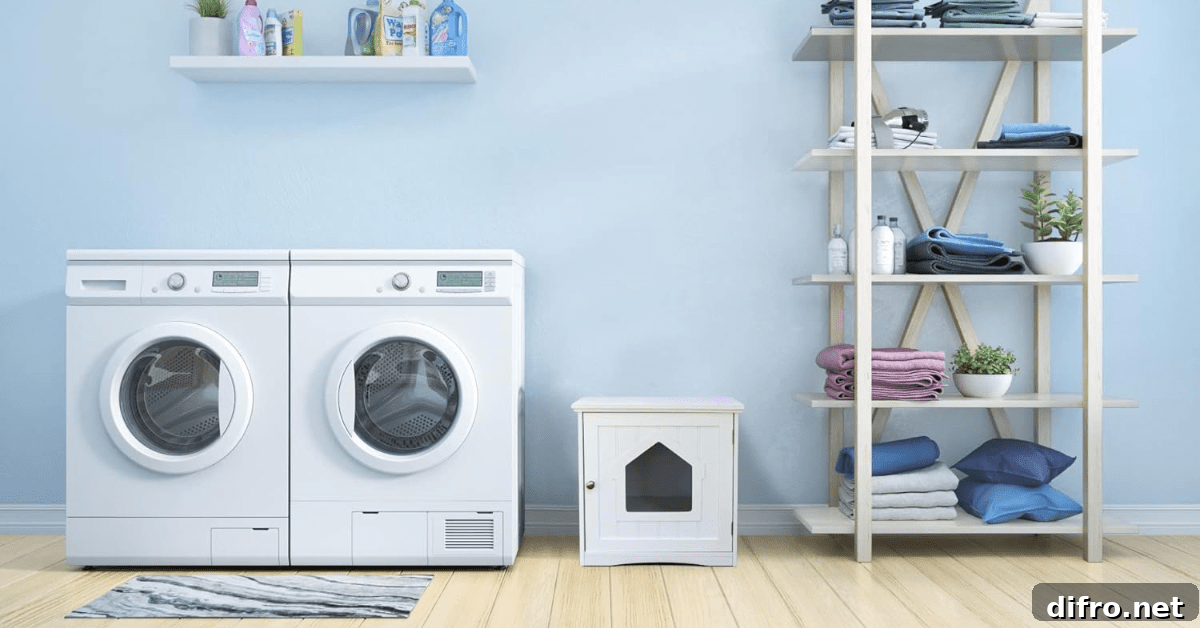
Regular maintenance keeps hidden litter boxes hygienic and odor-free. Scoop daily, replace litter as recommended, and perform a full wash of the tray and interior surfaces weekly or biweekly depending on use. Choose replaceable liners or pull-out trays where possible to make cleaning faster. Odor-absorbing materials like activated charcoal pads or baking-soda-based deodorizers help inside enclosed units, and adequate ventilation—small vents or a slightly ajar door—prevents stale air buildup. Keeping cleaning tools nearby, like a small brush or stick vacuum, reduces tracking and makes upkeep simple.
Hidden Litter Box Alternatives
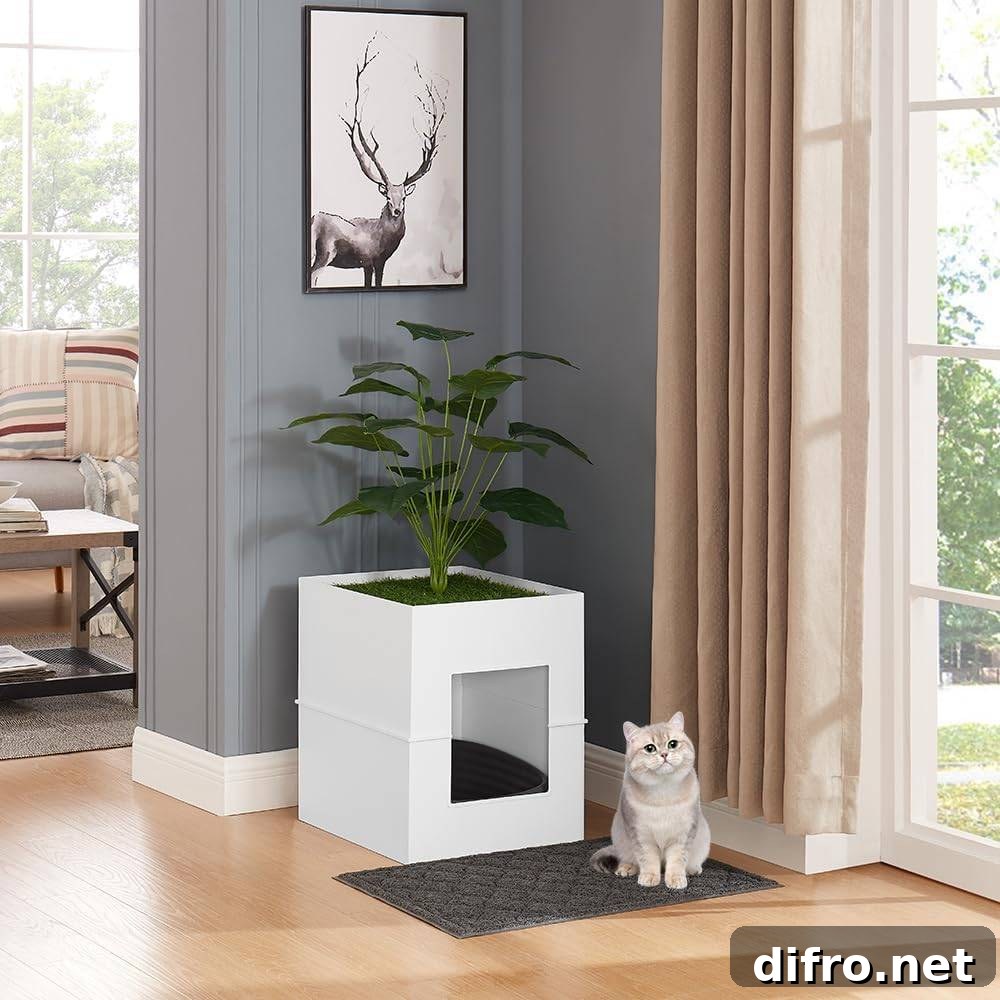
Beyond concealed furniture, self-cleaning litter boxes reduce daily scooping and can be installed inside an enclosure to keep noise and sight contained. Multi-cat enclosures provide larger internal space, multiple entry points, and easier waste management for households with several cats. Choosing the right alternative depends on your budget, the number of cats, and how much manual maintenance you want to avoid.
Addressing Common Concerns
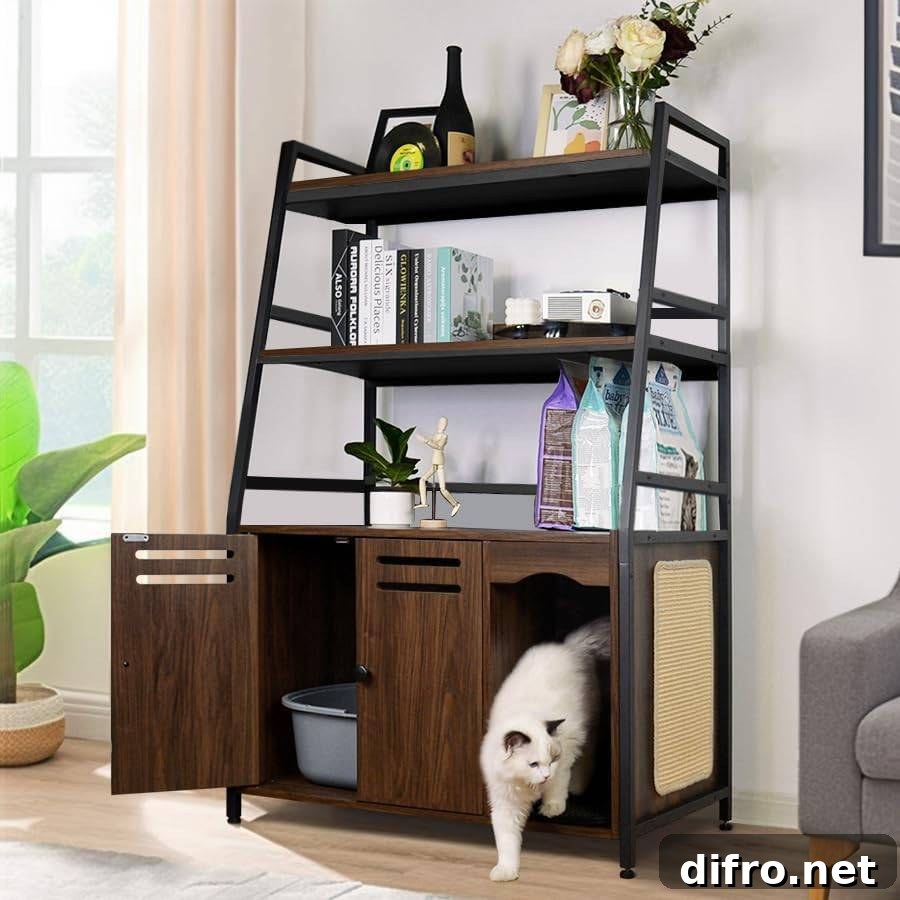
Owners worry about ventilation, tracking, and mess. Good ventilation—even discreet vents or perforated panels—keeps odors in check. Litter mats, low thresholds, and an entryway design that minimizes scattering reduce tracking; place a mat outside the entrance and consider a top-entry option for especially tidy cats. Periodic checks for moisture or buildup inside the enclosure help preserve the unit and keep your cat comfortable.
The Evolution of Hidden Litter Box Designs
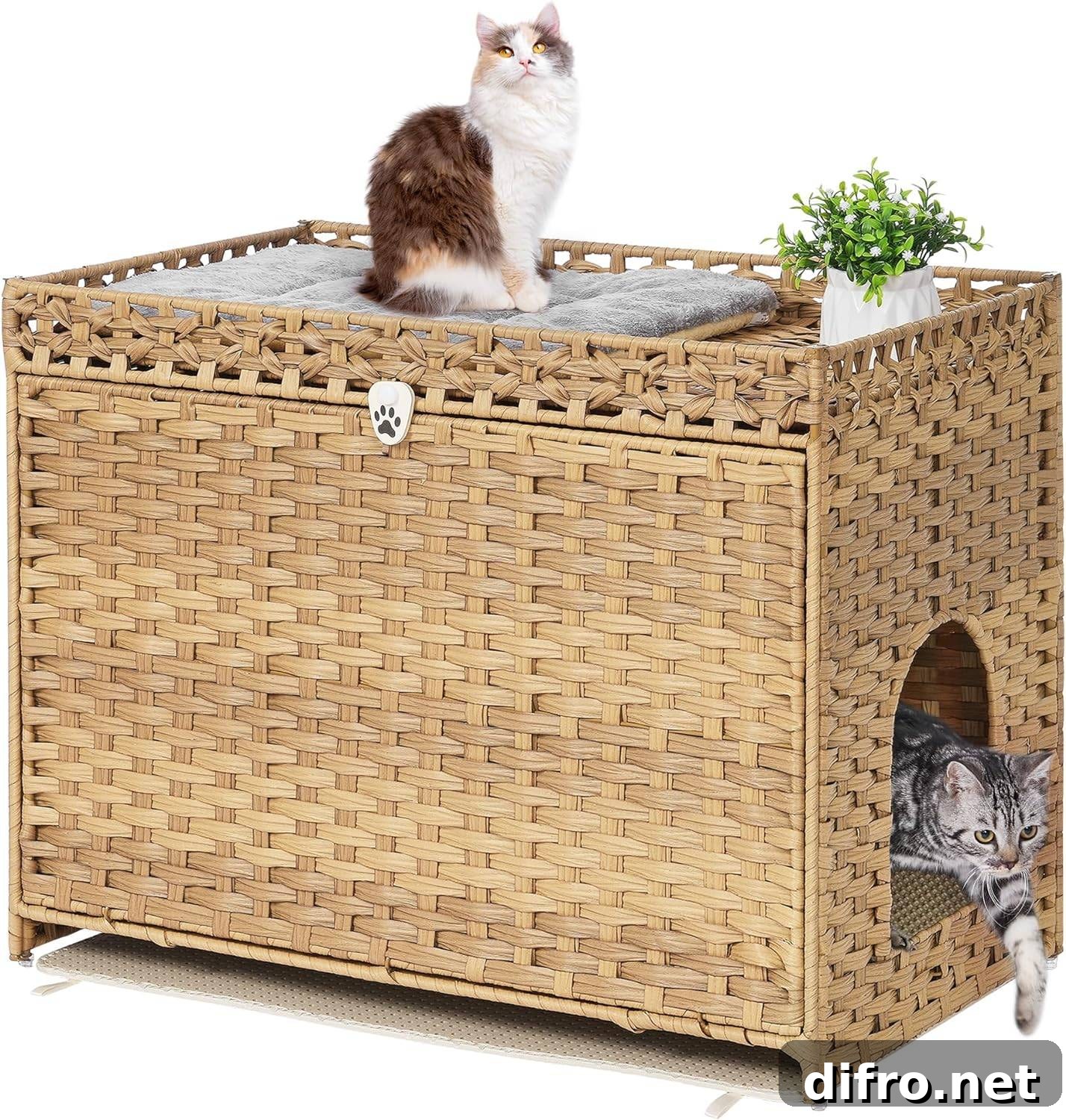
Designers have responded to demand with furniture-style litter solutions that emphasize sustainability, durability, and aesthetics. Reclaimed wood, recyclable plastics, and modular designs make it easier to find a product that suits your values and your home. Many manufacturers and independent makers now offer creative, well-finished units that look like real furniture while keeping litter management practical.
Related Articles:
- DIY Pet Bed Ideas to Pamper Your Furry Friends
- Pet Owner’s Delight: Beautiful Dog Nooks That Add To Your Interior
Hidden litter boxes allow cat owners to balance practicality with style. Whether you prefer a discreet cabinet, a planter-style unit, or a self-cleaning system tucked behind a door, the right solution improves hygiene, reduces odor, and keeps your decor intact. If you enjoy DIY projects or prefer ready-made pieces, there are options to fit every home and budget.
Turn your house into the home of your dreams. Our newsletter shares design ideas and decor trends to help you create a beautiful, functional space. Subscribe to receive regular inspiration and tips.