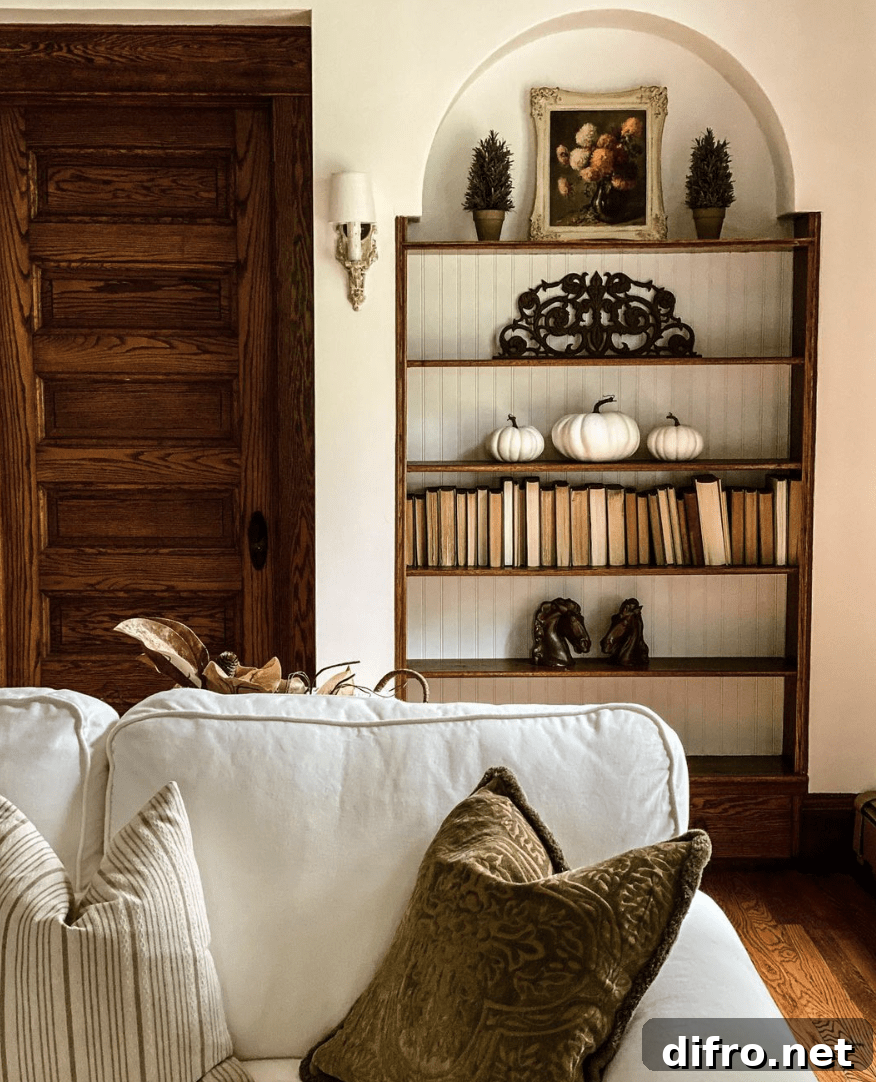
If you own a century home, consider yourself fortunate—few modern houses match the craftsmanship, character, and durable materials found in older properties. Many contemporary builds prioritize speed and cost over detail, so when you inherit or purchase an older home, you also inherit an opportunity: to preserve and restore authentic architectural features that give a house its soul.
Restoring a historic home raises many decisions: which elements should be preserved, which can be sensitively updated, and where to invest your budget for the greatest visual and structural impact. The following guidance highlights key features to prioritize when restoring a century home and offers practical tips to keep the house’s original charm intact while making it functional for modern living.
Woodwork and trim
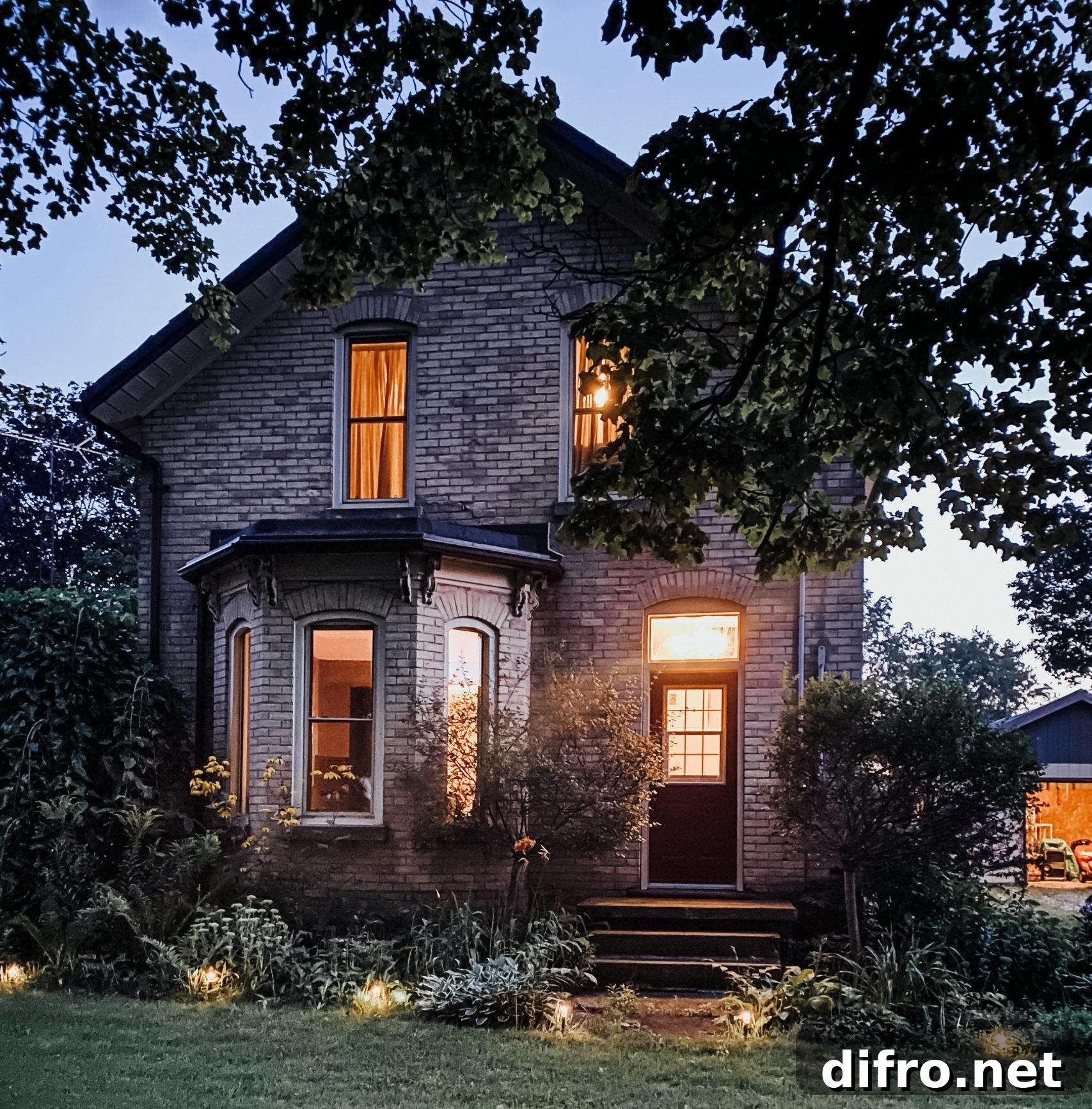
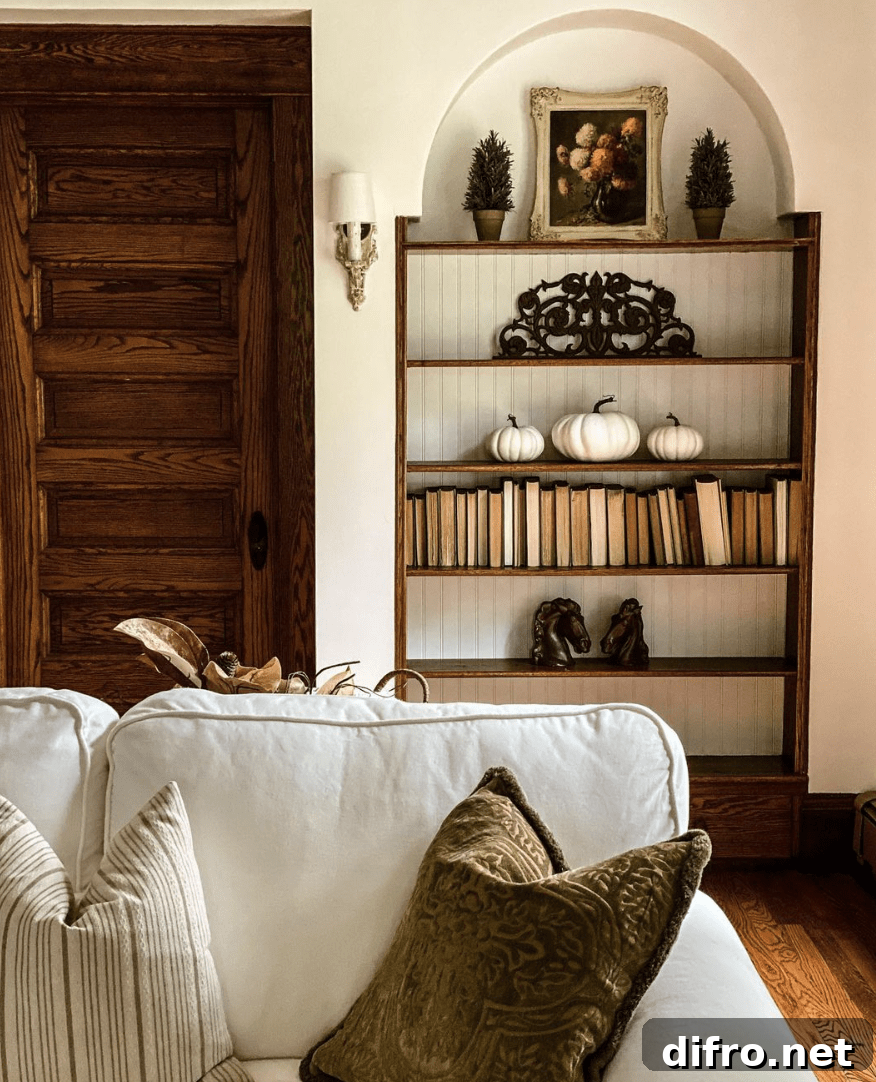
One of the most distinct hallmarks of older homes is high-quality woodwork. Wide baseboards, deep casings around windows and doors, crown moldings and ornate cornices create three-dimensional shadow lines and a sense of proportion that are hard to reproduce. Original built-ins, paneling and spindle work were crafted to last and contribute significantly to a house’s identity.
Preserve as much original trim as possible. When restoring, strip and refinish hardwood trims rather than replacing them; this keeps patina and character that new stock cannot replicate. Where new construction is required, use the existing millwork as a design reference—match profiles, scale and paint treatments so additions blend seamlessly with the original architecture.
Layout and floor plan
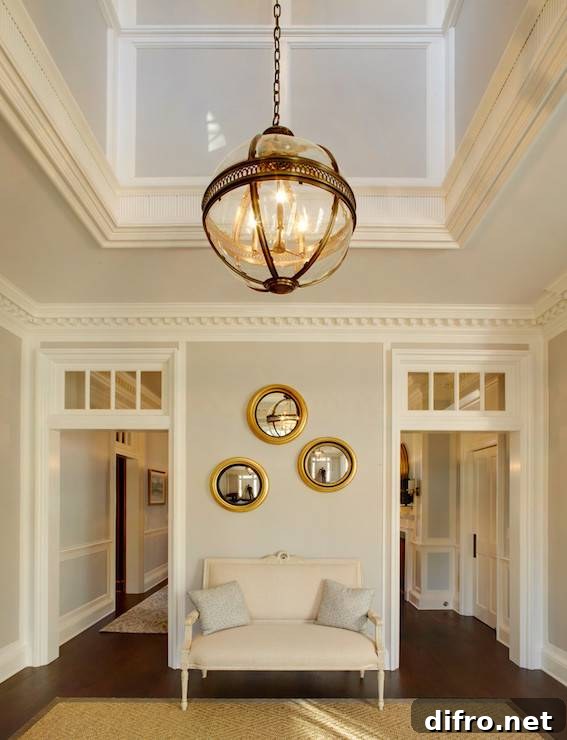
Historic homes were often planned with logic and circulation patterns that suited daily life at the time they were built. While later remodels or additions may have altered those original flows, restoring the primary layout can improve functionality and recapture the home’s intended proportions. Where possible, undo intrusive changes that compromise traffic patterns or daylighting and consider returning rooms to their original uses.
Open-plan trends have cycled in and out of favor. If previous owners removed a formal dining room or combined rooms in ways that detract from the home’s character, rethink those choices. Reintroducing defined rooms—dining, parlors, studies—can restore balance and increase the home’s appeal to buyers and occupants who appreciate historical authenticity.
Original floors and finishes
Hardwood floors are among the most valuable features in an older house. Sanding, repairing and refinishing original planks will often reveal beautiful grain and an enduring finish beneath layers of paint and wax. When adding new flooring in adjacent rooms or on additions, match species, board width and stain tone whenever possible to create seamless transitions between old and new.
If some areas require replacement boards, source reclaimed or salvaged wood to maintain continuity. Preserving original flooring not only retains historical character but also represents good long-term value: well-maintained hardwood can last for generations.
Staircases as focal points
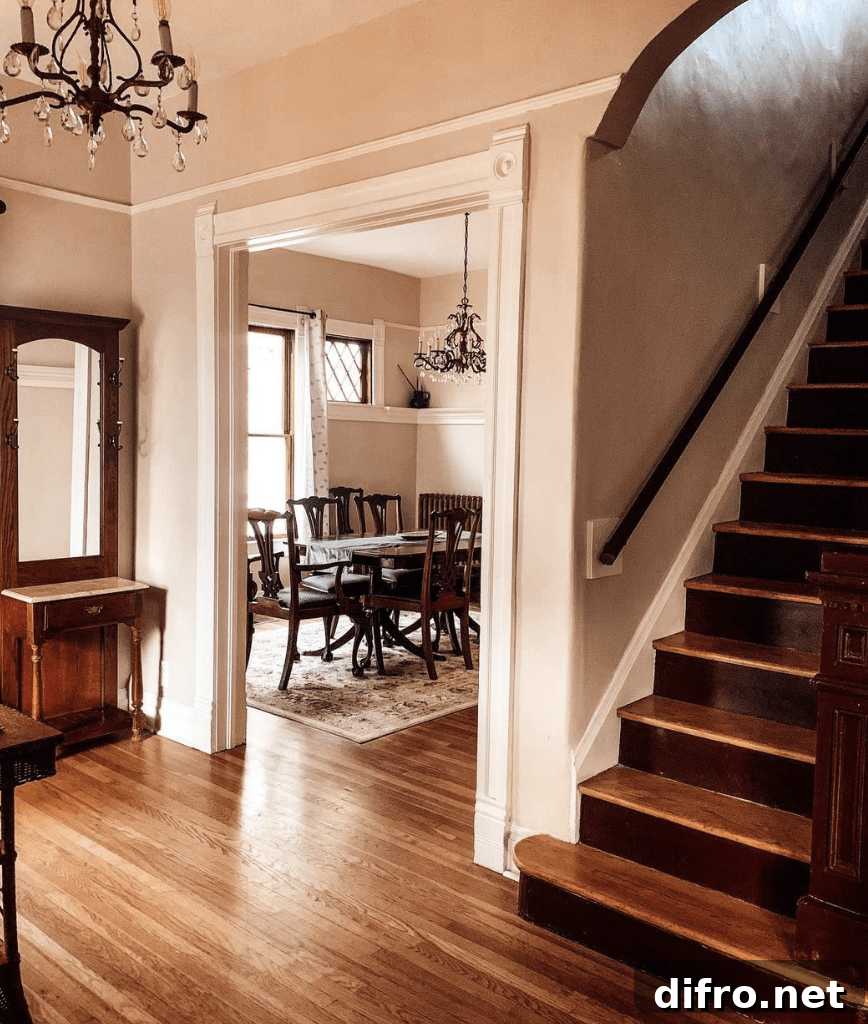
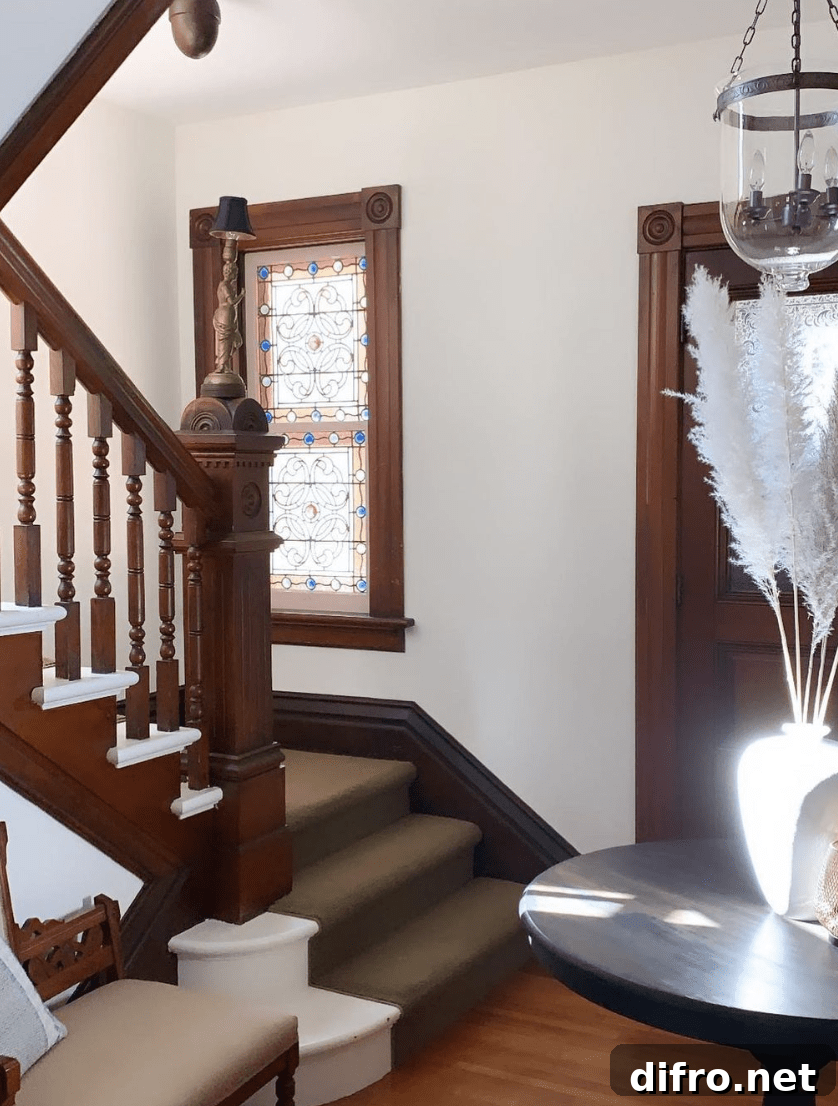
Staircases in older homes were often crafted as central architectural elements, with turned newel posts, carved newels, detailed balusters and gracious handrails. These features are both decorative and structural, and restoring them should be a priority. If painted multiple times, carefully strip and refinish hardwood components to reveal their original grain and form.
Where structural stabilization is needed, work with a carpenter experienced in historic restoration so reinforcements are discreet and do not detract from the stairs’ appearance. Because staircases draw the eye and define the flow between floors, preserving original elements will have disproportionately positive effects on the home’s overall character.
Hardware, doors and salvaged elements
Hardware—doorknobs, hinges, keyplates and latches—often reveals a home’s era and aesthetic. Retain original metalwork when possible; even if doors are damaged, removing and preserving vintage hinges and knobs allows you to install new or reclaimed doors while keeping authentic details. Antique hardware provides tactile and visual cues that modern reproductions rarely match.
Seek out salvage yards, architectural recyclers and flea markets for period-appropriate doors, stained glass, mantels and light fixtures. Reusing reclaimed elements helps maintain stylistic continuity and can be more sustainable than manufacturing replacements.
When planning a restoration, prioritize structural soundness, weatherproofing and systems upgrades (electrical, plumbing and insulation) while keeping visible historical details intact. Document original features before beginning work, and consult with restoration carpenters, preservation specialists, or experienced contractors for delicate tasks. Thoughtful restoration balances preservation with modernization, allowing a historic home to provide comfortable, efficient living while celebrating the craftsmanship that makes it unique.