Making your own window cleaner at home is both economical and environmentally friendly. With a handful of common pantry items you can create a streak-free solution that cleans glass, mirrors, and other surfaces without harsh chemicals. This guide explains the benefits of a homemade window cleaner, lists the essential ingredients, walks you through a simple recipe, and offers practical tips for professional-quality results.
Clear, sparkling windows enhance any interior—clean glass brightens a room and complements thoughtful home design and decor. Using a DIY cleaner lets you maintain clarity and freshness while controlling the ingredients you bring into your home.
The Benefits of Making Your Own Homemade Window Cleaner
Preparing your own window cleaner gives you control over what goes on your surfaces and into your home environment. Homemade solutions typically avoid strong industrial chemicals, which reduces fumes and potential residues that can irritate people or pets. They are cost-effective: basic ingredients like white vinegar and rubbing alcohol are inexpensive and versatile. In addition, a well-made DIY cleaner can be just as effective as commercial products, producing streak-free glass when applied with the proper technique and tools.
Essential Ingredients for Making Your Window Cleaner
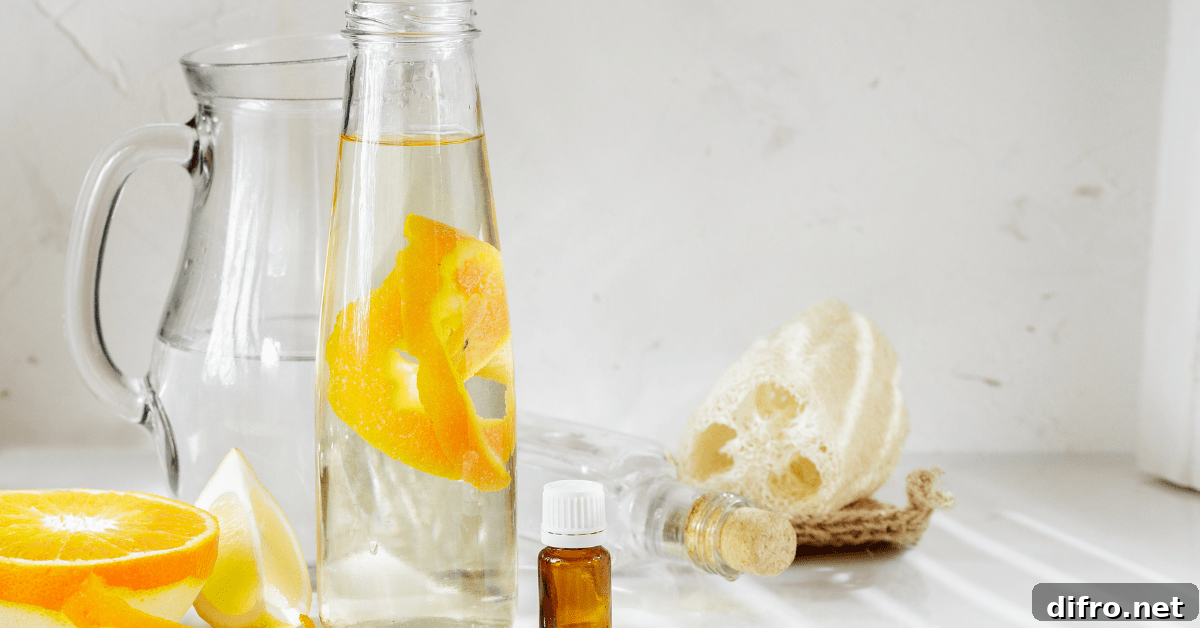
The basic ingredients for an effective homemade window cleaner are:
- White vinegar – a natural degreaser and disinfectant that helps cut grime.
- Rubbing (isopropyl) alcohol – helps the solution evaporate quickly, reducing streaks.
- Water – used to dilute the solution to a safe, effective strength.
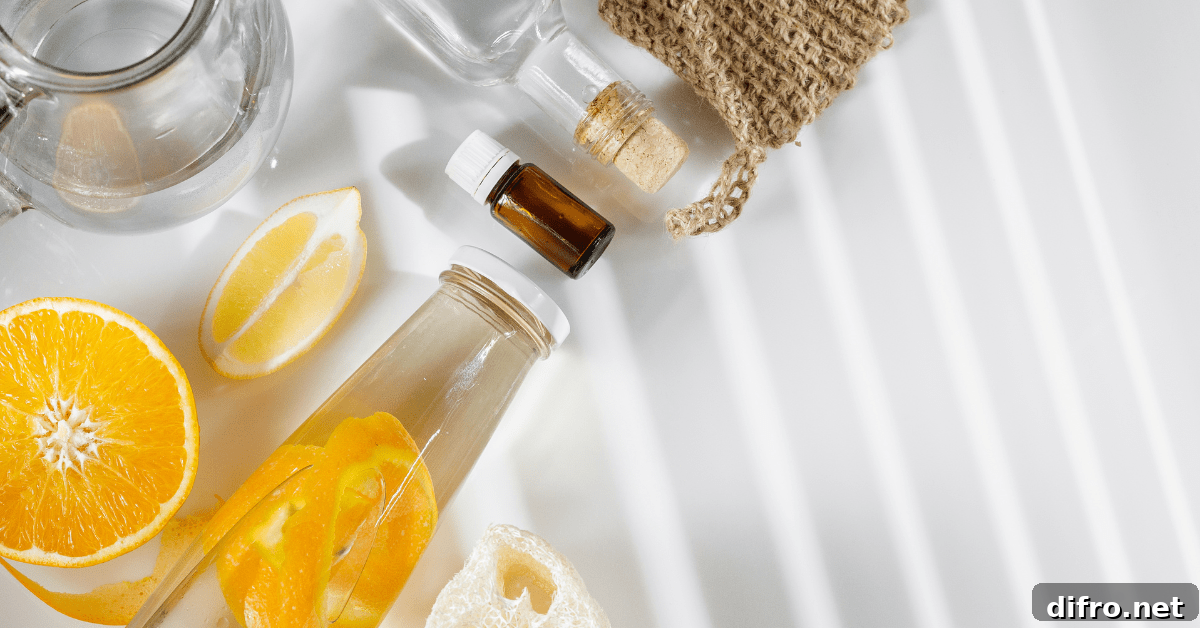
Optional additions include a few drops of essential oil for fragrance or a splash of fresh lemon juice when you need additional acidic power to tackle mineral deposits and hard-water marks.
Step-by-Step Guide to Making Homemade Window Cleaner
Follow these simple steps to mix a reliable, all-purpose window cleaner:
- Combine equal parts white vinegar and water in a clean spray bottle.
- Optionally add a small amount of rubbing alcohol to speed drying and help prevent streaks (for example, about one part alcohol to four parts of the vinegar-water mix).
- Shake the bottle gently to combine the ingredients.
- If you like a scented cleaner, add two or three drops of an essential oil such as lemon or lavender and shake again.
- Label the bottle with the contents and date.
This mixture works well on windows, glass doors, mirrors, and other non-porous glass surfaces.
Tips for Achieving Professional-Quality Results
To get glass that looks professionally cleaned, keep these tips in mind:
- Avoid cleaning in direct sunlight. Heat can evaporate the solution too quickly and cause streaking—choose a cloudy day or early morning/late afternoon.
- Use the right tools: a high-quality microfiber cloth, a squeegee, or a lint-free towel will give better results than paper towels, which can leave lint behind.
- Wipe in consistent patterns—try horizontal strokes on one side of a window and vertical strokes on the other to spot streaks quickly and correct them.
- For exterior windows, use a hose to rinse away loose dirt first, then apply the cleaner and finish with a squeegee for best results.
Window Cleaner Recipes for Different Needs
Customize your solution for stubborn grime or delicate tasks:
- Hard-water stains and mineral deposits: add a small amount of fresh lemon juice to the mix; the citric acid helps dissolve minerals.
- Extra-greasy buildup: increase the vinegar proportion slightly or use a gentle dish soap (just a drop) in the spray bottle, followed by a clear-water rinse.
- Fragrance-free: omit essential oils to keep the cleaner scentless.
Using Your Window Cleaner for Interior and Exterior Windows
This DIY cleaner is suitable for both interior and exterior glass. For indoor use, spray lightly and wipe with a microfiber cloth. For outdoor windows, rinse away heavy dirt first, apply the solution, then remove excess with a squeegee to prevent drips and streaks.
Storing and Shelf Life of Homemade Window Cleaners
Store your homemade cleaner in a labeled spray bottle kept in a cool, dark place. When stored properly, the solution remains effective for several months. If the liquid changes color, develops an unusual odor, or looks cloudy, dispose of it and make a fresh batch.
Safety Considerations For Window Cleaner Use
Handle ingredients with care. Keep the cleaner out of reach of children and pets, and avoid contact with eyes—flush immediately with water if contact occurs. Do not mix your homemade solution with other household cleaners, especially bleach or ammonia-based products, as this can create hazardous reactions. If anyone in your household has chemical sensitivities, test a small area first or consider eliminating the rubbing alcohol or essential oils.
Related Articles:
- The Guide on How to Clean Baseboards Like a Pro
- How To Clean Throw Pillows [And How Frequently You Should!]
- How to Clean A Couch [8 Fabrics]
Making your own window cleaner is a simple, sustainable way to keep your glass surfaces clear and streak-free. With basic ingredients, a little practice, and the right tools, you can achieve professional-looking results while avoiding unnecessary chemicals and reducing household waste. Try a batch today and enjoy brighter, cleaner windows throughout your home.