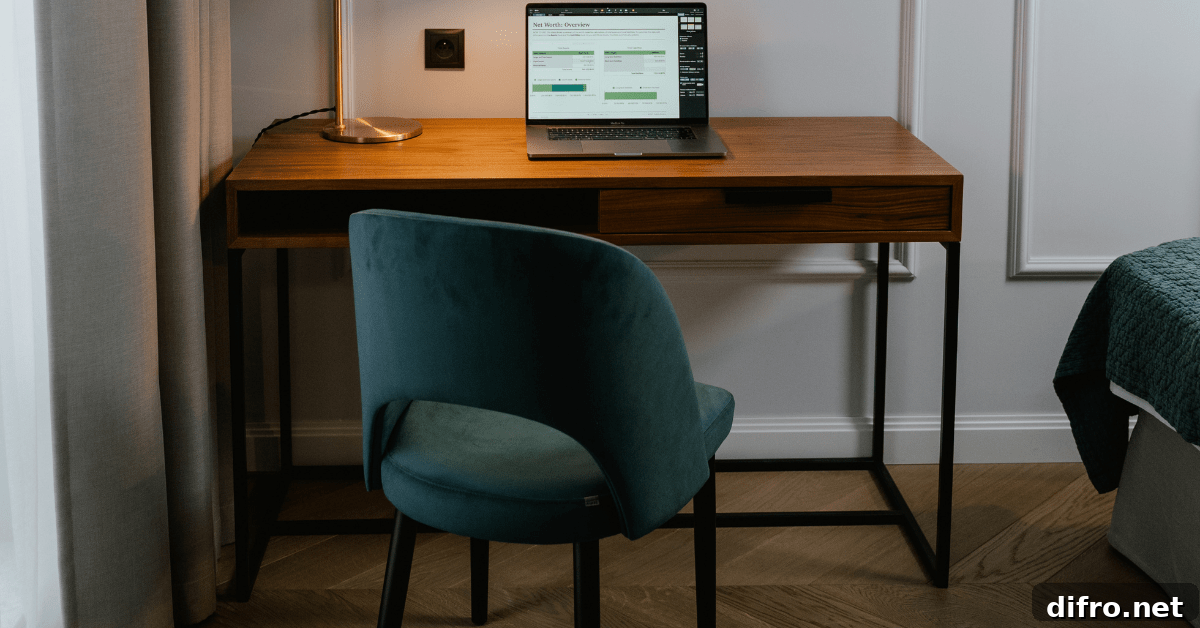
In today’s fast-paced world, a dedicated home workspace is more important than ever. For those living in apartments, shared homes, or simply working with limited square footage, a thoughtfully chosen small corner desk can transform an unused nook into a productive, attractive workstation. This guide walks you through everything to consider when selecting a compact corner desk—space planning, functionality, materials, durability, and budget—so you can make a confident, practical choice.
Understanding Your Space Constraints
Start by measuring the corner where you plan to place the desk. Note wall lengths, the distance to adjacent furniture, windows, doors, and any baseboards or radiators that could affect fit. Visualize how you’ll approach and leave the desk, and whether the corner receives natural light or requires task lighting. Taking accurate dimensions and mapping clearance ensures you select a desk that integrates smoothly into the room without disrupting traffic flow or blocking vents and outlets.
Assessing Your Work Needs
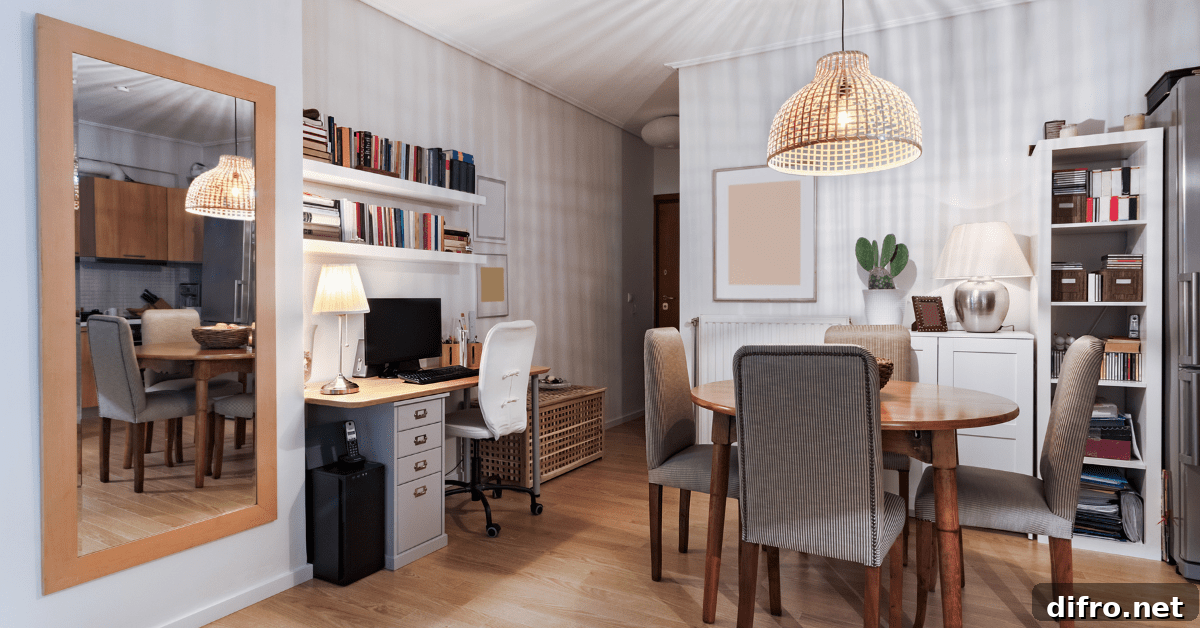
Clarify how you’ll use the desk: a laptop or dual-monitor computer setup, writing and paperwork, crafting, or a mix of tasks. Your needs determine surface area, depth, and storage requirements. If you use a desktop computer, allocate space for a monitor, keyboard, and mouse; if you work on paper or art, prioritize a wider, unobstructed surface. Identify must-have features—shelves, drawers, a keyboard tray, or cable routing—so you can evaluate options against real daily use.
Exploring Designs and Styles
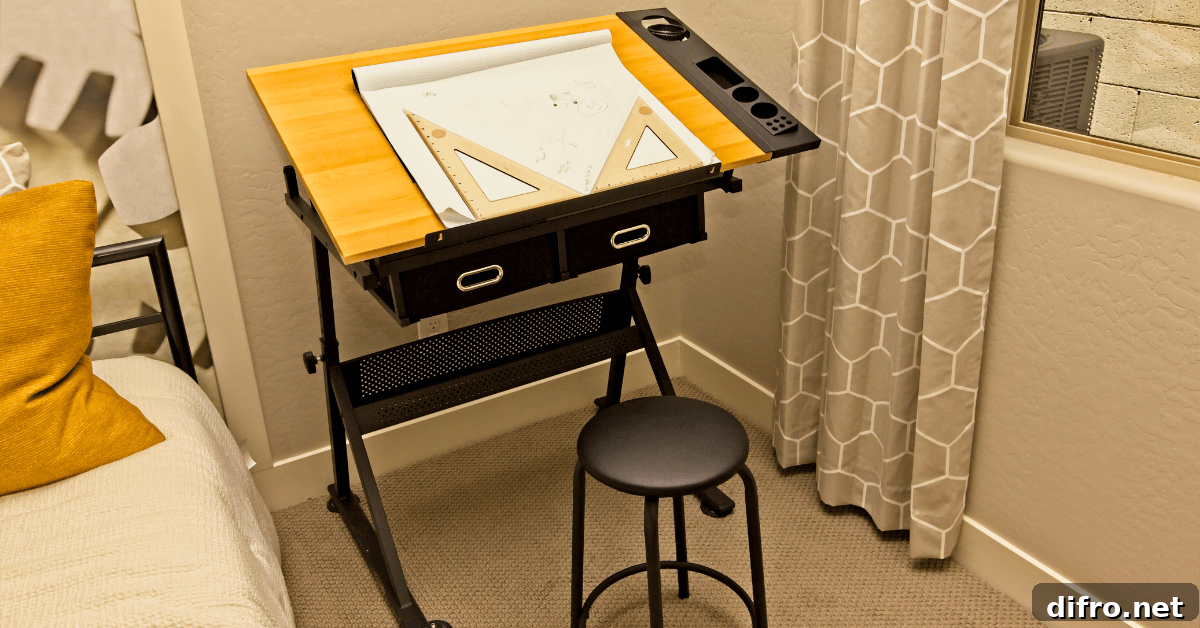
Corner desks come in styles to suit modern, industrial, rustic, or traditional interiors. Choose a design that complements your room’s palette and scale—light finishes and slim profiles visually expand a compact area, while richer woods and solid lines add warmth and presence. Consider material combinations such as wood and metal for longevity, or glass accents for a lighter look. A cohesive aesthetic helps the desk feel like an intentional part of the room, not an afterthought.
Maximizing Functionality in a Compact Footprint
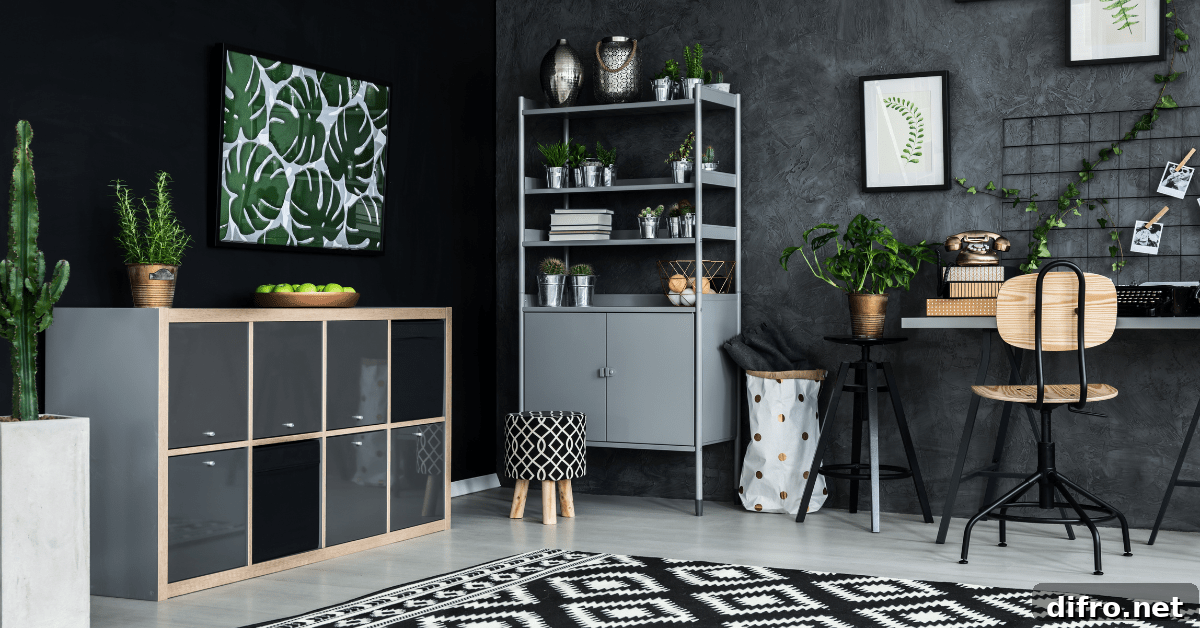
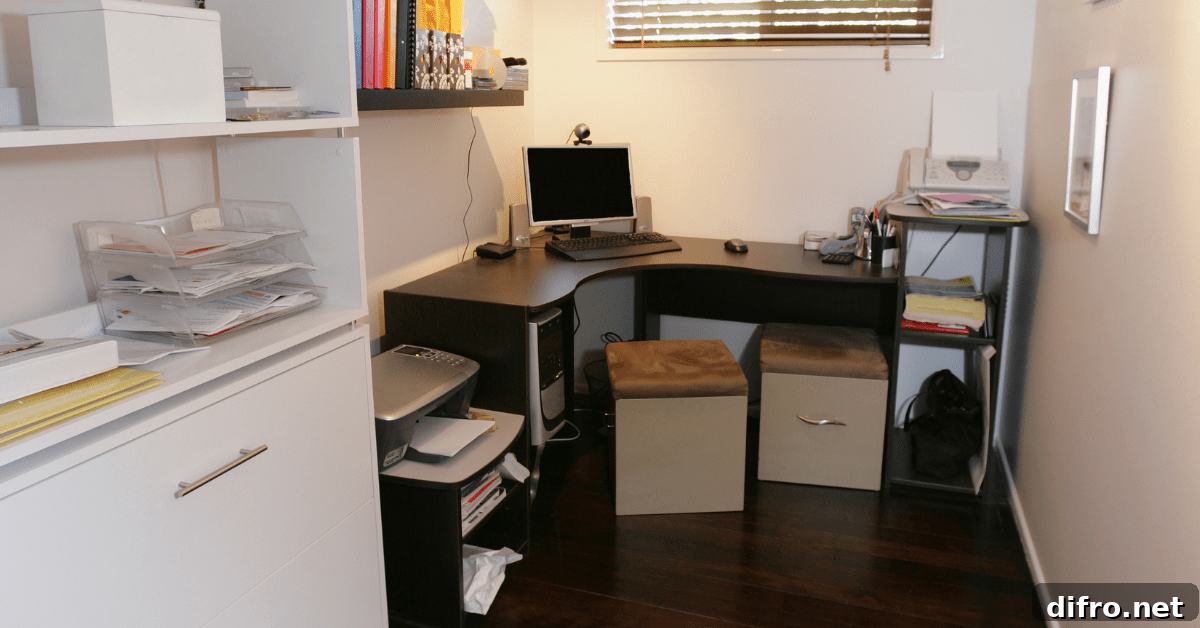
When space is limited, prioritize functionality. Built-in shelving, vertical storage, under-desk drawers, or a hutch use height rather than floor area to increase capacity. Look for desks with integrated cable management to keep cords tidy, and consider ergonomics—appropriate desk height, enough knee clearance, and room for a comfortable chair. Adjustable-height options or modular systems let you adapt the workspace as your needs change.
Evaluating Quality and Durability
Durability matters—especially for a frequently used piece. Inspect materials, hardware, and joinery. Solid wood, metal frames, and well-finished veneers typically outlast cheaper particleboard constructions. Check stability and whether the desk resists wobble when assembled. A higher-quality desk may cost more up front but will deliver better long-term value and a more satisfying user experience.
Multifunctional and Space-Saving Features
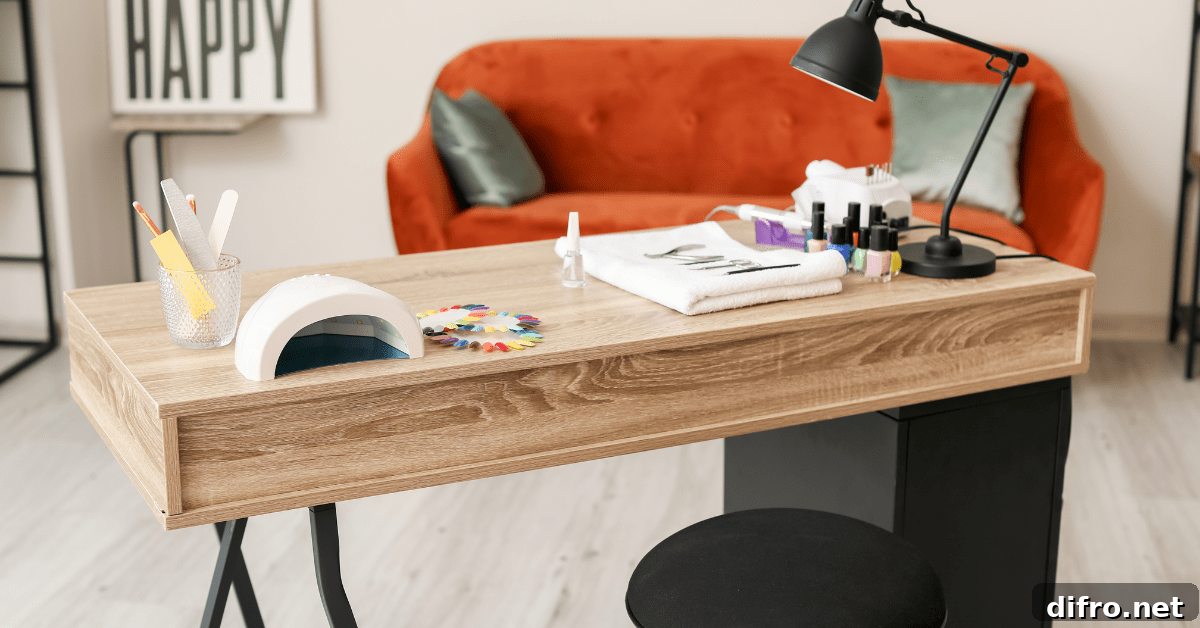
Look for desks with fold-down worktops, retractable components, or modular add-ons that let the desk serve multiple roles—home office, vanity, or hobby station—without taking up extra room. Vertical organizers, pegboards, and magnetic strips free up desk space while keeping frequently used items within reach. These space-saving solutions help maintain a clean, efficient work area in tight quarters.
Customization and Personalization
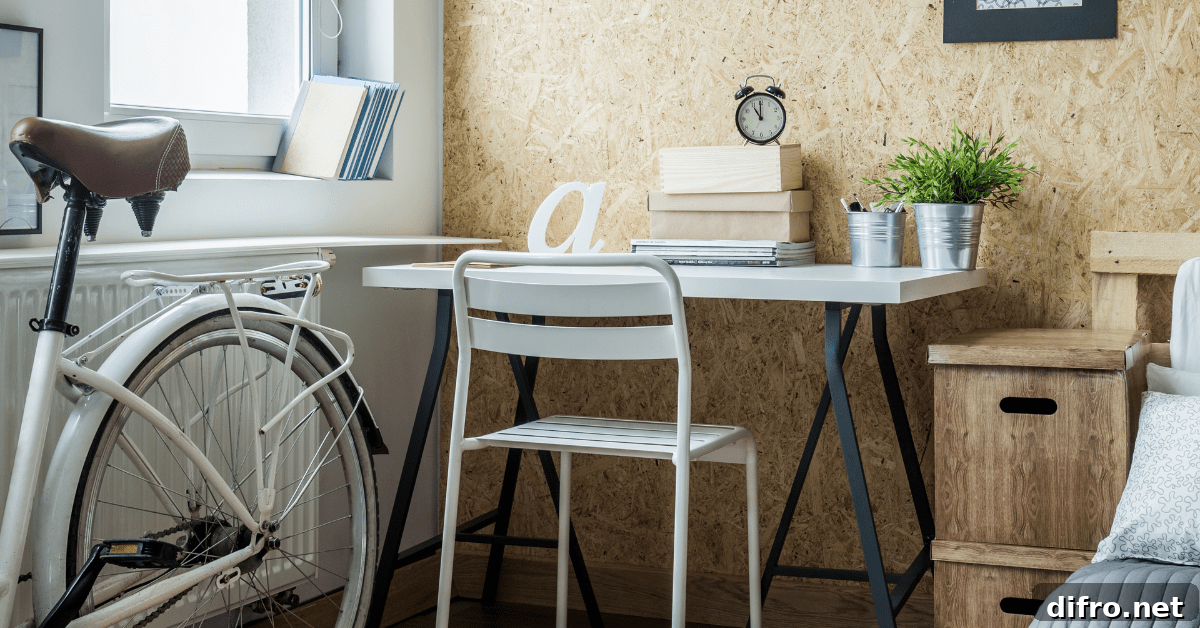
Customization allows you to tailor a corner desk to your workflow and aesthetic. Options may include adjustable shelving, interchangeable panels, finish choices, and accessory add-ons like monitor arms or built-in lighting. Personal touches—plants, artwork, and a quality task lamp—also improve comfort and productivity, turning a small desk into a well-loved workspace.
Budget and Cost Considerations
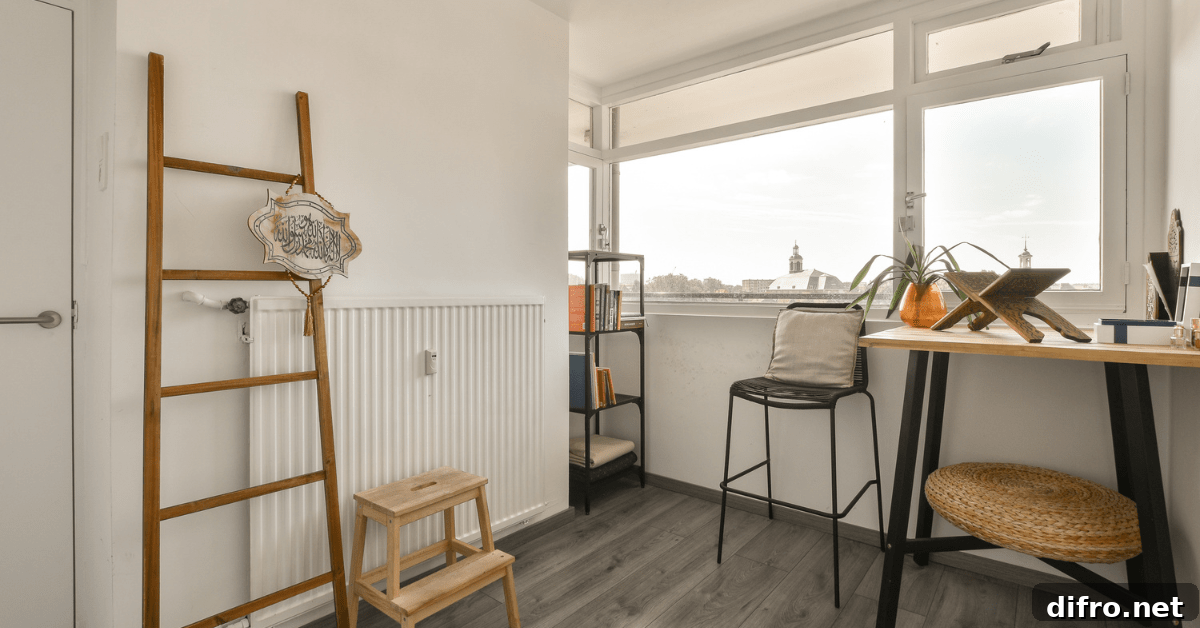
Set a realistic budget reflecting the features and durability you need. Entry-level corner desks can be economical but may compromise on materials and stability. Mid-range options often balance cost and quality, while higher-end models offer superior construction and longer warranties. Compare brands, read reviews, and prioritize features that matter most to your daily use to get the best value for your investment.
Related Articles:
- 19 Wall Mounted Desk Ideas Perfect For Small Spaces
- Stylish Sofas for Small Spaces Under $500
- Outdated Rules for Decorating Small Spaces
With accurate measurements, a clear understanding of your work habits, and a prioritized list of design and functionality requirements, you can confidently choose a small corner desk that maximizes your space and supports your productivity. Take time to compare options, inspect construction and finishes, and imagine how the desk will fit into your daily routine—doing so will help you select a compact corner solution that looks great and performs well for years to come.