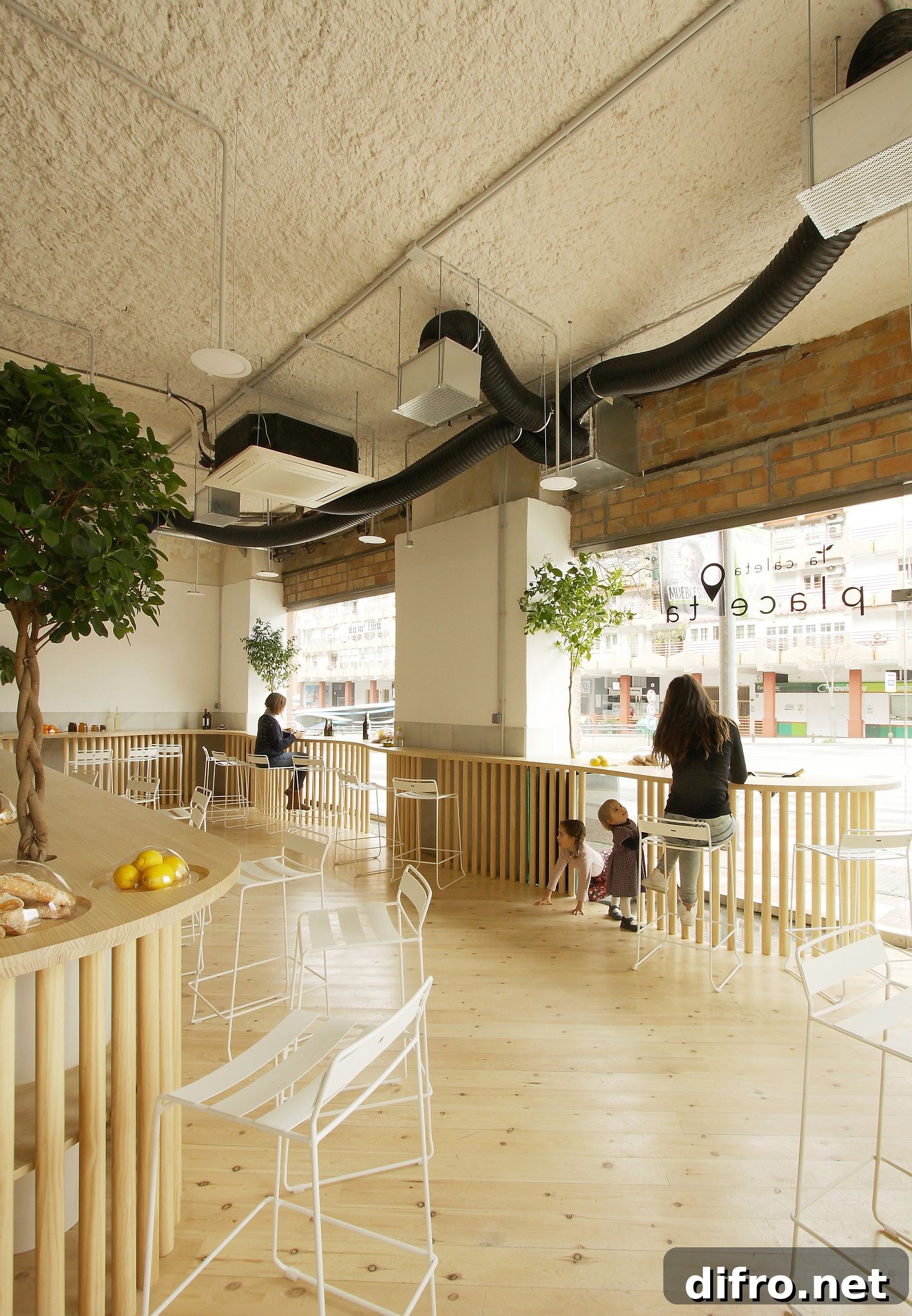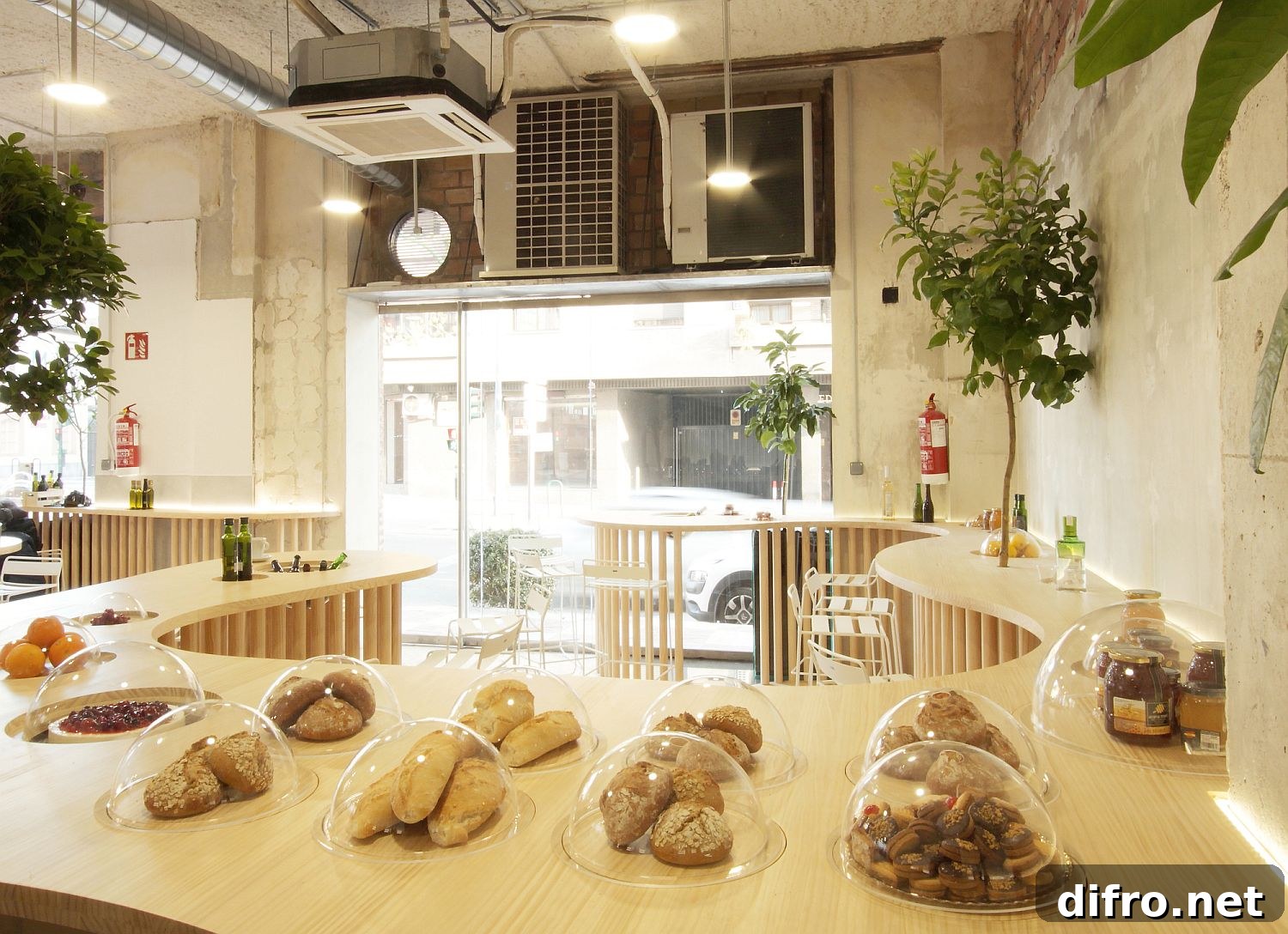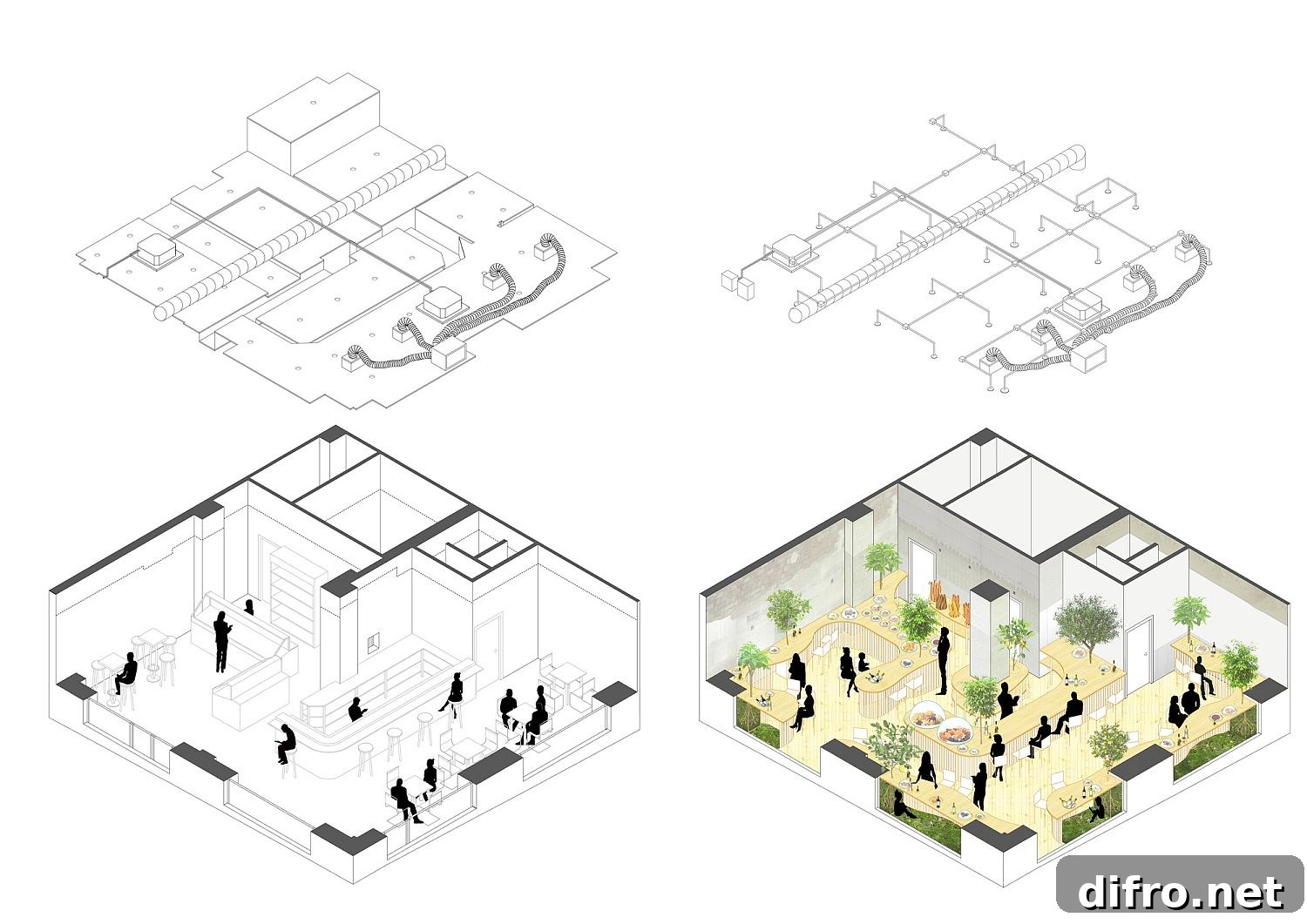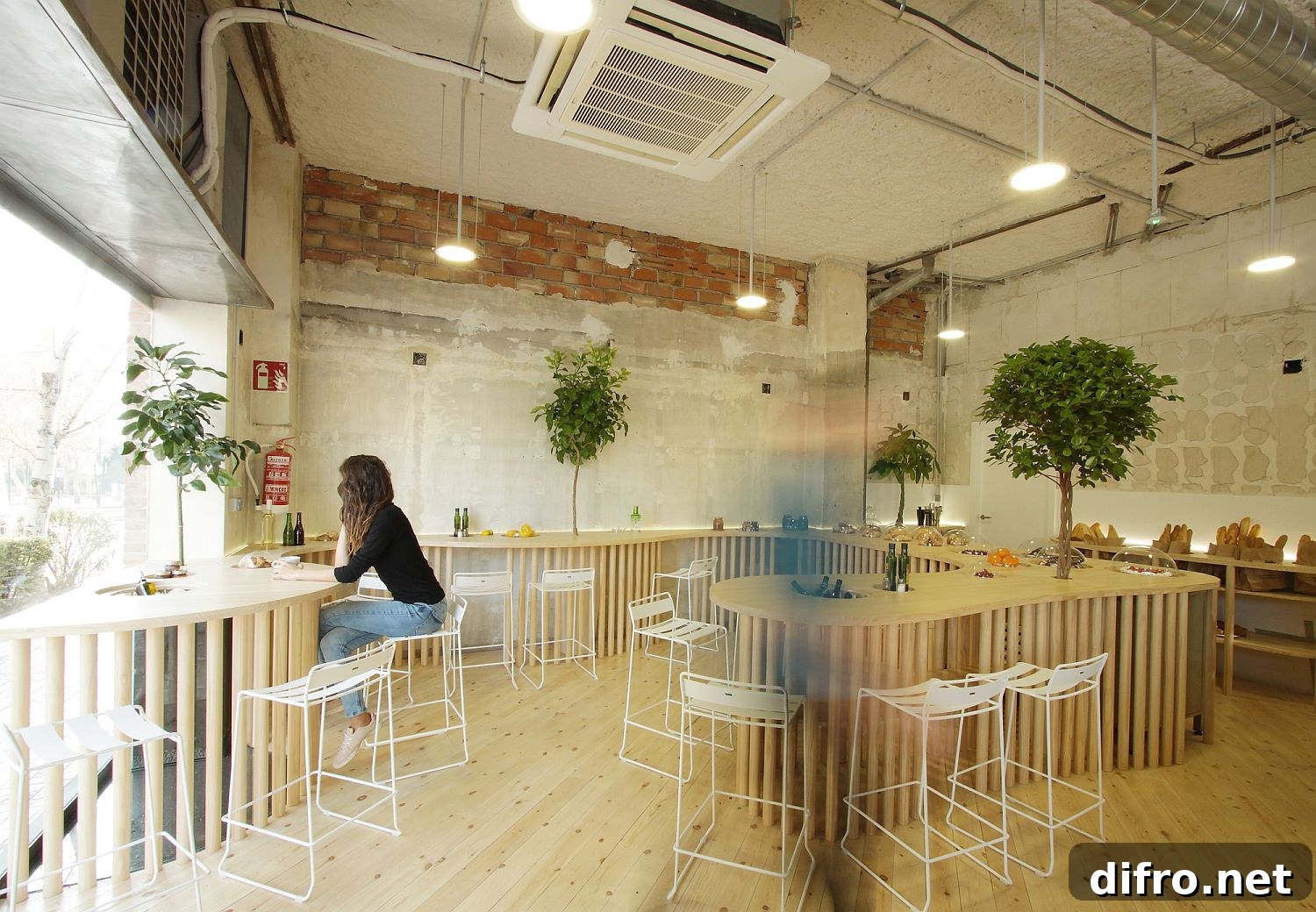
Modern cityscapes often lack green space, dominated instead by polished surfaces and manufactured finishes. The LACE´TA Restaurant, designed by Juan Moya Romero in Granada, Spain, breaks from that pattern by transforming an older neighborhood building into a contemporary dining space that deliberately reintroduces greenery. The project is a strong example of adaptive reuse: the interior blends historical character and contemporary function, with custom wooden fittings that feel restrained yet efficient and that maximize seating within the available footprint.
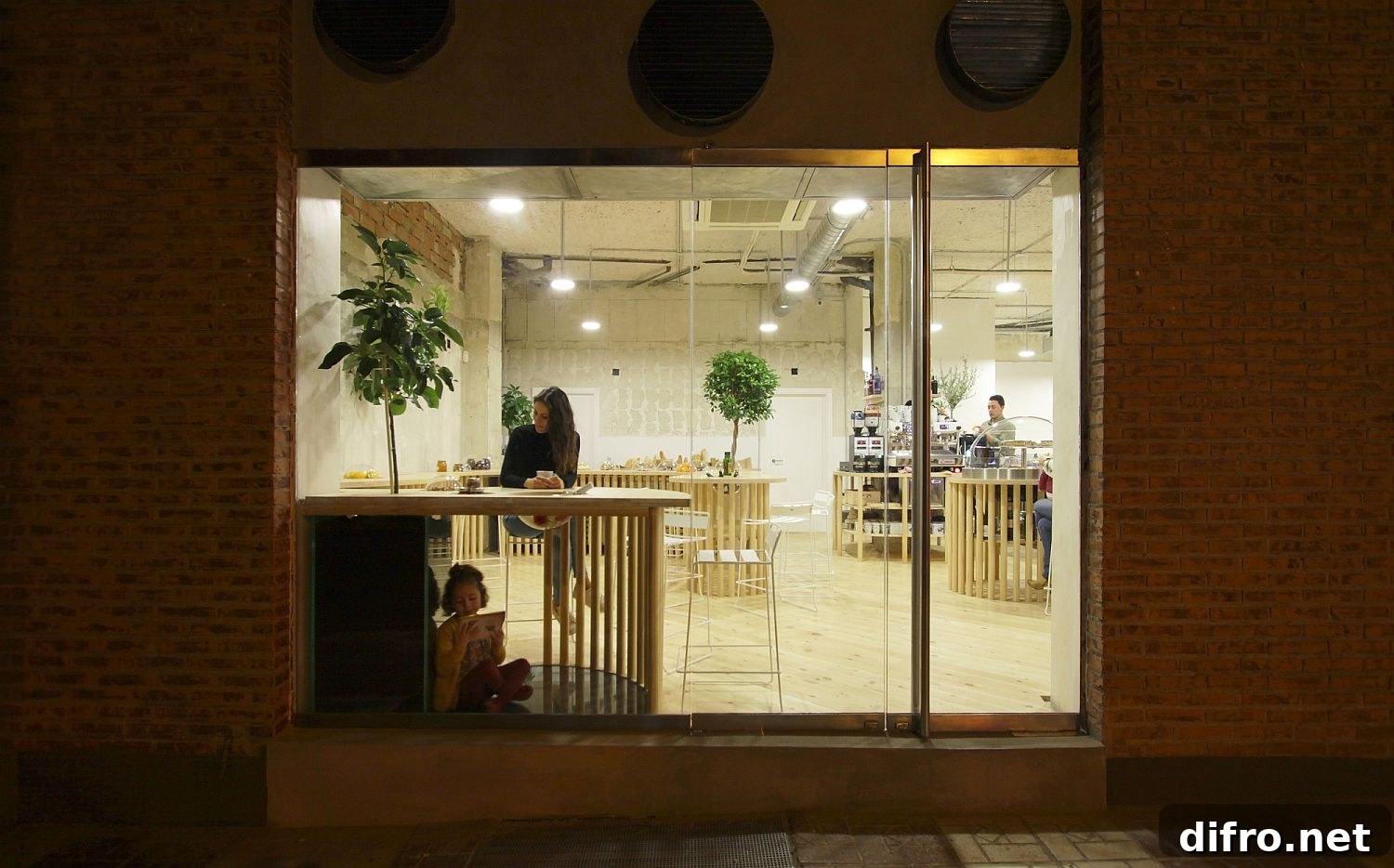
Rather than treating plants as an afterthought, the design introduces greenery in thoughtful, incremental ways. The team planned not only the restaurant interior but also the adjacent streetscape and landscape with a long-term vision: planting and design choices that are intended to mature and expand over the coming decades. That future-oriented mindset guided decisions about layout, materials and circulation so the building can become a greener, more ecologically integrated presence within the neighborhood over the next 30 years.
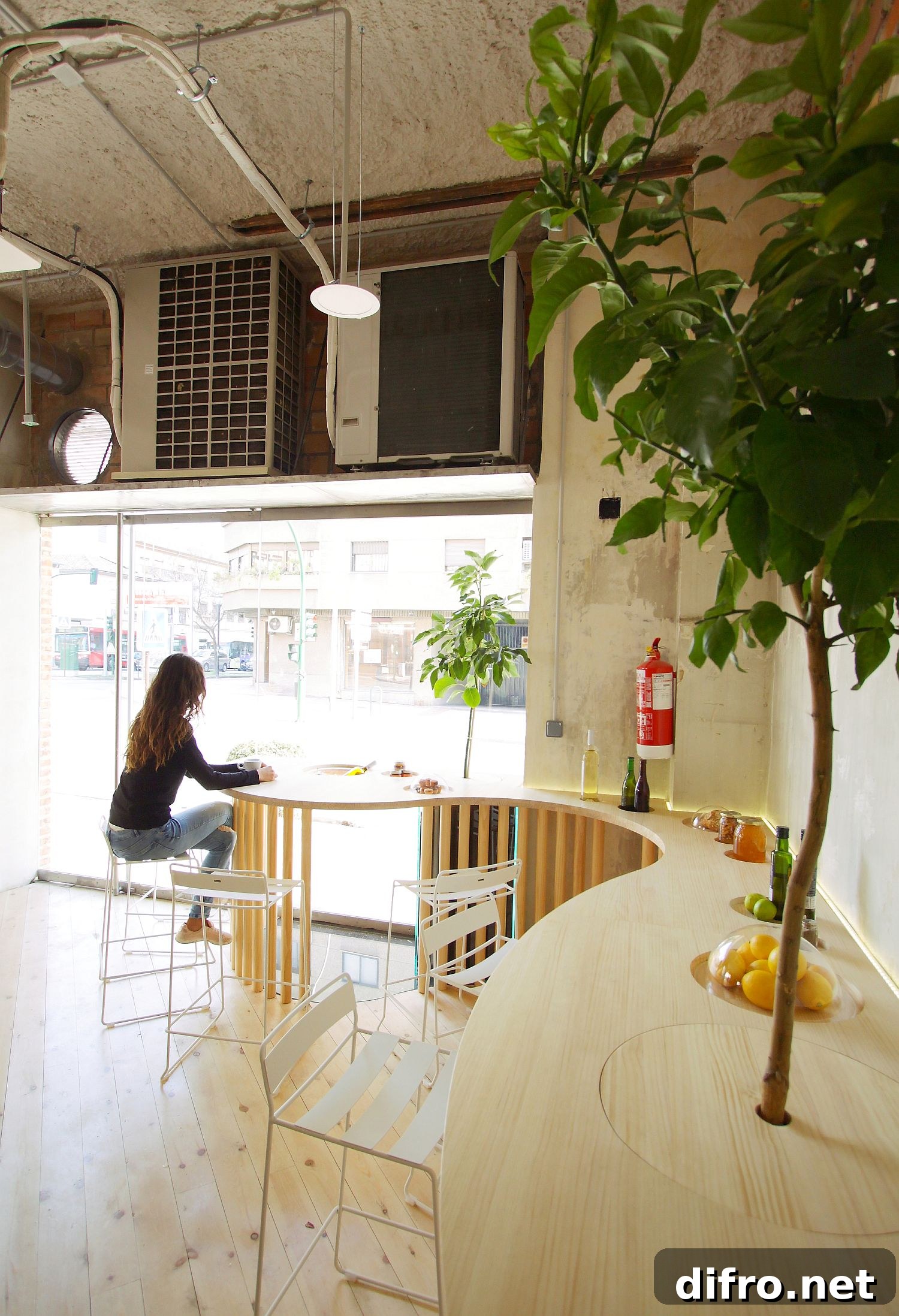
Key to the renovation is a careful balance between preservation and renewal. Weathered walls and exposed surfaces preserve traces of the building’s past, while selective new interventions—such as refined timber fixtures and efficient lighting—make the space functional and welcoming. The result is an interior that feels both rooted and contemporary: rough textures and worn surfaces provide a warm contrast to the clean lines and ergonomics of the custom-built furniture.
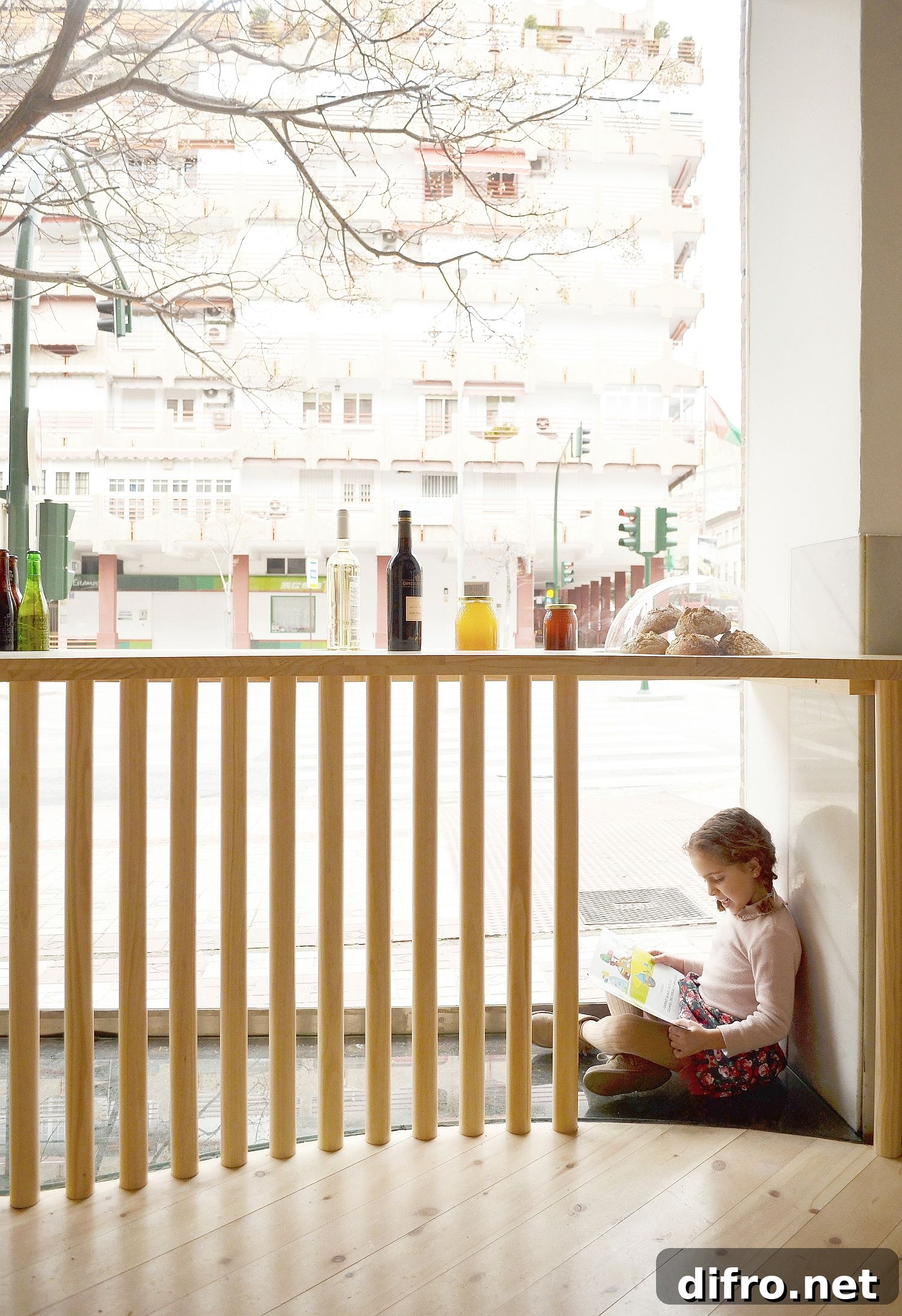
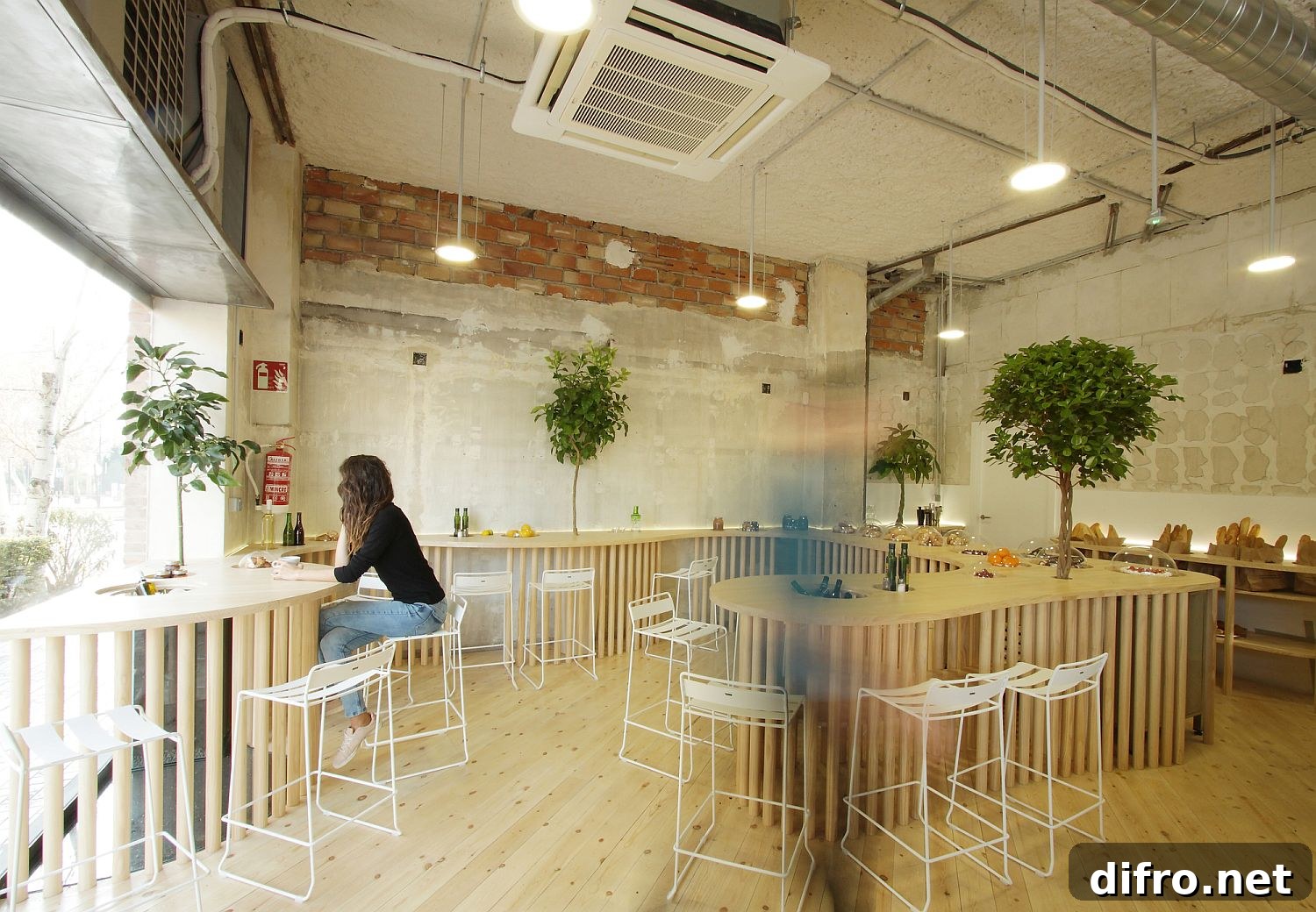
Lighting plays a crucial role in unifying the design. Carefully placed fixtures and natural light sources enhance the textures of the walls and the warmth of the wooden elements, creating a cozy atmosphere that welcomes diners while supporting plant health. The lighting strategy also helps define distinct areas within the compact interior, guiding movement and emphasizing focal points like communal tables and bar seating.
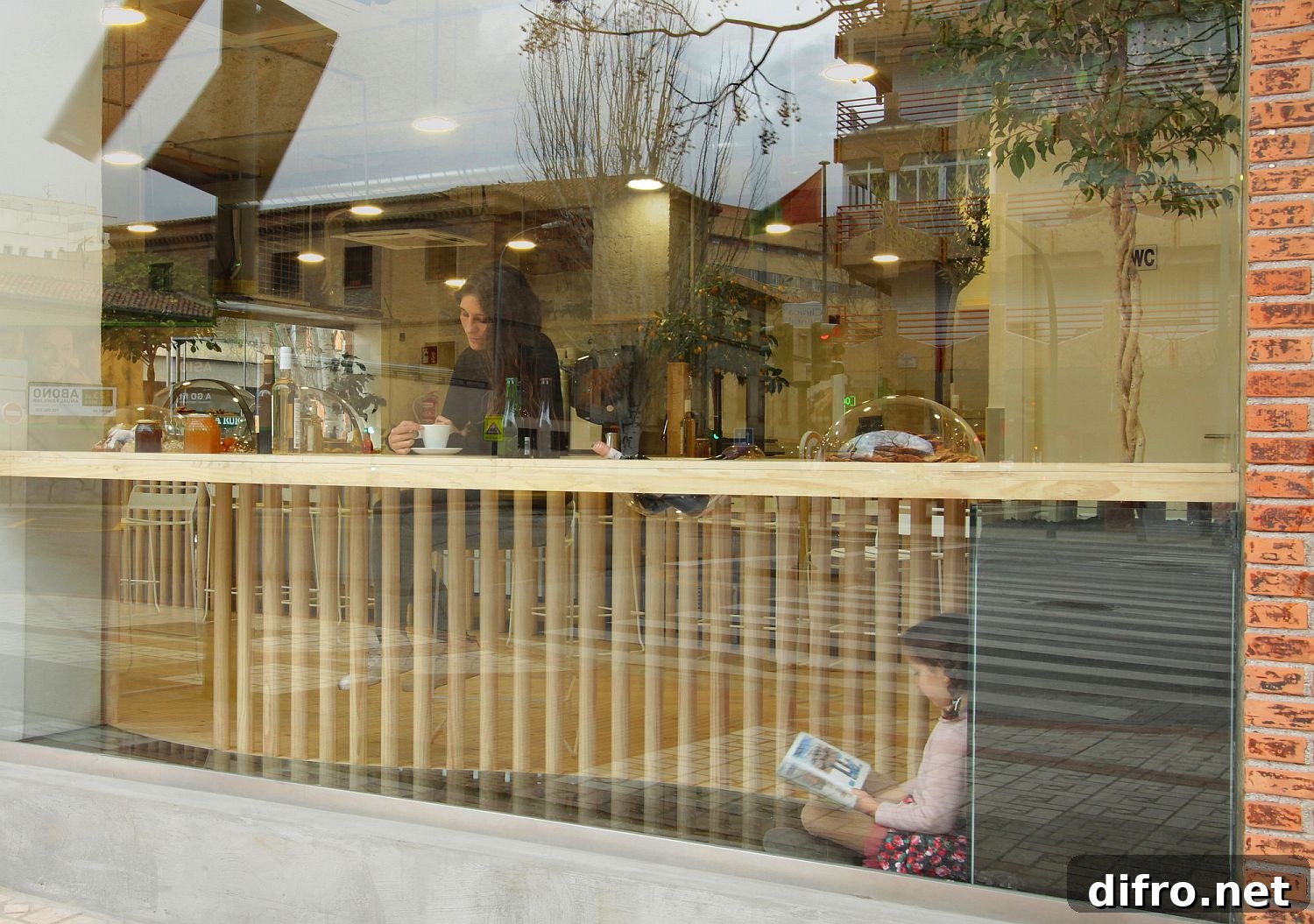
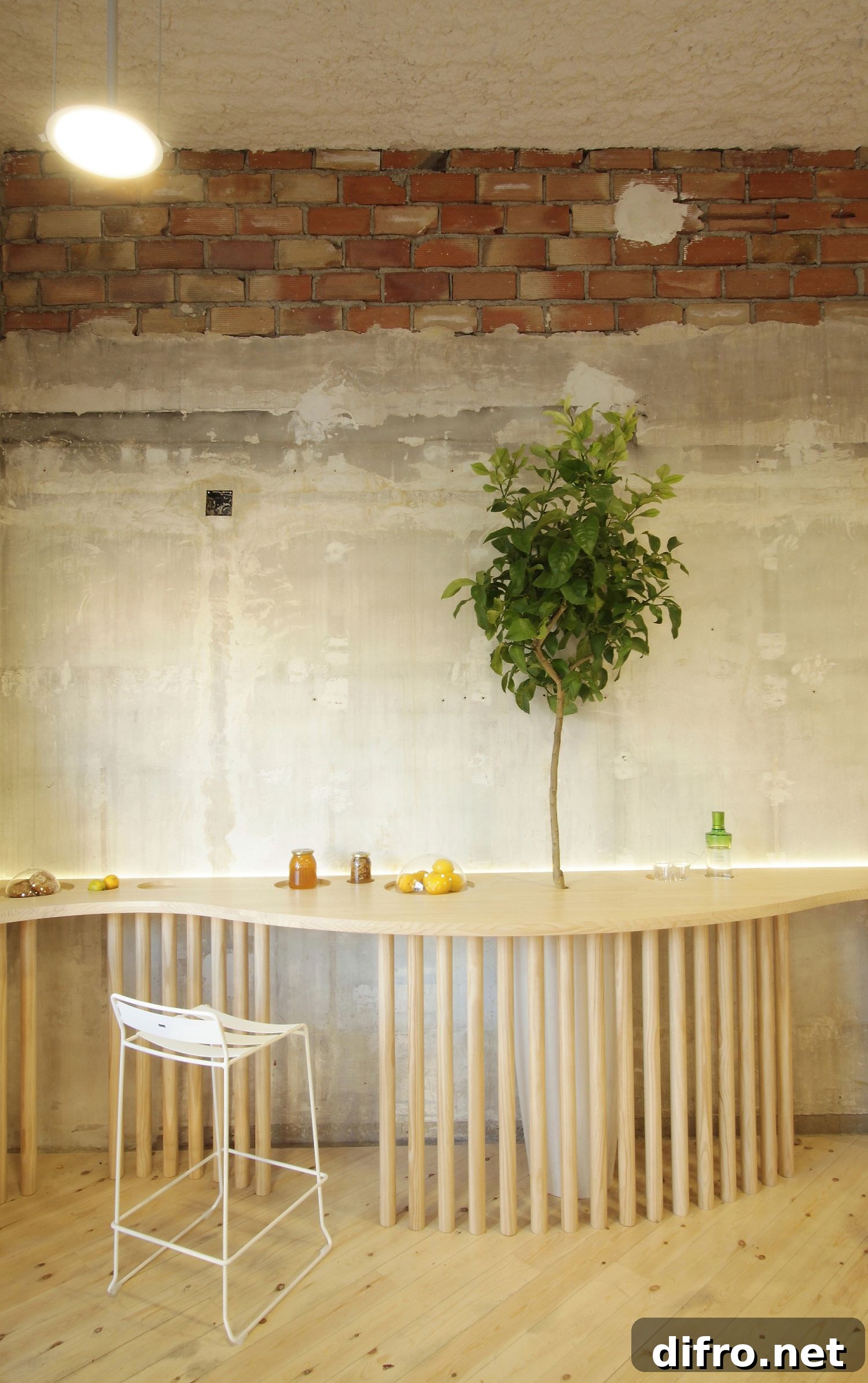
Materials were chosen for longevity and tactility: timber joinery provides warmth, while exposed masonry and repaired surfaces offer visual depth and authenticity. The design intentionally highlights imperfections as part of the story, celebrating the building’s history instead of erasing it. This approach creates a more grounded, honest interior that resonates with the surrounding urban fabric.
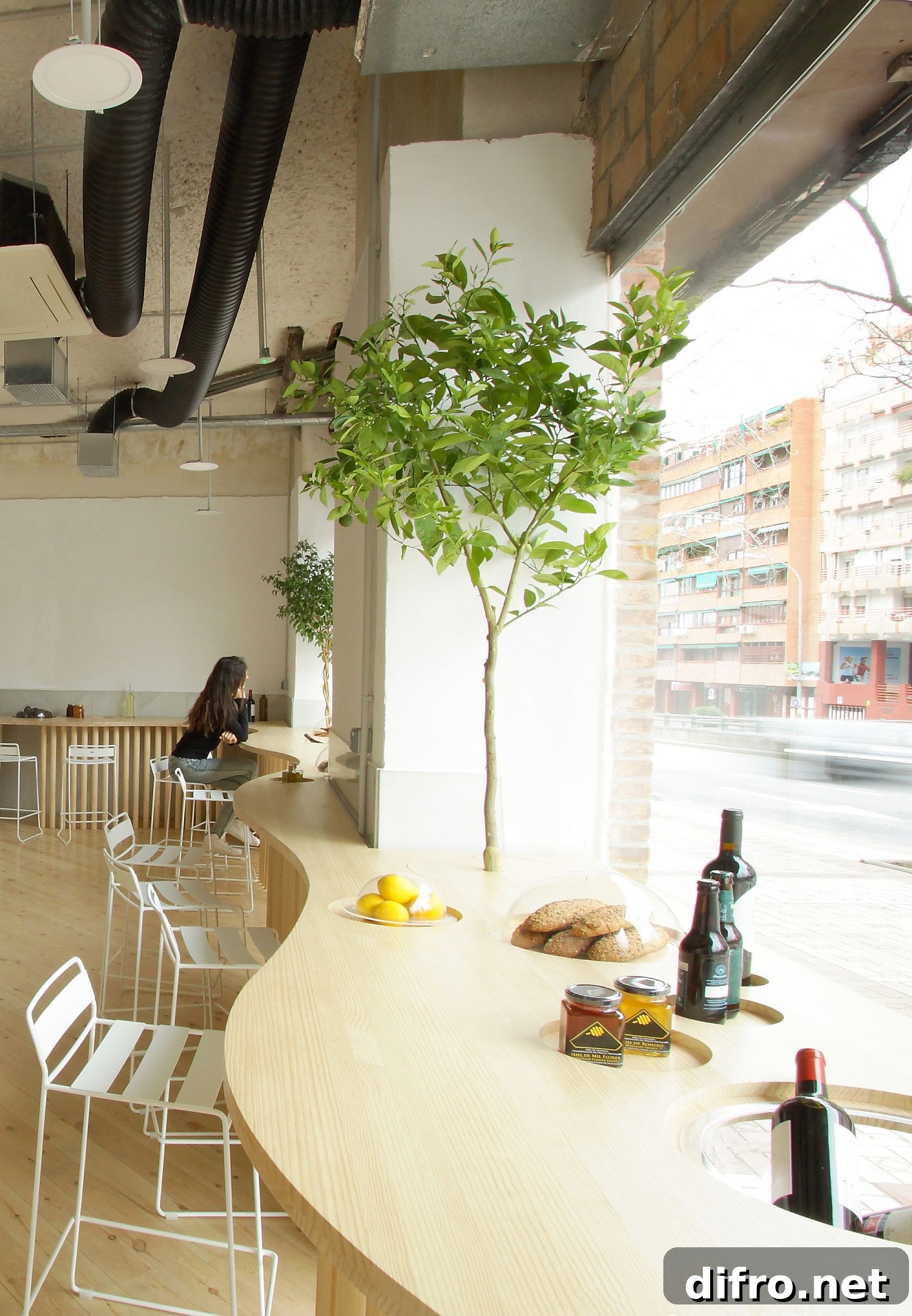
The restorative power of nature and the social role of southern Spanish eateries combine to form a new kind of collective habitat. Here, people connect through shared spaces that support biodiversity and communal life. The proposal explores spatial recycling and the beauty of spontaneous, exposed materials that emerge from a deconstructive process. Unsuitable or discordant elements are contrasted with new, natural additions designed for durability and a sustainable life cycle.
Small-scale plantings, planters integrated into seating and carefully selected species help the restaurant evolve into a greener venue without overwhelming the compact site. These planting strategies also contribute to acoustic comfort, microclimate control and visual softness—important factors in creating a pleasant dining experience in dense urban settings.
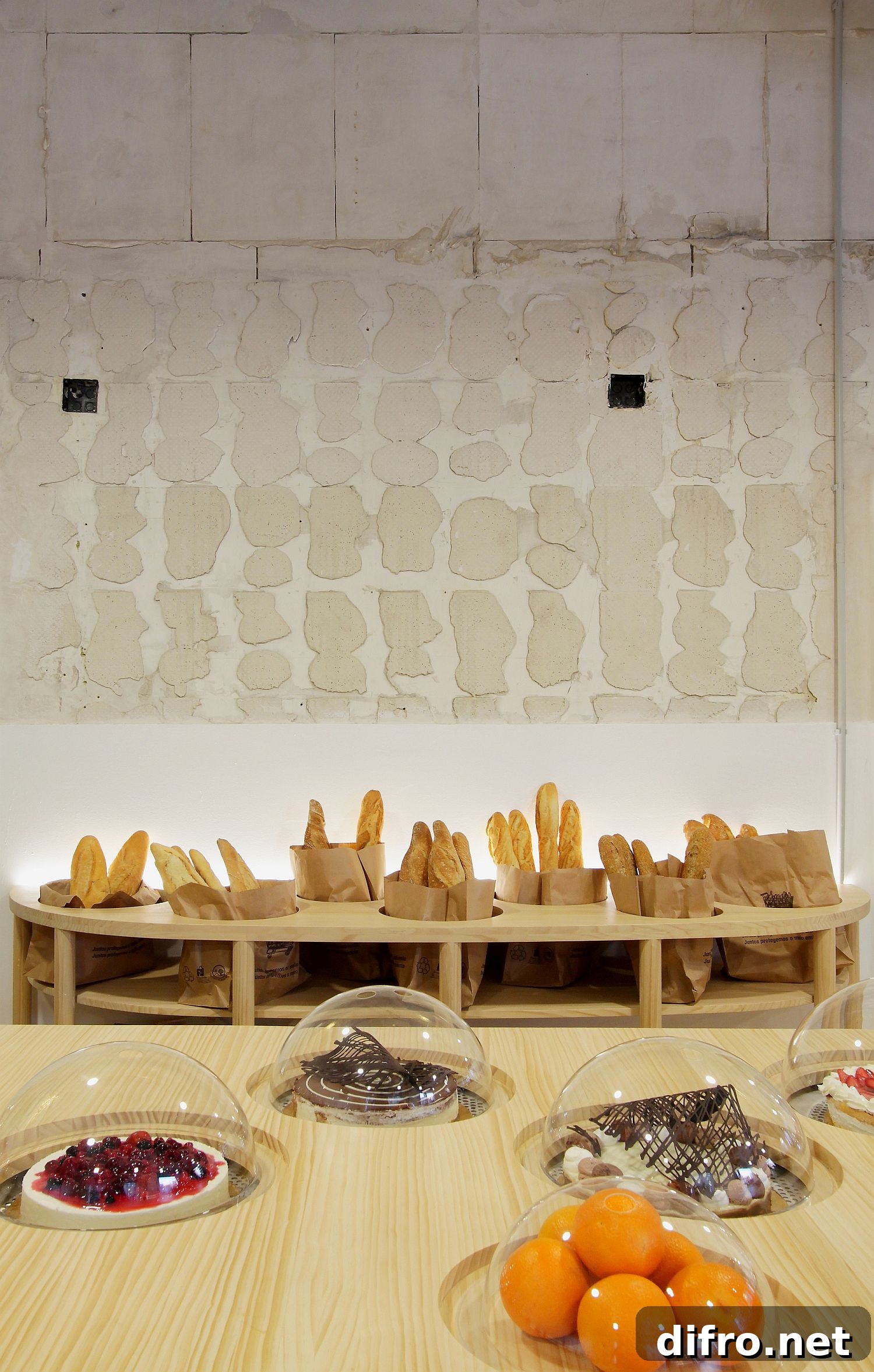
Ultimately, the renovation of LACE´TA is about more than aesthetics: it demonstrates how thoughtful design can extend a building’s life, improve neighborhood ecology and create welcoming public interiors. By weaving together conservation, contemporary comfort and a strategic program for greenery, the project offers a compelling model for sustainable urban hospitality.