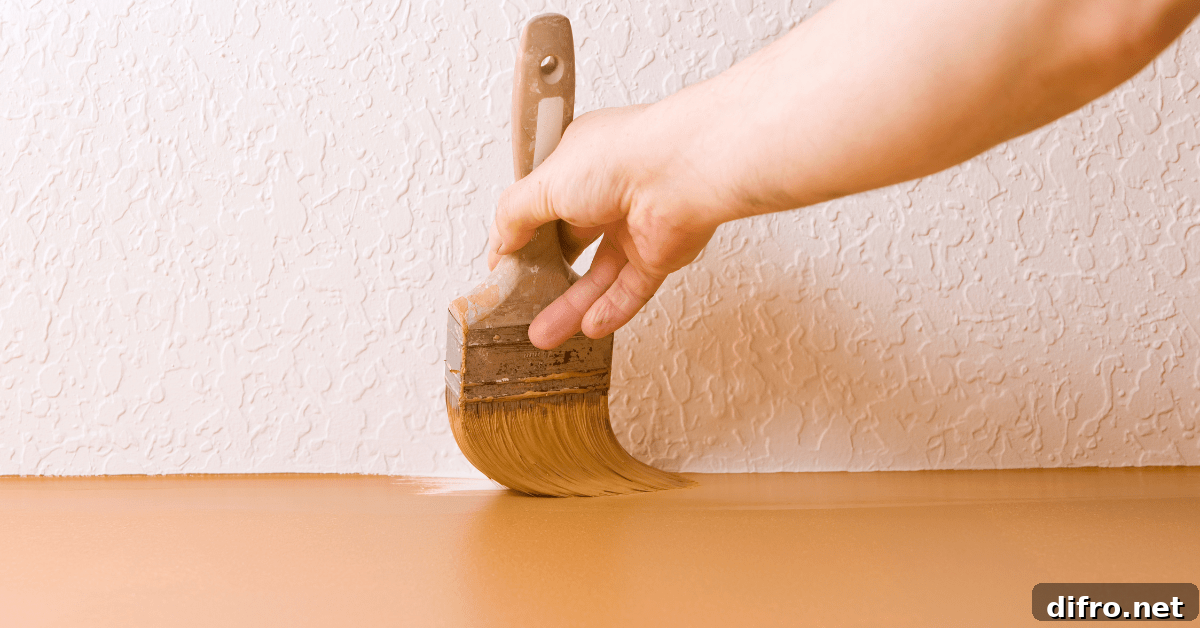
In interior design, the choice of wall texture plays a crucial role in shaping a room’s look and feel. From ultra-smooth finishes to tactile, artisanal patterns, the wide variety of wall textures available lets homeowners and designers express style, control light and shadow, and conceal surface imperfections. This guide explores the most popular types of wall textures, explains their characteristics, and offers practical advice for integrating them into your home.
Understanding the Significance of Wall Texture Types
Wall texture is more than a decorative detail: it affects perception of space, highlights architectural features, and can improve durability in high-traffic areas. The right texture can make a room feel warmer, more modern, or more refined. Knowing the differences between common texture styles helps you choose finishes that match your design goals, maintenance preferences, and budget.
Smooth
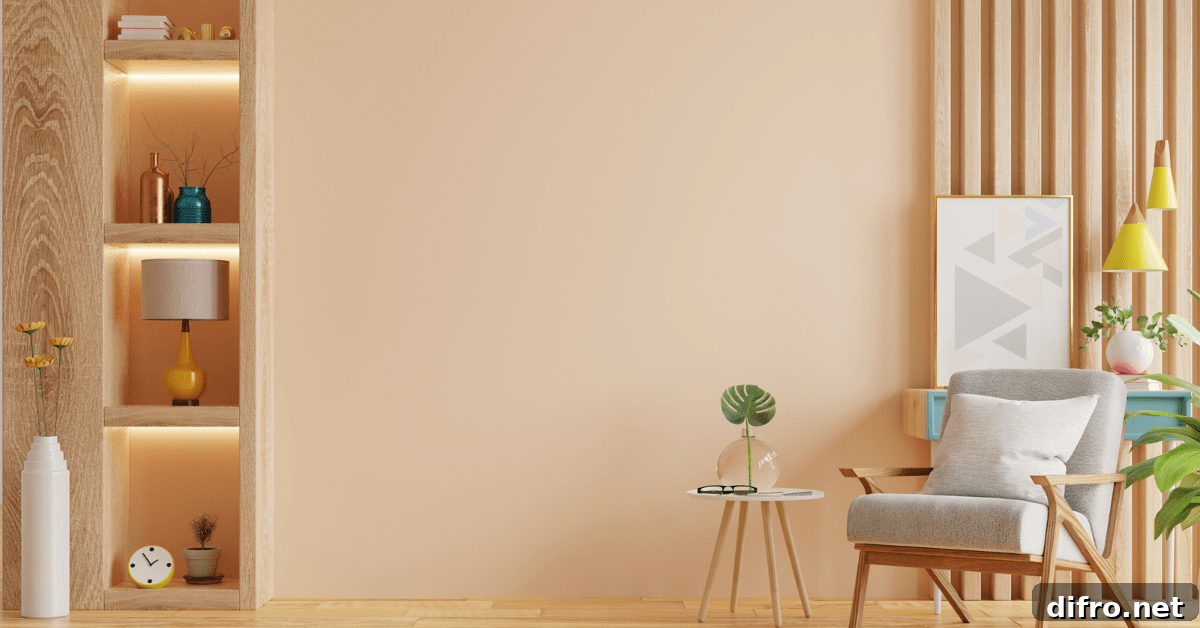
Smooth walls are the hallmark of modern, minimalist interiors. Achieving this look usually requires skim coating or multiple coats of joint compound followed by careful sanding, producing a clean, uniform surface that reflects light evenly. Smooth finishes work well with bold paint colors, feature walls, and detailed trim because they provide a neutral backdrop that doesn’t compete with other design elements. They also make it easier to clean and repaint walls when needed.
Knockdown Wall Texture
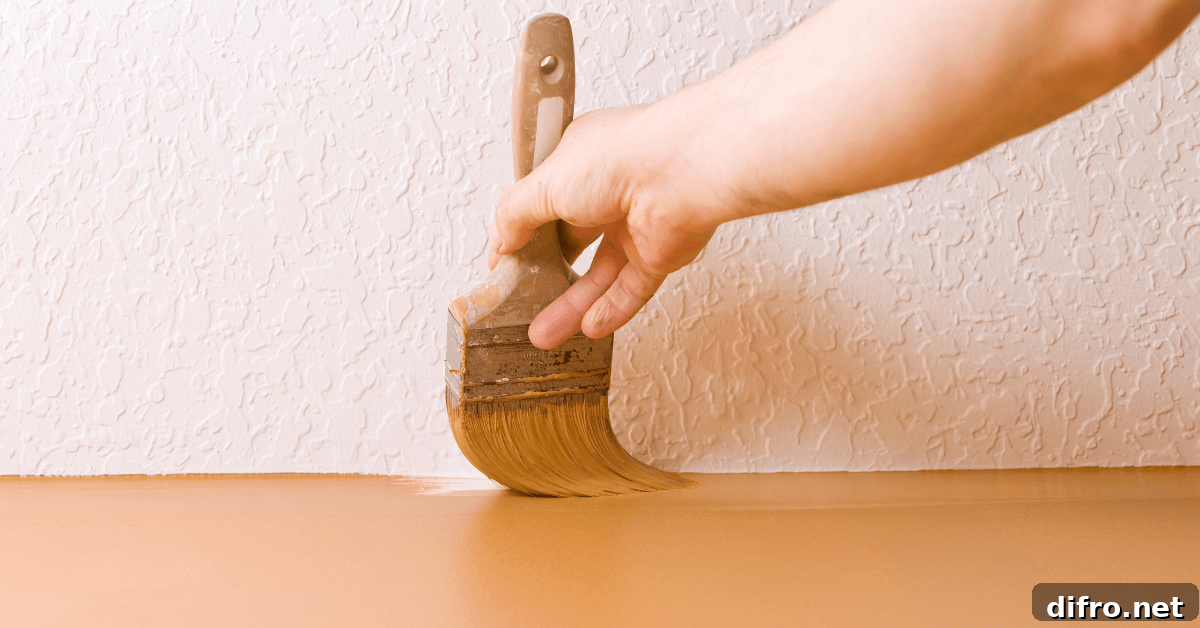
Knockdown texture creates a soft, mottled surface by applying joint compound and then flattening peaks with a trowel or knife. The result is a low-relief pattern that adds depth without overwhelming a room. Because knockdown can be varied in scale and intensity, it suits many styles—from cozy traditional homes to contemporary spaces seeking subtle visual interest. It also helps disguise minor imperfections and is paint-friendly for color experimentation.
Orange Peel
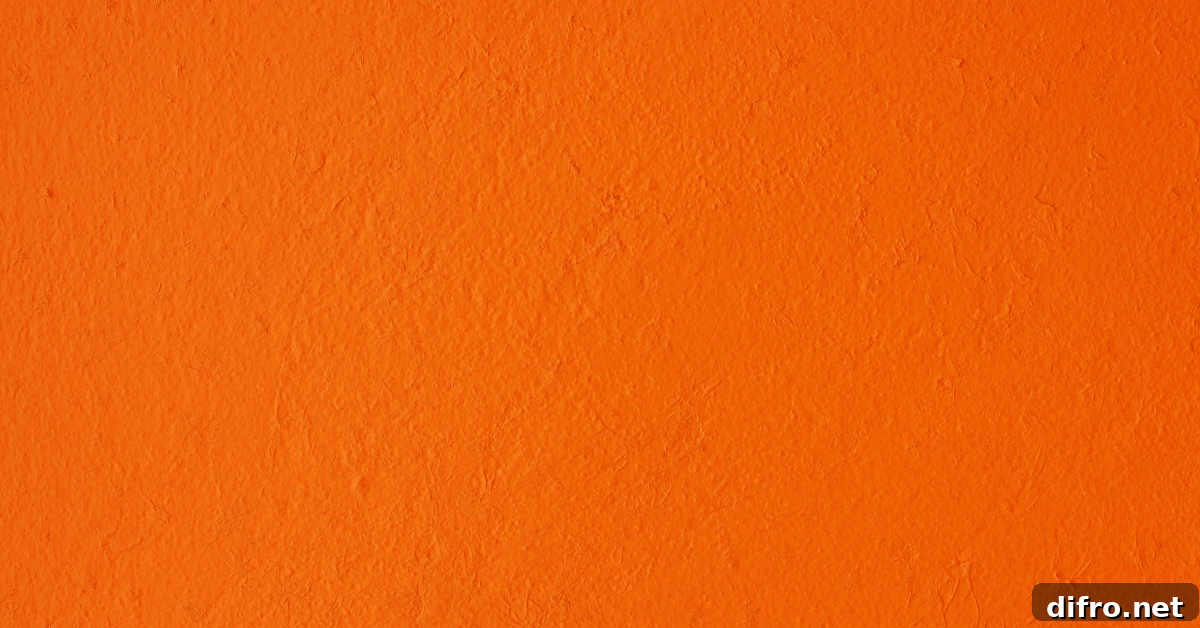
Named for its resemblance to citrus skin, orange peel texture is applied by spraying a thinned joint compound onto the wall, creating a subtle, pebbled surface. It’s a popular, cost-effective choice for hiding minor flaws and for adding a little visual texture without drawing attention. Orange peel is commonly used in hallways, family rooms, and other high-traffic zones because it wears well and is forgiving when cleaned or touched up.
Popcorn Wall Texture
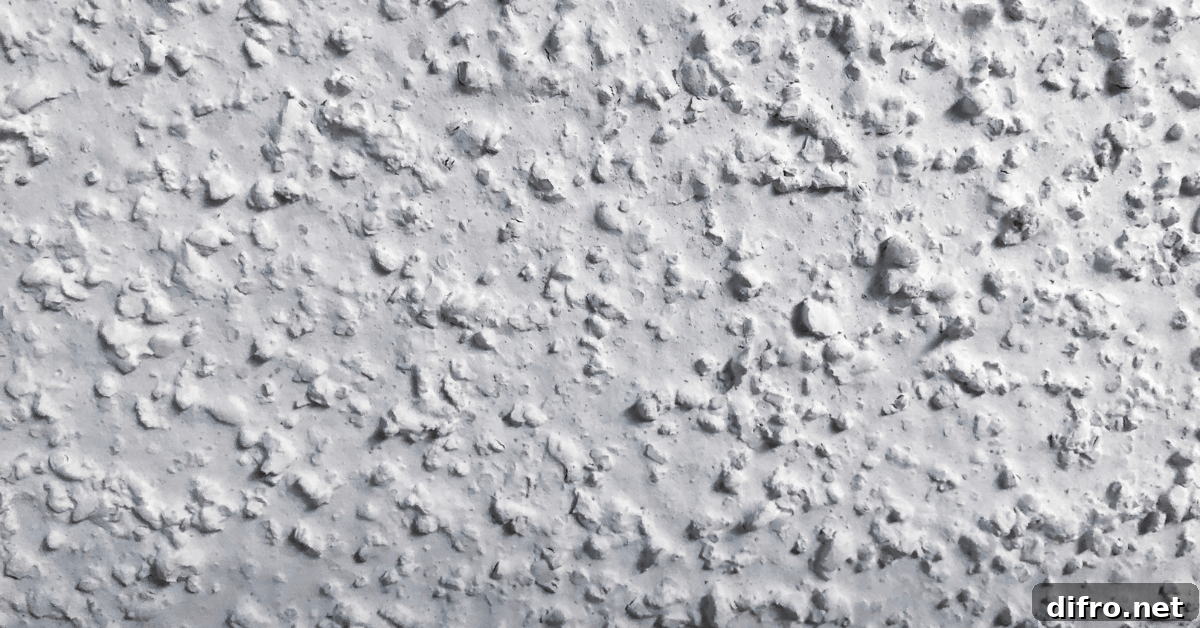
Often called acoustic or cottage-cheese texture, popcorn was widely used in mid-20th-century homes, especially on ceilings. It’s produced by spraying a thick mixture onto the surface, creating a pronounced, sculptural finish. Popcorn texture has declined in popularity, but it remains common in older properties. If you prefer a cleaner, more modern look, popcorn can be removed or skim-coated to achieve a smooth or subtler finish.
Further reading and inspiration
- Can You Paint Over Wallpaper? Practical Steps and Tips
- 16 Creative Wood Accent Wall Ideas for Distinctive Style
- Designing Stunning Wall Galleries: Tips for Arrangement and Impact
Choosing the right wall texture depends on the look you want, how much maintenance you’re willing to do, and the character of the room. Smooth finishes offer a sleek, contemporary canvas; knockdown delivers understated depth; orange peel provides a durable, low-key texture; and popcorn remains a legacy option in many older homes. By understanding these common types of wall textures and their uses, you can make informed decisions that enhance both the appearance and function of your interior spaces. With careful selection and professional application when needed, wall texture is a simple yet powerful tool to elevate your home’s style and atmosphere.