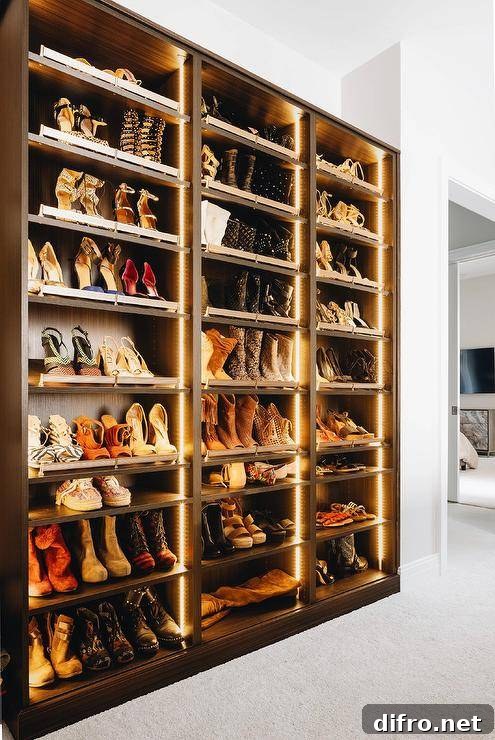
Shoe cabinets keep footwear organized, protect shoes from damage, and help maintain a tidy home. Available in a wide range of sizes, finishes, and configurations, they can be chosen to match your space and style—whether you need a compact unit for an entryway or a full walk-in closet solution. In addition to being practical, a well-chosen shoe cabinet can enhance the look of your room and simplify daily routines.
From a few pairs to an extensive collection, the right cabinet makes shoes easy to find and helps extend their lifespan. Below we outline popular types of shoe cabinets and offer design guidance to help you pick the best option for your needs.
Custom Shoe Cabinets
Custom-built shoe cabinets deliver the most tailored storage solutions. Designed to fit irregular spaces, they can combine tilted shelves, drawers, cubbies, and hanging hooks so every pair has its place. Custom cabinets can be crafted from a variety of materials—solid wood, veneered panels, metal accents, acrylic or glass fronts—and can include features like integrated lighting, adjustable shelves, and specialized compartments for boots or handbags. Because they’re made to measure, custom options are ideal when you want maximum capacity, a seamless aesthetic, or to coordinate finishes with existing cabinetry.
Open Shoe Cabinets
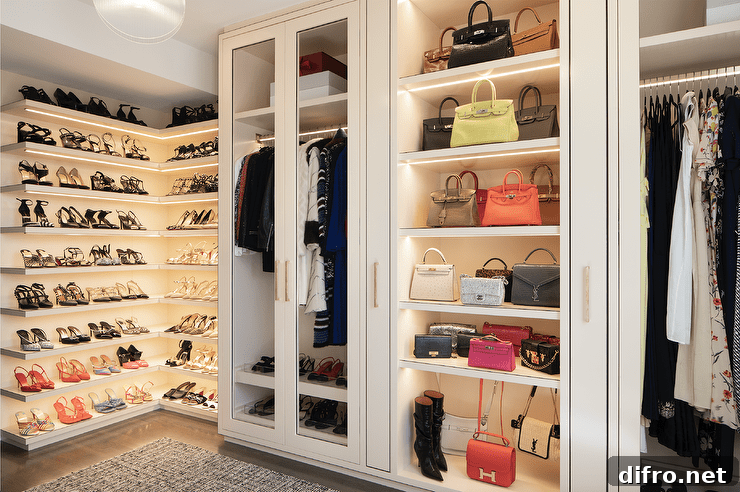
Open shoe cabinets (shelving without doors) make footwear easy to access and display. These units typically feature multiple shelves or cubbies where shoes can be shown off in a neat, organized arrangement. Open cabinets turn your collection into part of the room’s decor—especially when paired with coordinated shelving finishes or backlighting—and help you quickly identify the pair you need each day.
To keep open displays tidy, group similar shoes together (sneakers, heels, boots) and use uniform spacing or risers for smaller items. While open shelving requires occasional dusting, it’s one of the most convenient options for everyday use and visual appeal.
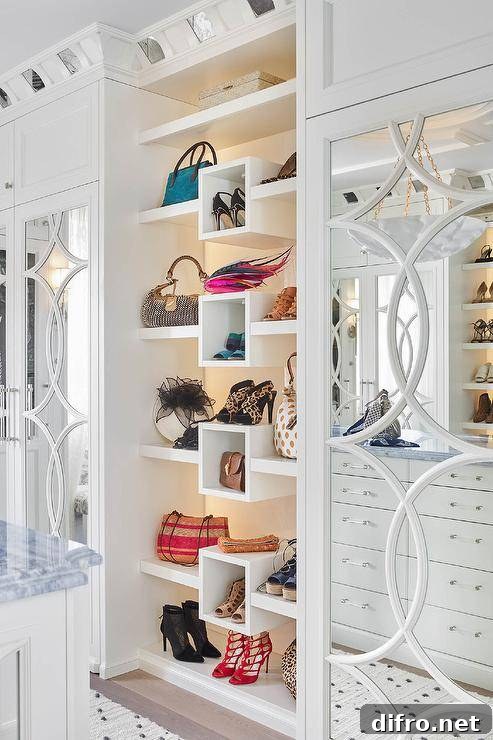
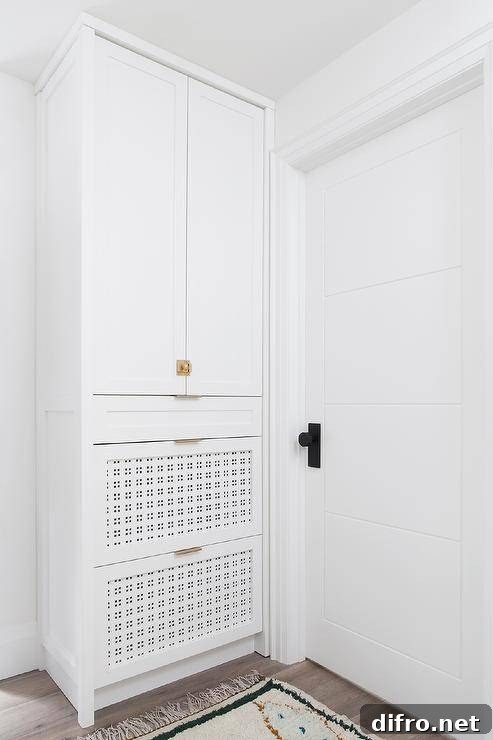
Concealed Shoe Cabinets
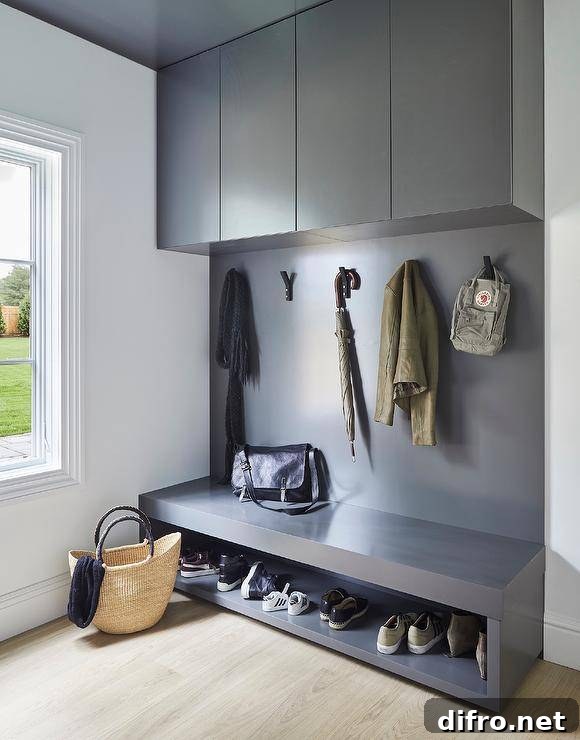
Concealed or closed-door shoe cabinets keep shoes hidden for a cleaner look and better dust protection. These units are a smart choice for entryways or living areas where you want storage that blends into the room’s design. Closed cabinets can include ventilated drawers, tilt-out compartments, or full-height closet doors to store a range of shoe types while preserving a streamlined appearance.
Closed shoe storage works well in homes that favor minimalism or need to hide clutter, and many options can be finished to match existing millwork for an integrated result.
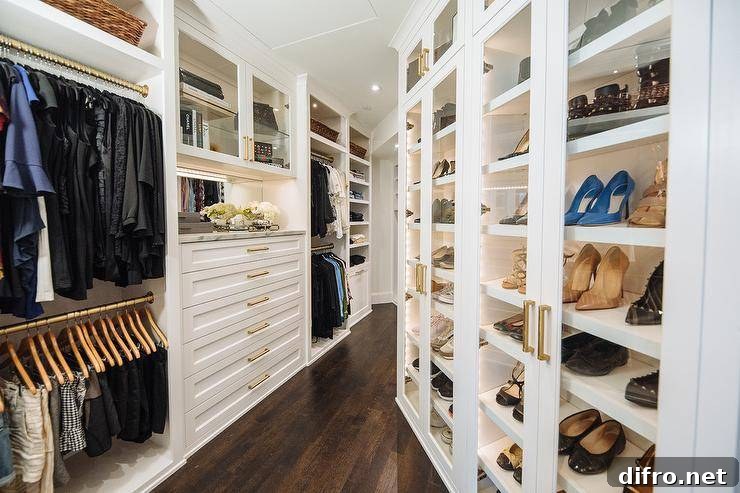
Glass Shoe Cabinets
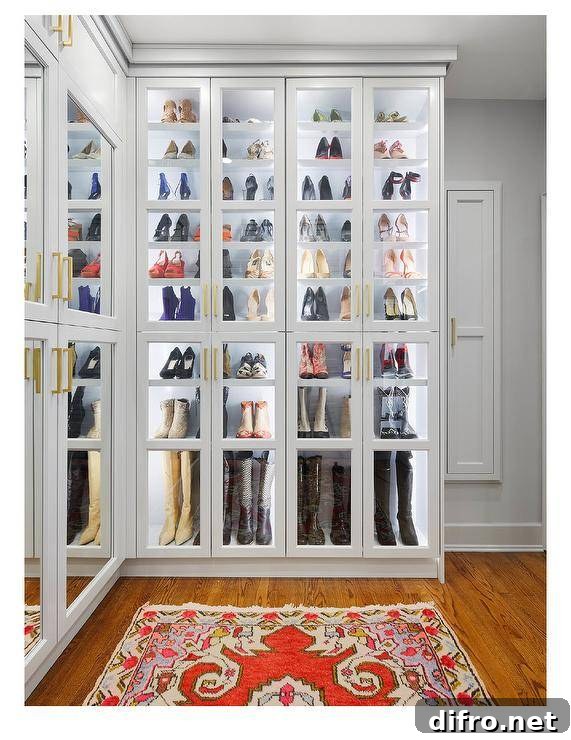
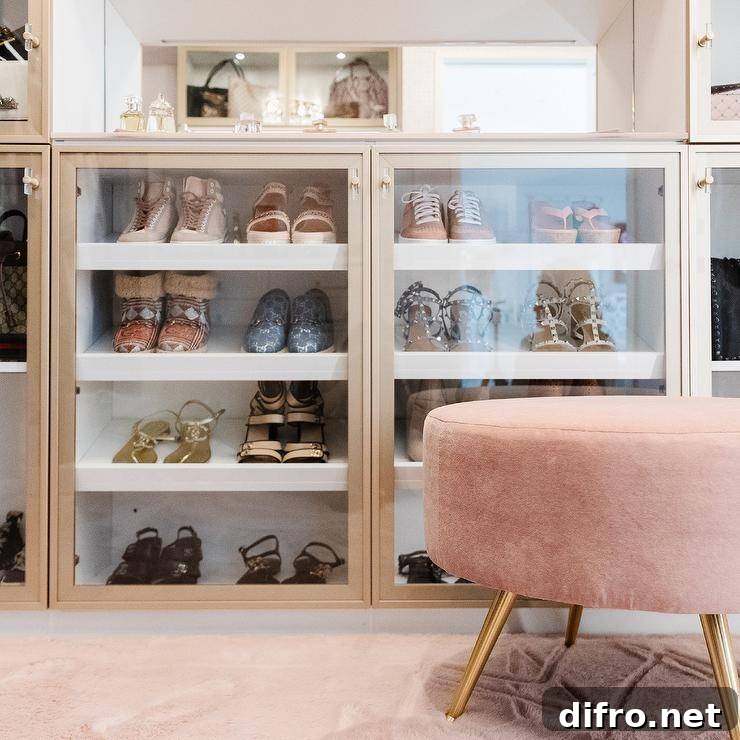
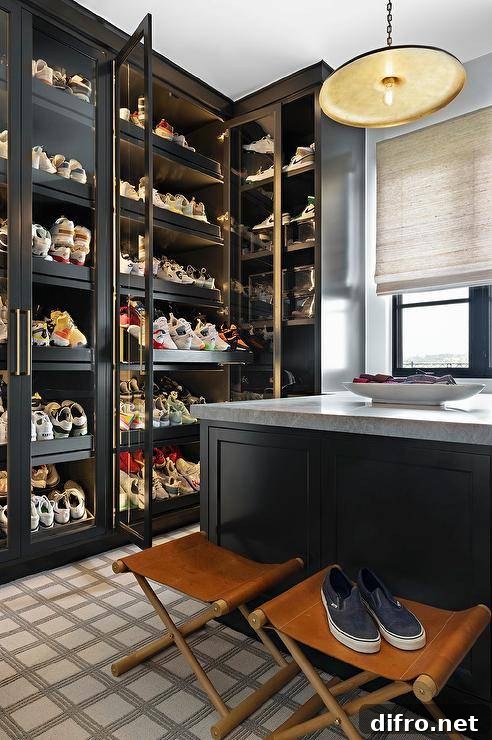
Glass-front shoe cabinets combine display and protection: transparent doors let you show off curated collections while keeping dust out. Glass cabinets are available with clear, frosted, or mirrored panels and can be fitted with interior lighting to highlight important pairs. They work particularly well in dressing rooms and boutiques, or anywhere you want a refined, gallery-like presentation of footwear.
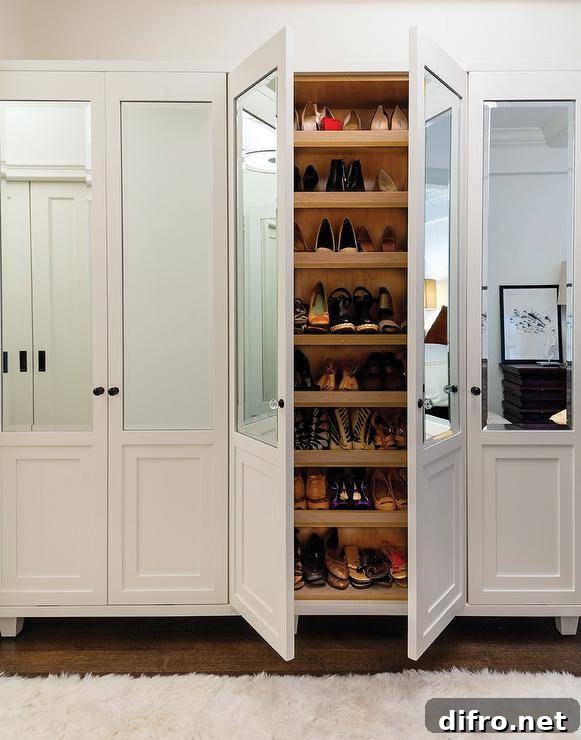
Wooden Shoe Cabinets
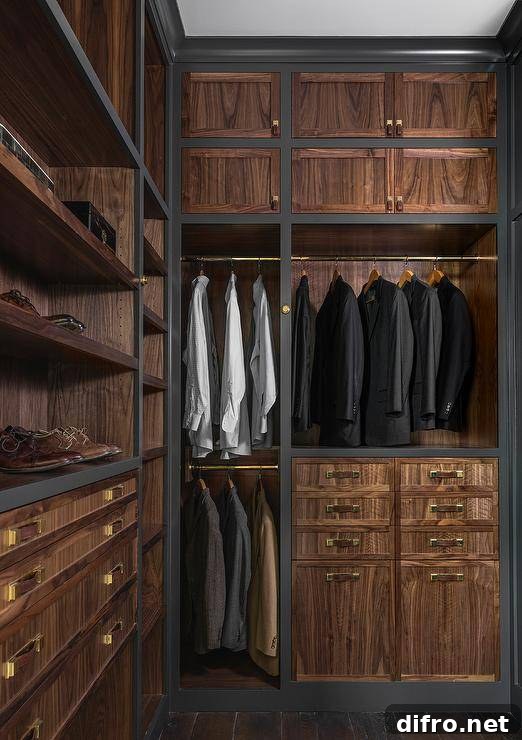
Wooden shoe cabinets offer a timeless, warm aesthetic. Available in light, medium, and dark finishes, wood options suit a wide range of interiors—from rustic to contemporary. Many wood cabinets include additional compartments for gloves, scarves, or keys, and may feature durable hardware and ventilation to protect footwear. Choose a hardwood or high-quality veneer for longevity, especially if the cabinet will be used daily.
Design Tips for Choosing the Right Shoe Cabinet Style
Selecting the ideal shoe cabinet depends on capacity, access, and how it fits with your overall décor. Use these practical tips to guide your decision:
- Assess your collection size. Count pairs and note oversized items such as boots. Choose a cabinet with sufficient shelves, adjustable heights, or dedicated tall compartments for boots and high-tops.
- Match your home’s style. Coordinate materials, colors, and hardware with existing cabinetry or entryway finishes so the shoe cabinet looks intentional, not bolted-on.
- Choose durable materials. Opt for finishes that resist scuffs and are easy to wipe down—especially for high-traffic areas like mudrooms and foyers.
- Look for multifunctional features. Consider benches, hooks, or cubbies integrated into the cabinet to add seating and extra storage for bags, umbrellas, or outerwear.
- Decide how accessible you need shoes to be. Open shelving or glass fronts make selection fast, while closed cabinets protect shoes and hide clutter.
Considering these factors will help you choose a shoe cabinet that balances function and style while maximizing organization in your home.
Frequently Asked Questions (FAQs)
What should I consider when designing a shoe cabinet?
Consider available space, how many pairs you need to store, the types of shoes (boots vs. flats), and the room’s aesthetic. These factors determine cabinet height, shelf spacing, and the choice between open or closed storage.
Open or closed: which is better?
Open cabinets are convenient and visually engaging but need regular dusting. Closed cabinets keep shoes protected and concealed, which is preferable in shared living spaces or formal areas.
How do I pick the right size?
Inventory your footwear, noting tall items and bulky sneakers. Allow extra shelf height for boots or stacked storage solutions. Measure the intended location to ensure the cabinet fits comfortably with room to open doors or drawers.
What materials are commonly used?
Common materials include solid wood, laminate or veneer, metal, glass, and acrylic. Wood is warm and durable; metal offers a modern industrial look; glass and acrylic are chosen for display and to showcase collections.
How can I keep shoes organized inside a cabinet?
Group shoes by type, use dividers or small boxes for accessories, and consider adjustable shelving or pull-out trays. Labeling drawers or sections can help maintain an orderly system over time.
Any useful extra features?
Adjustable shelving, pull-out drawers, ventilation, and integrated lighting are practical upgrades. A bench or top surface for sitting and tying shoes adds convenience to entryway storage.
How should I maintain a shoe cabinet?
Regularly dust and wipe surfaces, remove and air out damp footwear, and use odor absorbers as needed. For wooden cabinets, follow manufacturer guidance for cleaning and avoid excessive moisture.