Are you ready to refresh your kitchen by repainting the cabinets? A new coat of paint can dramatically change the look and feel of your space. Choosing the best paint for cabinets depends on the cabinet material, desired finish, and the level of wear and cleaning the surfaces will face. This guide explains factors to consider, the main paint types, leading brands, preparation steps, a clear painting workflow, and care tips so you can achieve long-lasting, professional results.
Factors to Consider When Choosing the Best Paint for Cabinets

Before you pick a paint, identify the cabinet substrate—solid wood, plywood, veneered surfaces, laminate, or metal—as each requires a different approach for adhesion. Next, consider durability: kitchen cabinets need paint that resists scuffs, stains, and frequent cleaning. Think about finish and color: high-gloss and semi-gloss offer better cleanability and reflect more light, while satin and eggshell deliver a softer, modern look. Finally, weigh drying time, odor, and whether you prefer a DIY-friendly product or a professional-level finish.
Types of Paint for Cabinets
There are three common paint types used for cabinets, each with pros and cons:
Latex (Water-Based) Paint
- Easy cleanup with soap and water, lower odor, and faster drying time.
- Modern latex formulas provide good durability; choose a paint labeled for cabinetry or trim for better wear resistance.
Oil-Based Paint
- Traditionally prized for a hard, durable finish that resists stains and stands up to repeated cleaning.
- Longer drying time and stronger odor; requires mineral spirits for cleanup. Often favored where a very smooth, furniture-like finish is desired.
Chalk Paint
- Offers a distinctive matte, vintage look and often needs minimal sanding.
- Best for rustic or distressed styles; topcoating may be necessary to increase durability for high-use cabinets.
Top Brands for Cabinet Paint
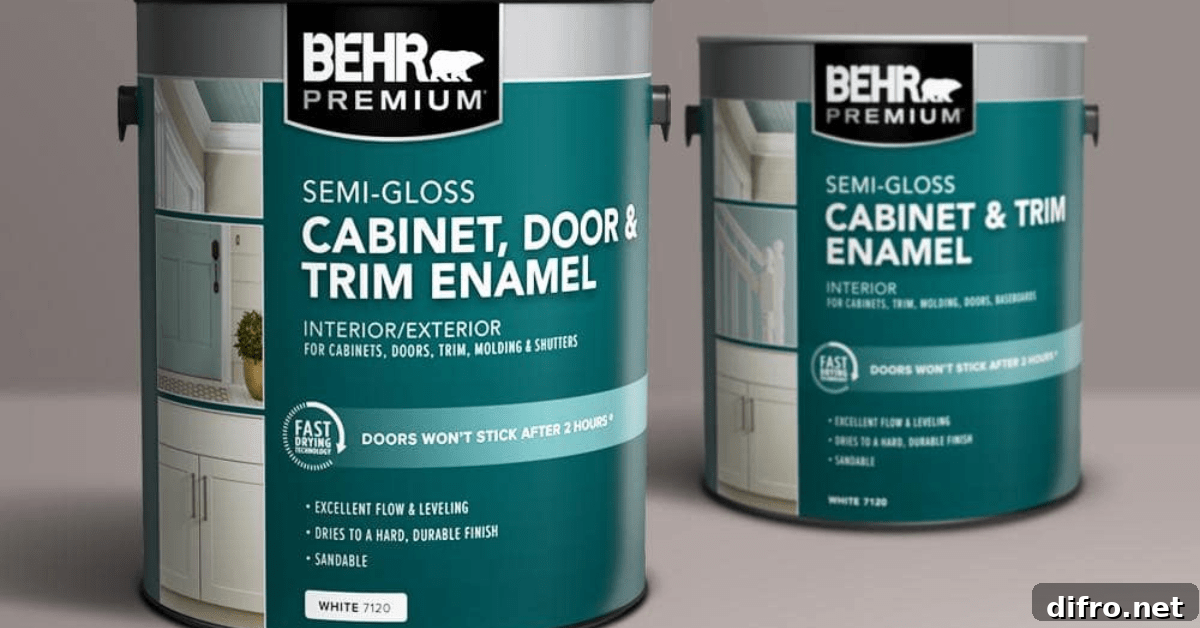
Reputable paint manufacturers invest in formulations for cabinets and trim. Look for lines from well-known brands that offer cabinet-specific enamel or trim paints. These products are engineered for adhesion, durability, and ease of application, and they come in a wide range of colors and sheen levels suitable for kitchens and bathrooms.
Preparing Cabinets for Painting
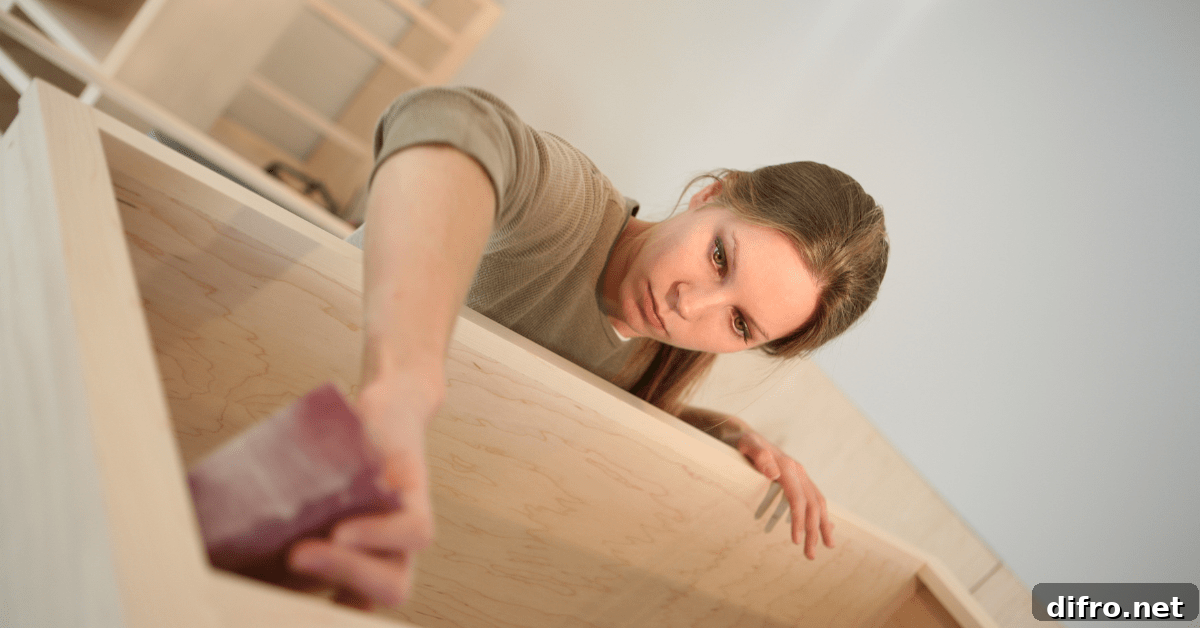
Preparation is the most important step for a long-lasting finish. Follow these steps:
- Remove doors, drawers, and all hardware. Label pieces so reassembly is easy.
- Thoroughly clean surfaces to remove grease, fingerprints, and dirt—use a degreaser or trisodium phosphate (TSP) alternative.
- Sand glossy finishes and rough spots with medium-grit paper to promote adhesion; smooth with fine-grit before painting.
- Fill dents and gouges with a suitable filler and sand flush when dry.
- Apply a high-quality primer compatible with the paint and substrate—this improves adhesion and blocks stains.
Step-by-Step Guide to Painting Cabinets
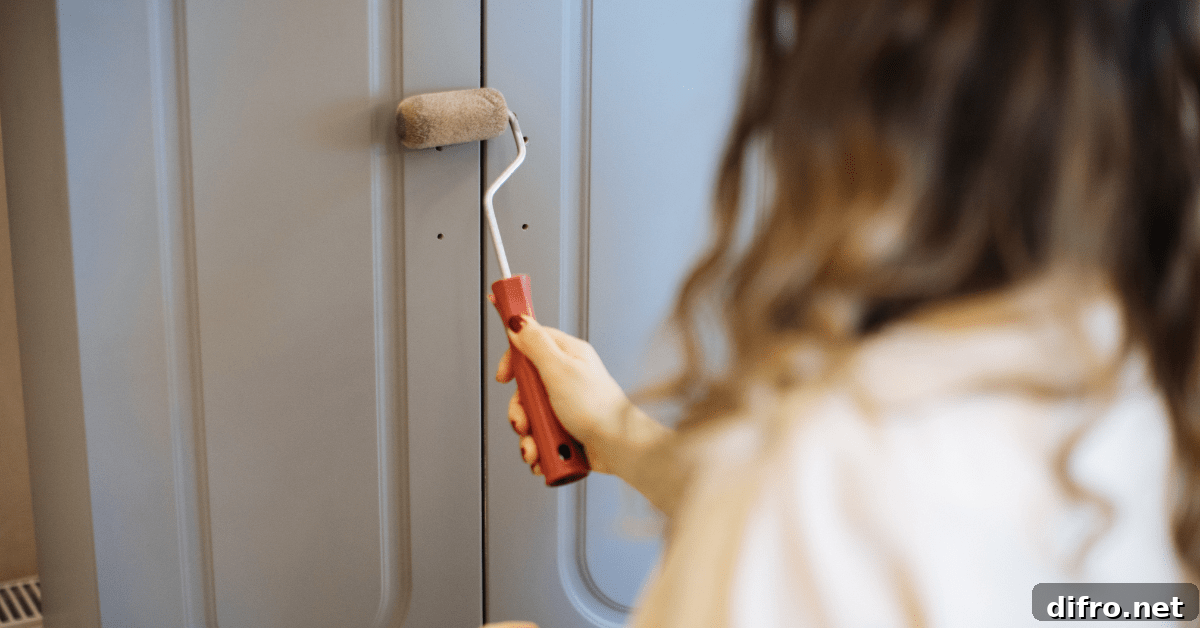
With prep complete, follow this workflow for a smooth, durable result:
- Use a high-quality brush for corners and details and a small foam roller for flat surfaces, or consider a paint sprayer for the most uniform finish.
- Apply a thin, even first coat and allow adequate drying time per manufacturer instructions.
- Lightly sand (fine-grit) between coats to remove any dust nibs and ensure a smooth second coat.
- Apply a second thin coat; a third coat may be needed for deep color changes or optimal coverage.
- Allow full cure time before reattaching hardware—curing can take several days to weeks depending on product.
Tips for Achieving a Professional Finish
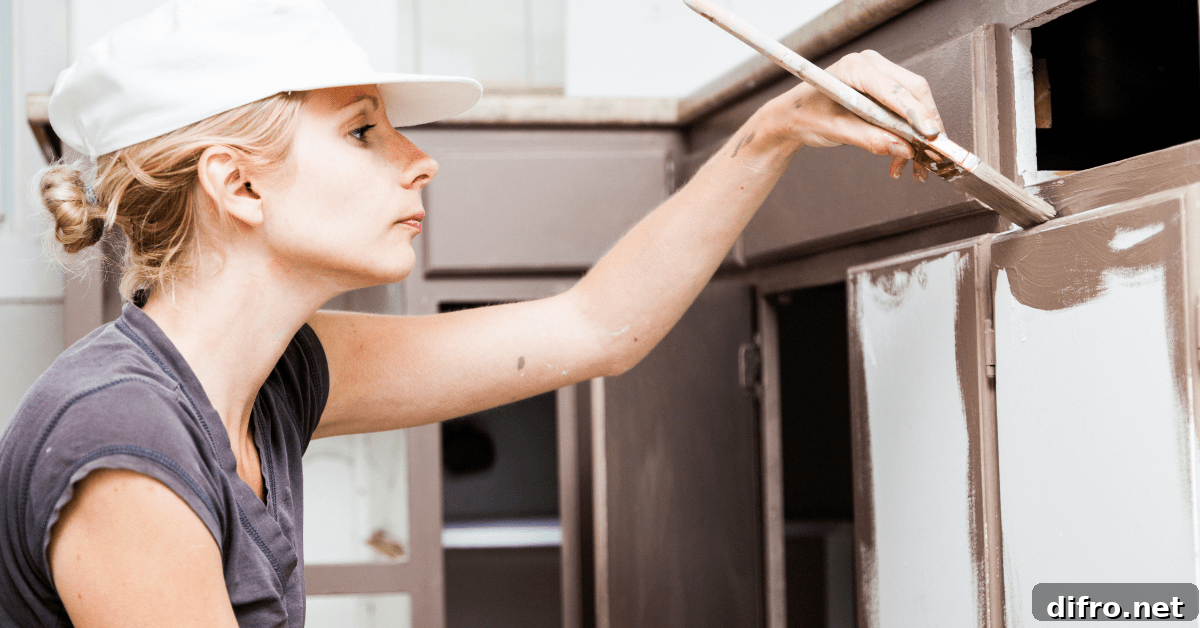
- Work in a dust-free, well-ventilated space and control temperature and humidity for proper drying.
- Apply thin coats rather than one thick coat to avoid drips and uneven curing.
- Use painter’s tape to protect adjacent surfaces and keep clean lines.
- Consider upgrading hinges and hardware for improved function and style once painting is complete.
Common Mistakes to Avoid when Painting Cabinets
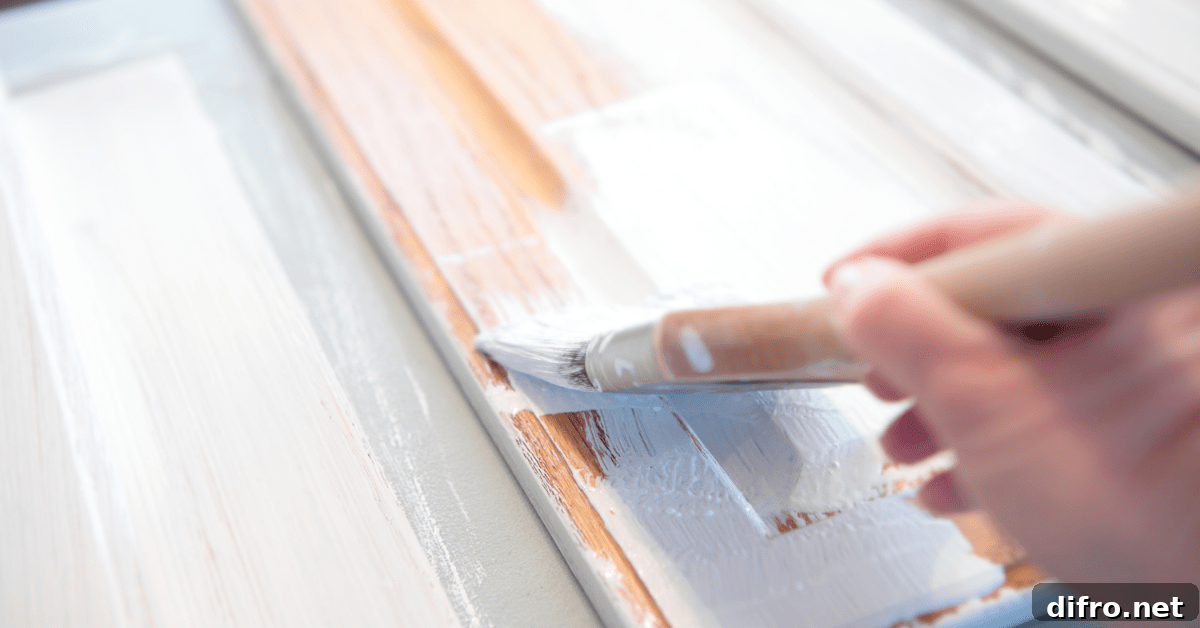
Avoid these pitfalls:
- Rushing preparation—skip this and the paint won’t last.
- Using cheap brushes or rollers that leave visible brushstrokes.
- Applying overly thick coats that drip, sag, or dry unevenly.
Maintenance and Care for Painted Cabinets
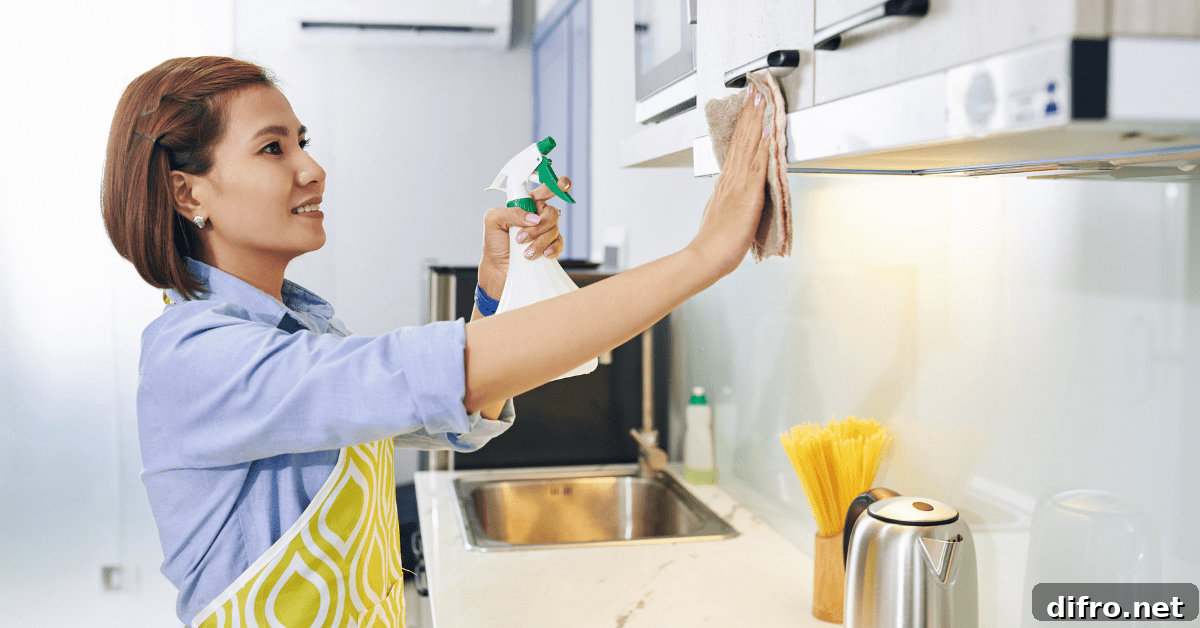
To keep painted cabinets looking their best, use a mild soap and water solution or a non-abrasive cleaner designed for painted surfaces. Avoid strong solvents and abrasive pads that can dull the finish. Wipe spills promptly and perform periodic inspections; for kitchens with heavy use or high humidity, a clear topcoat can add long-term protection.
Frequently Asked Questions About Cabinet Paint
Can I paint cabinets without sanding? Some specialty paints allow painting without sanding, but light sanding generally improves adhesion and yields a more durable, professional-looking finish.
How long does cabinet paint take to dry? Drying times vary by product and conditions. Latex paints may be dry to the touch within hours, but allow at least 24 hours between coats and follow manufacturer guidance for full cure times.
Can I change cabinet color without stripping? Yes. With proper cleaning, sanding, priming, and multiple coats of a cabinet-appropriate paint, you can change color without stripping to bare wood.
Conclusion
Choosing the best paint for cabinets requires matching the paint type and finish to your cabinet material and daily use. Invest time in preparation—cleaning, sanding, and priming—and use thin, even coats for a professional finish. With careful product selection and application, painted cabinets can refresh your kitchen, offer long-lasting durability, and transform the room’s appearance.