Cape Cod style houses have long held a special place in architecture and home design. Their enduring appeal—rooted in simplicity, practicality, and coastal charm—continues to inspire homeowners, builders, and designers across regions and decades.
This guide explores the history, defining features, interior and exterior design, modern adaptations, and lifestyle associated with Cape Cod style houses. Read on to discover what gives these homes their timeless character and how they are evolving for contemporary living.
Tables of Contents:
- Understanding the Origins of Cape Cod Style Houses
- Characteristics That Define a Cape Cod Style House
- Interior Design of a Cape Cod Style House
- Landscaping and Outdoor Spaces in Cape Cod Style Houses
- Modern Adaptations and Innovations in Cape Cod Style Houses
- Interior Décor and Furnishings for a Cape Cod Style House
- Maintaining and Restoring a Cape Cod Style House
- The Allure of Cape Cod Style Houses in Different Regions
- Embracing the Lifestyle of Cape Cod Style Living
Understanding the Origins of Cape Cod Style Houses
Cape Cod architecture began in 17th-century New England as a practical response to harsh coastal weather. Early settlers built compact, sturdy homes with steep roofs and central chimneys to withstand strong winds and heavy snow. Over time these pragmatic choices evolved into recognizable design hallmarks.
From modest, utilitarian beginnings the Cape Cod form became an enduring aesthetic: modest scale, symmetrical facades, and functional layouts that still feel warm and welcoming today. Appreciating this historical context helps explain why the style continues to resonate with homeowners who value simplicity and authenticity.
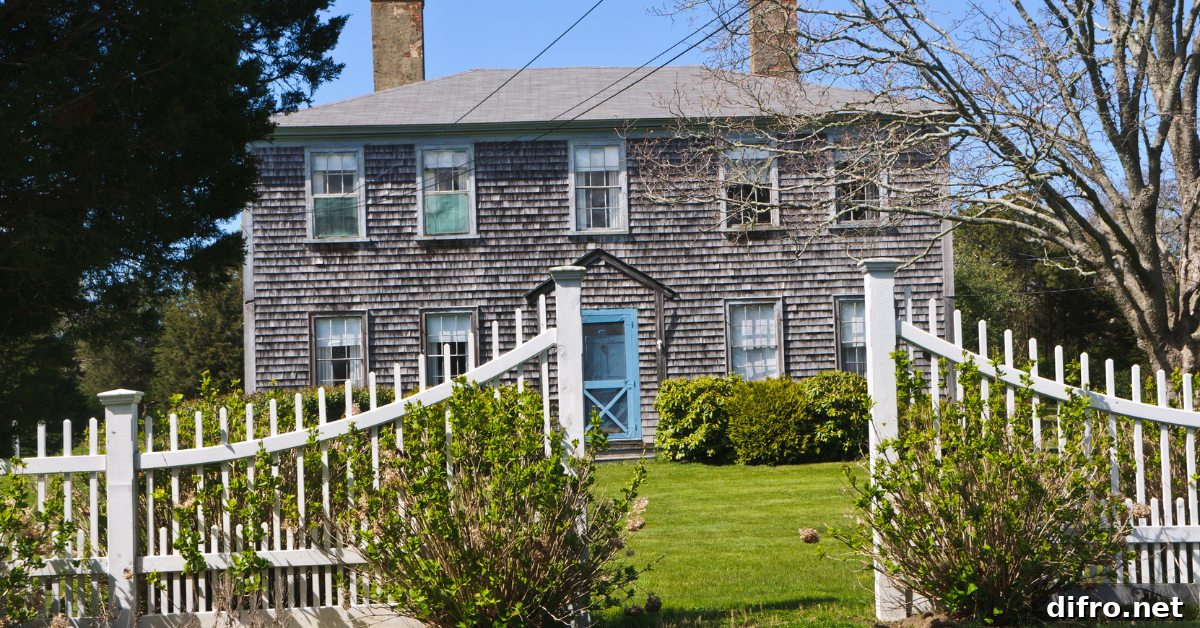
Early Settlements and Architectural Adaptations
Early Cape Cod houses prioritized shelter and efficiency. Low ceilings, thick walls, and a compact footprint conserved heat. These practical design decisions directly shaped the style’s defining proportions and features.
From Practicality to a Lasting Aesthetic
As the style spread and matured, its functional features—symmetry, steep gabled roofs, and central chimneys—morphed into an appealing aesthetic. The result is a house type that feels both historic and comfortably familiar.
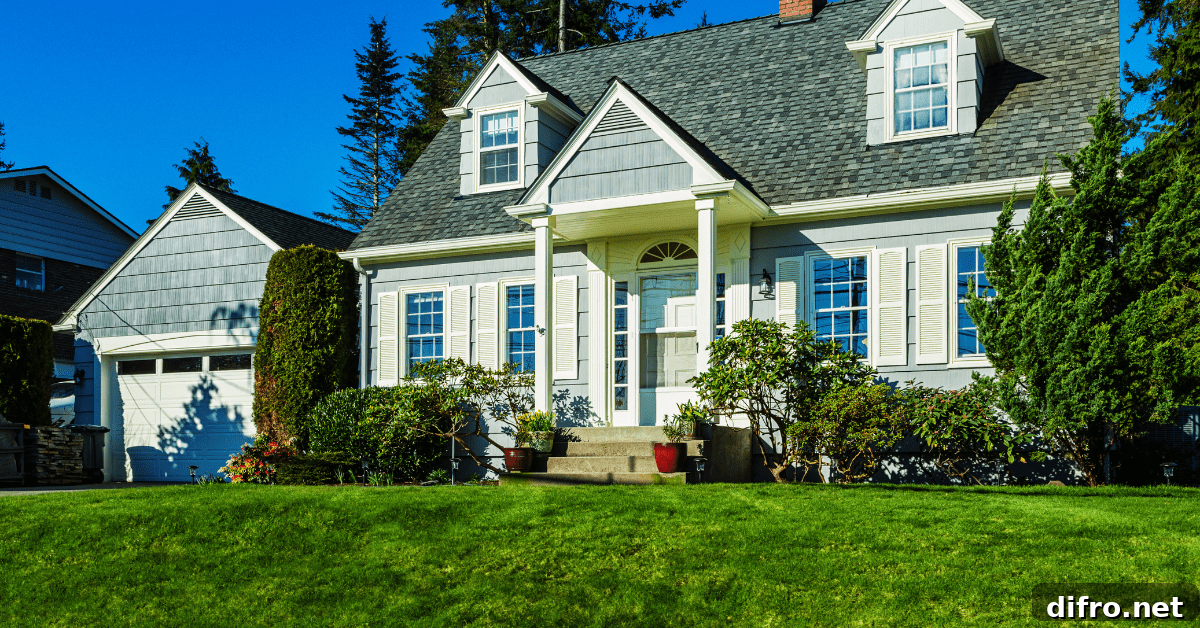
Characteristics That Define a Cape Cod Style House
Cape Cod homes are recognizable for several consistent architectural elements. These features combine to create the welcoming, picturesque look associated with the style.
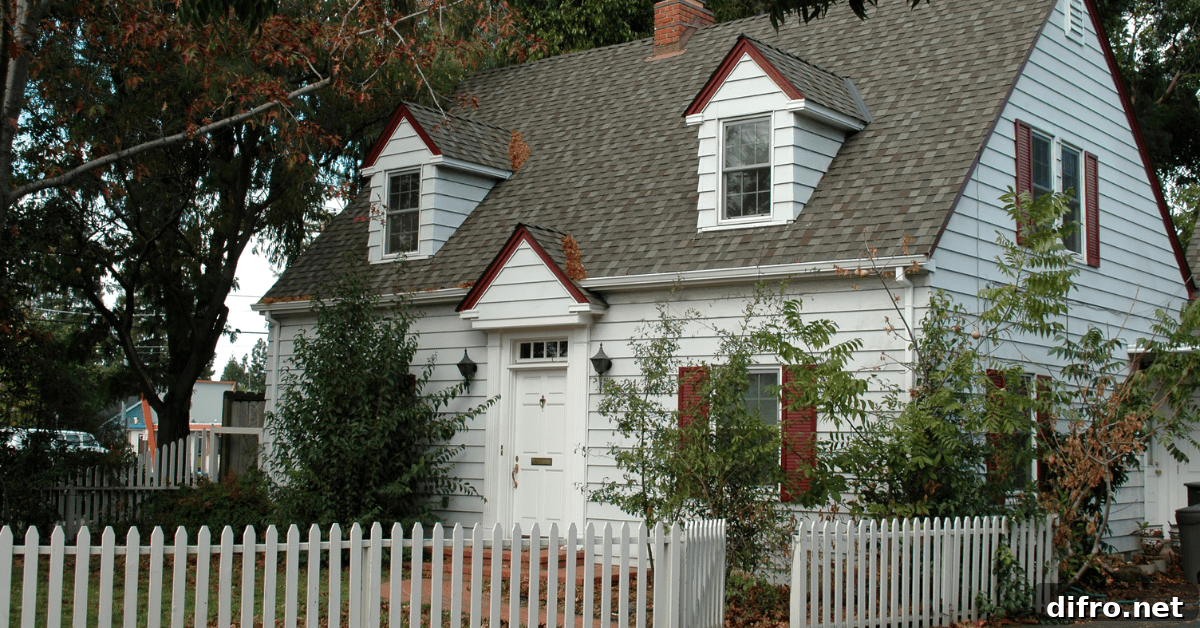
Symmetry and Cozy Proportions
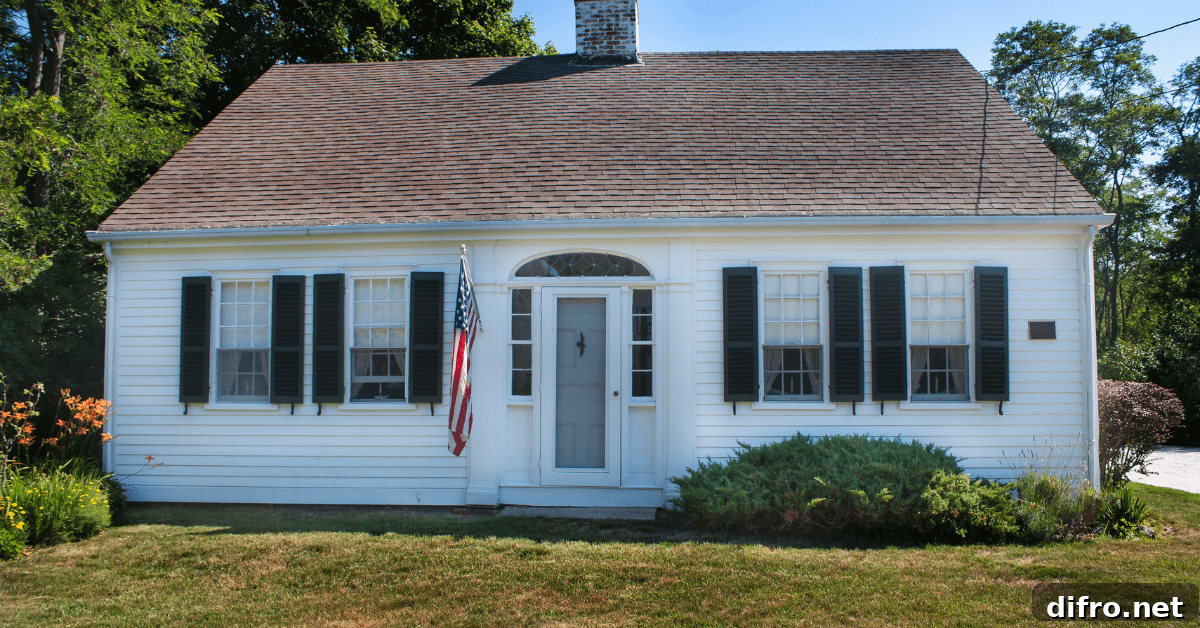
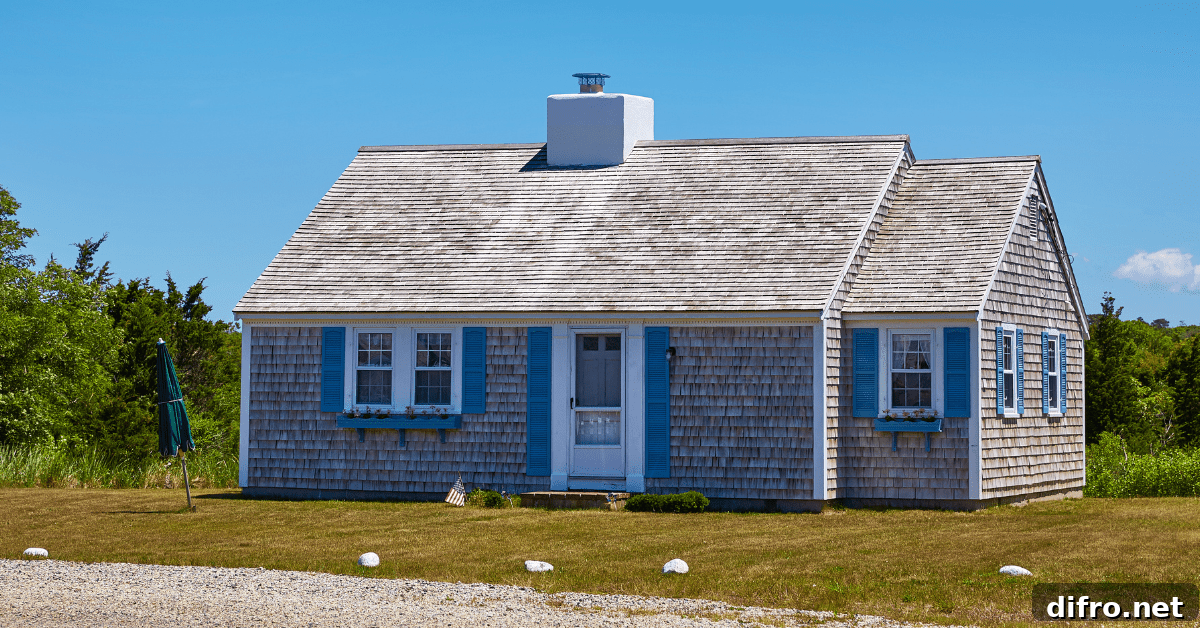
Traditional Cape Cod facades favor balanced, symmetrical layouts and modest scale. These proportions give the houses a quaint, approachable character that reads as both orderly and intimate.
Steep Gabled Roofs and Central Chimneys
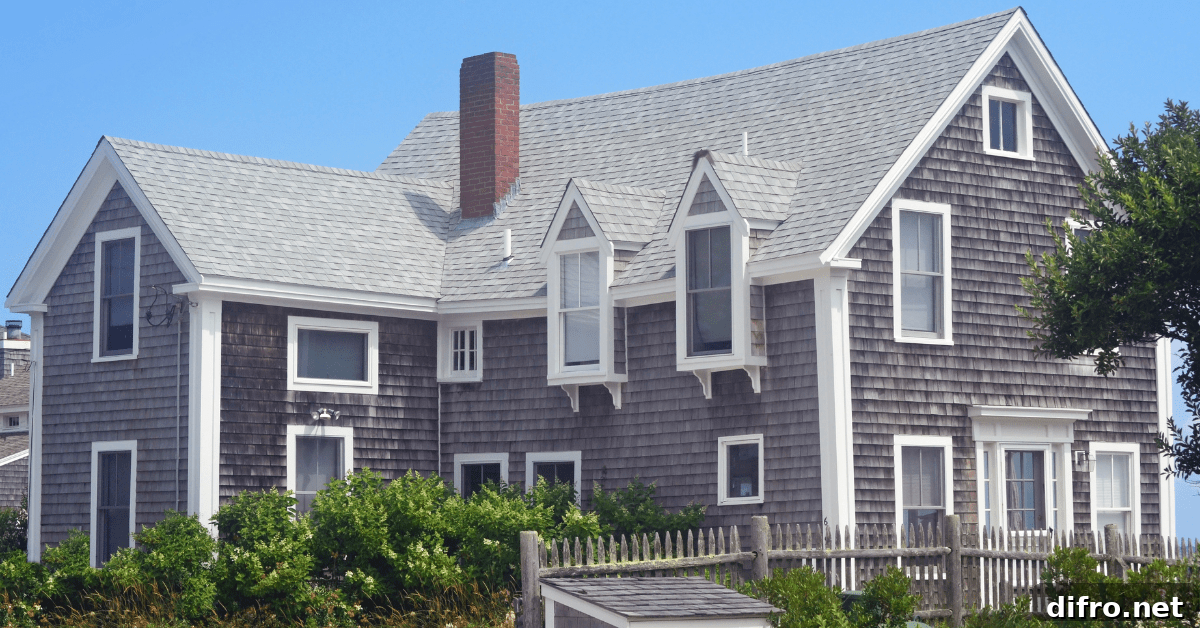
Steep gable roofs shed snow and rain efficiently and create a distinctive silhouette. The central chimney—once the home’s primary heat source—remains an iconic visual anchor for many Cape Cod designs.
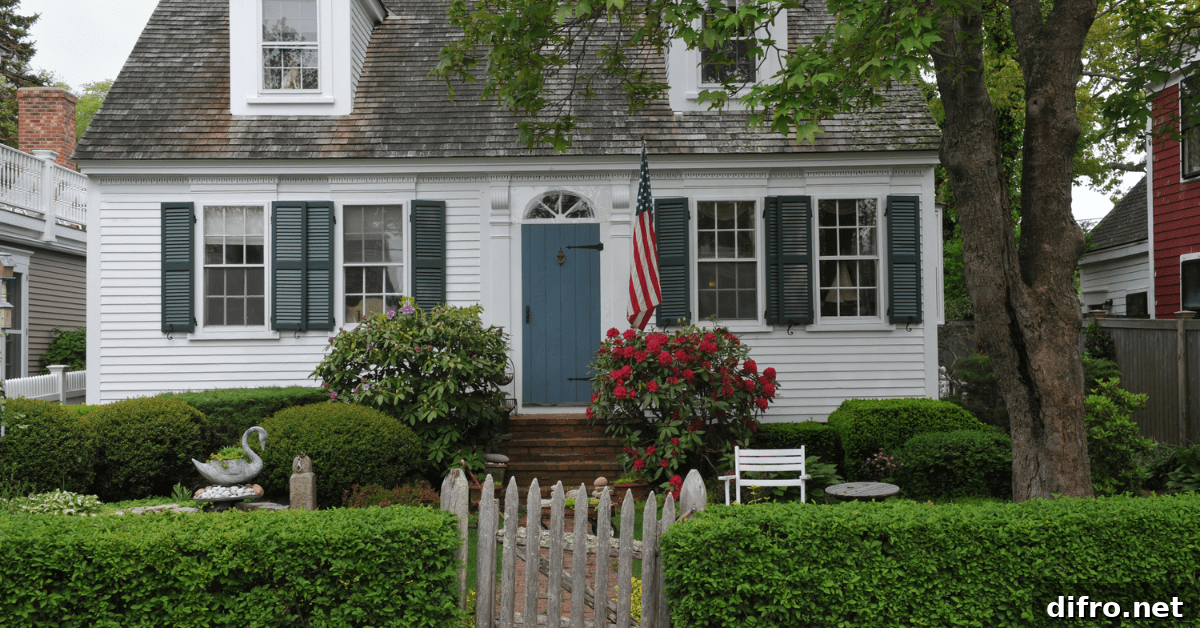
Siding, Dormers, and Textural Detail
Traditional materials like cedar shingles or board-and-batten siding add texture and weathered charm. Dormer windows increase usable attic space and bring light to upper rooms, contributing to the familiar Cape Cod silhouette.
Interior Design of a Cape Cod Style House
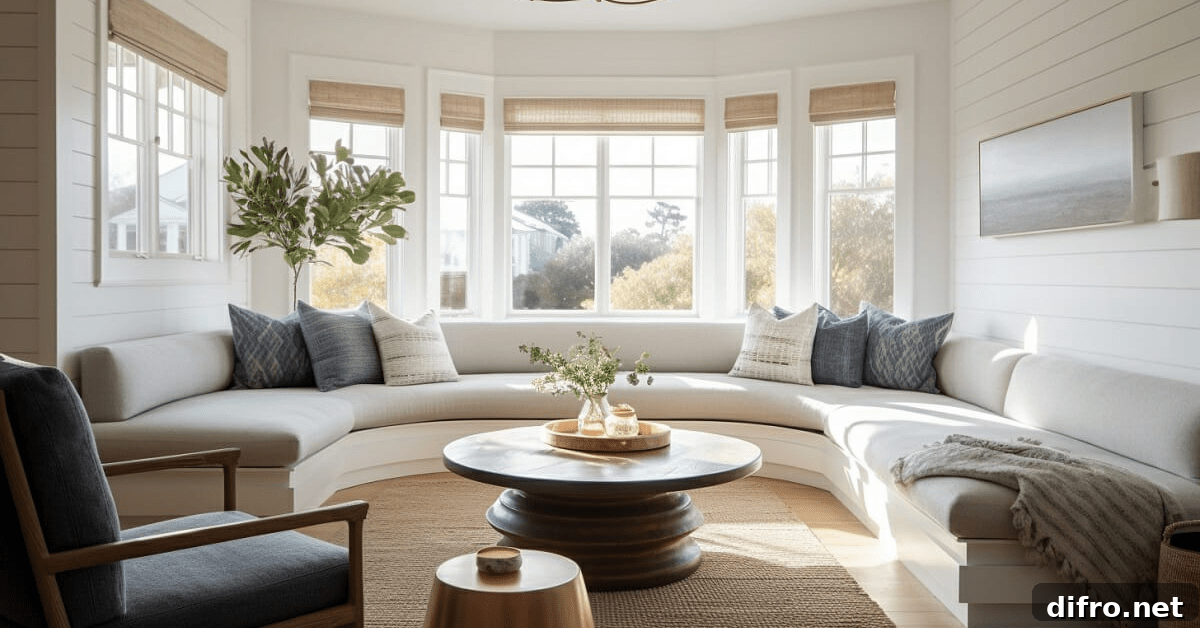
Interiors of Cape Cod homes tend to be simple, comfortable, and light-filled. The style emphasizes natural materials, neutral palettes, and a relaxed coastal sensibility.
Warm, Comfortable Rooms
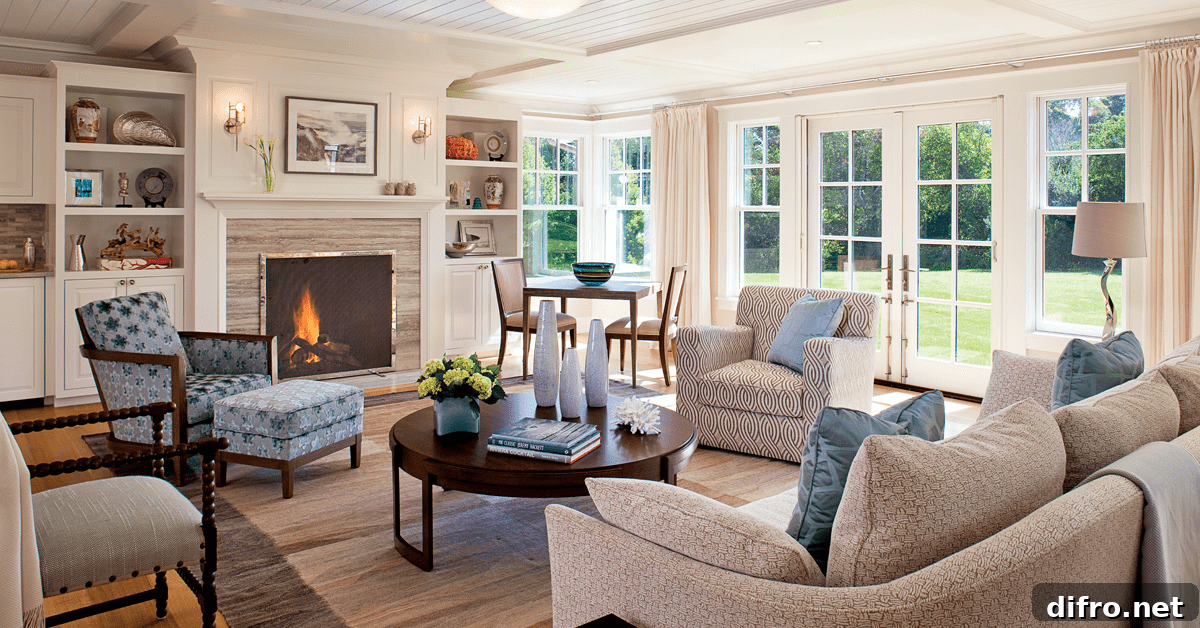
Rooms are designed for everyday living: cozy seating, functional layouts, and durable finishes. Fireplaces, built-ins, and beadboard paneling are common details that enhance warmth and character.
Light, Neutral Palettes
Natural light, white or soft neutral walls, and pale blues or grays create an airy coastal mood. These palettes allow simple furnishings and textured textiles to stand out without overwhelming the space.
Coastal Accents and Natural Textures
Subtle nautical touches—seashells, rope accents, wicker, and weathered wood—reinforce the coastal identity without creating a themed interior. The overall effect is tranquil, comfortable, and slightly rustic.
Landscaping and Outdoor Spaces in Cape Cod Style Houses
Lovingly designed outdoor spaces complement Cape Cod architecture. Landscaping typically favors native coastal plants, informal gardens, and classic elements that enhance curb appeal and outdoor living.
Gardens, Fences, and Porches
Serene gardens with native dune grasses, hydrangeas, and beach roses create a low-maintenance, authentic look. White picket fences, porches, and decks provide inviting outdoor rooms for relaxation and entertaining.
Blending with the Landscape
Planting native species and using natural materials for paths and patios keeps the house visually integrated with its surroundings and minimizes upkeep.
Modern Adaptations and Innovations in Cape Cod Style Houses
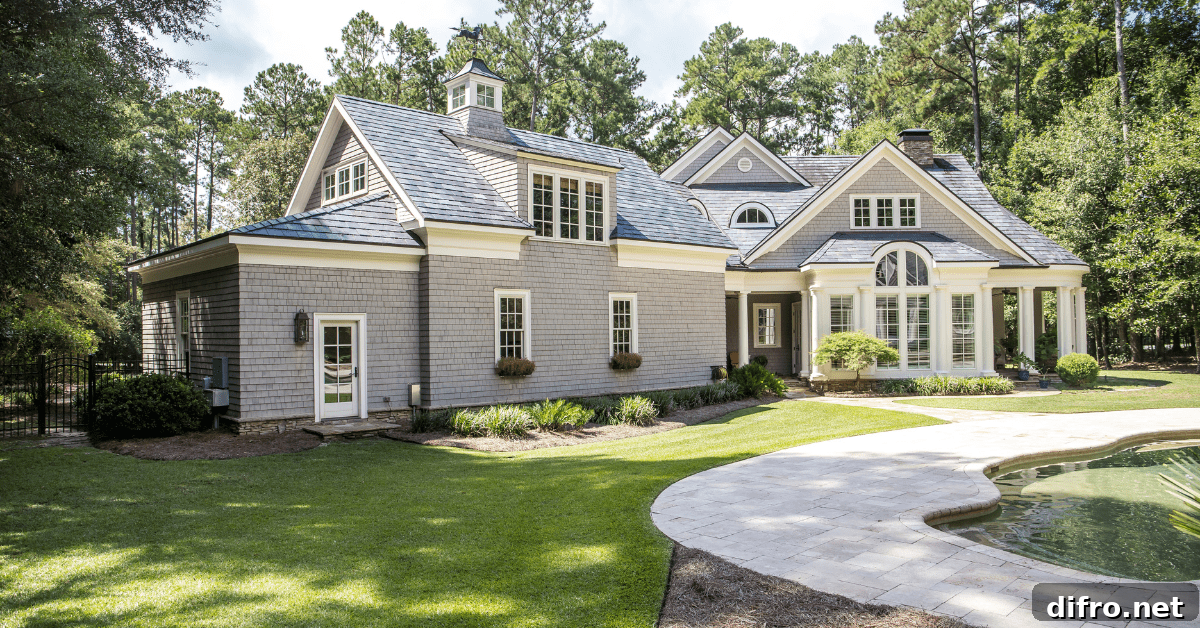
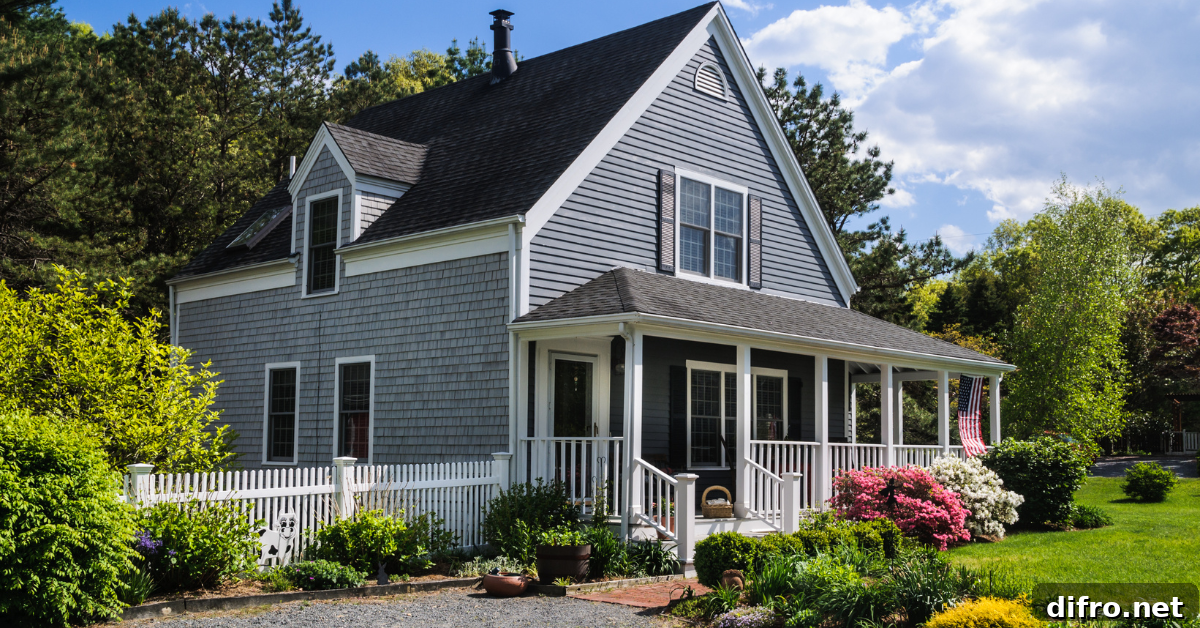
Contemporary Cape Cod homes respect the original vocabulary while incorporating modern comforts and eco-friendly systems. The goal is to keep the character intact while meeting today’s lifestyle needs.
Sustainability and Efficiency
Many modern Cape Cod renovations include better insulation, energy-efficient windows, high-performance HVAC systems, and solar panels. These upgrades improve comfort and reduce long-term costs while preserving the home’s look.
Open Plans and Flexible Spaces
Careful reconfiguration can introduce open kitchens and flexible living areas that suit modern family life, all while keeping exterior proportions and historic details intact.
Smart Technology with Respect for Tradition
Smart thermostats, discreet security systems, and integrated lighting add convenience while remaining visually unobtrusive. Thoughtful integration preserves the traditional aesthetic.
Interior Décor and Furnishings for a Cape Cod Style House
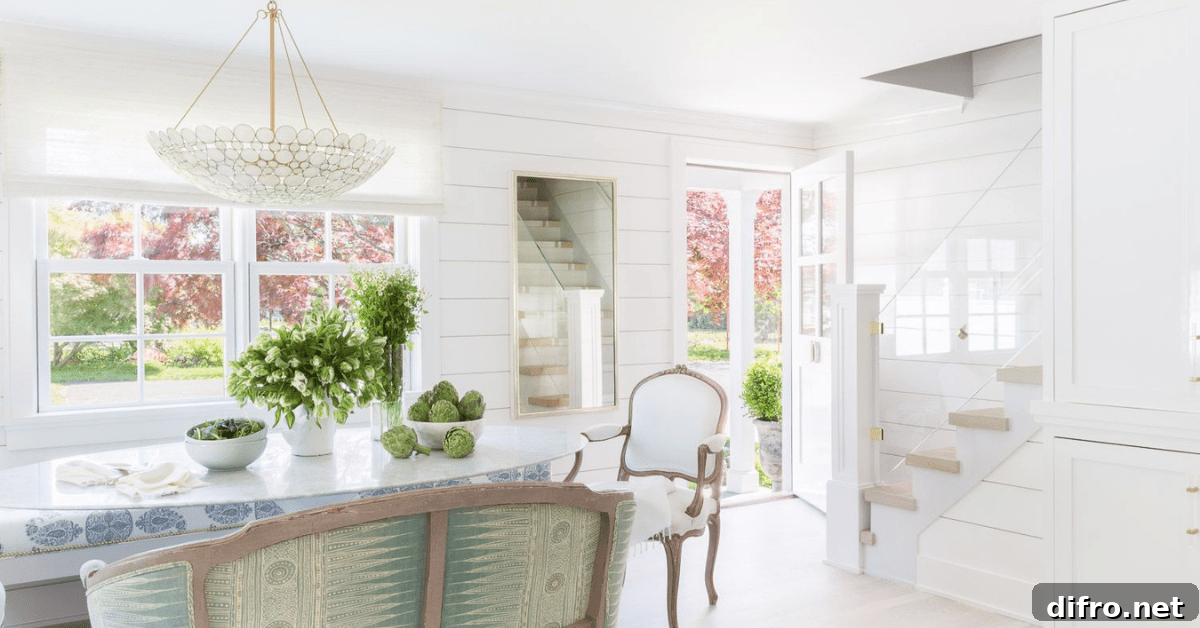
Decor choices in Cape Cod homes favor classic, comfortable pieces that emphasize texture and craftsmanship. The overall effect is relaxed elegance.
Timeless Furnishings
Slipcovered sofas, wooden tables, woven rugs, and well-crafted antiques suit the Cape Cod aesthetic. Invest in quality pieces that age gracefully and support everyday family life.
Subtle Coastal Themes
Nautical stripes, driftwood accents, and curated beach finds can add personality without feeling staged. The key is subtlety and restraint.
Maintaining and Restoring a Cape Cod Style House
Preserving a Cape Cod home requires attention to traditional materials and skilled trades. Thoughtful restoration maintains authenticity while allowing for modern systems and conveniences.
Protecting Historic Elements
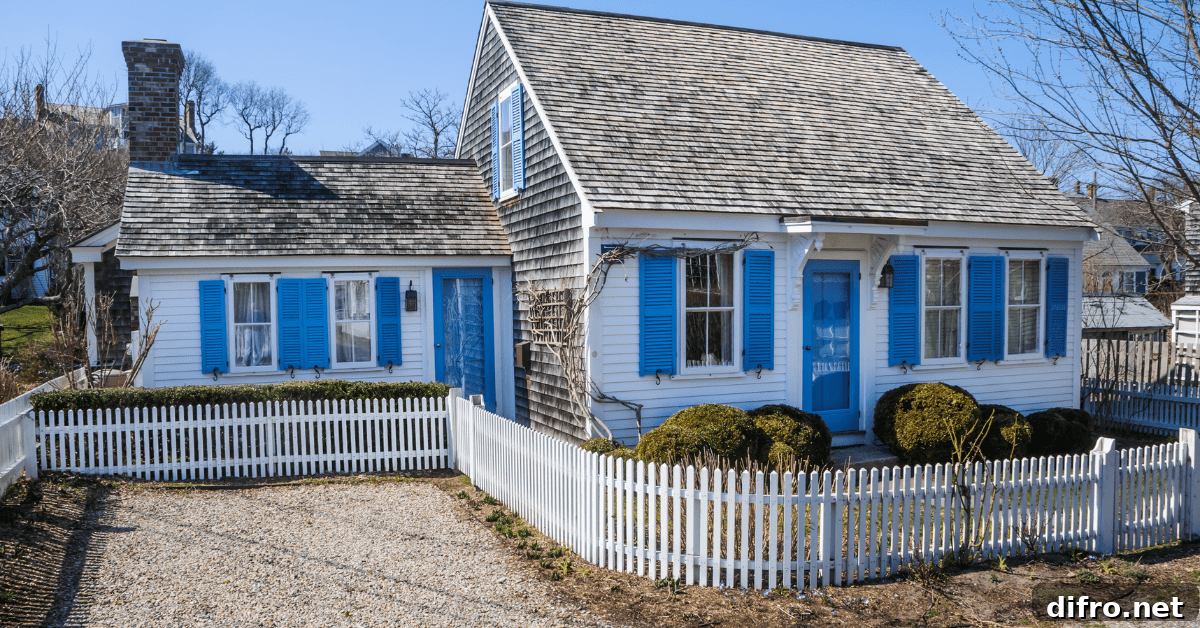
When possible, preserve original features such as shingles, trim, chimneys, and interior woodwork. Where replacement is necessary, use materials and techniques that match the original character.
Quality Craftsmanship Matters
Skilled carpenters, masons, and restoration specialists ensure repairs are durable and authentic. Proper maintenance—roofing, paint, and siding care—keeps the home weather-tight and beautiful.
The Allure of Cape Cod Style Houses in Different Regions
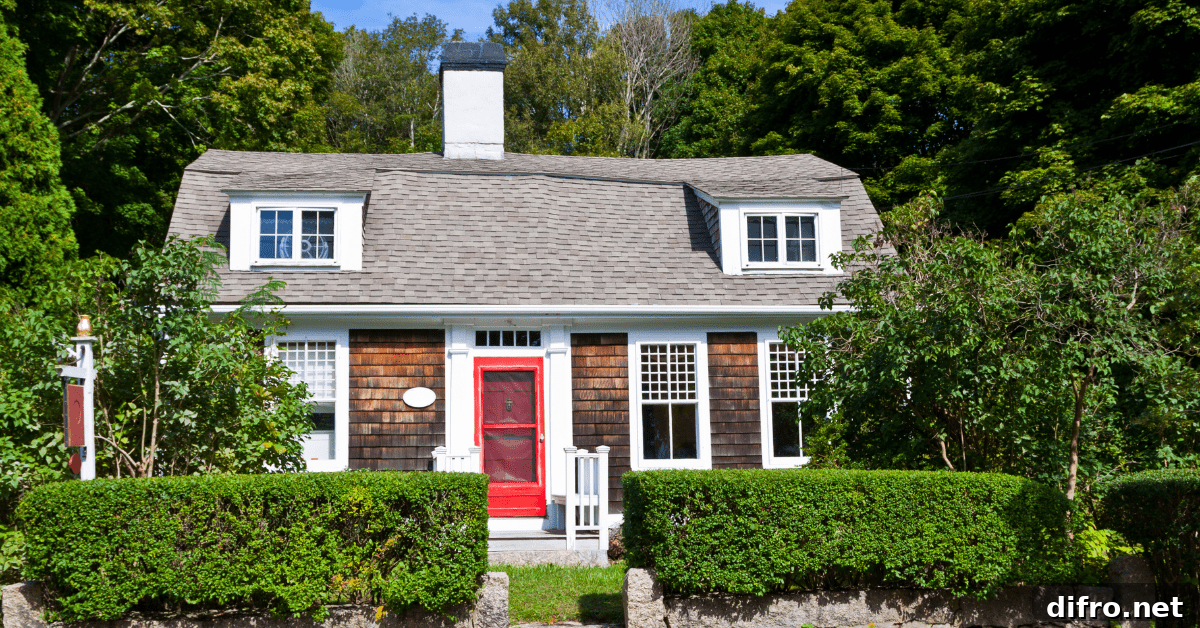
Although rooted in New England, Cape Cod design adapts well to different climates and neighborhoods. Architects modify details—roof pitch, materials, and landscaping—to suit local conditions while keeping the style’s distinctive balance and charm.

From Coast to City
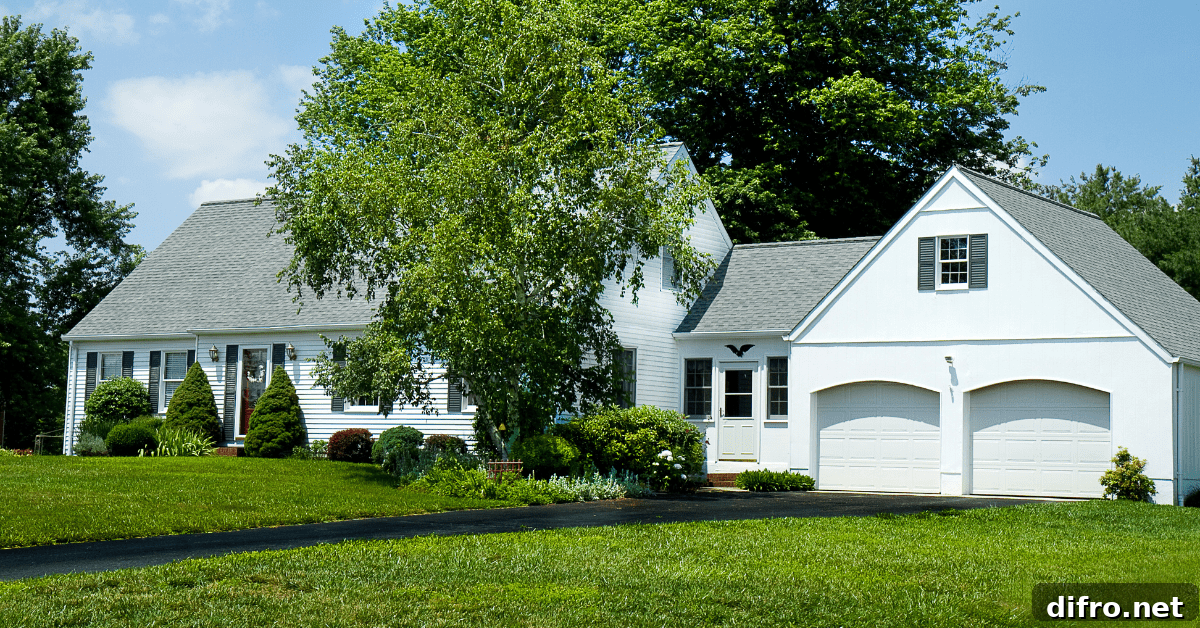
Cape Cod houses can be scaled and adapted for suburban, coastal, and even urban settings. When thoughtfully sited, they provide a reassuringly traditional presence among contemporary buildings.
Honoring Tradition with Modern Sensibility
Designers balance authenticity with modern needs—sustainable systems, contemporary interiors, and flexible layouts—so the homes remain practical for today’s families.
Embracing the Lifestyle of Cape Cod Style Living
Owning a Cape Cod home often means embracing a relaxed, community-oriented way of life. Interiors and outdoor spaces are designed to support family gatherings, neighborly visits, and simple pleasures tied to coastal living.
Family Life and Community
Spaces encourage relaxed family time and neighborly interaction—with porches, front yards, and public events reinforcing local ties. The Cape Cod lifestyle often blends outdoor recreation, simple social traditions, and comfortable home life.
Local Activities and Traditions
Residents typically enjoy outdoor pursuits and community gatherings that complement the coastal aesthetic: beach days, local markets, and seasonal festivals that build a sense of place.
Cape Cod style houses combine enduring design principles with practical, livable interiors. Whether preserved in historical form or updated for modern living, their modest proportions, natural materials, and coastal influences continue to make them a popular and adaptable choice for homeowners seeking charm, comfort, and a sense of history.