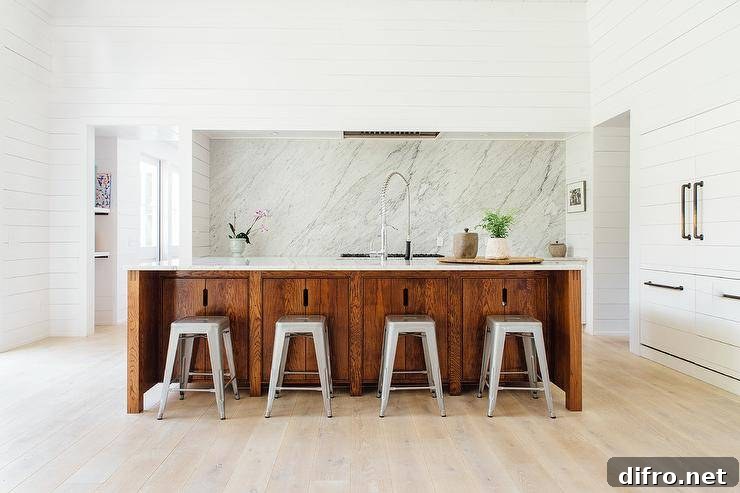
Scandinavian minimalism is a design approach that values simplicity, functionality, and a close connection to the natural world. Rooted in practical living, this aesthetic aims to create calm, balanced interiors that welcome the outdoors in while emphasizing purposeful, timeless design.
This style has gained popularity because it feels both practical and warm. If your home feels cluttered or your daily routine is overly busy, adopting elements of Scandinavian minimalism can create a calmer, more deliberate environment.
Roots of Scandinavian Minimalism
Scandinavian minimalism emerged in the early 20th century as designers pursued affordable, well-made furniture and decor with a clean, restrained aesthetic. It rejected the elaborate ornamentation popular among the European elite before World War I and instead celebrated straightforward craftsmanship, functionalism, and accessibility.
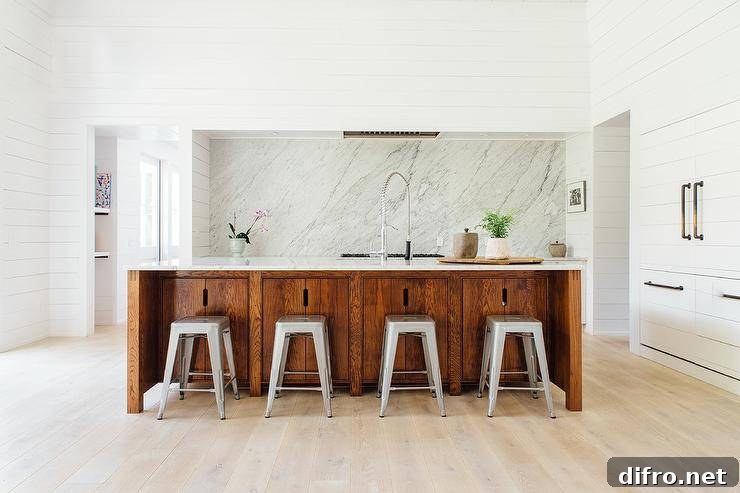
Functionality combined with understated beauty made the style especially suitable for northern Europe, where long, dark winters prioritized light, comfort, and practical solutions for daily life. By the 1930s the aesthetic was firmly established across Sweden, Denmark, and Norway and continued to spread internationally through the mid-20th century.
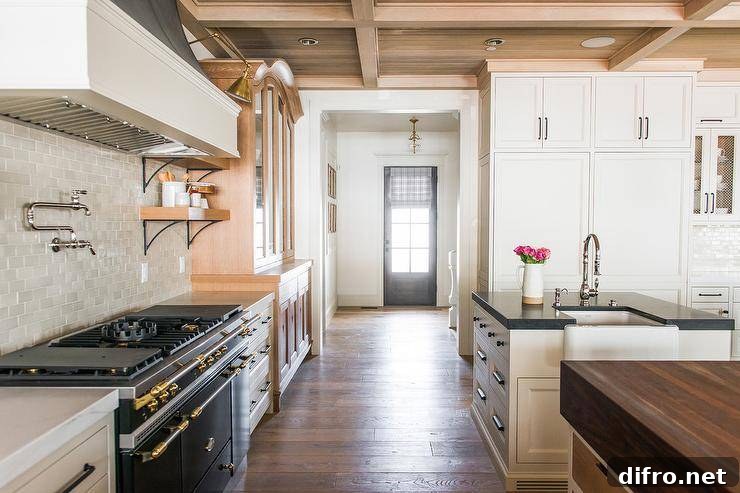
Key Traits
Scandinavian minimalism is flexible rather than rule-bound, allowing for personal expression within a framework of simplicity. Despite that flexibility, several hallmarks produce the familiar cozy, efficient feel often described by the Danish concept of hygge.
What is Hygge?
Hygge describes a sense of warmth, cozy conviviality, and contentment—an atmosphere of comfort that encourages well-being. In Scandinavian minimalism, hygge is achieved through thoughtful material choices, layered lighting, and arrangements that invite relaxation and social connection.
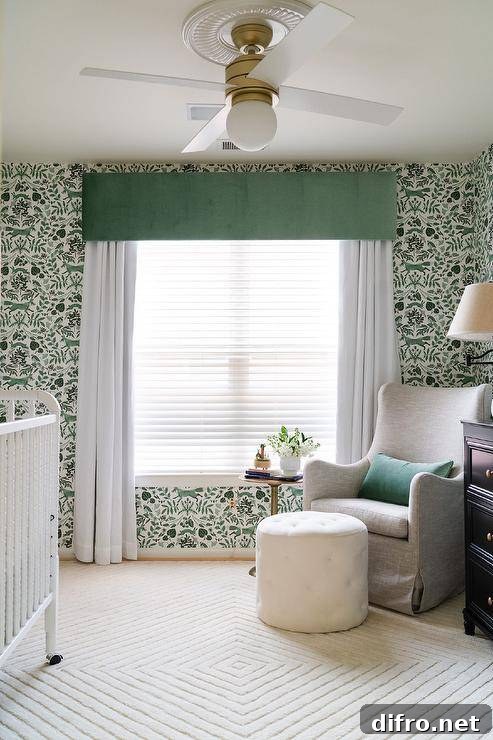
Functionality is essential: every item should serve a clear purpose. But function is paired with warmth—natural materials such as wood, stone, wool, cotton, and houseplants make minimal spaces feel inviting rather than sterile. Durability and timeless design are prioritized over fleeting trends, and many pieces are multi-functional to maximize value and use.
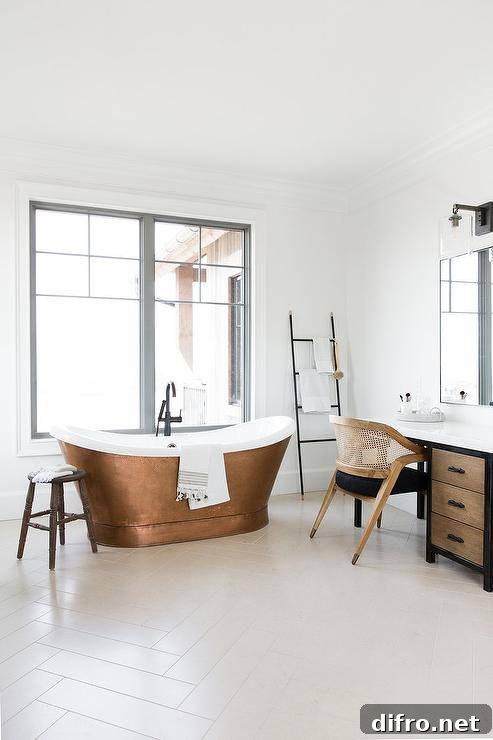
The Difference Between Scandinavian Minimalism and Minimalism
Both Scandinavian minimalism and classic minimalism emphasize simplicity and functional design, but they differ in tone and material choices. Minimalism often focuses on stark lines, high-contrast palettes (frequently black and white), and industrial materials like metal, lacquer, or marble. Scandinavian minimalism keeps the clean lines and uncluttered spaces but introduces warmer, nature-inspired palettes and tactile materials.
Expect creamy whites, soft grays, neutral tans, and muted pastels rather than high-contrast monochrome. Natural woods, woven textiles, and stone are central to the Scandi approach, lending a softer, homier feel to minimal interiors.
Decor Recommendations
You can bring Scandinavian minimalism into any room—from bedrooms and living areas to kitchens and bathrooms. These practical tips will help you adapt the style to your home:
- Prioritize simplicity, practicality, and quality. Choose well-crafted furniture that often has a secondary function or modular use.
- Avoid ornate, flashy pieces. Opt for timeless, durable items and consider eco-friendly materials and craftsmanship.
- Use nature-inspired colors. Soft whites, neutral tans and grays, and subdued pastels keep interiors bright and calm while enhancing natural light.
- Layer warm lighting. Combine overhead lights, lamps, and candles. Favor warm tones over cool blue light to create a cozy atmosphere.
- Bring the outdoors in. Incorporate plants, natural materials, and views to connect interiors with nature.
- Declutter thoughtfully. Every object should serve a purpose—curate belongings to allow the most meaningful items to stand out.
At its heart, Scandinavian minimalism is about buying less and choosing better: durable, beautiful objects that support a calm, functional life. When executed well, this approach lets your surroundings feel purposeful, comfortable, and quietly elegant.
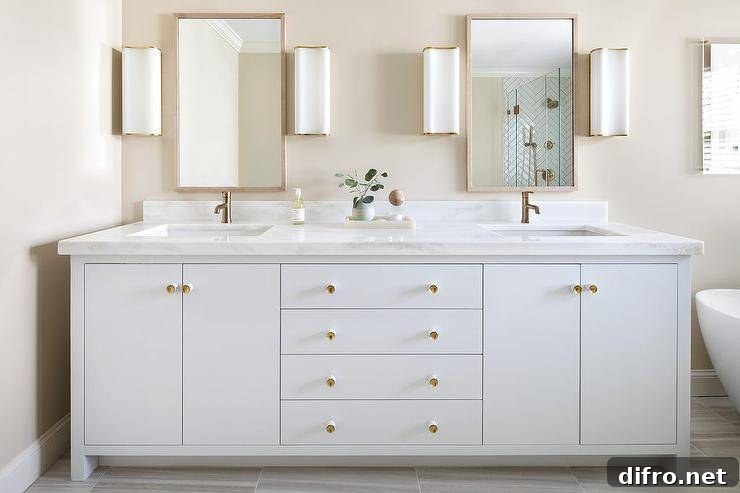
If pure minimalism feels too restrained, you can still borrow Scandi principles: introduce contrast through textures and finishes, choose multi-functional furniture for small spaces, emphasize natural light and views, and arrange seating to encourage relaxed socializing. Quality craftsmanship, the occasional bold color or print, and modern silhouettes can all be blended into a Scandinavian-inspired home without losing the welcoming character that defines the style.
Frequently Asked Questions (FAQs)
What is the difference between minimalist and Scandinavian design?
The primary difference lies in materials and warmth. Minimalism often leans toward industrial materials like steel and chrome with high-contrast palettes, while Scandinavian design favors wood, woven fabrics, and softer tones that create a cozier atmosphere.
Why is Scandinavian design associated with minimalism?
Scandinavian design evolved from a desire for functional, well-crafted pieces that provide comfort and calm. While it shares minimalism’s preference for simplicity, it maintains a focus on warmth, craftsmanship, and livability.
How can I add hygge to my home?
Create cozy corners with soft textiles, layer lighting to set a warm mood, arrange furniture for relaxed conversation, and select natural materials and plants to promote comfort and well-being.