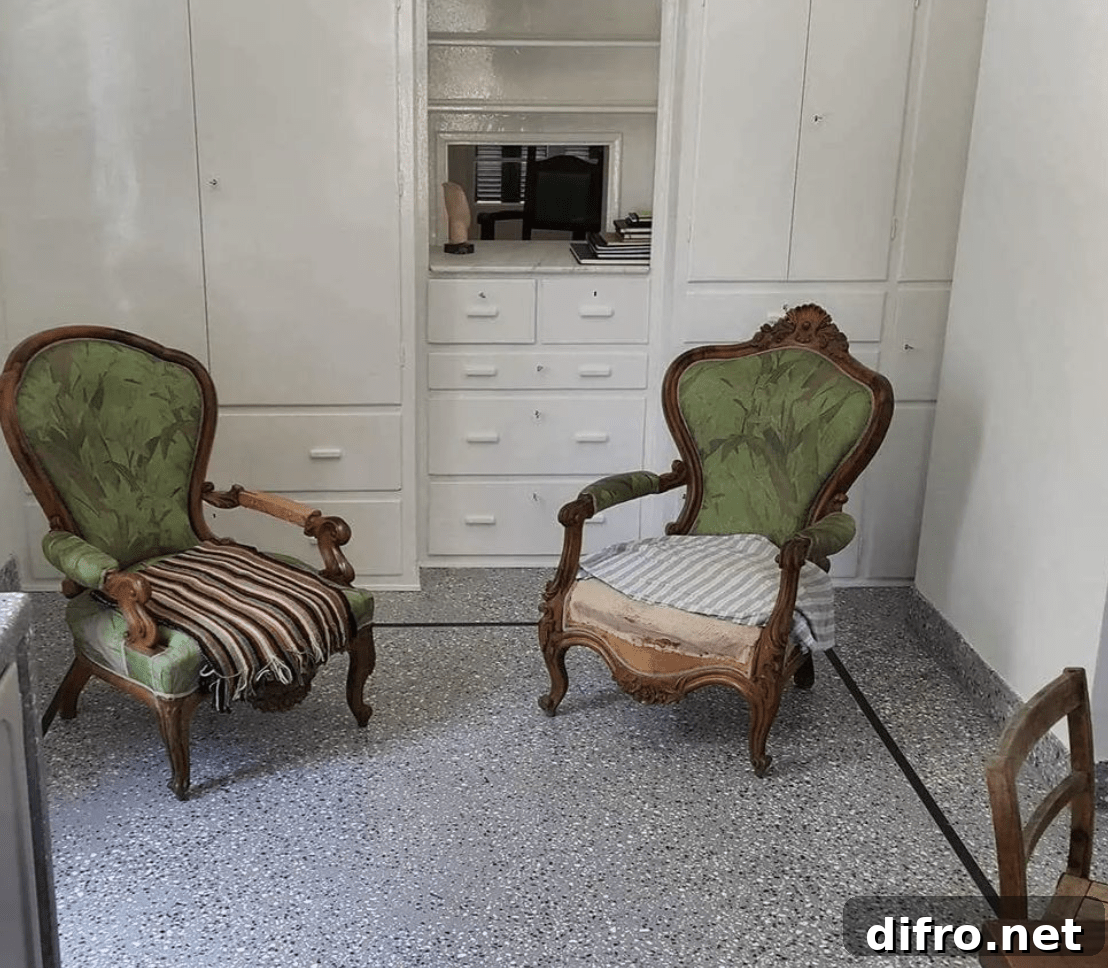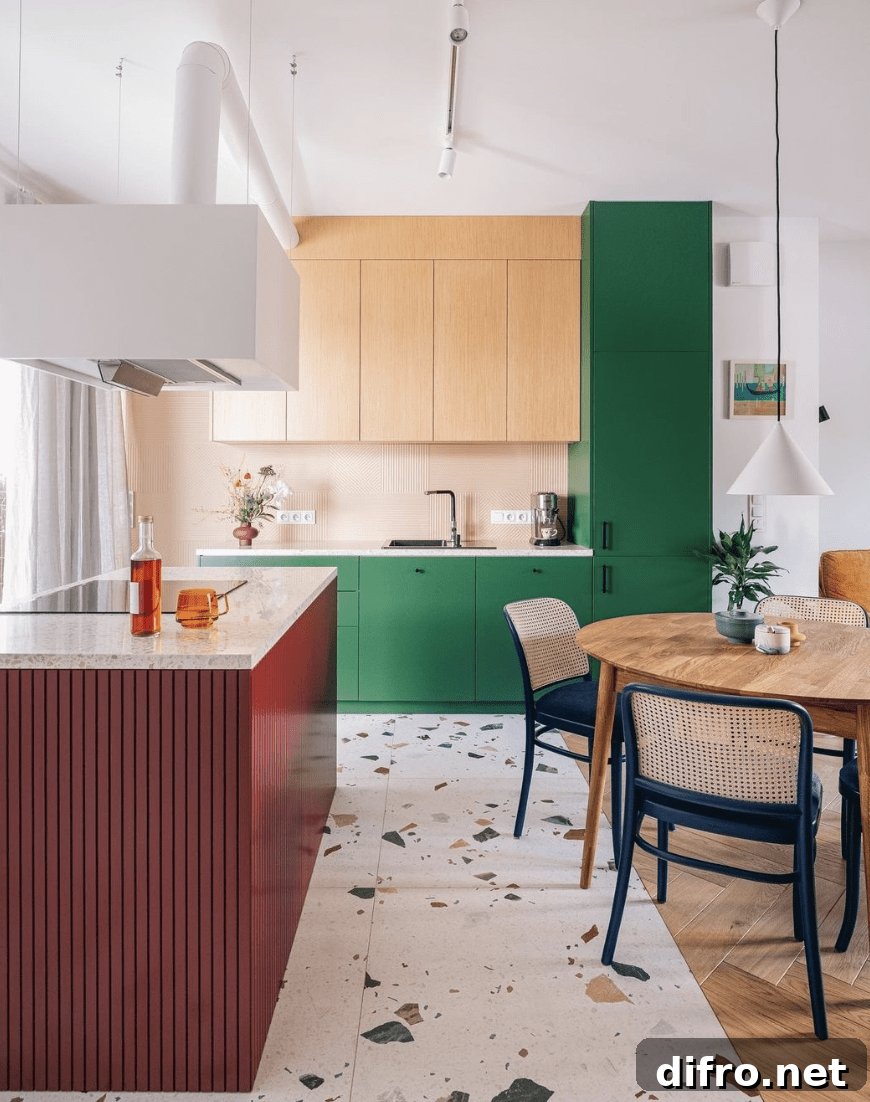
Terrazzo combines chips of marble, quartz, glass, granite or other aggregates bound together with resin or cement to create a durable, decorative surface. Used for centuries—dating back to ancient Egypt and later refined in Italy—terrazzo is experiencing a major revival. Today it appears on floors, walls, backsplashes and countertops, offering a versatile aesthetic that ranges from classic Venetian to modern confetti-like patterns. Below we explain what terrazzo tile is, how it’s used, its advantages and drawbacks, and how to maintain it so it remains beautiful for decades.
What Is Terrazzo Tile?
Terrazzo tile is a composite material made from stone or glass chip aggregates embedded in a binder such as epoxy resin or cement. It can be poured in place or formed into tiles and slabs. Epoxy-based terrazzo is popular for interior surfaces because it delivers consistent color and a high-gloss finish, while cement-based terrazzo suits exterior or rustic applications. Contemporary designers and architects favor terrazzo for its durability and almost limitless design options.
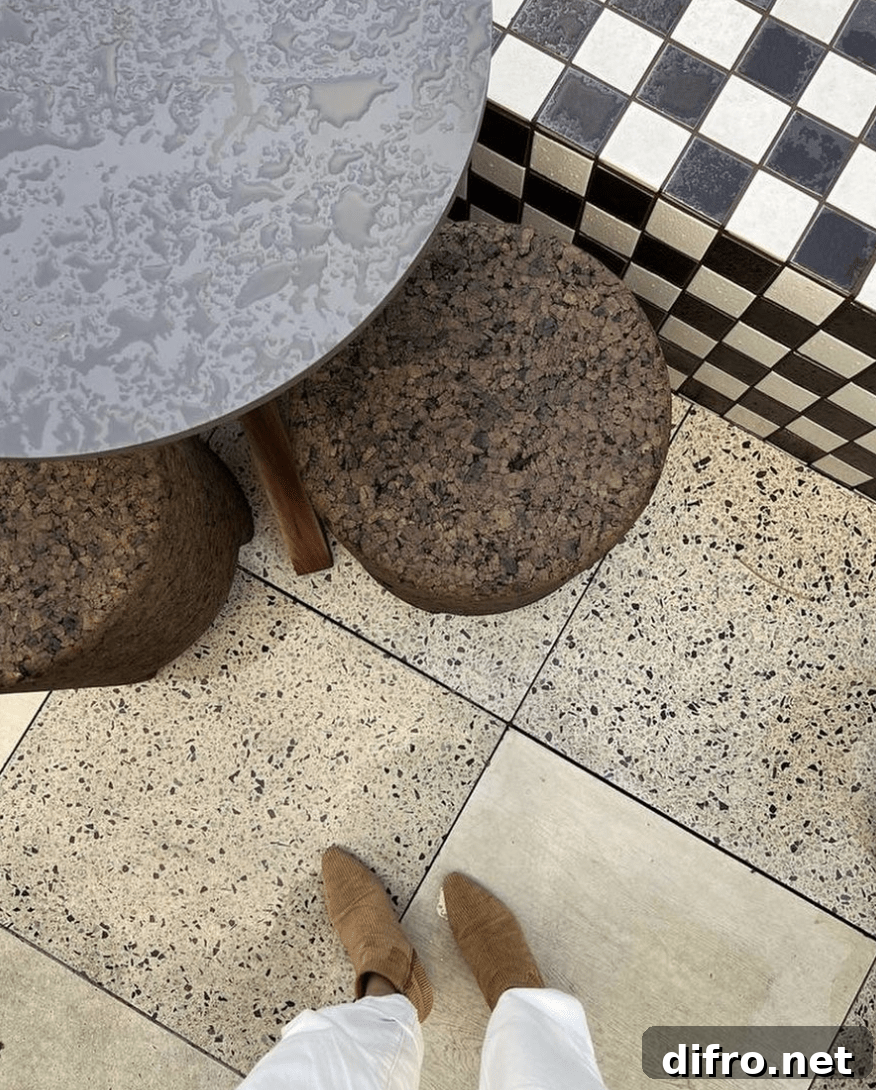
Origins and History of Terrazzo
Terrazzo traces its modern form to Italy, where workers recycled marble scraps set in cement to create economical yet attractive floors. The technique crossed to the United States in the late 19th century and rose to popularity in the 1920s and again in the late 20th and early 21st centuries. Innovations such as divider strips to control cracking and electric grinding machines refined the finish and allowed for more complex curves and inlaid patterns popular in Art Deco and Moderne architecture.
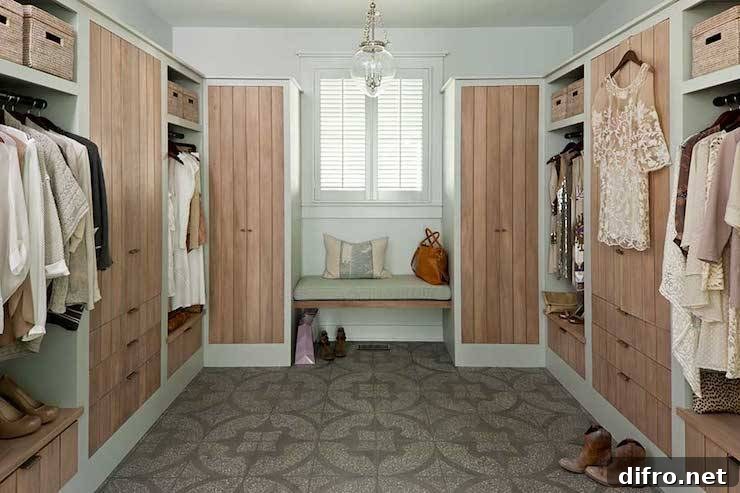
Where Terrazzo Is Used
Originally seen in schools, courthouses and public buildings, terrazzo now appears widely in residential and commercial interiors. Common applications include floors, countertops, shower surrounds, backsplashes and stairways. Because the mix of binder and aggregates is highly customizable, designers can specify color, chip size and layout to match a wide range of design schemes—from timeless neutrals to vivid, contemporary palettes.
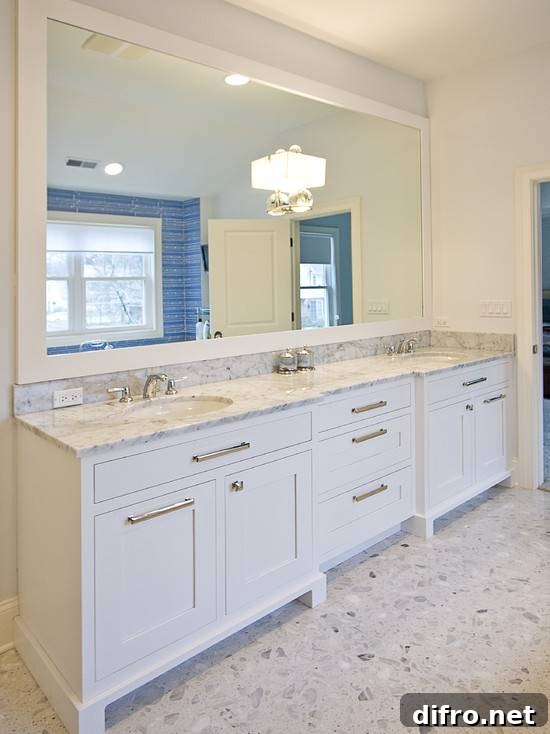
Advantages of Terrazzo Flooring
Durability and Longevity
Terrazzo ranks among the most durable flooring options. Properly sealed terrazzo resists water, stains and chipping, and it stands up to heavy foot traffic—making it a go-to solution in commercial lobbies, airports and institutional settings. Even when surfaces show wear, terrazzo can be professionally ground and polished to restore its original luster, extending its service life for decades or even a century.
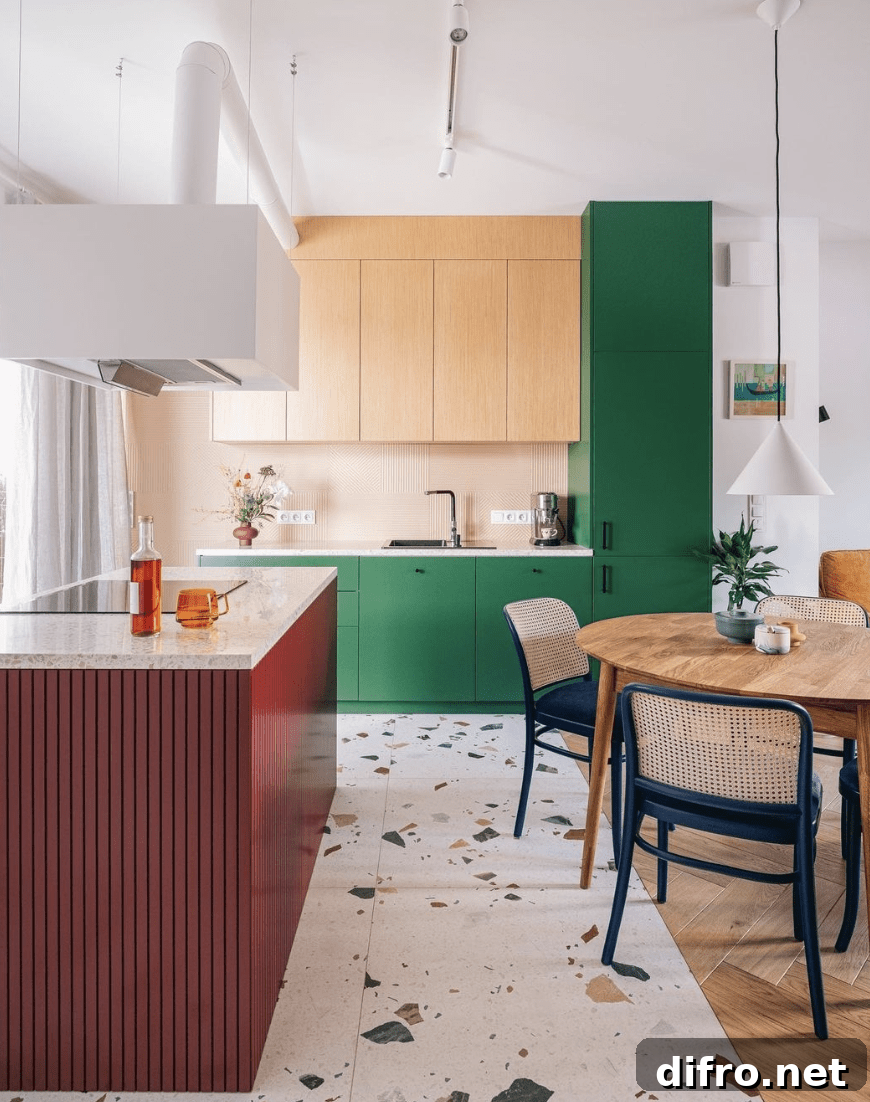
Design Flexibility
Terrazzo’s composite nature allows for tremendous design freedom. Architects can choose chip size, aggregate materials, binder color and inlaid patterns to create everything from subtle, uniform floors to bold, graphic statements. Terrazzo can be poured to form seamless countertops, sinks and shower surrounds or produced as tiles for tight control of installation pattern and grout placement.
Eco-Friendly Options
Terrazzo can be an environmentally responsible choice. Many mixes include recycled glass or stone, and modern epoxy binders often have low or zero volatile organic compounds (VOCs), improving indoor air quality. Its longevity also reduces the need for replacement materials over time.
Indoor and Outdoor Use
Terrazzo works indoors and outdoors when specified correctly: epoxy-based systems perform best inside while cement-based terrazzo is better suited for exterior applications. Because it resists stains and moisture when sealed, terrazzo is appropriate for kitchens, baths and pool surrounds when installed and finished for the job.
Drawbacks and Considerations
Floor Temperature
Terrazzo is naturally cool underfoot. In cold climates or rooms where people spend time barefoot, underfloor heating or insulating underlayment should be considered to improve comfort.
Professional Installation Recommended
Installing poured terrazzo or achieving a flawless polished finish is complex and typically requires a skilled contractor. Mistakes can be expensive to fix, so professional installation is strongly recommended.
Color and Style Choices
Some terrazzo looks can evoke institutional or retro styles; choosing colors and chip patterns carefully helps avoid an unintended 1980s school or mall aesthetic. Modern, subtle aggregates and contemporary color palettes produce a refined look that fits current interiors.
Initial Cost
The upfront cost of terrazzo can be higher than alternative flooring options, particularly for custom poured systems and premium aggregates. However, its longevity and low maintenance often make it cost-effective over the long term. Terrazzo tiles are a more budget-friendly option if initial cost is a major concern.
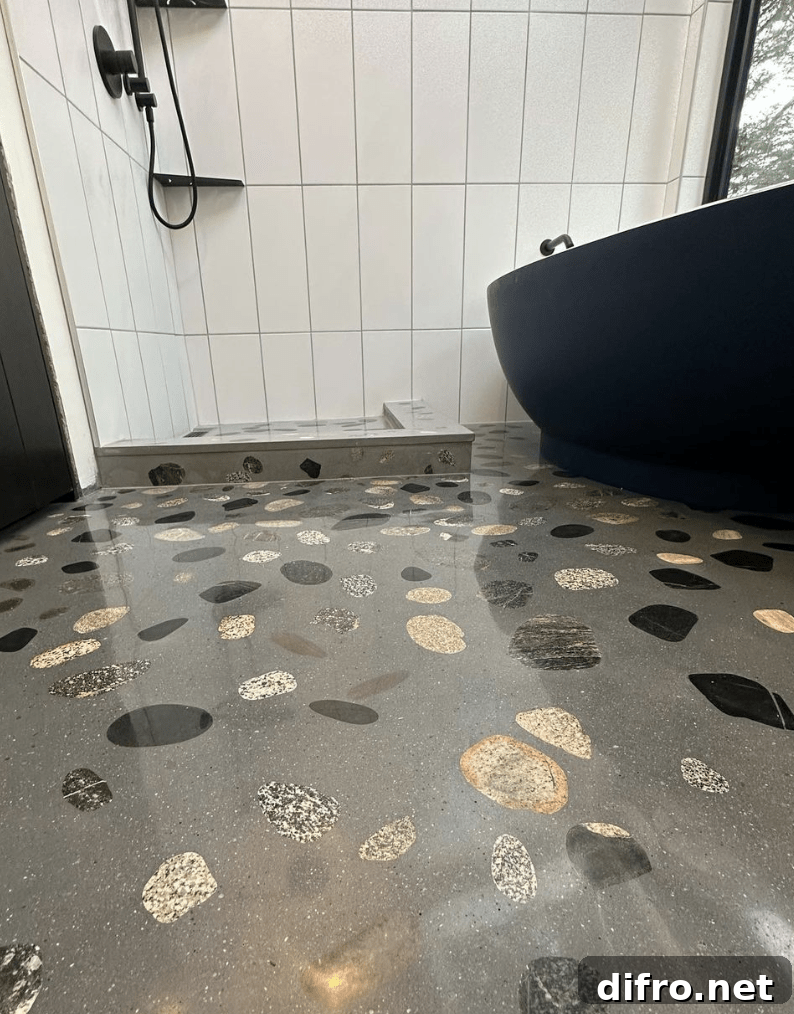
Styling Notes: From Earthy to Chic
Terrazzo suits a wide range of aesthetics. Natural, earthy aggregates and warm binder tones create a relaxed, Venetian-inspired atmosphere. Conversely, darker binders and small-chip mixes deliver an elegant, industrial feel ideal for contemporary urban projects. New manufacturing techniques and porcelain printing also recreate terrazzo’s look in bright, unexpected colors—introducing modern “confetti” patterns that energize spaces.
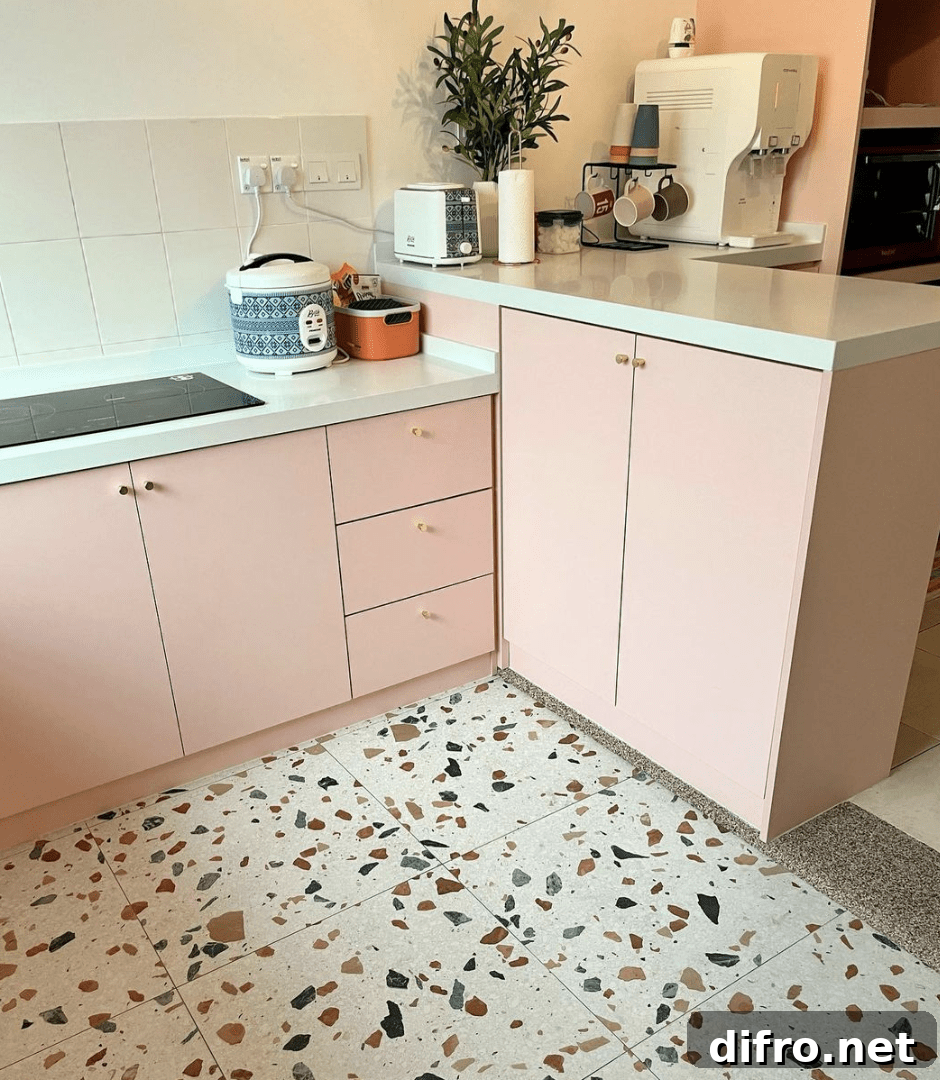
Maintenance: Keeping Terrazzo Polished
Terrazzo is relatively low maintenance when sealed and finished correctly. Follow these simple care steps to preserve its shine:
- Daily dust-mop with a large microfiber or yarn mop to remove grit and dust.
- Wipe spills promptly to prevent surface residue.
- Wet-mop with a neutral pH cleaner formulated for stone or terrazzo as needed to remove dirt and grime.
- For a high-gloss finish, use a commercial floor buffer with appropriate pads or hire a professional polisher periodically.
- Avoid harsh solvent-based cleaners or sealers that can dull the surface. If heavy abrasion dulls the floor, professional grinding and resealing will restore the finish.
Frequently Asked Questions
What are the drawbacks of terrazzo flooring?
Terrazzo can feel cold underfoot, may be slippery when wet, and generally requires professional installation. The initial cost can also be higher than some alternatives.
Is terrazzo expensive?
Costs vary widely based on materials and installation. Tiles can be more affordable, while poured-in-place systems with premium aggregates will cost more up front but often deliver excellent long-term value.
How long does terrazzo last?
Terrazzo is extremely long-lived—many historic terrazzo floors remain in service after decades or even a century. With proper care, epoxy terrazzo systems commonly last 40 to 100 years or longer.
Is terrazzo slippery?
Polished terrazzo can be slippery when wet or when people wear socks. Choosing a honed finish, textured aggregates, or non-slip treatments helps reduce slipperiness for wet areas.