A beautiful, well-organized walk-in closet is a dream for anyone who values a calm, functional dressing space. When everything has its place, getting dressed becomes effortless. If you’re fortunate enough to have room for a walk-in closet, thoughtful layout and design will transform it into a serene, efficient retreat.
Below are design ideas and practical tips to help you plan a stylish and functional walk-in closet—whether you want a luxurious dressing room or a streamlined, space-saving solution. These concepts focus on storage, lighting, finishes and comfort to make mornings easier and your wardrobe more accessible.
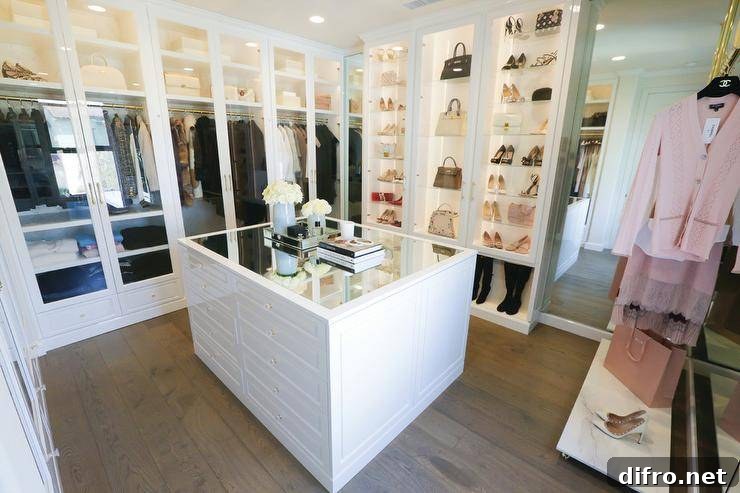
Walk-In Closet with Island
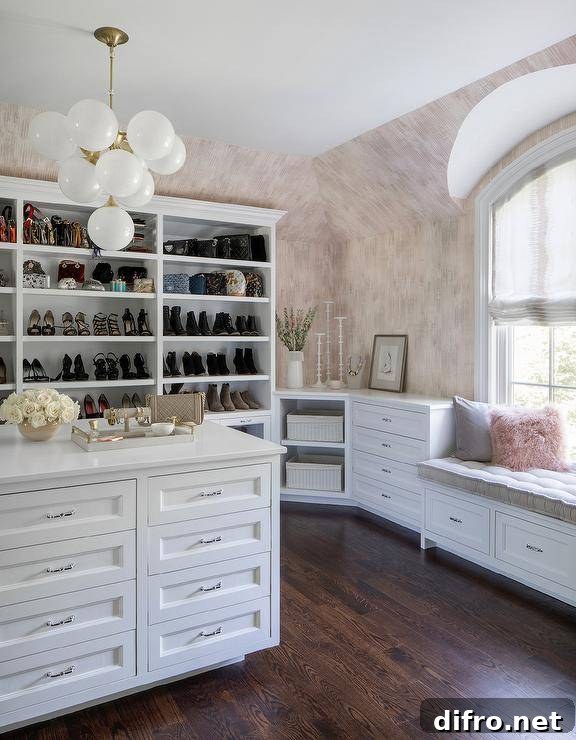
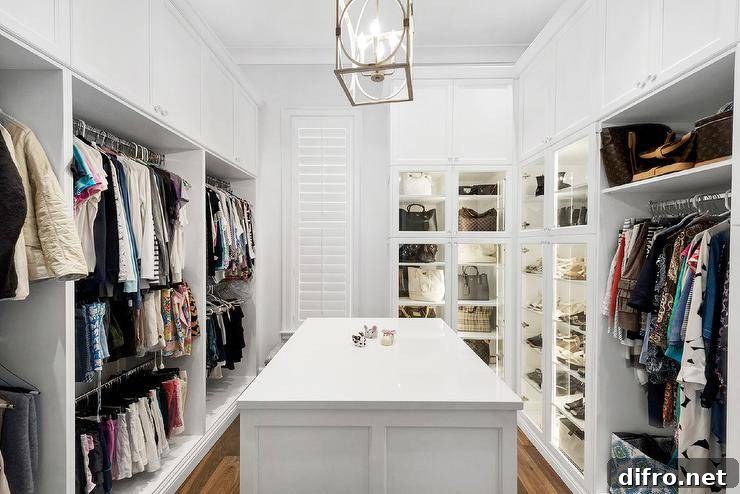
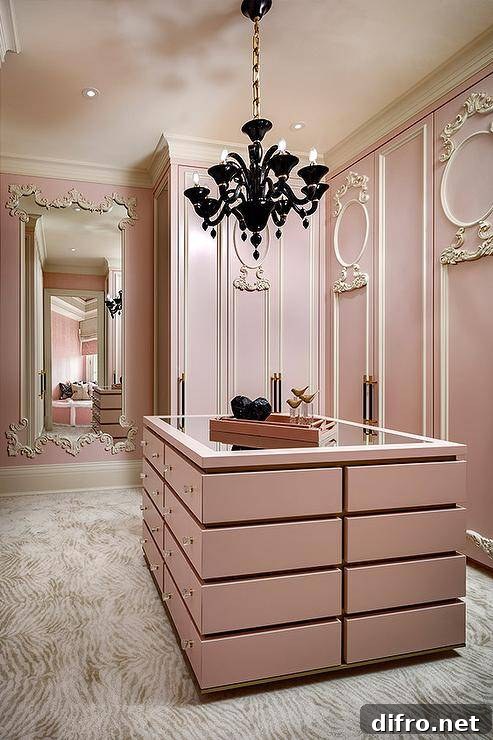
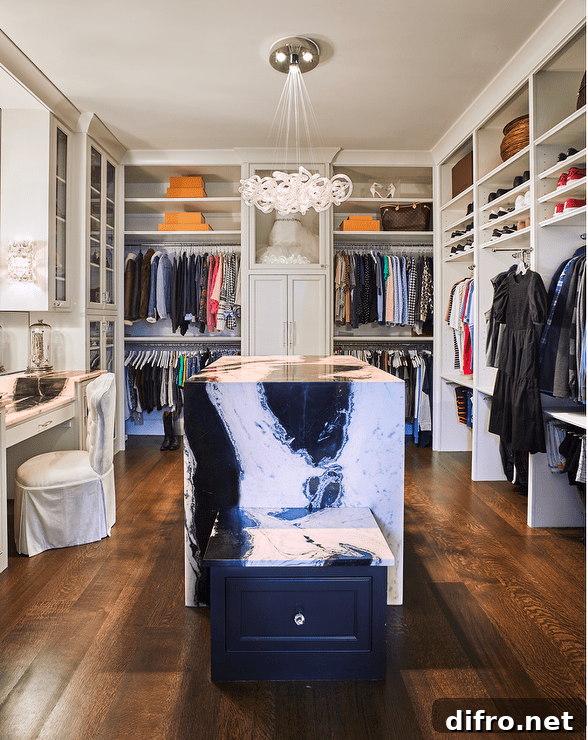
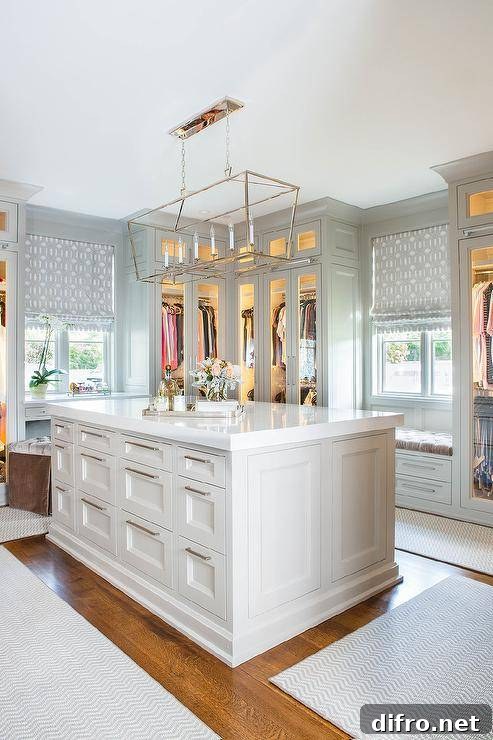
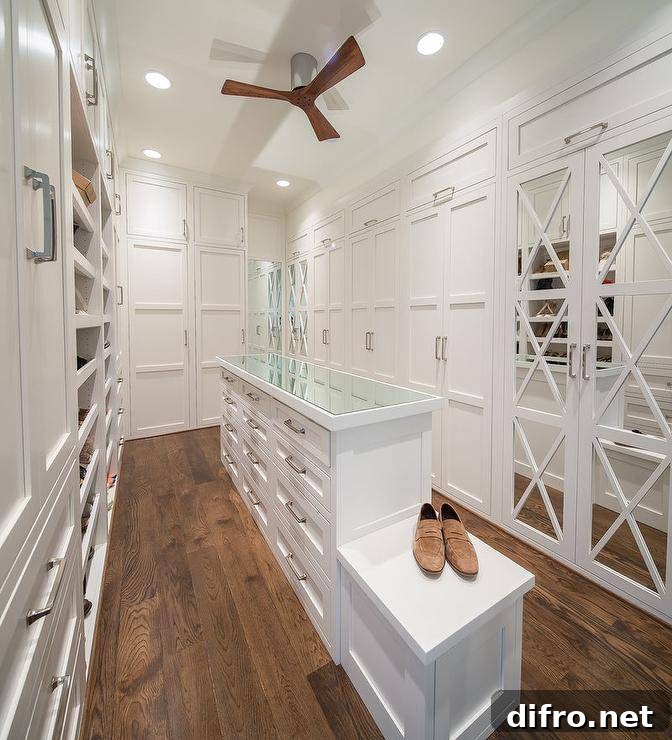
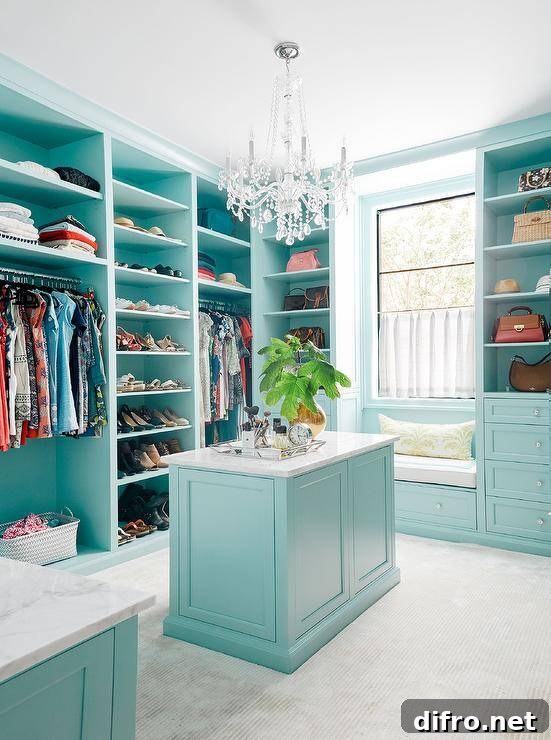
An island in the center of a large walk-in closet adds both storage and usable surface area. Islands can house drawers for jewelry, folded items, or accessories and serve as a staging area for outfits. Experiment with color, materials and details—think marble waterfall edges, mirrored tops or painted cabinets to complement your design.
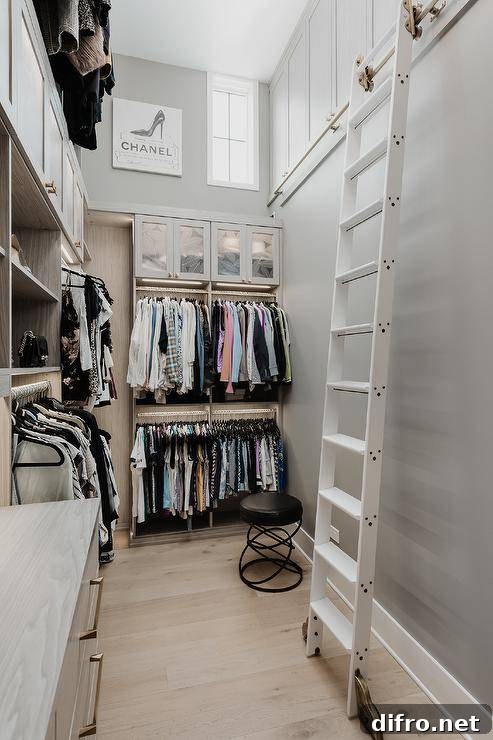
Use Vertical Height
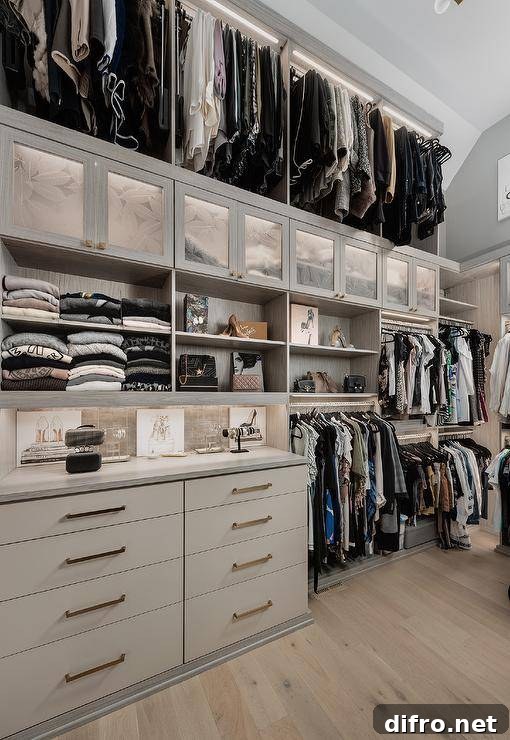
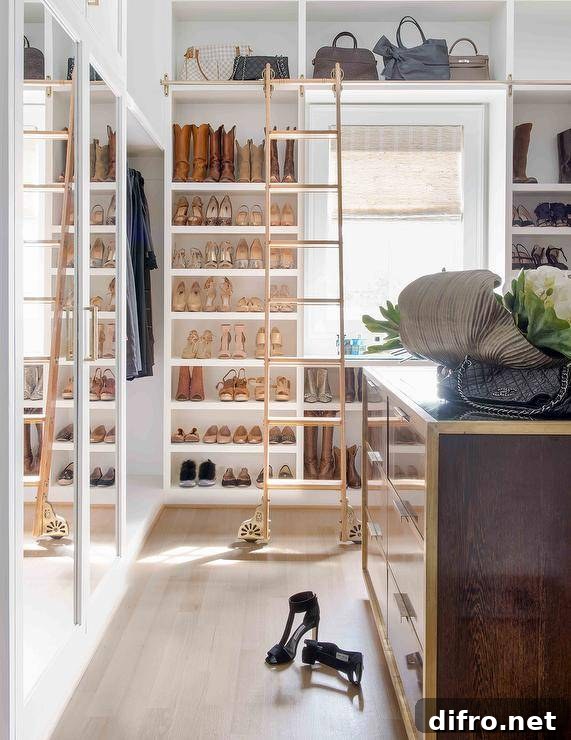
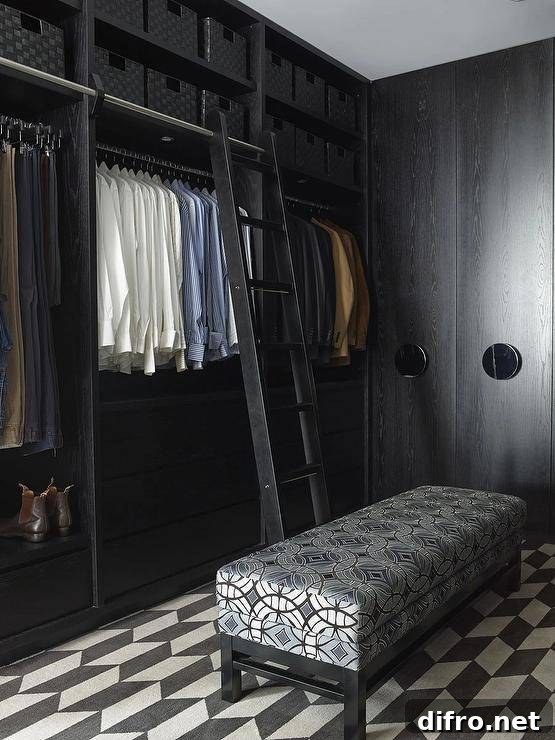
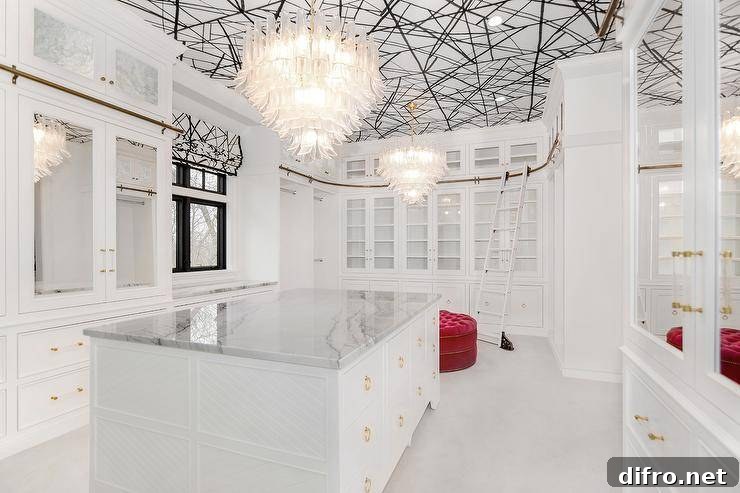
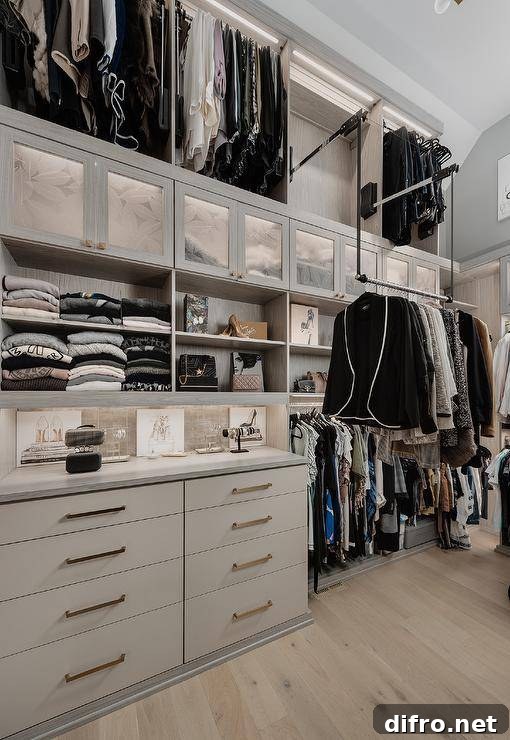
If your closet has tall ceilings, maximize vertical storage by taking cabinetry up to the ceiling. Top shelves provide excellent overflow storage for seasonal items or luggage. Add a rolling ladder for safe, stylish access to high shelves without sacrificing design.
Add a Large Mirror
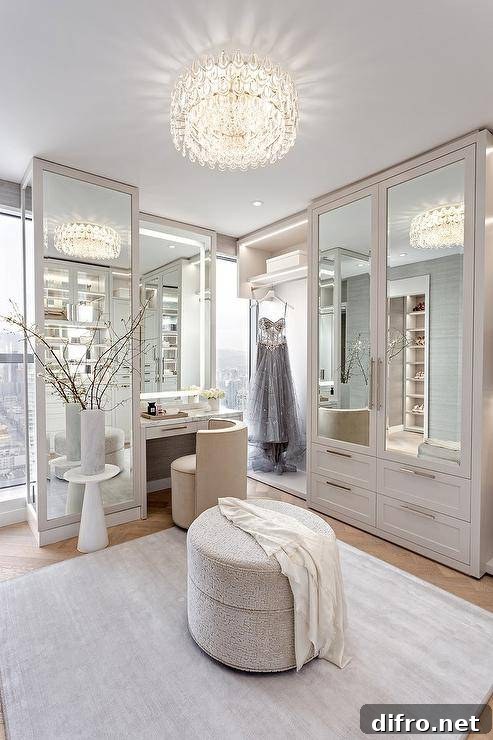
A full-length or oversized mirror turns your closet into a convenient dressing room. Mirrors simplify outfit checks and encourage keeping pieces in their proper place, so clothes you try on can be returned quickly. Strategically placed mirrors also amplify light and make the room feel larger.
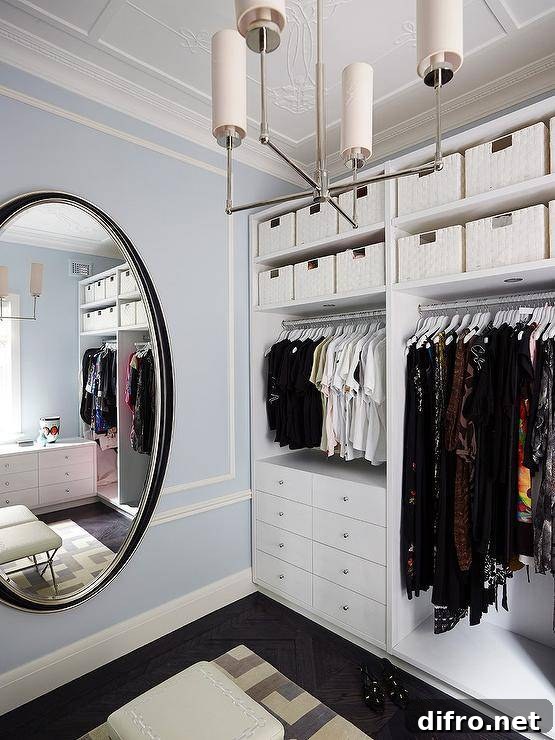
Seating Options
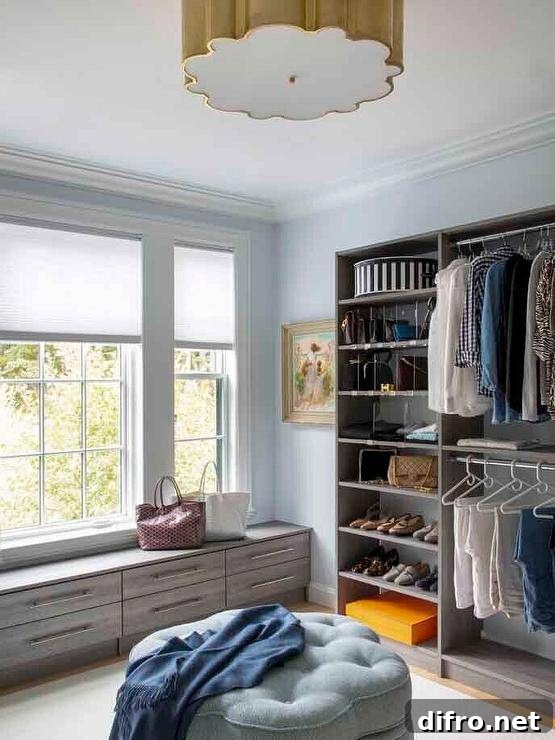
Even a small bench placed in the center or near the shoe area makes getting dressed more comfortable. For larger closets, consider lounge seating—an upholstered chair or chaise creates a cozy spot to relax while planning an outfit, reading or enjoying a morning coffee.
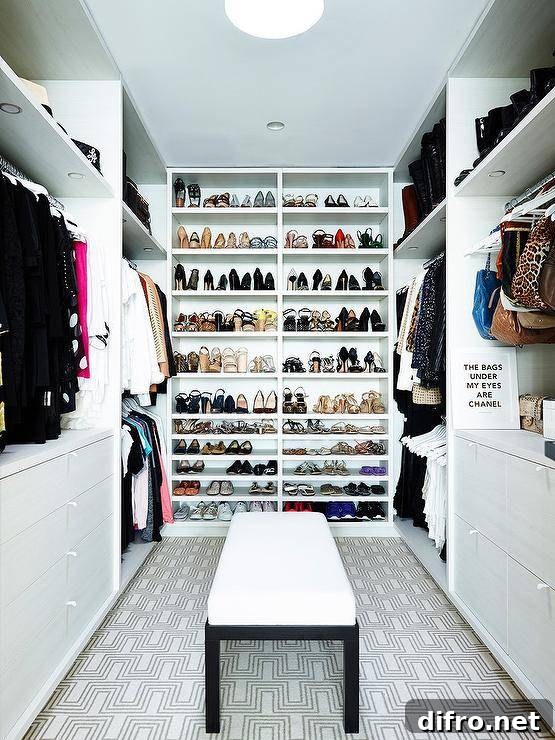
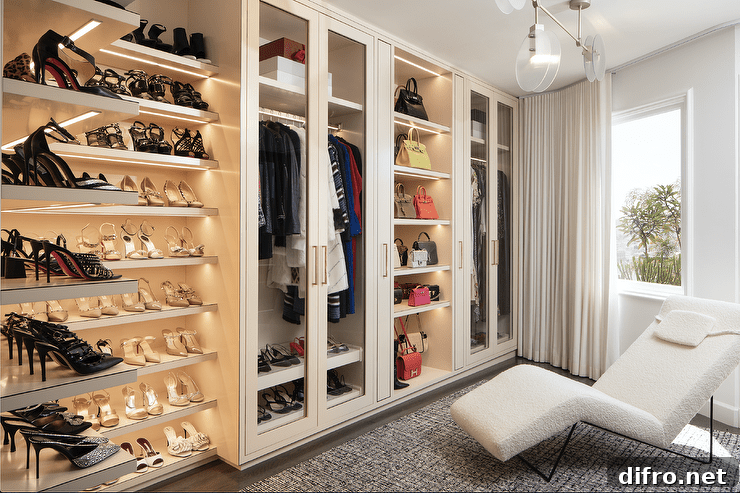
Natural Light
Natural light is one of the most useful features in a closet. A window or skylight helps you judge true colors and creates a bright, uplifting atmosphere. If privacy is a concern, use translucent shades or window seats with storage beneath.
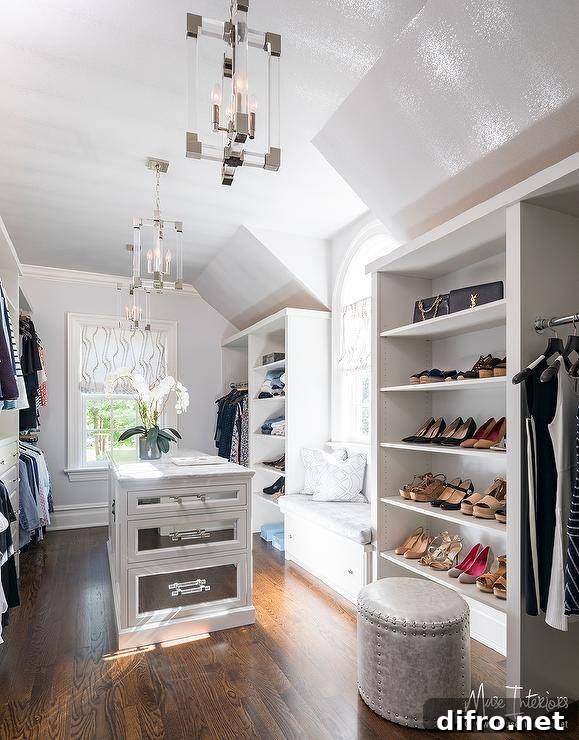
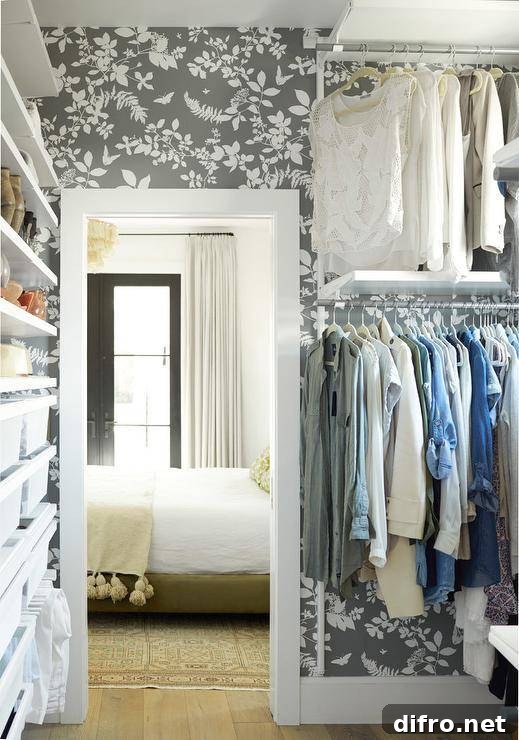
Wallpaper and Accent Backing
Wallpaper adds personality and depth. You don’t need to cover every wall—use patterned paper on a single wall or the back of open shelving to create interest and highlight accessories. This is an easy way to introduce color and texture without overwhelming the space.
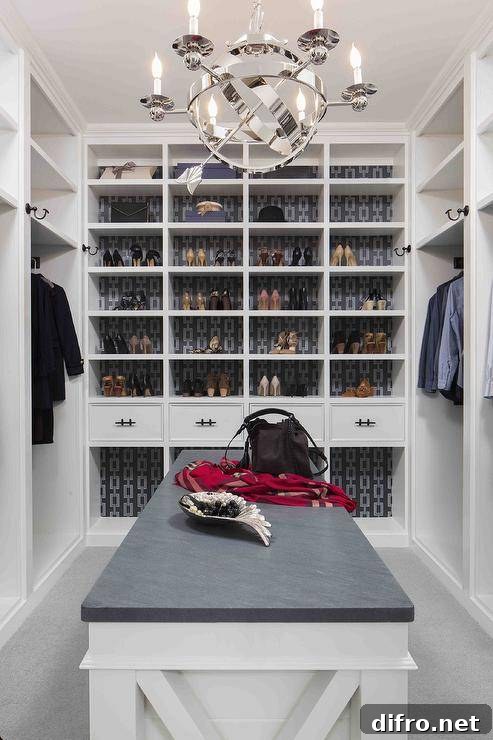
Dark and Moody Options
A dark, moody palette can feel sophisticated and masculine, creating a calm and curated environment. Pair deep finishes with strong lighting, like accent fixtures or chandeliers, to avoid making the space feel too closed in.
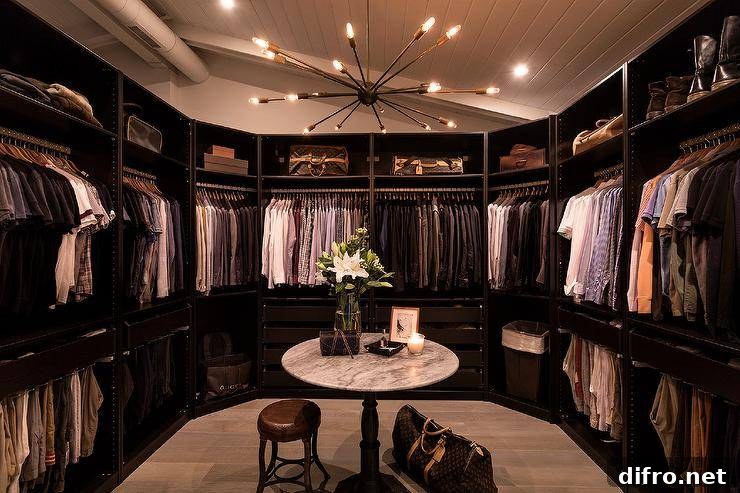
Bold Ceilings and Statement Lighting
Don’t forget the ceiling—paint it, add wallpaper or choose a dramatic chandelier to elevate the space. Statement lighting is functional and decorative, giving the closet a distinct personality and creating focal points for your design.
Mirrored Doors and Reflective Surfaces
Mirrored wardrobe doors and reflective surfaces visually expand a closet while offering more opportunities to check outfits. Use mirrored doors sparingly if you want a balance between reflection and texture.
Color and Personal Style
Don’t be afraid to add color—turquoise, pink, or bold painted cabinets make a closet feel joyful and personal. Choose hues that lift your mood and complement the rest of your home’s palette.
Practical Upgrades
Consider functional features such as drop-down clothes racks for high ceilings, built-in drawers under window seats, and adjustable hanging rods to double hanging capacity. These additions make daily routines easier and help keep the closet organized.
Window Seat and Hidden Storage
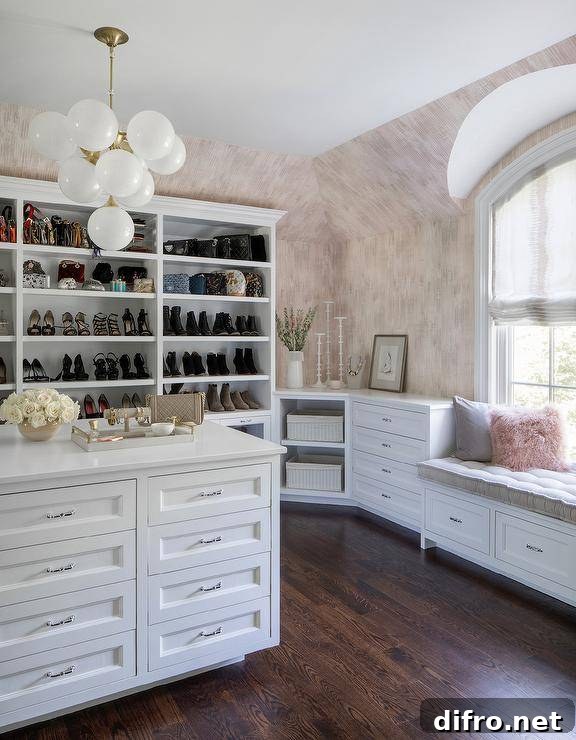
A window seat provides a charming pause point and added storage when you include drawers or lift-up benches. It’s a dual-purpose feature that improves both comfort and organization.
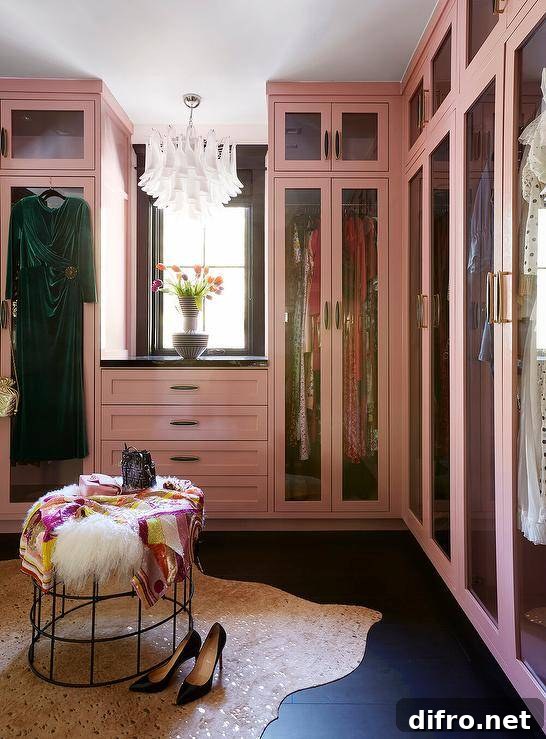
Chic Pink and Feminine Looks
For a feminine, glamorous closet, pink cabinetry, metallic accents and plush rugs create an indulgent dressing experience. Keep storage solutions practical while enjoying a rich, cohesive palette.
Quick Tips for Designing a Walk-In Closet
- Use the space above hanging areas for purses and folded items.
- Reserve the highest shelves for seasonal overflow and luggage.
- Create a focal point with a built-in dresser, island, or statement piece.
- Install adjustable hanging rods to increase flexibility and double hanging capacity.
- Keep shelving and rods near the door to maintain an open, welcoming arrival into the closet.
Frequently Asked Questions (FAQs)
What size should a walk-in closet be?
A functional full-size walk-in for two people is often around 7 by 10 feet (about 70 sq ft) or larger. A 100 sq ft closet allows storage on three walls plus a seating area. Smaller walk-ins can be effective with as little as 25 sq ft when planned carefully.
How much does it cost to build a walk-in closet?
Costs vary widely based on size, materials and custom features. A professionally installed closet system can range from modest to high-end depending on cabinetry, hardware, lighting and labor. Consult local professionals for accurate estimates tailored to your project.
Do walk-in closets need doors?
There’s no rule that walk-in closets must have doors. Open concepts are popular and can make a bedroom feel larger. Doors offer privacy and containment of dust, while open designs highlight the closet as an integrated room—choose what suits your home and routine.
Does a walk-in closet add value to a home?
Yes. Walk-in closets are desirable features that can increase a home’s appeal and perceived value to buyers. Thoughtful, well-executed closet design is often seen as a strong selling point.
Should a walk-in closet have a window?
A window brings natural light and helps you see colors accurately. If possible, incorporate windows or skylights and add privacy treatments as needed. Natural light also enhances mood and the overall feel of the space.