Choosing a theme and color palette is one of the most important steps when designing a baby nursery. The right combination not only looks beautiful but also creates a calming, safe environment for sleep and play. From classic pinks and blues to gender-neutral greens and yellows, or modern minimalist schemes, there are countless nursery design directions to explore.
This guide highlights a variety of inspiring baby nursery ideas across different styles—neutral, modern monochrome, bohemian, vintage, rustic, whimsical, and Scandinavian. Each section offers practical suggestions for color, furniture, textiles, lighting, and accessories so you can create a nursery that is both functional and stylish. Use these ideas to design a nurturing space that reflects your taste while supporting your baby’s comfort and development.
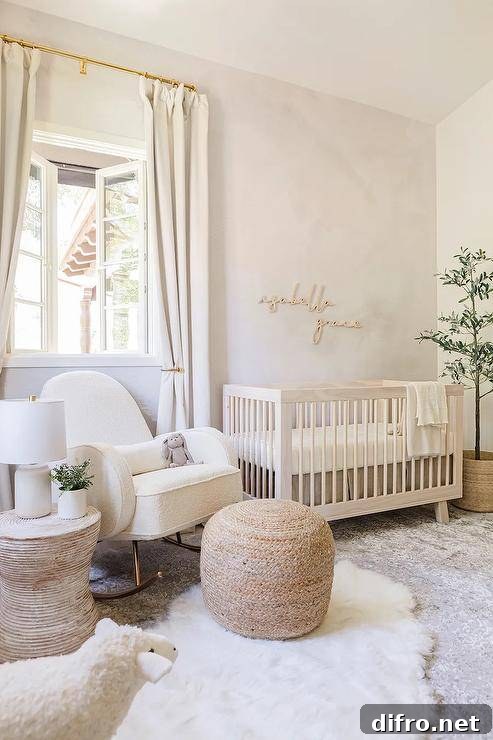
Neutral Color Palette
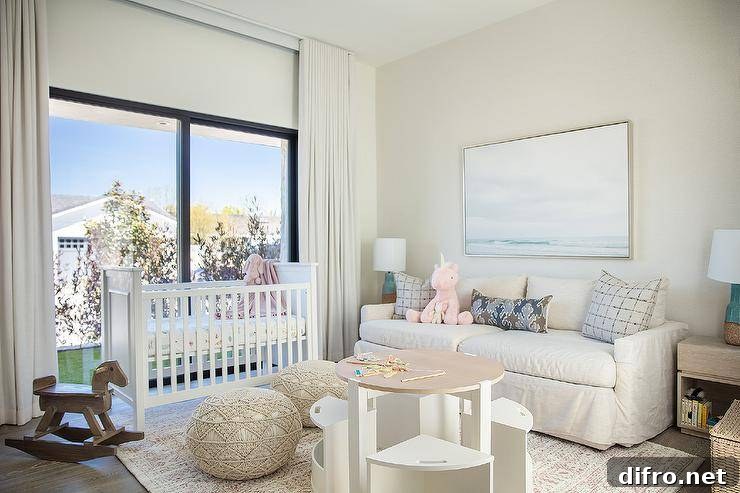
Neutral palettes are timeless and soothing. Soft beiges, warm grays, and creamy whites produce a restful backdrop, ideal for naptime and nighttime routines. Add warmth with natural wood furniture, woven baskets, and plush textiles—think a wool rug, knit blankets, and linen curtains. Neutrals also make it easy to layer color with toys, art, or a single accent wall without overwhelming the room.
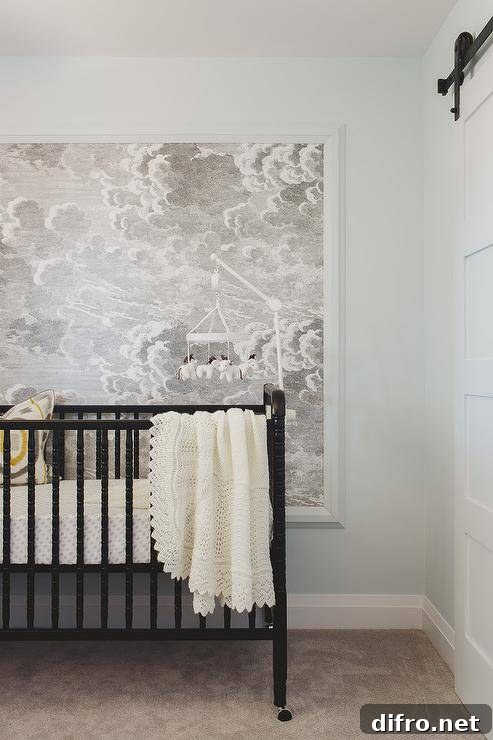
Modern Monochrome
For a sleek, contemporary nursery, choose a monochrome scheme in black, navy or charcoal with white. Clean lines, geometric patterns, and minimal clutter create a modern look that ages well as the child grows. Balance dark hues with soft textures such as faux fur rugs or knit poufs and use subtle accents—metallic hardware or a patterned cushion—to add visual interest.
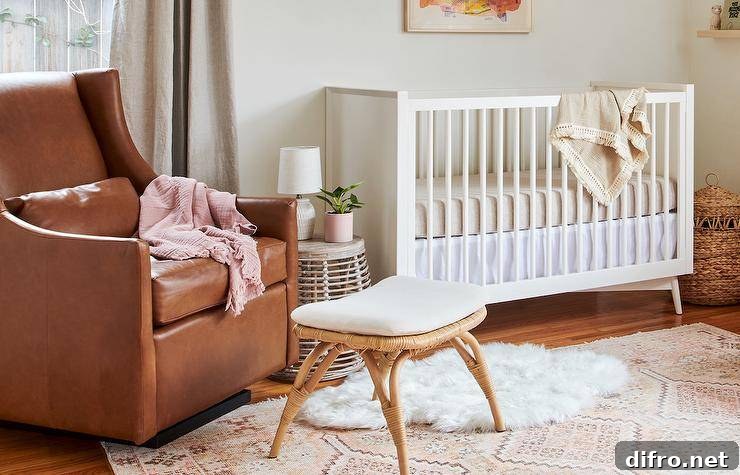
Bohemian Chic
Boho nurseries embrace relaxed patterns, layered textiles, and eclectic accents. Mix rich jewel tones with earthy neutrals, add a macramé wall hanging, a vintage rug, and rattan furniture to achieve an easygoing, layered feel. This style allows you to incorporate heirloom pieces and handcrafted decor that give the room personality and warmth.
Vintage Charm
Vintage nurseries combine antique furniture and delicate details to evoke a sense of nostalgia. Look for a vintage dresser or a metal crib, and add elements like lace canopies, chandeliers, and velvet seating. Soft textiles—cotton, velvet, and lace—help soften the look, while curated vintage toys and framed prints complete the aesthetic.
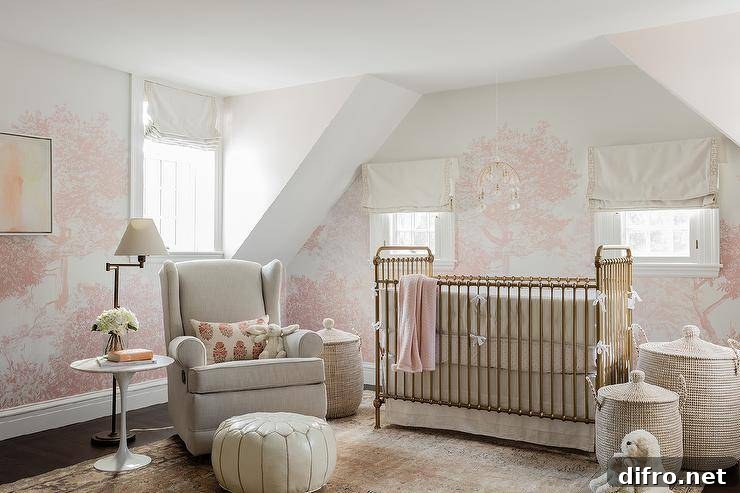
Rustic Charm
Rustic nurseries feel warm and cozy, using natural wood finishes, earthy tones, and handcrafted accents. Think wooden cribs, woven storage baskets, and vintage toys. Layered textures like knit throws, sheepskin rugs, and warm lighting create a cabin-like sanctuary perfect for cuddling and calm moments.
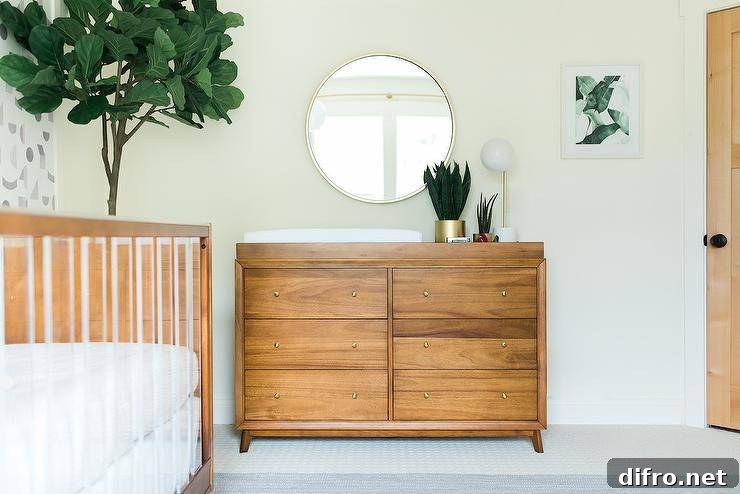
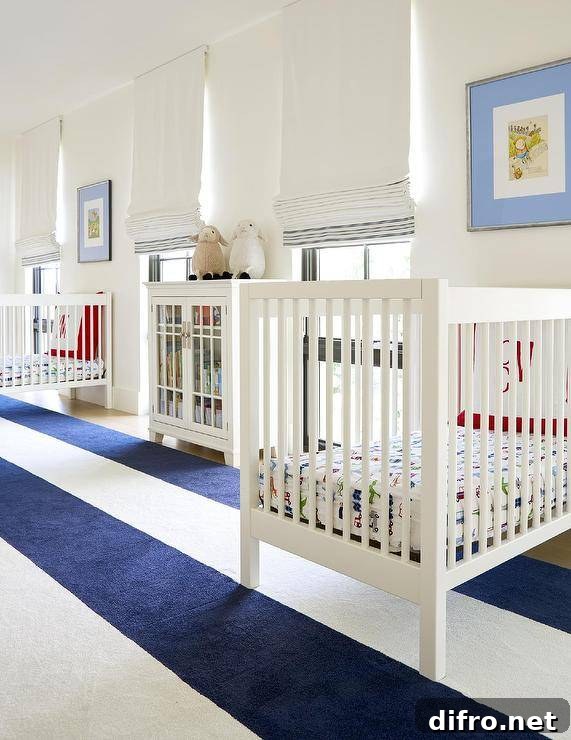
Whimsical Wonderland
For a playful nursery, embrace bright colors, cheerful patterns, and imaginative accents. Polka dots, stripes, and murals can make the room feel magical. Consider a colorful mobile, a mural of animals or stars, and playful furniture shapes. This style encourages a sense of wonder while still remaining practical for everyday use.
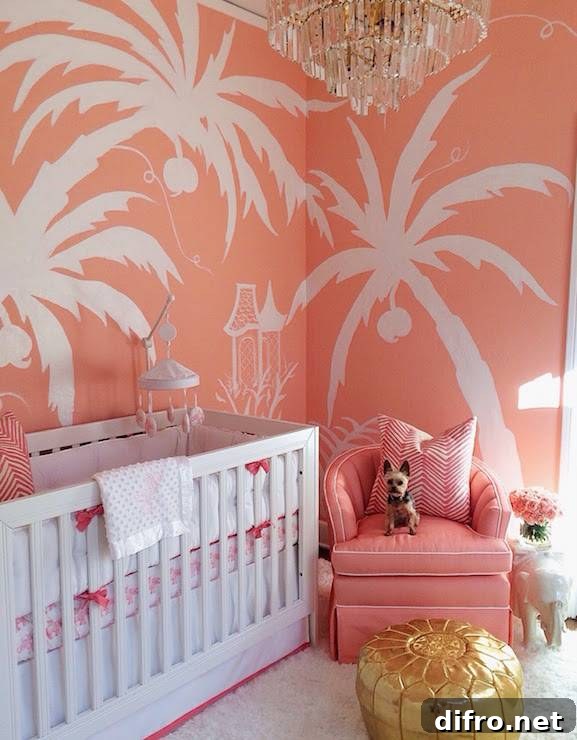
Scandinavian Simplicity
Scandinavian design emphasizes simplicity, function, and calm. Use a restrained palette of white, gray, and soft pastels, paired with light wood furniture and clean lines. Minimal decor, well-chosen textiles like a sheepskin rug or knit blanket, and natural light result in a peaceful, modern nursery that feels bright and uncluttered.
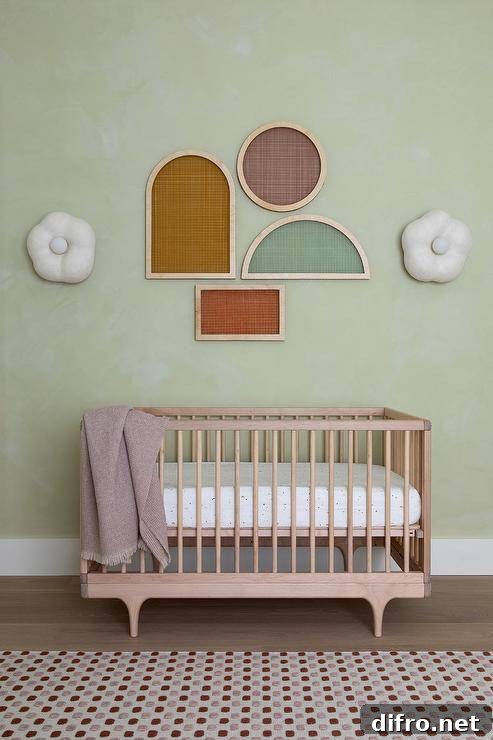
Decor and Accessories
Furniture anchors the nursery. Choose a sturdy crib, a dresser or changing station, and a comfortable glider or rocking chair for feeding and soothing. Prioritize safety and durability when selecting pieces. For decor, wall art, removable wallpaper, or decals can personalize the room without permanent commitment. A gallery wall, framed prints, or a mural are all effective ways to add character.
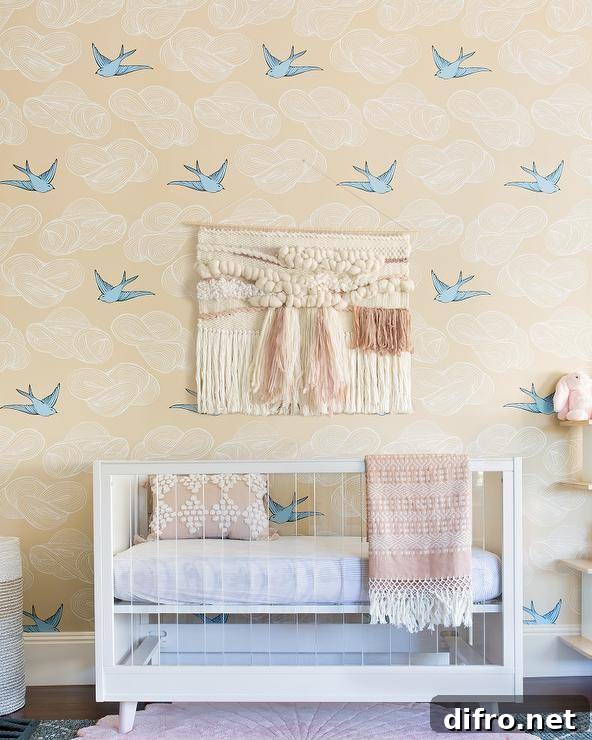
Lighting is crucial: soft, warm lighting with a dimmer creates a soothing bedtime routine. Nightlights are handy for late-night care. Rugs add warmth and a safe play surface, while window treatments help control light and naps. Storage solutions—baskets, shelves, cubbies, and multi-functional furniture—keep the space organized and user-friendly.
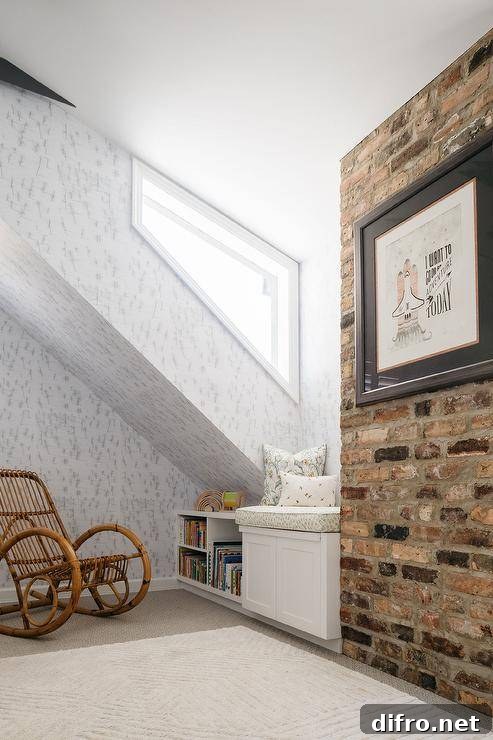
Finally, add personal touches: family photos, a custom name sign, or a keepsake to make the nursery uniquely yours. Thoughtful details help the room feel comfortable and meaningful as your child grows.
Frequently Asked Questions (FAQs)
What are some popular color schemes for a baby nursery?
Popular schemes include soft pastels (light pink, blue, yellow, green) and neutral tones (gray, beige, white). Gender-neutral palettes and modern monochrome combinations are also common choices.
What type of furniture is essential for a baby nursery?
Essential furniture includes a safe crib, a changing table or dresser, and seating such as a glider or rocking chair. Choose durable pieces that meet safety standards.
How can I make a small nursery feel more spacious?
Use light colors, avoid oversized furniture, and select multi-functional pieces like cribs with storage or a changing table that doubles as a dresser. Vertical storage and mirrors can also create a greater sense of space.
What are some creative wall decor ideas for a baby nursery?
Consider removable wallpaper, murals, decals, gallery walls, or framed artwork. These options add character and are easy to update as tastes evolve.
How can I create a gender-neutral nursery?
Start with neutral wall colors—white, gray, beige—and introduce color through accessories like rugs, pillows, or curtains. Nature, animal, and abstract themes work well for neutral designs.
What type of lighting is best for a baby nursery?
Choose soft, warm, and dimmable lighting. Combine overhead fixtures with table or floor lamps and a nightlight for middle-of-the-night care.
How can I incorporate storage into a baby nursery?
Use furniture with built-in storage, add shelves or cubbies for books and toys, and use baskets or bins for easy organization. Keep frequently used items within reach and store seasonal or less-used items out of sight.