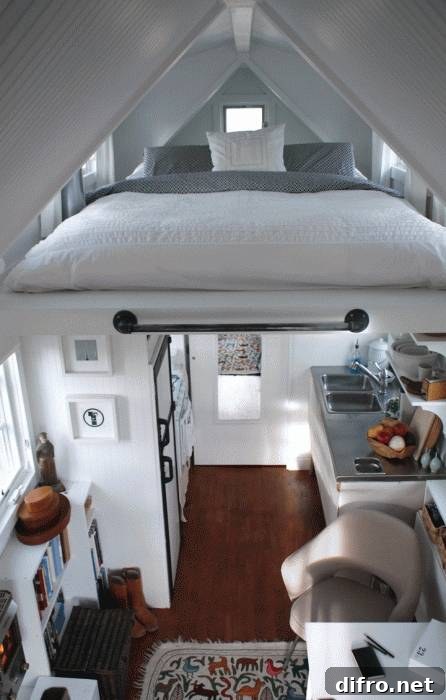
Decorating a small home or apartment presents unique challenges and opportunities. Traditional interior-design rules for small spaces were created to visually expand compact rooms and maximize function. But many of those rules are now outdated. Modern small-space design favors personality, strategic contrast, and multifunctional choices that prioritize comfort and style over strict adherence to dated prescriptions. Below are several “rules” you can safely break — with practical alternatives to help you make a small space feel larger, cozier, and more purposeful.
Outdated Rule #1: Use Light Colors Only
Light colors do open up a room by reflecting light, but they aren’t the only solution. Dark tones can add depth, warmth, and sophistication when used thoughtfully. Rather than painting every surface pale, try a single deep accent wall to create contrast and visual layering. Darker upholstery, a bold rug, or richly colored cabinetry can anchor a room and make it feel intimate without shrinking the space. Balance darker elements with lighter textiles and reflective surfaces to maintain brightness and avoid heaviness.
Outdated Rule #2: Stick to Small Furniture
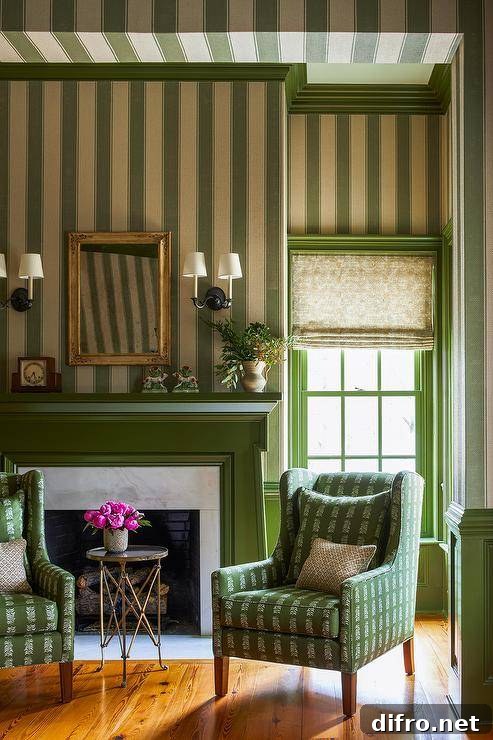
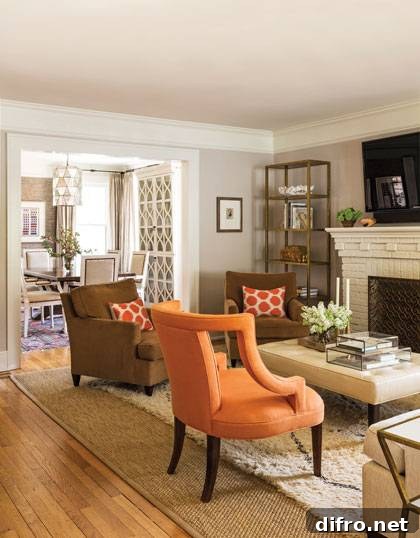
Choosing only petite furniture can make a room feel fragmented. In many cases, one or two larger, well-proportioned pieces help define zones and add a sense of scale. A generous sofa, a substantial dining table, or a statement armchair can anchor the space and create comfortable circulation. The key is proportion: select larger pieces with clean lines and light or raised legs to maintain an airy feel. Mix those with smaller, multifunctional items to keep the layout flexible.
Outdated Rule #3: Avoid Patterns
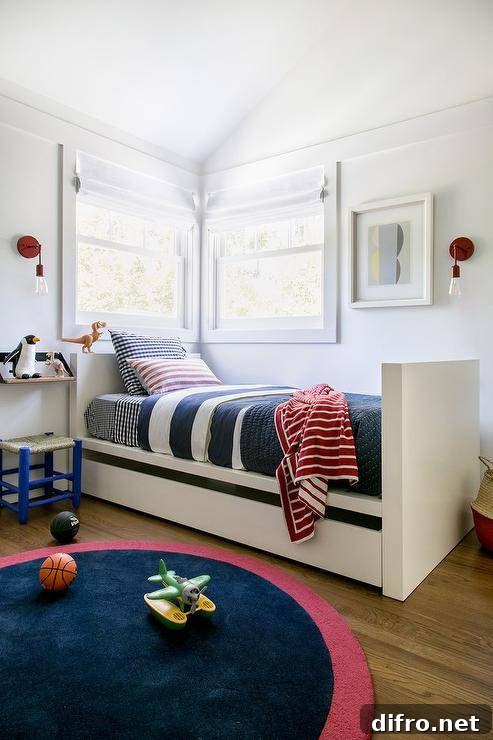
Patterns can enliven a small room rather than clutter it, when introduced deliberately. Large-scale patterns on a rug or wallpaper can actually simplify a space by providing a cohesive visual field. Smaller patterns can be layered in textiles and accessories to introduce texture and personality. Keep a restrained palette so the patterns read as unified rather than chaotic. Strategic use of pattern will add character and keep a compact room from feeling bland.
Outdated Rule #4: Keep Things Minimal
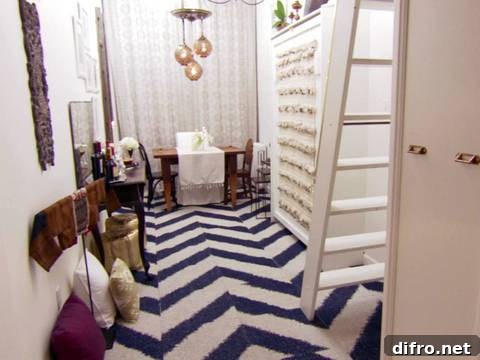
Minimalism helps reduce clutter, but sterile sparseness can make a home feel impersonal. For small spaces, the goal is edited collection rather than empty surfaces. Display a few meaningful items—artwork, books, ceramics, or framed photos—arranged with intention. Creating pockets of personality makes a small home feel lived-in and welcoming without sacrificing organization. Use shelving, built-ins, and curated vignettes to keep displays tidy and deliberate.
Outdated Rule #5: Keep Everything at Eye Level
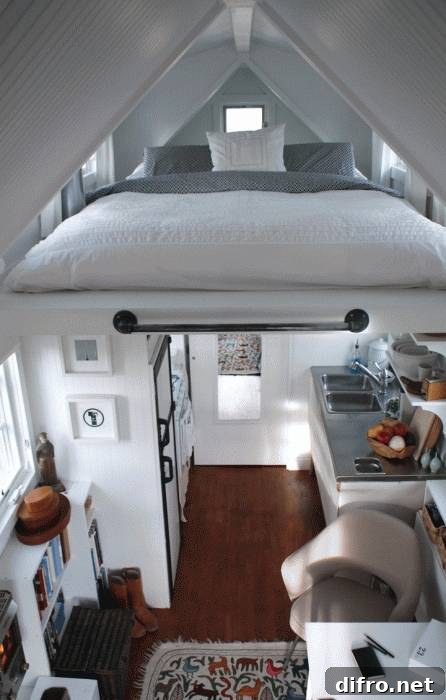
Designers often emphasize eye-level displays, but better results come from using vertical space creatively. Taller furniture, stacked shelving, and artwork hung higher than typical can lift the eye and create the impression of expanded height. Use vertical lines—floor-to-ceiling bookcases, slim mirrors, or a tall headboard—to draw attention upward. This approach makes ceilings feel higher and gives a compact footprint a more spacious, layered look.
Outdated Rule #6: Avoid Mirrors
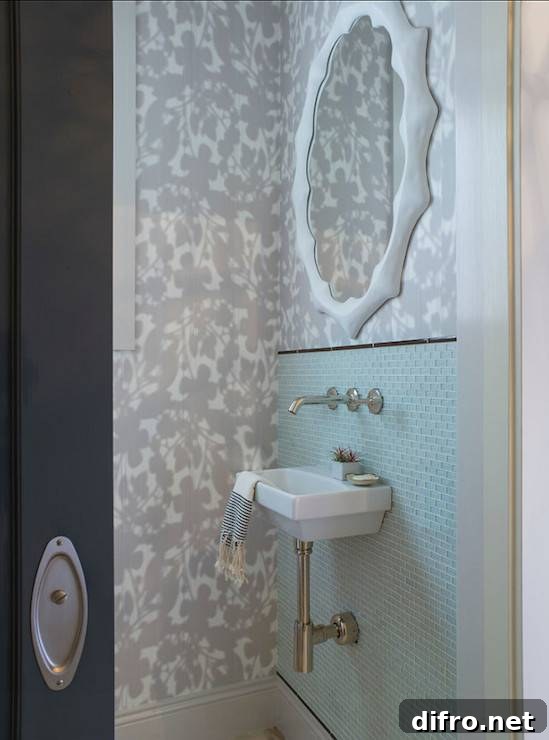
Mirrors are a classic small-space tool because they increase perceived depth and bounce light into darker corners. Far from being off-limits, mirrors can be styled as focal points: an oversized framed mirror, a mirrored gallery, or mirrored cabinet doors all enlarge a room visually. Place mirrors opposite windows or light sources to maximize reflection and brightness. Choose proportion and placement carefully so mirrors enhance rather than overwhelm the composition.
Outdated Rule #7: Use Only Small Artwork
Small artwork can be appropriate, but larger pieces can make a surprising and effective statement in a compact room. A single large painting or photograph becomes a focal point and helps the eye travel, which can make the room feel more expansive. If you prefer multiple pieces, arrange them as a unified gallery with consistent spacing and a cohesive color palette so the display reads as one composed element rather than visual clutter.
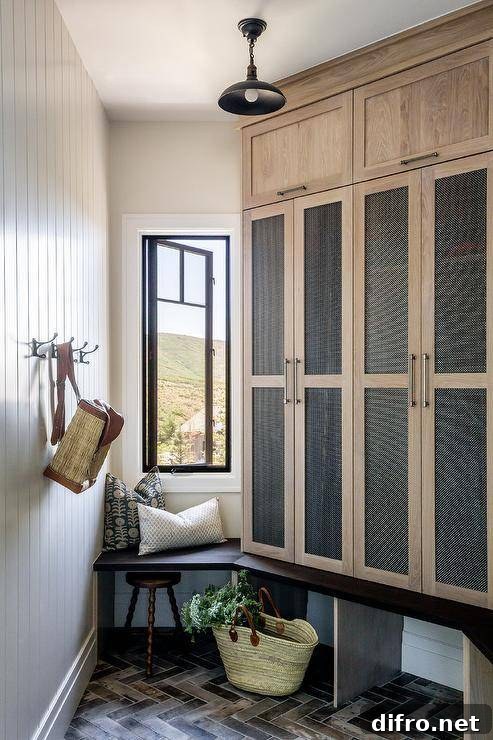
Rules for decorating small spaces should inform, not restrict. Thoughtful contrast, varied scale, texture, and carefully chosen focal points create rooms that are efficient and evocative. Mix function with form: choose multipurpose furniture, embrace well-sized artwork, layer patterns and colors, and display curated personal items. These strategies will help your compact home feel larger, more comfortable, and distinctly yours.