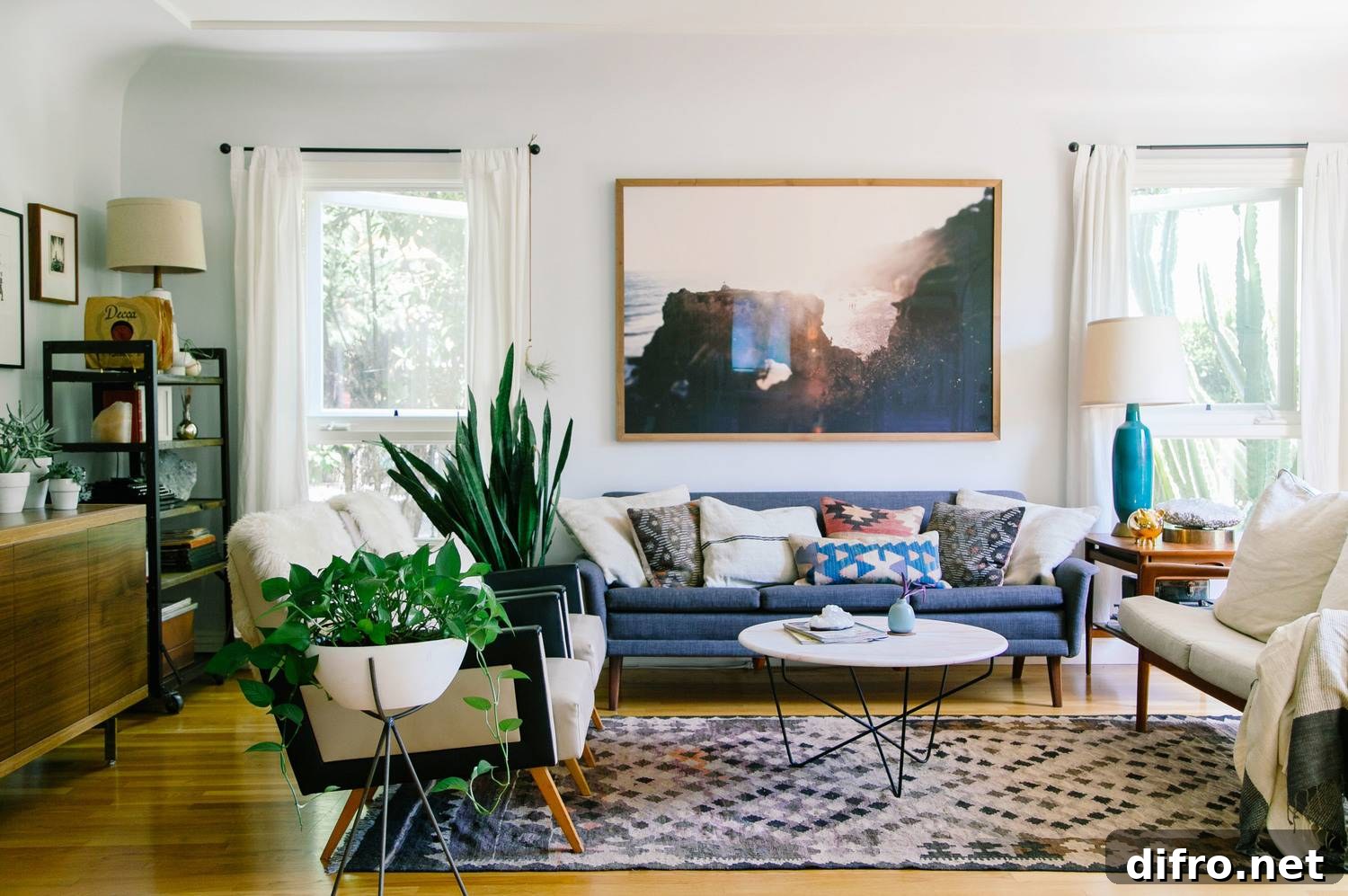
Playing with patterns is one of the most effective ways to add character to a room. When done thoughtfully, patterns create a lively, personal backdrop that reflects your taste and elevates the entire space. You may have admired beautifully layered patterned rooms on social media and wondered how to recreate that look at home. This guide explains practical rules for mixing patterns successfully, highlights common mistakes to avoid, and offers a simple formula designers use to achieve a balanced, cohesive result.
Do: Stick to a unified color palette
One of the easiest ways to keep multiple patterns from clashing is to limit the color palette. Choosing patterns that share the same color family instantly ties disparate prints together and prevents the room from looking chaotic. Decide whether you prefer muted neutrals, fresh pastels, saturated jewel tones, or a bright primary scheme. For example, floral bedding paired with a Moroccan rug can work beautifully when both contain matching accent hues, creating harmony between visually different motifs.
Do: Start with a neutral base
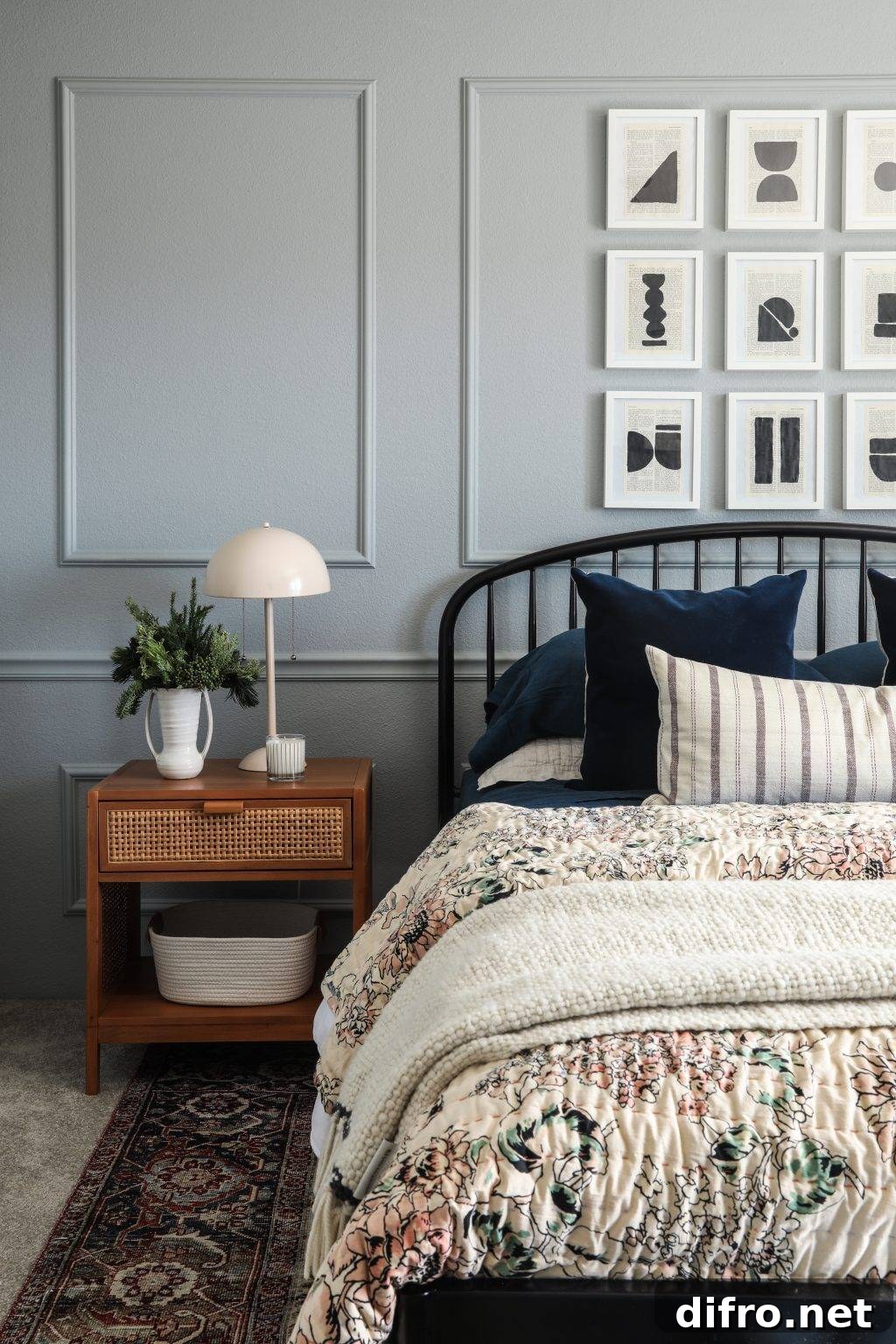
Neutral walls, floors, or large pieces of furniture give your patterns room to breathe. A neutral backdrop—think white walls, beige sofas, or soft gray floors—allows patterned textiles and accessories to be the focal points without competing for attention. This approach is especially useful when you want an eclectic or boho feel while keeping the overall look grounded and sophisticated.
Do: Mix simple and intriguing patterns
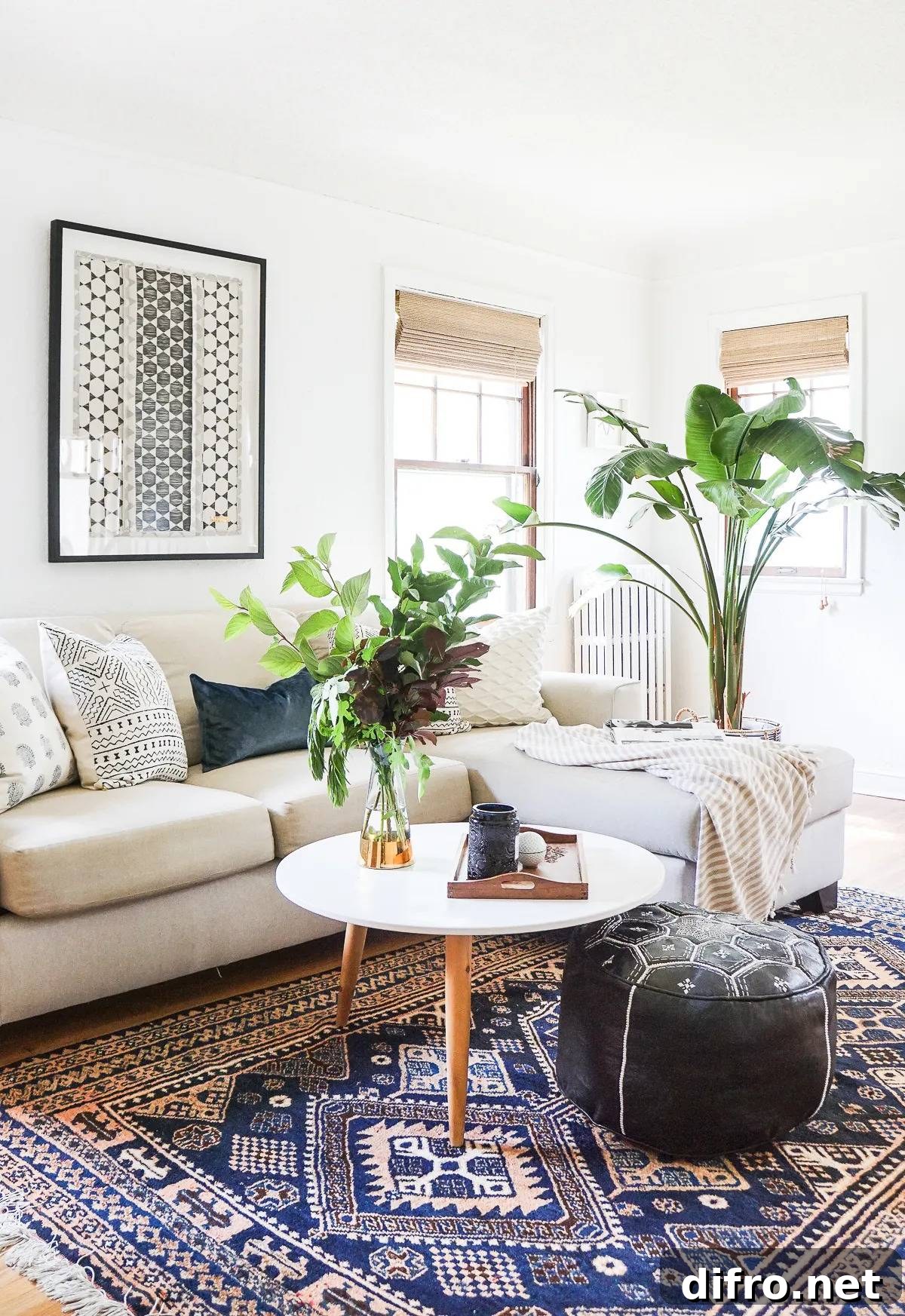
Balancing a bold, attention-grabbing pattern with a simpler, subtler print keeps the scheme tasteful and dynamic. A botanical duvet, for example, can be anchored by a modest geometric rug or striped throw. Repeating two or three key colors across both patterns will make the combination feel intentional and unified rather than accidental.
Don’t: Choose more than four patterns
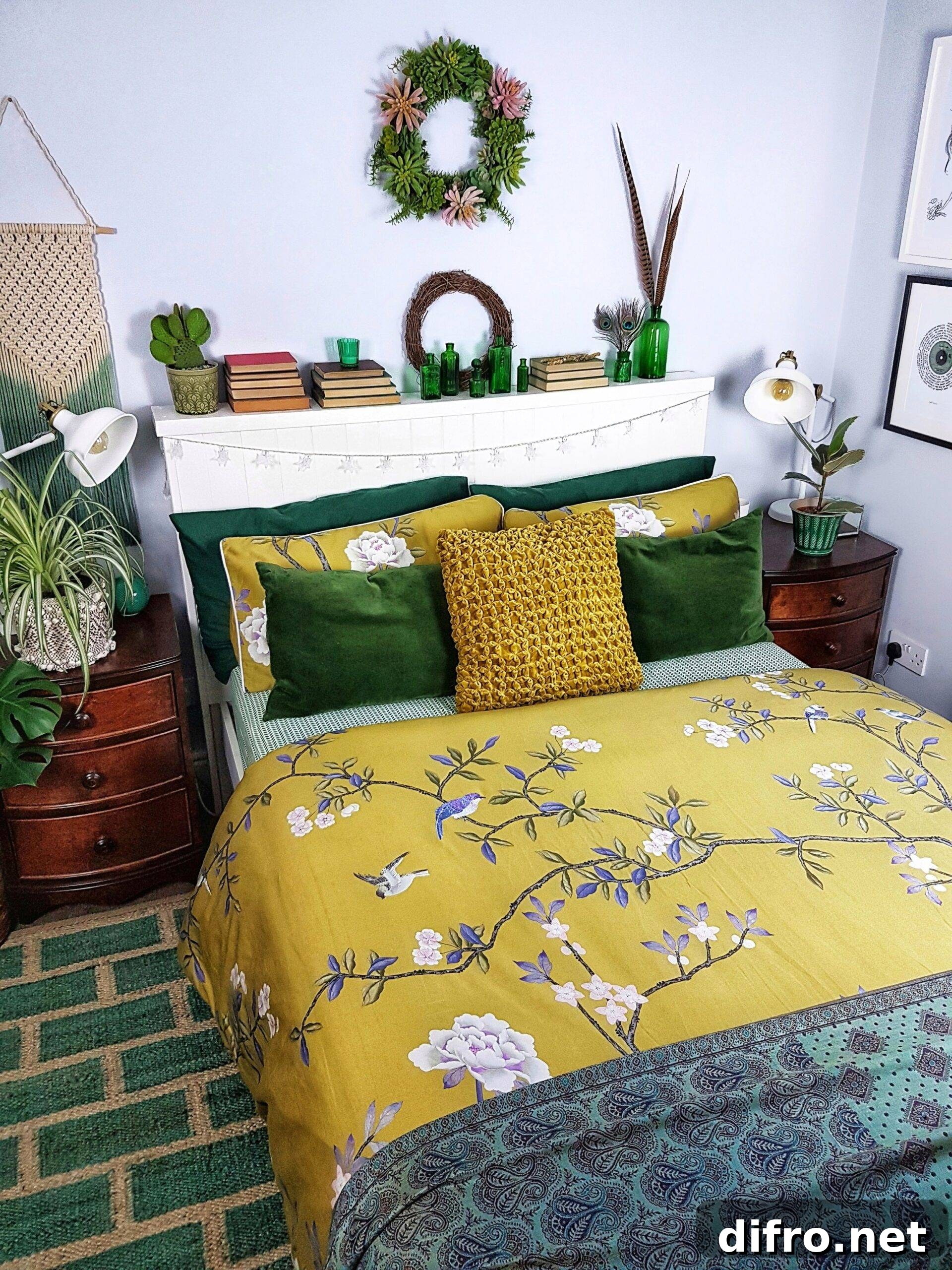
Although mixing patterns is creative and fun, too many competing prints can overwhelm a space. A practical rule of thumb is to limit yourself to three or four patterns in a single room. That number is high enough to create visual richness but small enough to keep the look cohesive and comfortable.
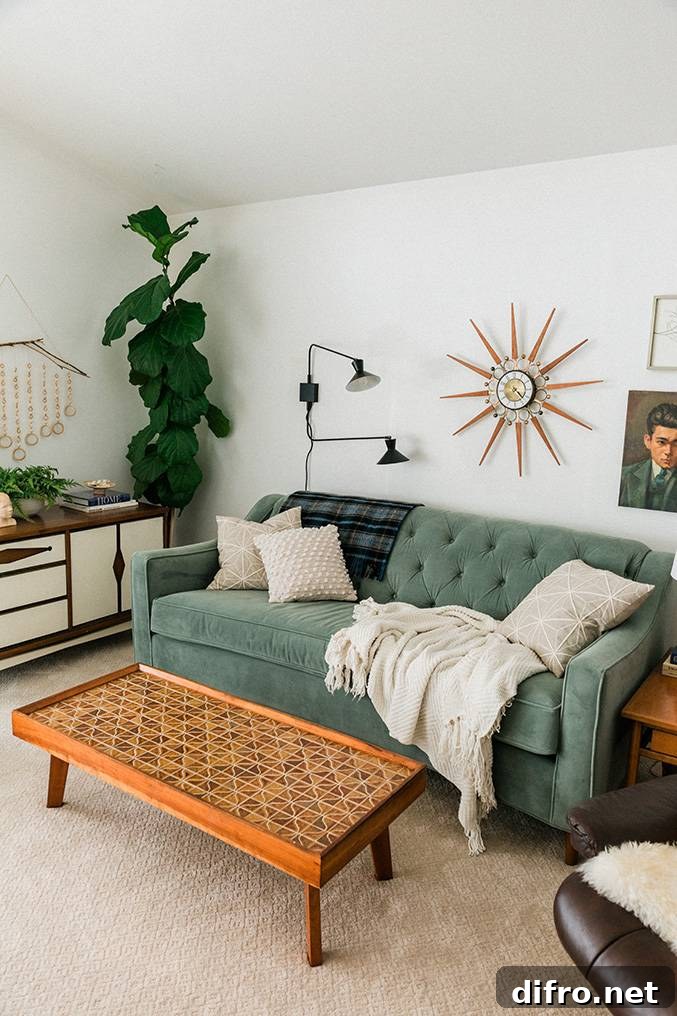
Don’t: Overlook solid colors
Solid colors are critical when layering prints. A plain sofa, single-color curtain, or unpatterned rug serves as visual relief and prevents patterns from competing for attention. Use solids to provide contrast, define zones in an open plan, and give the eye a place to rest.
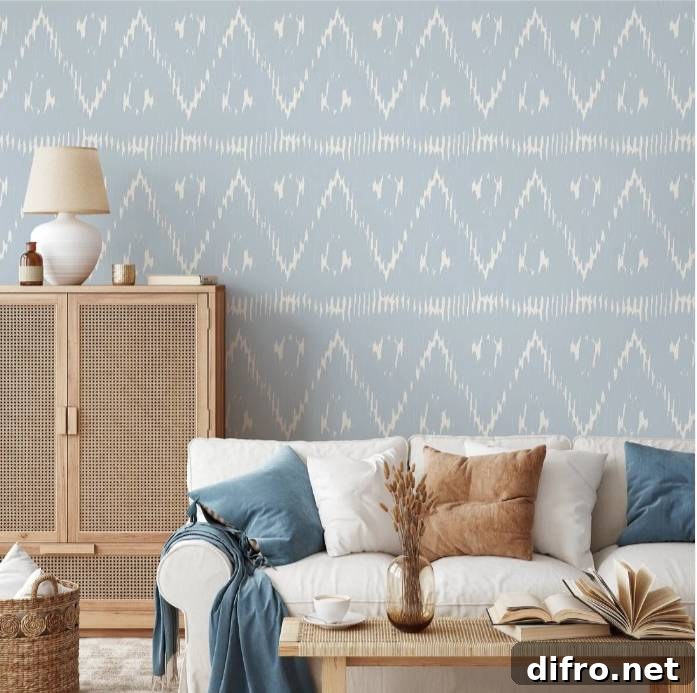
Don’t: Ignore proven combinations
If you’re new to pattern mixing, start with safe, tried-and-true pairings. Floral with stripes creates an elegant, layered look; small polka dots combined with stripes read as contemporary and playful; and pairing paisley, graphic prints, and chevron can produce a rich, curated aesthetic. Animal prints work well as accent pieces—pair them with textured neutrals or stripes for a bold but balanced result.
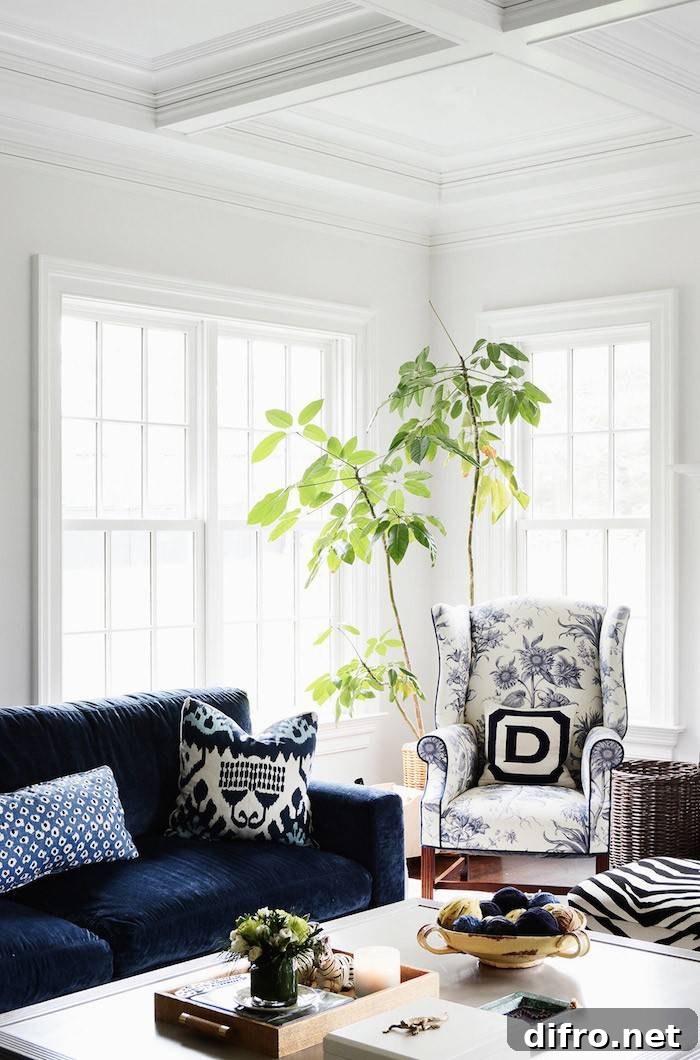
Don’t: Overlook the designers’ formula
Designers often use a simple three-part formula to mix patterns effectively: one statement print, one supporting pattern at roughly half the scale, and a grounding small-scale pattern or texture. This structure creates hierarchy, movement, and cohesion.
- Statement pattern: Choose one bold, large-scale print that sets the tone—florals or animal prints are classic options.
- Subtle pattern: Add a mid-scale print that shares at least two colors with the statement piece—stripes or chevrons work well.
- Grounding pattern or texture: Finish with a small-scale motif or neutral texture, such as tiny polka dots, linen, or a woven weave, to anchor the composition.
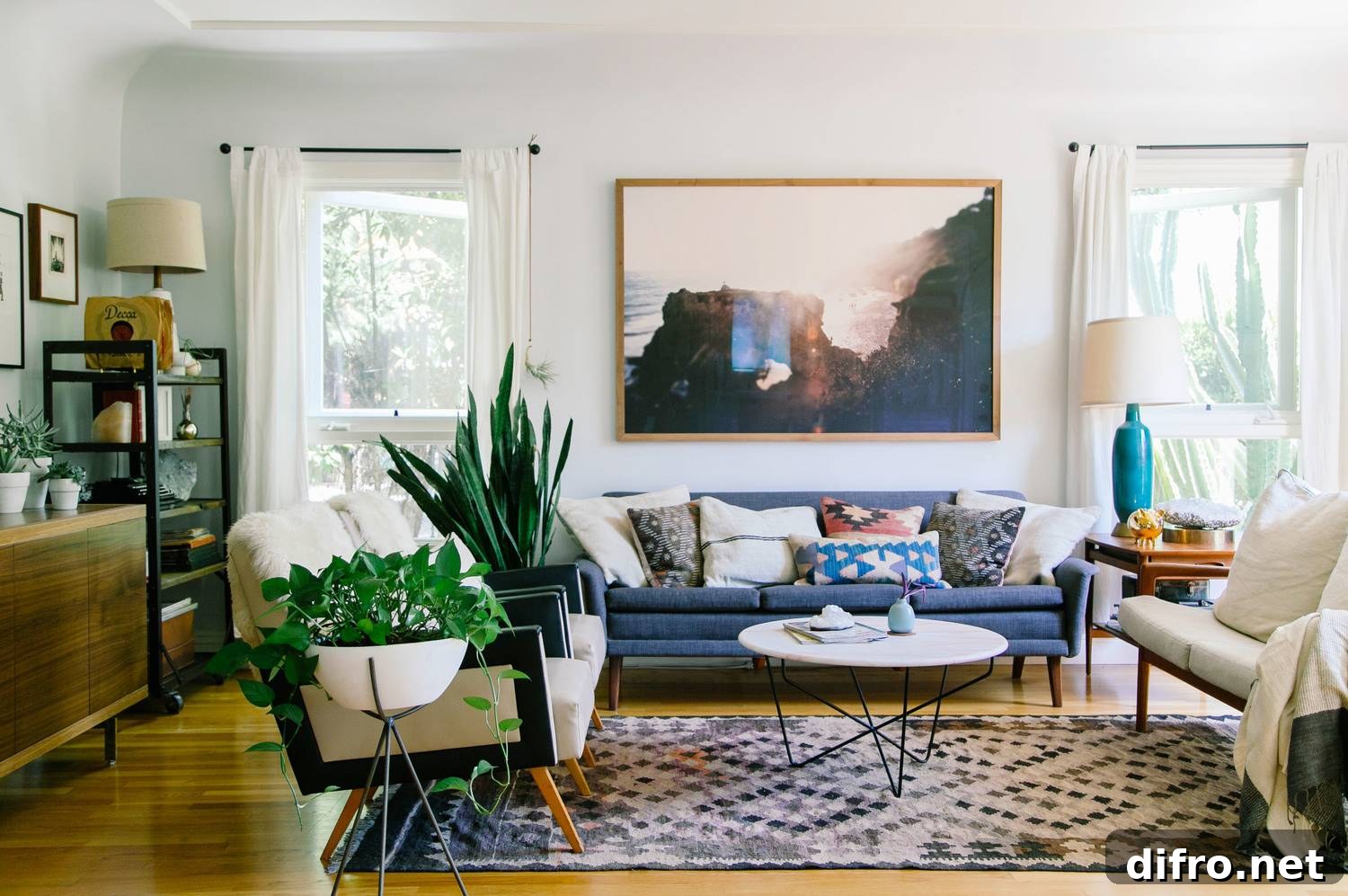
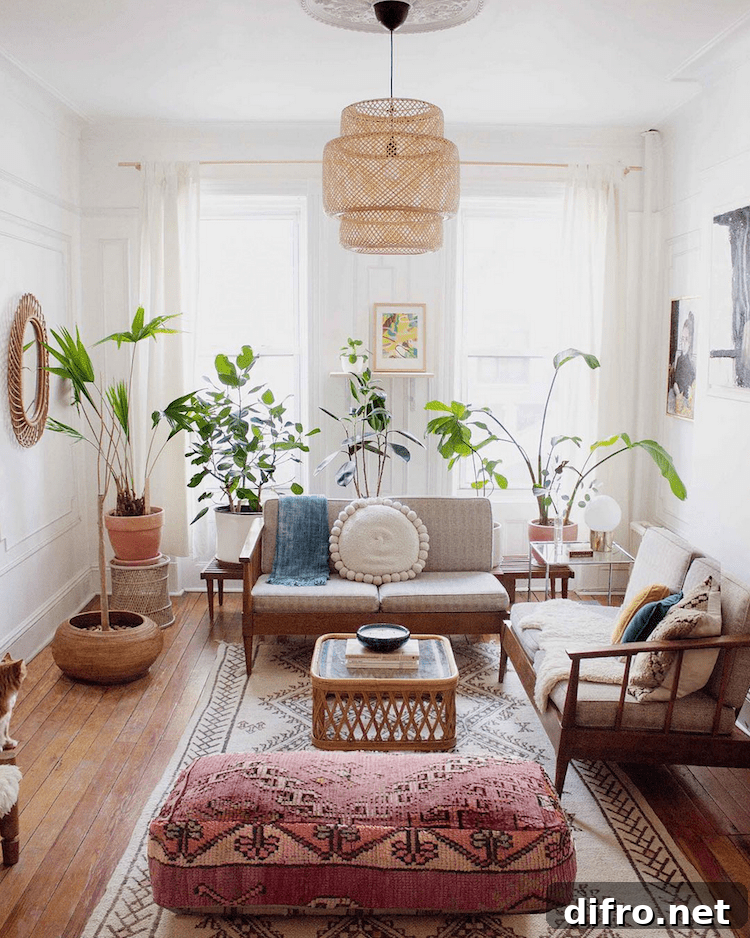
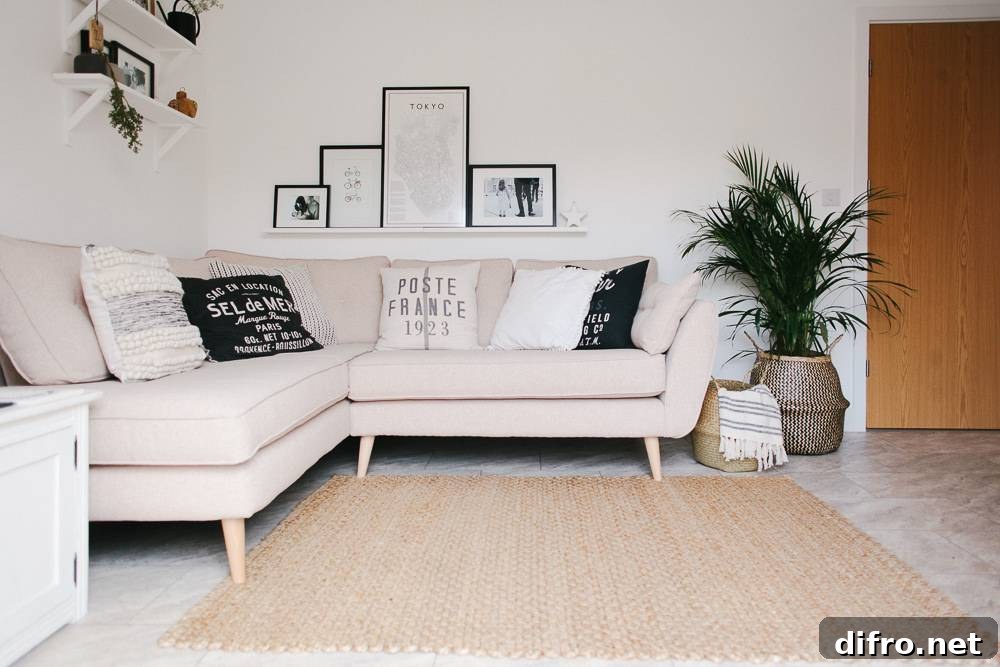
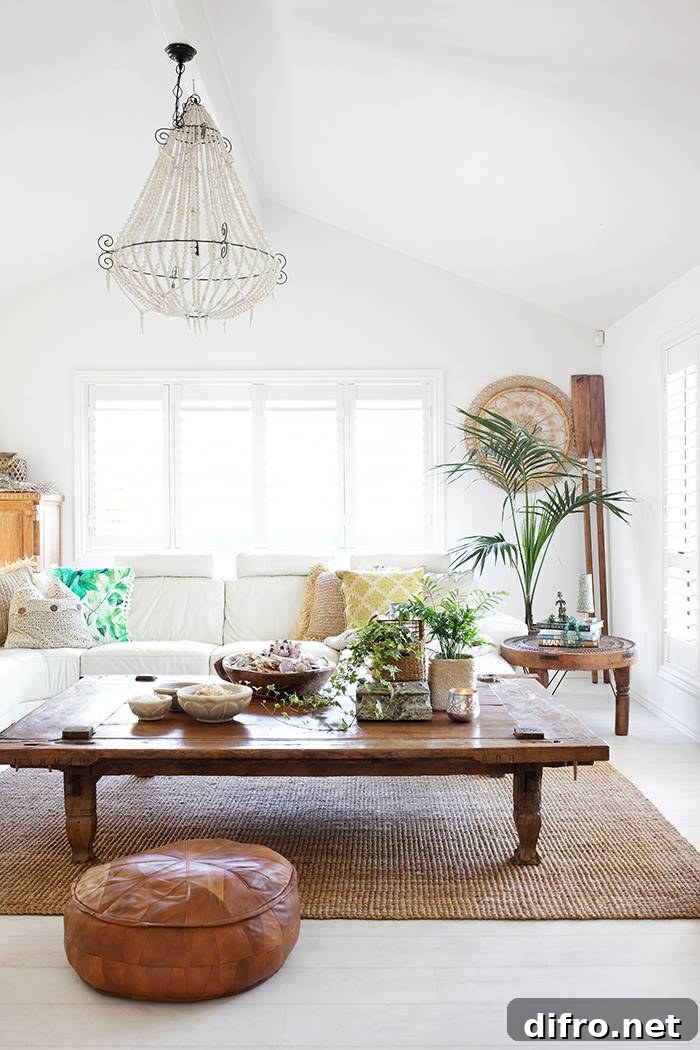
Mixing patterns is both an art and a craft. By narrowing your color palette, starting with neutrals, balancing scales, and including solid anchors, you can create layered interiors that feel purposeful rather than chaotic. Use the designer formula as a starting point, then experiment with confidence—patterns are a powerful tool to express personality and transform any room.