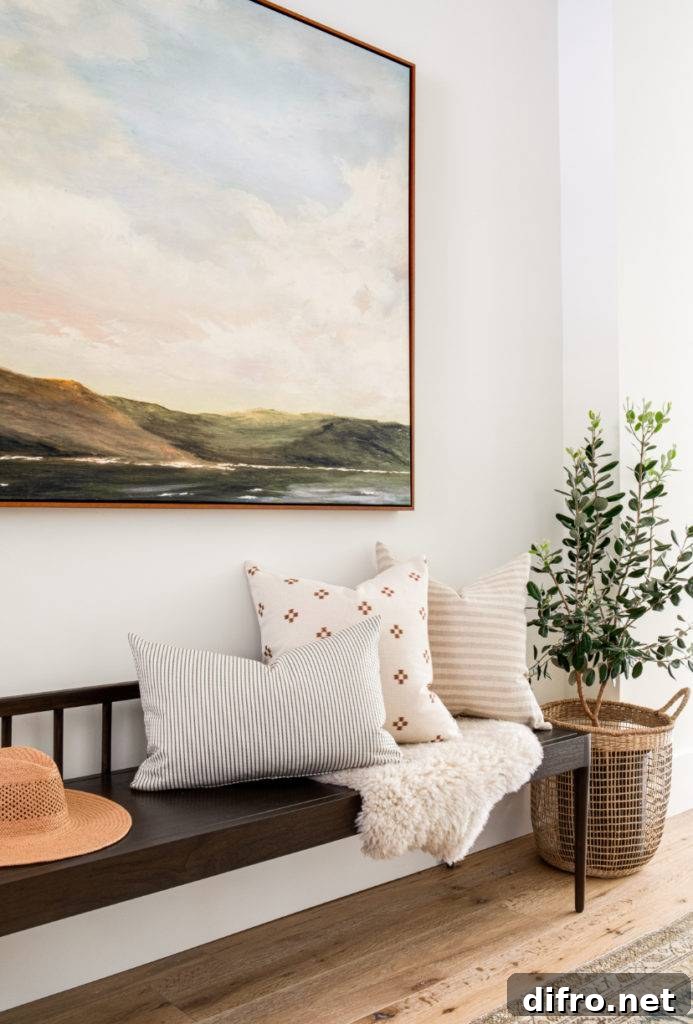
Does your home feel disjointed, as if each room belongs to a different house? A cohesive interior doesn’t mean every space must wear the same color or finish from end to end. Rather, cohesion comes from repeating a few consistent design threads so rooms relate to one another while still expressing their own personality. Below are professional, practical tips for creating a connected, thoughtful home that avoids a monotonous or overly matched look.
Determine your style
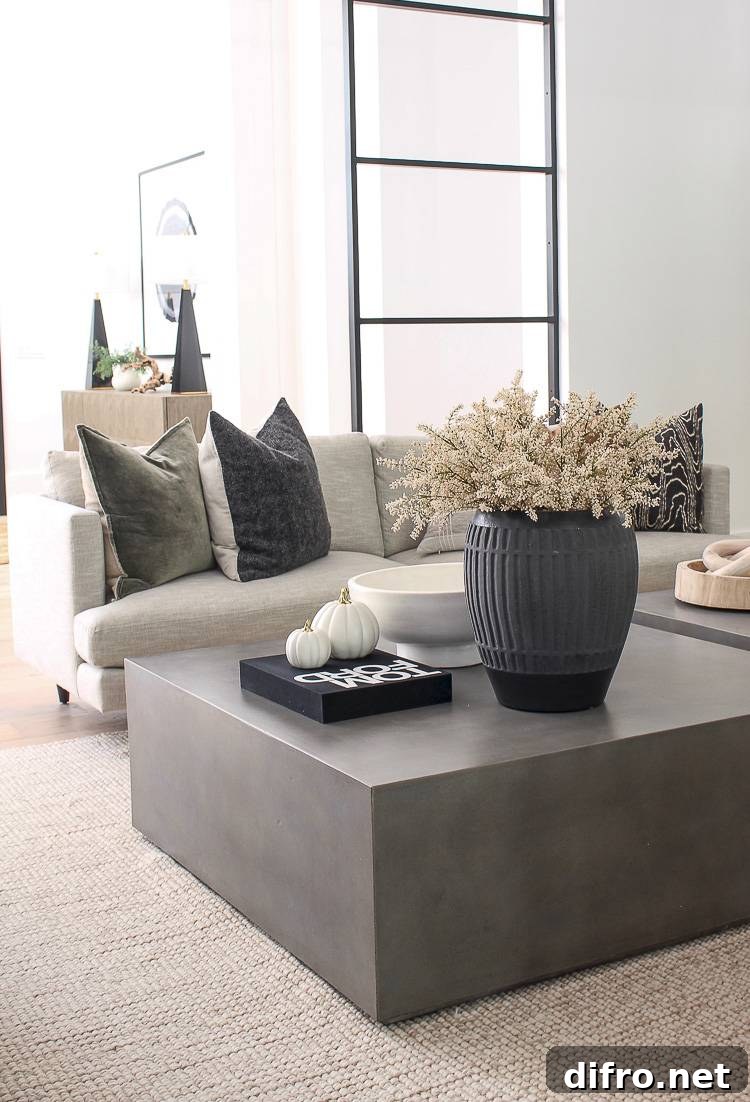
Start by identifying the interior style you prefer, then let that style guide decisions across rooms. Consistency of style—whether modern, traditional, rustic, mid-century, or transitional—creates an instant sense of harmony. Once your overall aesthetic is chosen, you can introduce variety through accents, finishes, and textures. For a contemporary home, prioritize glass, metal, and clean silhouettes. If mid-century modern appeals to you, consider warm wood tones, tapered legs, and streamlined forms repeated in different ways throughout the house. The key is a shared mood, not identical pieces in every room.
Use consistent flooring
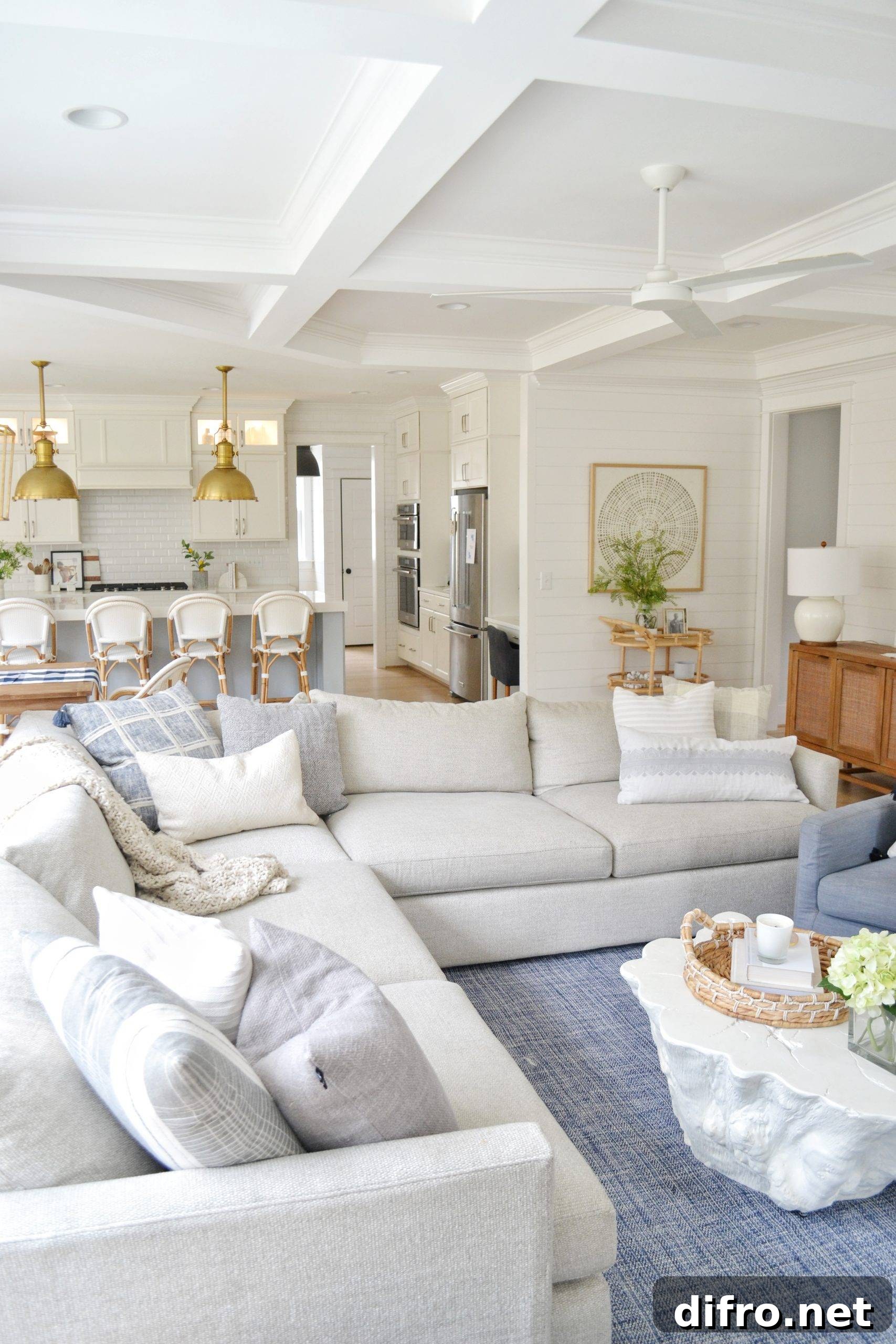
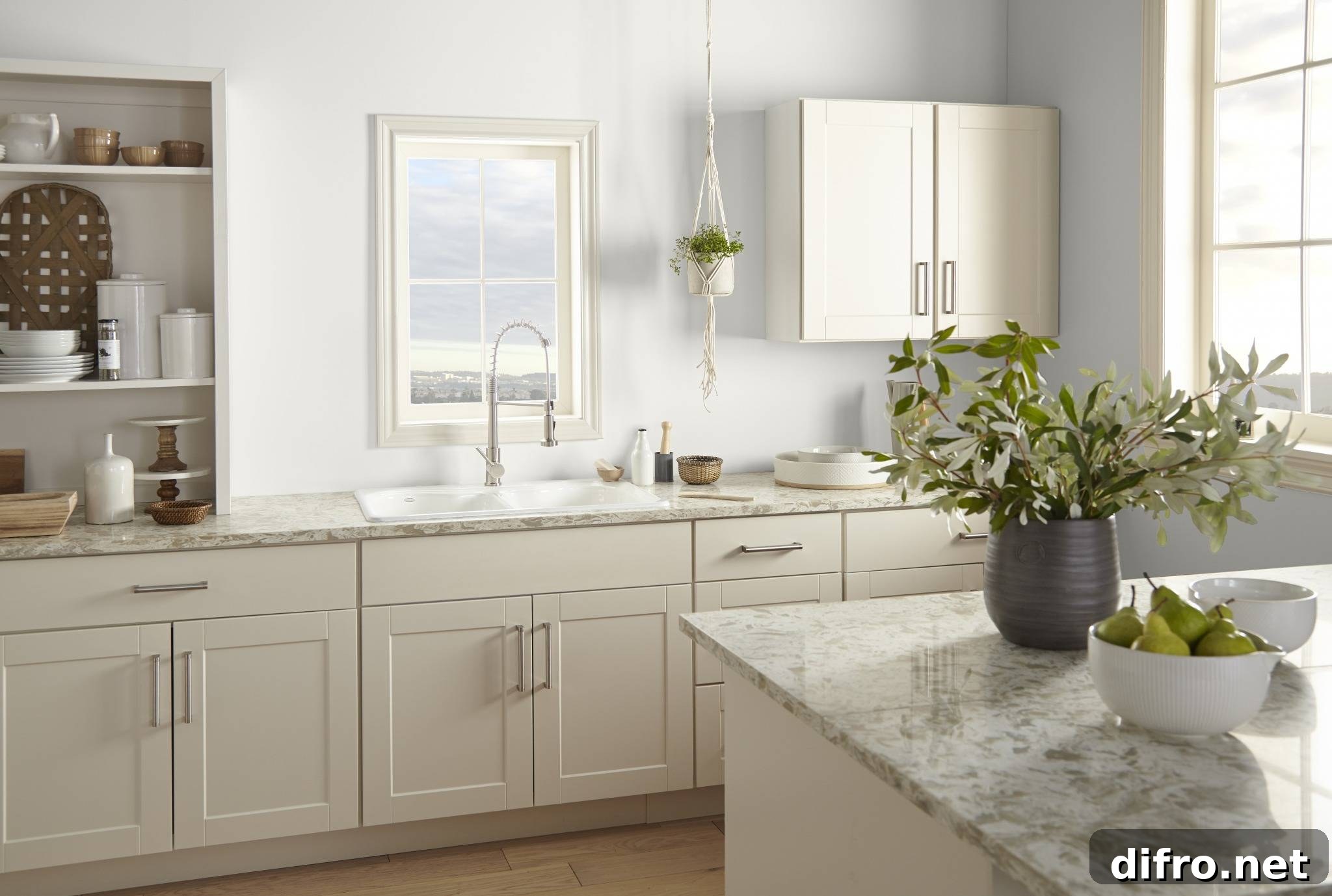
Flooring is a major visual anchor and one of the quickest ways to create flow. Using the same flooring material throughout open-plan areas and most rooms provides continuity and keeps sightlines calm. Exceptions like bathrooms, mudrooms, or utility spaces can have durable, water-resistant finishes such as tile. To define separate zones within the same floor—dining vs. living, for example—use area rugs that introduce color, pattern, and texture while preserving an overall consistent base.
Keep trim and architectural details uniform
Trim, baseboards, and door casings are subtle but powerful repeat elements. Choosing consistent trim profiles and paint treatment across rooms sets a cohesive architectural baseline that makes diverse furnishings and finishes read as part of the same home. Once the structural details match, you have freedom to vary wall colors, cabinetry styles, and textiles without the house feeling fragmented.
Create a deliberate color scheme
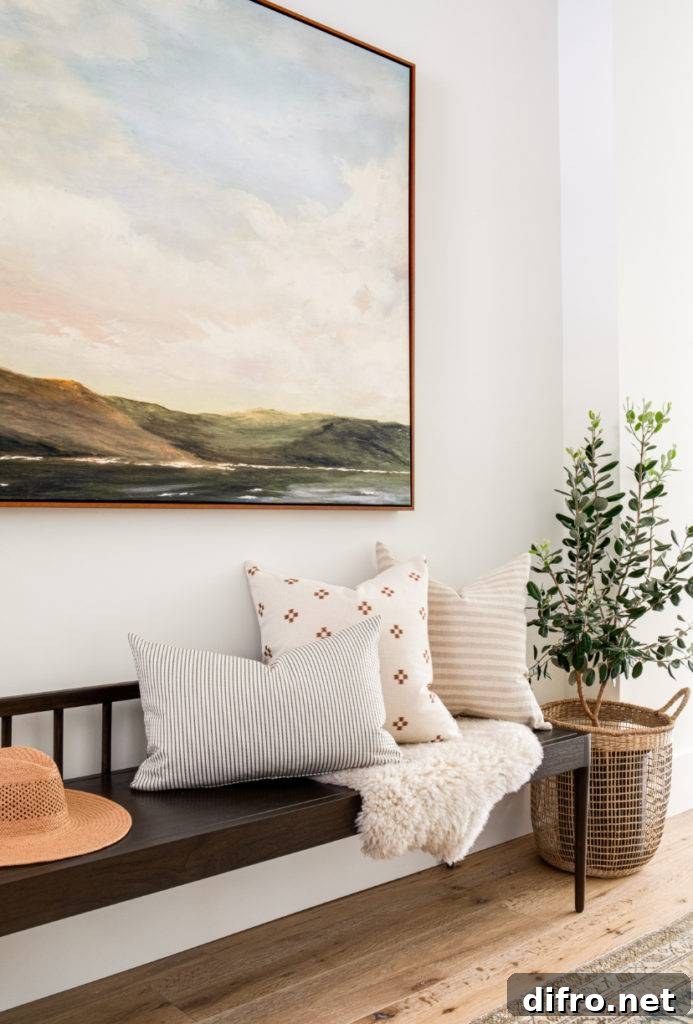
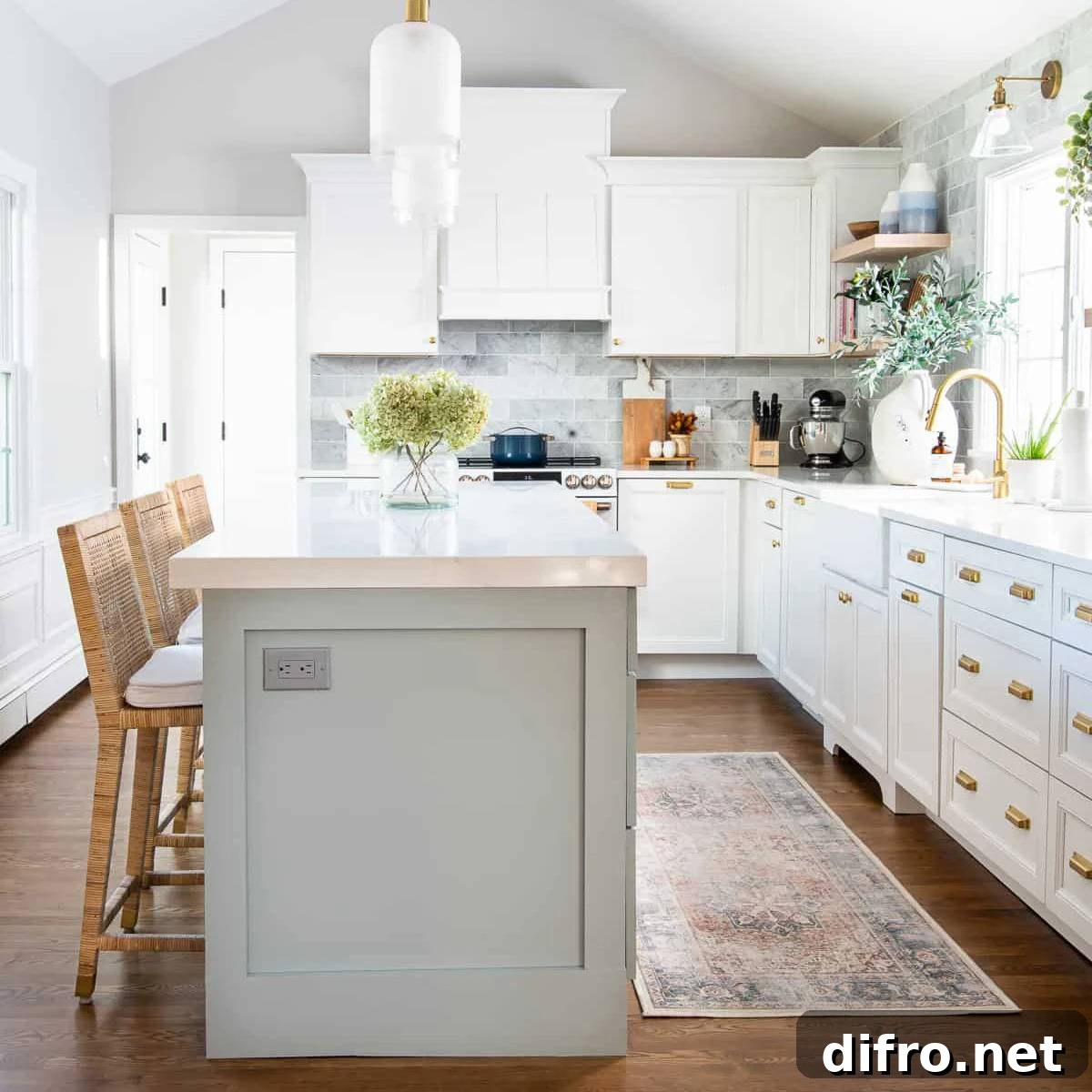
A curated color palette is one of the most effective tools for visual cohesion. Start with a neutral base for walls and large surfaces, then choose two or three accent colors to repeat in different ways across rooms—pillows in one space, a runner or lamp in another. Varying the intensity or scale of the accent colors keeps each room interesting: use a bold hue on an accent wall in one room and as a small accessory color in another. Introduce complementary patterns and textures that support your chosen style to enrich the scheme without making it feel uniform.
Mix-and-match furniture thoughtfully
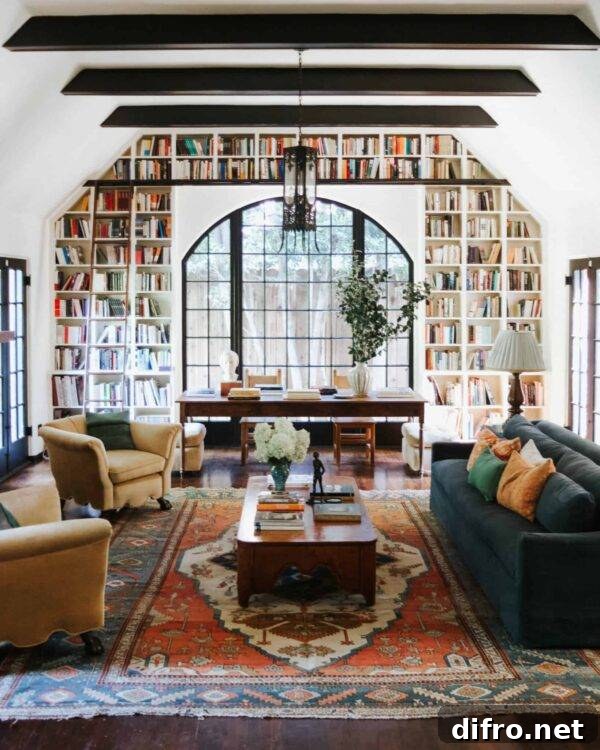
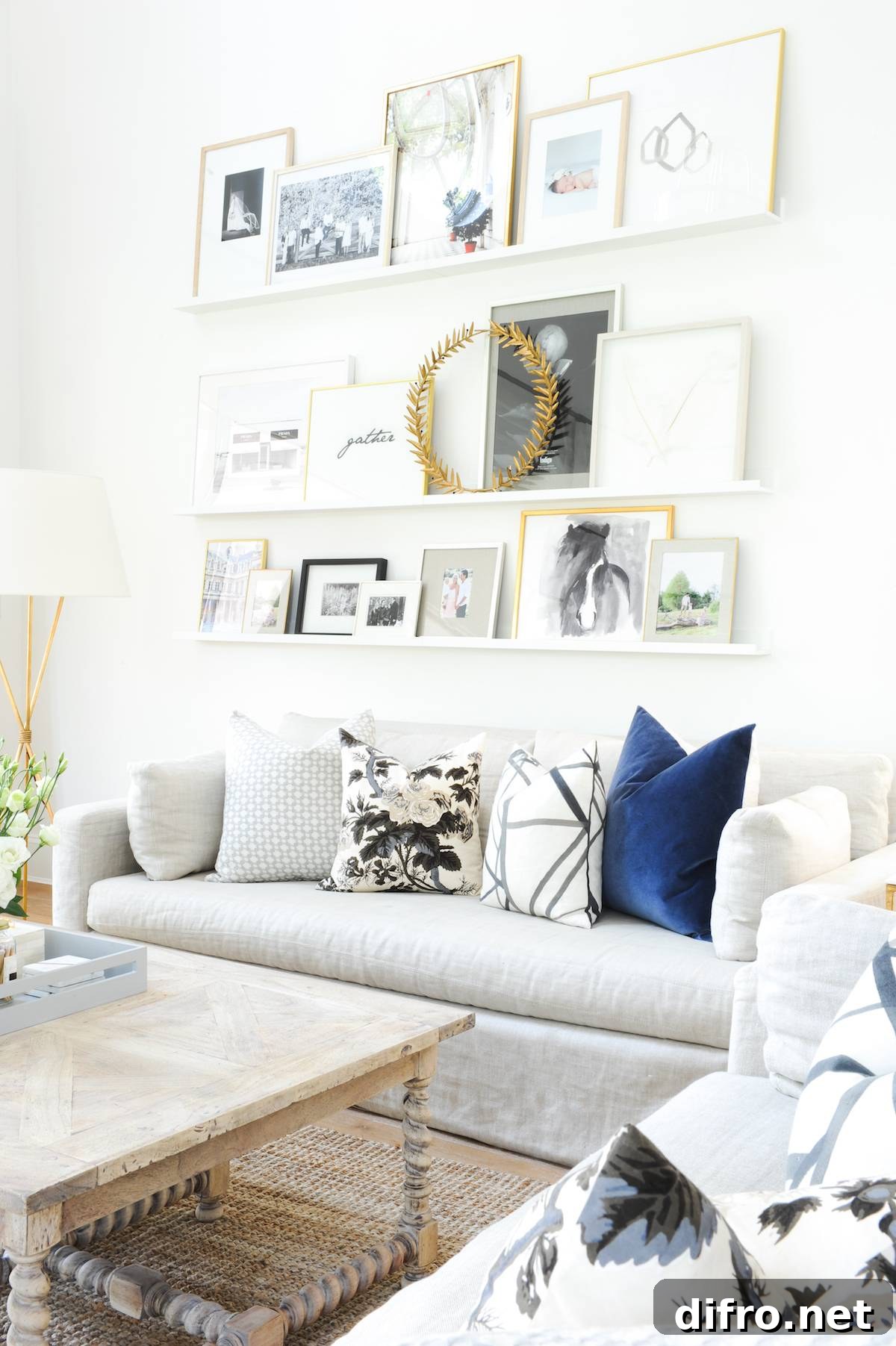
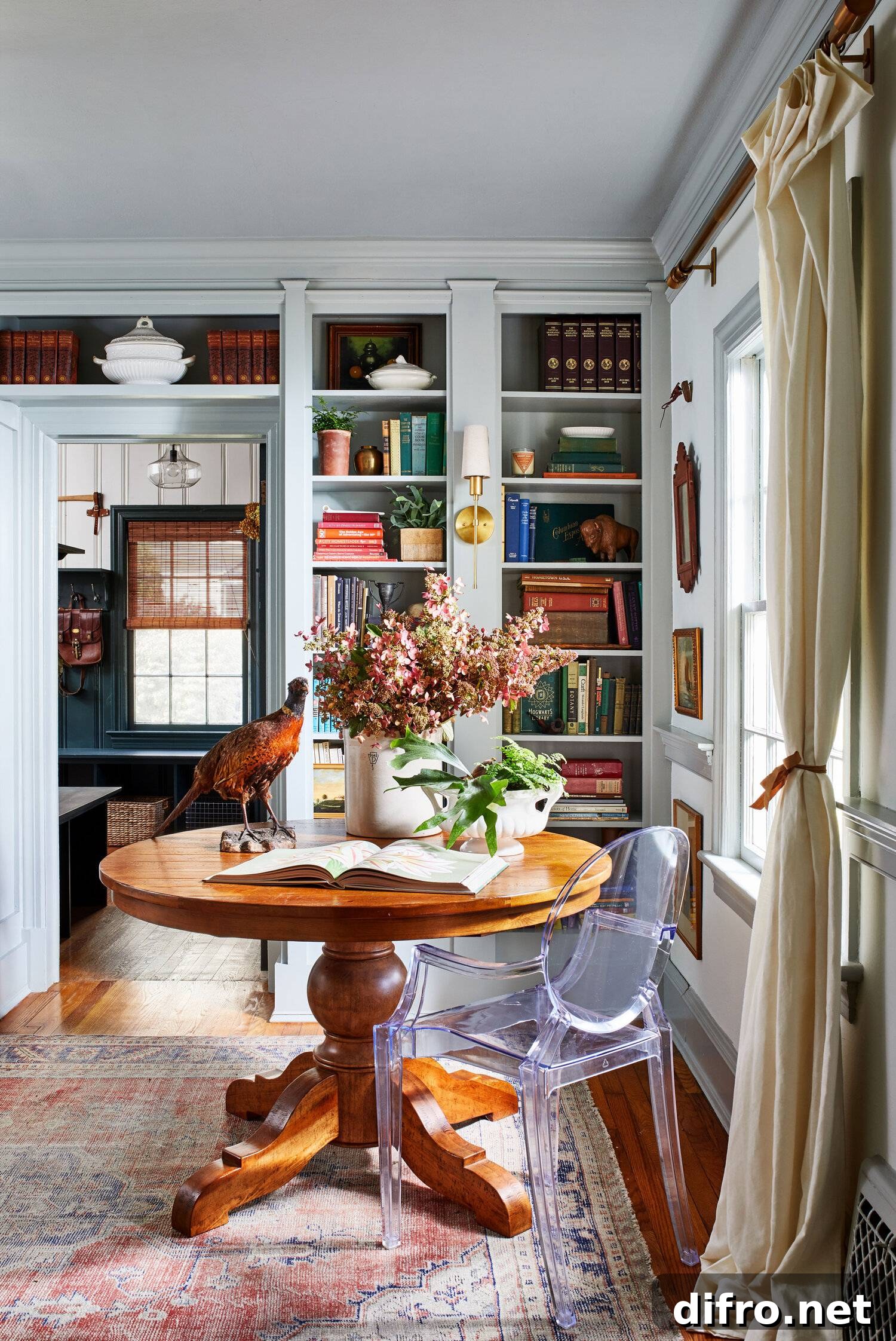
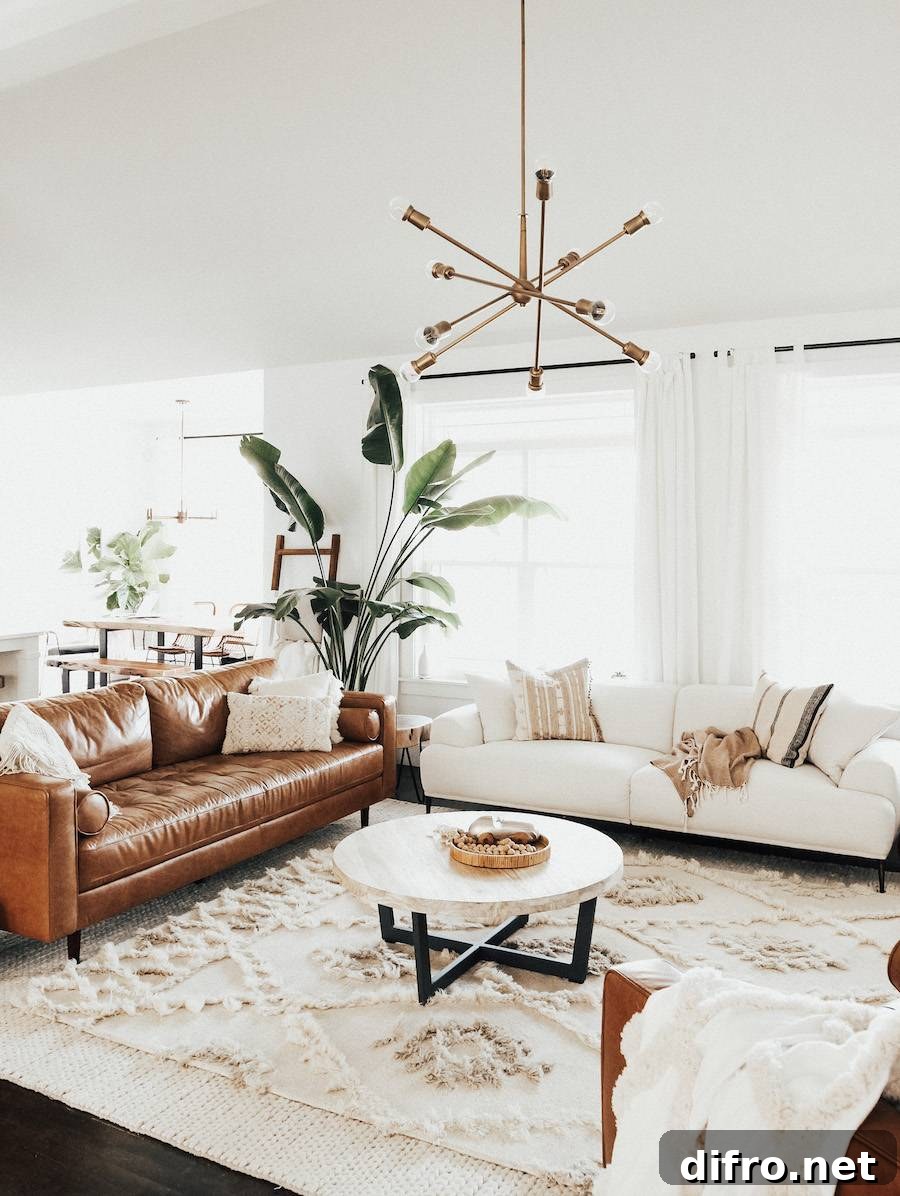
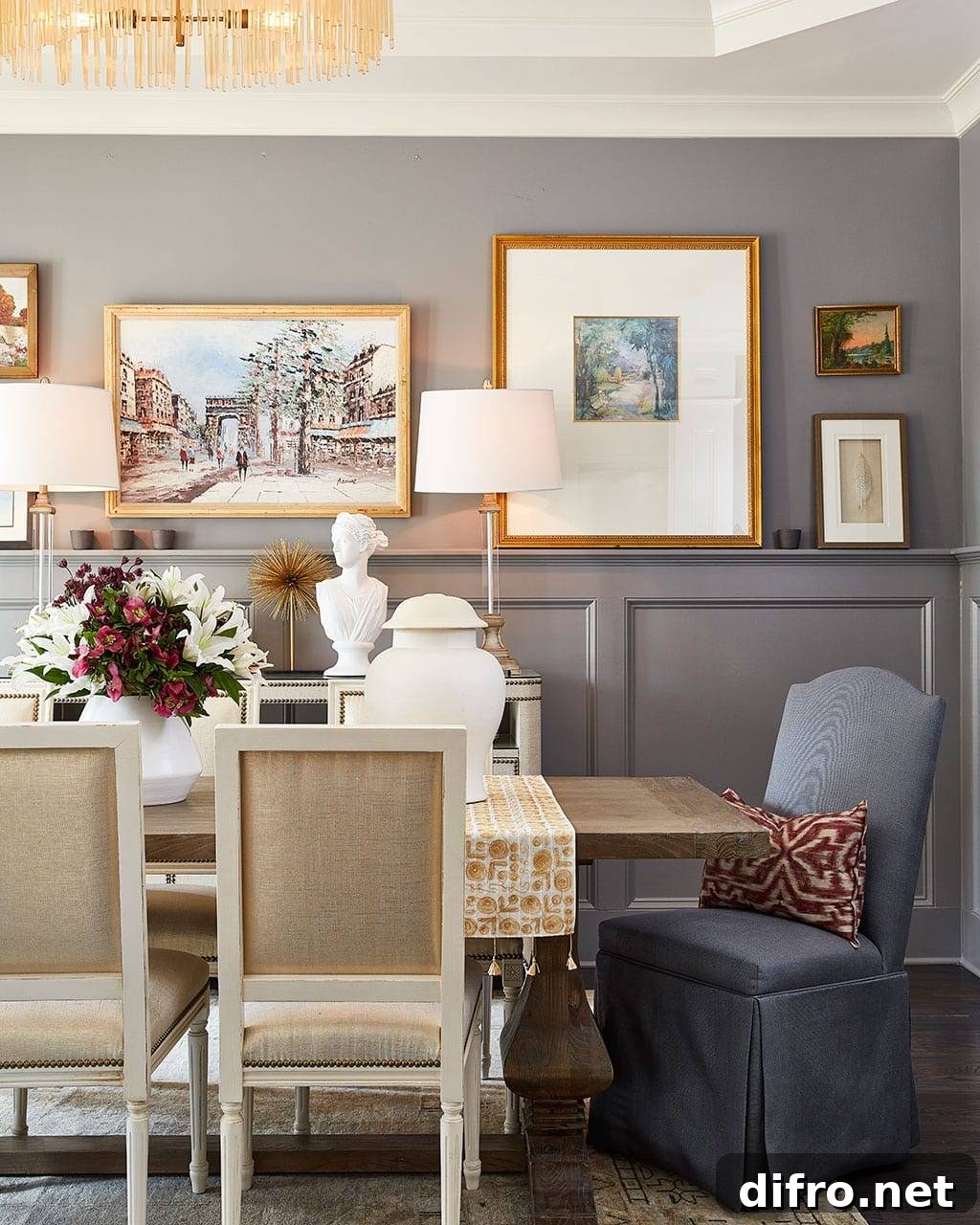
Matching furniture sets can feel dated and predictable. Instead, mix and match pieces that share at least one common element—similar wood tones, complementary finishes, aligned scale, or a repeating silhouette—to create depth and interest. Combining new pieces with antiques or secondhand finds produces a layered, curated look. If you prefer a calmer approach, keep the upholstery palette unified and vary shapes and materials. For a bolder result, contrast finishes—metal legs with warm wood tops, or a velvet sofa set against rattan chairs—while keeping scale and proportion balanced.
Final tips for a cohesive home
Think of your home as a collection of related chapters in a single story. Repeat a handful of elements—color accents, a wood tone, metal finishes, or a particular texture—so rooms feel like parts of the same narrative. At the same time, let individual spaces express different moods through scale, pattern, or focal pieces. Take time to edit: remove excess items that break the visual flow, and introduce accessories that subtly echo your core palette. With thoughtful repetition and intentional variation, your home will feel unified, welcoming, and distinctly yours.