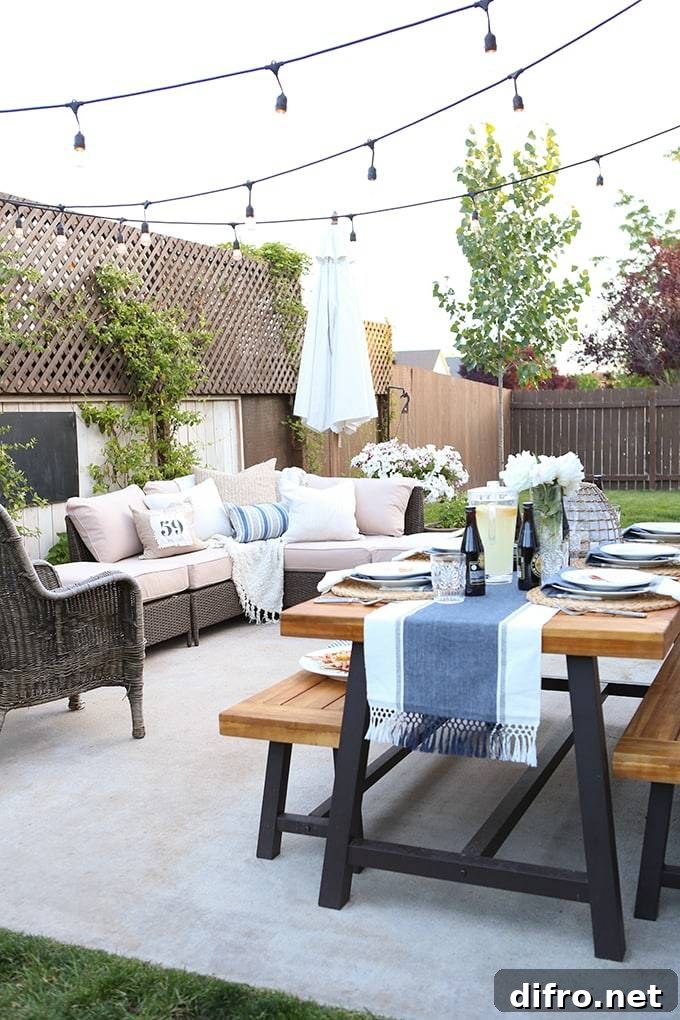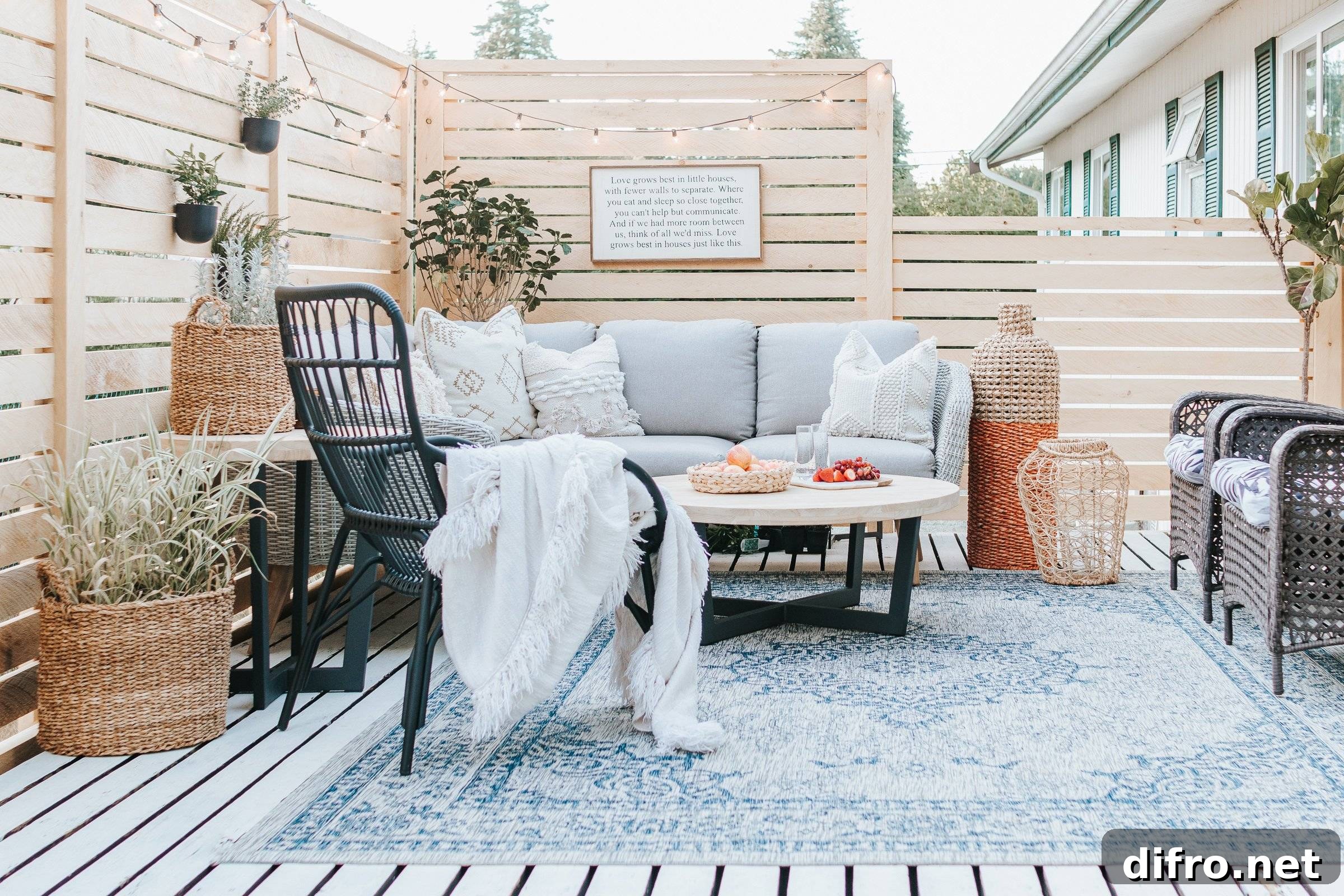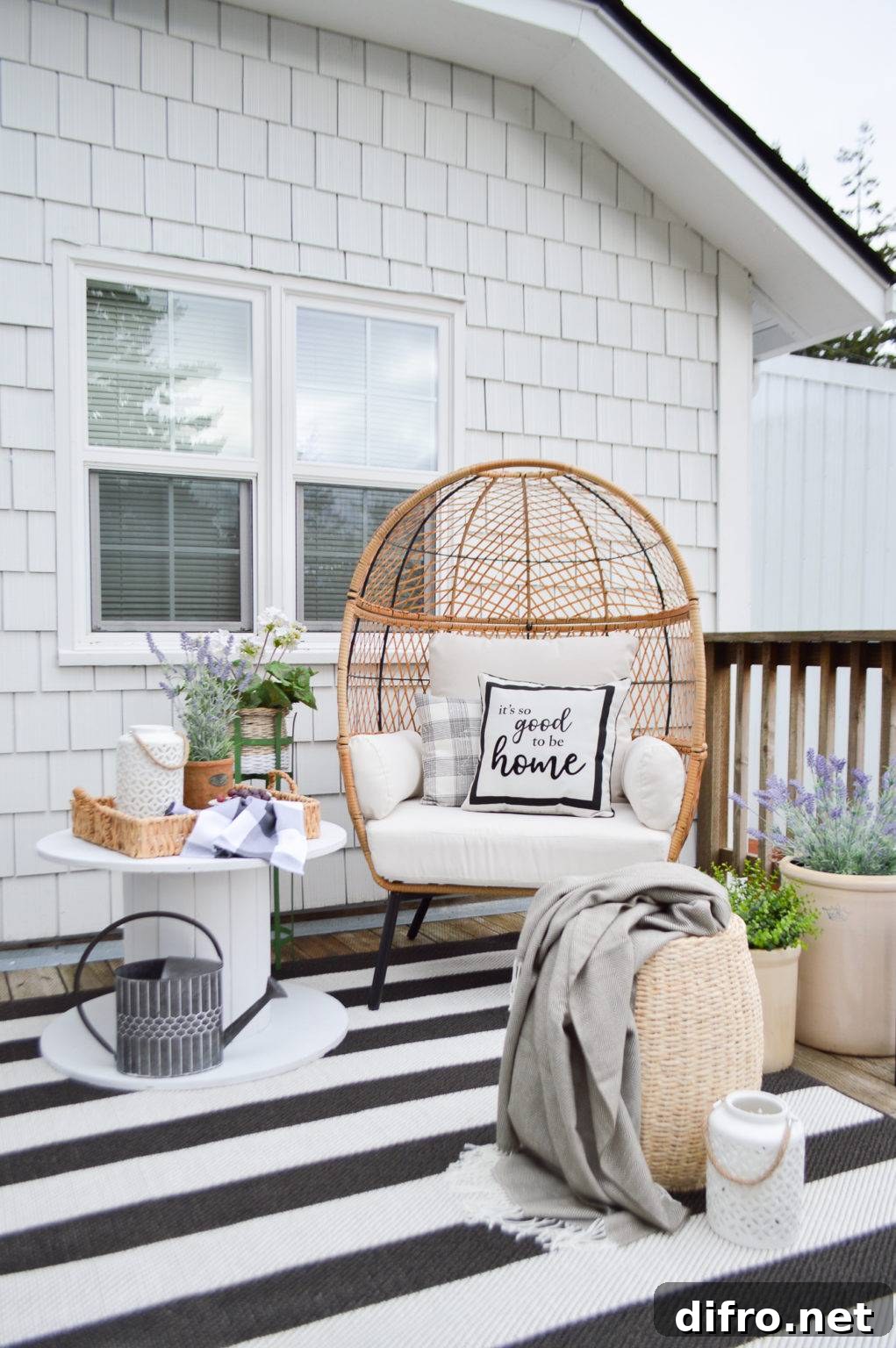
Do you want to transform your outdoor area into a relaxing oasis for entertaining and everyday family life? Choosing the right outdoor furniture is essential whether you plan to host guests frequently or create a seamless indoor-outdoor living space. With so many attractive patio sets available, it’s easy to feel overwhelmed. This guide offers practical tips to help you choose the best outdoor furniture for your patio, deck, or garden so you can find the perfect match for your needs, style, and budget.
Define your needs
Start by identifying how you intend to use the space. Some people want a cozy lounge zone for reading and quiet mornings, while others prioritize an al fresco dining area for family meals and entertaining. Consider the primary activities—dining, lounging, sunbathing, or socializing—and the number of people you typically accommodate. That clarity will guide choices for seating capacity, table size, and accessory pieces like side tables, benches, or a hammock.
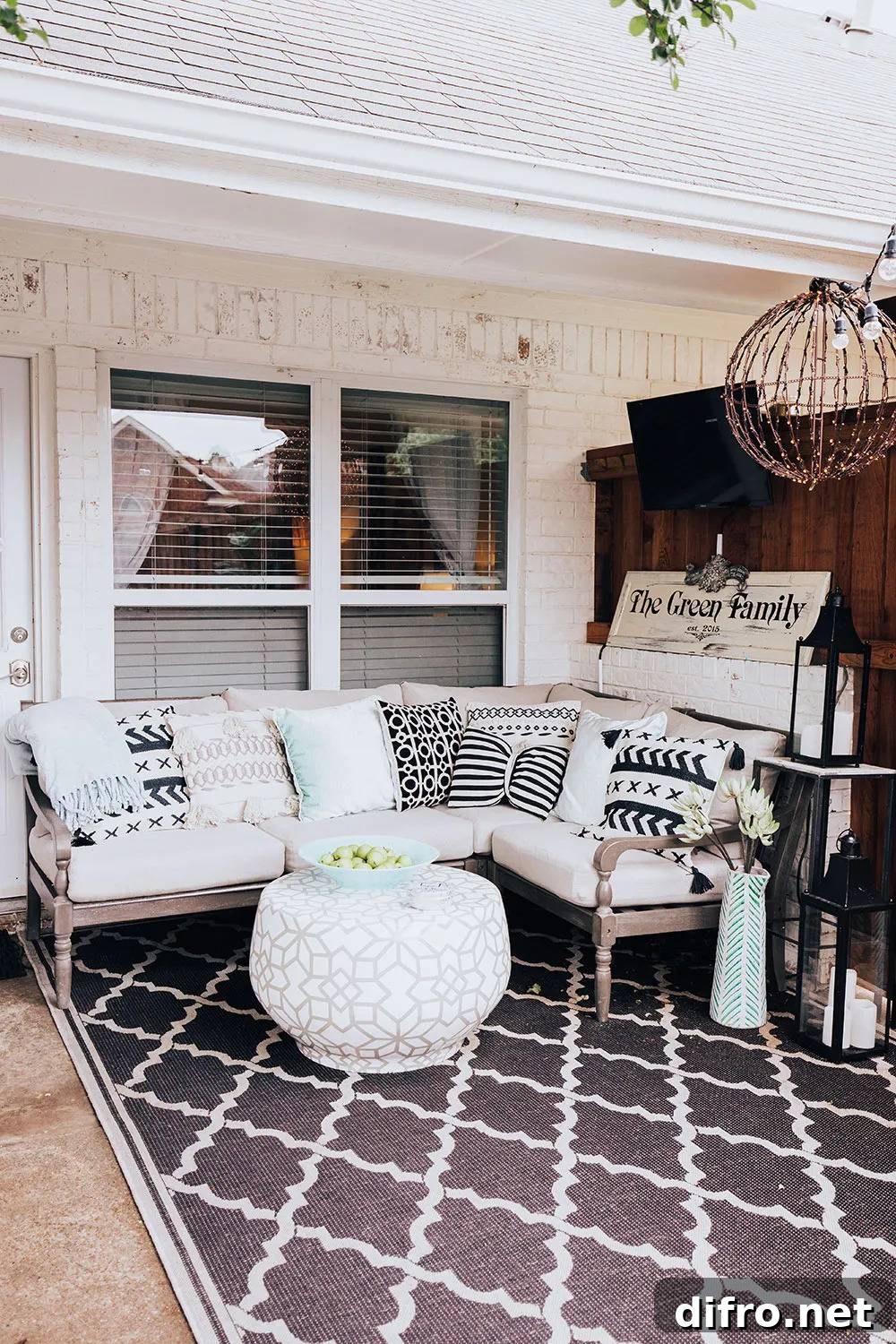
Measure the space
Accurate measurements are crucial. Measure the entire area where you plan to place furniture, and note door widths and walkways to ensure pieces fit and can be moved inside if needed. Allow adequate clearance around tables and chairs so people can move comfortably—leave space for chair backs to be pulled out and for a natural traffic flow. For small patios, compact bistro sets or foldable furniture can maximize function without crowding the area; larger patios can accommodate sectional sofas or extended dining tables.
Choose durable materials
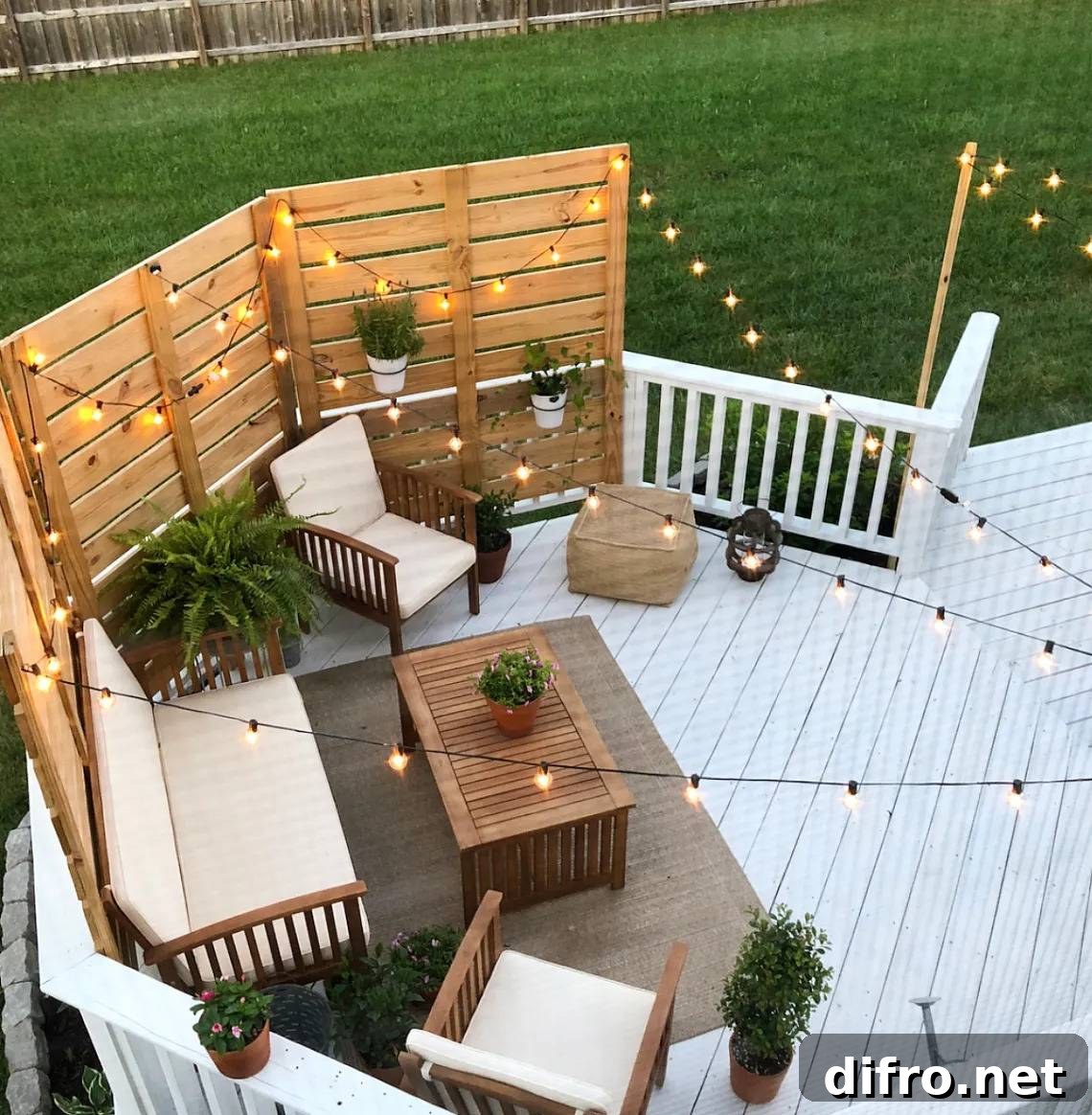
Outdoor furniture must withstand sun, rain, wind, and seasonal temperature changes. Investing in weather-resistant materials pays off over time. Common durable options include powder-coated metal, high-quality aluminum, synthetic wicker (resin), teak and cedar, and all-weather wicker over sturdy frames. Avoid low-cost plastics that can fade and become brittle with prolonged sun exposure. Also consider rust-resistant finishes, UV-protected fabrics, and easy-to-clean surfaces to reduce maintenance.
Think about maintenance requirements: teak develops a patina but can be oiled for a fresh look; aluminum is lightweight and rustproof; synthetic wicker holds up well in damp climates. Cushions and fabrics should be rated for outdoor use—look for quick-drying, mildew-resistant, and UV-stable materials to retain color and comfort.
Consider the style
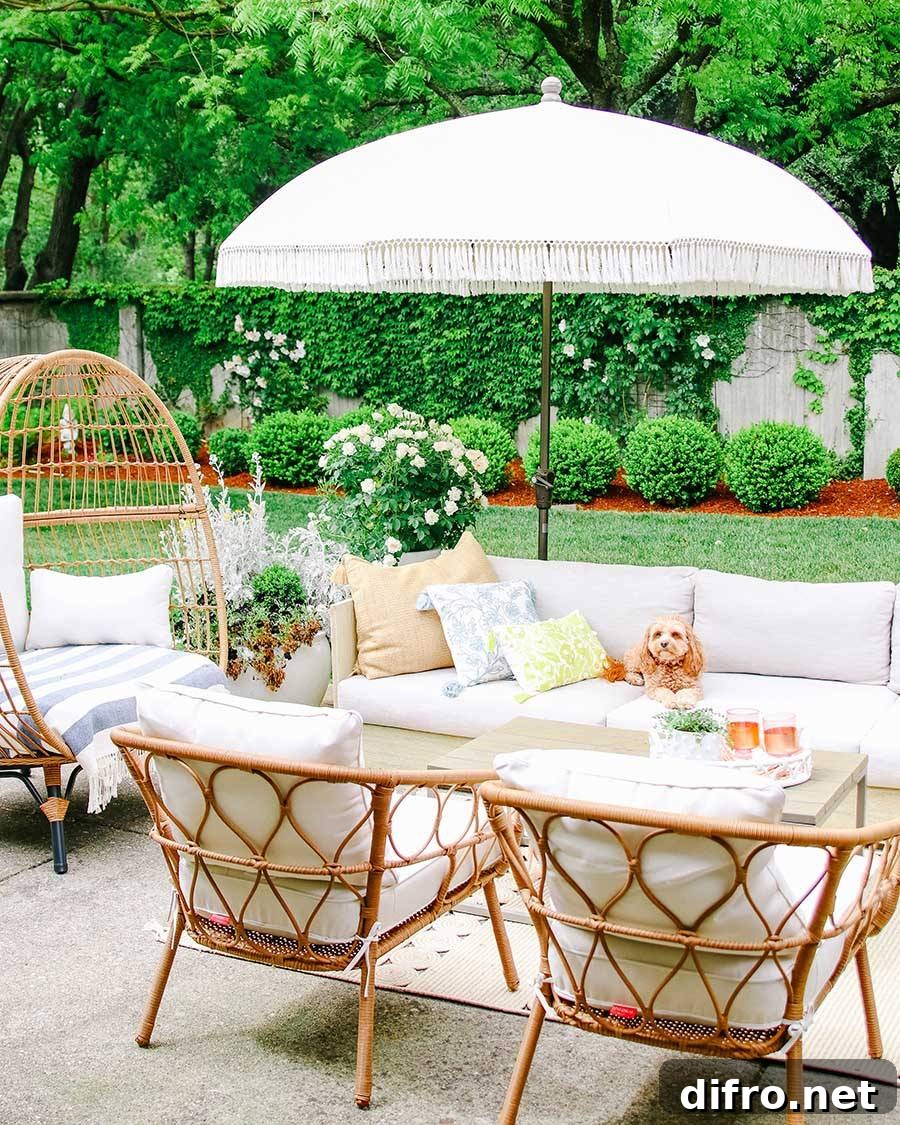
Your outdoor area should feel like a natural extension of your indoor home. Match furniture styles and color palettes to the existing aesthetic—modern metal frames suit contemporary homes, while wicker and natural wood pair well with cottage or coastal themes. Don’t be afraid to incorporate color: outdoor pillows, cushions, and rugs are simple ways to introduce accent tones and seasonal updates without committing to permanent finishes.
Budget and shopping tips
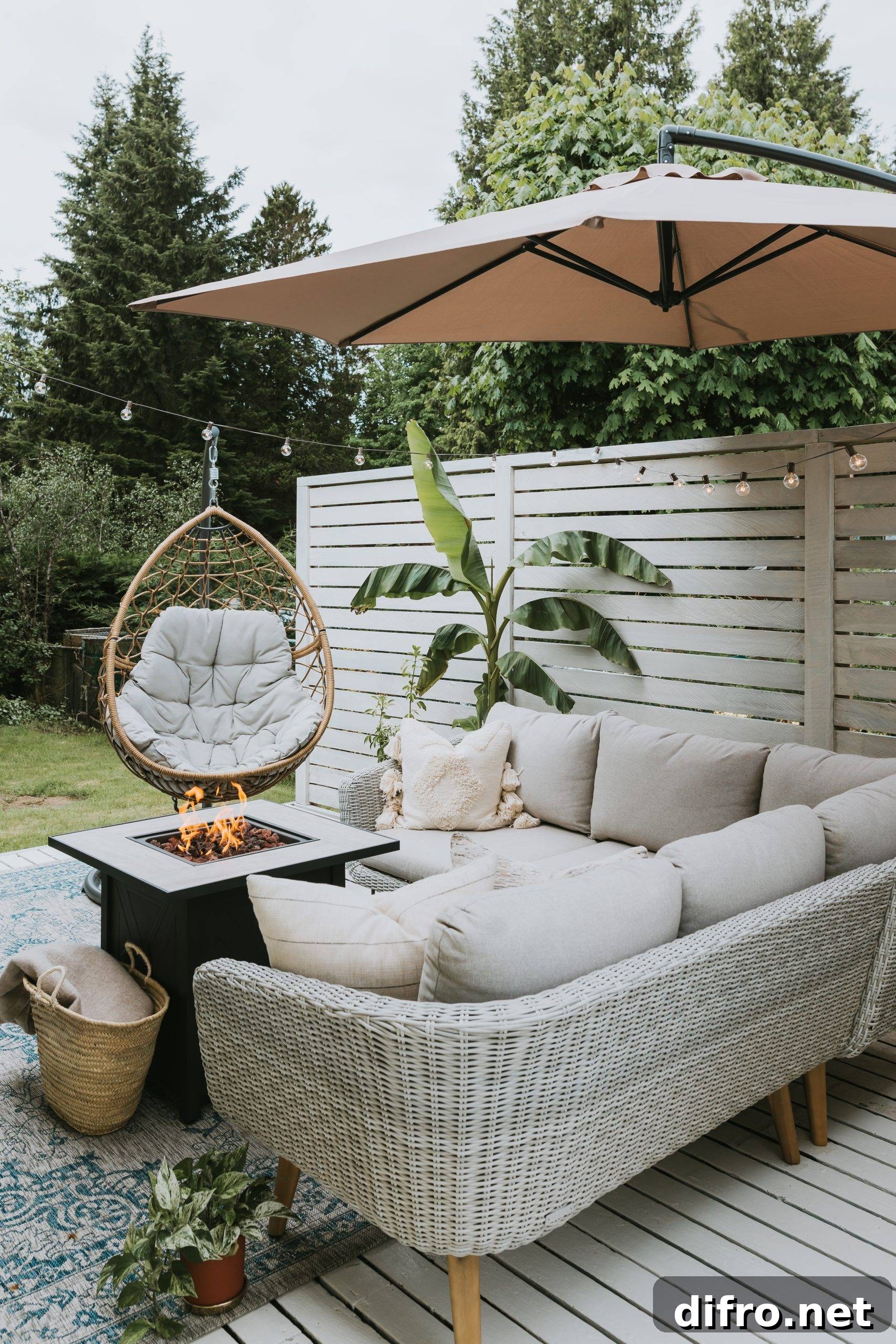
Set a realistic budget before shopping. Quality outdoor furniture can be an investment, but it lasts longer and looks better over time. If new sets exceed your budget, consider thrift stores, estate sales, or secondhand marketplaces—well-made pieces can be refreshed with paint, new cushions, or refinishing. Watch for seasonal sales, end-of-season clearance events, and local craftsmen who may offer competitive pricing for custom or refurbished items.
Prioritize double-purpose furniture
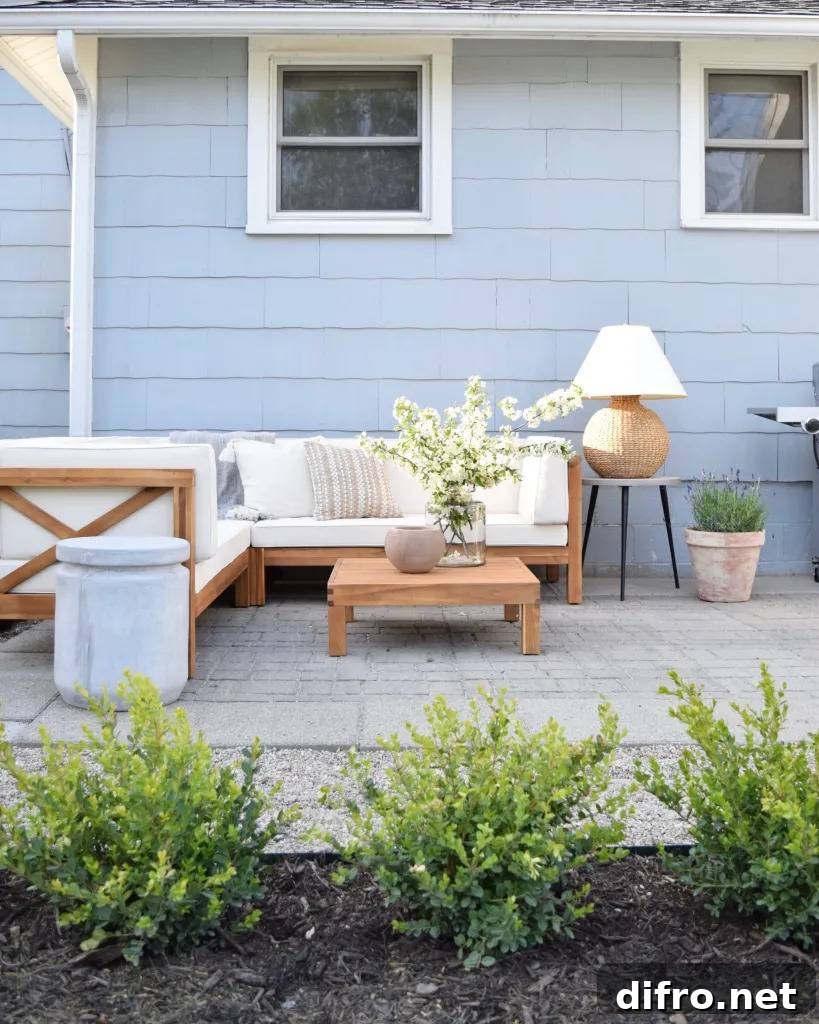
Choose multifunctional pieces to maximize value and flexibility. Storage benches and ottomans conceal cushions, pool toys, or blankets while providing extra seating. A bench can double as dining seating and a fire-pit perch; modular sofas can be rearranged for different events. Built-in storage under seating helps keep the patio tidy and reduces the need for extra cabinets or boxes.
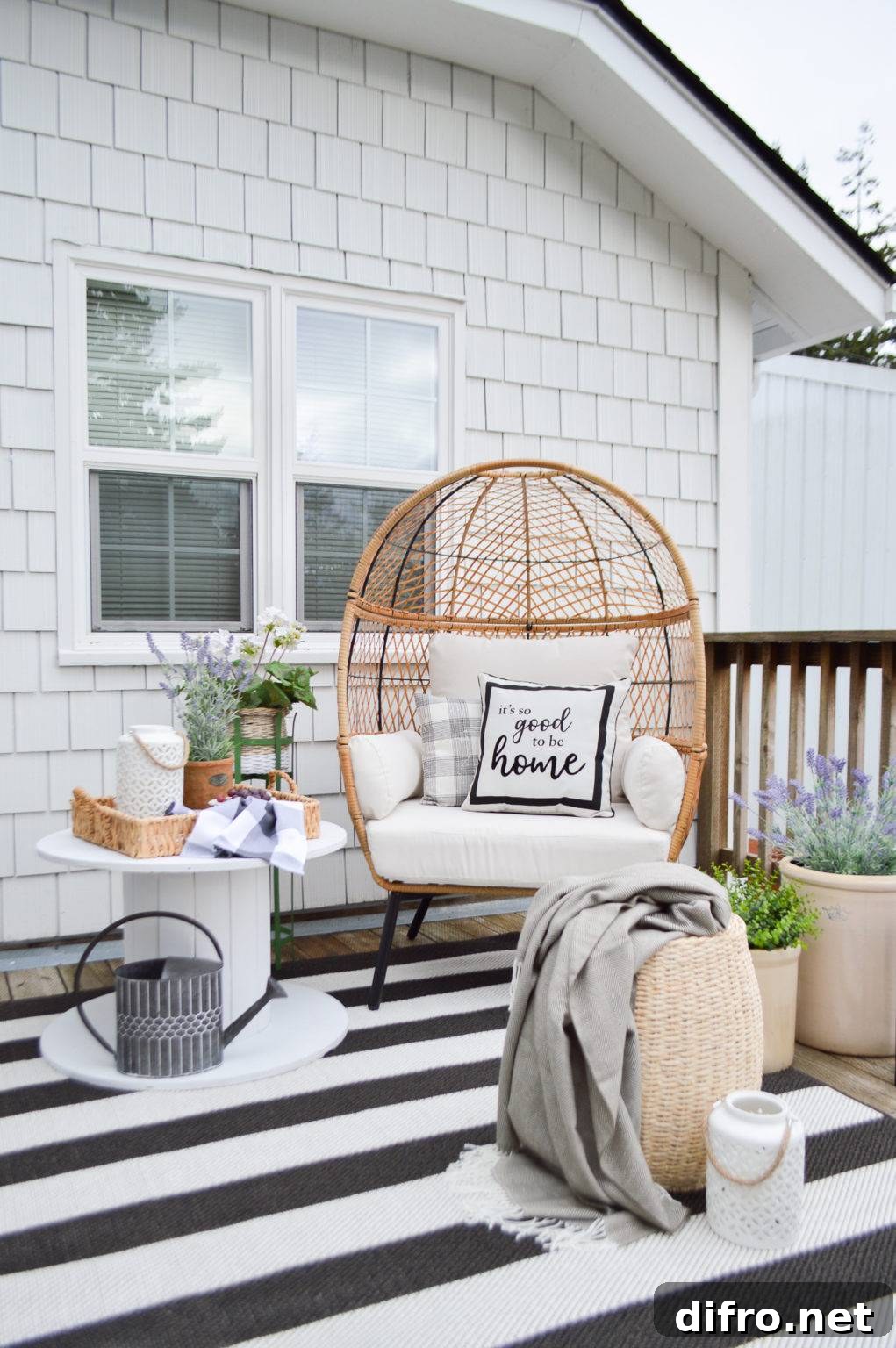
Layout, traffic flow and layering
Plan zones for different activities—dining, lounging, and play—and arrange furniture to support those uses while maintaining clear pathways. Anchor seating areas with outdoor rugs and side tables to create comfortable conversation clusters. Add layers with cushions, throws, planters, and lighting to make the space inviting at any hour. Consider shade elements like umbrellas or pergolas to increase comfort during sunny days.
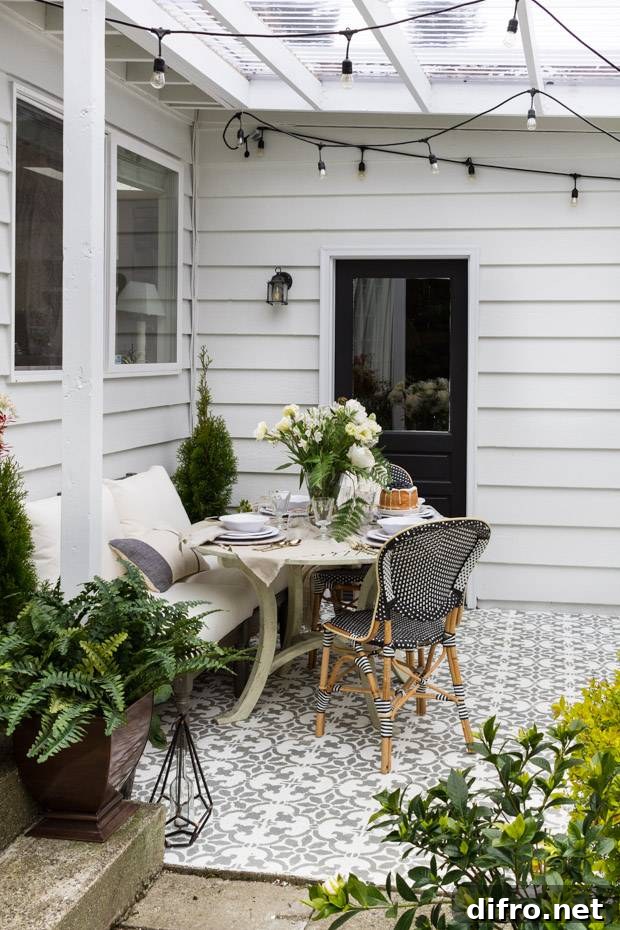
Maintenance and care
Extend the life of your outdoor furniture with simple care: clean frames and fabrics regularly, store cushions when not in use, and use covers for prolonged bad weather. Refinish wood every few years as needed and check hardware for rust or loosening. For winter climates, store lightweight pieces indoors or stack and cover them to prevent moisture damage.
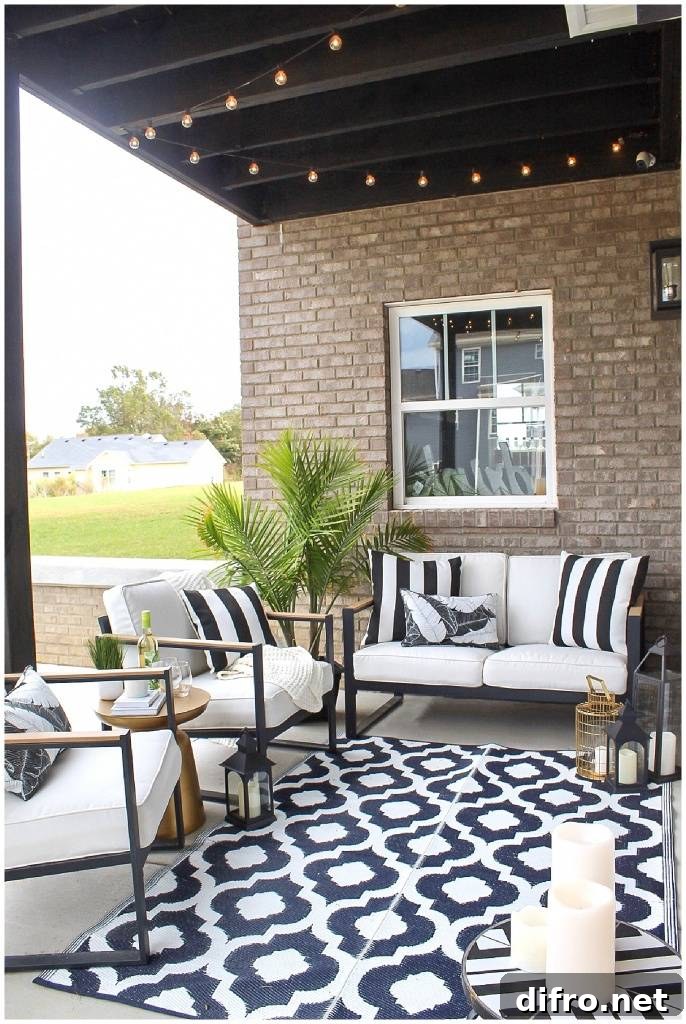
Final thoughts
Selecting the right outdoor furniture combines practical choices—durable materials, correct sizing, and smart budgeting—with personal style and comfort. Take measurements, prioritize multifunctional pieces, and invest in weather-resistant finishes and fabrics. With thoughtful selection and proper care, your outdoor furniture will create a welcoming, long-lasting space for relaxing and entertaining outdoors.