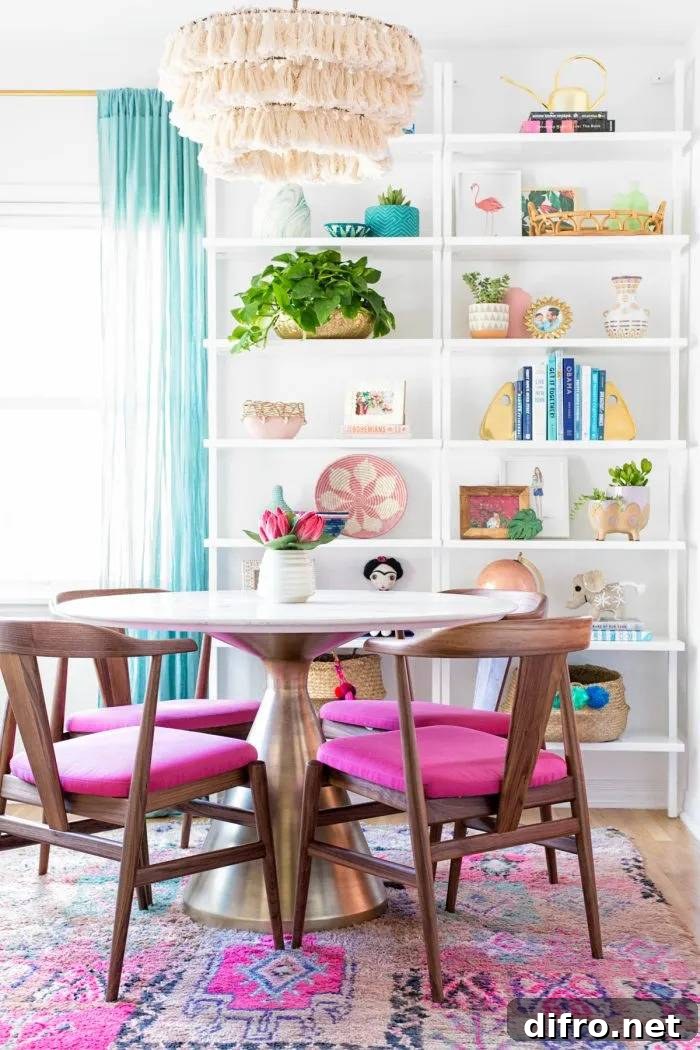
Color is a fundamental element of interior design that helps shape the atmosphere of a space. The shades you choose can encourage relaxation or stimulate activity, support creativity, and influence how people feel and behave in a room. Interior designers consider the function of each area and apply color strategically to achieve the desired mood and balance.
Color psychology explores how hues affect emotions, cognition, and creativity. Below is a practical guide to common colors and how they tend to impact mood and use in home interiors—useful information when planning paint, furniture, or accent choices.
Red
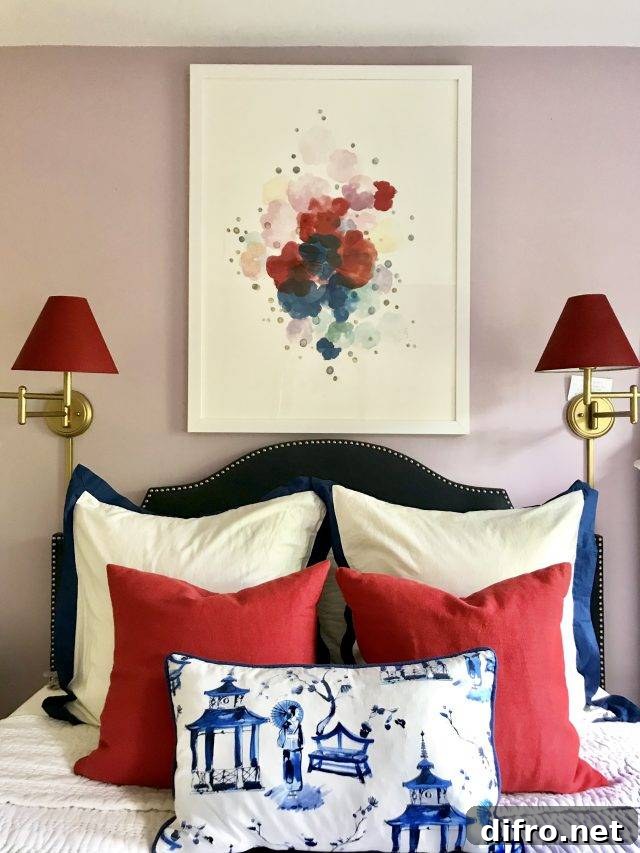
Red is a powerful, passionate color that draws attention and adds energy to a room. As an accent in living spaces, red encourages conversation and social connection. In bedrooms, red can create a warm, romantic atmosphere. For home offices, a vibrant red can boost alertness and motivation. Because red is highly stimulating, it works best when used in moderation—pair it with softer neutrals to avoid overwhelming the senses.
Brown
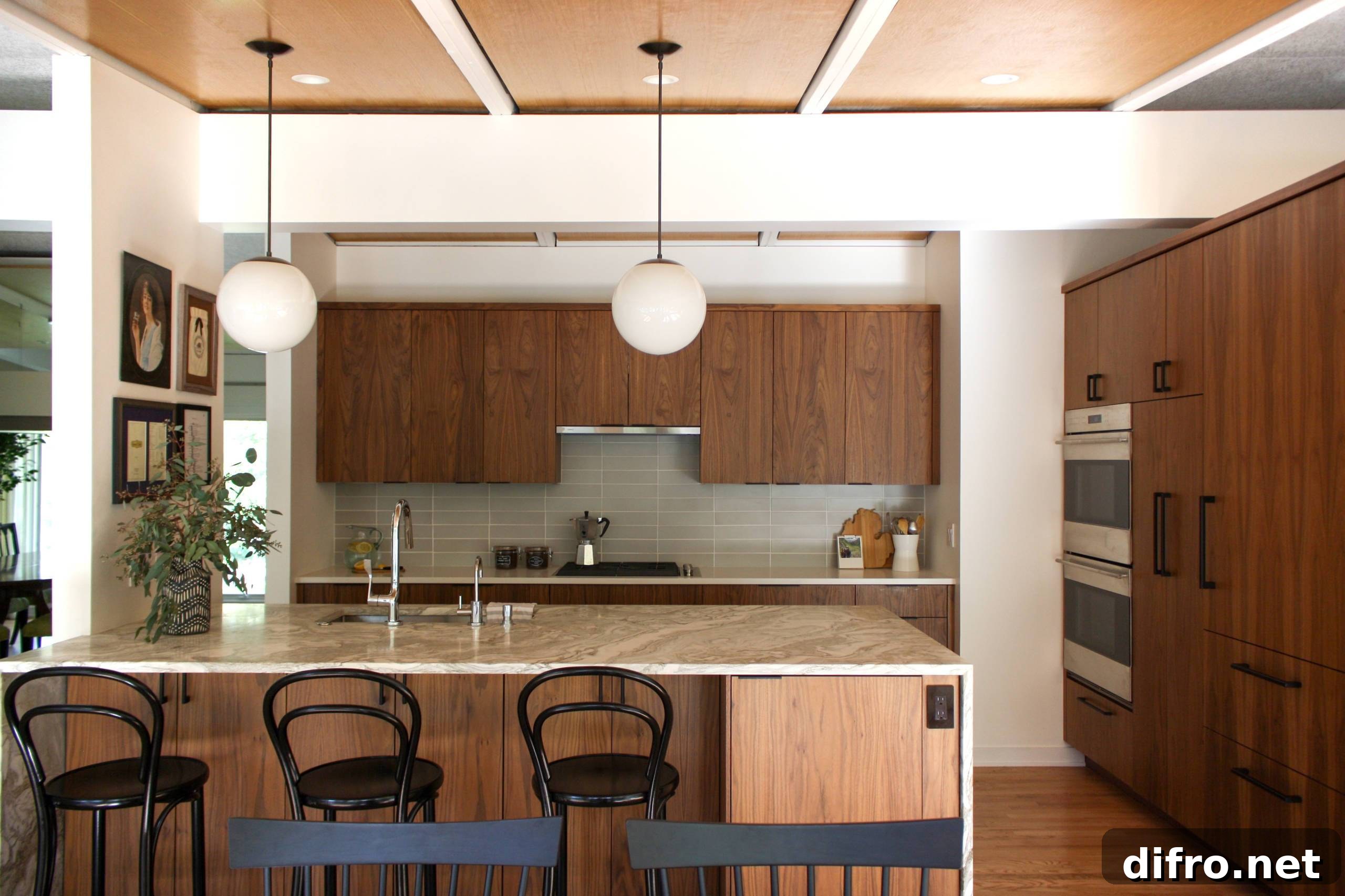
Brown and warm earth tones create a sense of comfort and stability, often making rooms feel cozy and grounded. These hues work especially well in rustic, traditional, or nature-inspired interiors. While brown promotes relaxation and a welcoming feel, extensive use of darker brown shades may reduce visual energy and motivation. In areas where activity or productivity is important, introduce lighter accents—such as greens, blues, or warm metallics—to maintain balance.
Orange
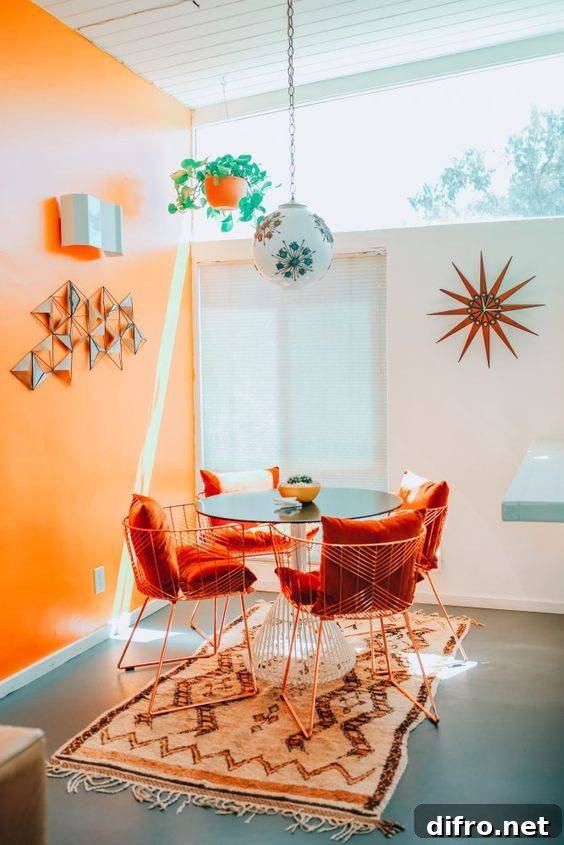
Orange is a lively, friendly color that encourages creativity and social interaction. Its warmth makes it a good choice for living areas and bathrooms where a cheerful, welcoming tone is desired. Orange is also known to stimulate appetite, so it can be used effectively in kitchens or dining spaces. For long-lasting comfort, balance bold oranges with neutral tones or softer accent shades to avoid overstimulation.
Green
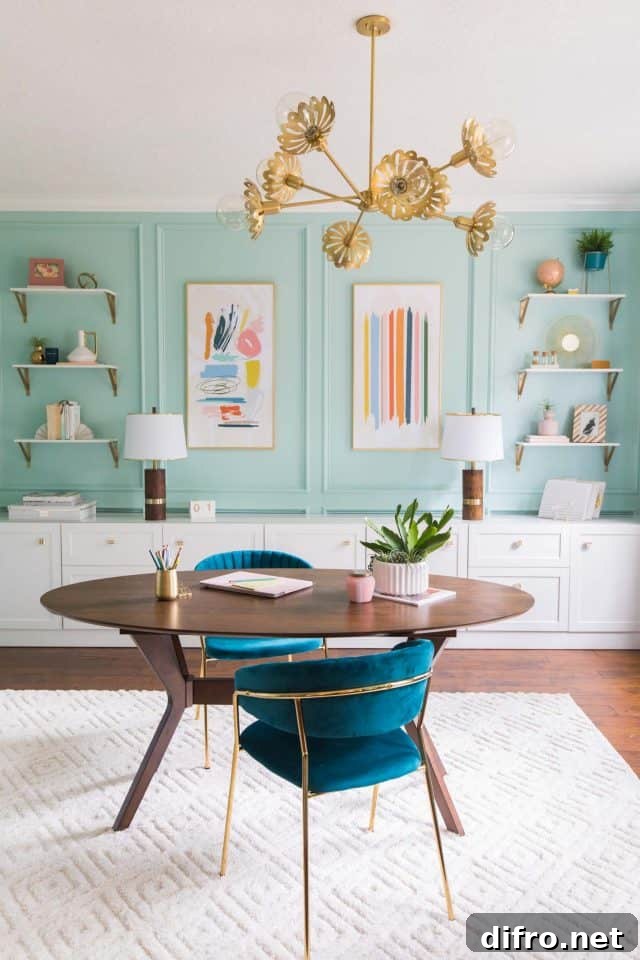
Green evokes nature and brings a calming, restorative quality to interior spaces. It is associated with balance, renewal, and safety, and many people find green hues soothing—useful in bedrooms, living rooms, and home offices. Lighter greens echo outdoor settings and foster a peaceful feeling, while richer, darker greens can convey depth and sophistication. As with any color, context matters: pair green with natural materials and warm neutrals for a harmonious result.
Yellow
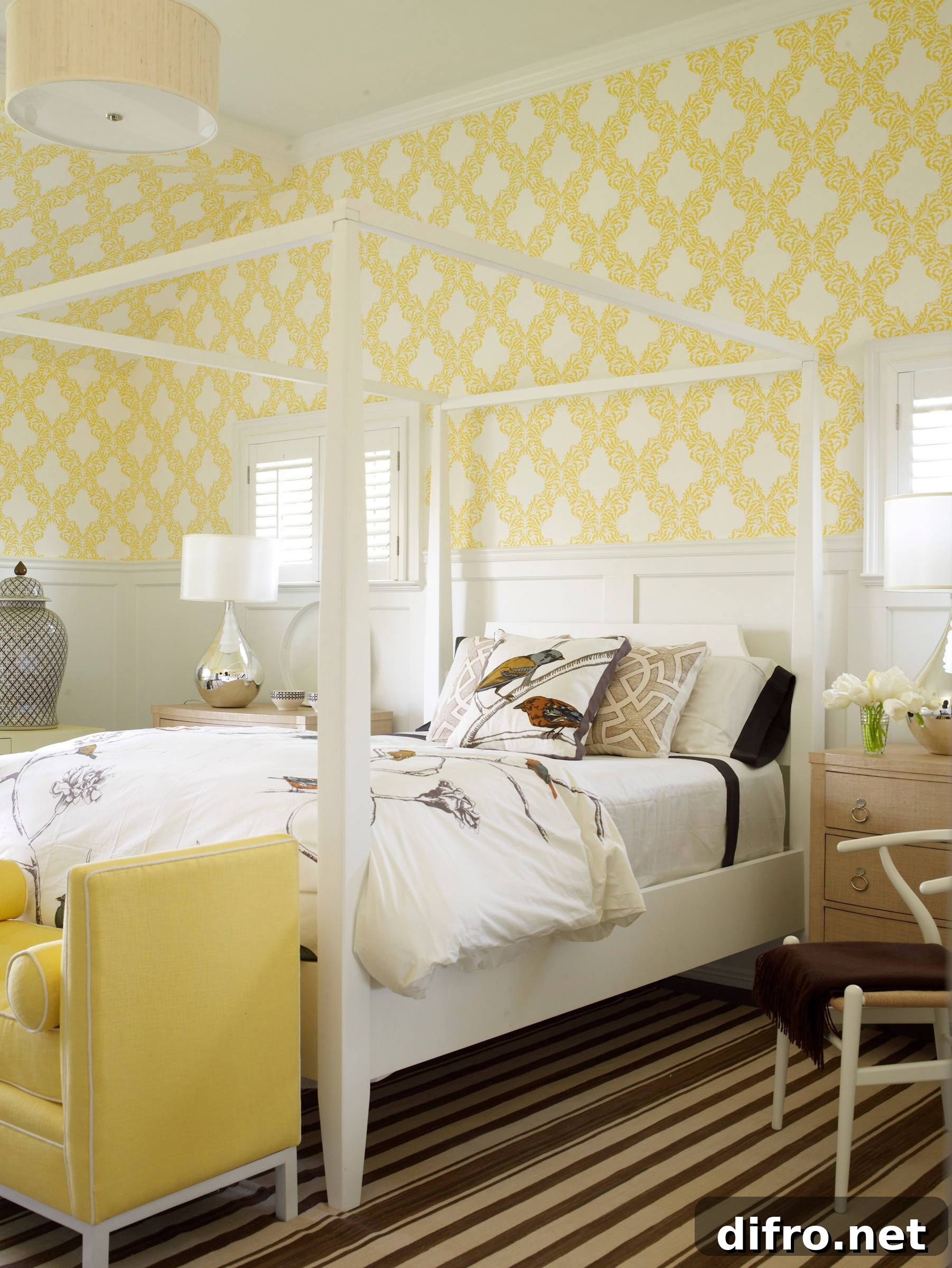
Yellow brings an uplifting, sunny quality to interiors and is often used to inject optimism and warmth. It works well in entryways, kitchens, dining rooms, and living areas where a bright, welcoming tone is helpful. Keep in mind that very intense yellows can be overstimulating; selecting softer, muted shades will preserve the cheerful effect without causing visual fatigue.
Blue
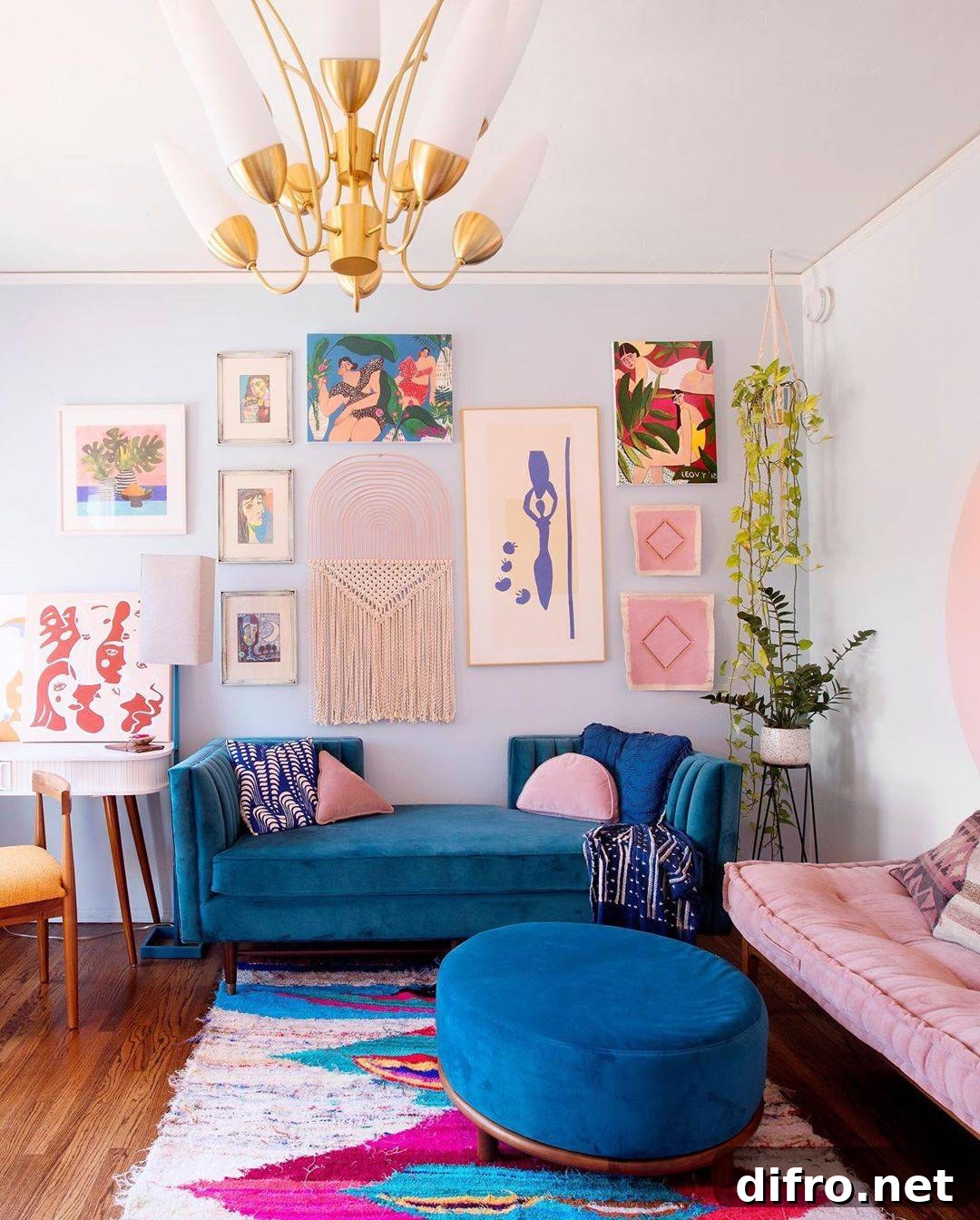
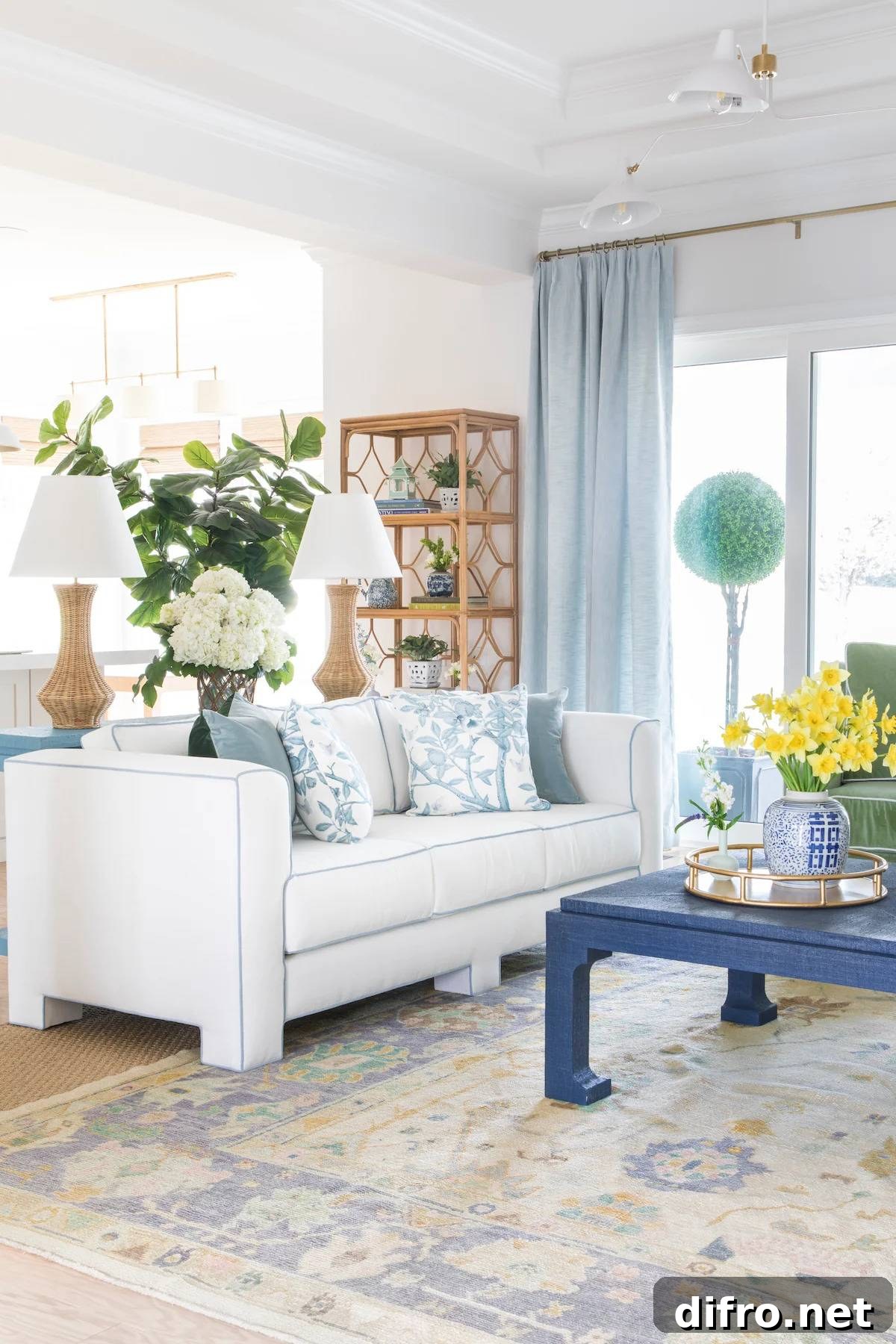
Blue is widely recognized for its calming and stabilizing qualities. Lighter blues often evoke the sea and sky, promoting relaxation and a sense of openness—ideal for bedrooms and relaxation areas. In professional settings, blue is frequently chosen for meeting or decision-making rooms because it can support clear thinking and trust. Deeper blues convey luxury and sophistication and can be used to create an elegant atmosphere in living rooms or dining spaces.
Purple
Purple carries associations of creativity, elegance, and a touch of mystery. It can add drama and personality to a room—lighter lavenders create a soft, calming atmosphere while deeper plums and eggplant tones convey luxury and depth. Purple is a popular choice for creative spaces such as art studios or reading nooks because it can inspire imagination while still feeling composed. Use it as an accent or a focal wall to introduce sophistication without overwhelming the palette.
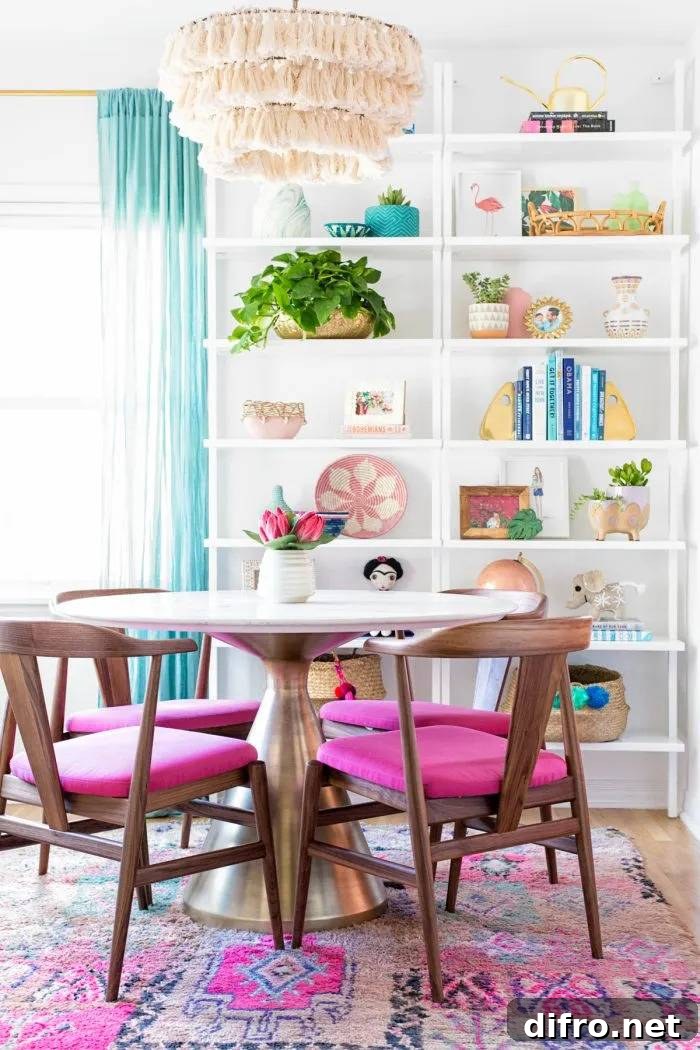
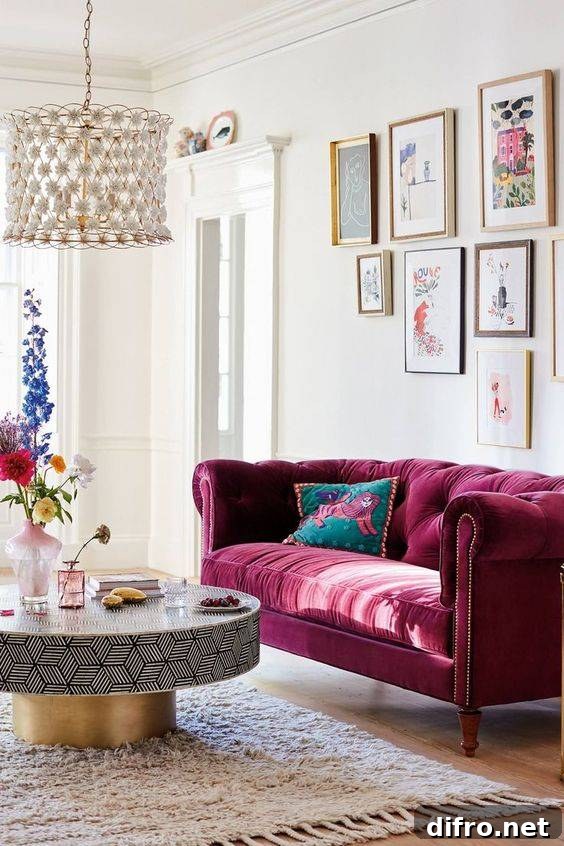
When choosing colors, consider the room’s function, natural light, and the mood you want to create. Combining hues thoughtfully—using a dominant color with complementary accents and neutrals—will result in a cohesive and intentional design. Small changes like pillows, rugs, or artwork can also test color choices before committing to paint or large furnishings.