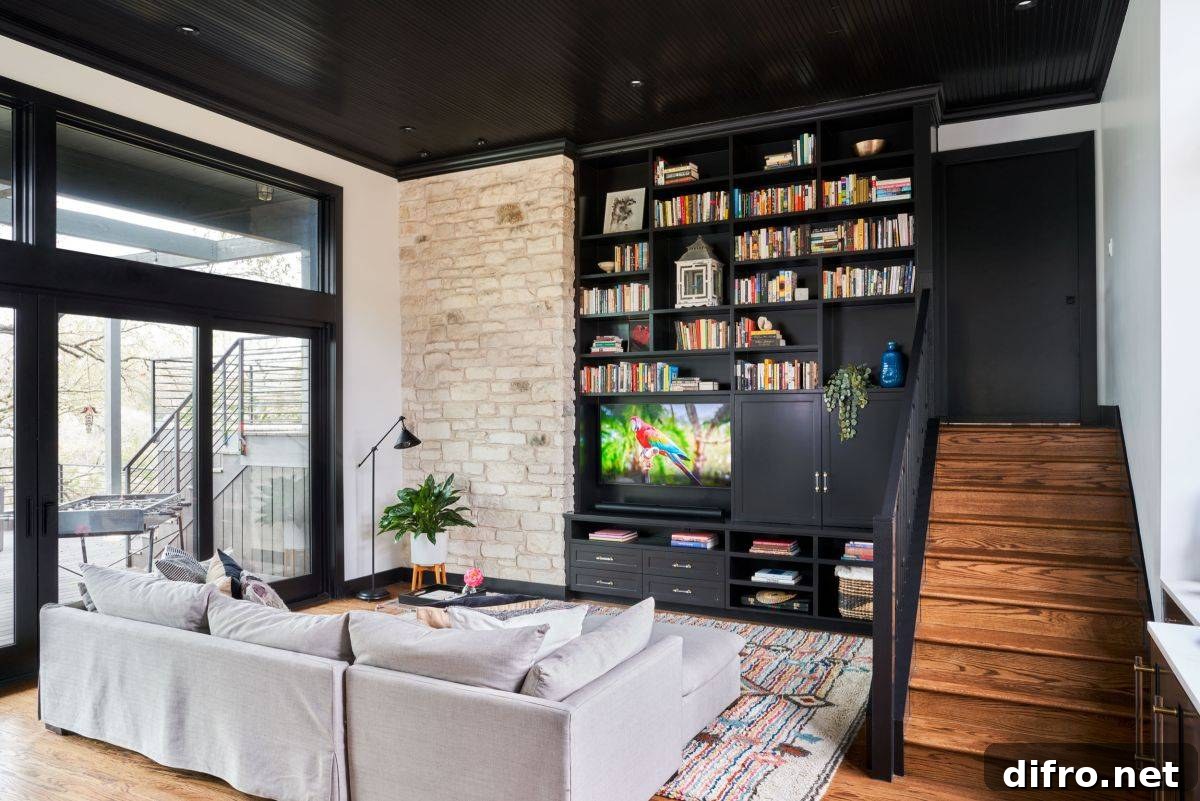
The ideal family room looks different for every household. Families have unique routines, habits and preferences, so a successful family room must be tailored to those needs rather than following a one-size-fits-all template. Like a dream kitchen or a cozy master bedroom, the best family rooms balance practical requirements with thoughtful aesthetics. Contemporary styling is popular in modern homes, but that doesn’t mean the space should be boring — it can be inviting, flexible and designed to engage every member of the household.
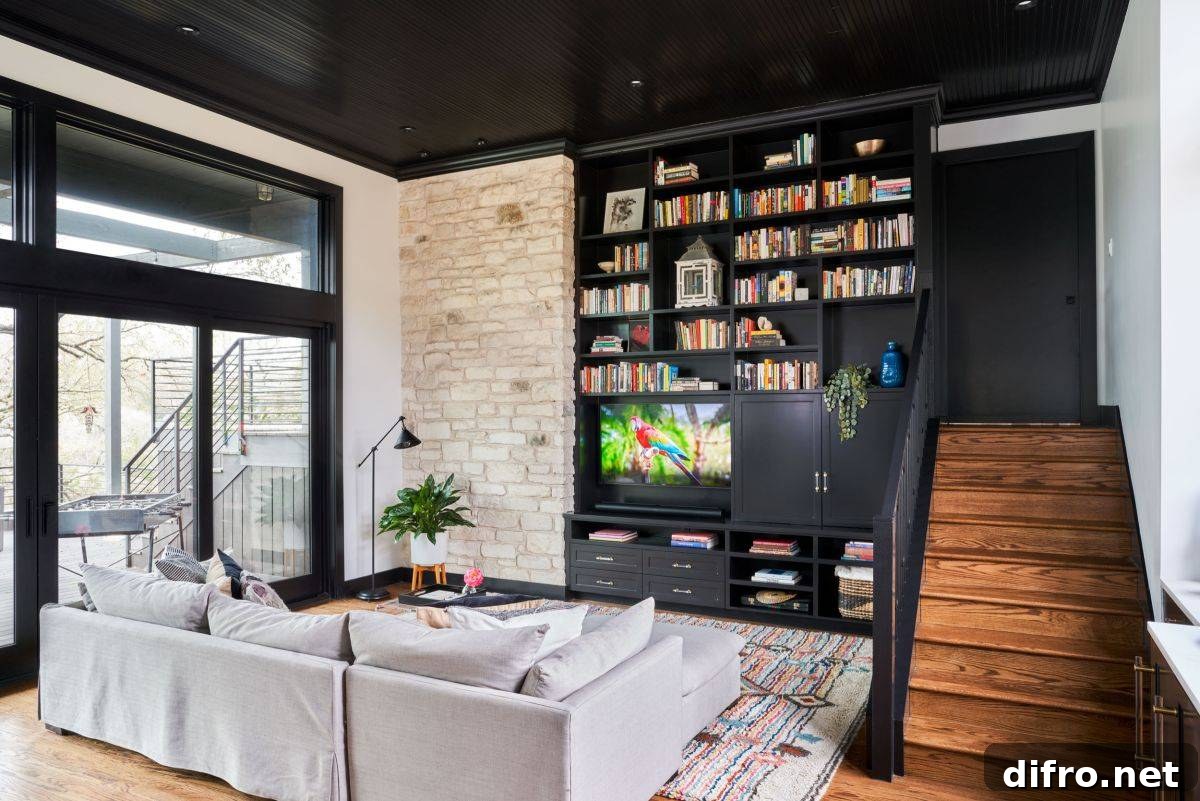
When planning an efficient family room, keep the emphasis on shared experience. No single person’s tastes should dominate the space; instead, choose a central aesthetic or functional anchor and build around it so the room welcomes everyone. Family rooms can be extensions of open-plan living areas, spill out onto decks or patios, or connect directly to gardens — the layout should follow how your household lives and interacts.
Adapting to your Lifestyle
One of the most useful design principles is to make the family room adapt to your lifestyle. This may sound obvious, but it’s the guiding idea that makes a room genuinely useful. Families with young children will need durable finishes, easy-to-clean surfaces and dedicated play spaces within sight of adult seating. Households with teenagers or frequent guests might prioritize media setups, flexible seating for social nights, or a sleek, mature palette. For book lovers, built-in shelves and comfortable reading nooks transform the space; for those who want downtime, prioritize soft lighting and cozy seating that invites relaxation. The key is to match layout, materials and storage to the routines and needs of your household.
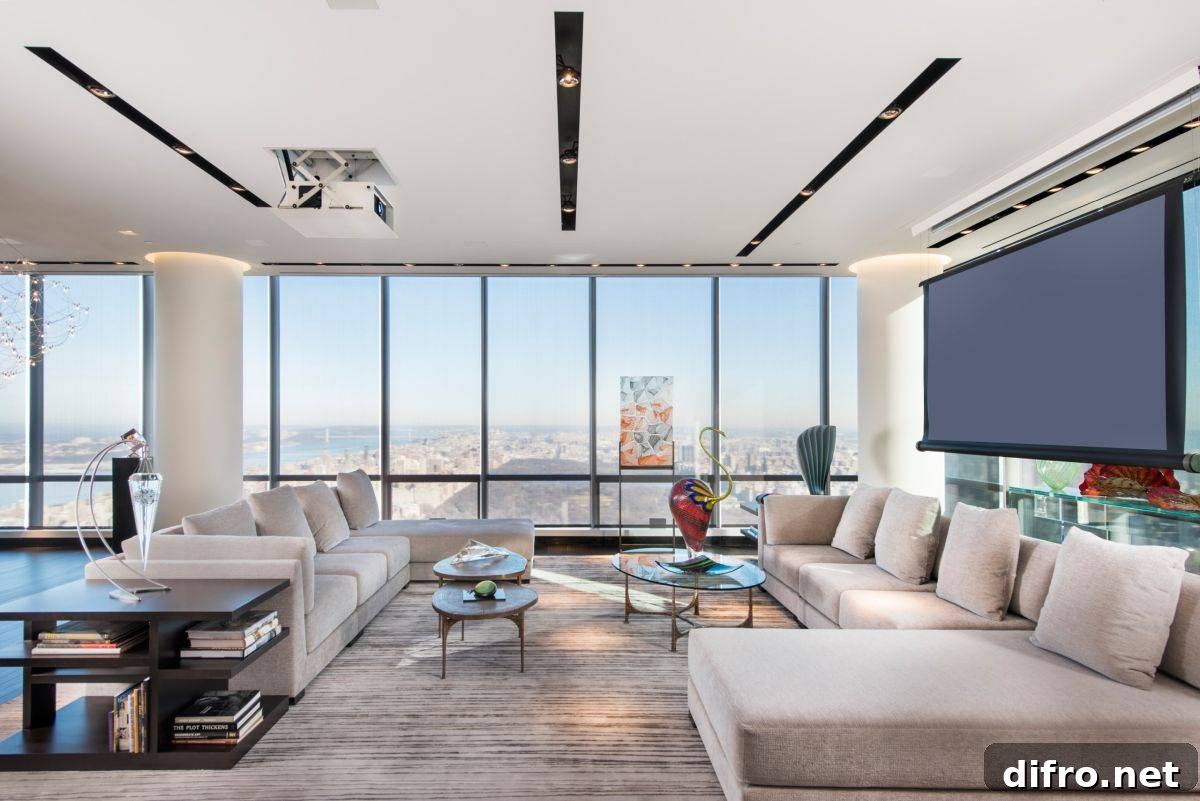
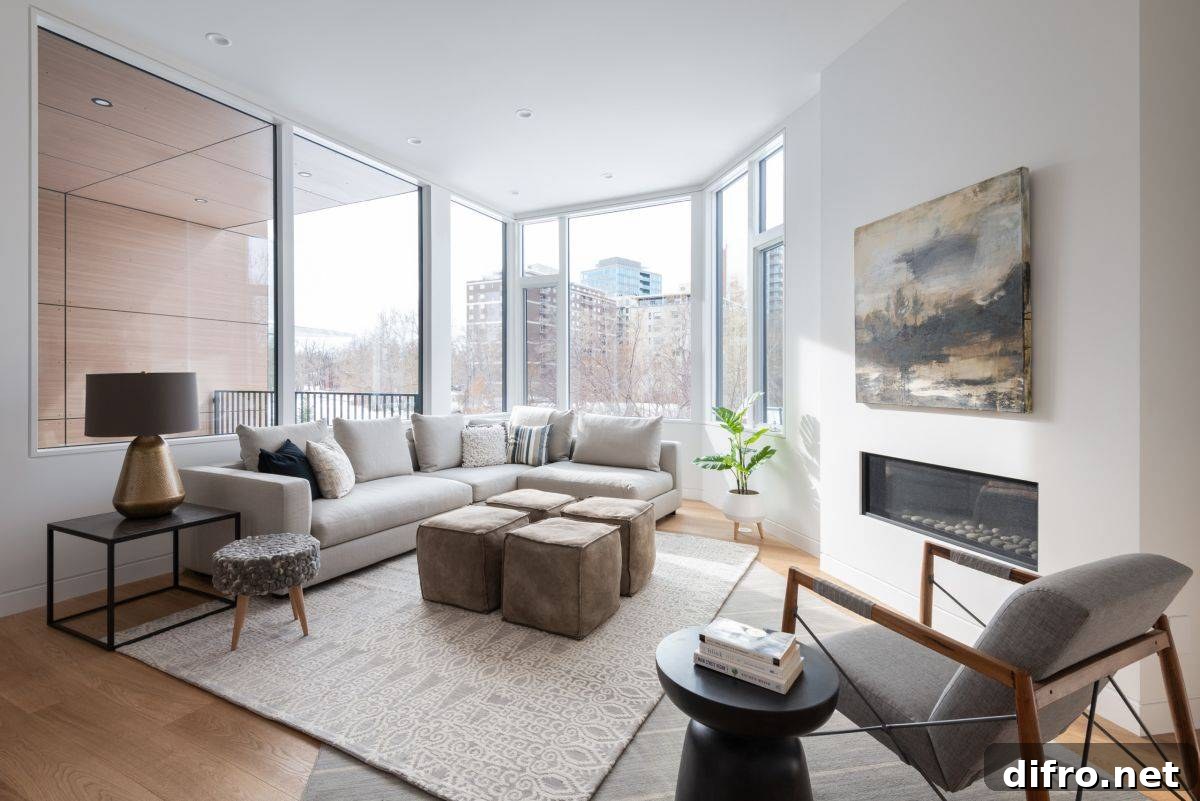
Multi-Tasking Family Rooms
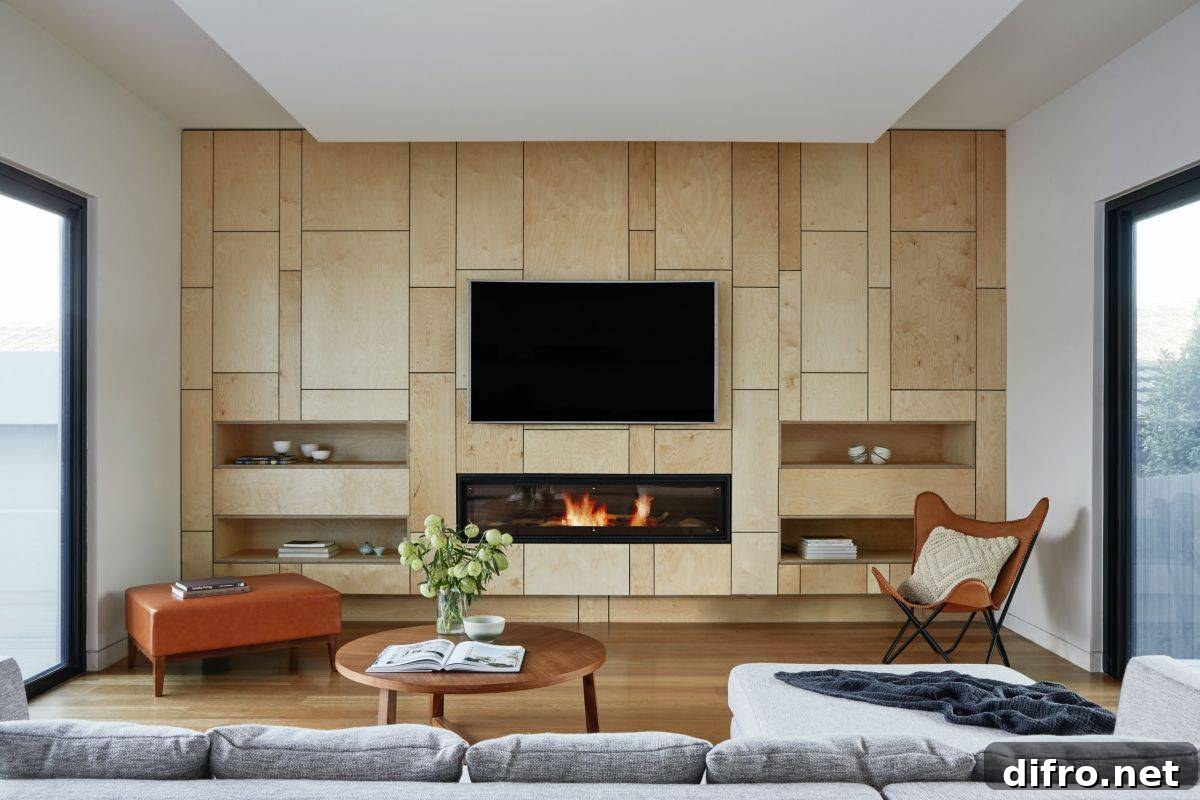
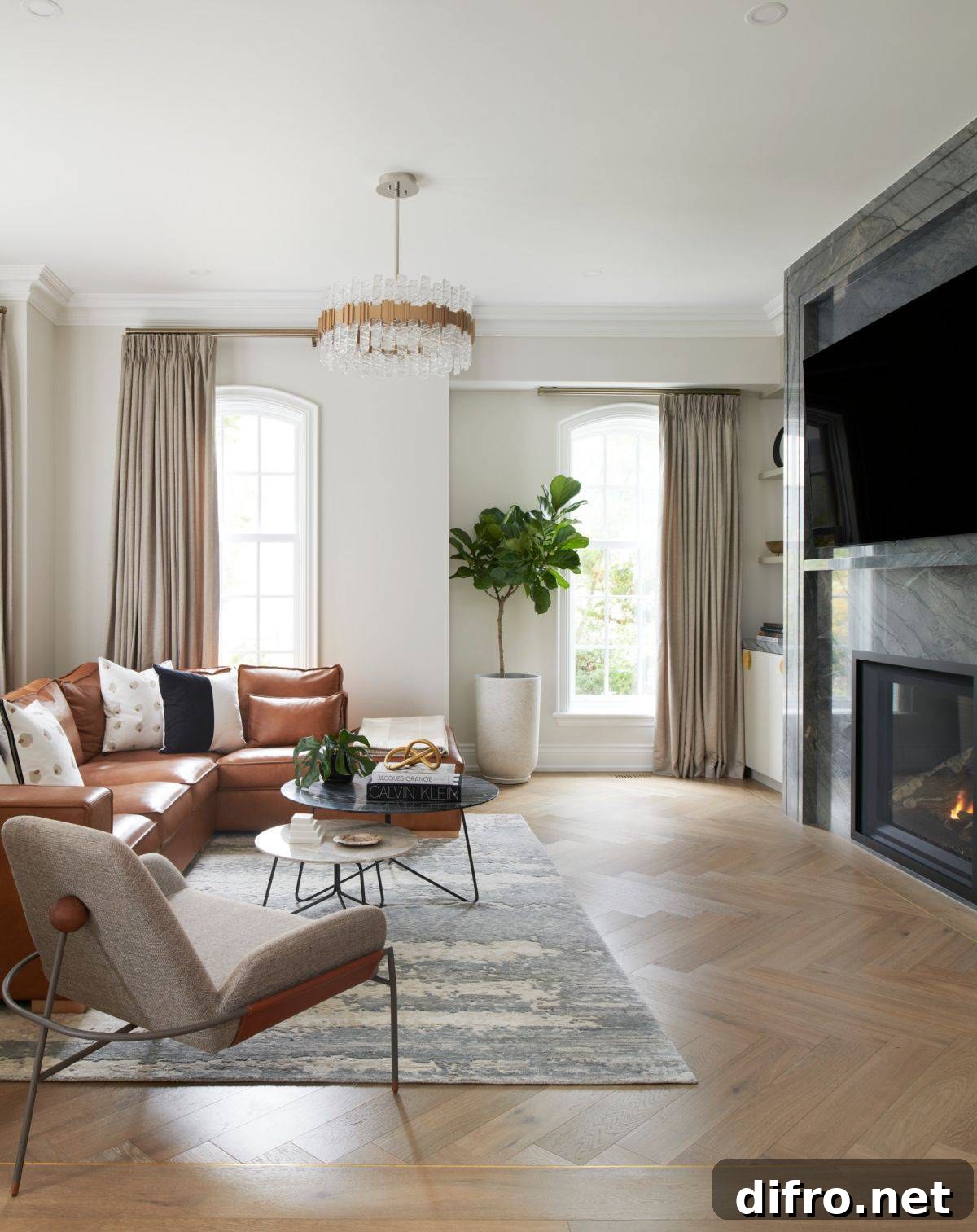
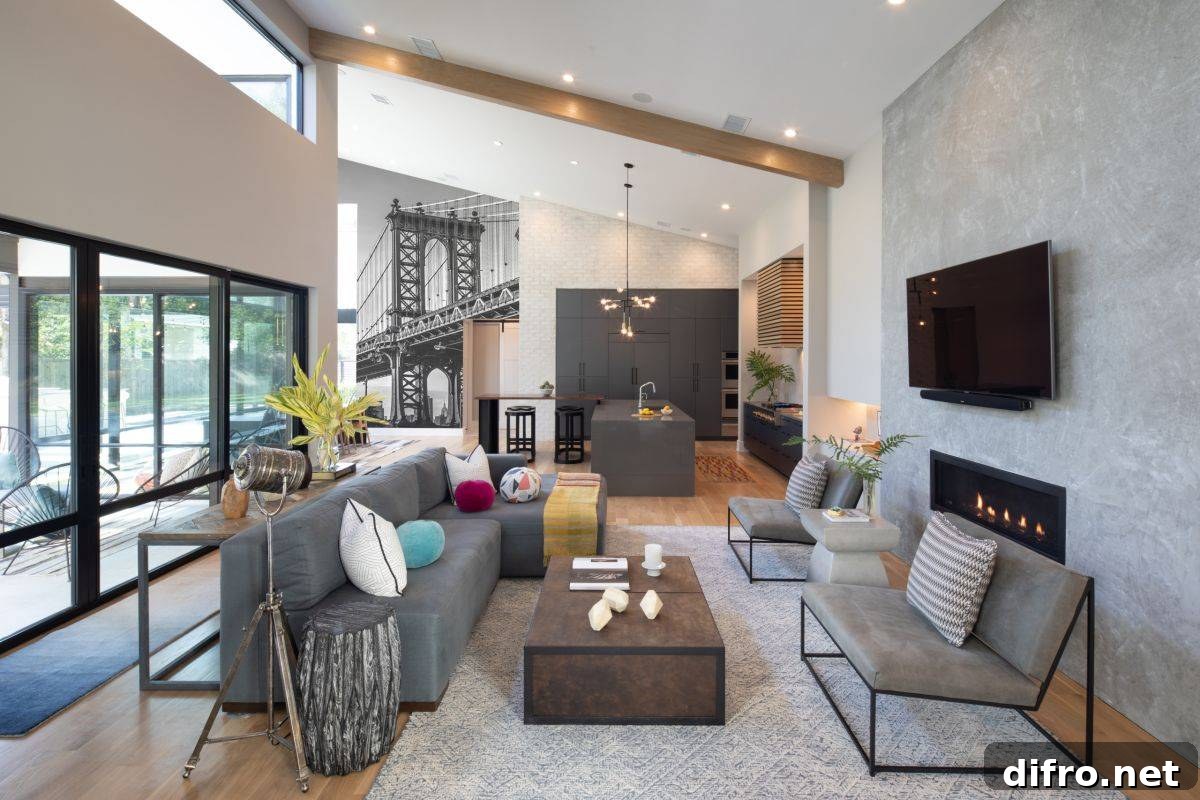
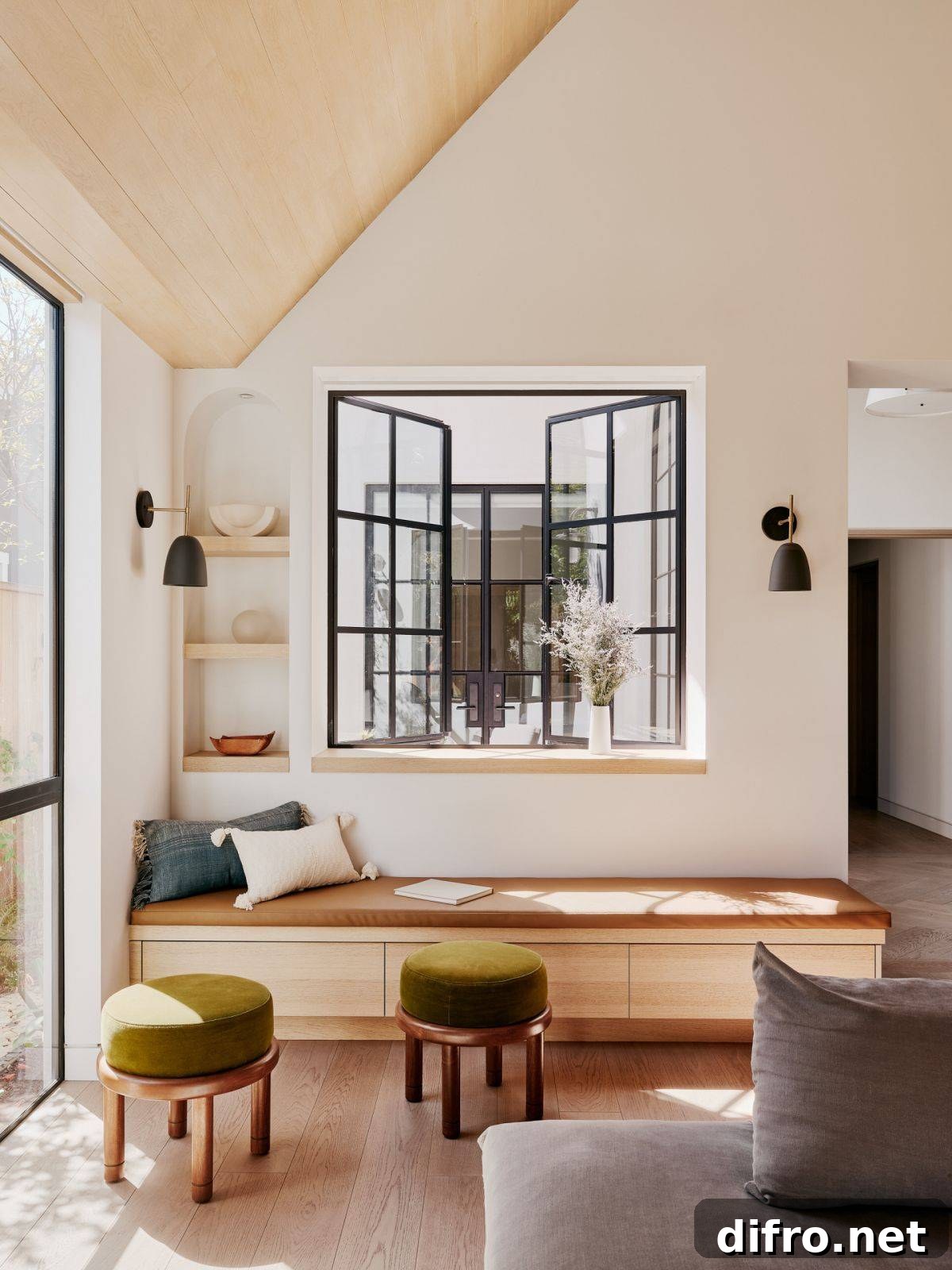
A modern family room should be flexible enough to serve multiple functions across the day. Think of it as a communal hub: a place for gaming, watching movies, reading, crafts and conversation. Designate zones within the room — a reading nook by a window, a play area with storage for toys, and a media wall for shared entertainment — while keeping the layout open enough to feel cohesive. Built-in storage, movable furniture and multipurpose pieces help the room transform quickly from quiet downtime to lively family gatherings.
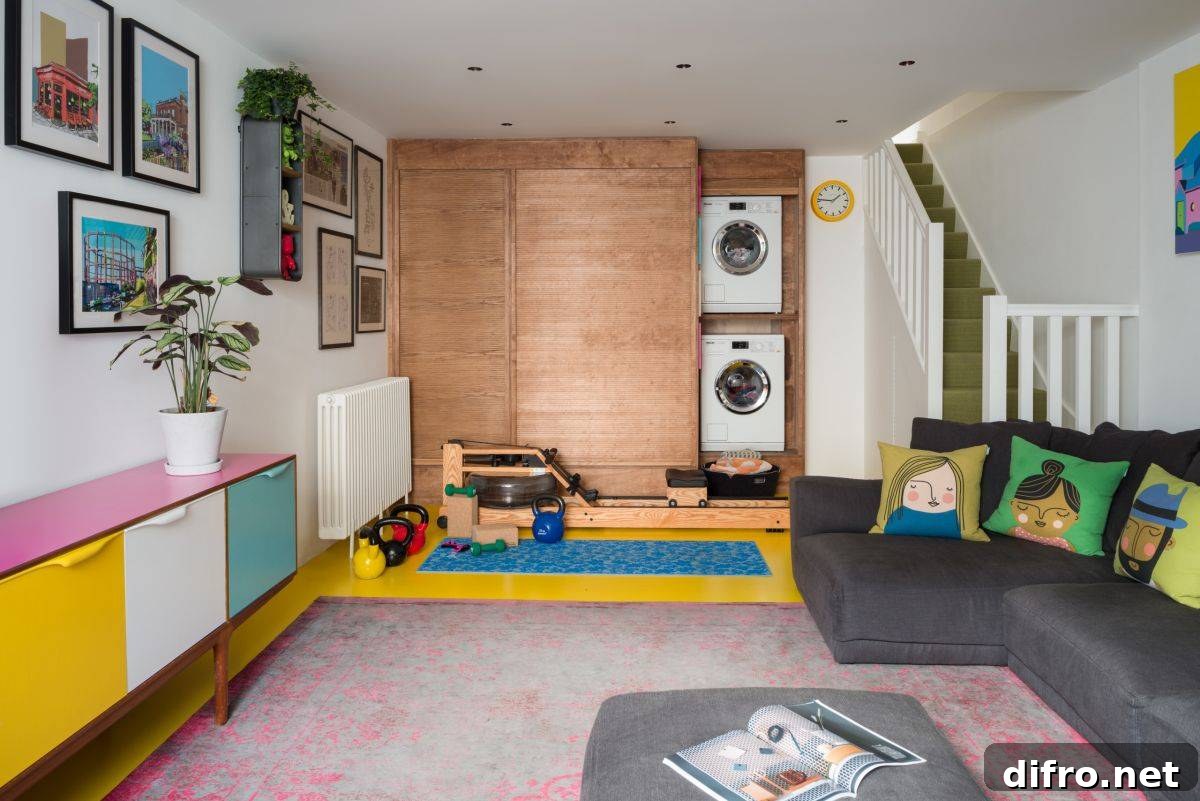
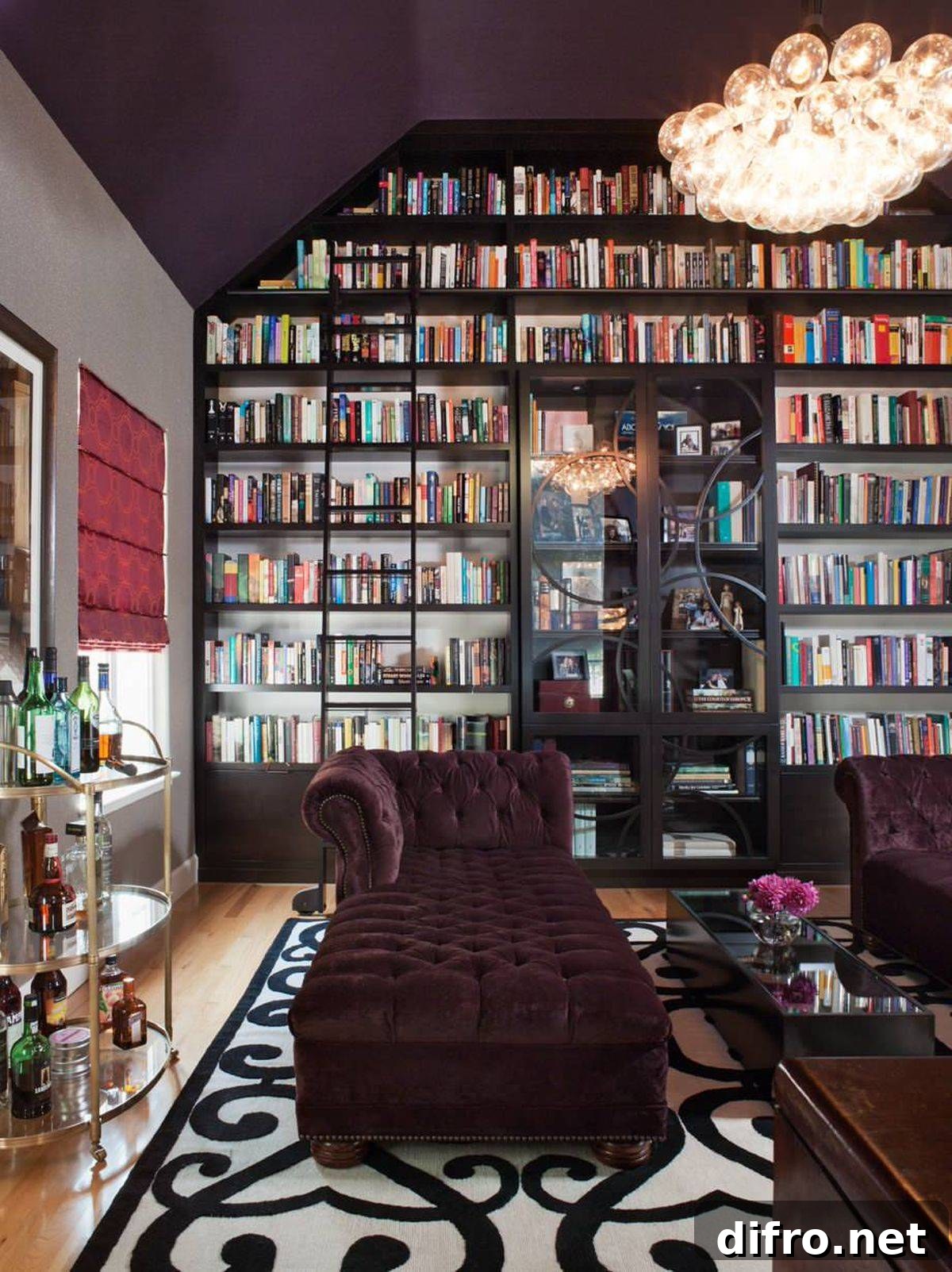
Lighting, Seating and Style
After you determine the functional zones, focus on style, palette and the furniture that supports how you live. Choose a color scheme that ties the zones together and pick durable fabrics and finishes that suit daily use. A mix of seating — a sofa, lounge chairs, a window seat or built-in bench — creates flexibility for different activities and ages. Include a few lightweight or movable décor pieces so the arrangement can change easily for events or playtime. A clear circulation path and some open floor space make the room more adaptable and less cluttered.
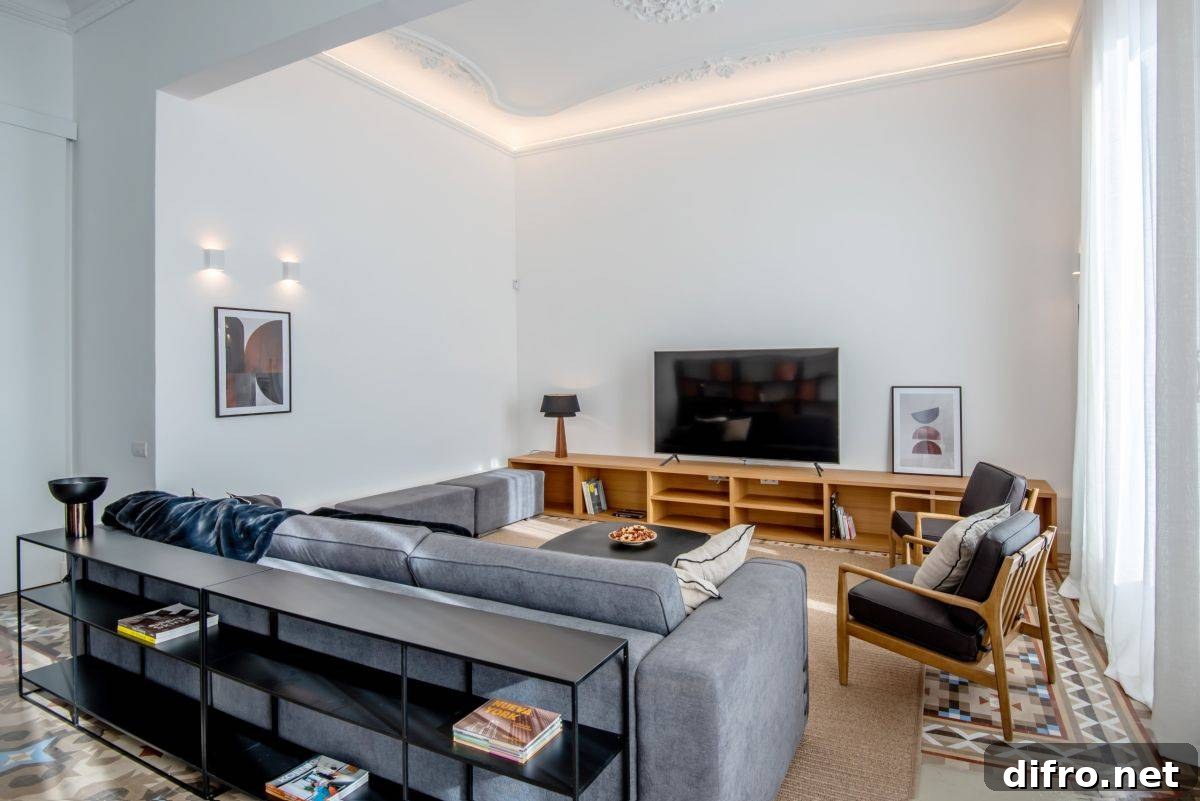
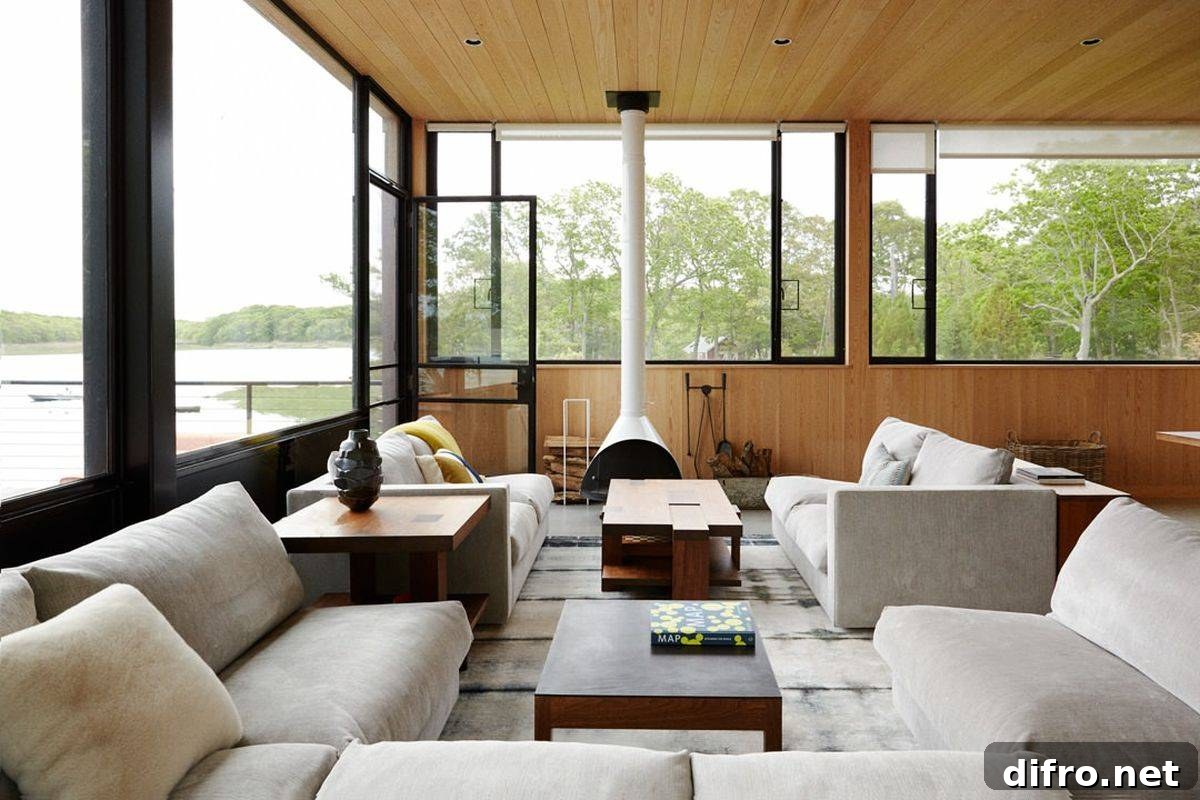
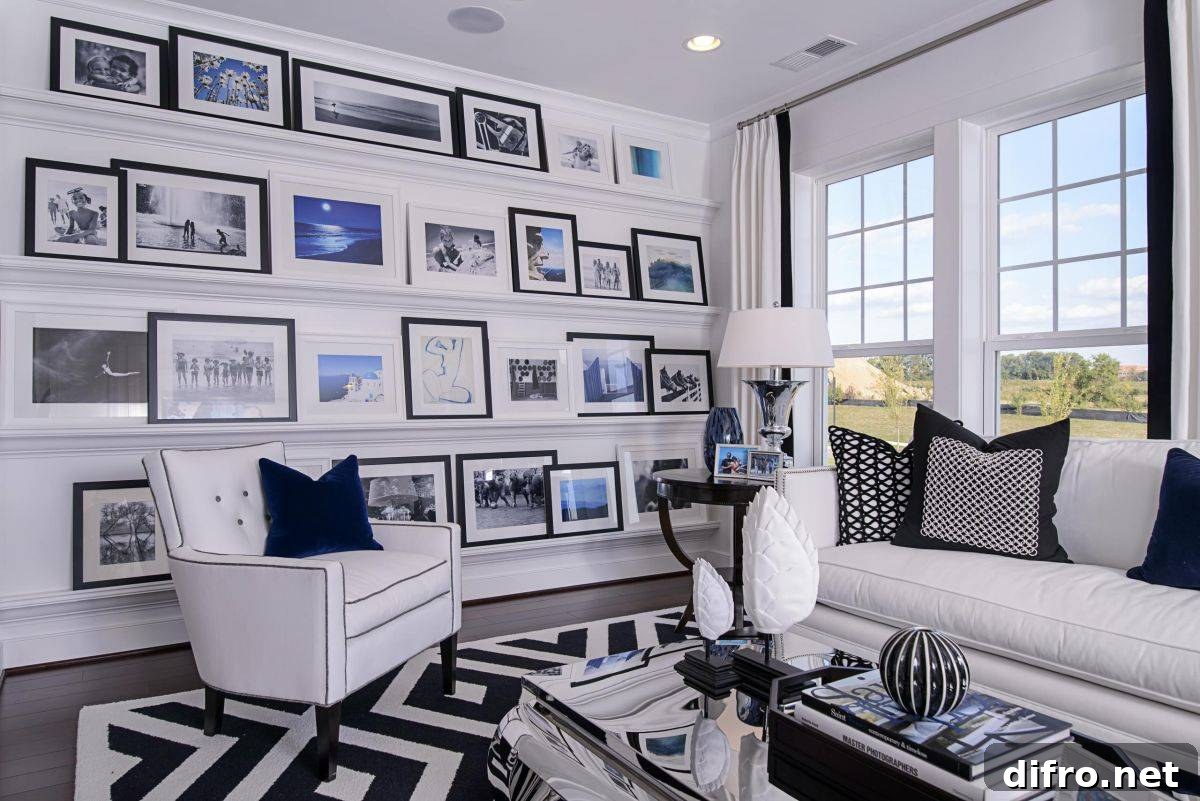
Good lighting is essential: layer ambient, task and accent lighting to support different activities. Use dimmers for flexibility, add table or floor lamps for reading corners and consider wall washes or picture lights to highlight art or shelving. Finally, prioritize storage solutions that keep clutter out of sight — baskets, built-ins and multifunctional furniture maintain a calm, welcoming atmosphere.
When you plan thoughtfully, a contemporary family room can be beautiful, functional and flexible. By focusing on your household’s habits, mixing seating options, zoning for multiple uses and layering lighting, you create a space that truly serves everyone — a room designed around family life rather than around a single feature.