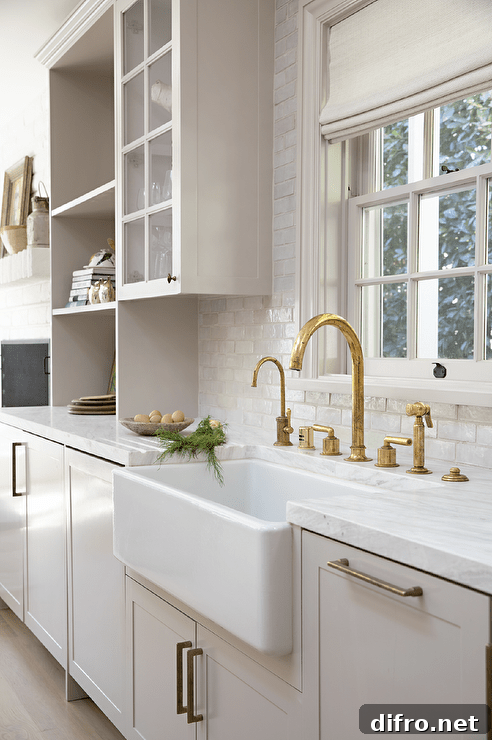
Maybe you’re planning a kitchen remodel, thinking about starting one, or simply need to replace your sink. Whatever the reason, choosing the right kitchen sink involves more than picking a basic design. Sinks come in many styles, sizes, finishes, and materials, and each choice affects function, maintenance, and overall kitchen aesthetics. Below are ten common sink styles with practical pros and cons to help you decide which option fits your space and routine.
Start by considering how you use your sink: how often you cook, whether you hand-wash dishes, and what cookware you typically clean. Next, choose the right size and installation type to match your countertop and cabinet configuration. Finally, evaluate materials based on durability, upkeep, and price to find the best balance for your kitchen.
Single Bowl Sink
Single bowl sinks offer one large, uninterrupted basin with no divider. They are especially useful in kitchens with limited counter space or for anyone who regularly washes large pots and pans, since a single basin lets you lay cookware flat without obstruction. However, single bowl sinks are less convenient when multitasking—washing and rinsing at the same time—and they make separating contaminated items more difficult.
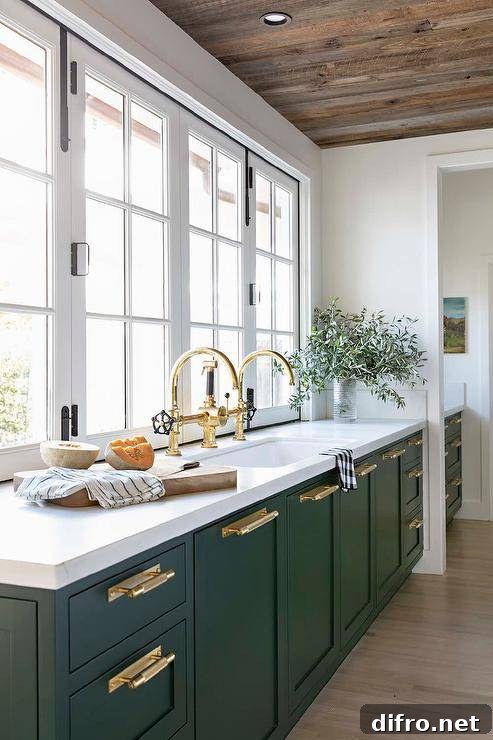
| Pros | Cons |
| Ideal for small kitchens—uses less counter space than double-basin options. | Hand-washing can be less efficient without a separate rinsing basin. |
| Roomier for large cookware like roasting pans and stock pots. | Often requires a separate drying rack if you don’t use a dishwasher. |
| Hygiene concerns—no separate basin for contaminated or raw-food items. |
Double Bowl Sink
Double bowl sinks include a divider, letting you allocate one basin for washing and the other for rinsing, drying, or food prep. They suit households that hand-wash dishes frequently and those who want flexible work zones. While practical, double-bowl sinks can limit space for very large cookware and may reduce under-sink storage.
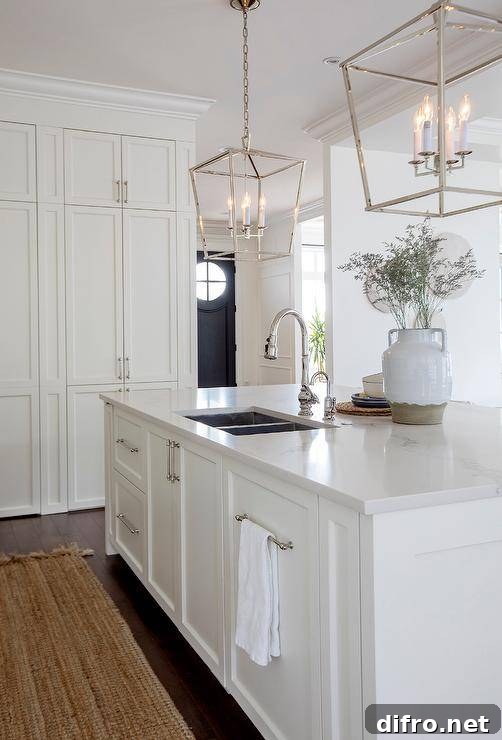
| Pros | Cons |
| Great for hand-washing dishes—separate basins for washing and rinsing. | Less room for very large pots and pans due to divided basins. |
| Usually accommodates a garbage disposal in the secondary basin. | Reduces under-counter storage space due to larger sink footprint. |
| Useful for food prep—one basin can be dedicated to prep while the other holds dirty dishes. | Can take up more counter length, which may not suit small kitchens. |
Overmount (Drop-In) Sink
An overmount sink, also called a top-mount or drop-in sink, drops into a cutout in the countertop and leaves a visible rim around the edge. These sinks are easy to install and provide extra support, so they work with heavier materials. The rim can trap crumbs and grime, making cleanup slightly more involved than with rimless options.
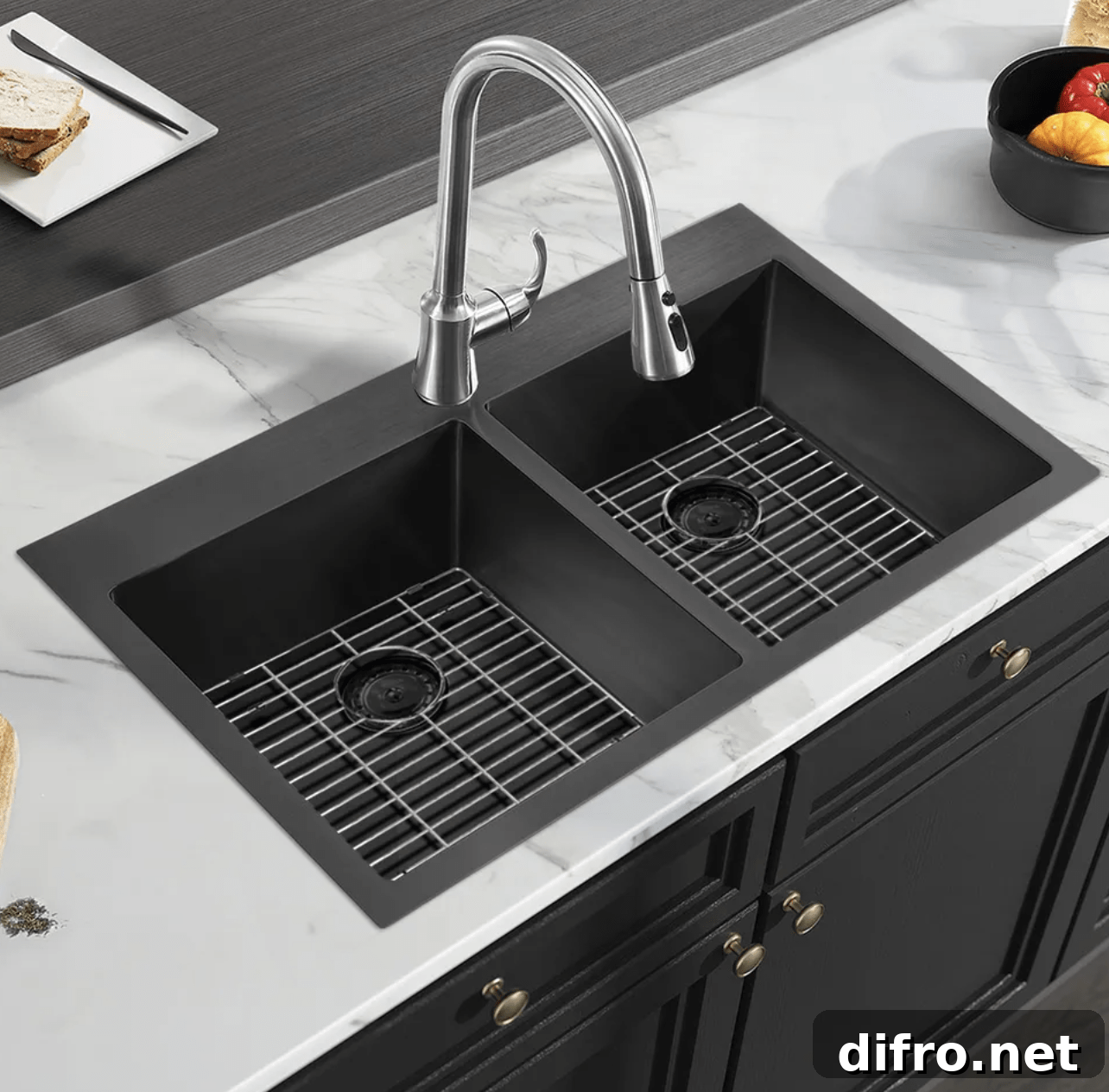
| Pros | Cons |
| Protects porous countertops by creating a barrier against water damage. | Rim reduces usable counter space and can collect debris. |
| Relatively easy to install—some models are suitable for DIY installation. | Raised lip can interrupt the flow of a countertop surface and may trap crumbs. |
| Generally more affordable than undermount installations. |
Undermount Sink
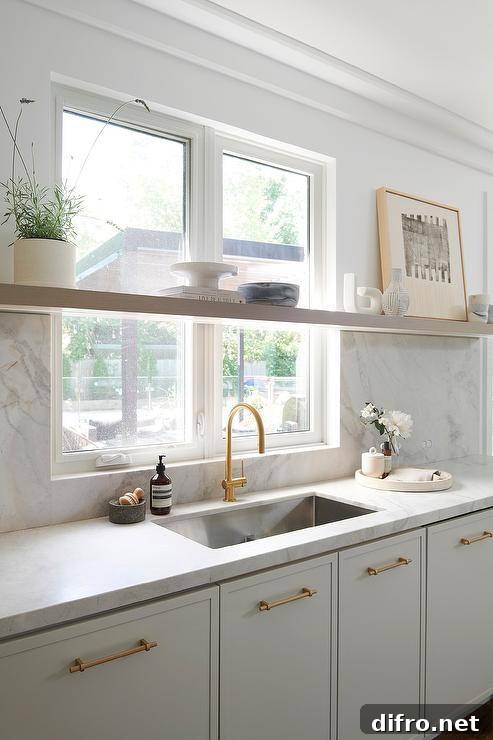
Undermount sinks are installed beneath the countertop for a seamless transition from counter to sink. They simplify cleanup—crumbs can be wiped directly into the basin—and contribute to a clean, modern look. Because they attach below the countertop, sink weight and countertop material must be compatible; heavy sinks like certain cast iron or fireclay models may not be suitable without reinforcement.
| Pros | Cons |
| Maximizes usable counter space up to the sink edge. | Installation is more complex and usually requires a professional to avoid leaks. |
| Easy to clean—no rim to trap debris. | Not compatible with all countertop materials, such as some laminates or tiles. |
| Creates a smooth, modern appearance. | Typically costlier due to custom cutting and professional installation. |
Stainless Steel Sink
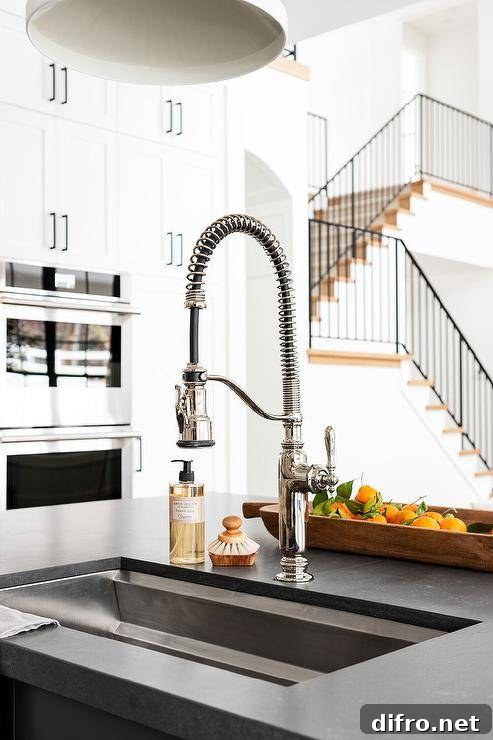
Stainless steel is a versatile, lightweight, and popular option. It’s available in multiple styles—farmhouse, undermount, and drop-in—and offers a good balance of cost, durability, and ease of cleaning. Stainless sinks are rated by gauge: lower gauge numbers indicate thicker, heavier steel. Thicker gauges resist dents better, while thinner gauges can be quieter in some designs if they include sound-damping insulation.
| Pros | Cons |
| Highly versatile and fits most kitchen styles. | Susceptible to scratches from abrasive cleaners or metal utensils. |
| Durable and resistant to rust and tarnish. | Can dent depending on gauge. |
| Excellent value—long-lasting for the price. | Often noisier than other materials when washing dishes. |
Farmhouse (Apron) Sink
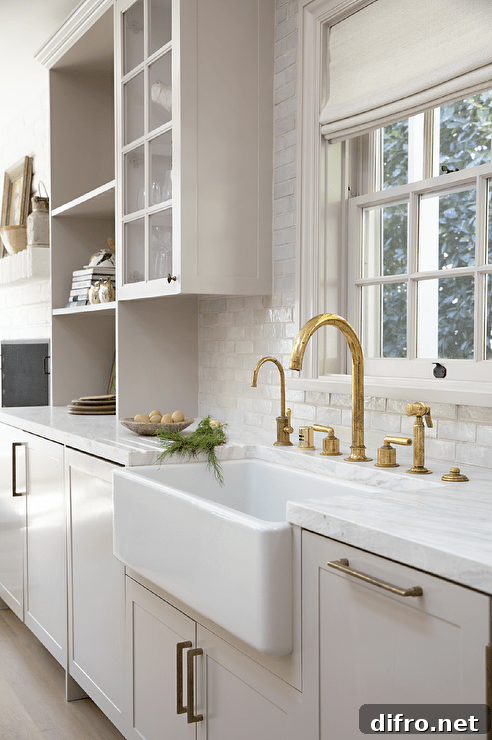
Farmhouse sinks, also called apron-front sinks, extend slightly beyond the cabinet face and are commonly used in traditional or rustic kitchens. They come in single- or double-bowl configurations and are often made from fireclay, cast iron, or copper. Their deep basins accommodate large items, but installation can be more involved and may require modifying cabinetry.
| Pros | Cons |
| Highly functional—deep single basins handle many household tasks. | Often heavier—may require cabinet reinforcement. |
| Durable materials like fireclay and cast iron are common. | Installation is more challenging due to a larger cutout requirement. |
| Timeless, vintage-inspired design and versatile faucet placement. | Tend to be pricier and take more space than standard sinks. |
Cast Iron Sink
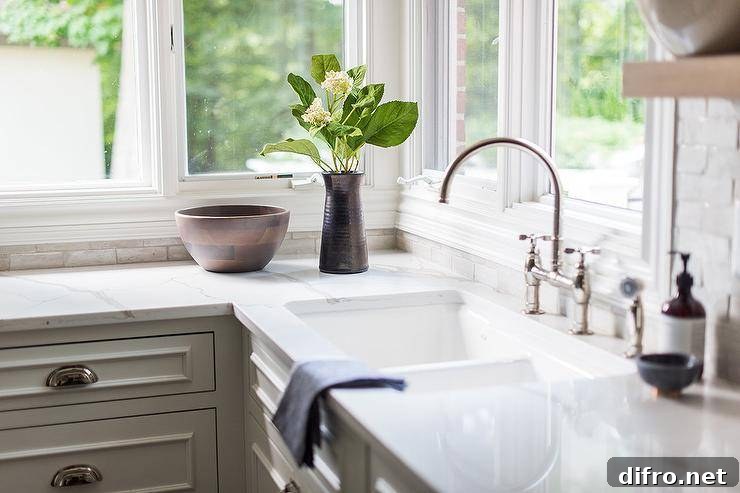
Cast iron sinks are coated with a porcelain enamel finish that produces a glossy, classic appearance ideal for traditional or farmhouse kitchens. They are robust and retain heat well, but the enamel can chip if struck or cleaned with harsh abrasives. Careful maintenance is advised to keep the surface intact.
| Pros | Cons |
| Extremely durable—resists cracks and dents when maintained properly. | Porcelain enamel can stain over time and is vulnerable to chipping. |
| Easy to clean thanks to a smooth enamel surface. | Higher cost for purchase and installation. |
| Retains heat better than many alternatives, useful for washing. | Abrasive cleaners can damage the enamel and expose the iron beneath. |
Granite Composite Sink
Granite composite sinks are manufactured from crushed granite bound with resin. They offer strong resistance to scratches, stains, and heat while providing a contemporary look. These sinks are heavy and may require added structural support. Their thickness also helps absorb sound, making them quieter than thin-metal alternatives.
| Pros | Cons |
| Low maintenance—requires no harsh chemical cleaners to stay looking new. | Heavier and bulkier—installation may need assistance and reinforcement. |
| Durable and less likely to show impact damage than some materials. | More expensive than stainless steel or basic sink materials. |
| Highly nonporous and sanitary, reducing places for bacteria to hide. | Can chip or crack if struck hard by heavy objects. |
Fireclay Sink
Fireclay sinks are created by fusing clay and glaze at high temperatures, producing a hard, nonporous surface similar in appearance to cast iron but often more resistant to chips and scratches. They are typically used in farmhouse-style installations and are more expensive due to the manufacturing process. Fireclay tolerates most household cleaners and stands up well to daily use.
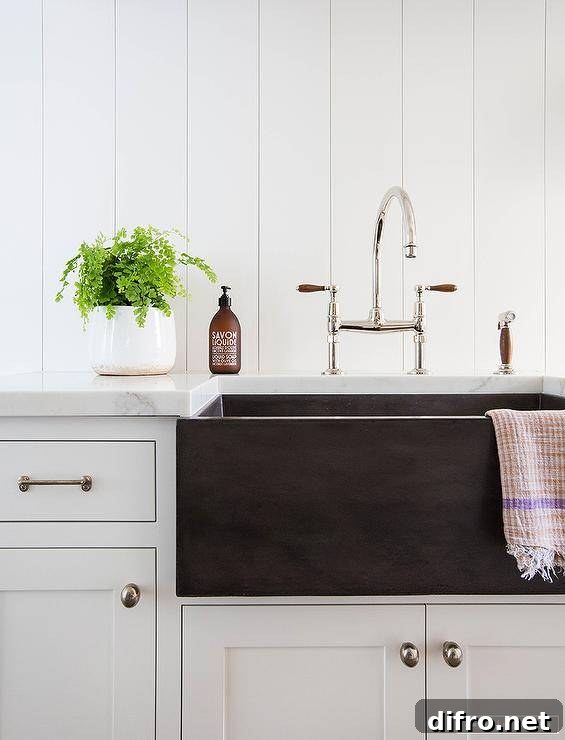
| Pros | Cons |
| Can be cleaned with most household cleaners without damaging the surface. | Handcrafted variations mean small differences in size or shape between units. |
| Highly chip-resistant compared with enamel-coated cast iron. | Generally pricier than cast iron models. |
| Non-porous and resistant to acids and staining. | Design options are often limited to farmhouse-style, single-basin configurations. |
Low Divide Sink
A low divide sink features a divider that rises only partway up the basin, offering a hybrid between single- and double-bowl layouts. This configuration gives the appearance of a single bowl for large items while still providing separate areas for washing and rinsing when needed. The trade-off is shallower basins that can limit the volume of water each side can hold.
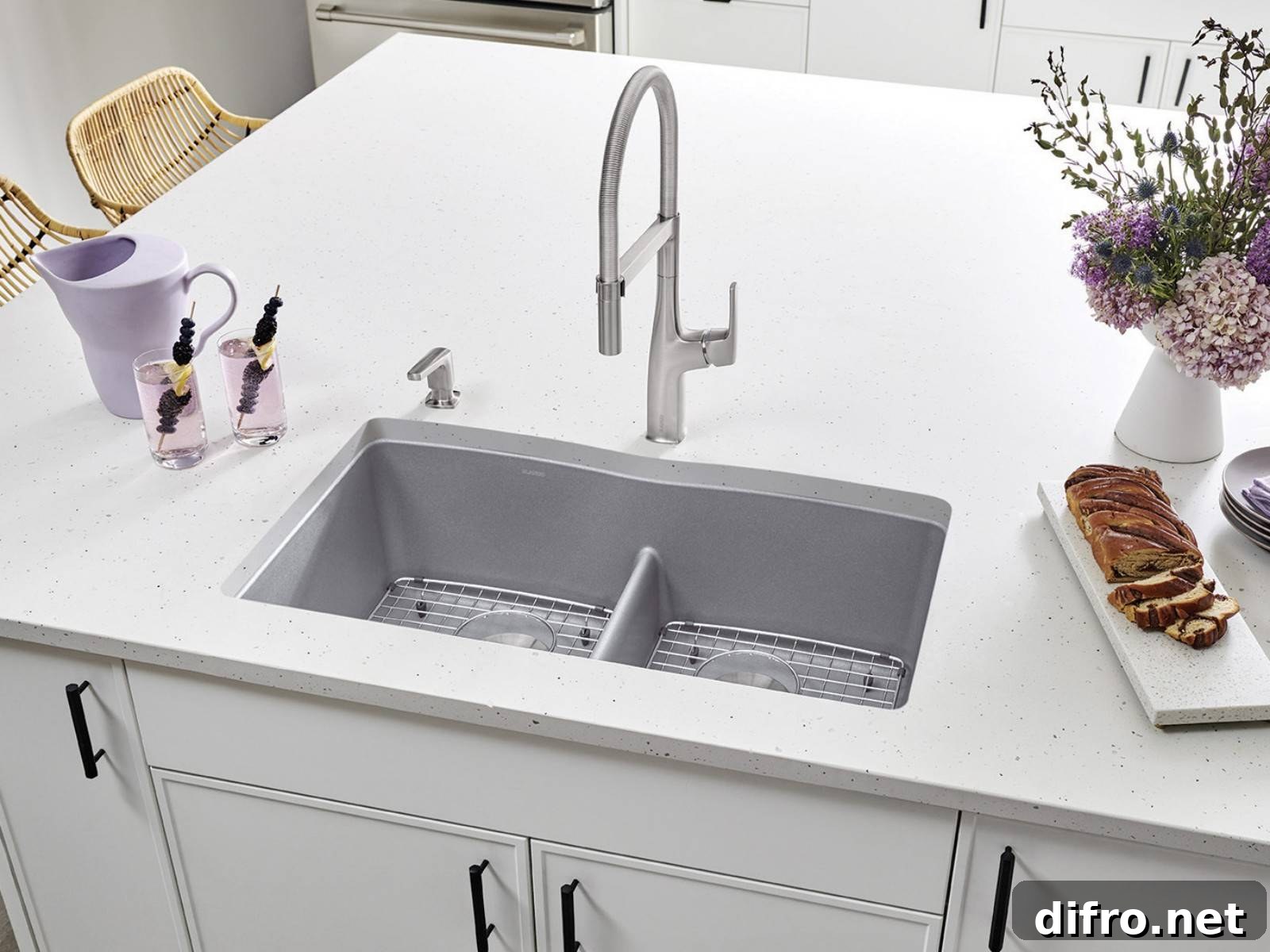
| Pros | Cons |
| Gives the look and workspace of a single basin while retaining the function of separate areas. | Basins are shallower—each side cannot be filled to the same depth as full dividers. |
| Still allows you to dedicate one side for washing and the other for rinsing or drying. | |
| More room for large pots and pans than a fully divided double sink. |
Choosing the Right Material
Your lifestyle and maintenance preferences should guide your material choice. Busy households may favor low-maintenance and durable finishes, while those emphasizing design may prioritize a material that complements cabinetry, countertops, and fixtures. Below is a quick overview of common sink materials and what to expect from each.
Stainless Steel:
- Most popular overall for its balance of cost, durability, and ease of cleaning.
- Available in 18- to 16-gauge (lower number = thicker steel) for improved dent resistance.
- Look for sinks with foam or pads under the bowl to reduce noise; brushed finishes hide water spots and minor scratches.
Cast Iron:
- Coated with a porcelain enamel that provides a glossy, easy-to-clean finish.
- Extremely heavy; typically requires two people to install and may not suit wall-mounted installations.
Granite/Quartz Composite:
- Made from mostly quartz bound with resin for a strong, low-maintenance surface.
- Resistant to scratches, stains, and heat; available in multiple colors and styles.
- Heavy, often requiring reinforcement and professional installation.
Fireclay:
- Fired at high temperatures to form a hard, glazed, nonporous surface ideal for farmhouse sinks.
- Durable and resistant to chips, scratches, and acids; typically more expensive.
Copper:
- A durable metal that develops a natural patina over time and has antimicrobial properties.
- Each sink is unique due to handcrafting; requires specific care to maintain appearance.
Frequently Asked Questions (FAQs)
What is the most popular kitchen sink style?
The double-bowl (double basin) sink is widely used because it allows washing on one side and rinsing or drying on the other, providing a practical workflow for many households.
Which sink requires the least maintenance?
Stainless steel sinks are generally considered low maintenance. They resist heat and stains, clean easily, and are durable when properly cared for.
Is it better to have a single or double sink?
Choose a double-bowl sink if you frequently hand-wash dishes or want separate zones for washing and food prep. A single-bowl sink is preferable if you need maximum space for large pots and have limited countertop length.
What sink material is the most hard-wearing?
Granite composite sinks are among the most durable and resistant to heat and scratches. They combine robust performance with a modern look, offering excellent value for many kitchens.