Pastels remain a timeless choice for interiors, but using them well requires restraint and balance. Soft pinks, blues, greens, lavenders, and yellows can refresh a room without turning it into a holiday-themed decoration if you apply them thoughtfully.
Below are practical, stylish ways to introduce pastel tones into your home while keeping the result elegant and contemporary. These 14 tips cover furniture, textiles, finishes, and accents so you can find the right pastel approach for every room.
Accent chairs
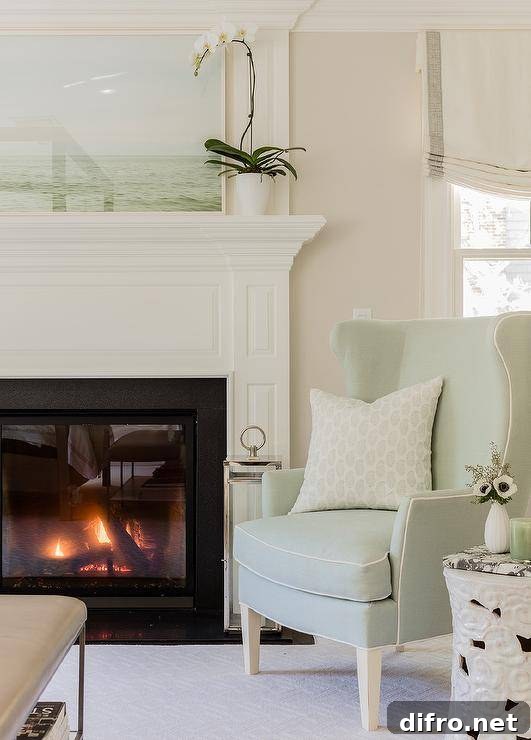
Introduce a single pastel accent chair in an otherwise neutral room to add color without overwhelming the space. A mint-green wingback or velvet accent chair creates a focal point and brings personality while letting neutrals maintain a calm, sophisticated backdrop. Choose a well-made piece with clean lines to keep the look mature.
Pops of pastel in art
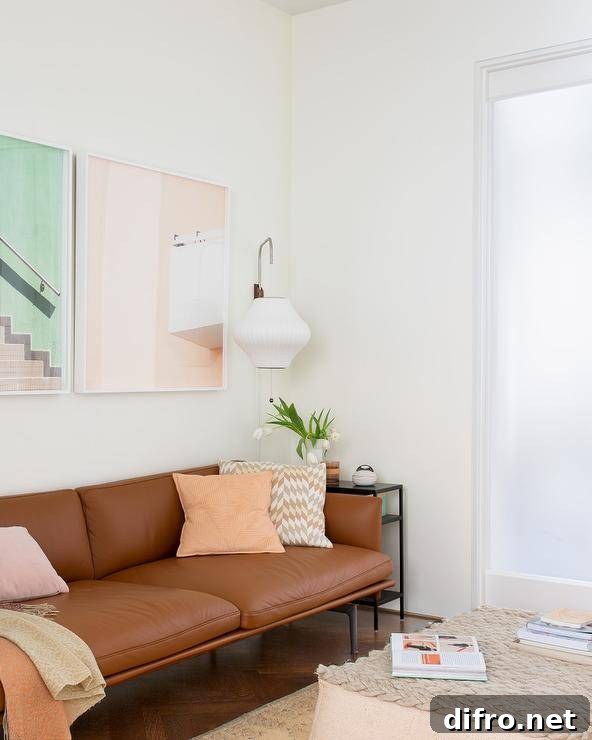
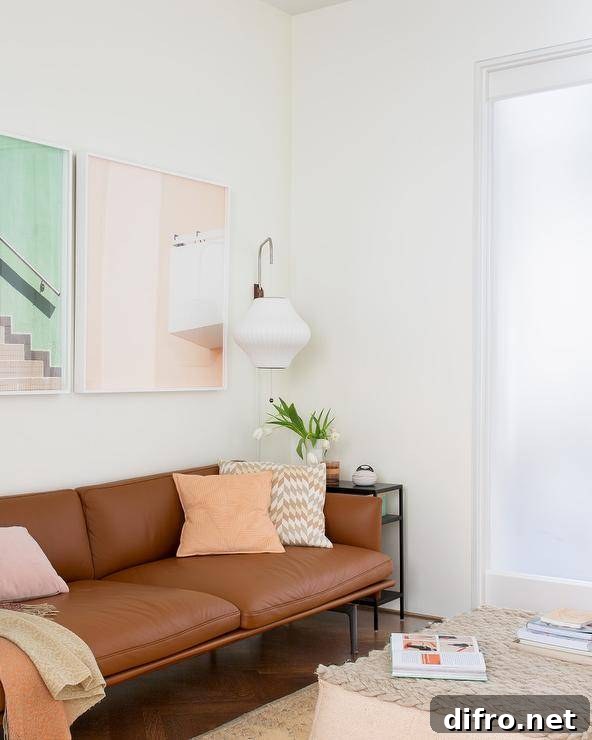
Artwork is an easy way to weave pastel hues into a room. A leather sofa or dark upholstery provides contrast and anchors the space, allowing pastel-toned prints, paintings, or throw pillows to read as intentional accents rather than overpowering color. Use framed art to repeat a pastel shade and tie the palette together.
Add bohemian textures
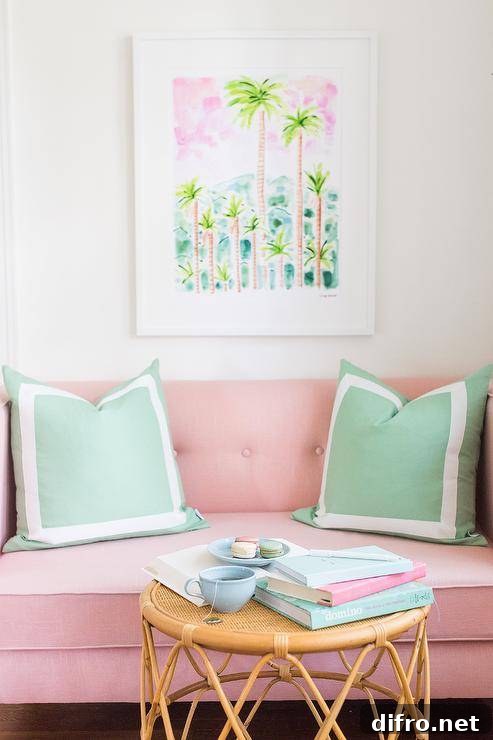
Layer natural textures—wood, rattan, jute, and woven fibers—when combining several pastels. These tactile elements ground the palette and introduce warmth, giving the room a relaxed, bohemian feel that prevents pastels from seeming insubstantial or too sweet.
Work with one pastel
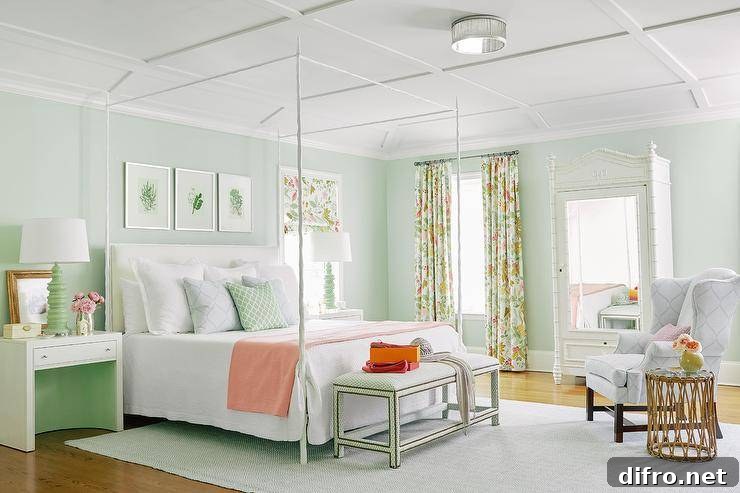
In larger rooms, commit to a single pastel as the dominant accent so the color feels cohesive rather than scattered. Using one pastel across walls, bedding, and select furniture pieces creates a unified, sophisticated scheme. Use architectural details, trim, or a neutral ceiling to provide balance and dimension.
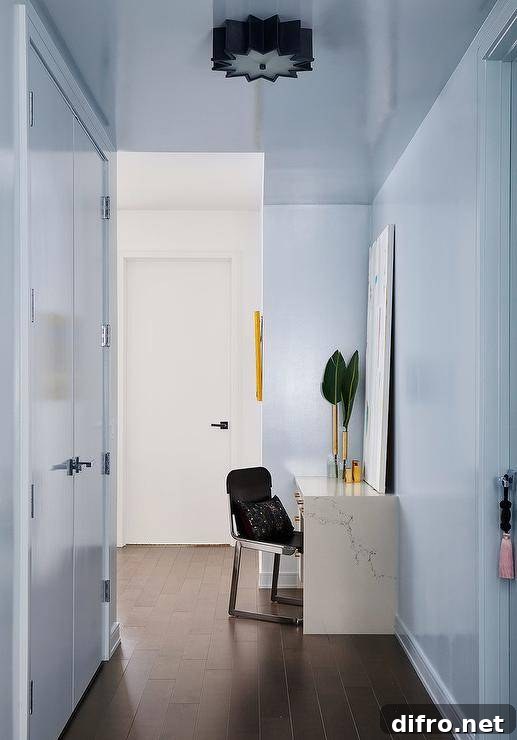
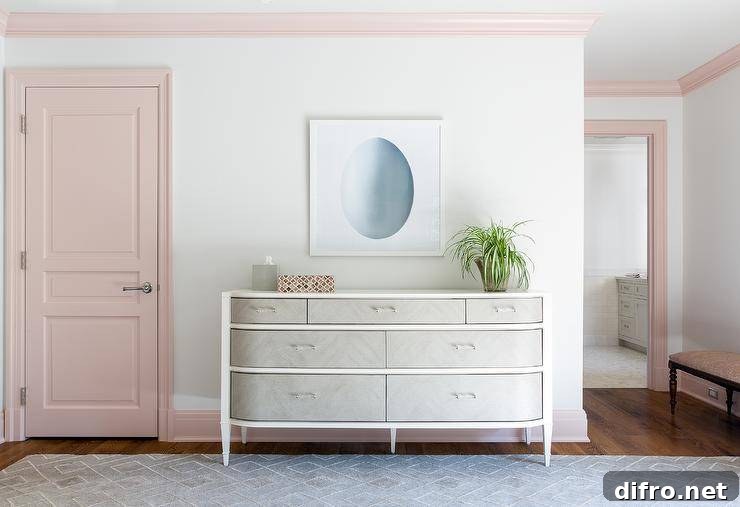
The same principle applies to hallways: choose one pastel for walls, and consider painting trim and doors the same hue for a seamless, elegant look.
Use pastels in appliances
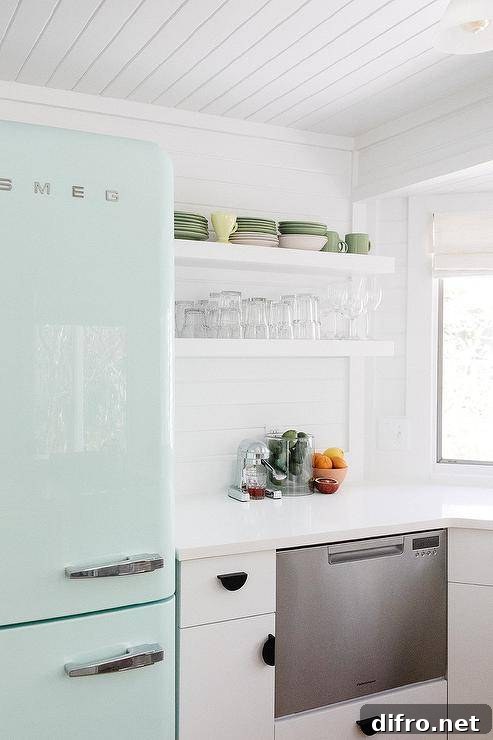
Pastel-colored appliances make a bold yet tasteful statement. A pale blue refrigerator or a muted pink mixer brings vintage charm and visual interest to kitchens that are otherwise neutral. If a full-size appliance feels too daring, start with smaller countertop pieces.
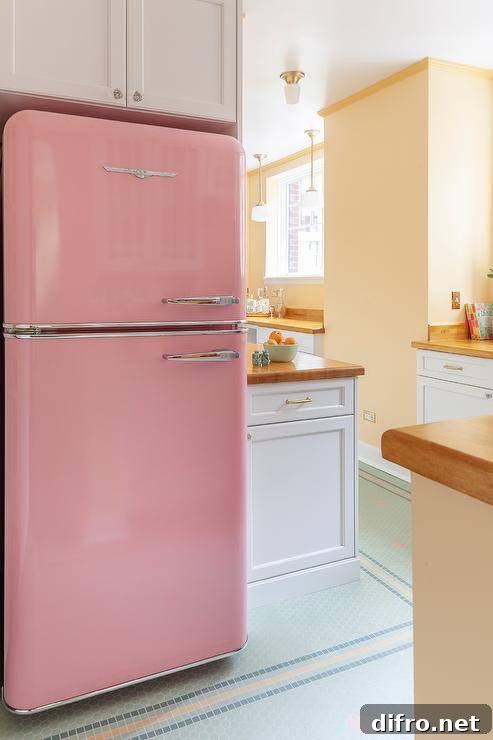
If blue is not your thing, try pink!
Soft pink appliances or cabinetry can feel modern and playful without being overly sweet when paired with matte finishes and clean hardware. Consider pastel pink for a statement piece if you want color that’s warm and approachable.
Paint the trim and doors
Painting doors and trim in a soft pastel offers a subtle way to introduce color without repainting entire rooms. It reads as intentional, modern, and slightly unexpected—especially when walls remain neutral and finishes are kept simple.
Add bright colors
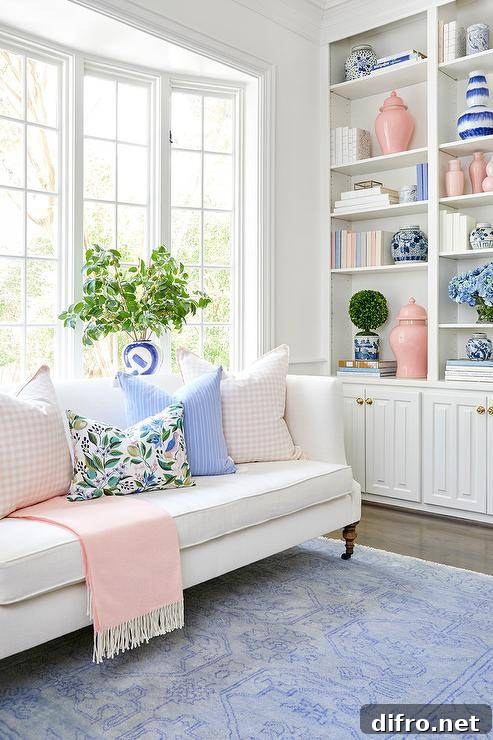
Introduce a few brighter hues to accompany pastels for contrast and depth. Deep blues, saturated greens, or jewel-toned accessories create visual anchors and prevent the palette from feeling flat or overly saccharine. Use bright vases, art, or small furniture pieces as counterpoints.
Subtle pastels in wallpaper
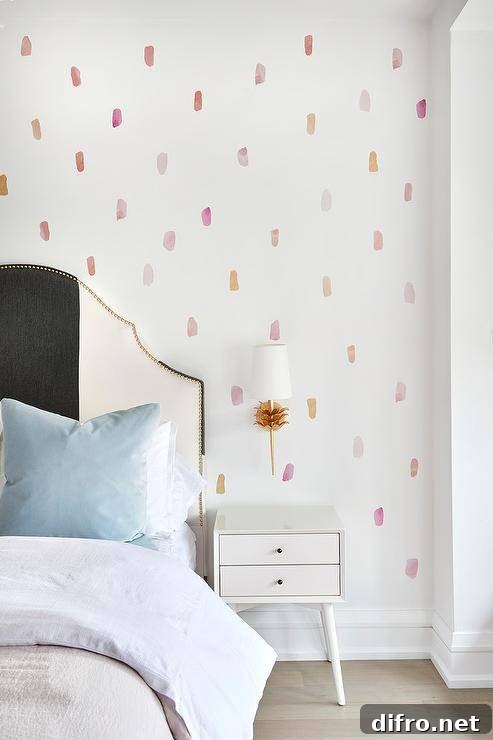
If you’re hesitant to paint walls, choose wallpaper with soft pastel motifs or watercolor effects. A delicate pattern can bring color and texture while allowing more structured elements—like headboards or sconces—to keep the overall aesthetic grown-up and curated.
Go with velvet
Velvet in pastel tones adds richness and depth to a room. Upholstered dining chairs, sofas, or accent seats in pastel velvet feel luxurious yet approachable. The fabric’s texture keeps the color from reading as flat and enhances light reflection for a sophisticated finish.
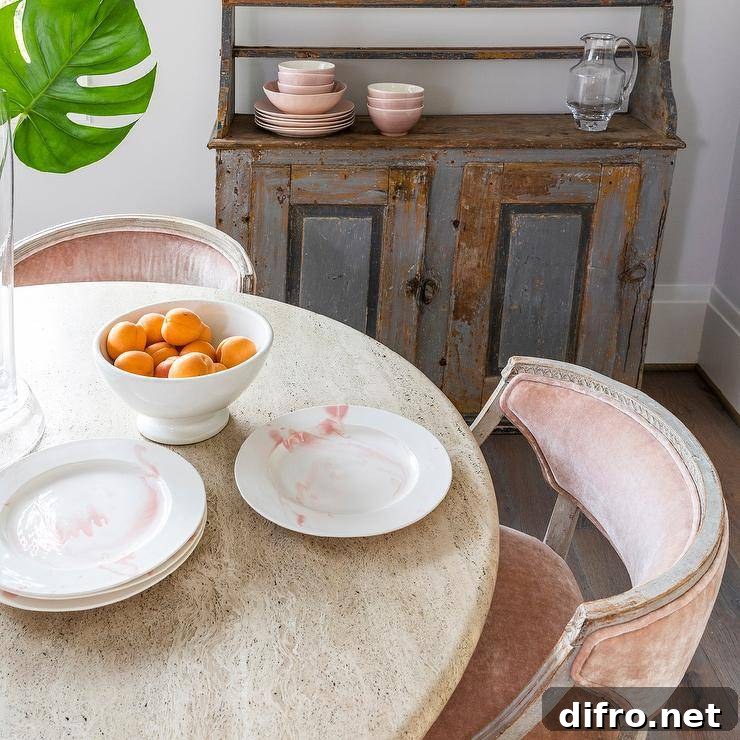
Pastel velvet comes in many styles—from modern dining chairs to plush lounge seating—so you can find the texture that best suits your decor.
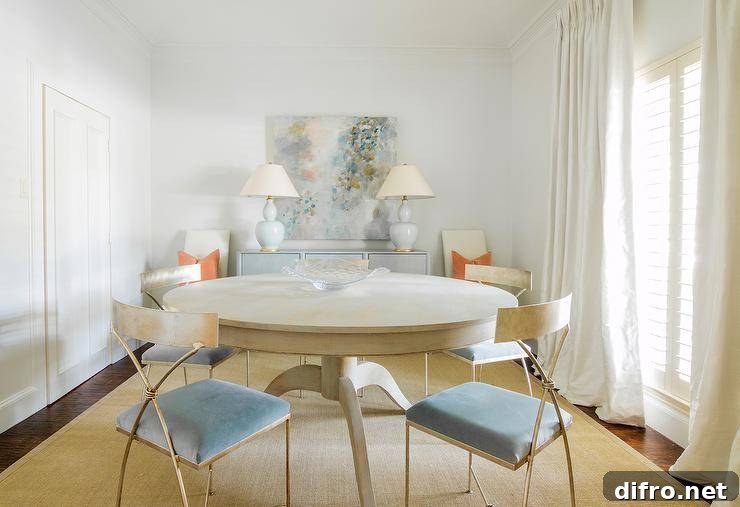
Choose unique furniture pieces
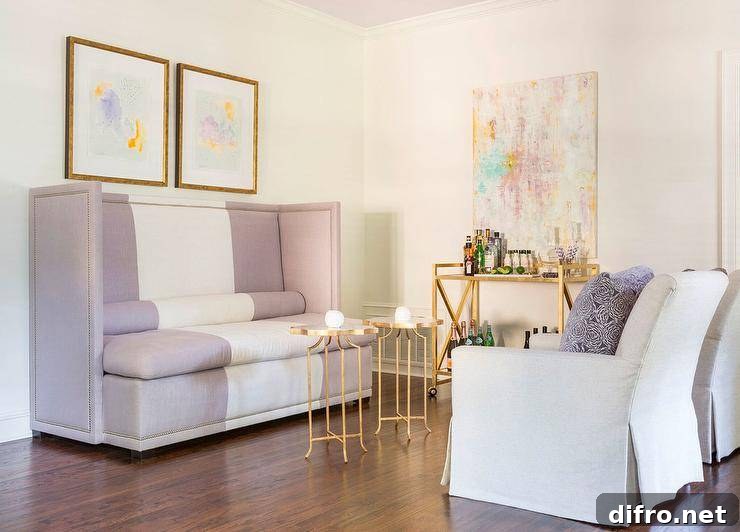
Select furniture with distinctive shapes or unexpected proportions when working in pastel upholstery. Unusual silhouettes—like a tall-backed bench sofa or a striped pastel settee—feel intentional and stylish. For small pieces, embrace eclectic forms in pastel finishes to add character without overpowering the room.
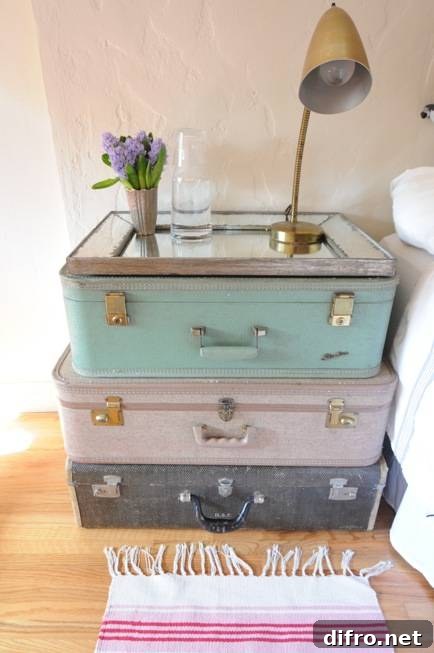
A stacked pastel suitcase nightstand or another quirky bedside piece can introduce whimsy while still feeling curated and cohesive.
When using pastels, think in layers—mix textures, anchor colors with neutrals or deeper tones, and pick one or two focal areas for color. With careful placement and quality materials, pastels can bring a fresh, refined look to any home.