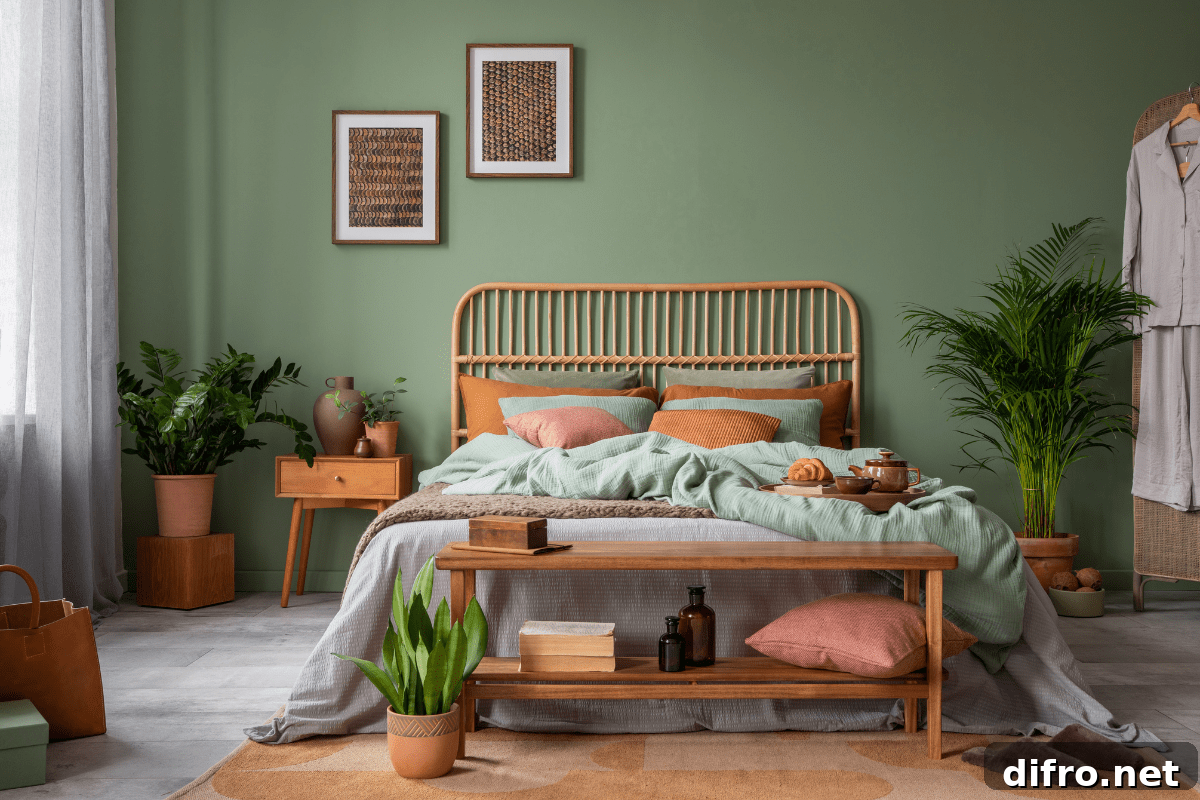
Creating a serene, magazine-worthy bedroom is simpler than it seems. The secret is a thoughtful color scheme that brings balance and harmony to every element of the room. Whether you already own a bed and furniture or you are starting from a blank slate, consider the dominant tones in large pieces first, then layer walls, flooring, textiles, and accessories to complement them.
Where to Start When Choosing a Color Scheme
If you’re renovating your bedroom and aren’t sure where to begin, start with a clear plan for color. Most people already own a bed and other furniture; use the dominant color of these items as your starting point. Pull the most prominent color in the space—this could come from an area rug, bedding, or a large piece of art—and build your palette around it.
To choose complementary colors, use the color wheel as a guide. Complementary colors typically sit opposite one another on the wheel and create pleasing contrast, while analogous colors (those next to each other) produce a more harmonious, subtle look. Keep in mind how different colors affect mood: blues and greens are calming and well suited for bedrooms, while vivid reds can raise energy levels and may be less appropriate for a restful space.
Another quick tip is to take cues from your wardrobe. People tend to choose clothing in colors they love—use the same approach with your room. Trends can be helpful for inspiration, but prioritize colors you’ll enjoy long-term.
Designers frequently recommend the Rule of 60-30-10: 60% dominant color (usually walls), 30% secondary color (upholstery or large textiles), and 10% accent color (accessories). This simple formula keeps a room balanced and visually interesting.
If you’re ready to start compiling your color scheme, here are some inspiring directions to try:
Light and Natural Color Schemes
Light, natural palettes create airy, soothing bedrooms. You can keep the overall look neutral and add small pops of pastel or richer neutrals for depth.
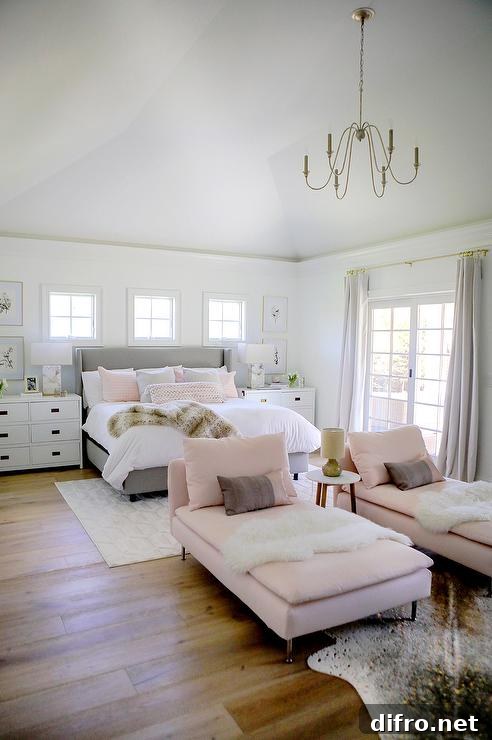
Pink, Grey, and White
Pink and grey remain a timeless pairing. Use soft pinks with cool greys and crisp white accents for a fresh, delicate bedroom that still feels sophisticated.
Related article: Pink Room Decor: How to Beautify Your Home with Pink.
Grey, White, and Cream
A palette of whites, creams, and light greys feels restful and refined. Add muted blues or natural wood tones to introduce warmth and variety.
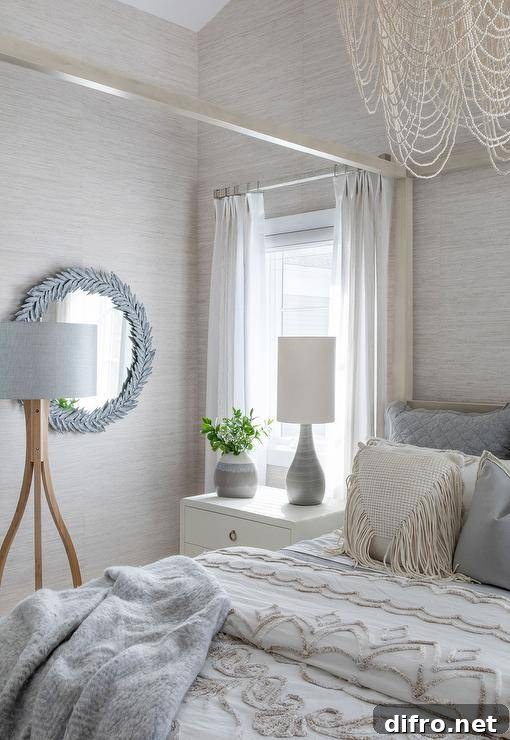
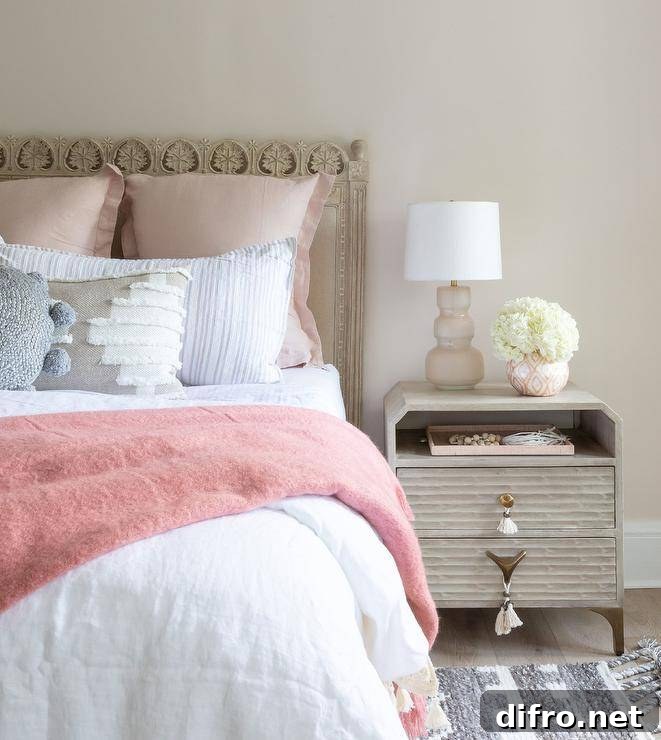
Blush Pink, Grey, and Beige
Blush pink paired with grey and beige yields a gentle, layered look. Choose textured fabrics and subtle patterning to add depth without overwhelming the palette.
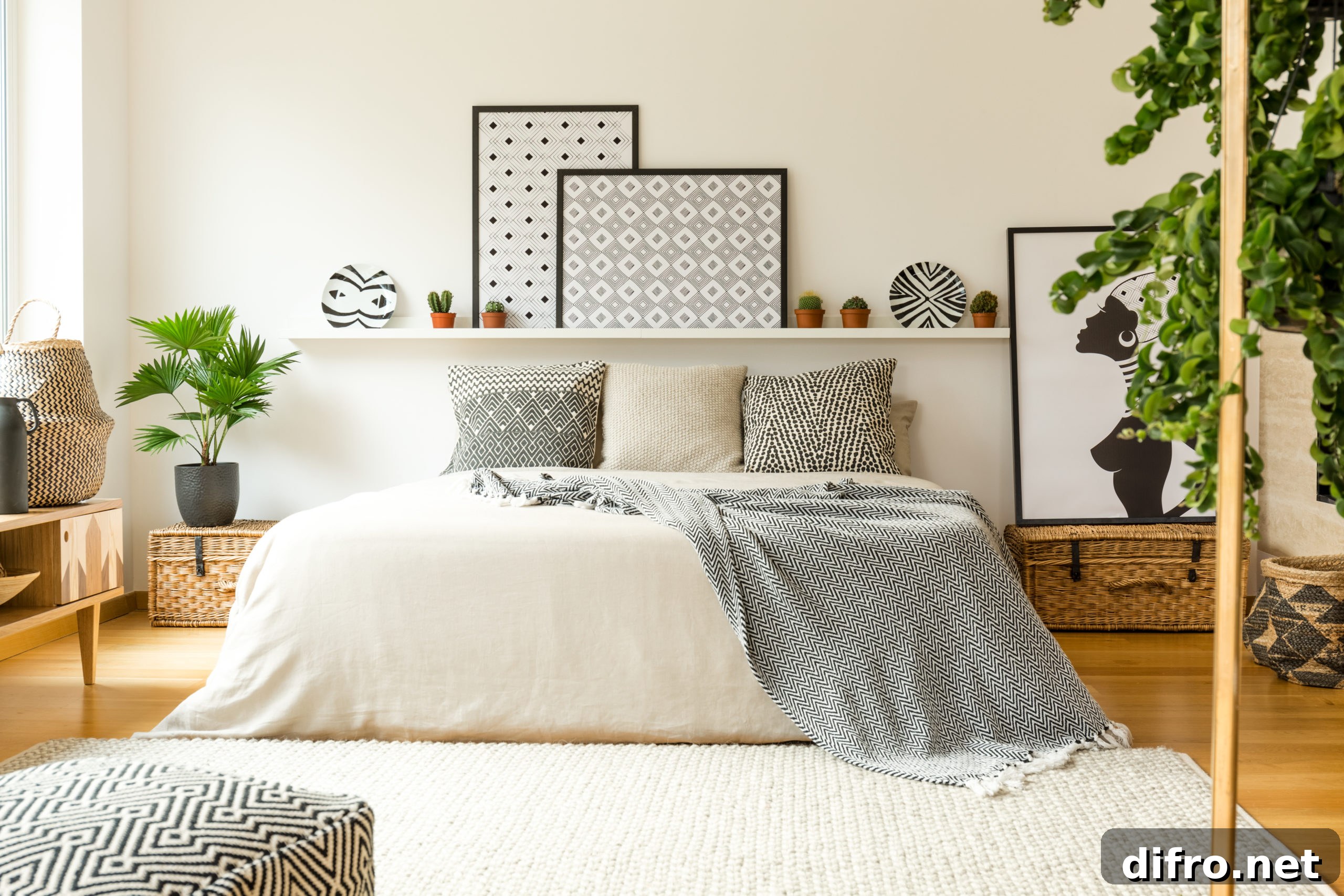
Black, White, and Cream
A primarily neutral scheme of black, white, and cream creates a calm, sophisticated backdrop. Add greenery or a single colored accent to bring the space to life.
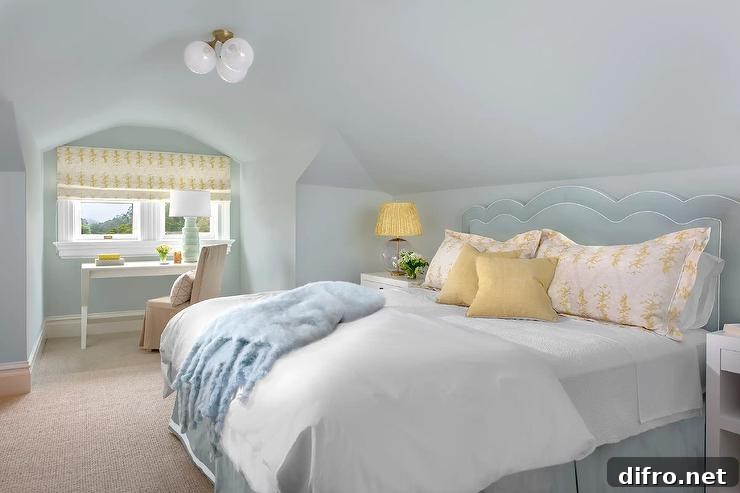
Light Blue, Yellow, and Grey
Pastel yellow adds a soft lift to a light-blue-and-grey scheme, keeping the room cheerful yet restrained.
Bright and Bold Color Schemes
Bright palettes introduce energy and personality. When using bold colors, anchor the scheme with a neutral or reference point such as artwork or bedding so the composition feels intentional.
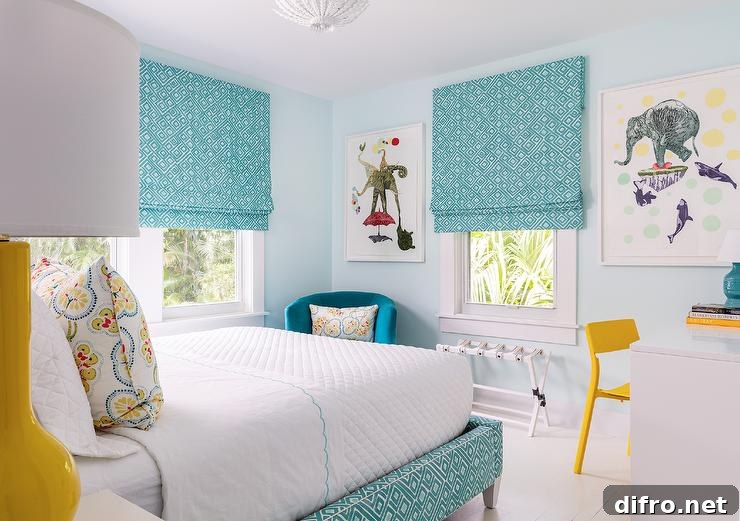
Turquoise, Yellow, and White
Turquoise pairs beautifully with sunny yellow and white for an upbeat, energetic room with a clean feel.
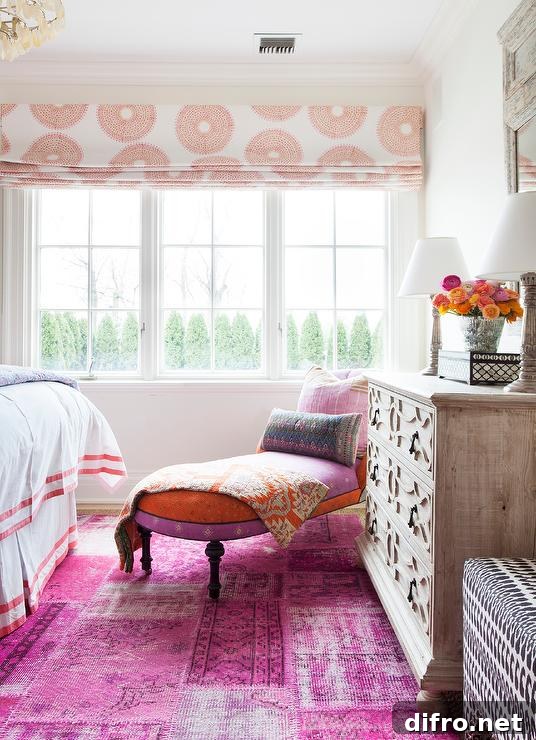
Purple, Orange, and Fuchsia
Daring combinations like purple, orange, and fuchsia can work when balanced—use one color as the lead and the others as bold accents.
Dark and Moody
Dark palettes create drama and intimacy. They work best in larger rooms or spaces with plenty of natural light. If your bedroom is small, consider a single dark accent wall rather than painting the entire room.
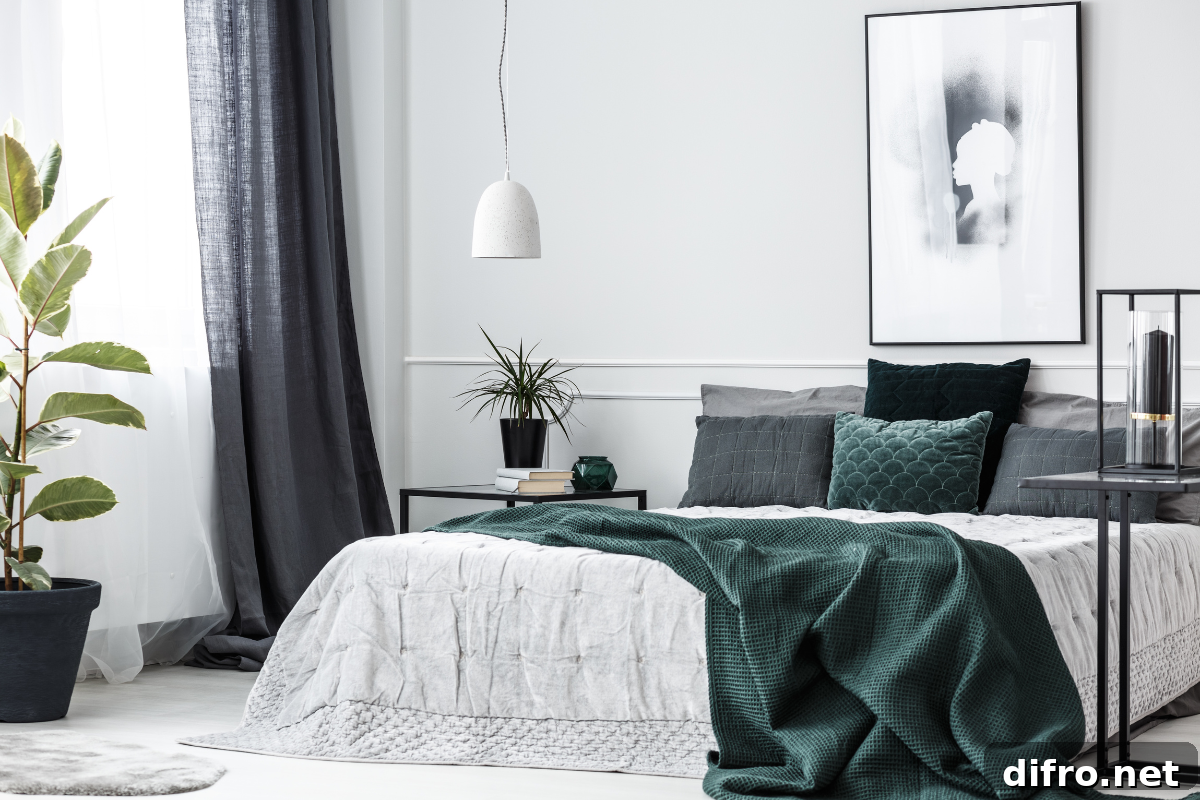
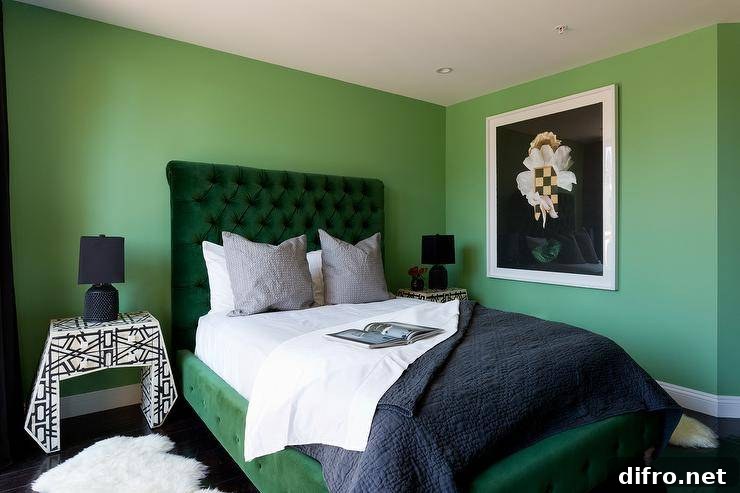
Emerald, Green, and Black
Emerald green with black creates a luxurious, cinematic feel. Soften it with crisp white bedding and reflective accents.
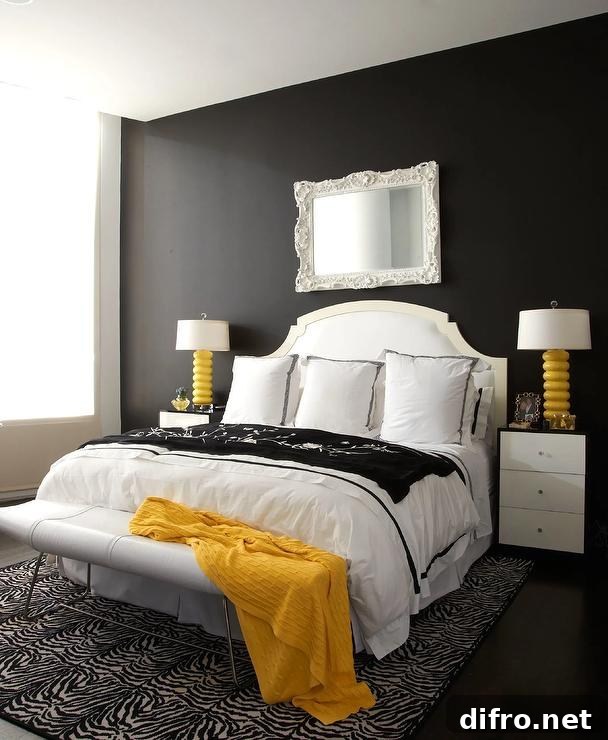
Black, White, and Yellow
In a moody room, small pops of bright color—like yellow lamps or throws—can provide contrast and a cheerful focal point.
Fun and Playful
Playful color schemes embrace primary and saturated hues—teal, mustard, pink, and fuchsia—often paired with whimsical accents like pom-poms, tassels, and bold patterns. These palettes work particularly well in kids’ and teen rooms but can be adapted for adults who love a lively aesthetic.
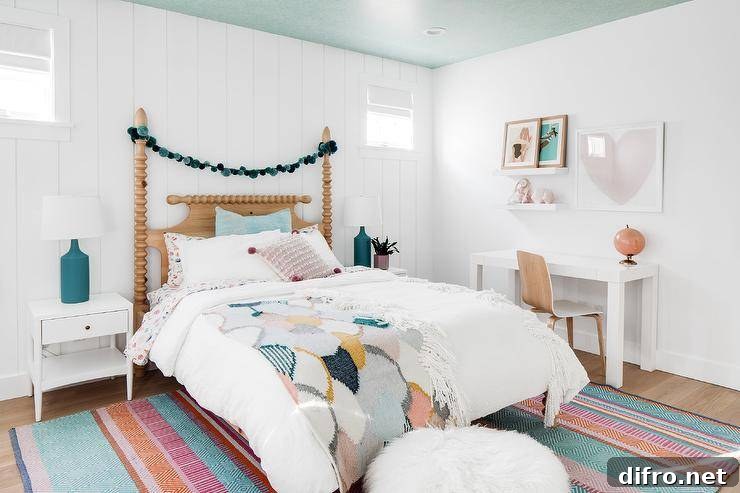
Teal, Mustard, and Pink
Combine jewel-toned teal with muted mustard and soft pink for a playful, balanced space that feels curated rather than chaotic.
Boho Chic
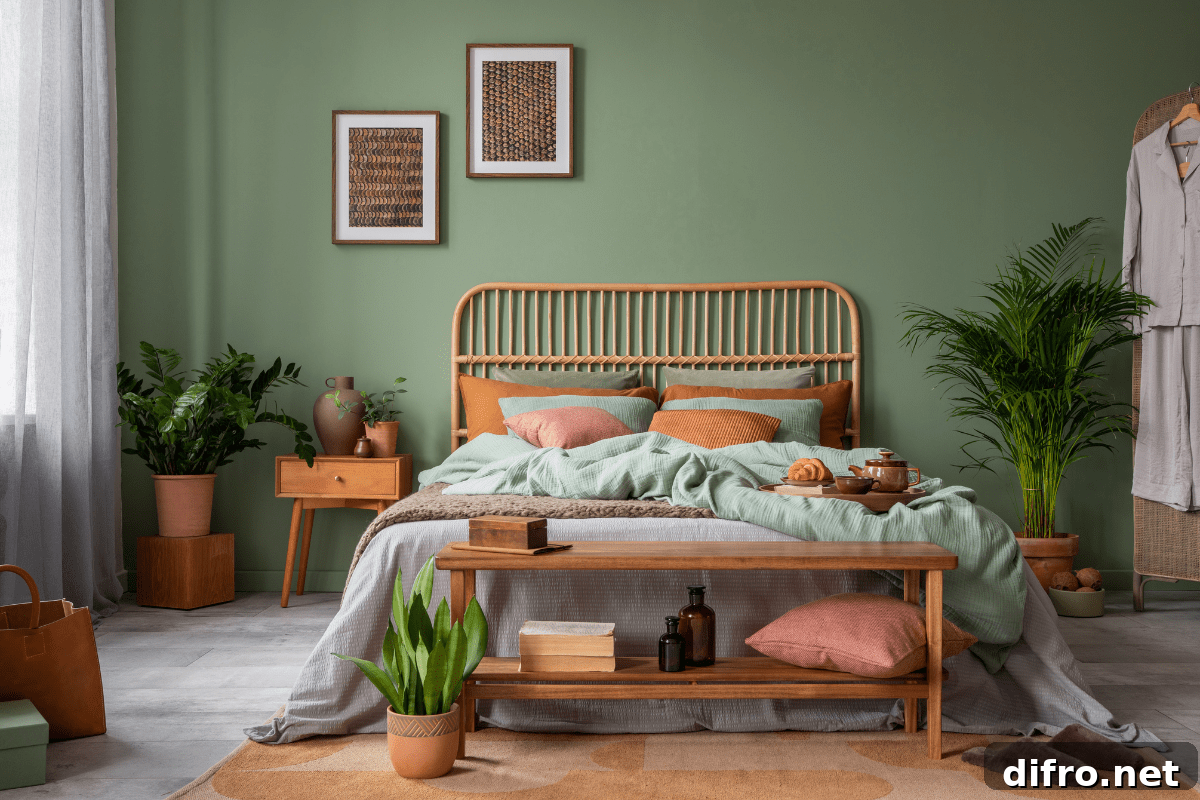
Boho bedrooms layer textures, natural materials, and rich patterns. You can choose an earthy palette—greens, terracotta, and browns—or opt for bolder contrasts with patterned wallpaper and eclectic accents.
Green, Terracotta, and Brown
Earth tones and rattan elements create a warm boho retreat. Mix woven textures with ceramic and wood details for a relaxed, collected look.
Classic and Traditional
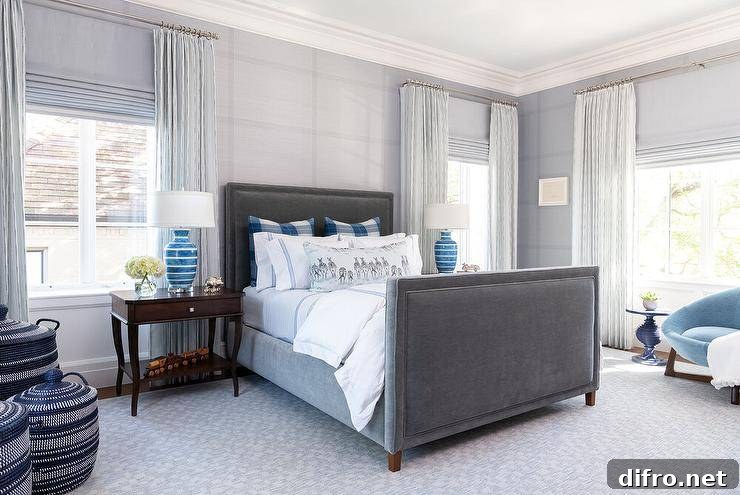
Traditional bedrooms favor timeless color pairings and restrained patterning. Use classic combinations like navy and red, or grey and blue, and limit the number of competing patterns for an elegant result.
Grey, Blue, and Navy
Layering greys with blue and navy gives a composed, sophisticated feel—great for a restful master bedroom.
Bright and Colorful Patterns
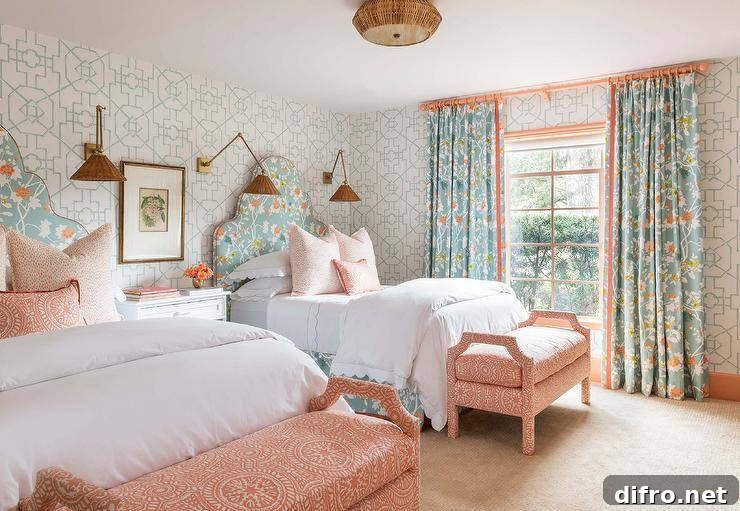
If you enjoy mixing patterns, make color your unifying element. Choose patterns that share a key hue so they feel coordinated rather than clashing.
Peach, Blue, and Brown
Geometric and floral patterns can play together when their color families align. Use one dominant print and let secondary patterns complement it.
Choosing a Primary Color
Choosing the right primary color is essential because it will cover roughly 60% of the room per the 60-30-10 rule. Here’s a quick guide to color categories to help you decide.
Soft Neutrals
Neutrals are a safe, versatile choice that create a flexible backdrop for accessories and artwork. Popular neutrals include ivory, taupe, black, gray, and white. Keep in mind that many neutrals have subtle undertones—blue, pink, yellow, or brown—so sample paint next to your furnishings before committing.
Delicate Pastels
Pastels feel peaceful and refined. Soft blues, lavenders, greens, yellows, and pinks pair well with light greys or creams for a graceful, restful bedroom.
Bright Colors
If bold hues energize you, embrace vibrant choices like teal, yellow, green, turquoise, fuchsia, or purple. Use saturated colors on an accent wall or in large textiles to make a confident statement.
Dark and Moody Colors
Dark shades—black, navy, deep purple, emerald, dark teal, and charcoal—add drama. Use them thoughtfully: try a single accent wall, balance with neutrals, and consider room size and lighting so the space doesn’t feel cramped.
Best Tips for Choosing a Color Scheme
- Start with a focal point such as bedding or artwork.
- Decide the mood you want the room to convey.
- Consider the context of the room: light, size, and existing furnishings.
- Use the color wheel to help choose complementary or analogous colors.
- Follow the 60-30-10 rule to balance dominant, secondary, and accent colors.
- Draft several variations before committing to paint.
Further Inspiration
- Wallpaper Accent Walls For a Serene Atmosphere in the Bedroom
- Relaxing Escape: Ideal Window Seats for the Bedroom
- Fresh Bedroom Looks and Styles to Try Out in the New Year
- 10 Plants for the Bedroom That Can Help You Sleep Better
- Contemporary Eclectic Bedrooms with Restrained Layering
- Wooden Slat Wall Ideas For Your Bedroom