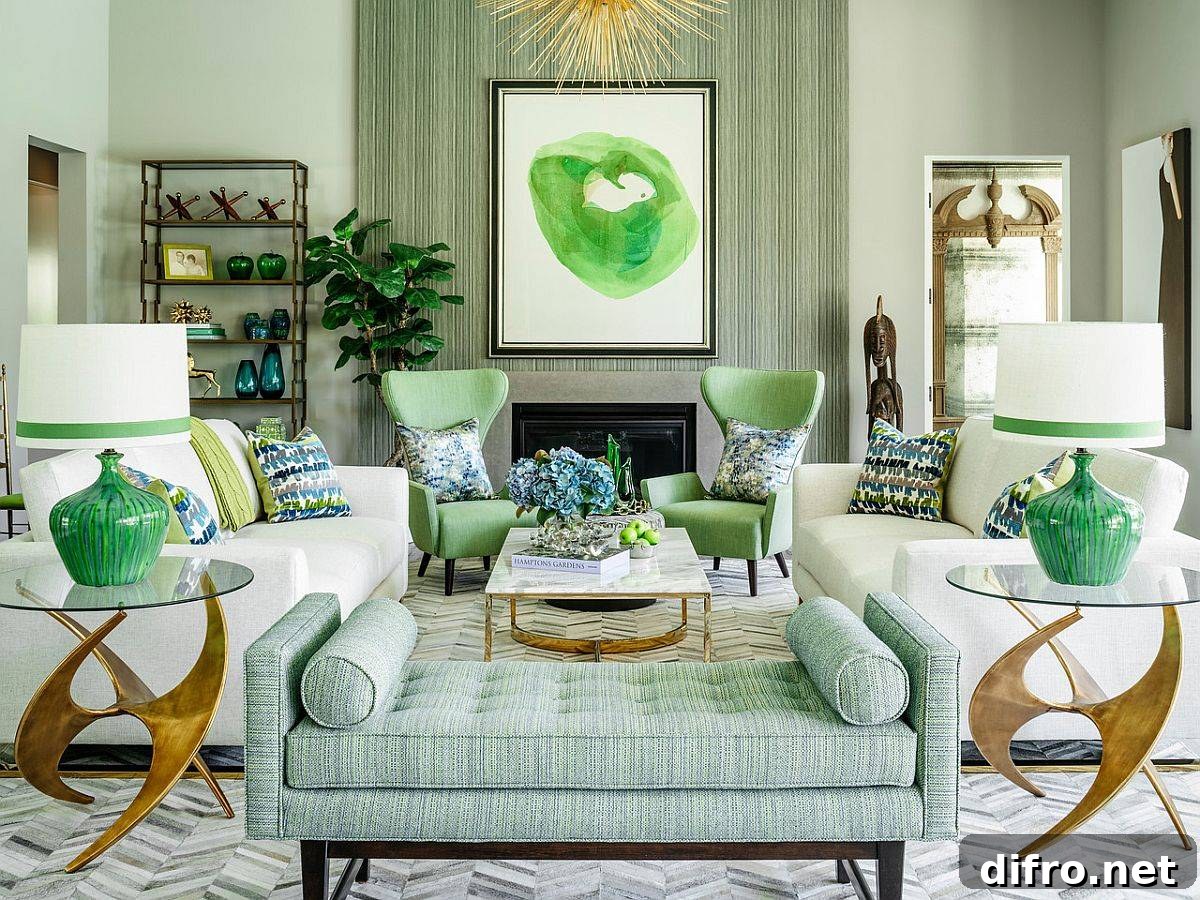
A close look at the “colors of the year” tells us a great deal about broader cultural moods and the way people feel at a specific moment. Color trends are more than marketing tools that push homeowners to repaint; they reflect social priorities, economic moods, and collective aspirations. Historically, exuberant and uncertain periods have produced bright, bold palettes, while calmer, more prosperous times have favored muted, soothing tones. The vivid patterns and saturated hues of the 1970s and 1980s contrasted with the relaxed neutrals of the 1990s, which mirrored a quieter, more settled era.
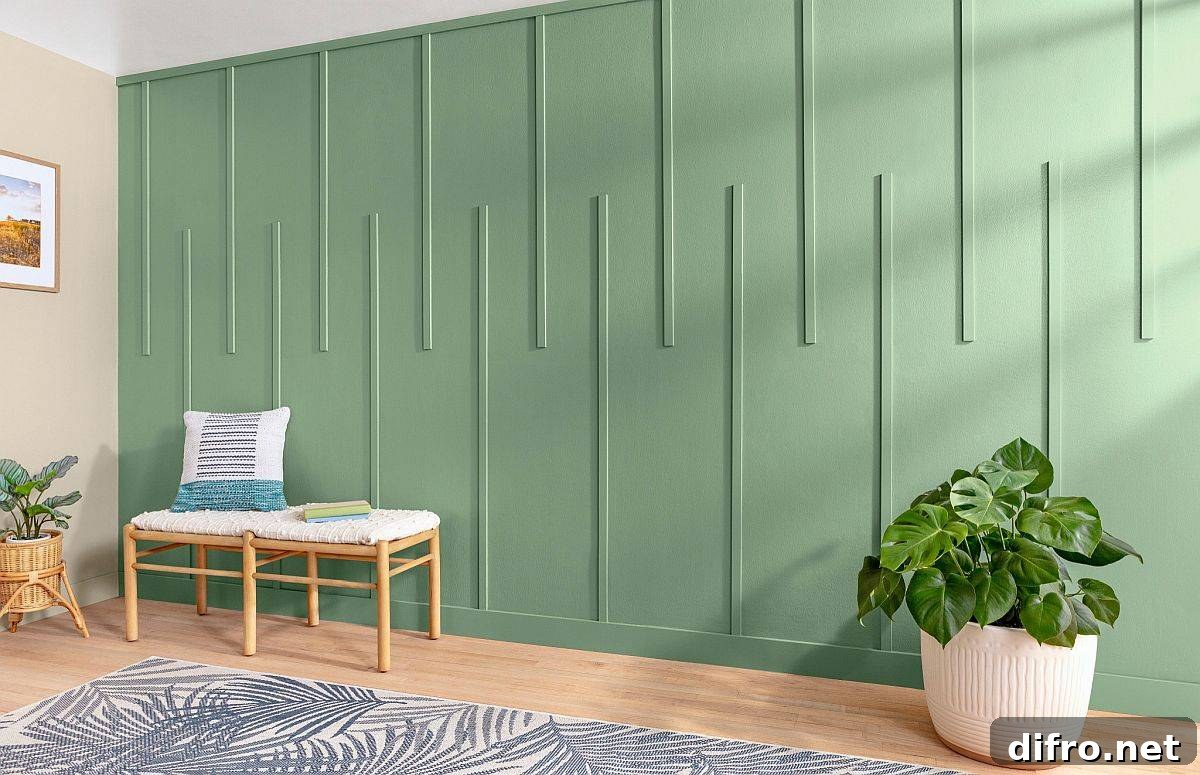
After prolonged global uncertainty and a long period of people spending more time at home, green has emerged as one of the dominant interior colors for 2022. Several major paint brands highlighted green shades as trendsetters: Benjamin Moore selected a muted sage called October Mist and Sherwin-Williams highlighted a misty tone named Evergreen Fog. Those choices—along with other brands picking their own green hues—reflect a broader shift toward tones that suggest renewal, nature, and calm.
Why Green?
Green resonates now for several reasons. As a color, it naturally evokes renewal, growth, balance, and a sense of hope—qualities many homeowners sought after a difficult period. Green also aligns with a growing interest in eco-conscious living and bringing elements of the outdoors inside. While blues and grays have dominated interiors for years, green offers warmth and liveliness without overwhelming a space. It functions well as a restful backdrop while still providing a thoughtful, contemporary edge.
Finding the Right Shade
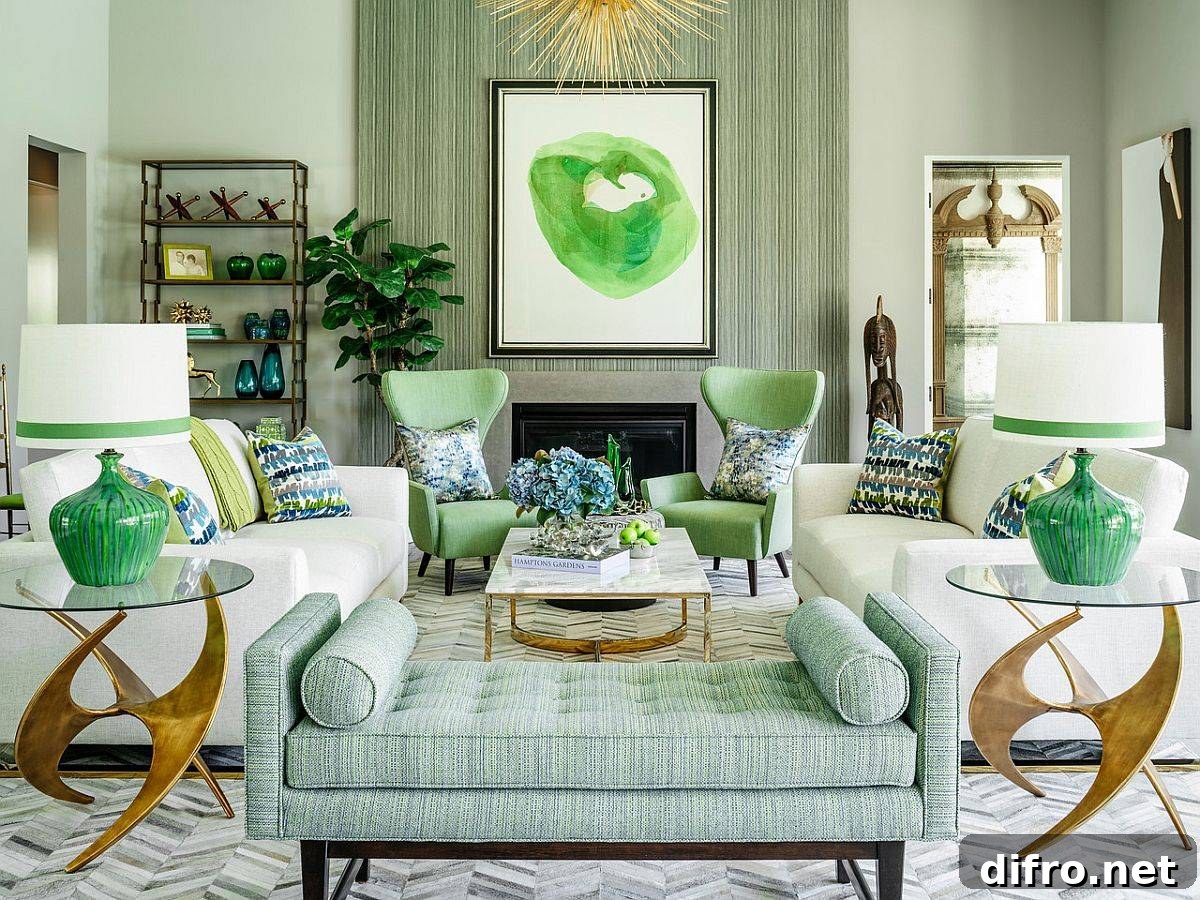
Choosing the right green for a living room depends on the mood you want to create. Benjamin Moore’s October Mist is a soft, sage-toned green that reads as calming and modern; it pairs beautifully with warm woods, crisp whites, and deeper grays. Sherwin-Williams’ Evergreen Fog sits between green and gray, changing subtly with light and lending a sophisticated, neutral quality that works especially well in contemporary interiors.
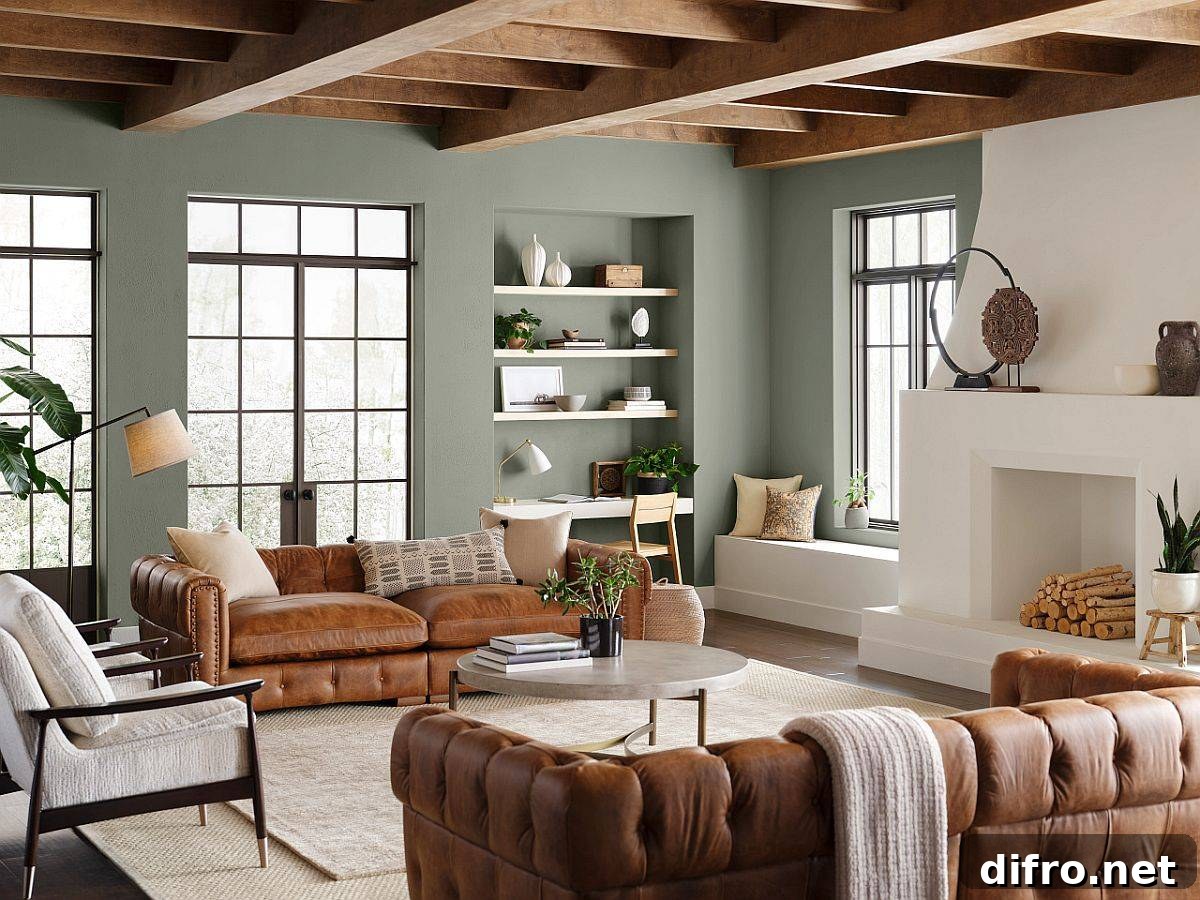
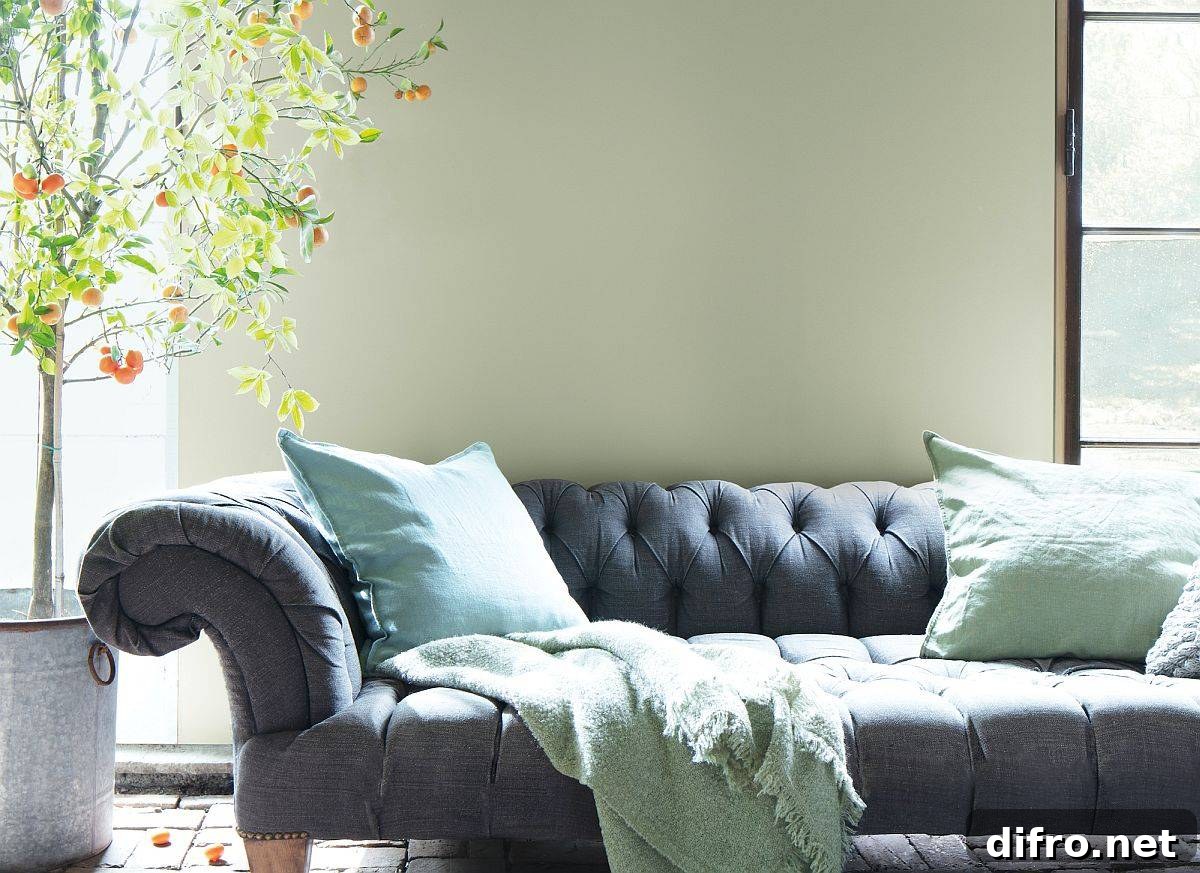
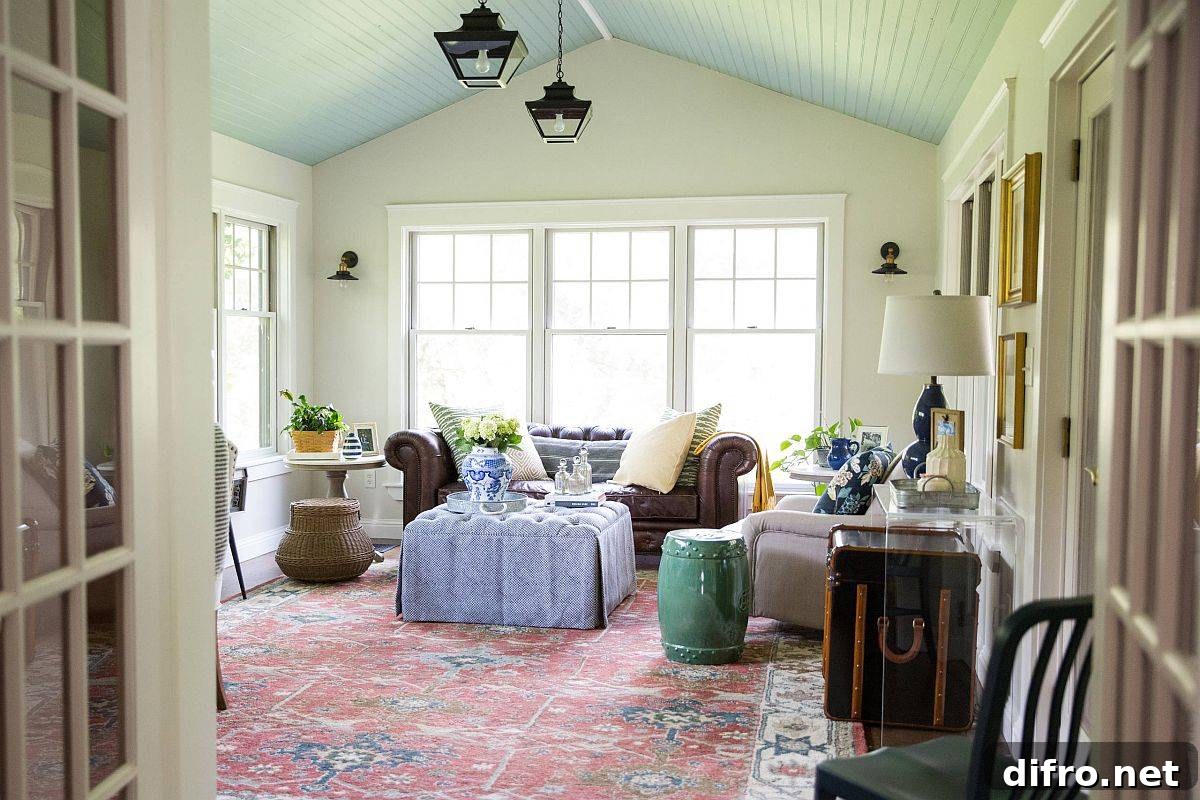
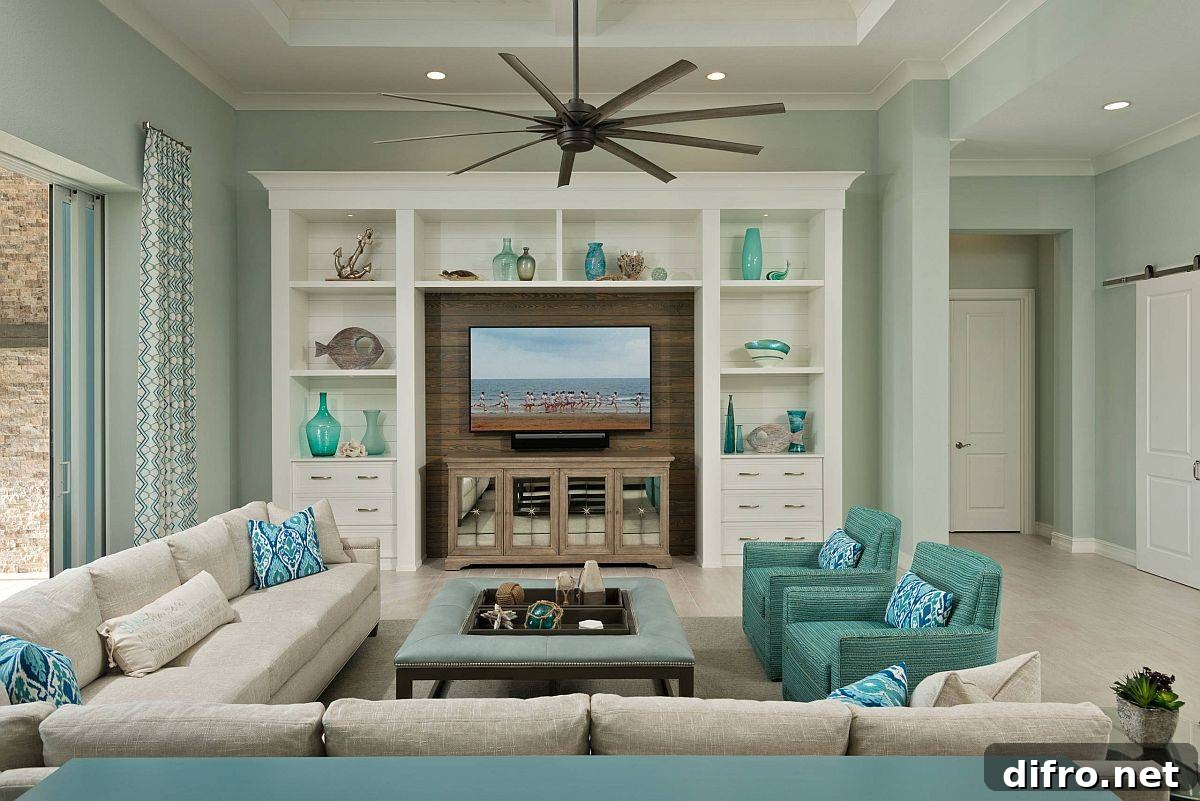
Light, muted greens like these are versatile: they can act as neutral backdrops or as focal points depending on how you layer furniture, textiles, and art. For a softer, airier feel, combine pastel greens with sand tones, pale blues, and soft whites. For a bolder, more dramatic look, pair deeper greens with brass accents, leather upholstery, or jewel-toned throw pillows.
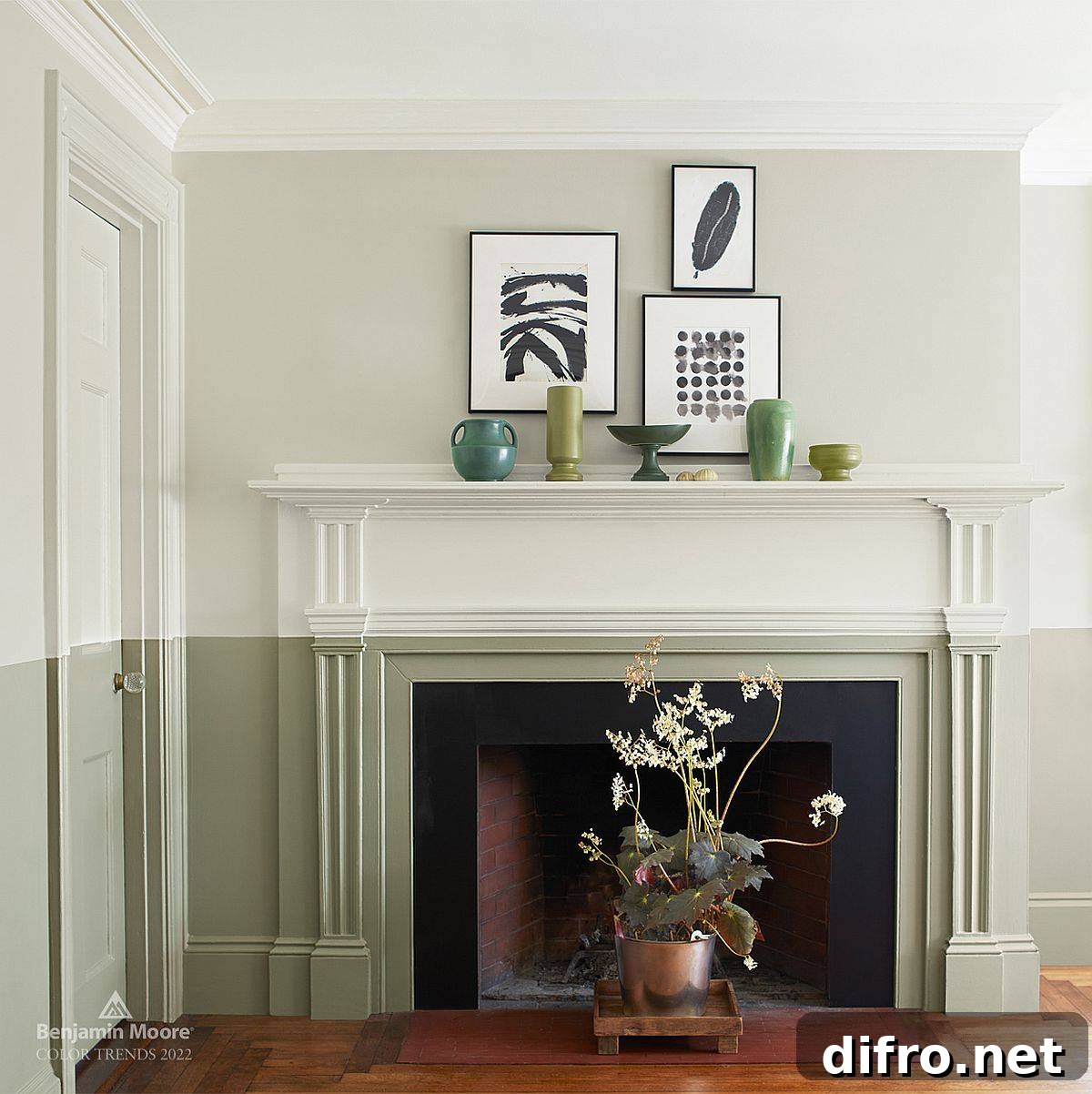
Create a Versatile Backdrop
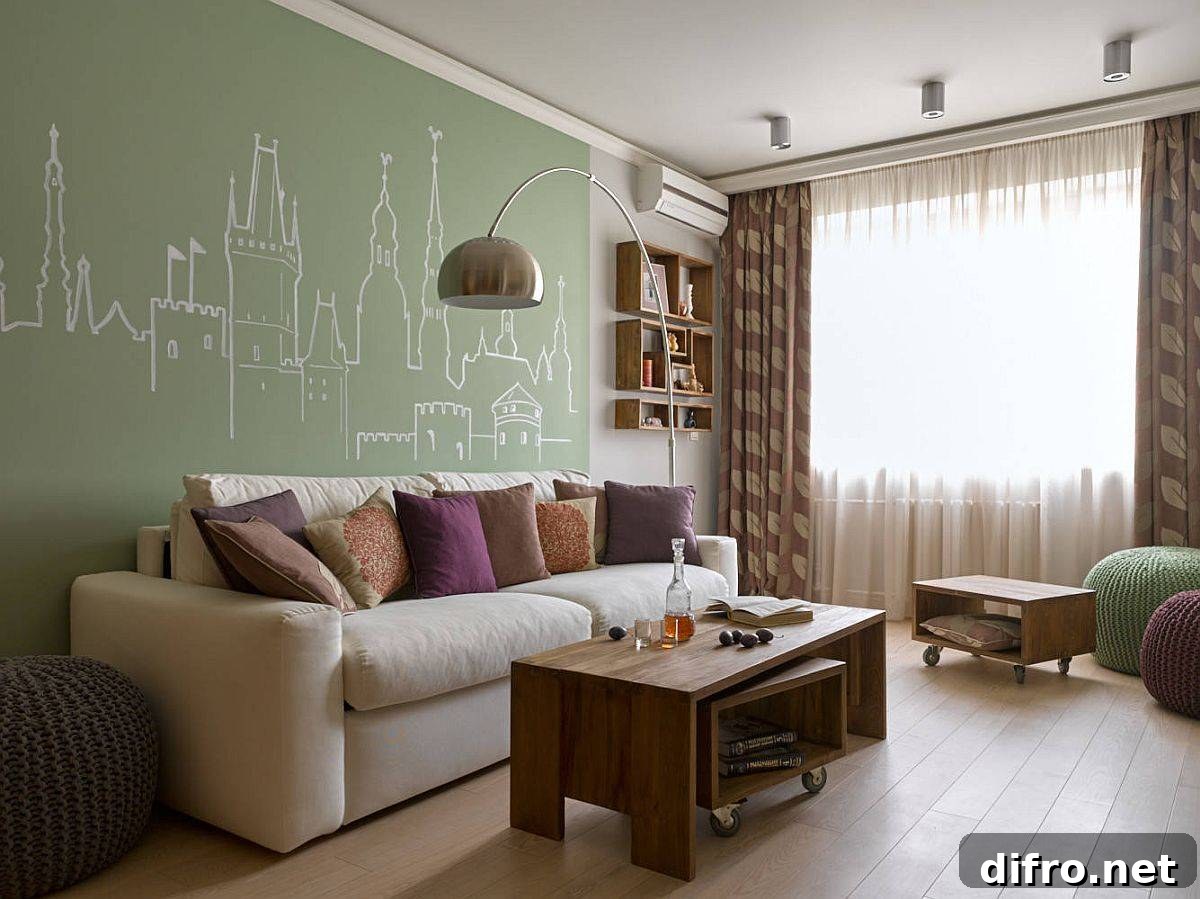
Green’s versatility makes it suitable for many decorating styles. In traditional, eclectic, or rustic rooms, richer, darker greens create a warm, enveloping backdrop that pairs well with wood tones and textured fabrics. In modern, minimal, or Scandinavian interiors, pale greens or muted sage hues feel fresh and airy, allowing you to use more green without overwhelming the room.
Consider where to place green in your space: whole-room paint for a cohesive, immersive feel; an accent wall to draw attention to a focal area; painted ceilings for a surprising, enveloping touch; or furniture and textiles for a subtler nod to the trend. Pastel greens allow broader application without feeling garish, while deeper greens provide drama and depth.
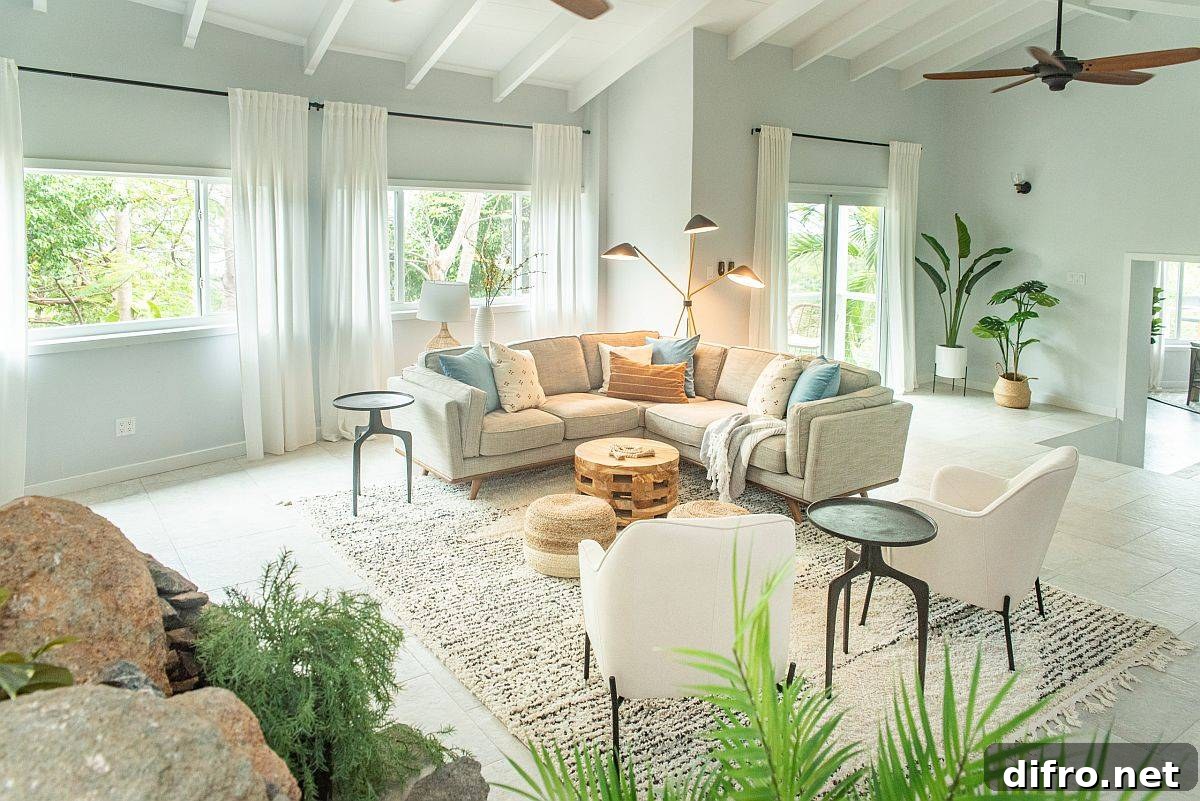
Whether you choose a soft sage, a misty gray-green, or a deep emerald, green offers a flexible palette that can refresh and ground your living room. Thoughtful pairing with neutrals, natural materials, and accent colors will help you create a space that feels both current and timeless.