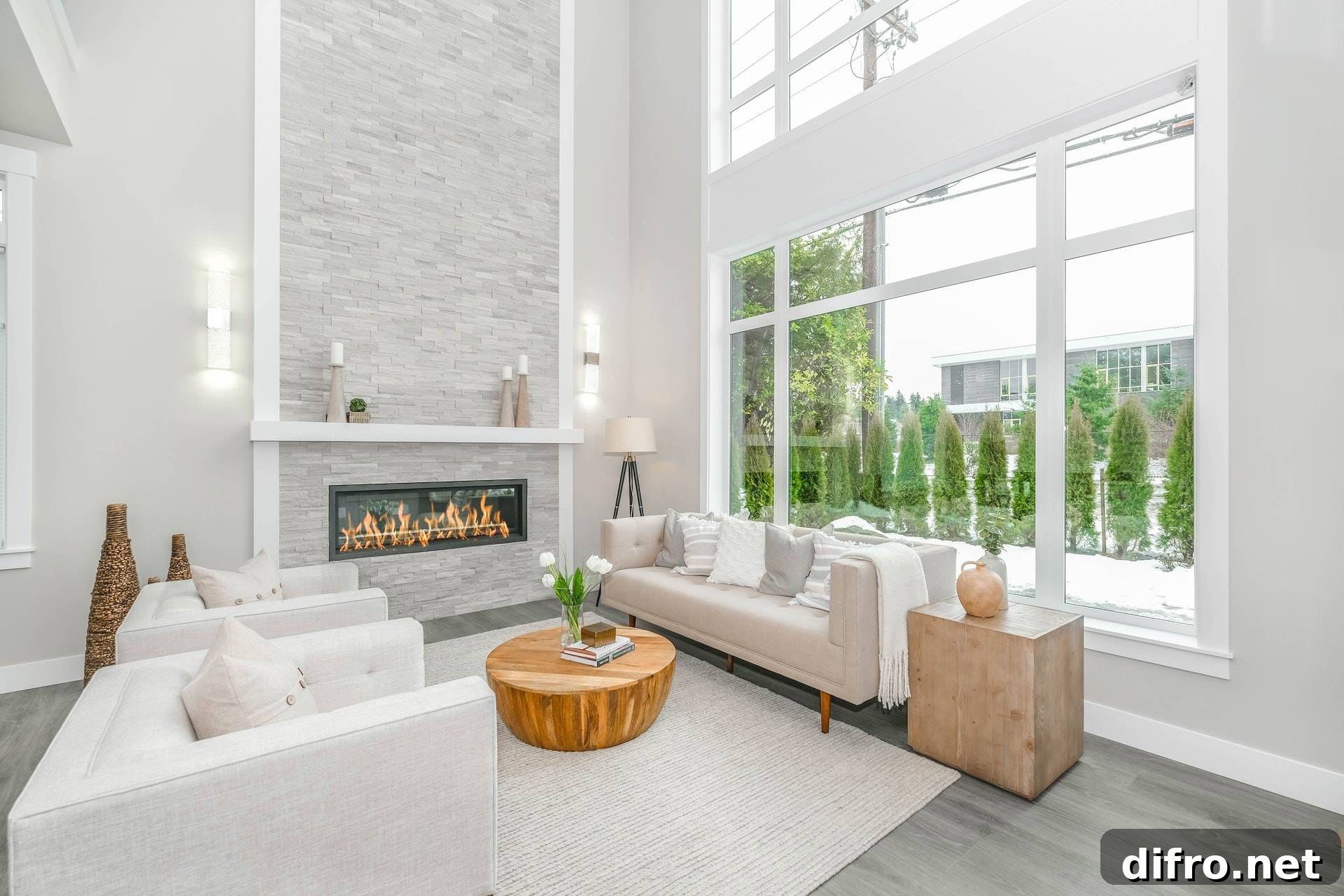
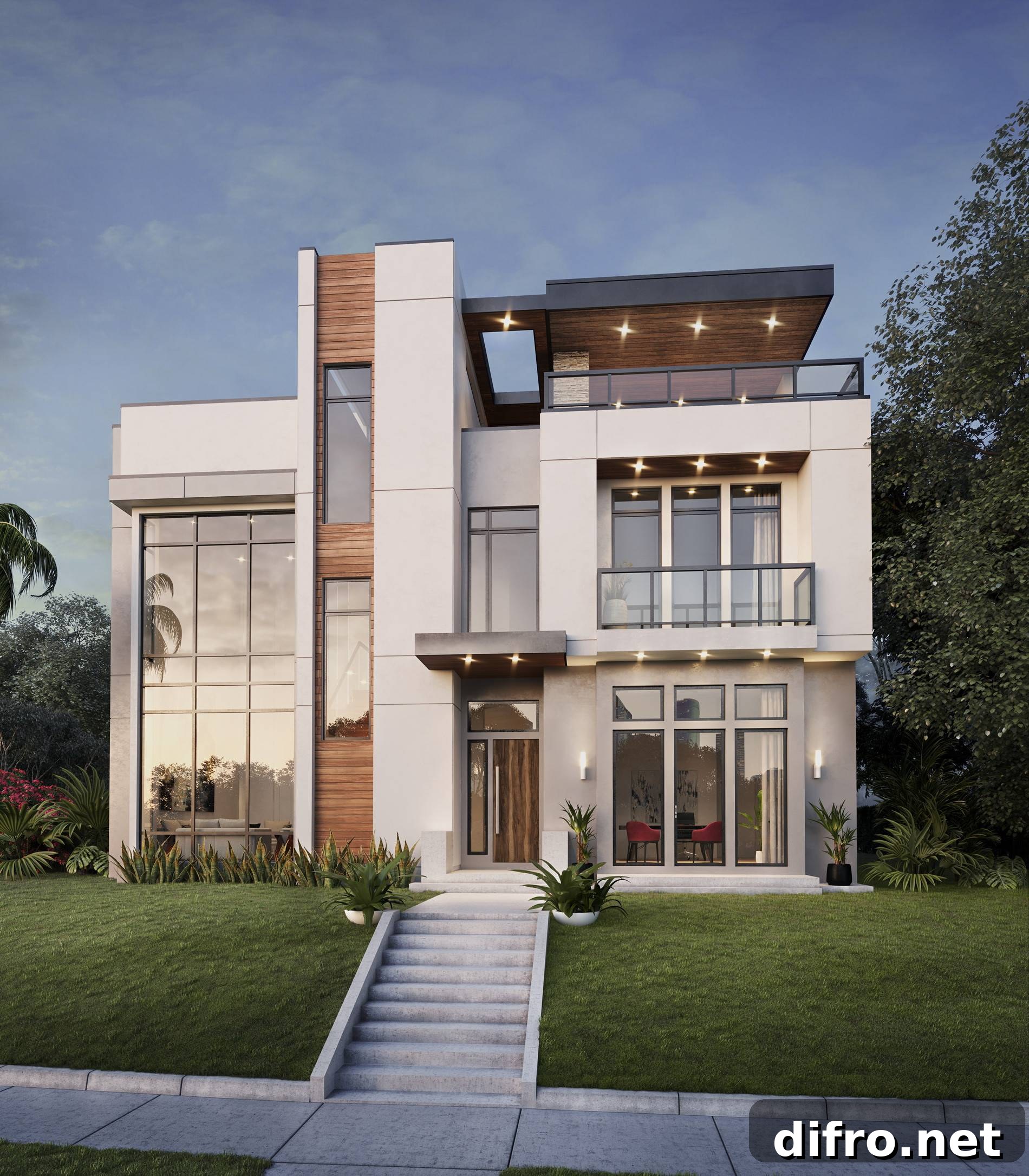
Matching your home’s interior and exterior creates a cohesive, comfortable experience and helps define the overall style of your property. Too many clashing colors or competing styles can feel visually chaotic and undermine the design. A unified look not only improves daily enjoyment but also appeals to potential buyers, so it’s worth considering if resale might be on the horizon.
A smooth transition between inside and out is achieved by coordinating colors, materials, textures, and details. You don’t need to copy every element exactly; instead, aim for a consistent design language that flows naturally from the exterior into the interior. Below are practical strategies to help you create that seamless connection.
Color
Color is one of the most effective tools for achieving unity. Rather than using identical hues indoors and outdoors, build a complementary color palette you can repeat in different ways. Start with a base of neutral shades—whites, beiges, soft grays—and add two or three accent colors that reflect the exterior palette.
For example, if your outdoor seating and landscaping have warm tans and soft greens, carry those tones into your living room with throw pillows, an area rug, or a painted accent wall. White outdoor furniture can be echoed by white upholstery or cabinetry inside to maintain visual continuity without feeling overly matchy.
Consider how light affects color: exterior colors can appear brighter in sunlight, so choose interior tones that harmonize under softer indoor lighting. When in doubt, test paint samples near windows and doors that connect to the outside to ensure a smooth transition.
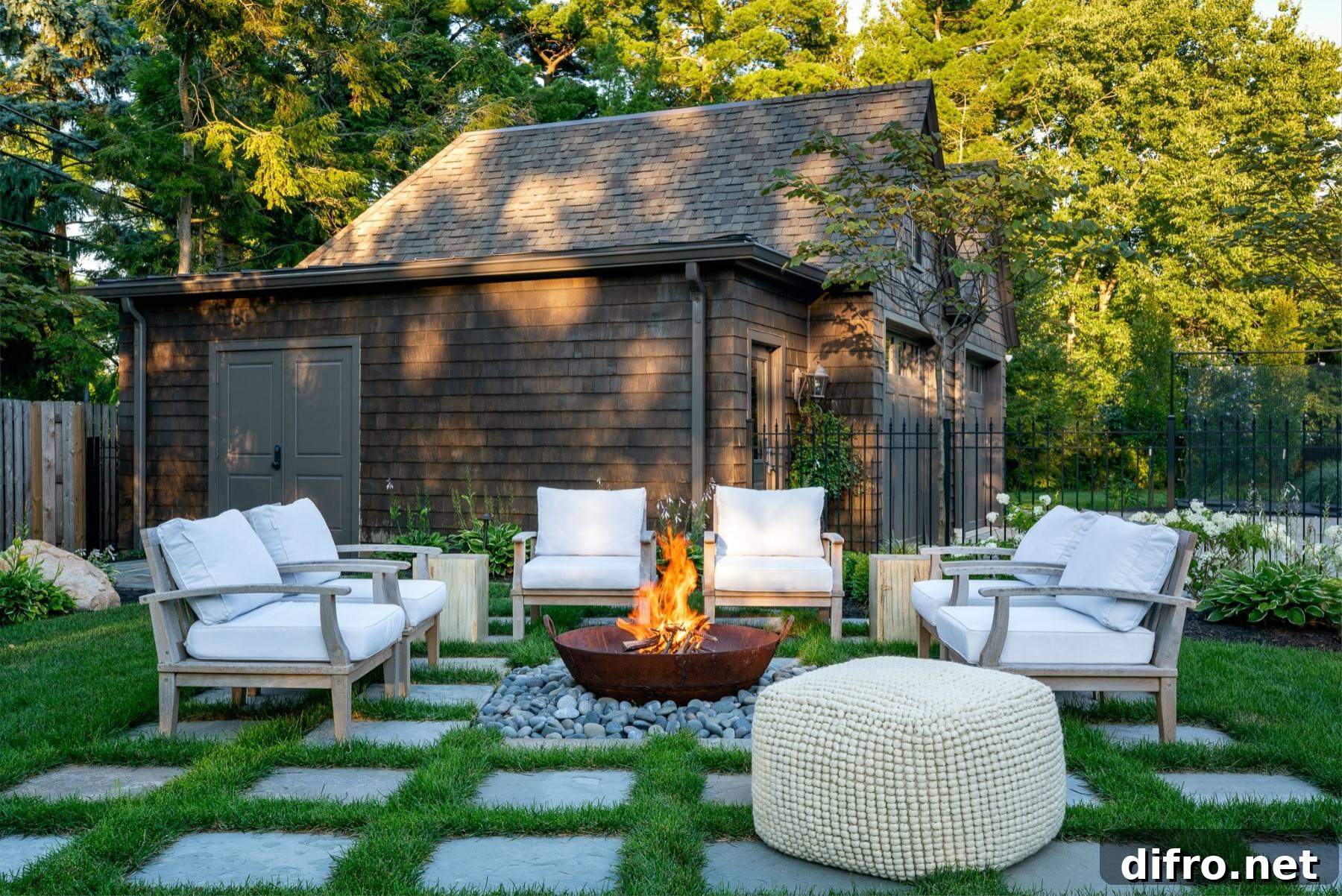
Furniture
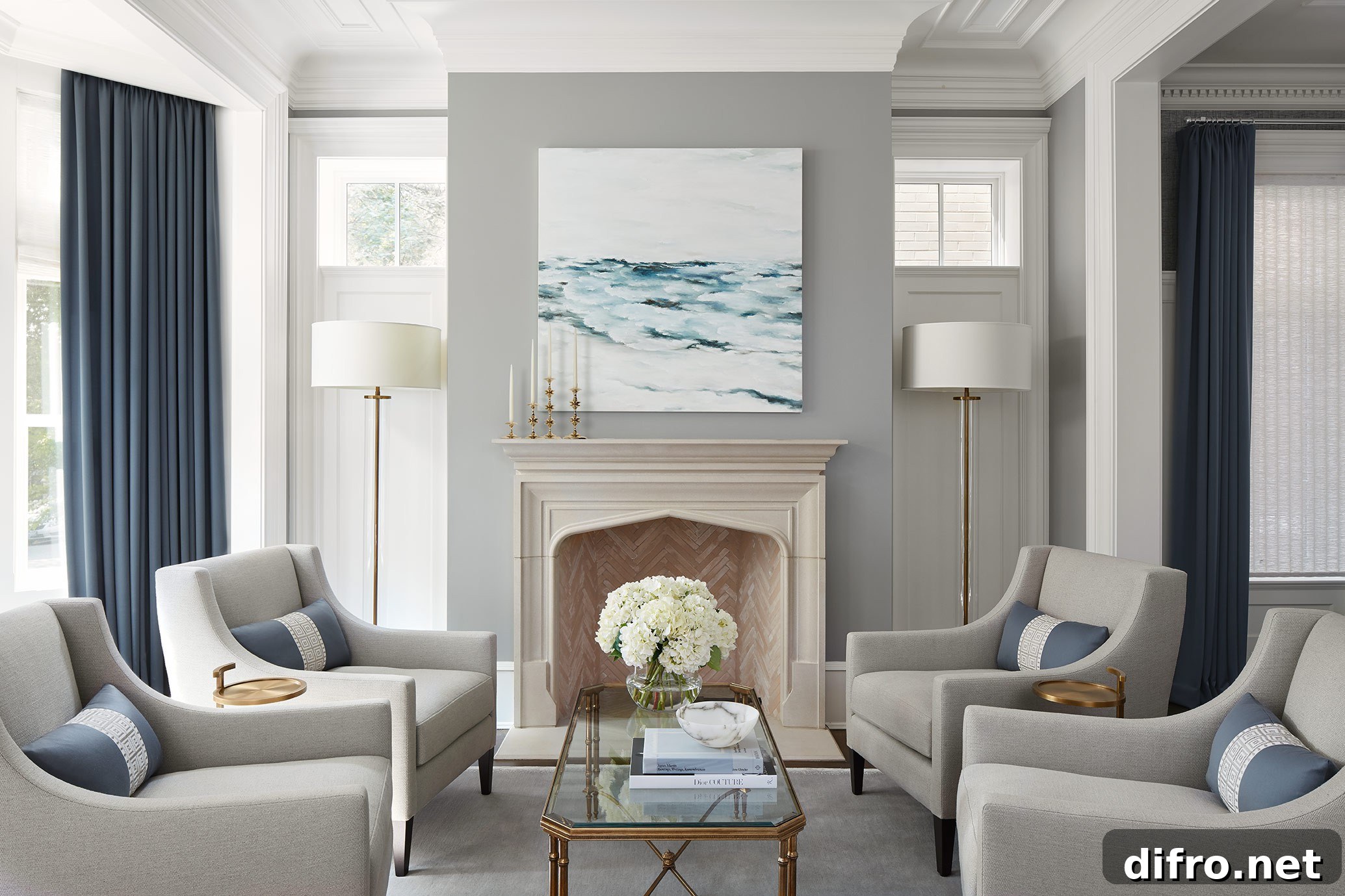
Furniture should reflect and reinforce the architectural style of the home. A modern exterior pairs best with streamlined, contemporary furniture, while a historic or traditional façade is complemented by classic shapes and finishes. Mixing dramatically different styles—like ultra-modern pieces in a Colonial house—can create visual tension unless intentionally balanced.
Coordinate scale and proportion as well as style. A home with high ceilings and formal spaces can accommodate larger, more ornate furnishings; a compact bungalow benefits from lighter, simpler pieces. For period homes, choose materials and details that echo the architecture—carved wood, turned legs, and traditional upholstery for Victorian and Colonial styles. For modern homes, lean into minimal silhouettes, metal accents, and geometric shapes.
Texture
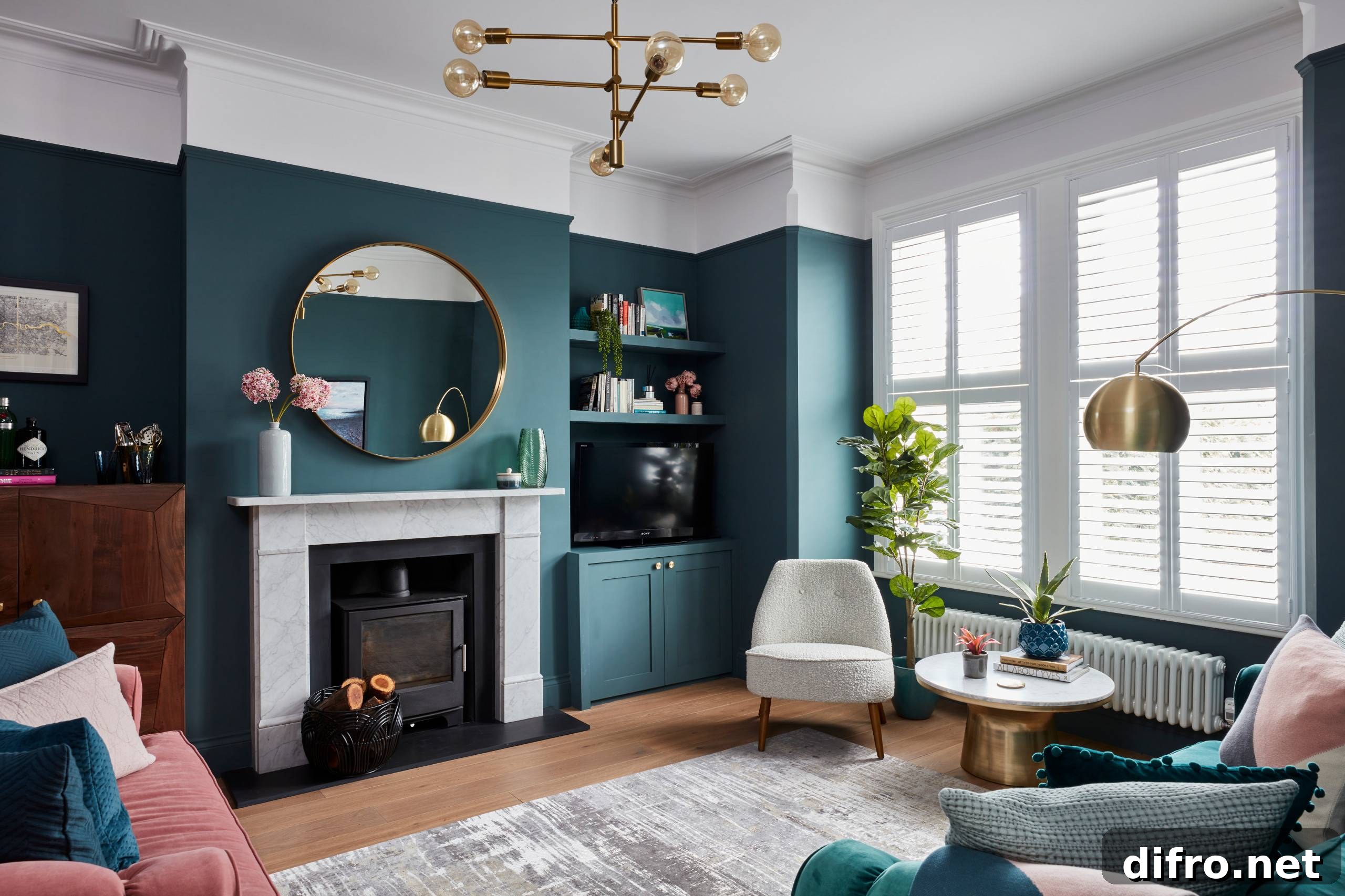
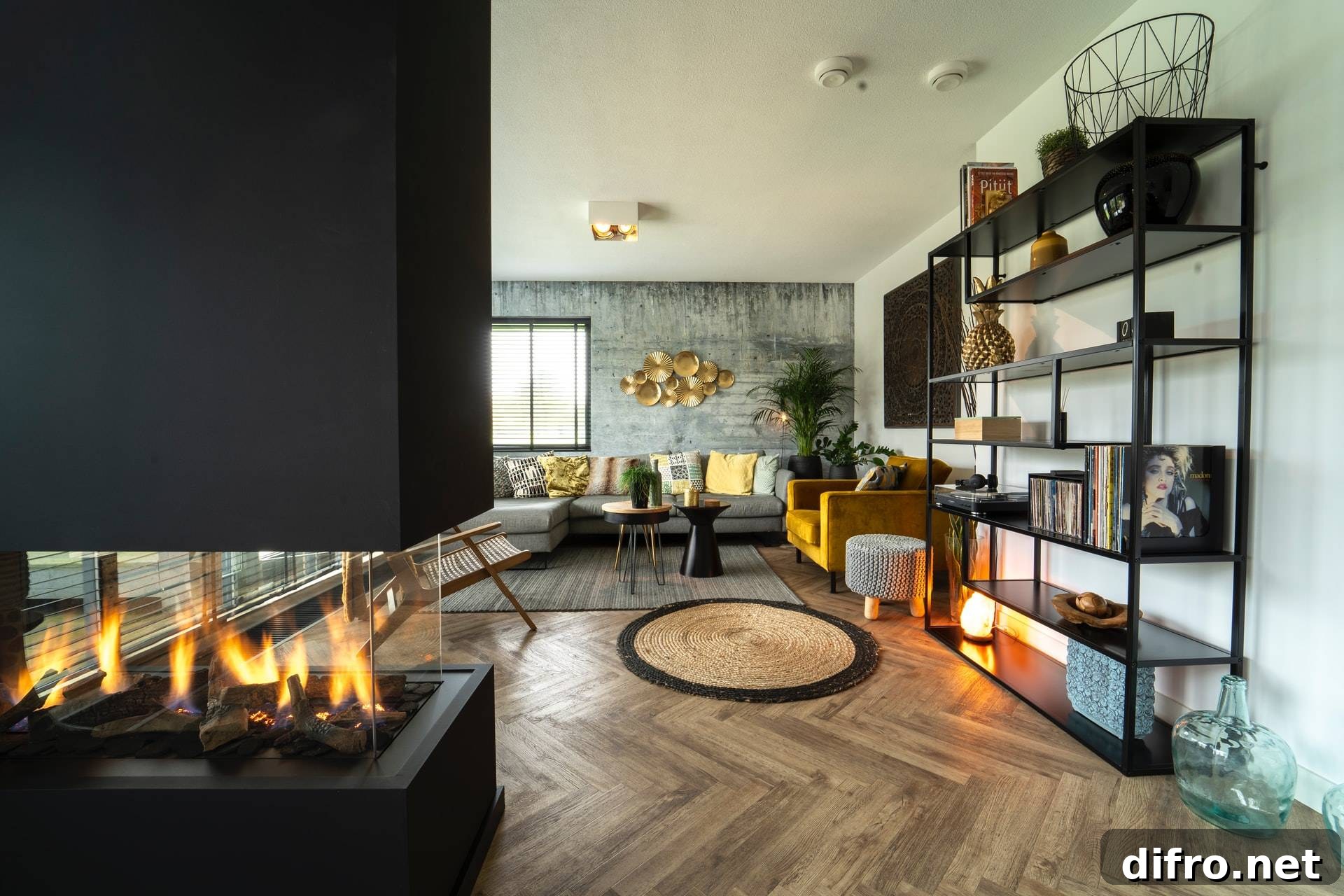
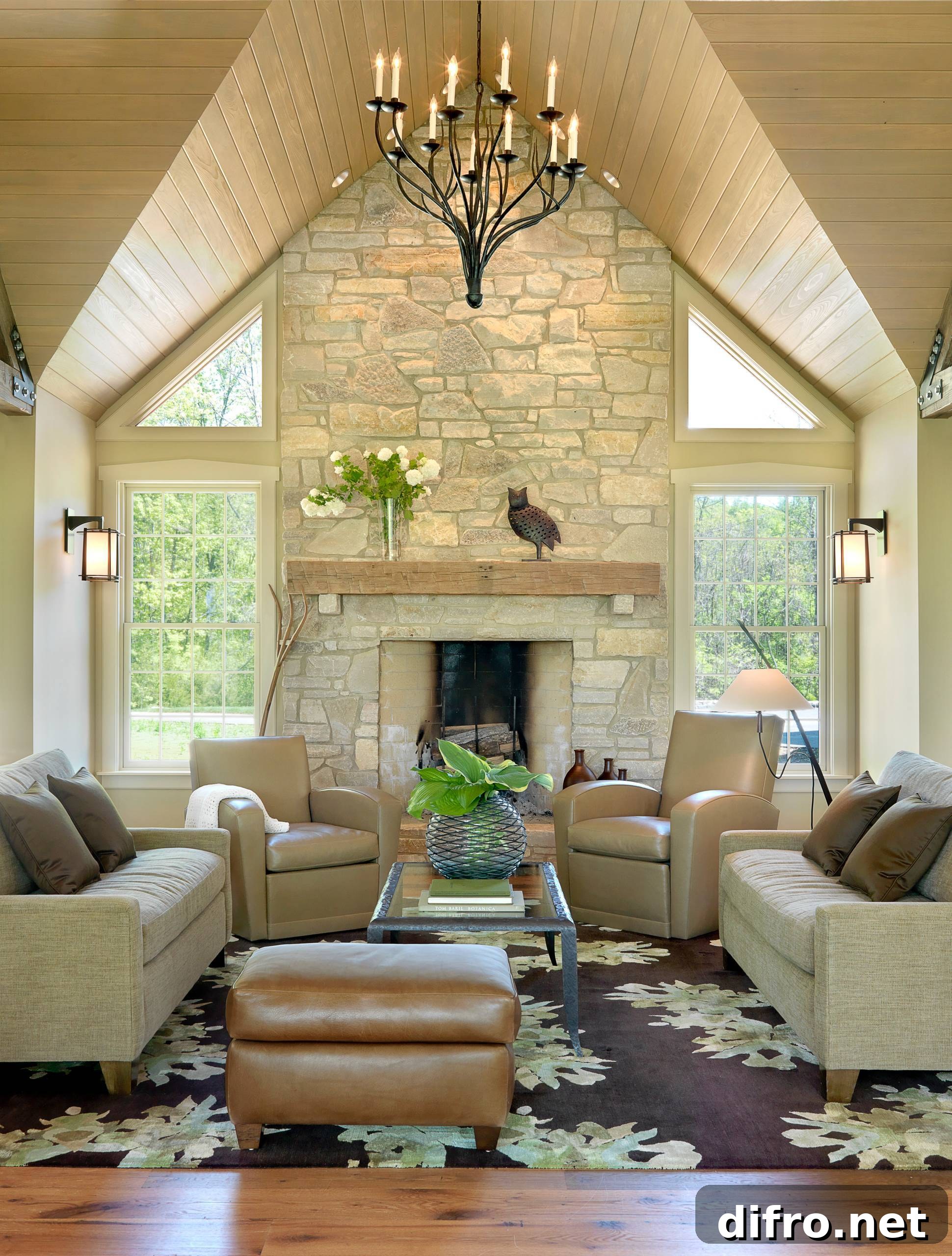
Translating exterior textures into interior finishes creates a tactile connection between inside and outside. If the façade features natural stone, wood, or textured siding, echo those materials inside through fireplaces, accent walls, flooring, or built-ins. For modern homes that rely on glass, concrete, and metal, introduce those refined textures indoors with metal light fixtures, glass partitions, or polished surfaces.
Using a limited set of recurring materials helps maintain cohesion without feeling monotonous. For instance, a limestone exterior can be referenced with a limestone-clad fireplace or stone-topped console table, while exterior wood cladding can be mirrored by exposed beams or wood flooring. The goal is to suggest continuity—subtle references can be more powerful than exact replications.
Decor
Decor is where you can bring personality to the transitional zone between outdoors and indoors. Artwork, lighting, rugs, and accessories should reflect the setting and architecture. If you live in a rural or wooded area, landscape art, natural fibers, and botanical prints reinforce that connection. In an urban or coastal home, select pieces that echo the local environment—clean lines for a city loft, lighter textures for a seaside property.
Incorporating plants is one of the simplest and most effective ways to blur the boundary between outside and in. Potted trees, hanging planters, and mixed container arrangements bring garden colors and textures directly into living spaces. Seasonal decor also helps you sync interiors with the changing exterior: rich, warm accents in autumn, fresh greenery and light fabrics in spring and summer.
Lighting plays a role as well. Exterior fixtures that mirror interior lightings—such as matching metal finishes or similar forms—provide a visual cue of unity when you move from porch to foyer. Similarly, thoughtful window treatments and large openings like sliding or folding glass doors physically and visually connect your interior rooms to outdoor living areas.
Practical steps to begin: identify two or three dominant materials and three core colors from your exterior, then map where each can appear inside—flooring, textiles, fixtures, and focal elements. Keep choices intentional and restrained; repetition should feel harmonious, not monotonous. With that approach, your home will feel thoughtful, unified, and welcoming from curb to core.