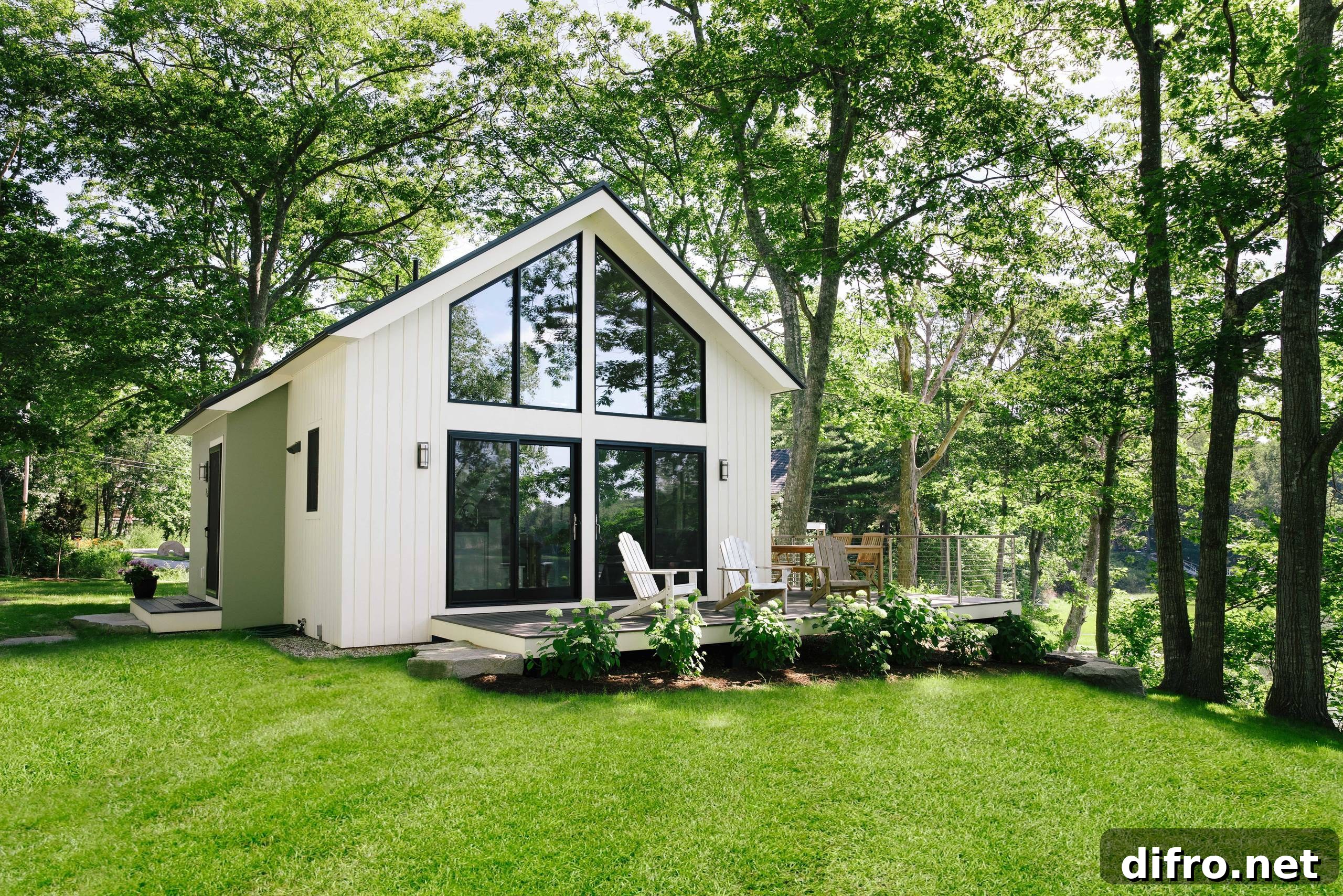
The tiny house movement continues to grow because smaller homes offer clear benefits: lower purchase prices, reduced maintenance, and smaller utility bills. However, moving into a tiny home requires thoughtful planning. This article outlines the advantages and disadvantages of tiny home ownership and provides practical, space-saving tips to make a small house comfortable and functional.
Pros and cons
One of the strongest arguments for tiny homes is cost savings. Buying a smaller house typically requires less capital upfront, and ongoing expenses—heating, cooling, cleaning, and general upkeep—are usually lower. Many buyers can avoid a large mortgage or reduce loan amounts, which makes tiny living attractive for people seeking financial freedom or a simpler lifestyle.
Smaller footprints also mean less time spent on maintenance and cleaning. With fewer rooms and less square footage, day-to-day chores take less time, freeing homeowners for other activities. Tiny homes can also encourage a more intentional lifestyle: fewer possessions, less clutter, and a focus on quality over quantity.
On the downside, tiny homes come with limitations. Reduced living space constrains layout options and can make it difficult to design separate zones for privacy, work, and relaxation. Tiny homes are best suited to singles, couples, or very small families. Larger households or those who frequently host guests may find a tiny home impractical.
Entertaining can be a challenge in a tiny house. Kitchen space and seating are limited, so large gatherings are uncommon. If you enjoy hosting dinner parties or overnight guests regularly, consider whether your social habits will adapt to a compact environment.
Per-square-foot costs can also be higher than expected. Building a well-designed tiny home often requires custom solutions and careful craftsmanship, which can drive up expenses compared with conventional construction. Likewise, furniture and appliances that fit nonstandard dimensions may be custom-made or higher priced than off-the-shelf alternatives.
Downsizing is another practical hurdle. Moving from a standard house to a tiny home usually means parting with furniture, appliances, and belongings that won’t fit. Planning what to keep, donate, store off-site, or sell is essential before the move.
Storage hacks and design strategies
Effective storage planning can transform a compact space into a highly usable home. The core idea is to use every inch of space deliberately, focusing on vertical surfaces and multipurpose solutions.
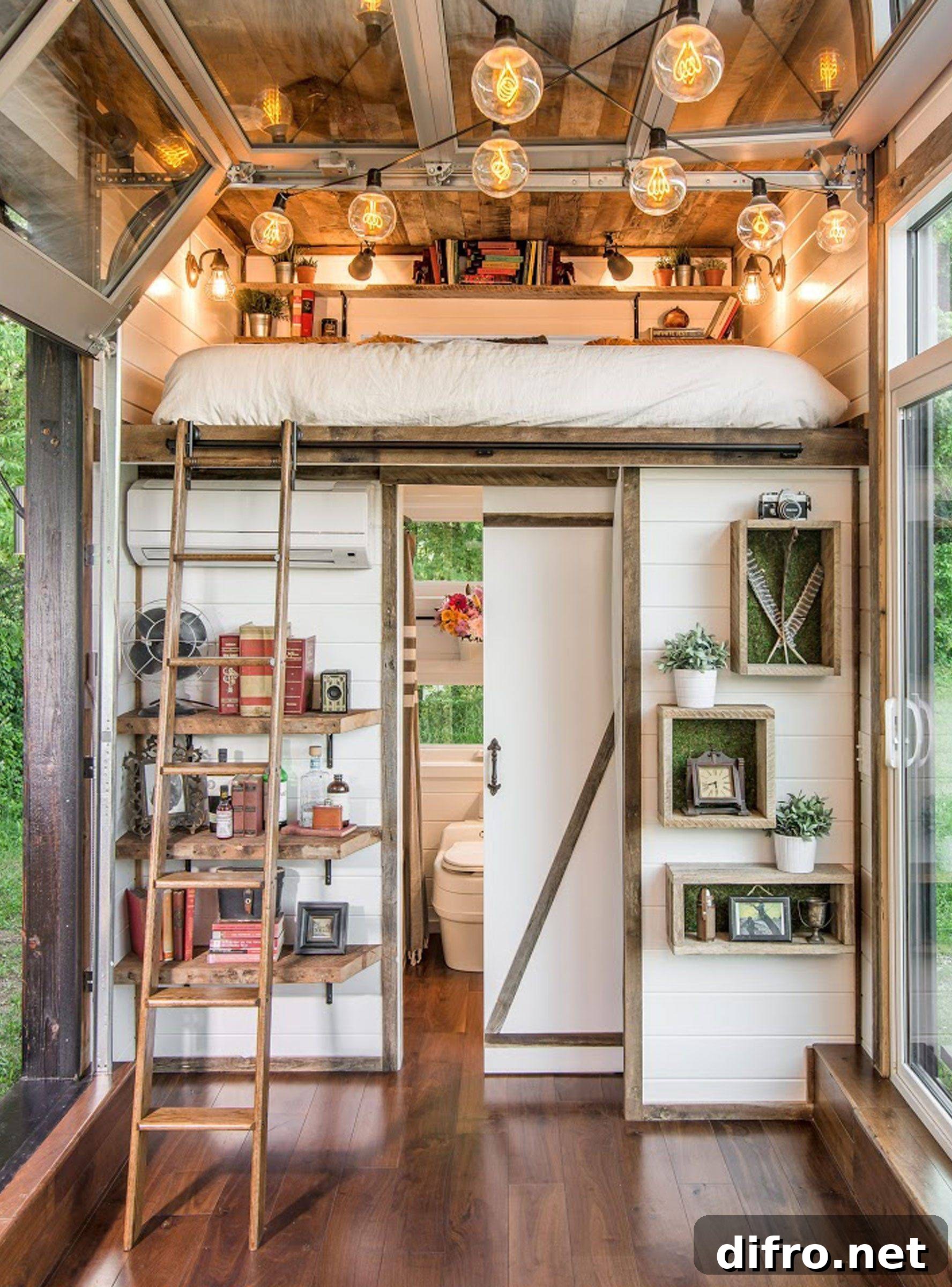
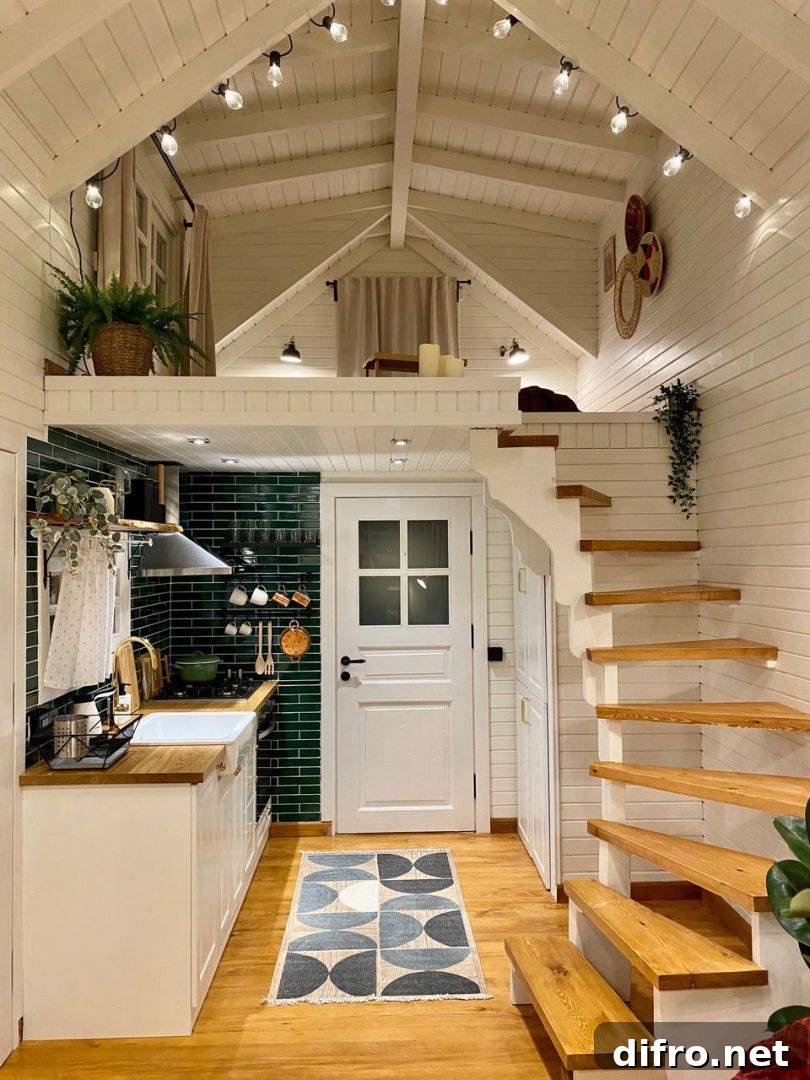
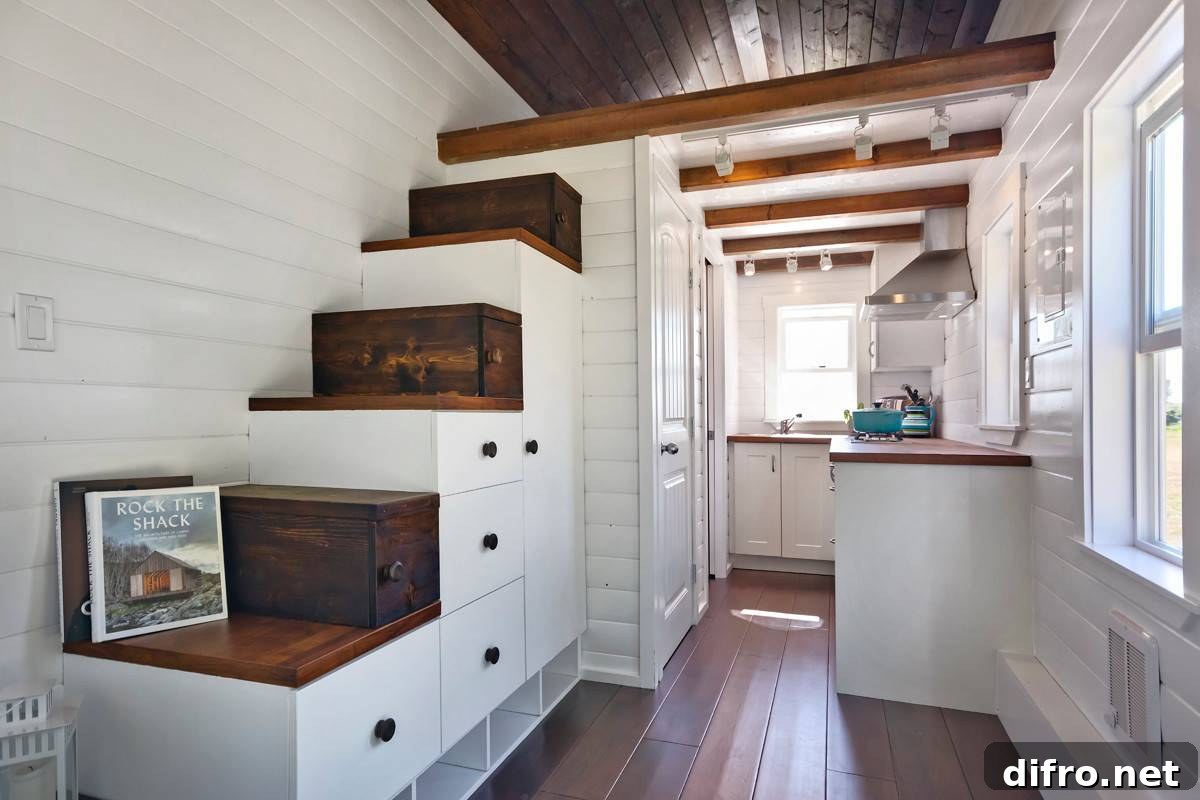
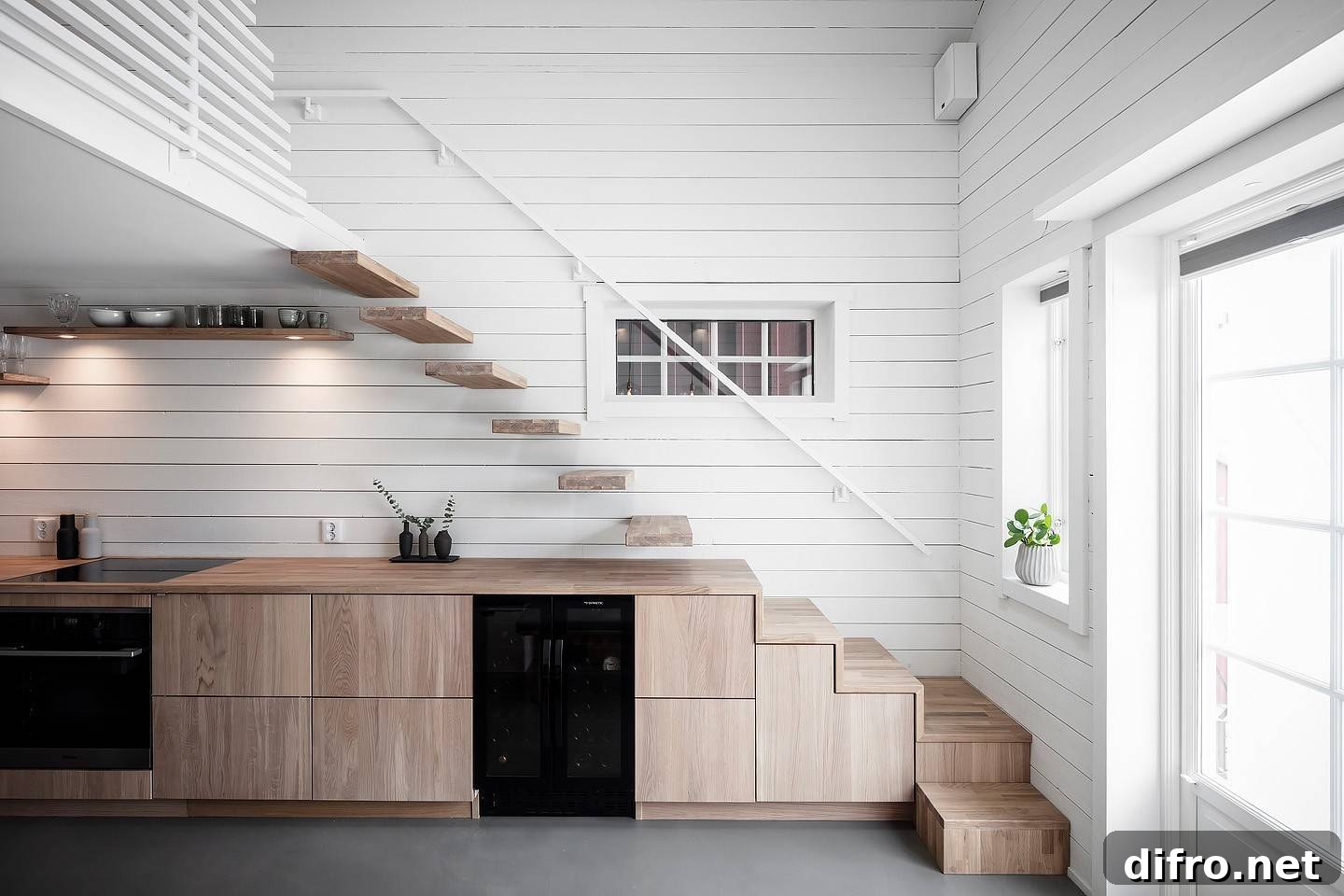
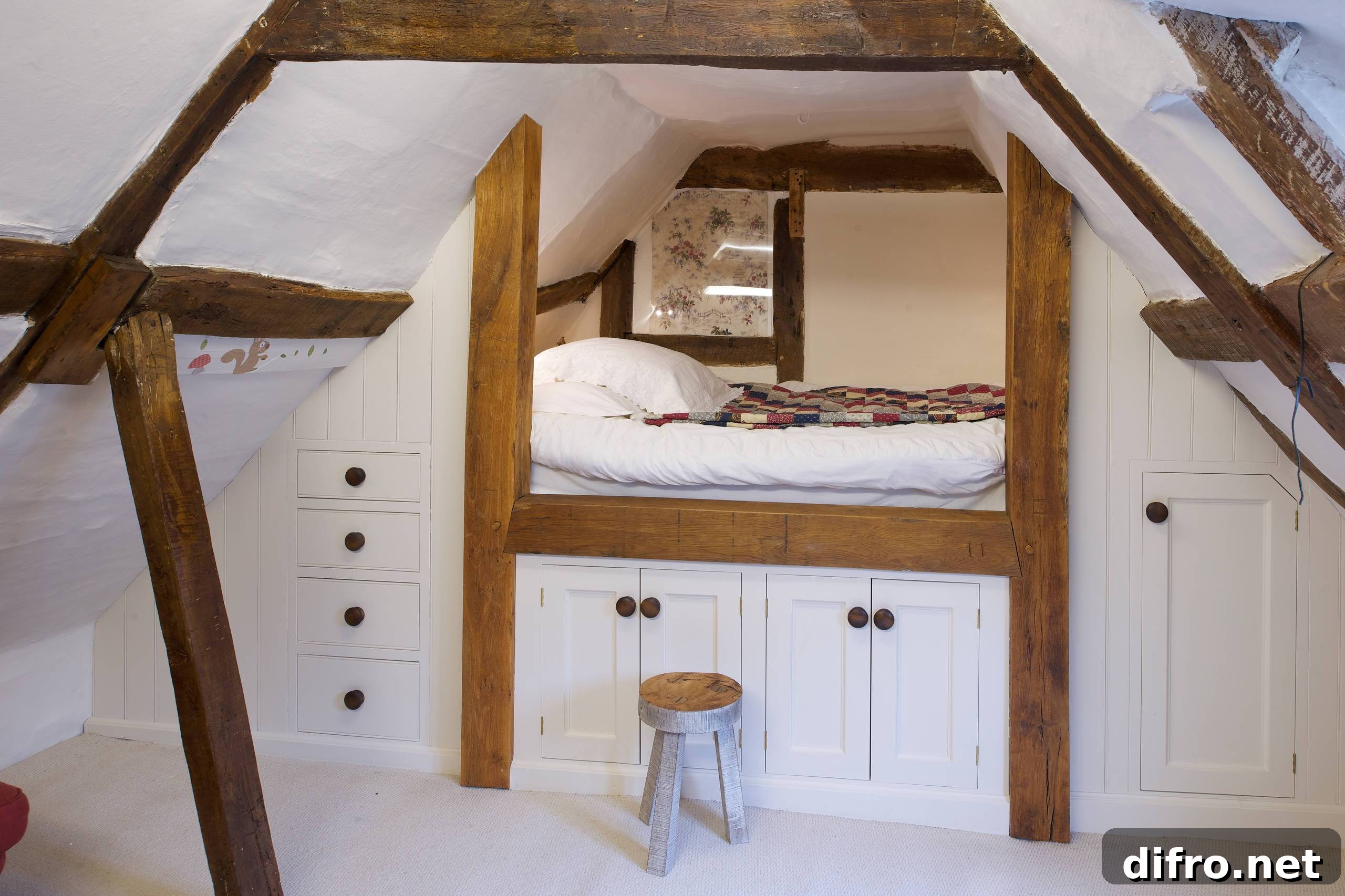
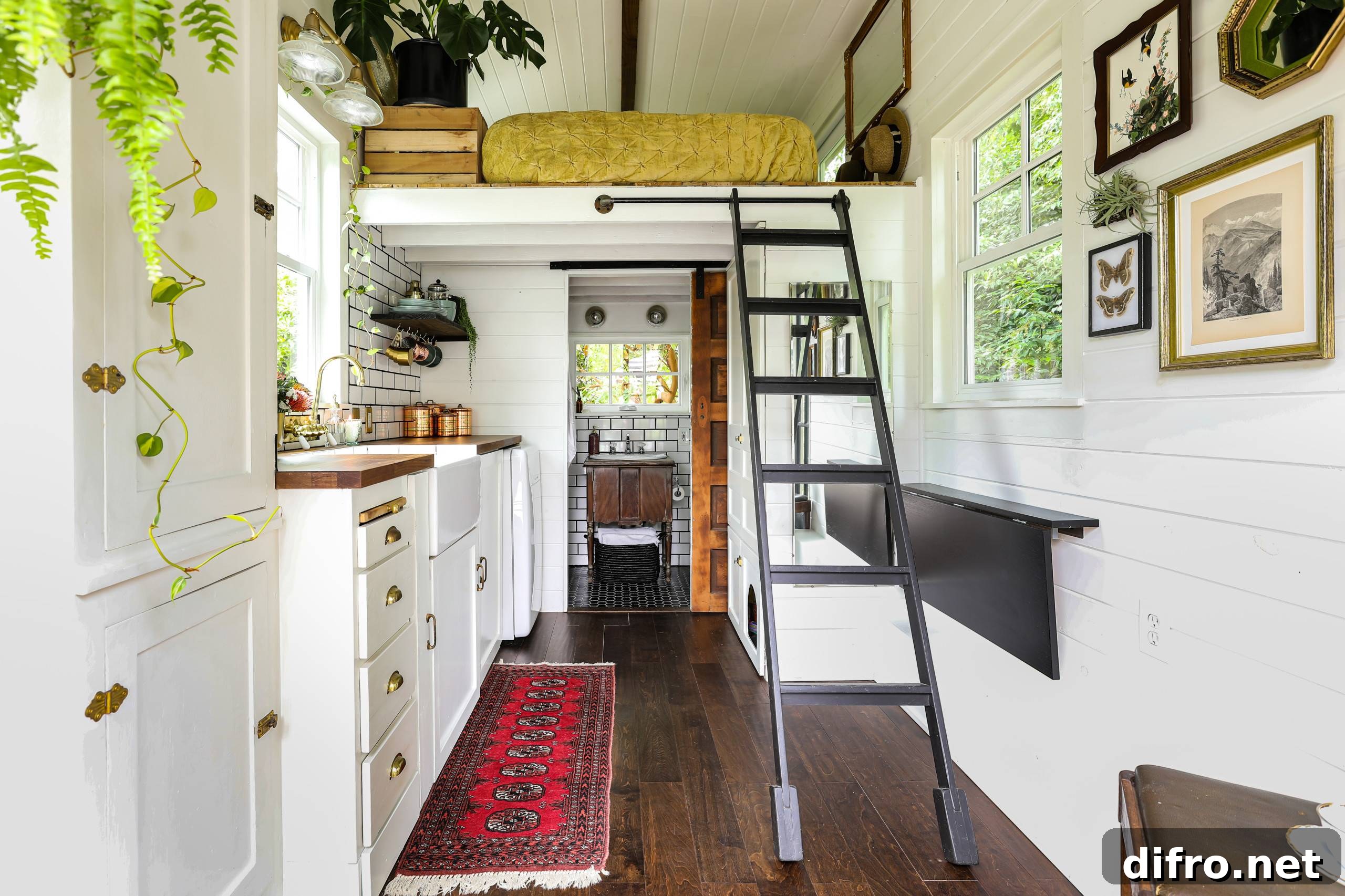
Under-stair storage is one of the most valuable opportunities in tiny homes. Drawers, cabinets, or cubbies integrated into stair risers provide discreet space for shoes, seasonal items, sports gear, or pantry goods. The area beneath a loft or staircase can even serve as a compact pantry, workspace, or sleeping nook.
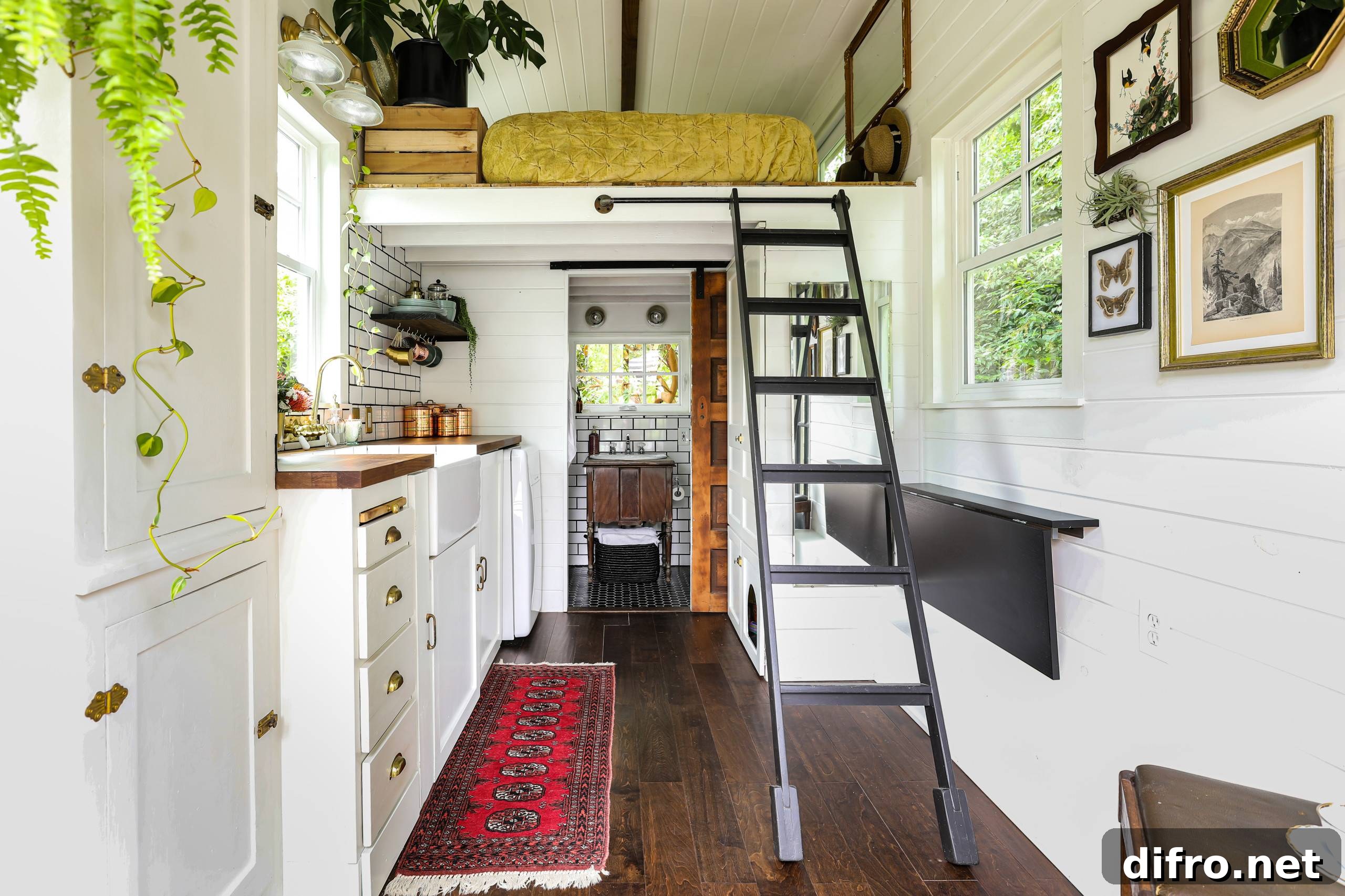
Choose multifunctional furniture whenever possible. Sofas and benches with built-in storage, fold-down tables, or beds with drawers beneath offer practical storage while maintaining comfortable living areas. Murphy beds, convertible sofas, and extendable dining surfaces help the same space serve multiple functions throughout the day.
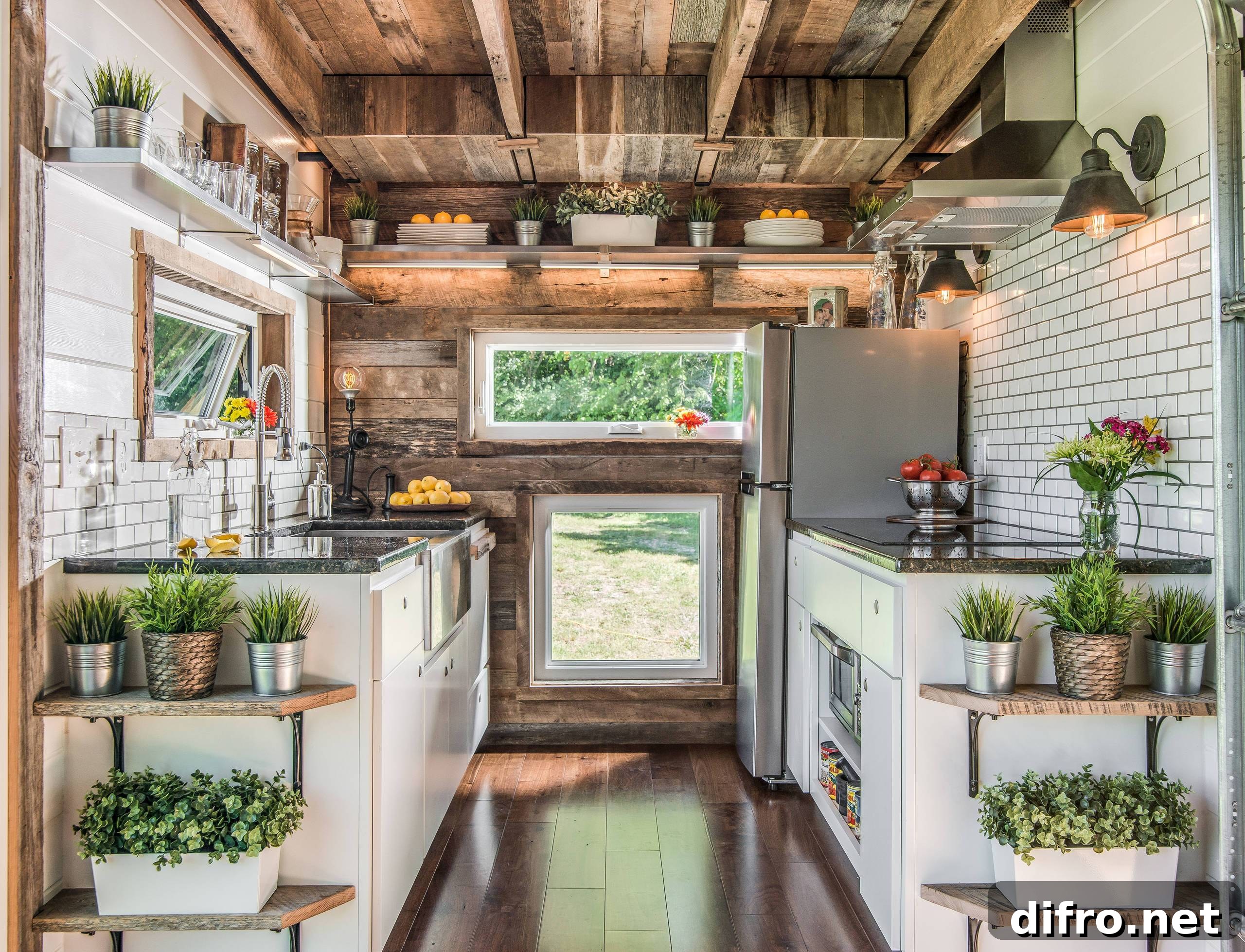
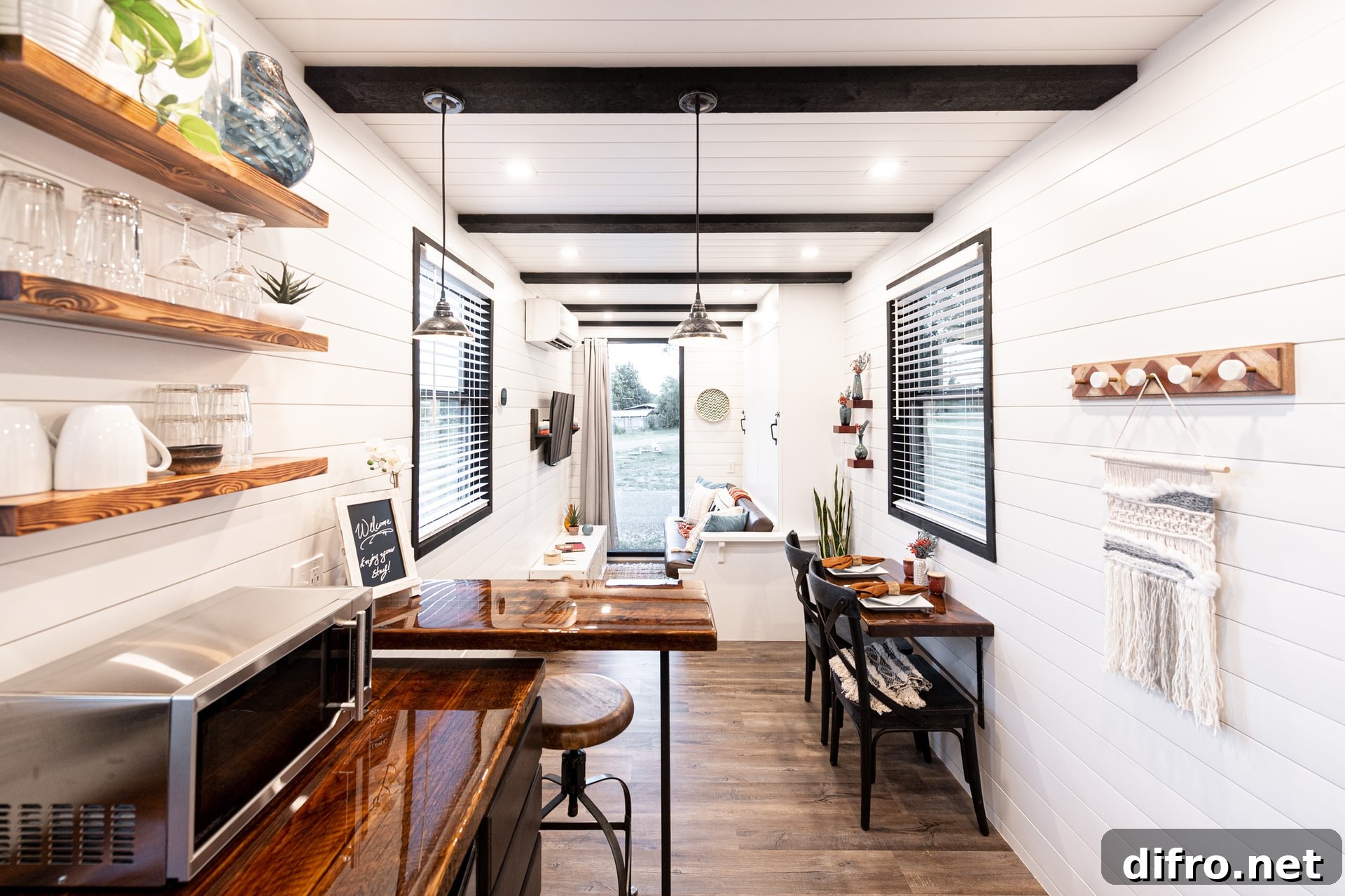
Vertical storage expands usable capacity without reducing floor area. Wall-mounted shelving, pegboards, and hanging pot racks free up counter and cabinet space in the kitchen. Open shelving keeps frequently used items accessible while contributing to a lighter, airier visual feel.
Smart kitchen solutions matter in tiny homes. Use narrow pull-out cabinets, magnetic knife strips, and under-cabinet lighting to maximize functionality in a compact layout. Think creatively about appliance placement—stacking units or choosing compact models can free valuable countertop space.
Divide the interior into purposeful zones even when square footage is tight. A clear sleeping area, a compact kitchen zone, and a small workspace or sitting nook can coexist when boundaries are suggested by furniture placement, rugs, lighting, or shelving rather than full walls. This zoning approach improves flow and makes the home feel larger.
Decluttering is an ongoing practice in tiny living. Regularly review possessions and prioritize items that are useful or meaningful. Consider a one-in, one-out rule for new purchases to keep accumulation under control. Use labeled storage bins, clear containers, and consistent organization systems to make the most of hidden spaces.
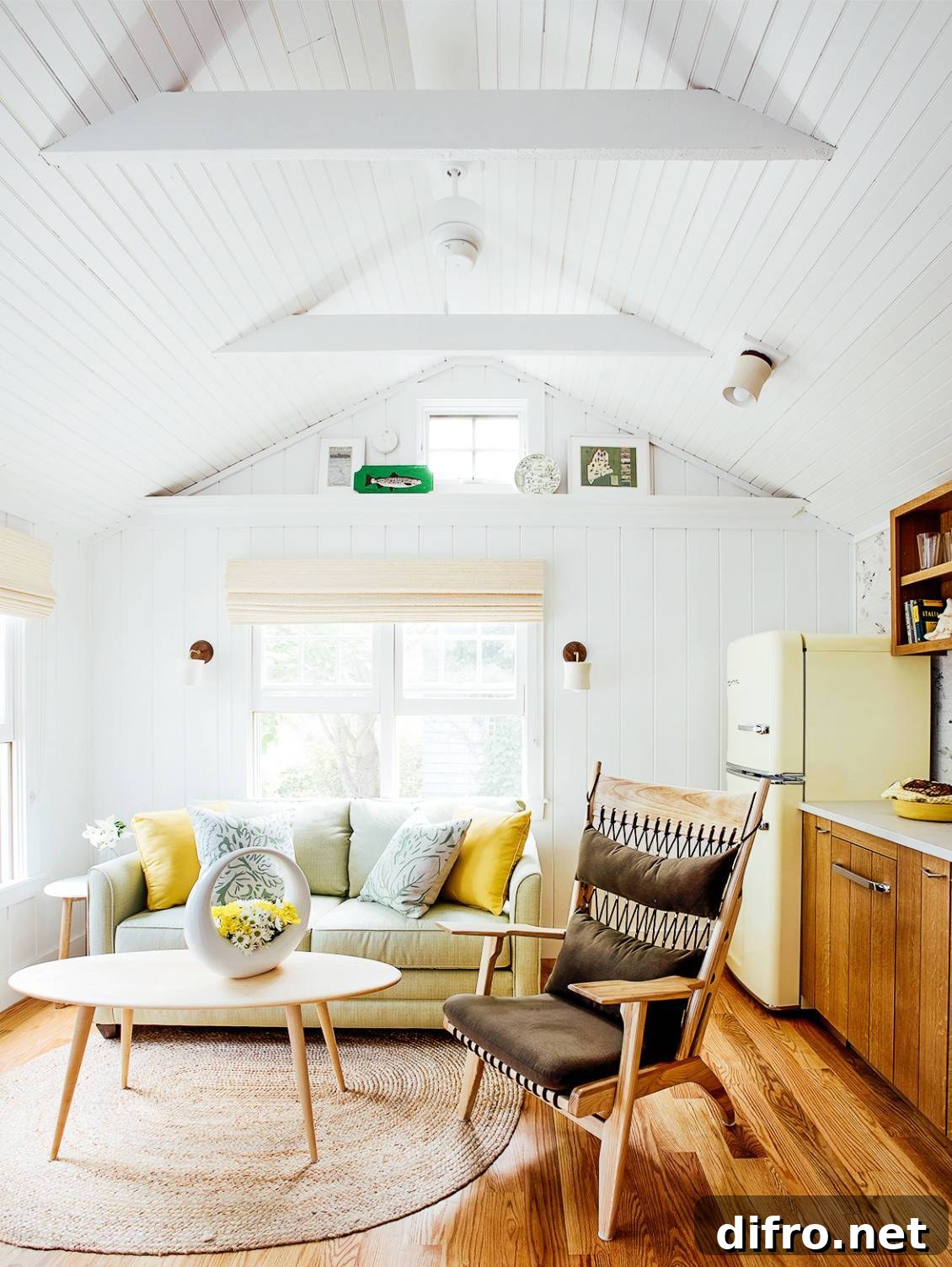
Small design touches can also enhance the sense of space and comfort. Bright, cohesive color schemes, abundant natural light, and well-placed mirrors make rooms feel more open. Built-in lighting under cabinets or on shelving highlights storage areas and improves usability without occupying floor space.
Don’t forget outdoor and off-site storage options. If zoning rules or your lifestyle allow, an outdoor shed, secure locker, or nearby storage unit can hold bulky seasonal items that don’t fit inside the tiny house. This preserves the compact interior for daily living while keeping less-used belongings accessible.
In summary, a tiny home offers attractive financial and lifestyle benefits but requires careful design and realistic expectations. By planning storage thoughtfully, choosing multifunctional pieces, and adopting intentional decluttering habits, most people can create a comfortable, efficient tiny home that supports their daily life and long-term goals.