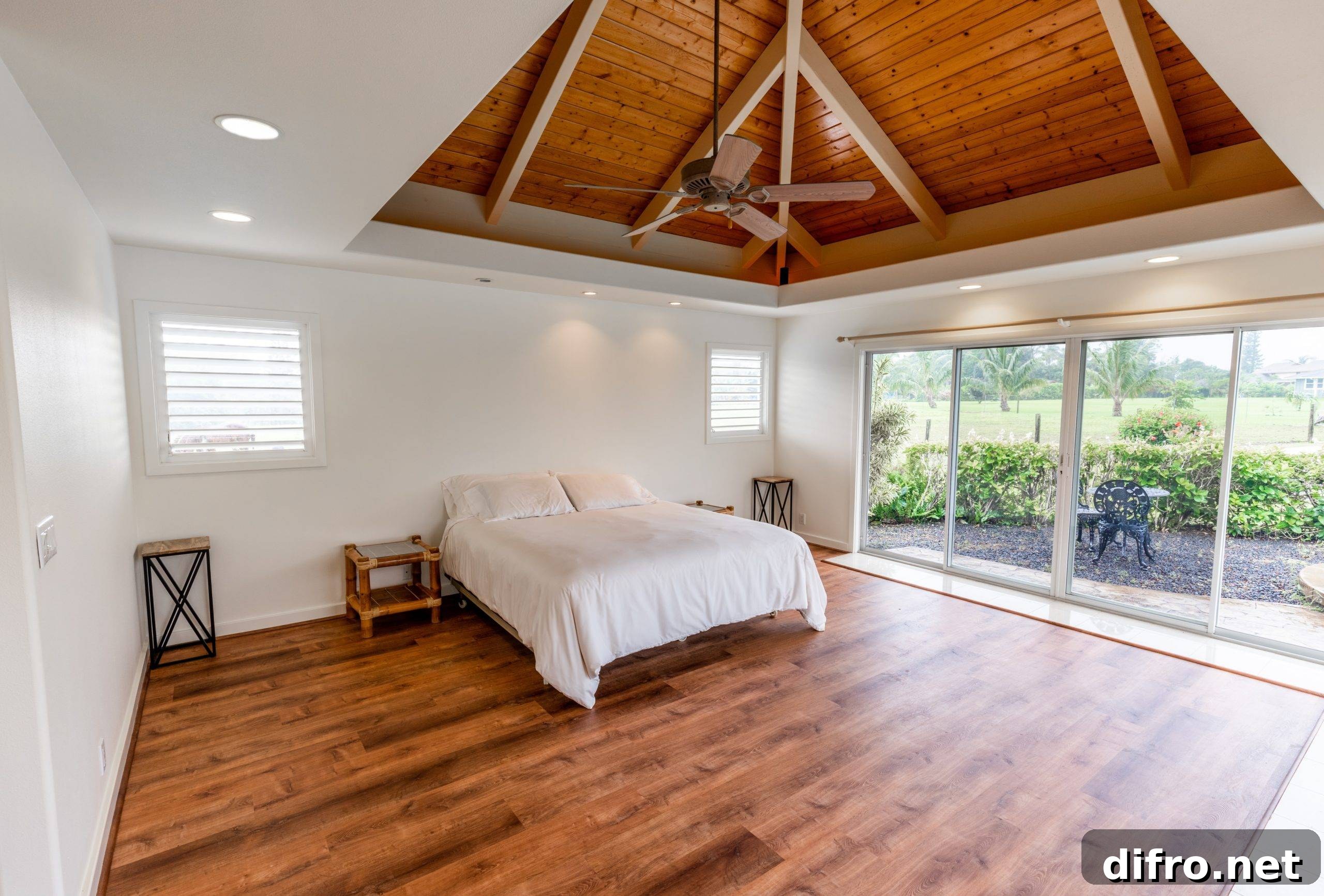
Many people say they want a modern or minimalist living space—or sometimes both. These two styles share an appreciation for simplicity and uncluttered layouts, but they are distinct in origin, intention, and visual language. Understanding the differences and the key elements of each style will help you choose a look that suits your lifestyle or blend the two for a balanced, cohesive interior.
Modern Design Key Elements
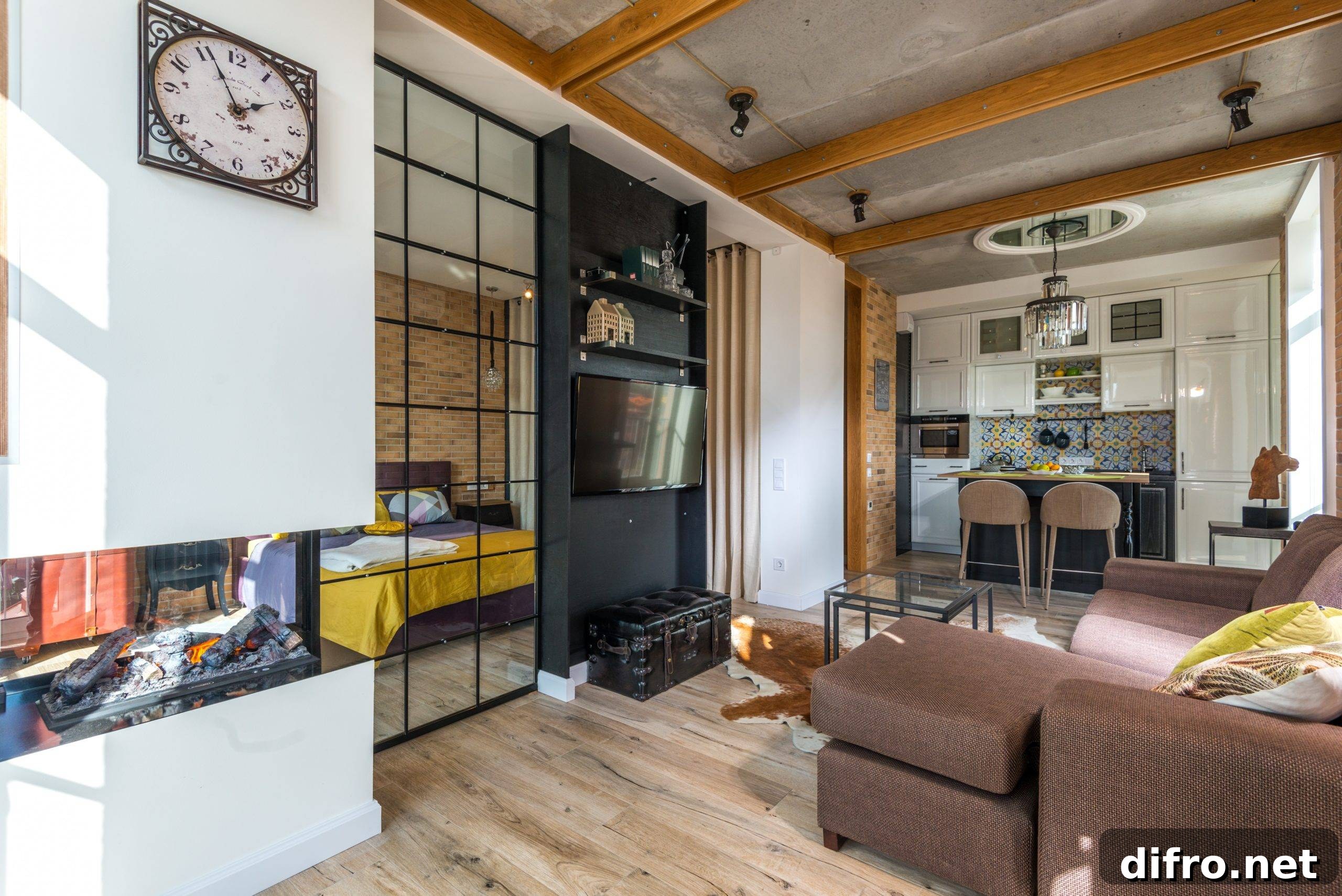
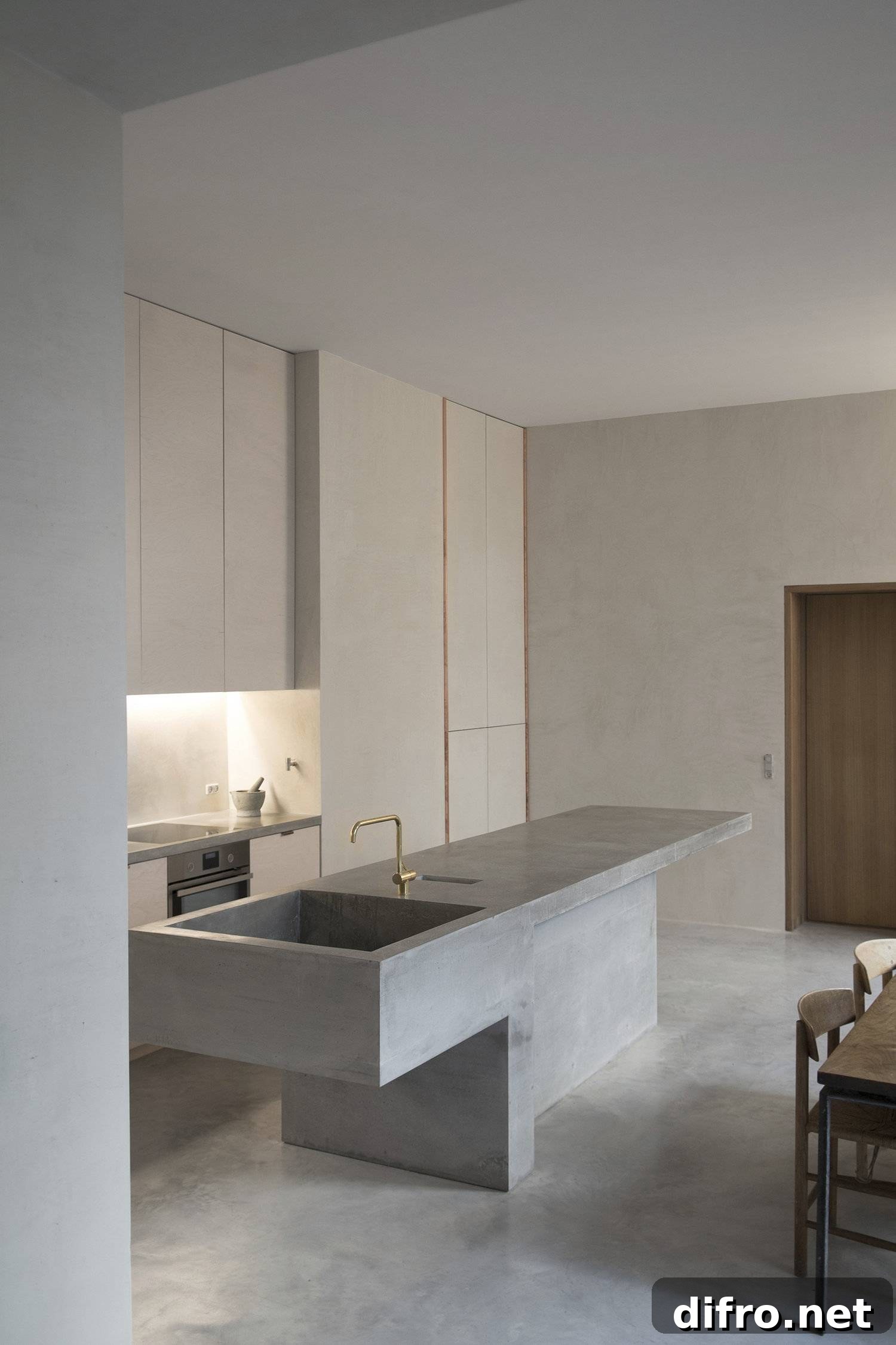
Modern design emerged from early to mid-20th-century movements that emphasized form, function, and clarity. At its core, modern design favors clean lines, geometric shapes, and a restrained but purposeful palette. It often combines natural materials such as wood and stone with industrial finishes like steel, glass, and concrete to create contrast and texture.
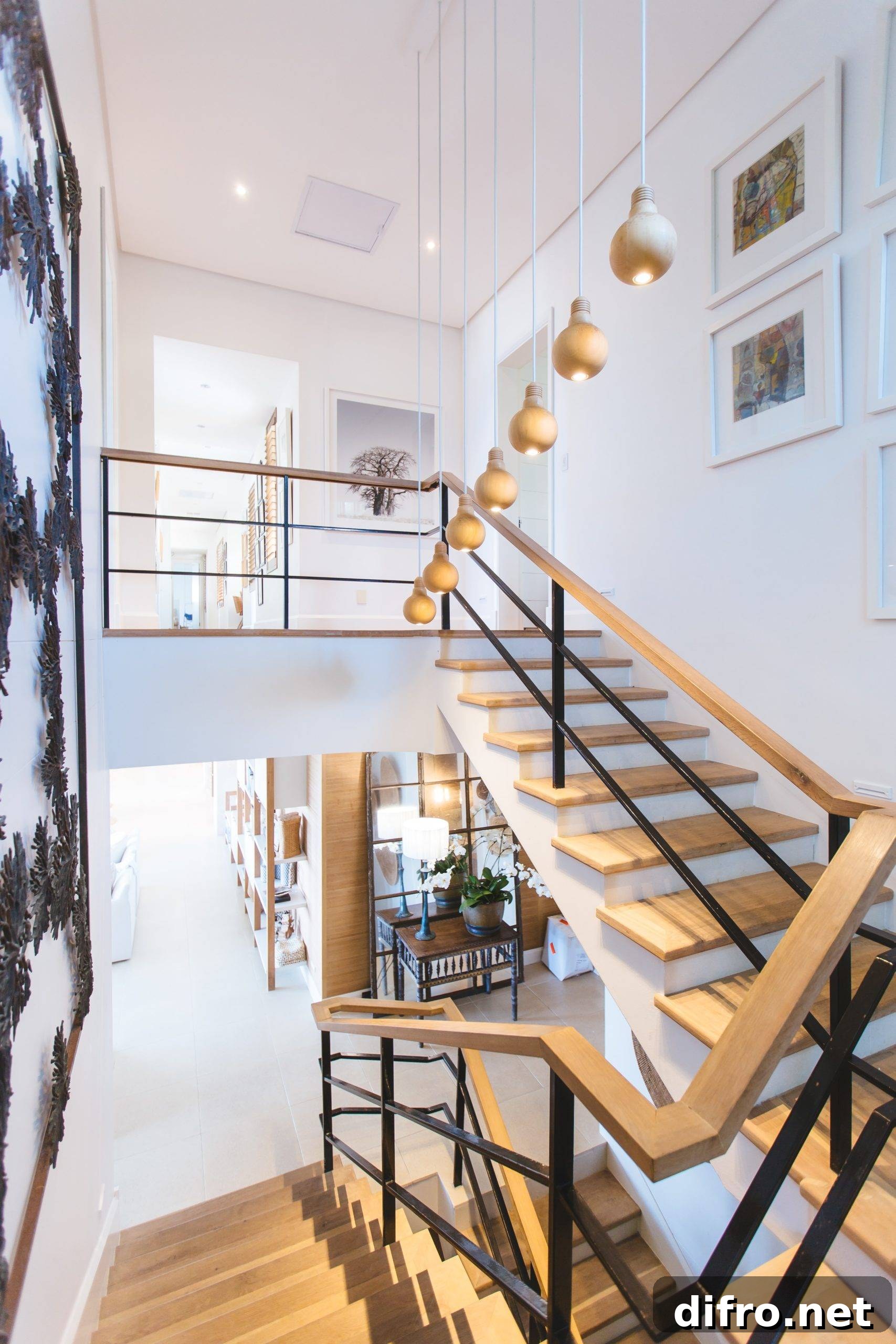
Color tends to be neutral—think shades of white, gray, black, and muted earth tones—while accent colors are used deliberately to create focal points. Furniture in modern interiors usually features simple silhouettes and thoughtful proportions; pieces are chosen for both comfort and visual impact. Lighting is another important element: sculptural fixtures, well-placed task lighting, and a mix of ambient and accent light help define the space and highlight architectural features.
Modern spaces balance aesthetics with utility. Built-in storage, open sightlines, and a considered layout help rooms feel airy while supporting everyday use. Textures are introduced through textiles, rugs, and selected decorative objects to keep the space from feeling flat, but ornamentation remains minimal and intentional.
Minimalist Design Key Elements
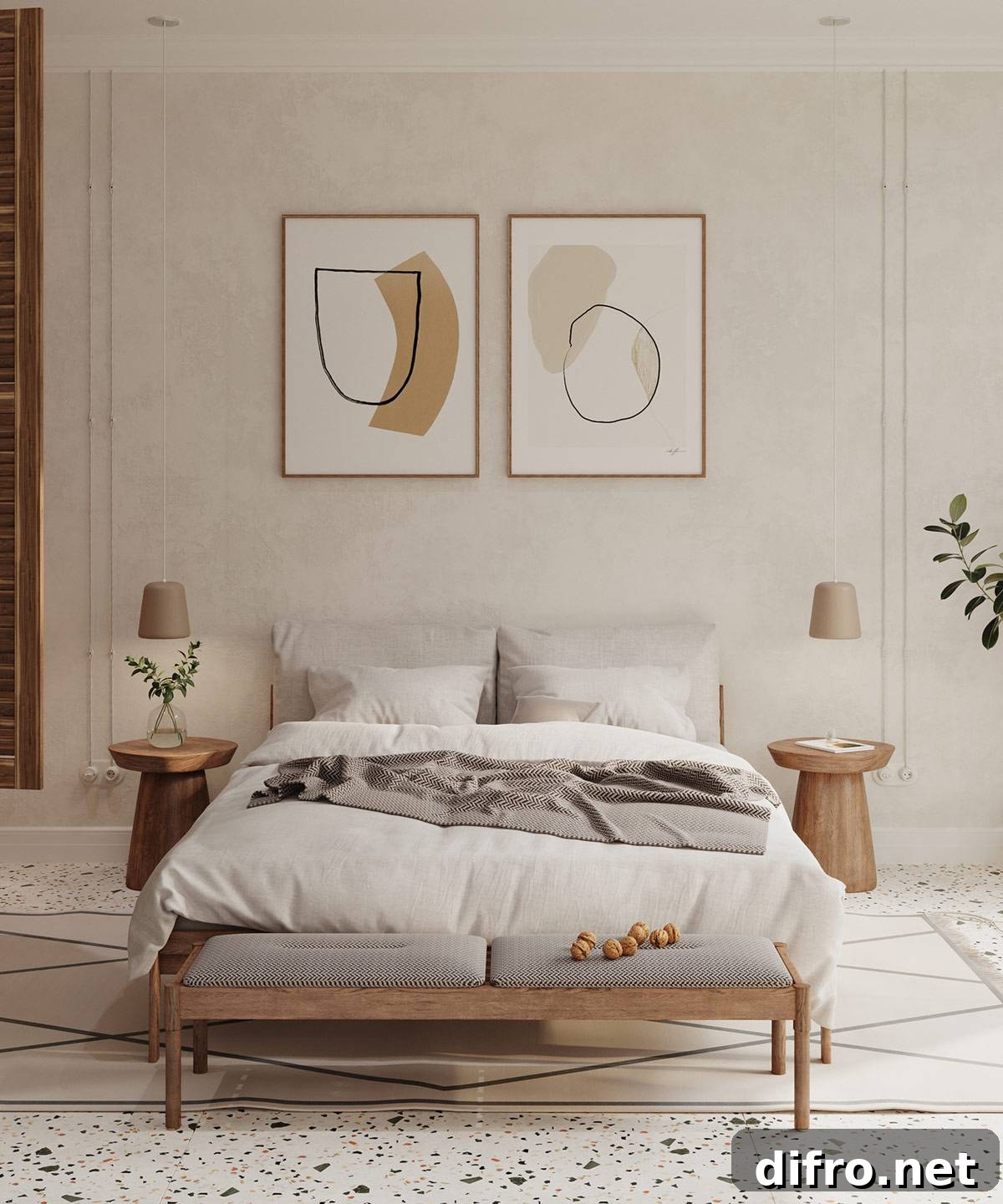
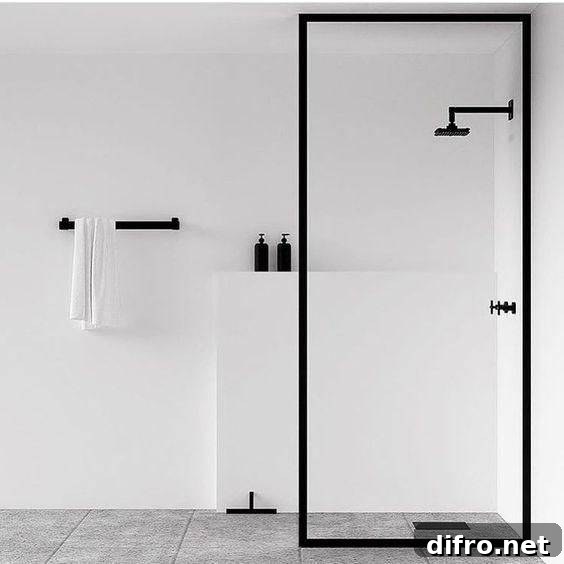
Minimalist design, often summarized by the phrase “less is more,” rose to prominence in the mid-20th century and has since evolved into a widely admired approach to interiors. Minimalism focuses on essentials: functional furniture, uncluttered surfaces, and a strict economy of form. The intent is to remove distractions so the room feels calm, purposeful, and timeless.
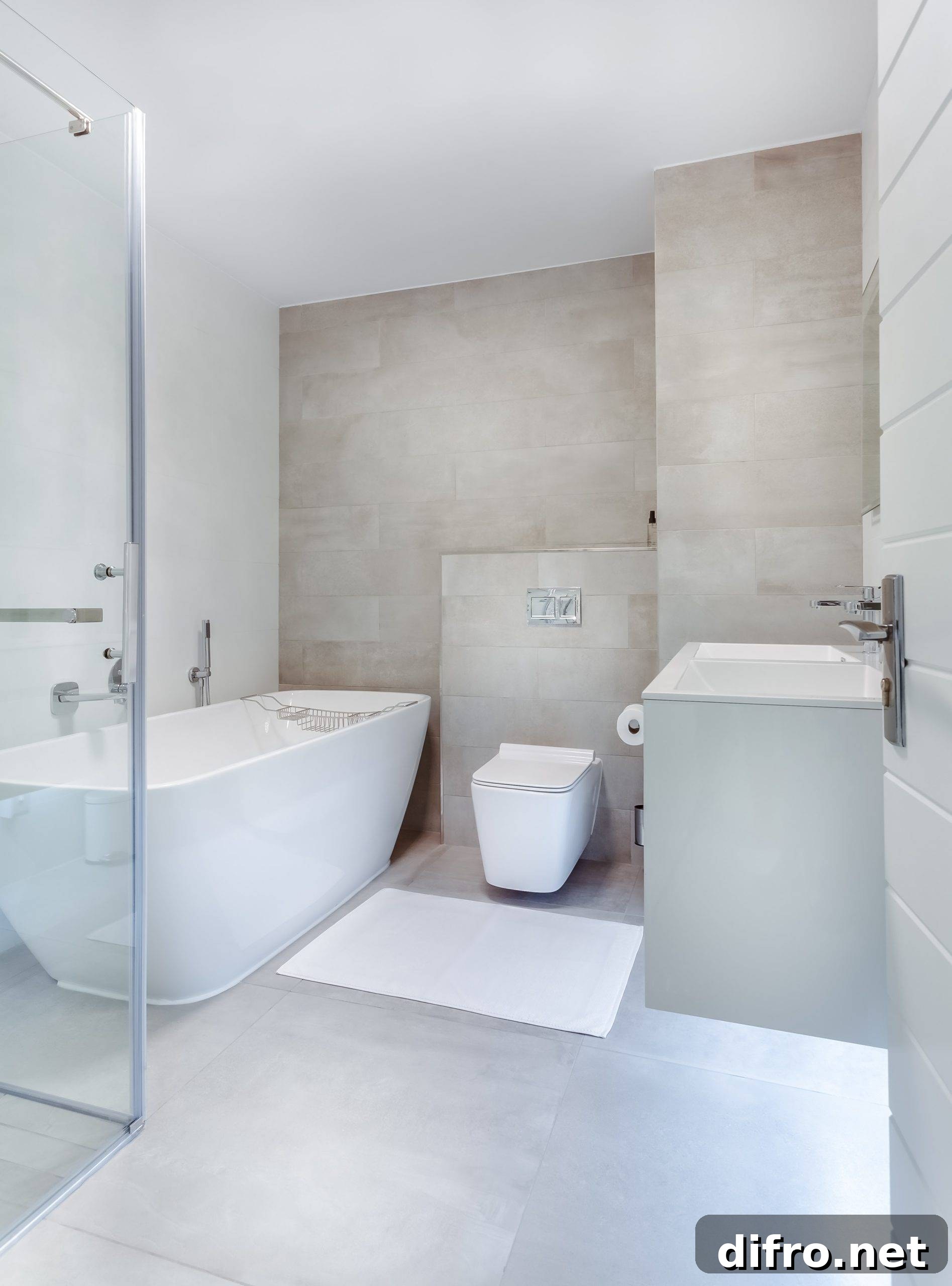
Minimalist color palettes are typically monochromatic or composed of subtle tonal variations—white, black, soft grays, and natural beiges dominate. Shapes are simple and proportions are deliberate. Textures are used sparingly but thoughtfully—smooth plaster walls, matte finishes, and tactile fabrics can introduce warmth without visual noise.
Open floor plans, integrated storage, and furniture with clean profiles help minimalist spaces breathe. Decorative elements are minimal and often selected for their sculptural quality or personal significance rather than trend-driven appeal. The result is a serene, highly functional environment where each piece has a reason to be.
How to Combine Modern and Minimalist Styles Seamlessly
Strictly following either style can sometimes feel limiting: modern design can appear cold if overdone, while minimalism can feel sparse if balance and warmth are missing. The most successful interiors often borrow the strengths of both—pairing the bold, structured feel of modern design with the calm restraint of minimalism.
Here are practical ways to blend the two styles:
- Start with a neutral base: use a soft, monochromatic palette on walls and large surfaces, then layer in modern accents like a statement lighting fixture or sculptural furniture.
- Choose furniture with clean silhouettes but varied materials. A minimalist sofa can sit next to a modern metal-and-wood side table to add contrast without clutter.
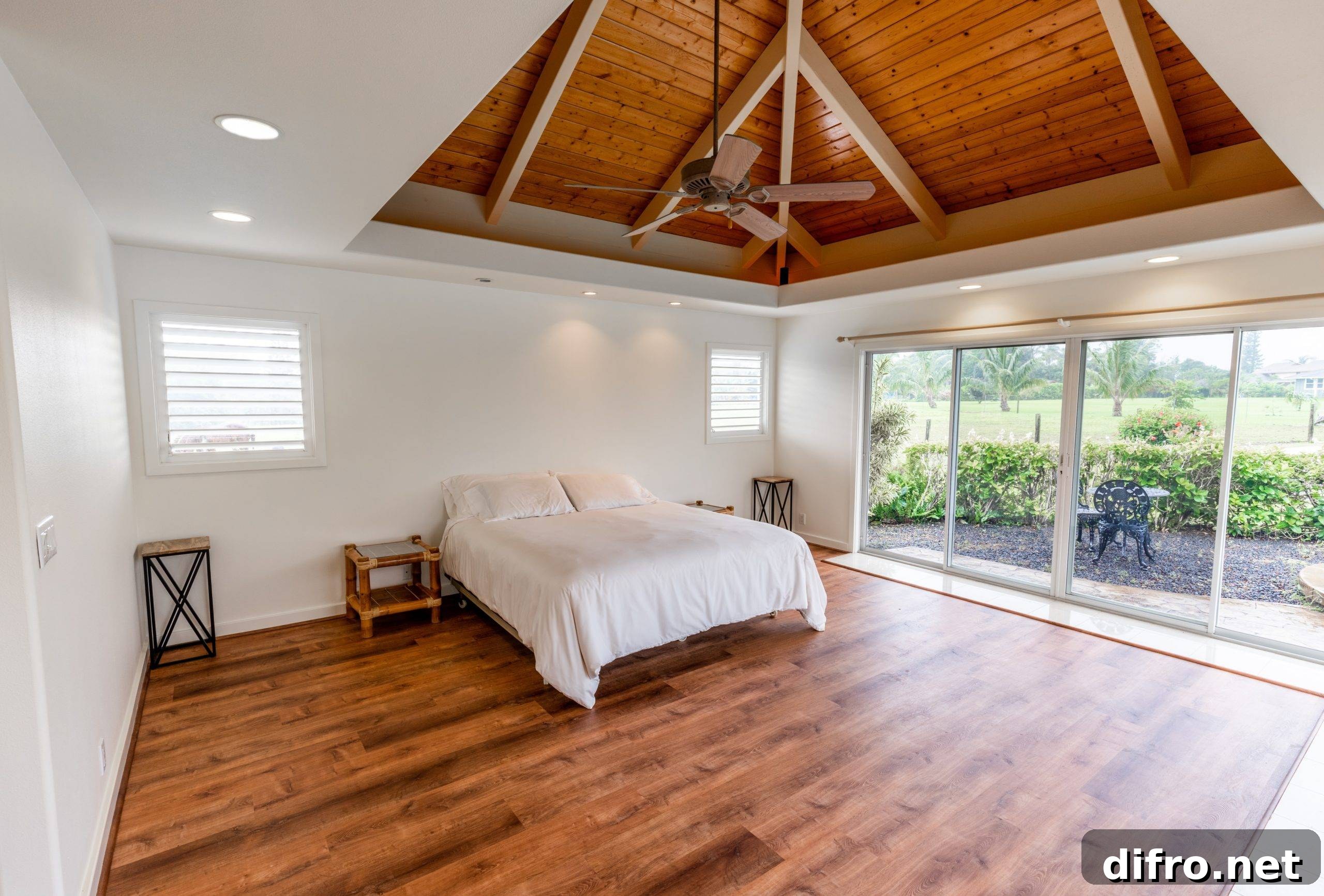
- Introduce texture selectively. Natural wood floors, a stone countertop, or a tactile rug add warmth while keeping the overall aesthetic restrained.
- Be deliberate with accessories. One or two bold pieces—an abstract artwork, a designer lamp, or a single sculptural vase—can create visual interest while preserving the minimalist ethos.
- Prioritize function and storage. Built-in or concealed storage keeps surfaces clear, maintaining the minimal look while supporting everyday living.
- Layer lighting. Combine recessed ambient light with targeted task lighting and a signature pendant or floor lamp to create depth and highlight focal points.
- Use plants and small natural elements to soften edges. A single, well-placed plant can add life and scale without overwhelming the room.
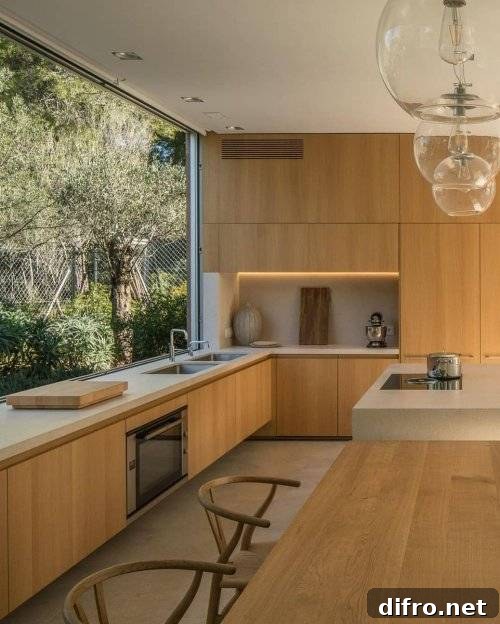
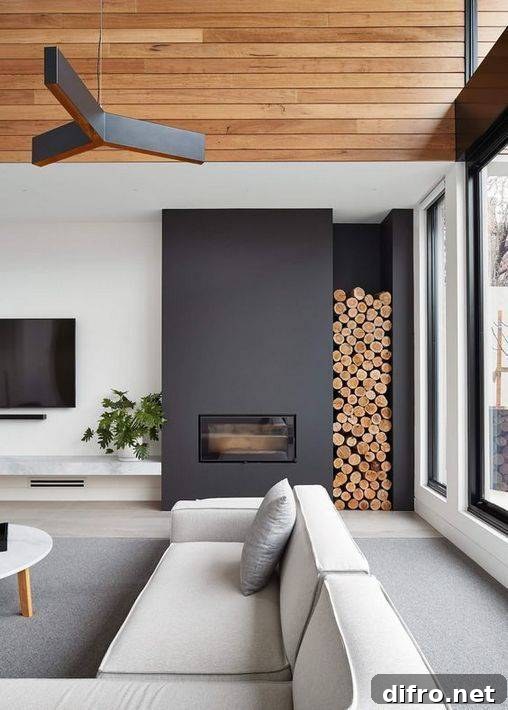
Design is personal—experiment with balances of form, color, texture, and scale until you find a combination that feels both intentional and comfortable. Start small: update lighting or swap one piece of furniture, then live with the change and adjust. The goal is a space that reflects your preferences while staying functional and visually coherent.
Enjoy the process of refining your home. Try different ideas, observe how the space functions day to day, and adjust details until the room feels right for you. Seek inspiration from design photography and portfolios, but adapt ideas to suit your needs rather than following trends exactly.