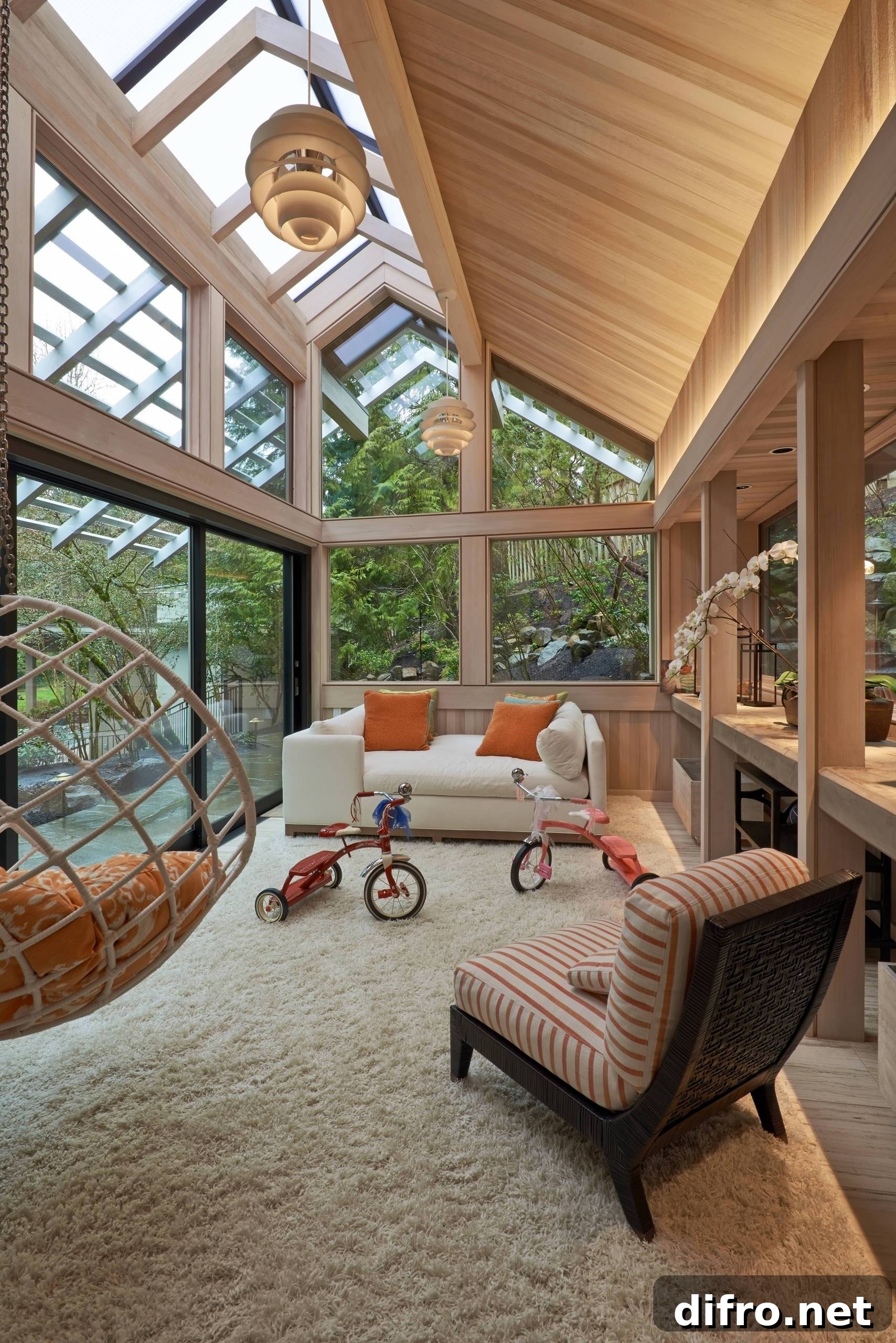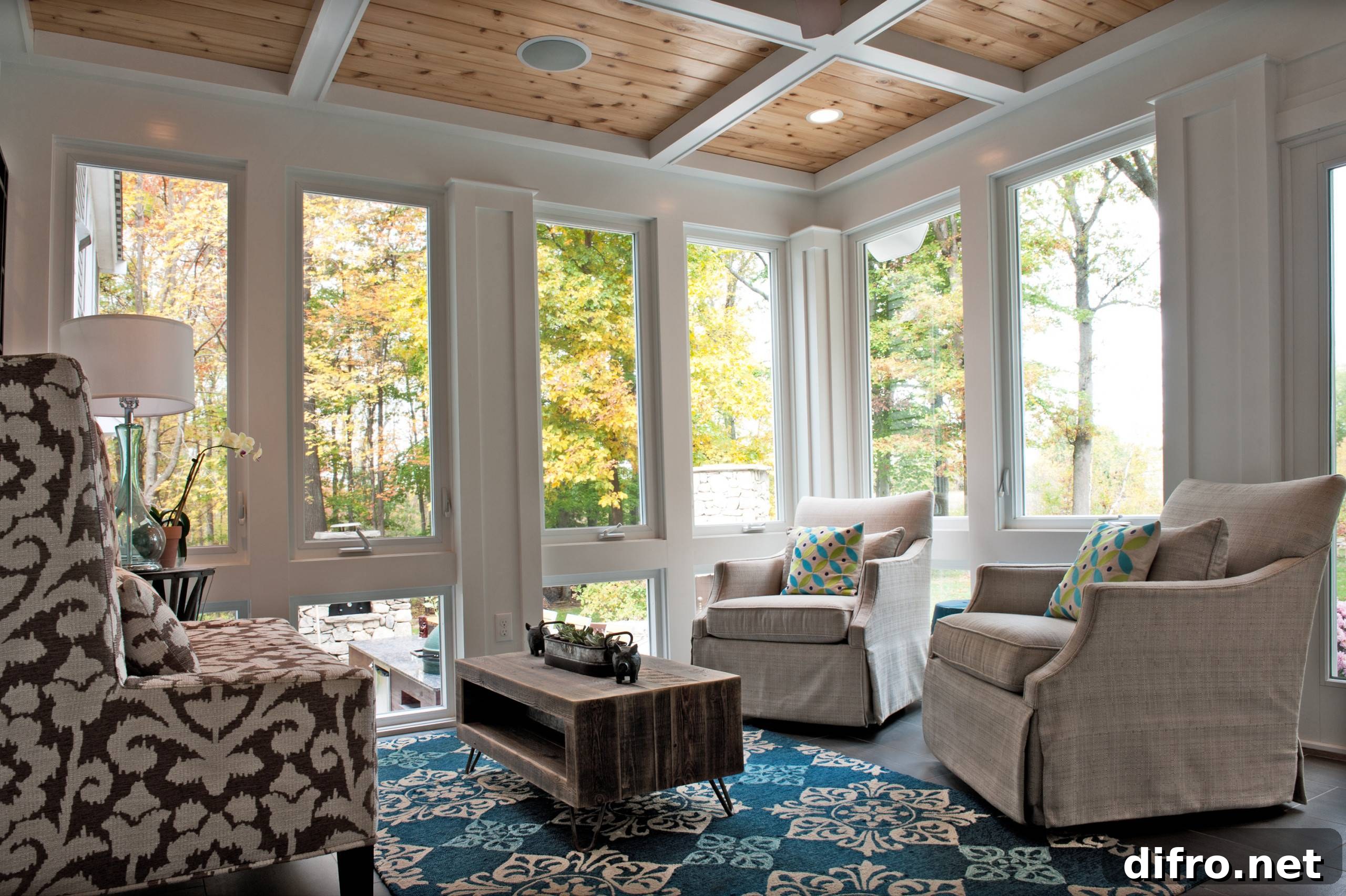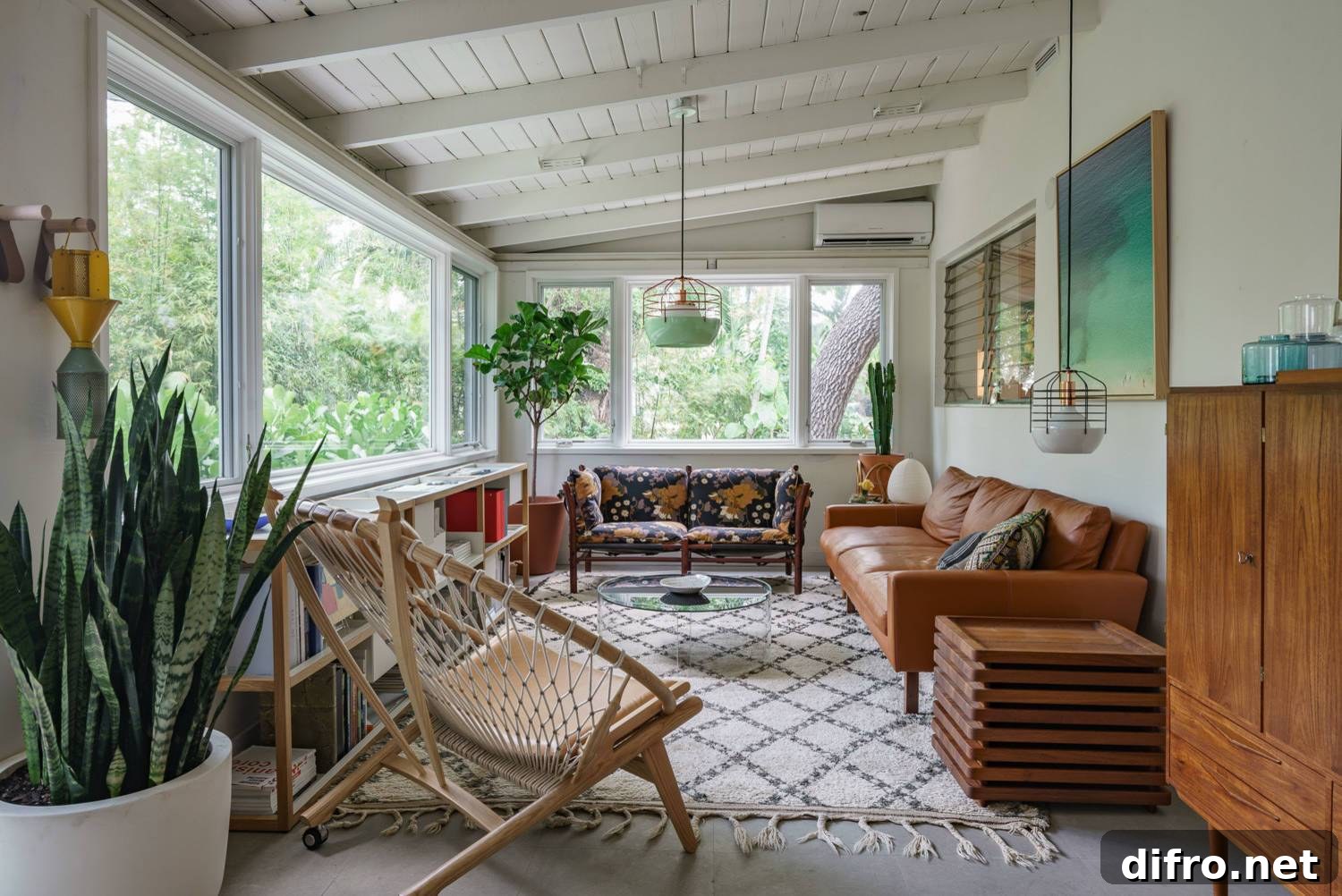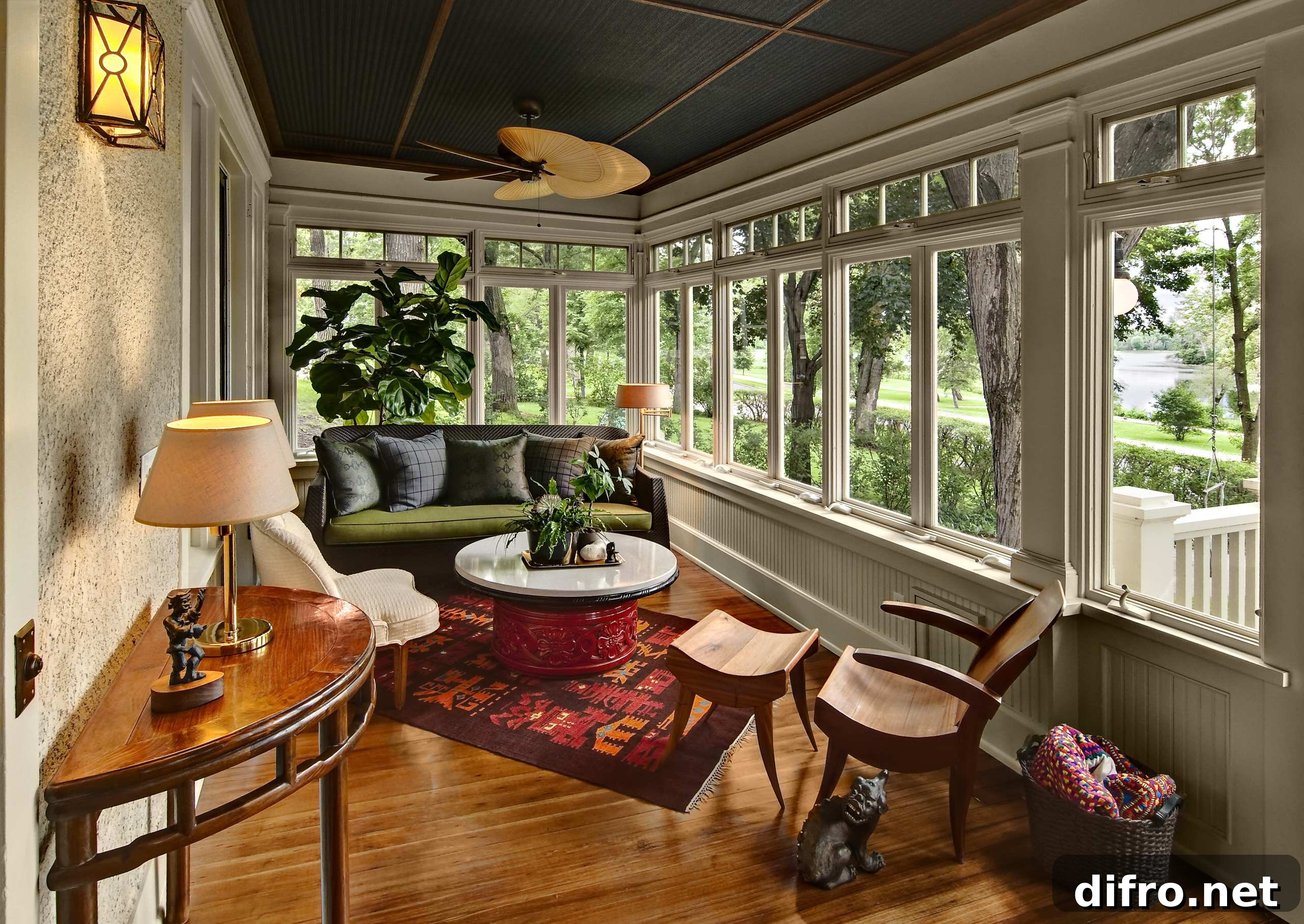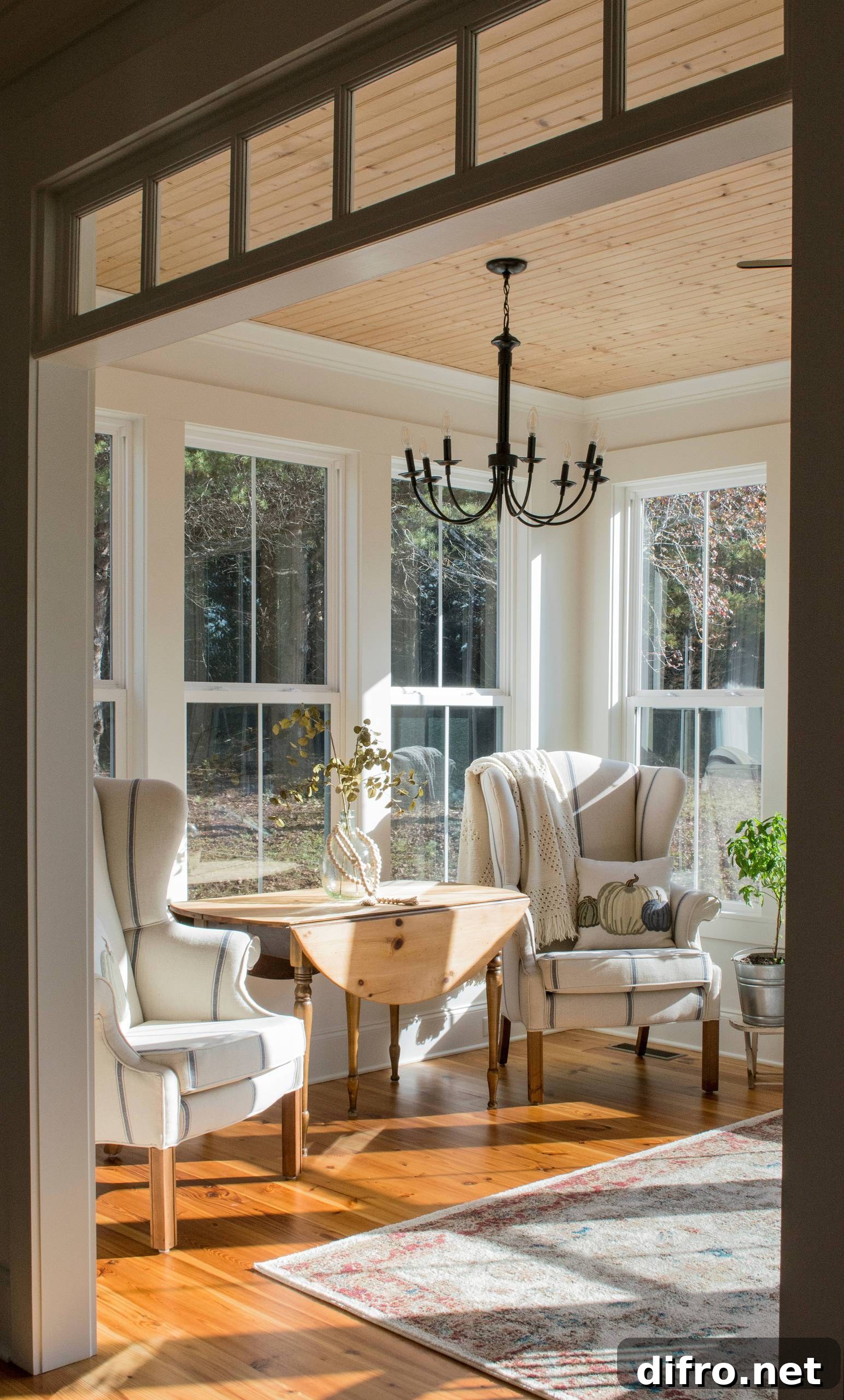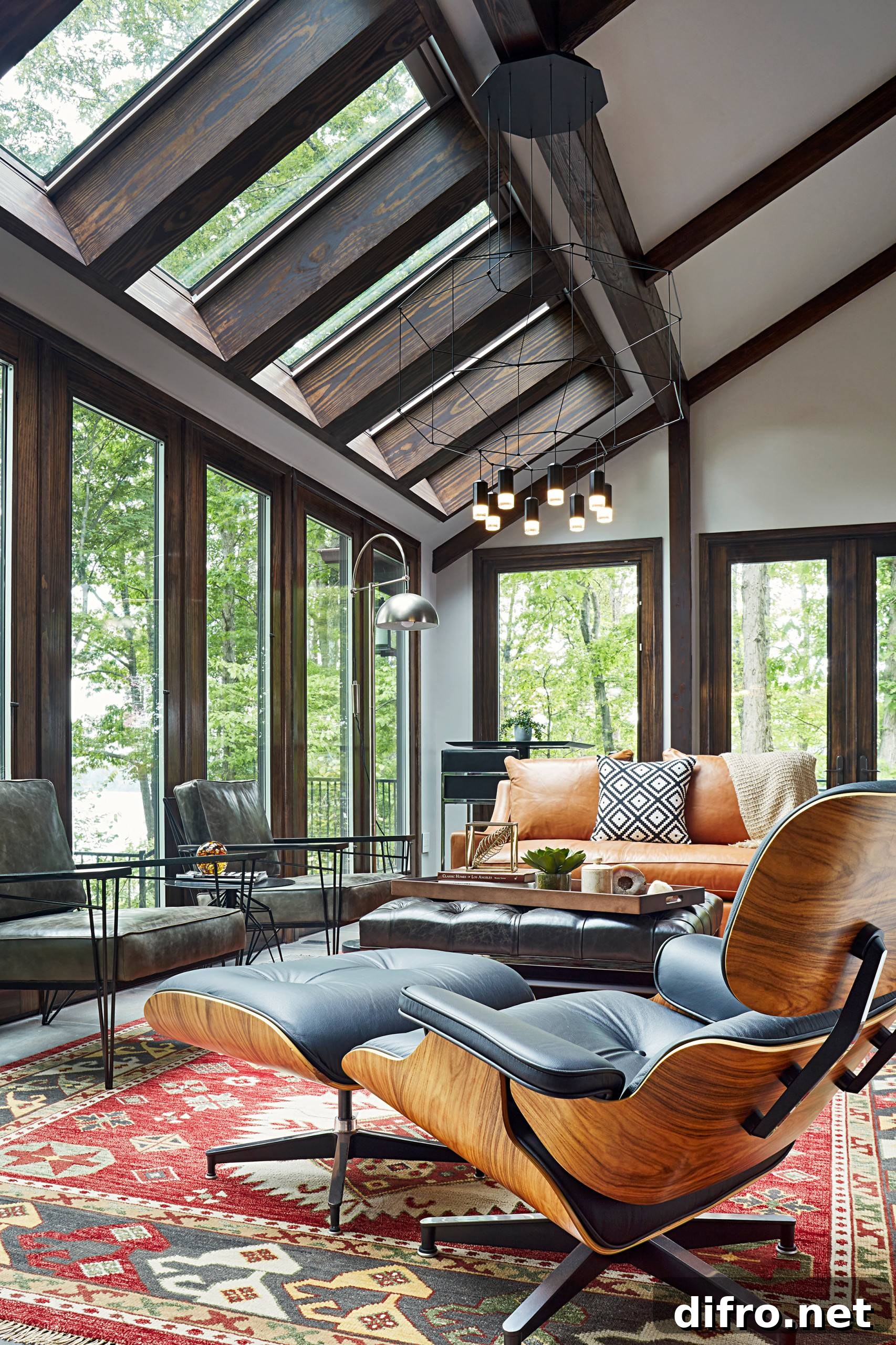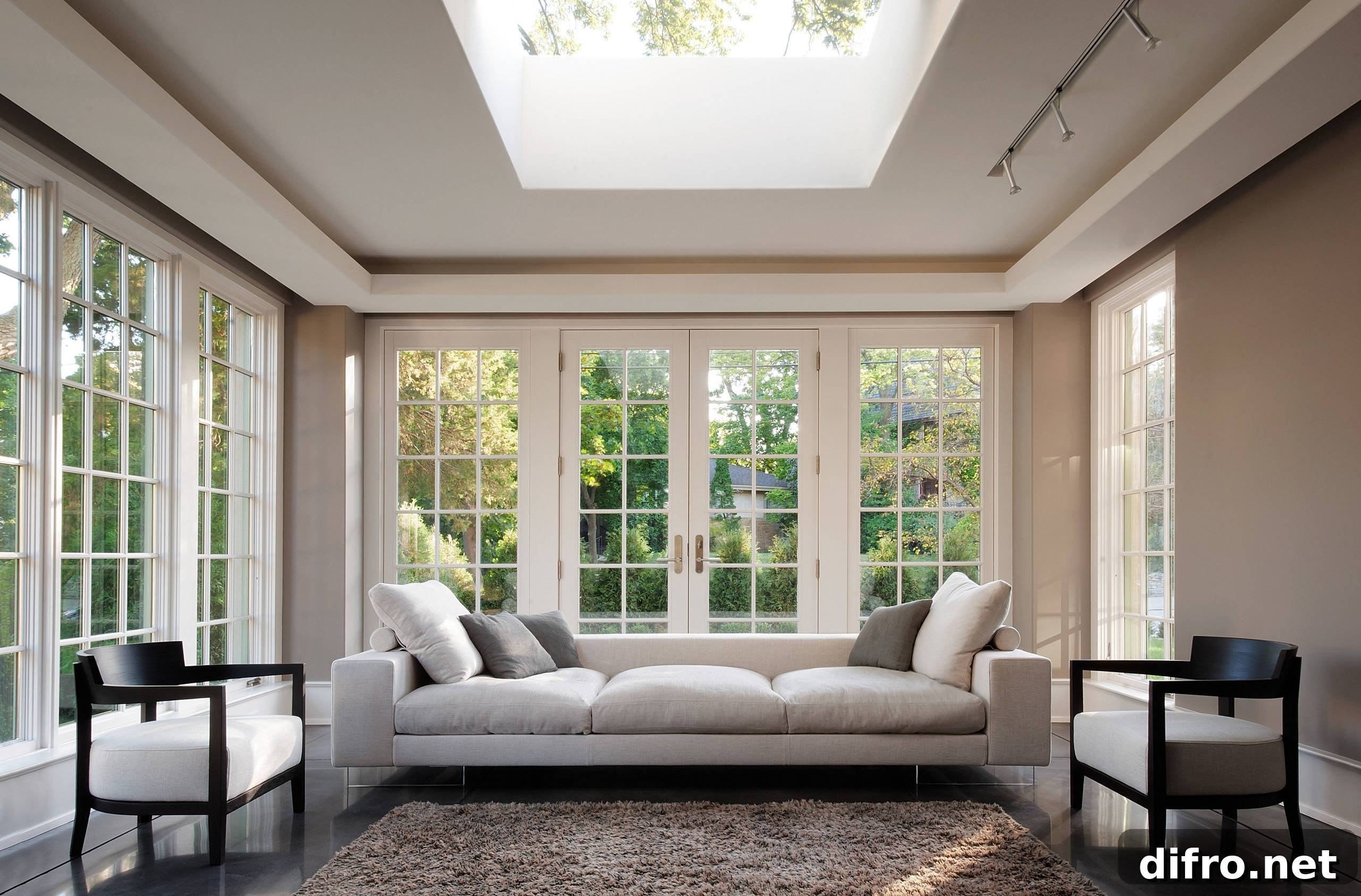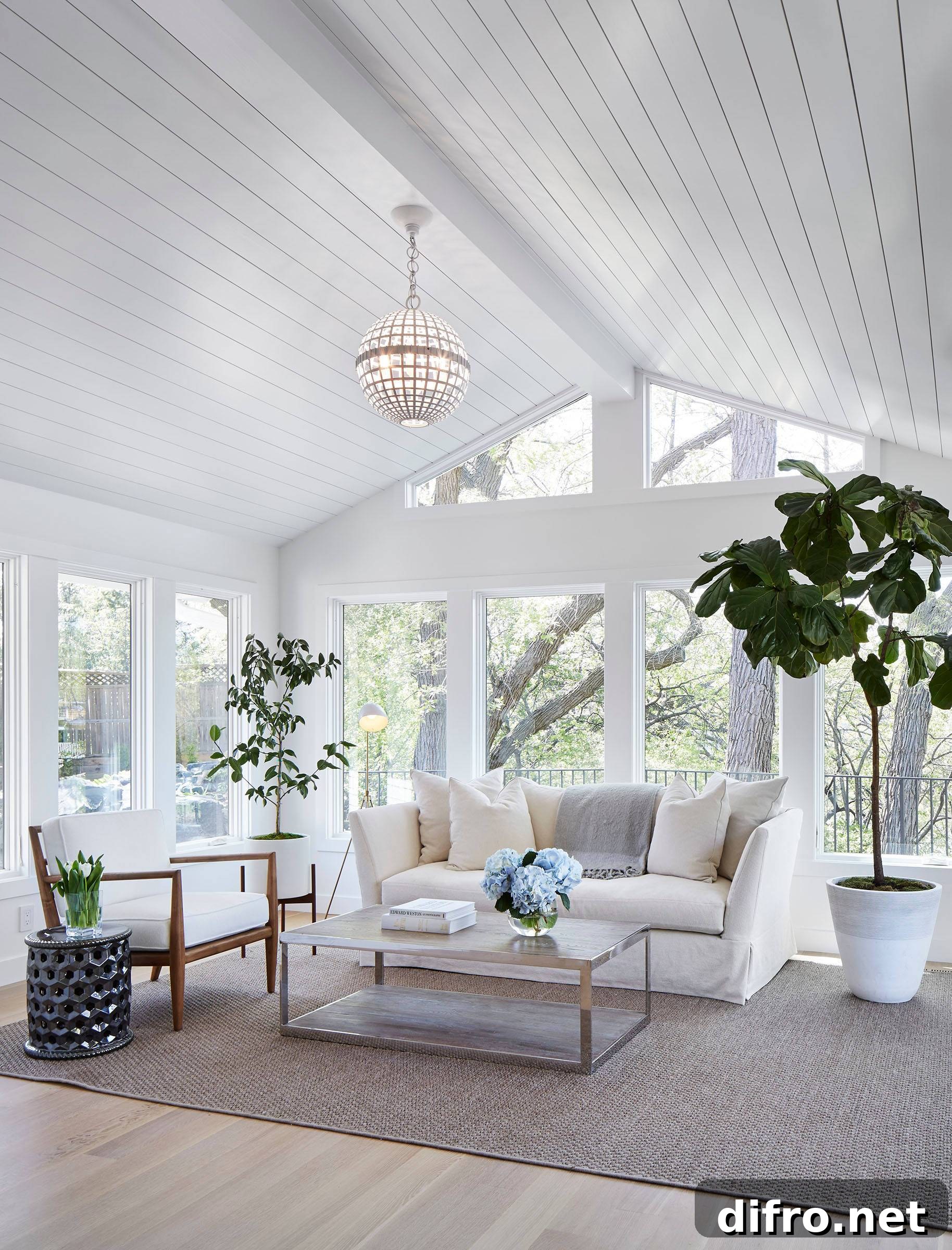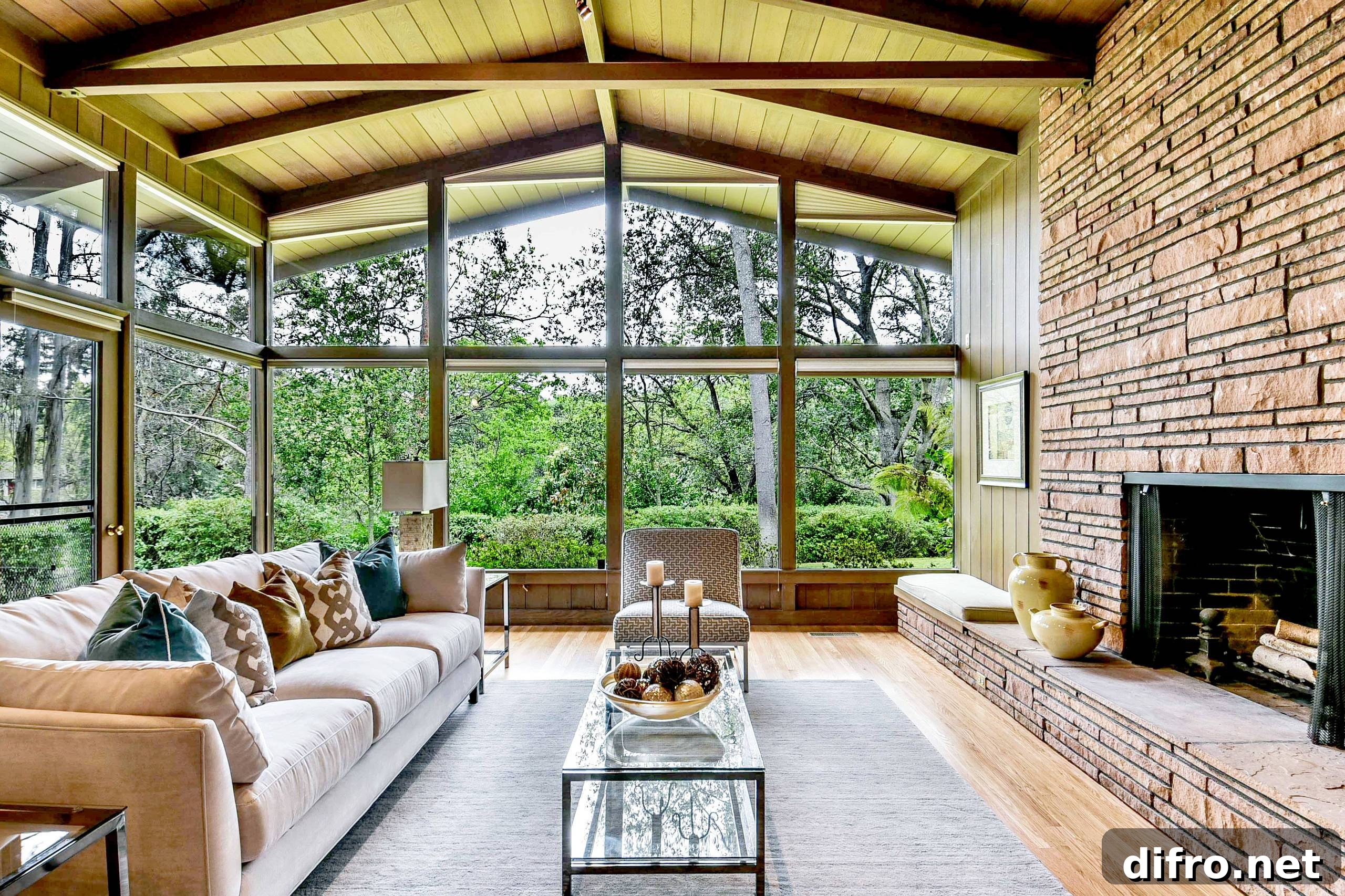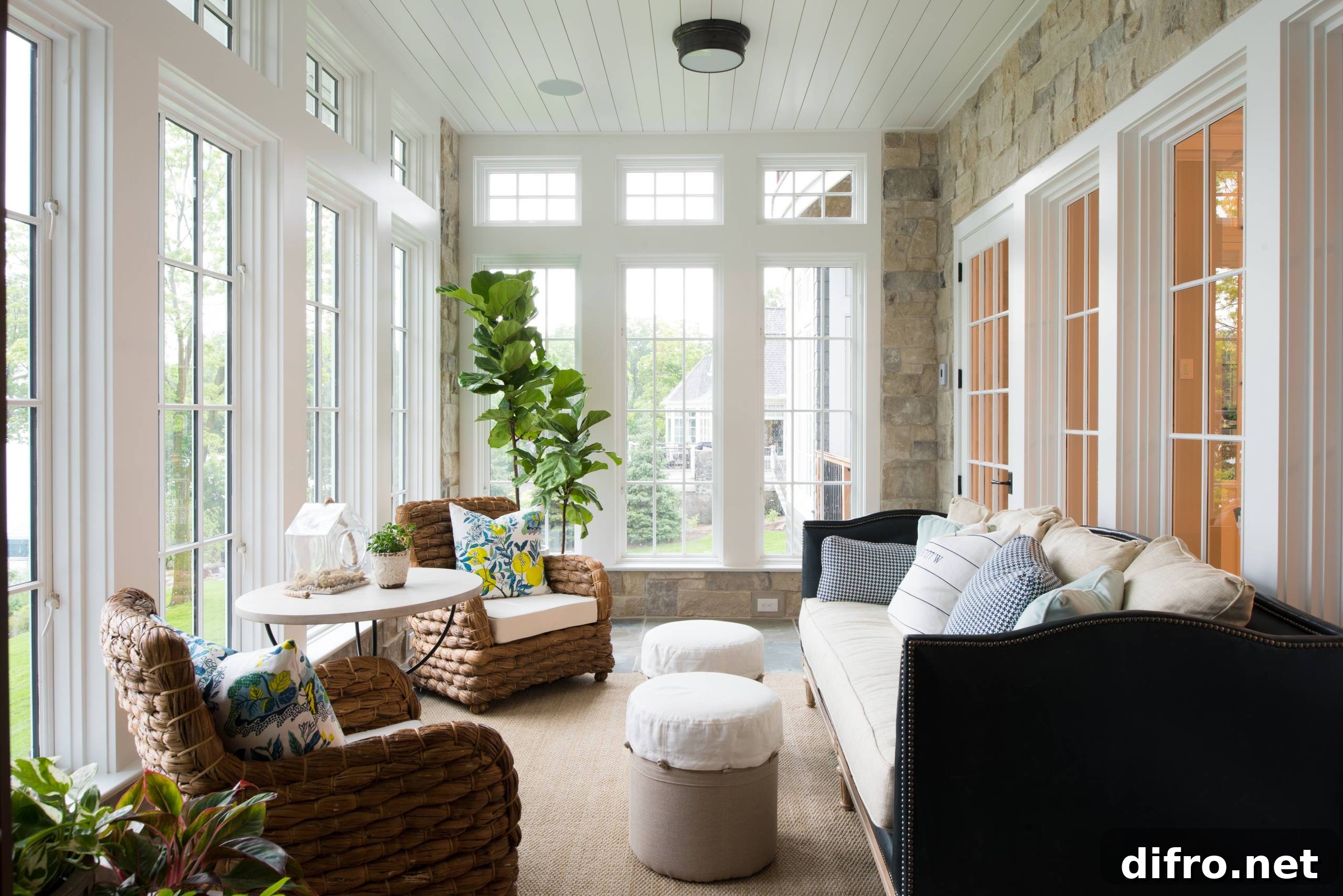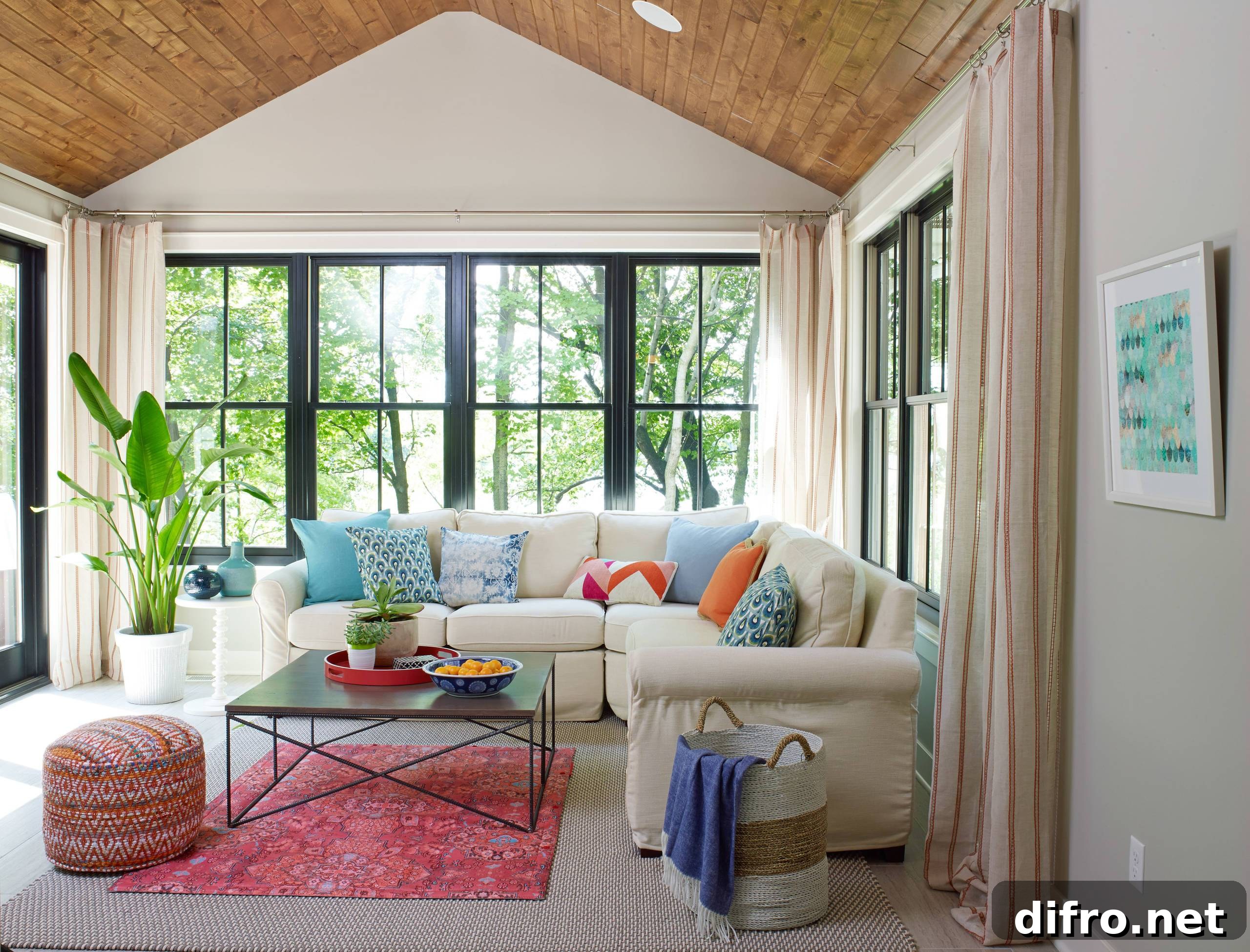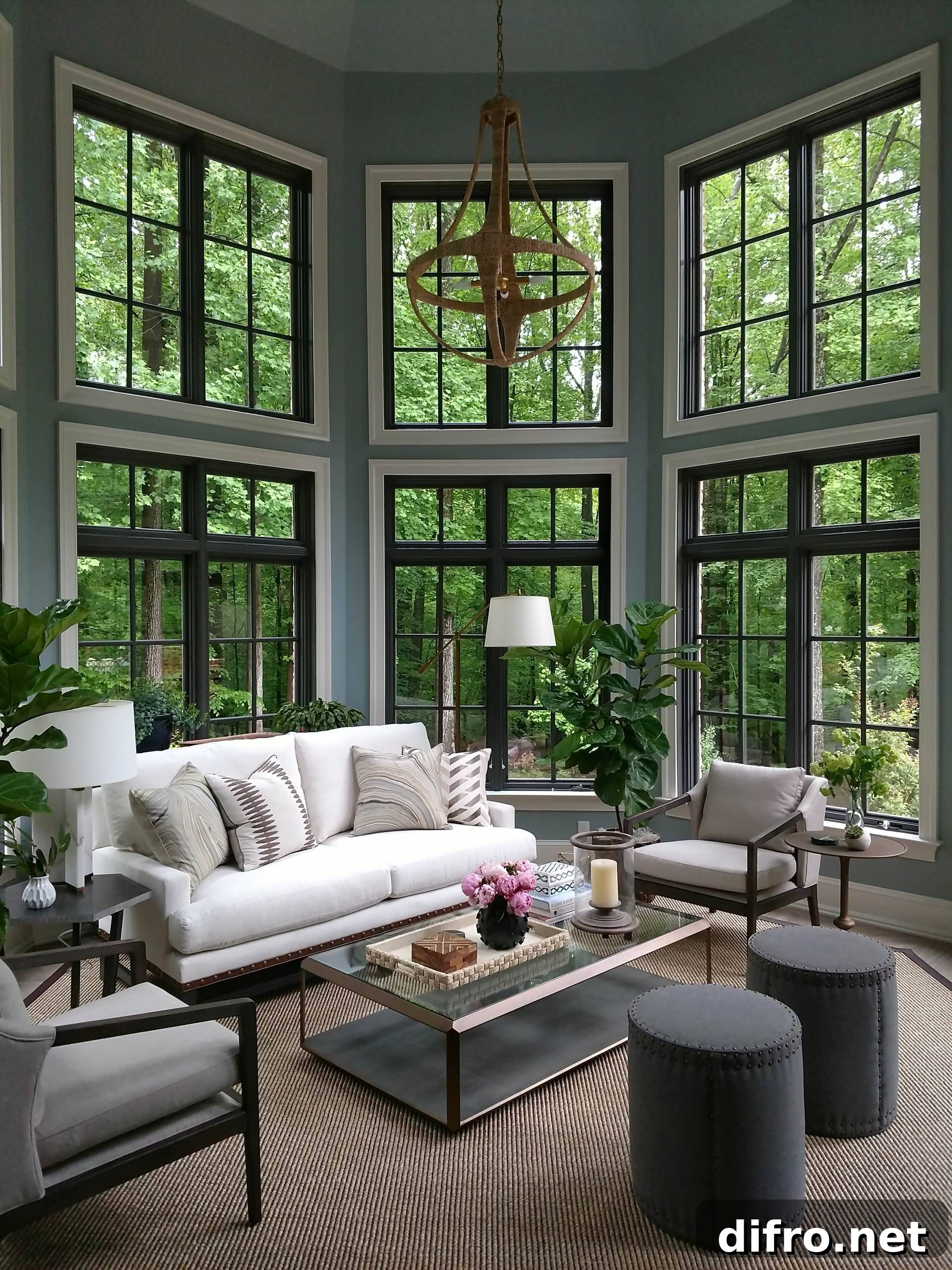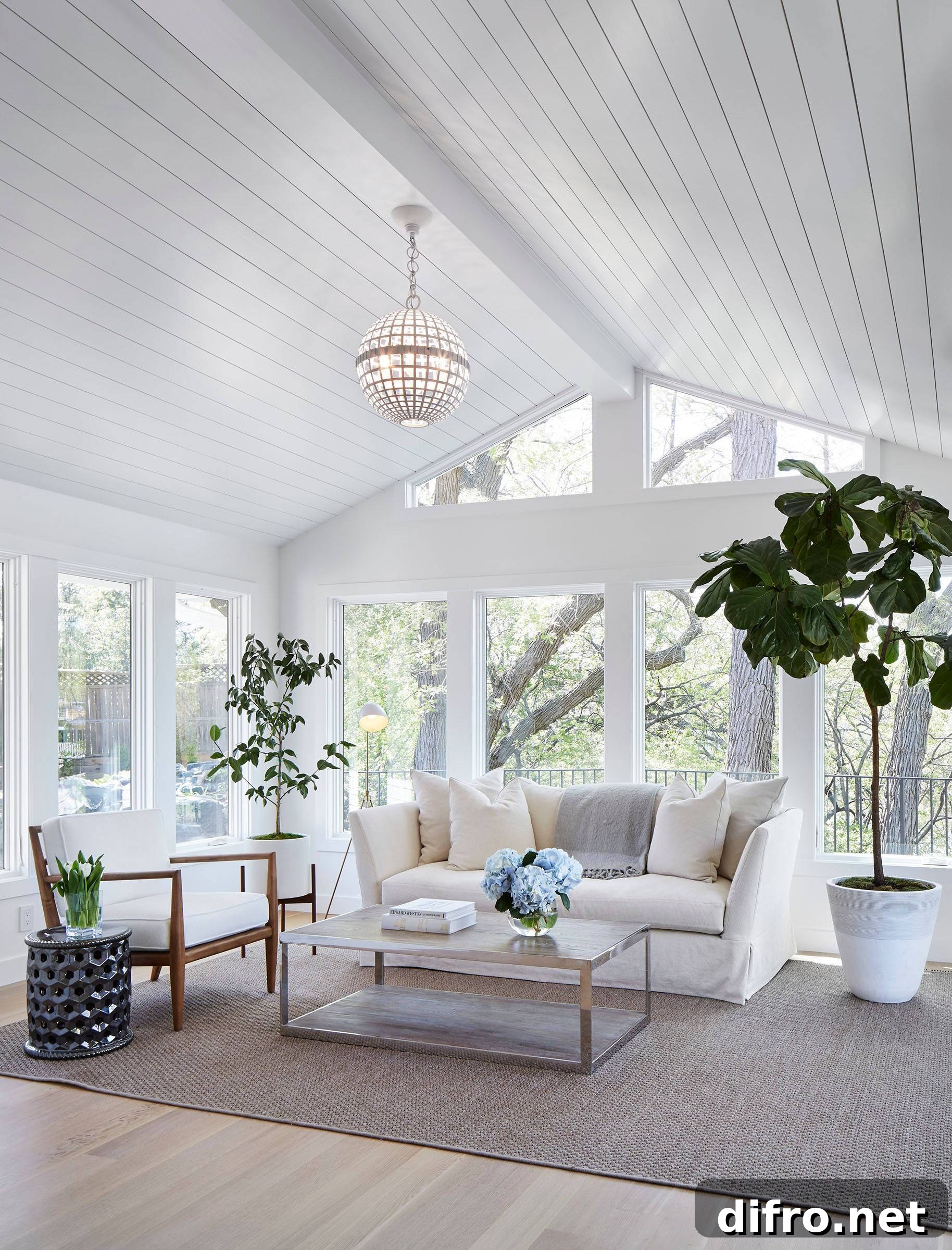
Sunrooms are increasingly popular because they combine practicality with a touch of luxury. Many homeowners choose to extend their living area with a sunroom to create a bright, transitional space that brings the outdoors in. While a sunroom can be a calm retreat with comfortable seating, its uses extend far beyond a simple lounge: it can become a home office, guest bedroom, hobby studio, yoga room, play area, or a dedicated space for entertaining and relaxing. Thoughtful planning and design let you adapt a sunroom to match your lifestyle.
What is a sunroom?
A sunroom is an addition to a home that is largely enclosed with glass on multiple sides—often three—allowing abundant natural light and views of the outdoors. The terms sunroom, conservatory, sun porch, and patio room are sometimes used interchangeably, but they all describe a bright extension that blurs the line between interior and exterior space.
Sunrooms provide the pleasures of outdoor living—sunlight, views, and a sense of openness—while keeping you protected from wind, rain, and insects. They can be enjoyed year-round when designed with proper insulation, glazing, and ventilation. In colder climates, a south-facing sunroom in particular captures more daylight and solar heat during winter months, which improves comfort and can reduce heating costs by providing passive solar gain.
Benefits of a sunroom
Adding a sunroom is often one of the most cost-effective home improvements for increasing usable square footage. Compared with a traditional full-scale home addition, finishes and structural requirements for a sunroom are typically less expensive, yet the space still enhances the home’s overall appeal. A well-executed sunroom boosts curb appeal and can increase resale value, because buyers often appreciate extra light-filled living areas and flexible space options.
Versatility is a key advantage. A sunroom can be a dedicated craft studio where natural light helps with color and detail, a tranquil reading nook, or a serene home spa if you choose to include features like a soaking tub or heated flooring. It also makes an excellent entertainment area where family and guests can gather comfortably while enjoying views of the garden.
For plant enthusiasts, a sunroom creates ideal conditions for many houseplants. The increased light and controlled environment encourage healthy growth. Choose plants that thrive in bright, indirect light—orchids for elegant blooms, begonias and African violets for colorful flowers, and leafy varieties such as Boston ferns and spider plants for lush greenery. Grouping plants and adding humidity-friendly elements can help create a thriving indoor garden.
Thoughtful orientation, glazing, and shading help manage temperature and glare. South- and west-facing sunrooms will receive the most light and warmth, so it’s wise to plan for summer shading—awnings, motorized blinds, or strategically placed trees—to prevent overheating. High-performance windows and insulated frames improve year-round comfort, reduce drafts, and contribute to energy efficiency.
Design flexibility means you can match the sunroom’s style to your home’s architecture. Whether you prefer a rustic, farmhouse aesthetic, a minimalist Scandinavian look, contemporary lines, or a cozy boho vibe, materials, finishes, and furnishings can be tailored to create a cohesive extension of your existing interior. Durable flooring options like tile, engineered wood, or sealed concrete perform well in bright, higher-traffic sunroom environments.
Practical considerations—permits, foundation work, insulation, and HVAC integration—are important when planning a sunroom. Work with qualified contractors or designers to ensure the space meets local building codes and performs well across seasons. Properly designed lighting, electrical outlets, and sufficient ventilation will make the sunroom comfortable and functional for daily use.
In short, a sunroom offers a bright, flexible space that enhances daily living while connecting you with the outdoors. With careful planning, a sunroom can serve multiple functions, support indoor plants, improve natural light in the home, and add value—making it a rewarding addition for many homeowners.