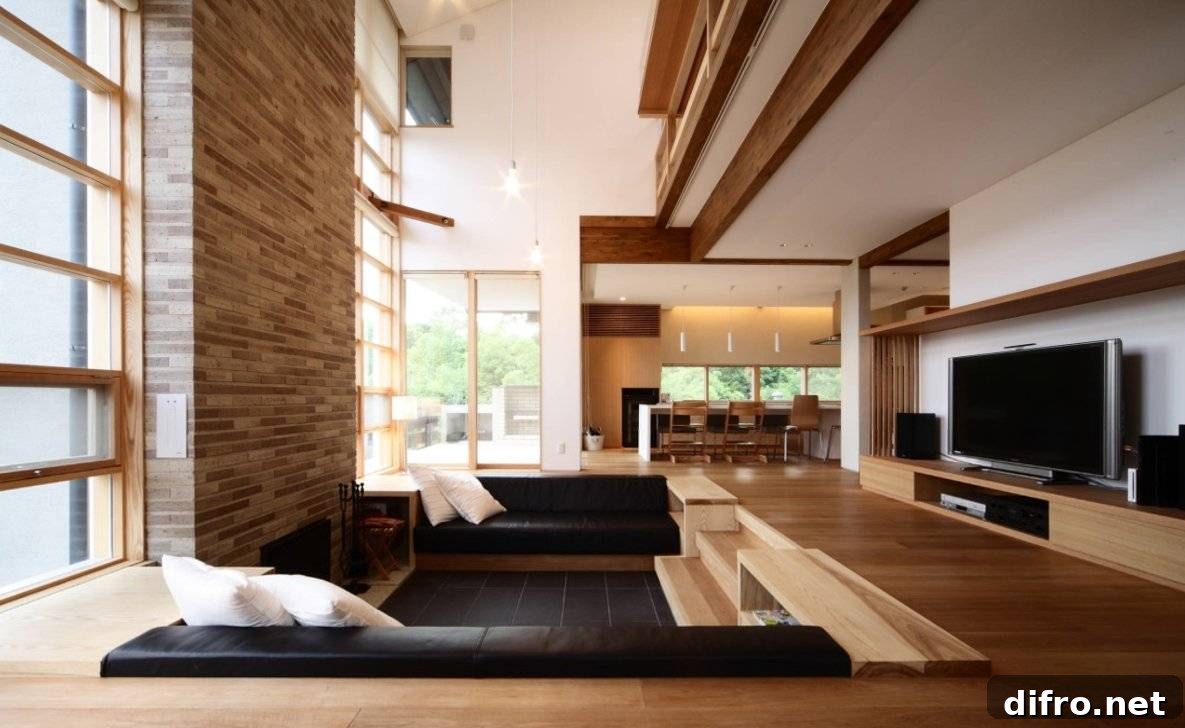
Sunken living rooms were a defining trend of the 1970s and have made a strong return in modern interiors. By lowering a section of the floor, these recessed seating areas create an intimate, connected zone within an open plan that still feels light and airy. The change in floor height helps define the living area visually while maintaining flow between spaces.
If you’re considering a sunken living room, this guide outlines the key pros and cons and offers design and planning advice so you can decide whether the style fits your home and lifestyle.
Pros
Sunken living rooms deliver a high-end, architectural statement and work with a variety of design styles—from modern and minimalist to rustic or traditional. They are often used indoors but can be adapted for covered outdoor spaces as well.
Breaks up large spaces
In open-plan homes, large areas can sometimes feel monotonous. A recessed living area introduces visual interest and a focal point without closing off the plan. The step-down creates depth and subtly separates the social zone while preserving an open, airy feel.
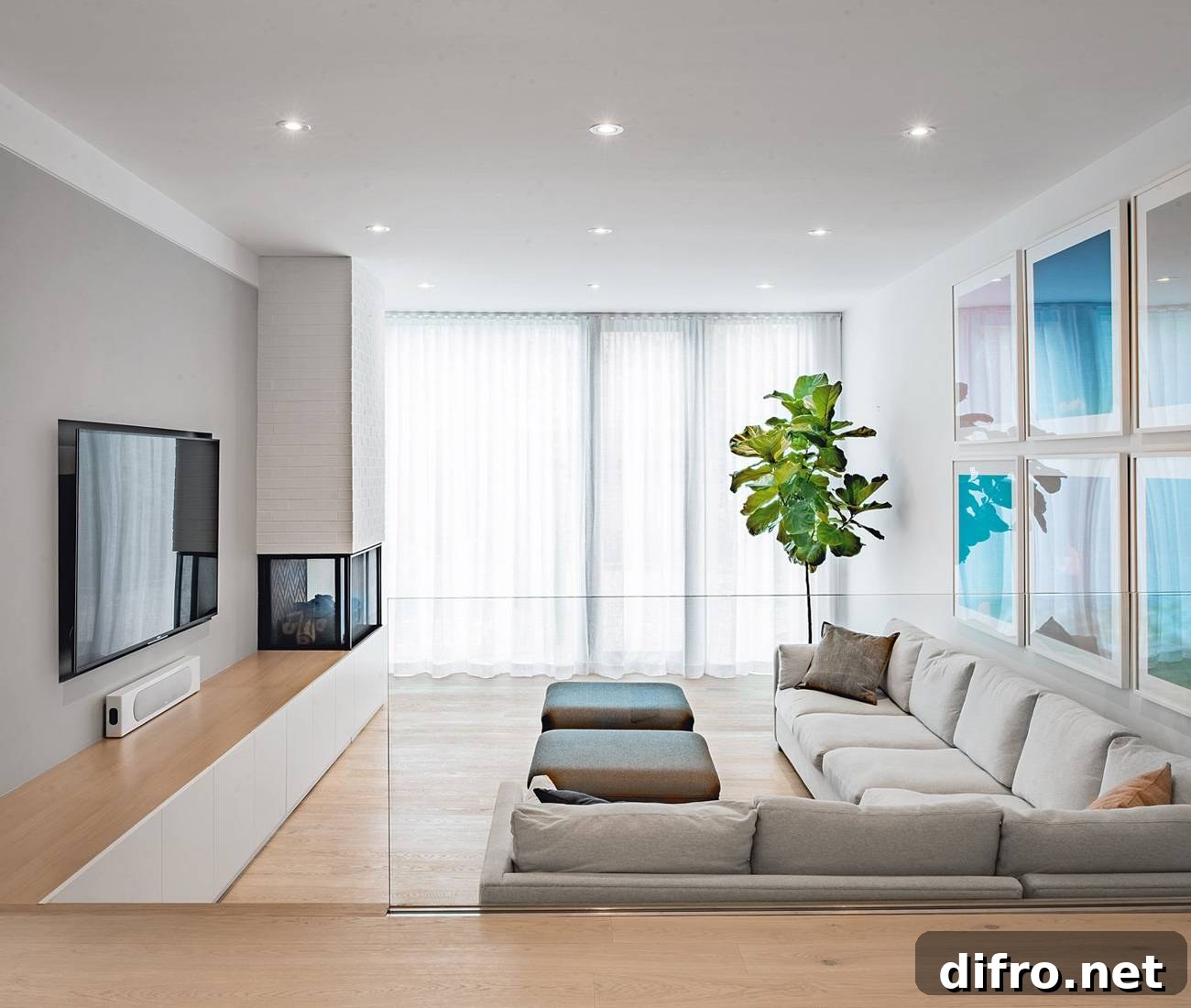
Creates an intimate seating area
Because the space is slightly separated, it feels cozy and encourages conversation and togetherness. Yet the sunken area isn’t completely isolated, so it remains welcoming and social—ideal for family time or small gatherings.
Feels airy and elevated
Contrary to feeling cramped, a well-designed sunken living room can feel more spacious. The visual distinction created by the lowered floor often makes the ceiling appear higher and the whole space feel more layered and refined.
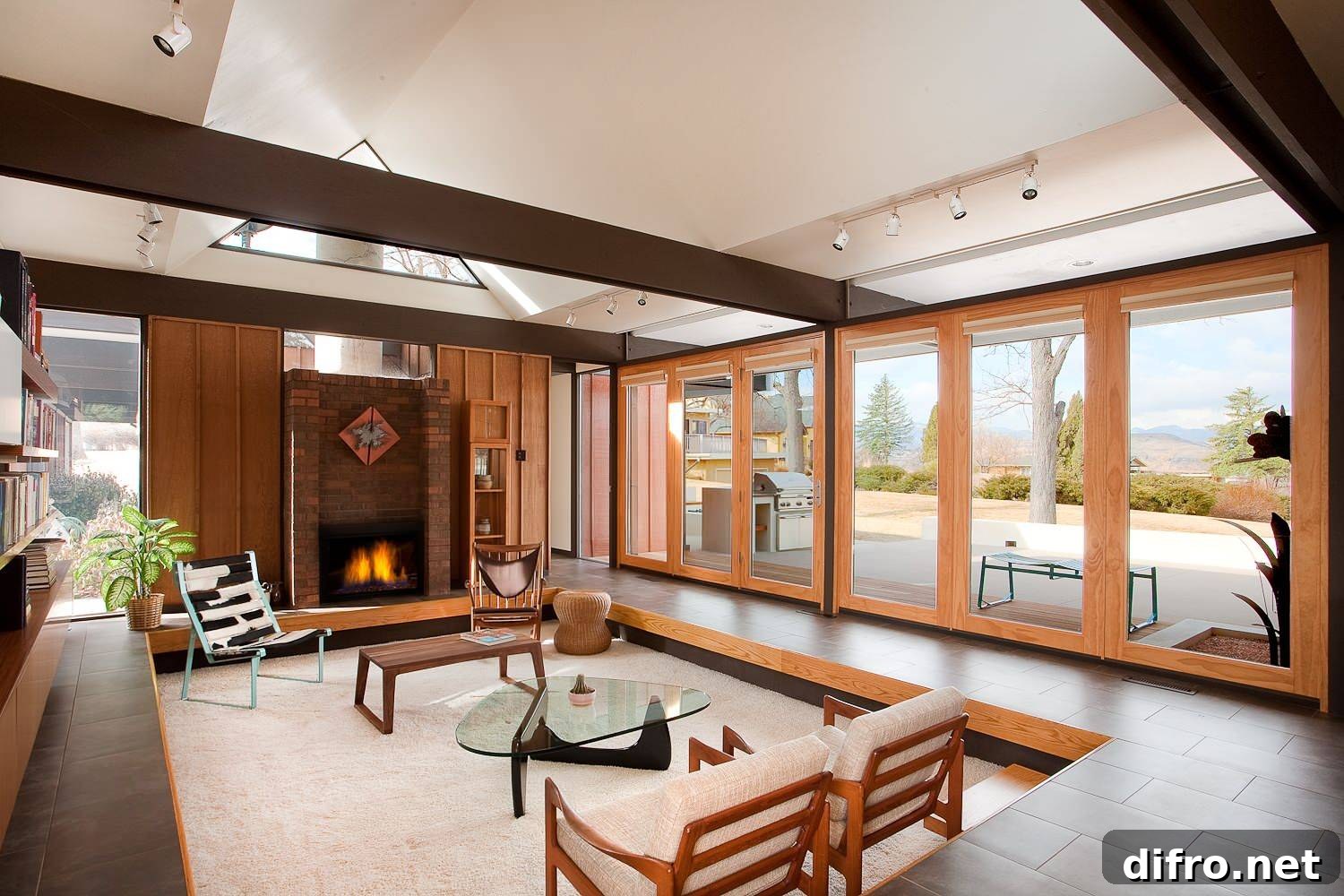
Cons
While attractive, sunken living rooms come with trade-offs. Knowing the potential drawbacks helps you plan a design that meets your needs and avoids common pitfalls.
Lack of adaptability
The lowered layout restricts flexibility. Furniture for conversation pits is often custom or fitted to the recess, making rearrangement or repurposing more difficult than in a standard living room. If you anticipate changing room functions frequently, a sunken design may limit future options.
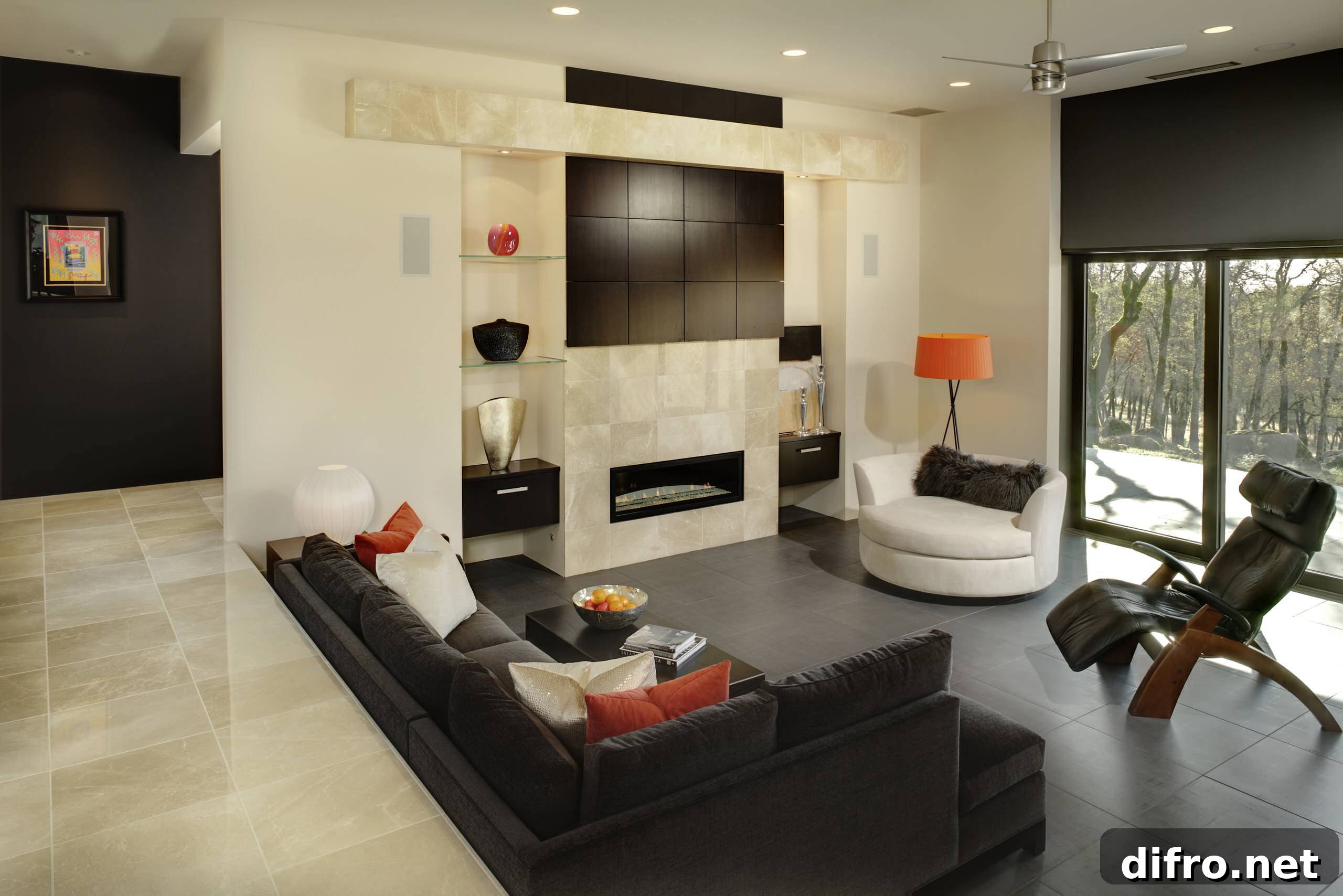
Potential inconvenience and accessibility issues
Steps and level changes can interrupt circulation and create tripping hazards if not properly detailed. Without handrails or clear edge definition, falls are more likely—especially for children, older adults, or people with mobility challenges. If accessibility is a priority, plan for ramps, wide steps, handrails, or shallow transitions to accommodate every household member.
Higher cost
Constructing a recessed area and fitting bespoke seating and finishes can raise costs. Expenses depend on the depth and size of the recess, custom furniture, and materials. Budget carefully and factor in structural work, drainage, insulation, and any built-in elements you want to include.
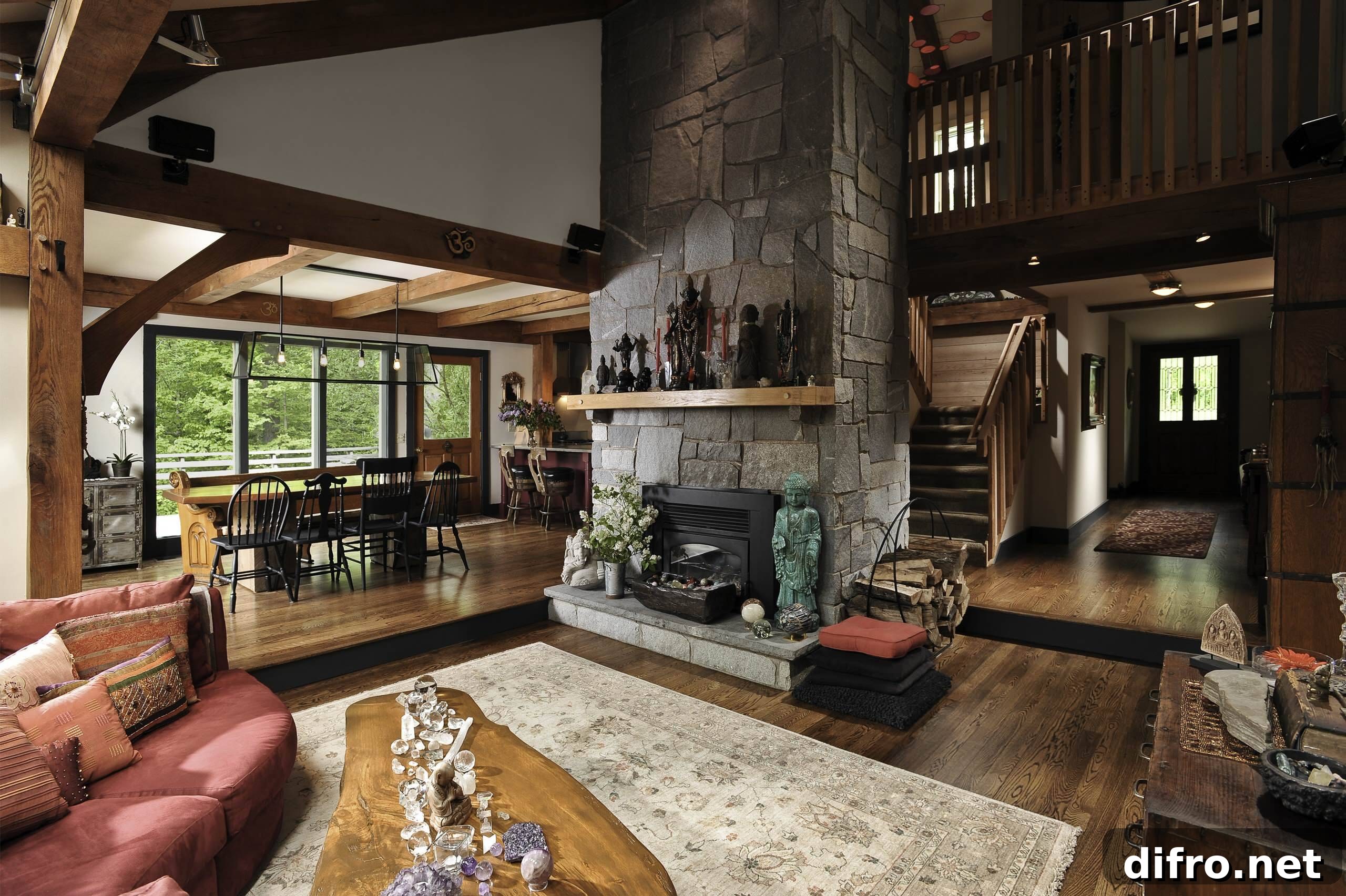
Designing a Sunken Living Room
If you decide to move forward, thoughtful planning will ensure a space that’s beautiful, functional, and safe. The following tips focus on layout, style, functionality, and comfort.
Consider the space and structure
Evaluate your home’s foundation and ceiling heights before committing. A sunken area typically requires lowering the floor plane, so consult a structural professional to confirm feasibility and drainage details. For small homes, a single step or shallow recessed seating can deliver the same visual effect on a tighter budget. In larger houses, the sunken zone can connect visually to adjacent areas like dining or kitchen spaces to create an intentional flow.
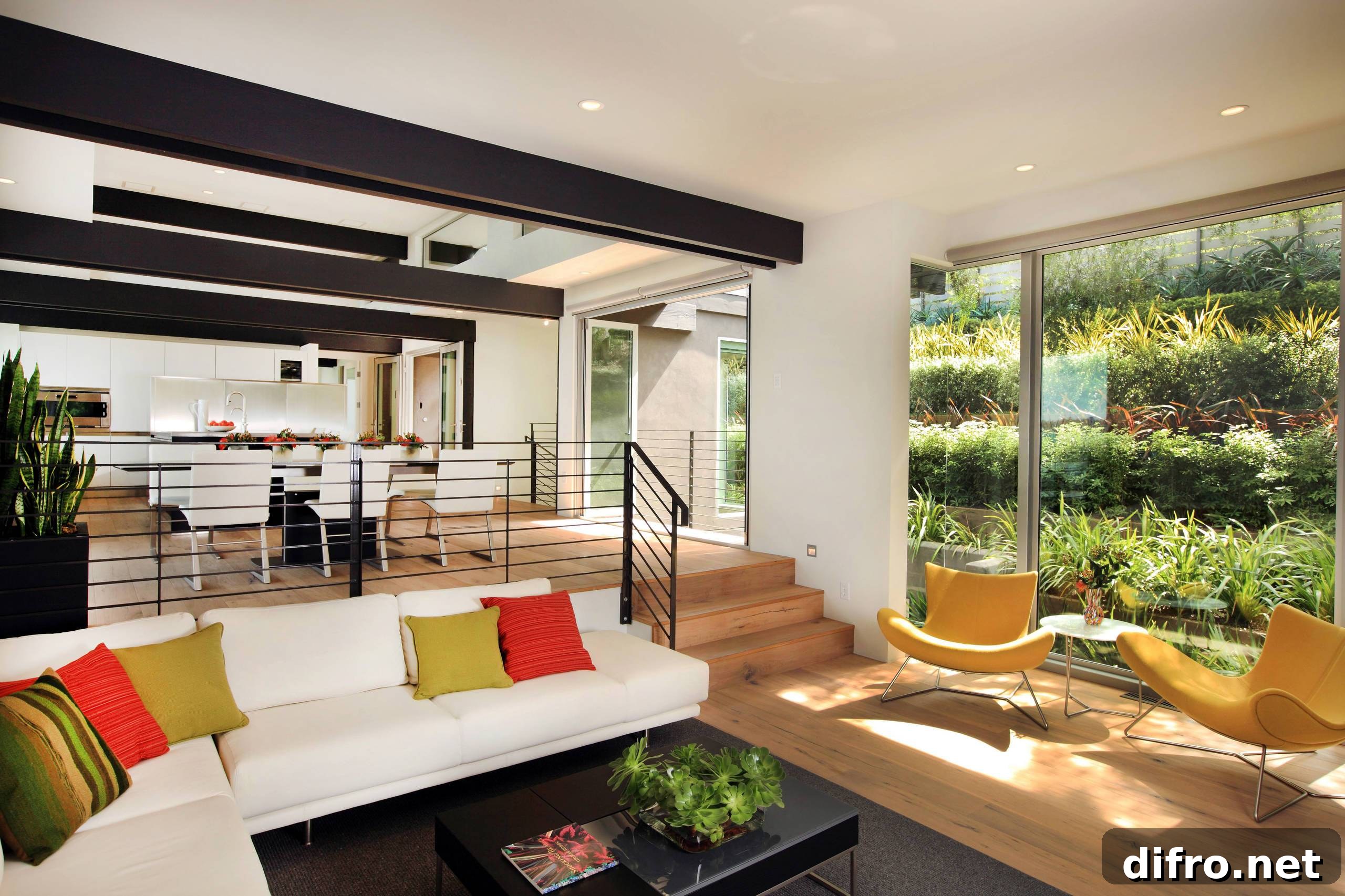
Choose a complementary style
Match the sunken area’s aesthetic to your home. A modern scheme benefits from low-profile furniture, clean lines, and neutral palettes. For a cozier or traditional vibe, introduce textured fabrics, layered rugs, and richer tones. Materials like wood, stone, or polished concrete can define the sunken plane and create contrast with surrounding floors. Consider glass or low partitions if you want a subtle separation without blocking sightlines.
Prioritize functionality
Decide how the space will be used—relaxation, media viewing, entertaining, or a multi-purpose lounge. Built-ins such as shelves, a fireplace, or a media wall increase usability and reduce the need for free-standing furniture. Lighting is essential: recessed fixtures, floor lamps, and accent lighting help define the area and create a warm atmosphere.
Add comfortable, low-profile seating
Low sofas, sectional seating, and deep cushions suit sunken areas because they maintain sightlines and proportion. If you prefer modular pieces, choose units that can be reconfigured or moved. Use durable fabrics and consider slipcovers or leather for easy maintenance. Incorporating a gradual step or wide treads around the recess makes access safer and more comfortable.
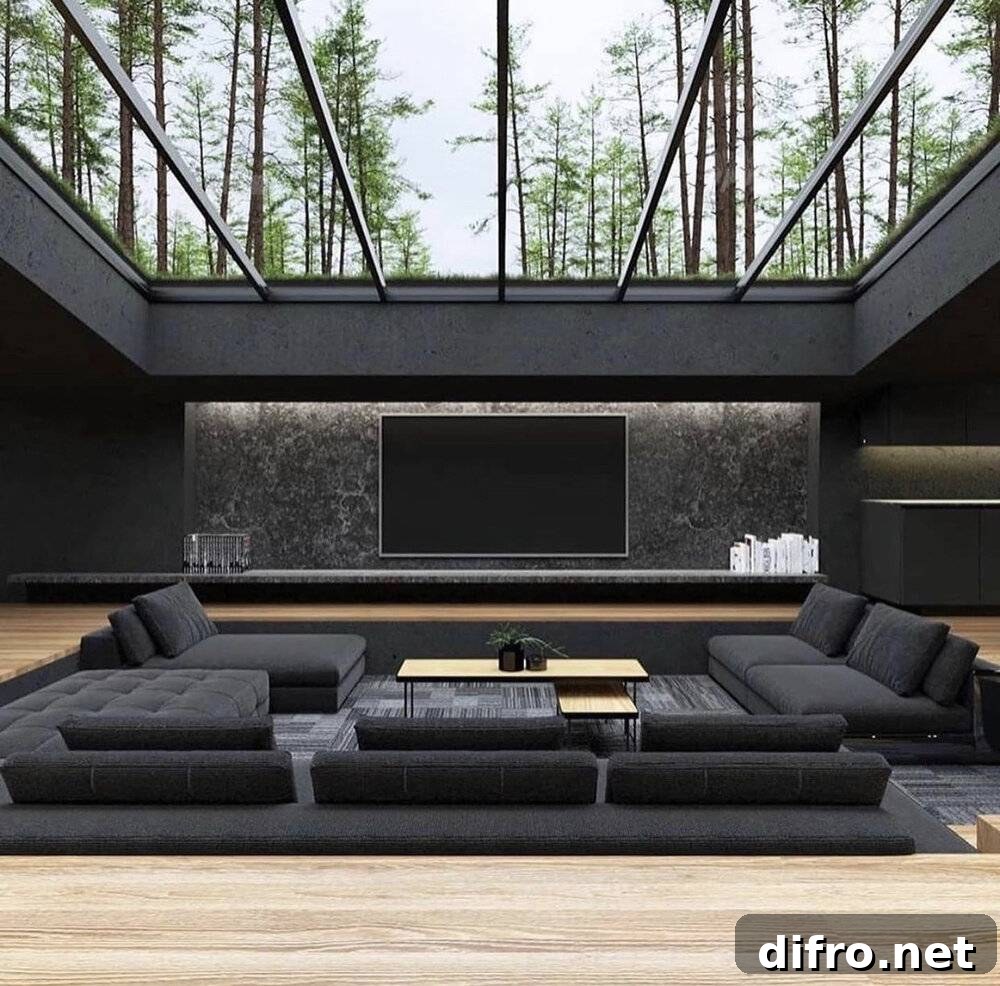
Use accessories to add personality
Rugs, throw pillows, art, and plants help humanize the sunken area and tie it to the rest of the home. Layer textures and introduce accent colors to create warmth. Keep circulation clear around the steps and avoid cluttering transition zones to maintain safety and flow.
Frequently Asked Questions (FAQs)
What is a sunken living room?
A sunken living room is a part of the home where the floor level is lowered relative to surrounding rooms, creating a defined, intimate seating area within an open plan.
What are the benefits?
Benefits include a distinct, stylish focal point; enhanced intimacy and conversation; and a layered sense of space that can elevate the overall interior design.
What are the drawbacks?
Drawbacks include reduced flexibility for rearranging furniture, potential accessibility and safety concerns, and potentially higher construction and furniture costs.
How can I make a sunken living room safe and accessible?
Add features such as wide steps, handrails, contrasting edge finishes, proper lighting, and anti-slip flooring. Consider ramps or shallower transitions if accessibility is essential.
What furniture works best?
Low-profile seating, sectional sofas, deep cushions, and low coffee tables work particularly well. Built-ins and custom seating can optimize space but may increase cost.
How do I incorporate a sunken living room into an existing design?
Work with an architect or contractor to assess structure and drainage. Start with sketches and mood boards to ensure materials, scale, and circulation integrate with the rest of your home.
With careful planning and attention to safety, a sunken living room can become a memorable, functional focal point that enhances your home’s character and social life.