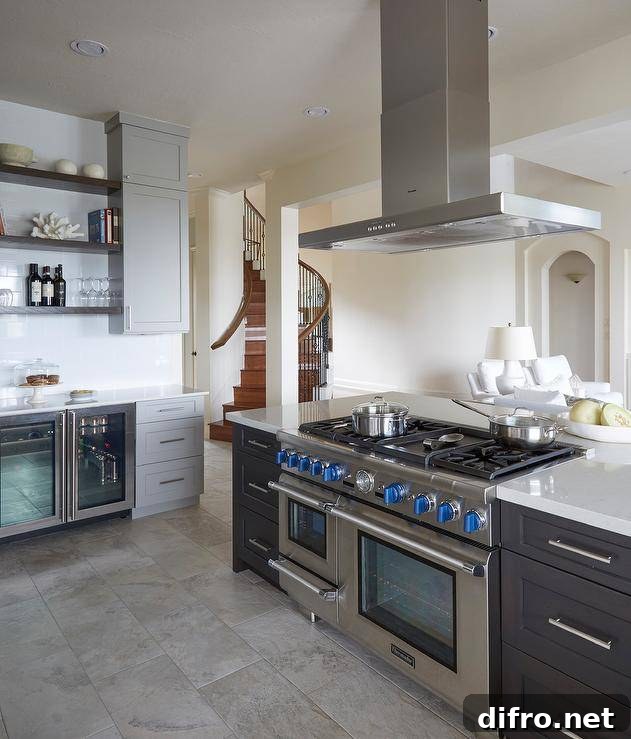
The kitchen is the heart of any home, and the stove is often the focal point of that space. Selecting the right stove for your kitchen’s style and layout is a decision that affects both form and function. With an abundance of options—from classic gas ranges to contemporary induction cooktops—choosing the appliance that best suits your cooking habits and décor can be challenging. Each type of stove brings its own advantages in performance, maintenance, and aesthetic appeal.
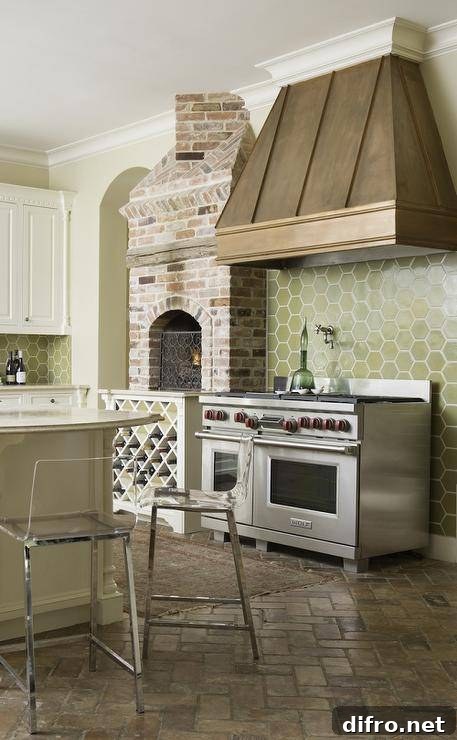
Beyond looks, practical considerations such as heat source, maintenance, energy use, and installation requirements should influence your choice. This article outlines the main stove styles, materials, sizes, and performance factors to help you choose an appliance that complements your kitchen design while meeting your cooking needs.
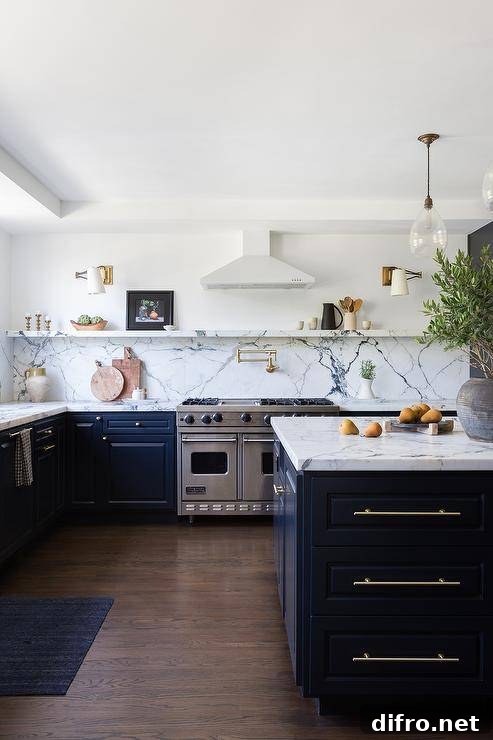
Whether you are renovating or replacing an older range, the right stove can elevate your kitchen’s appearance and performance. Read on for a practical guide to matching appliance type, style, material, and size to the look and function you want in your kitchen.
Style
Style is one of the first considerations when picking a stove. Options range from minimalist, modern designs with clean lines to ornate, traditional ranges with vintage detailing. Choose a stove whose design complements your cabinetry, countertops, and overall interior style. A contemporary kitchen benefits from a streamlined stainless-steel or glass cooktop, while a period kitchen may look best with a retro enamel range or a professional-style stainless steel model with more visual presence.
Color
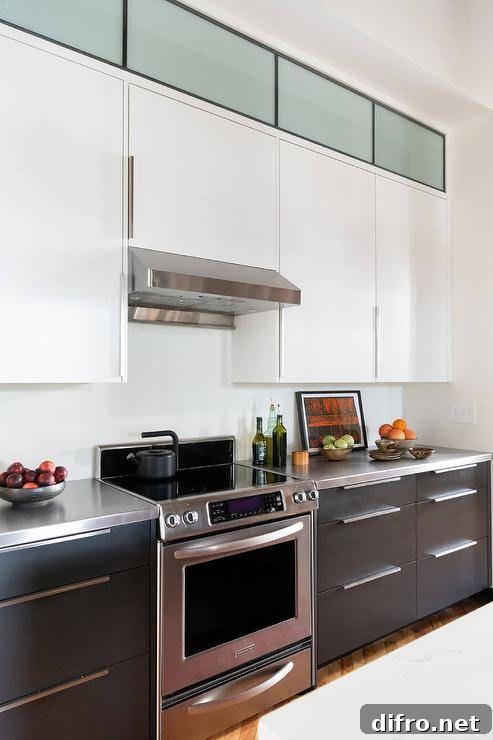
Color plays a big role in how a stove integrates with your kitchen palette. Stainless steel remains a versatile, neutral choice that matches many styles. Black or white finishes blend well in minimalist kitchens. Bold colored ranges—such as deep blue, green, or red—can act as a stylish focal point against neutral cabinetry. When choosing color, consider how the finish will pair with backsplash tiles, countertops, and hardware to create a cohesive look.
Material
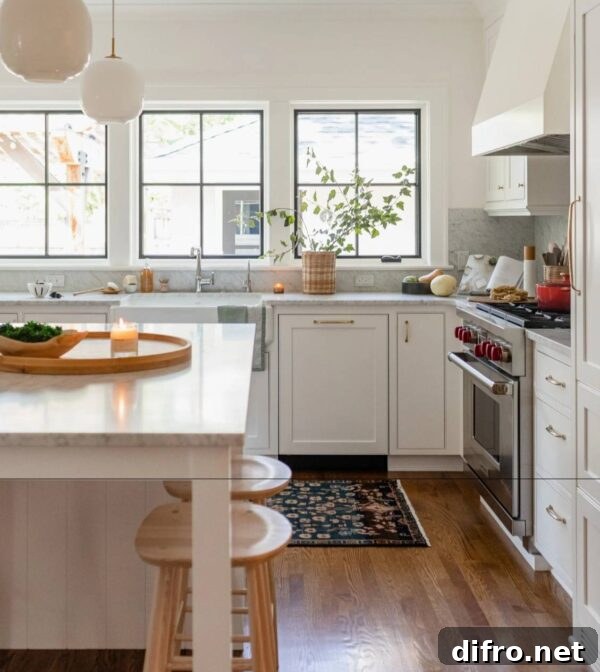
Materials influence durability, heat behavior, and maintenance. Popular finishes include cast iron components for grates and burners, stainless steel for exterior surfaces, and porcelain enamel for oven interiors and colored ranges. Cast iron retains and distributes heat evenly but requires seasoning and care; stainless steel resists corrosion and cleans easily; porcelain enamel offers color and scratch resistance but can chip if struck. Consider both performance and long-term upkeep when selecting materials.
Size
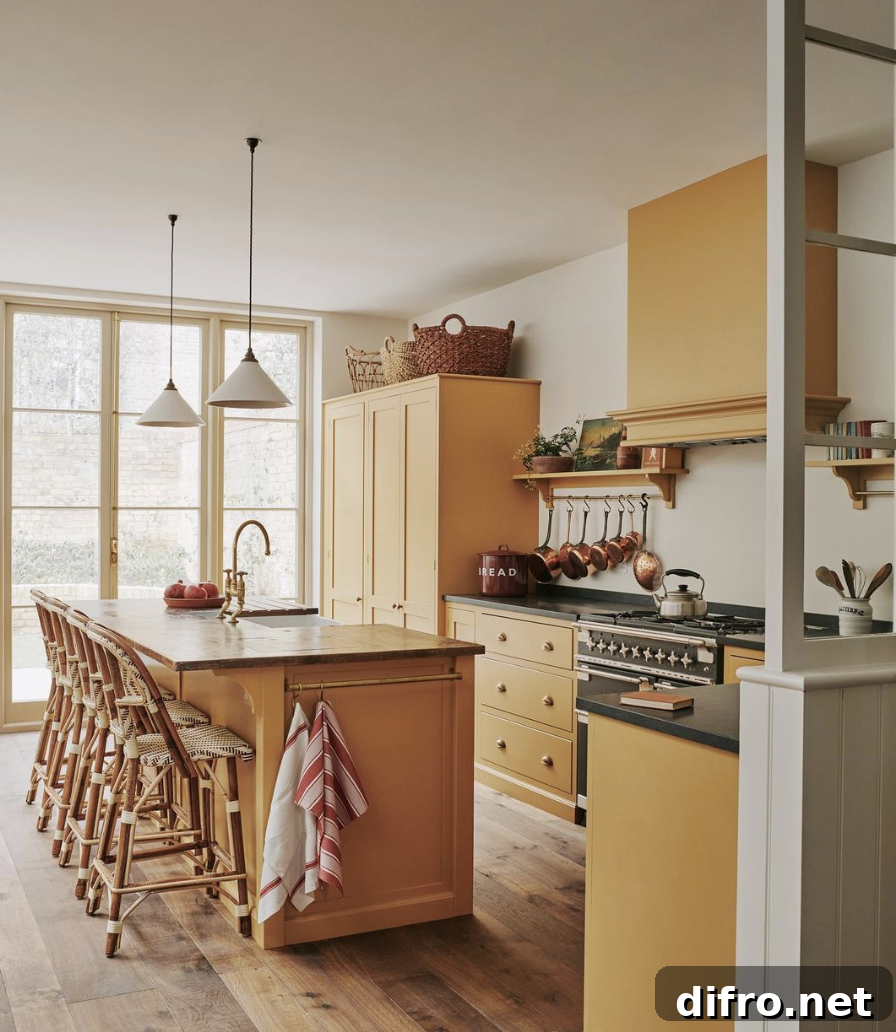
Stove dimensions must match your kitchen layout and cooking needs. Standard ranges are typically 30 inches wide, while larger professional-style ranges can be 36, 48, or even 60 inches. Compact ranges or slide-in models suit smaller kitchens and apartment spaces. Think about oven capacity, number of burners, and whether you want features like a griddle or a warming drawer. Measure the available space and allow for ventilation and clearances when planning the installation.
Efficiency
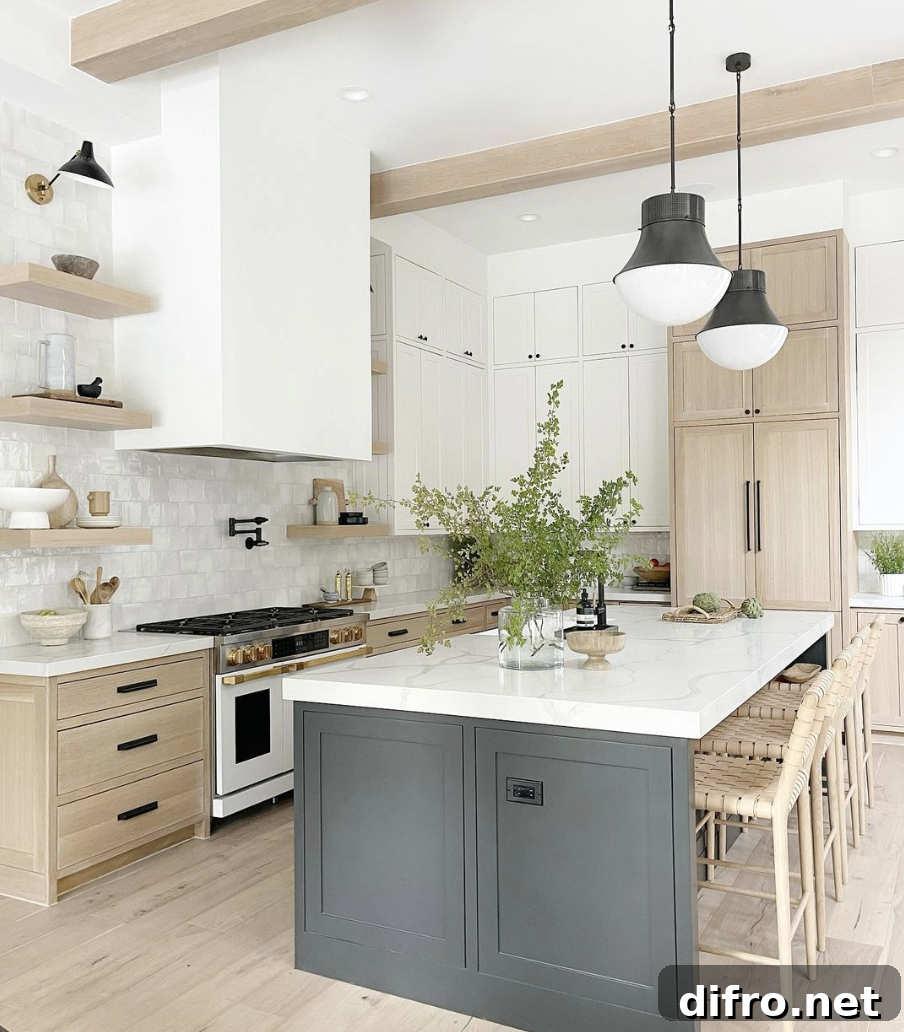
Energy efficiency affects both utility bills and environmental impact. Induction cooktops and modern electric ranges tend to deliver efficient, precise heating with less wasted energy. Gas provides instant heat and intuitive control but may be less efficient overall. Look for models with features like convection ovens, sealed burners, and good insulation to improve cooking performance and reduce energy consumption.
Installation
Installation complexity varies by stove type. Freestanding and slide-in ranges usually fit standard cutouts and can be straightforward to install, while built-in wall ovens and large professional ranges may require electrical or gas upgrades and professional installation. If replacing an older unit, check the existing gas line, electrical circuit, and ventilation to determine if modifications are necessary.
Different Types of Ovens and Stoves
- Freestanding Gas Range: A freestanding gas range is a traditional option available in many sizes and finishes. It is popular for its instant heat control and responsive flame. Freestanding models typically include four to six burners, a roomy oven, and often a storage drawer. They’re a flexible choice that fits standard kitchen openings with no built-in installation required.
- Slide-In Electric Range: Slide-in electric ranges offer a sleek, integrated look by fitting between cabinets with controls typically on the front panel. Many models feature a smooth glass cooktop for easy cleaning and a convection oven for even baking. Slide-in ranges are a good fit for remodels where a clean, built-in appearance is important.
- Double Oven Range: Double oven ranges offer two separate oven cavities with independent temperature controls, allowing you to bake and roast at different temperatures simultaneously. These ranges are ideal for households that entertain often or prepare large meals and are available in both gas and electric versions.
- Wall Oven: Wall ovens are installed into cabinetry at a convenient height, freeing floor space and improving ergonomics. They are available in single, double, and combination configurations and can be paired with separate cooktops for a customized cooking station. Wall ovens are a practical choice for dedicated bakers and those seeking a streamlined built-in look.
- Induction Cooktop: Induction cooktops use electromagnetic energy to heat compatible cookware directly, providing rapid and precise temperature control while leaving the cooktop surface relatively cool. Induction is energy-efficient, fast to heat, and easy to keep clean. It requires magnetic cookware, typically cast iron or certain stainless steel pans.
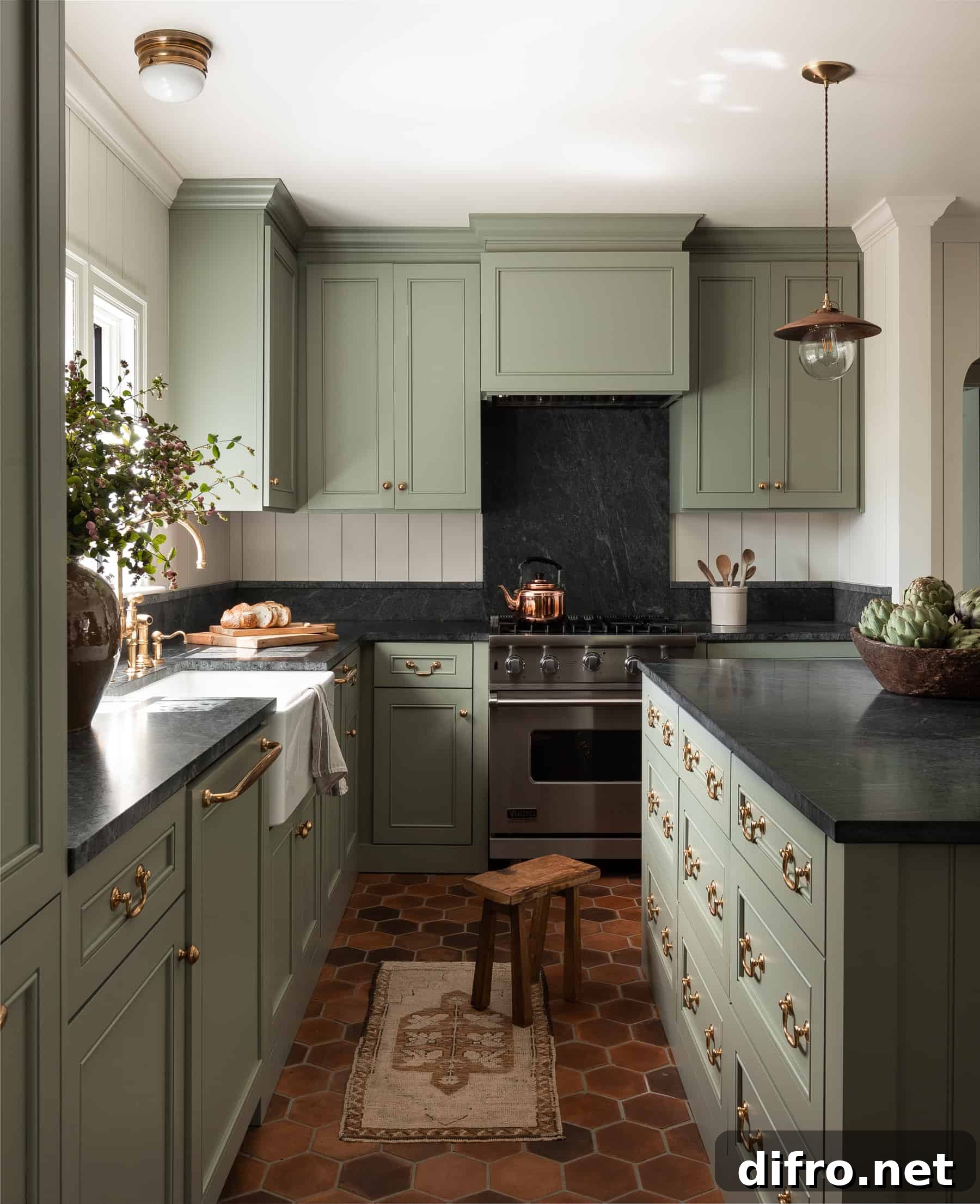
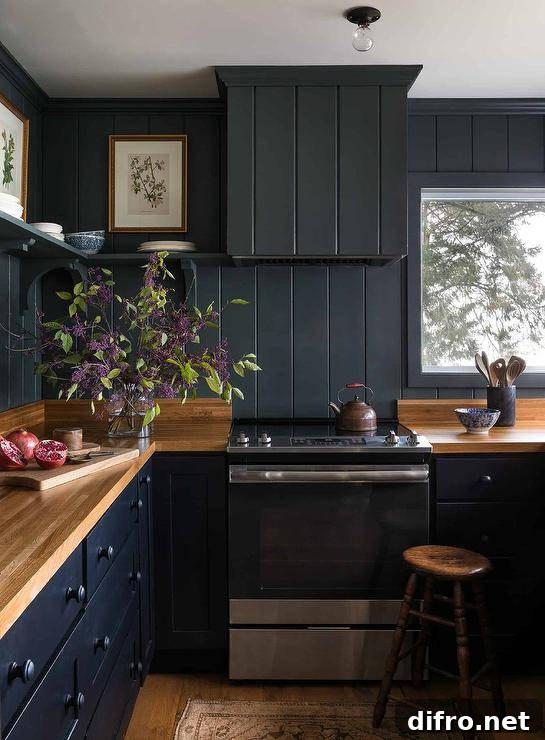
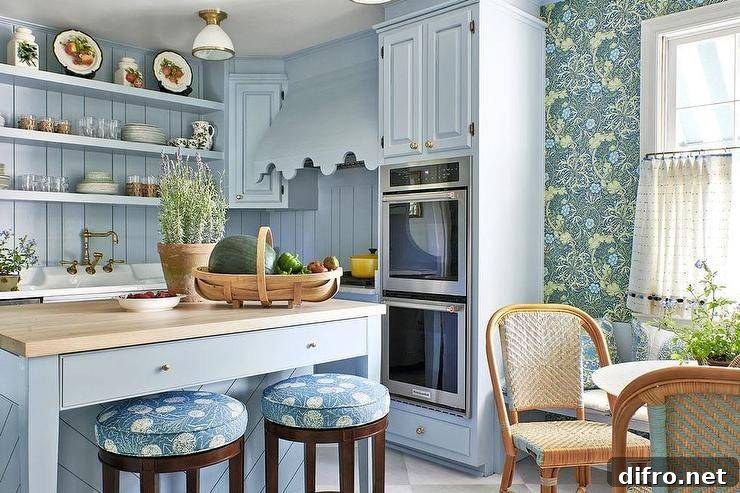
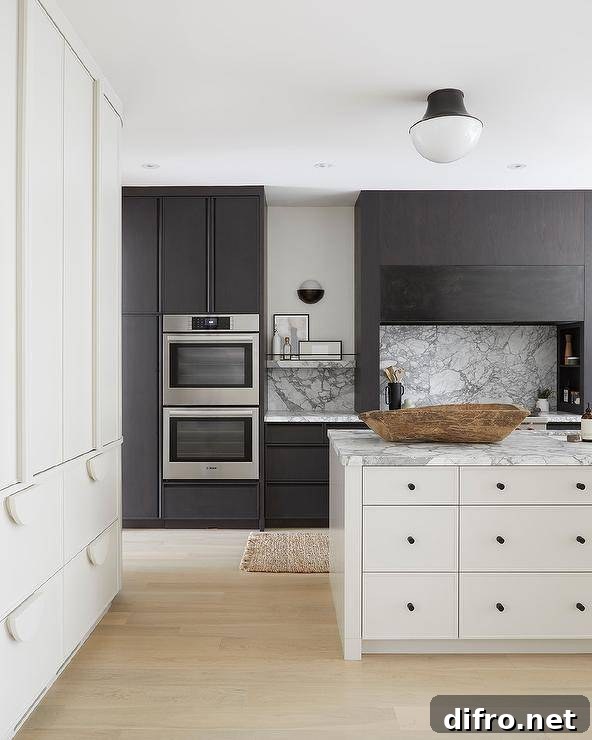
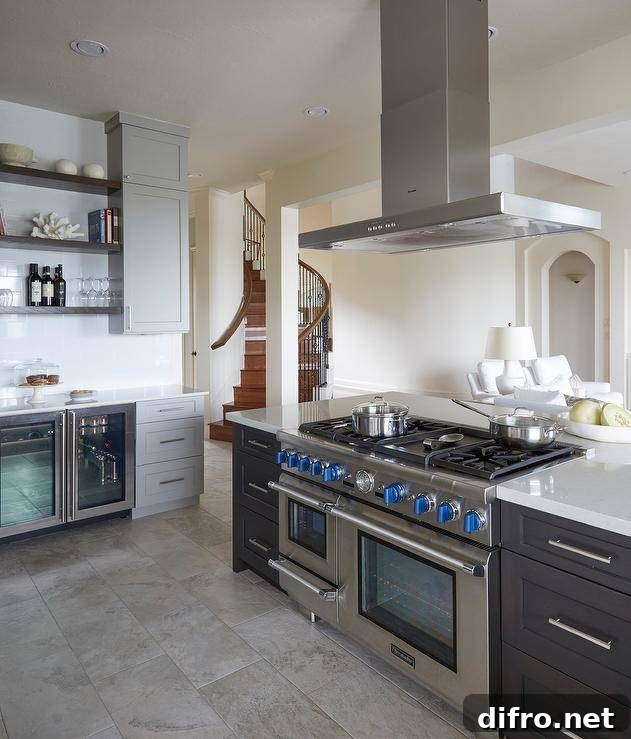
Each of these stove types has different functional and aesthetic benefits. Your final choice should reflect how you cook, the space available, and the visual statement you want your kitchen to make.
Choosing the right stove is about balancing style, performance, and practicality. Consider the stove’s appearance, materials, size, energy efficiency, and installation needs. With careful planning—measuring the space, evaluating fuel and electrical requirements, and matching the appliance to your cooking habits—you can select a stove that enhances both the look and function of your kitchen for years to come.