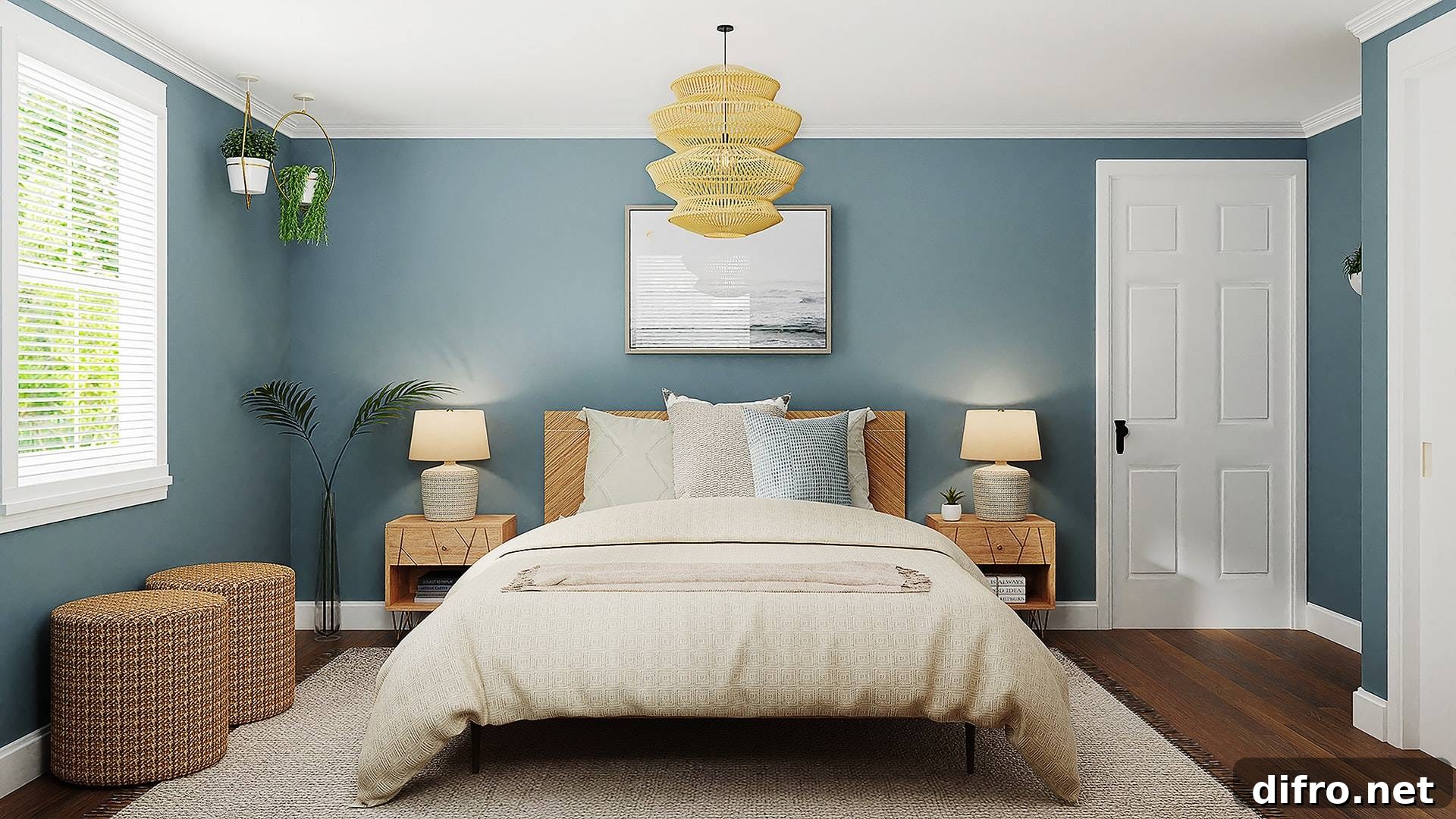
The design world evolves constantly: trends shift, old favorites return refreshed, and our sense of style keeps changing. Colors that once felt contemporary can quickly age, while others emerge as subtler, more versatile options. If you’re planning a home refresh, it’s useful to know which colors are falling out of favor and what alternatives designers are choosing instead.
Neutrals
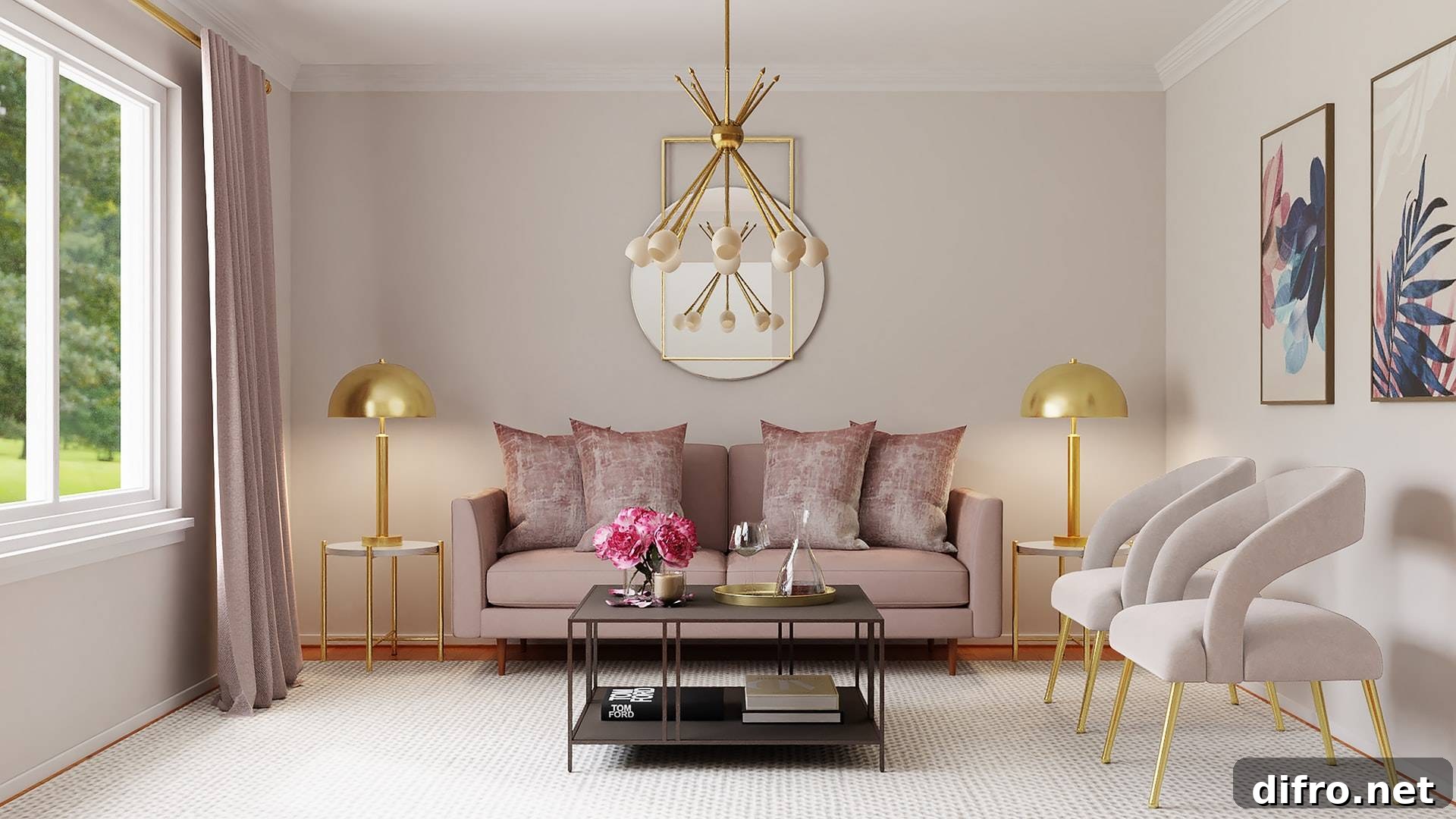
Neutral palettes dominated interiors for years because of their flexibility and timeless appeal. Lately, many designers are moving away from flat, monochrome neutrals in favor of more layered, nuanced approaches. Neutrals aren’t disappearing — instead they’re being enlivened with soft pale greens, muted blues, warm ivories and varied textures like linen, wood grain and stone. These additions keep a calm base while adding depth and personality.
Orange and pink
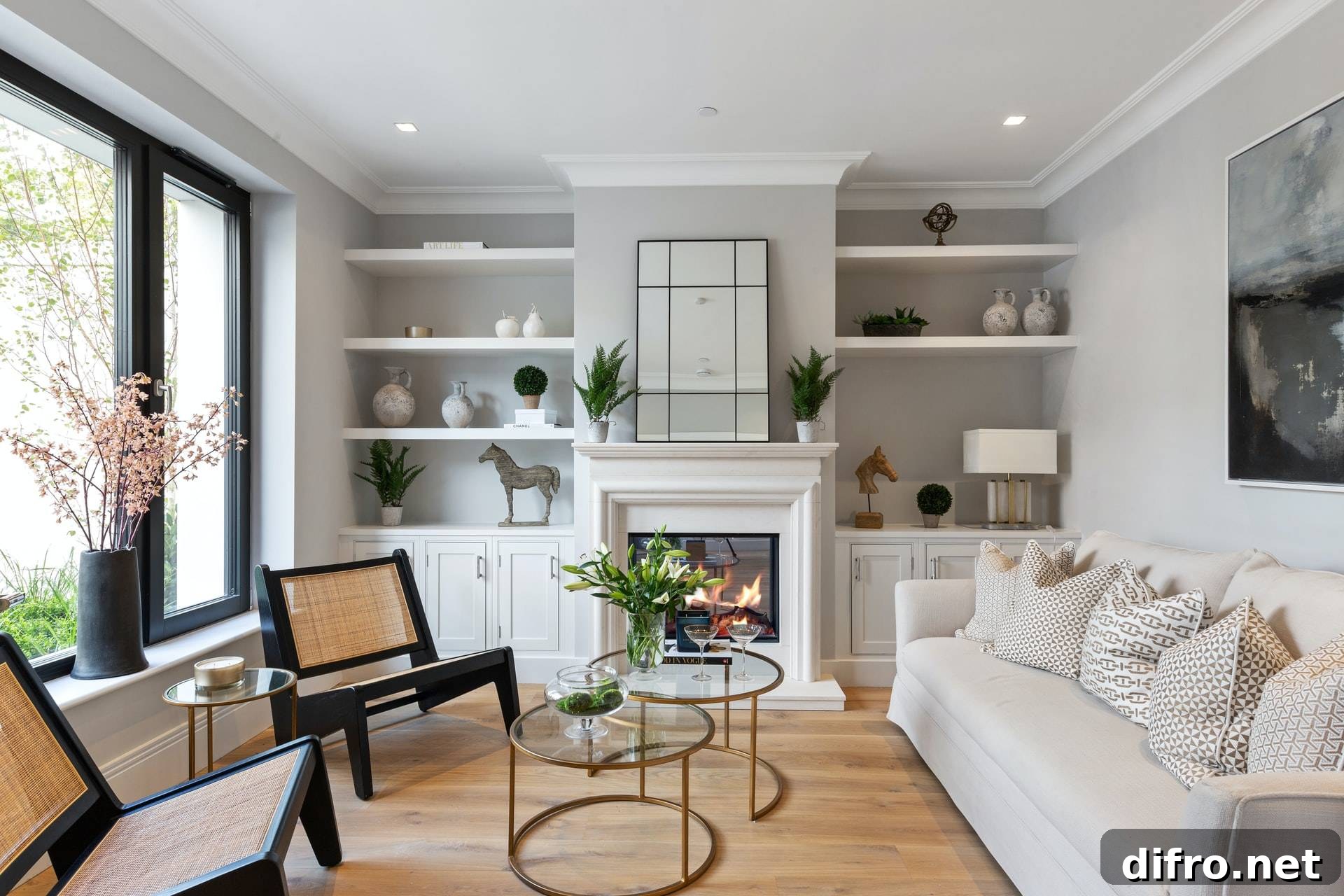
High-energy colors such as saturated orange and bright pink have become less popular in residential interiors, especially for spaces intended for relaxation. After periods of heightened stress, many homeowners and designers prefer soothing, low-arousal palettes. If you love these hues, choose desaturated or dusty versions and use them sparingly as accents—think a throw pillow, an art piece, or a small accessory—rather than committing to large expanses of vivid color.
Yellow
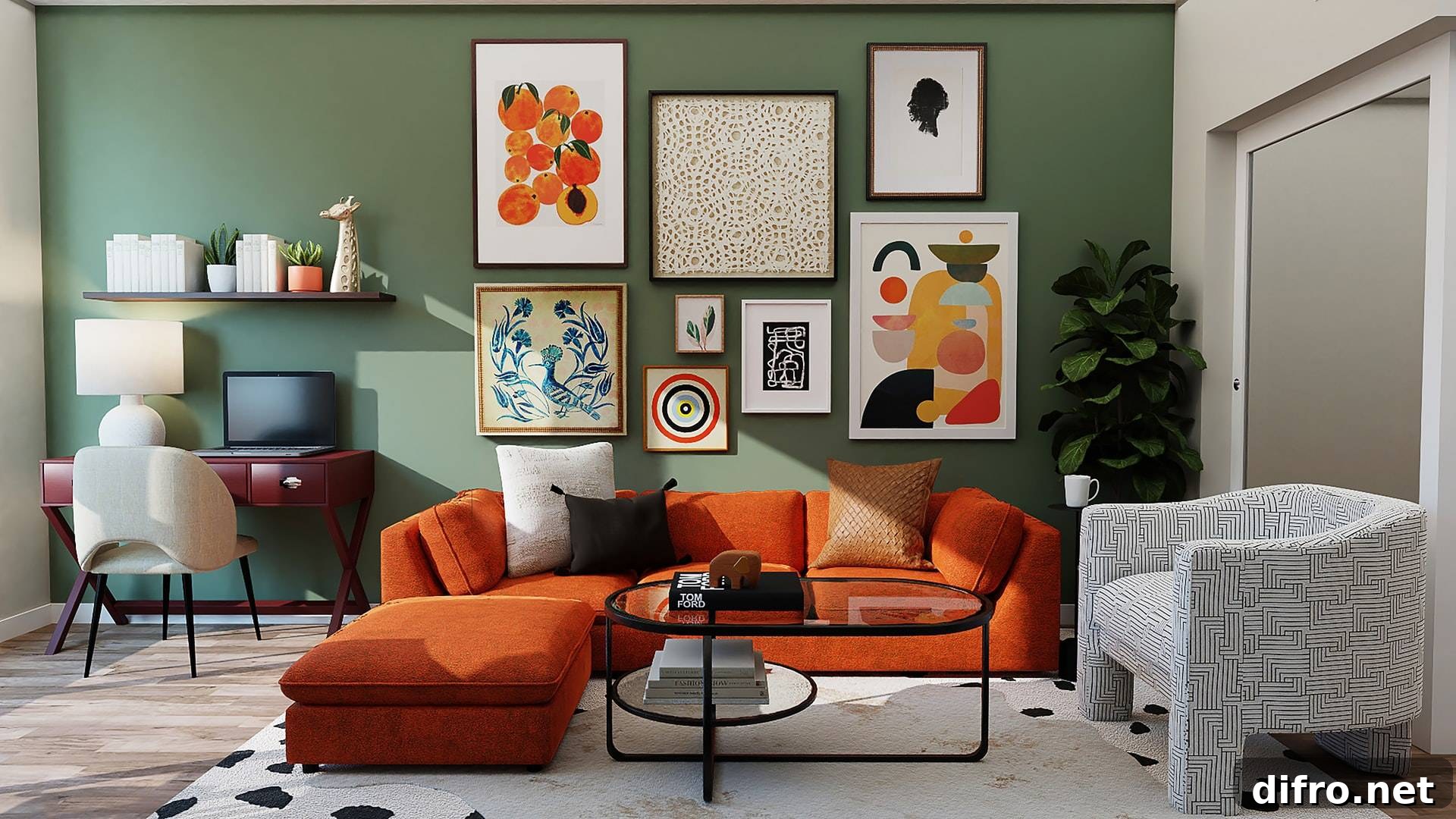
Yellow remains cheerful but is now applied more judiciously. Instead of broad swathes of bright lemon, designers favor muted or mustard tones used as subtle accents to lift a room without dominating it. Pale buttery yellows can warm wood and textile tones, while deeper ochres work well for focal elements like a feature wall or cabinetry, creating an inviting glow without overpowering the space.
Purple
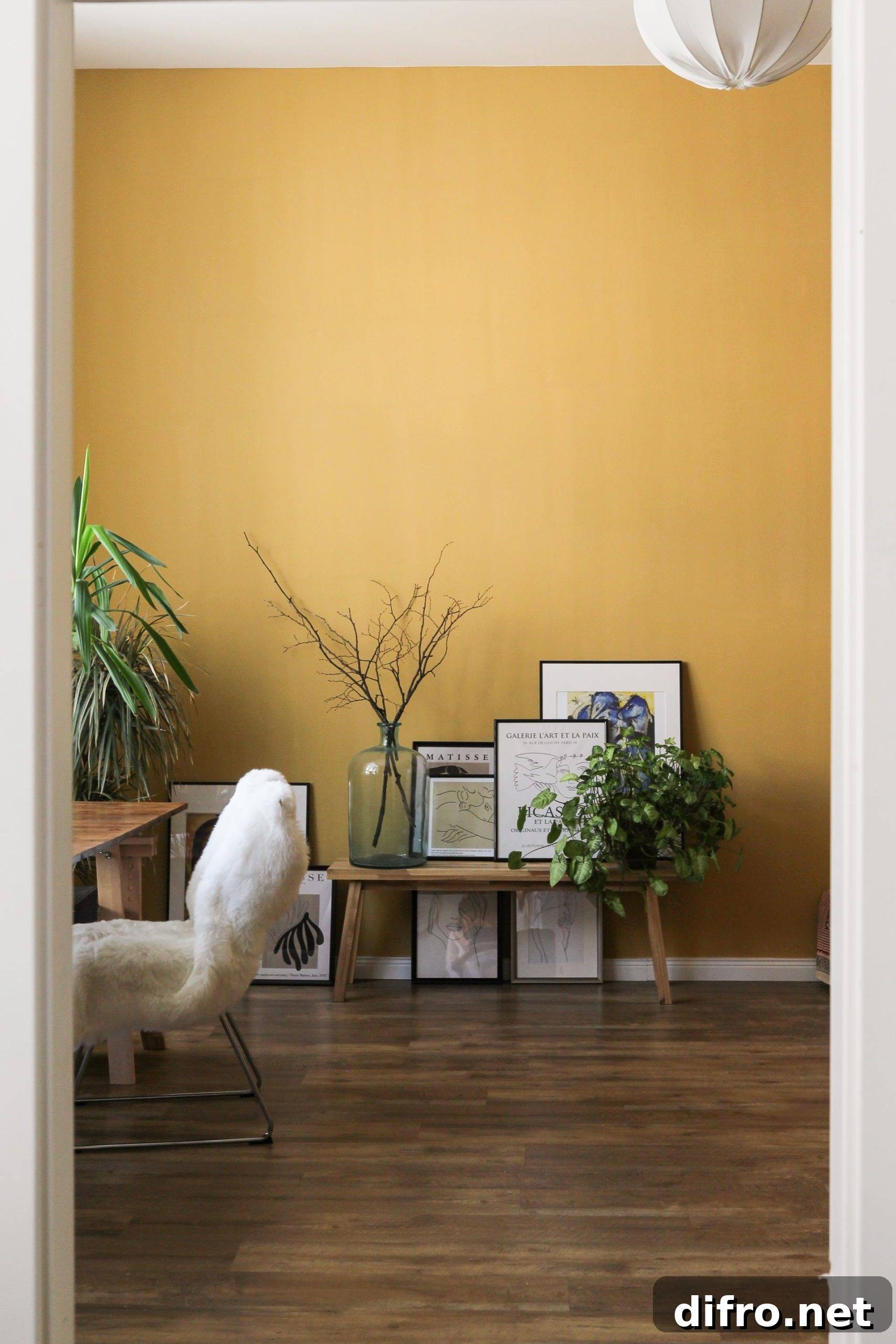
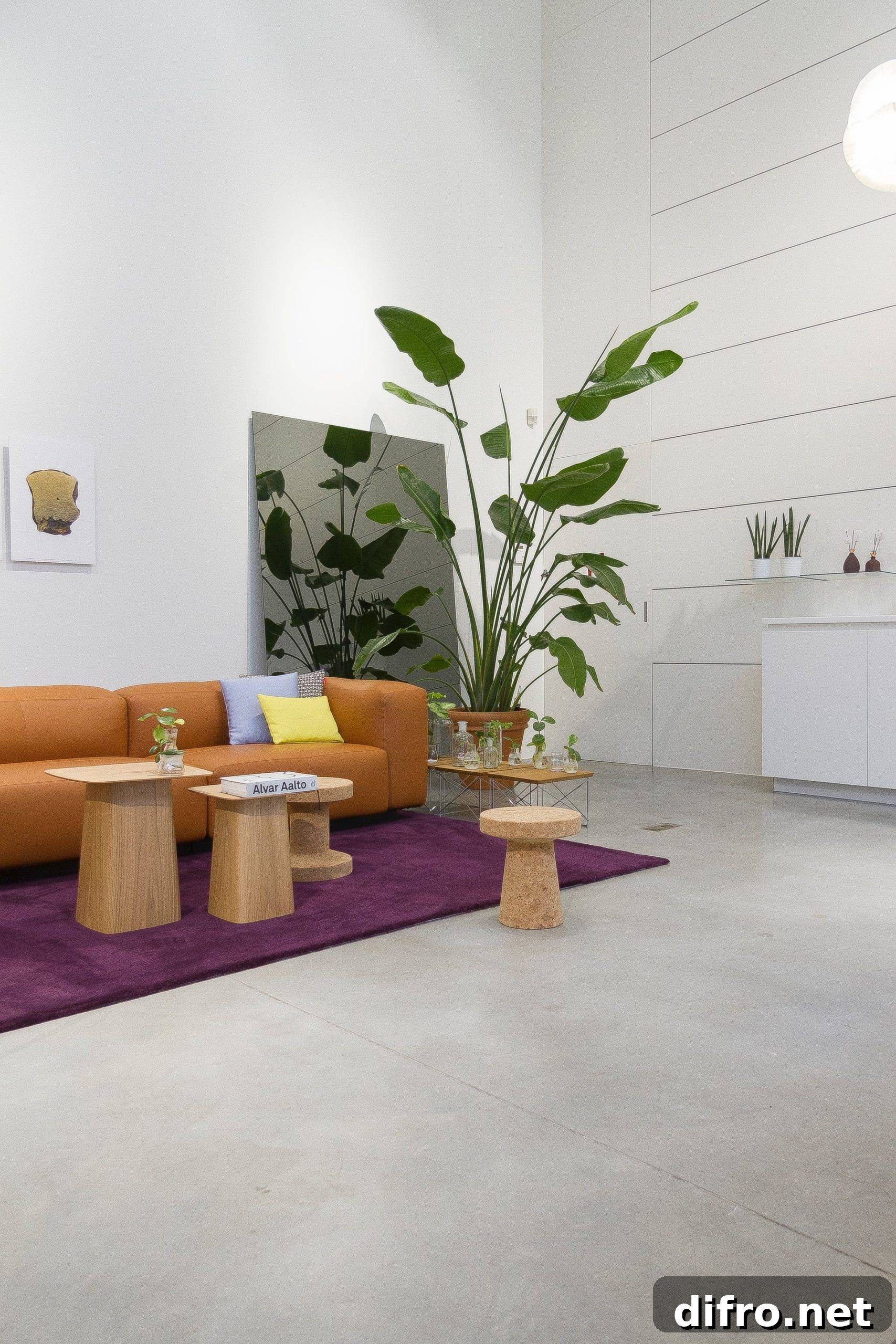
Purple—especially rich or neon variants—tends to clash with the minimalist, calm interiors many people now prefer. While purple can be striking and sophisticated, it often reads as bold or theatrical in understated rooms. For those drawn to purple, jewel tones are best reserved for small-scale details like cushions, artwork or a statement chair, rather than applied across an entire room.
Bright green
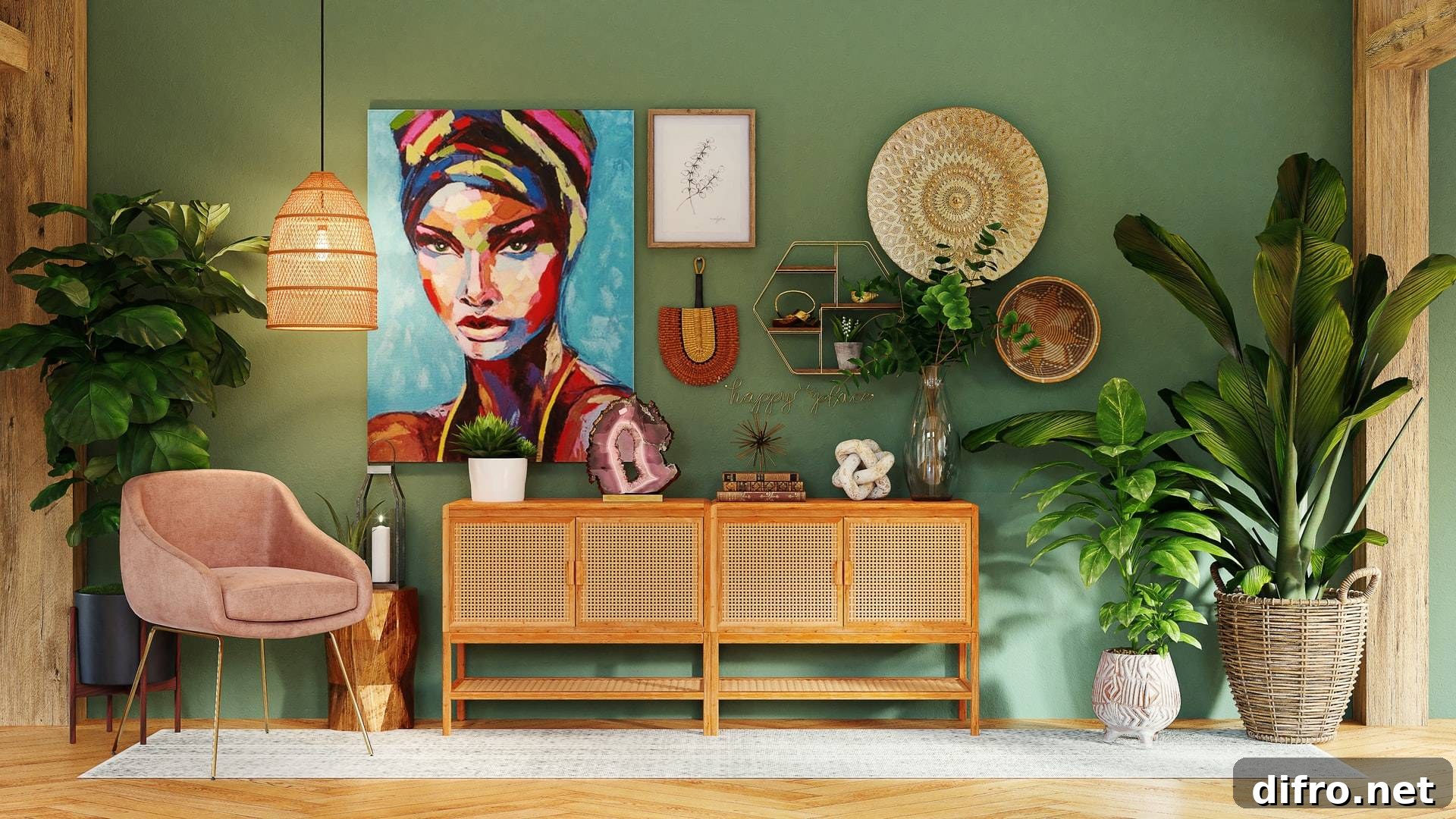
Neon and very bright greens are giving way to calmer, nature-inspired shades. Muted greens such as sage, pistachio and olive convey a sense of serenity and pair well with natural materials and wood tones. These softer greens make it easier to create a tranquil atmosphere while still bringing a touch of outdoorsy freshness to interiors.
Neon
Neon hues deliver energy but can feel distracting or tiring over time. For balanced, peaceful interiors, designers often recommend subdued palettes anchored by soft greys, off-whites, and natural materials. If you want to introduce neon, do so in very small doses—a lamp, a vase, or an artwork—so it reads as a playful highlight rather than the dominant mood-setter.
Brown
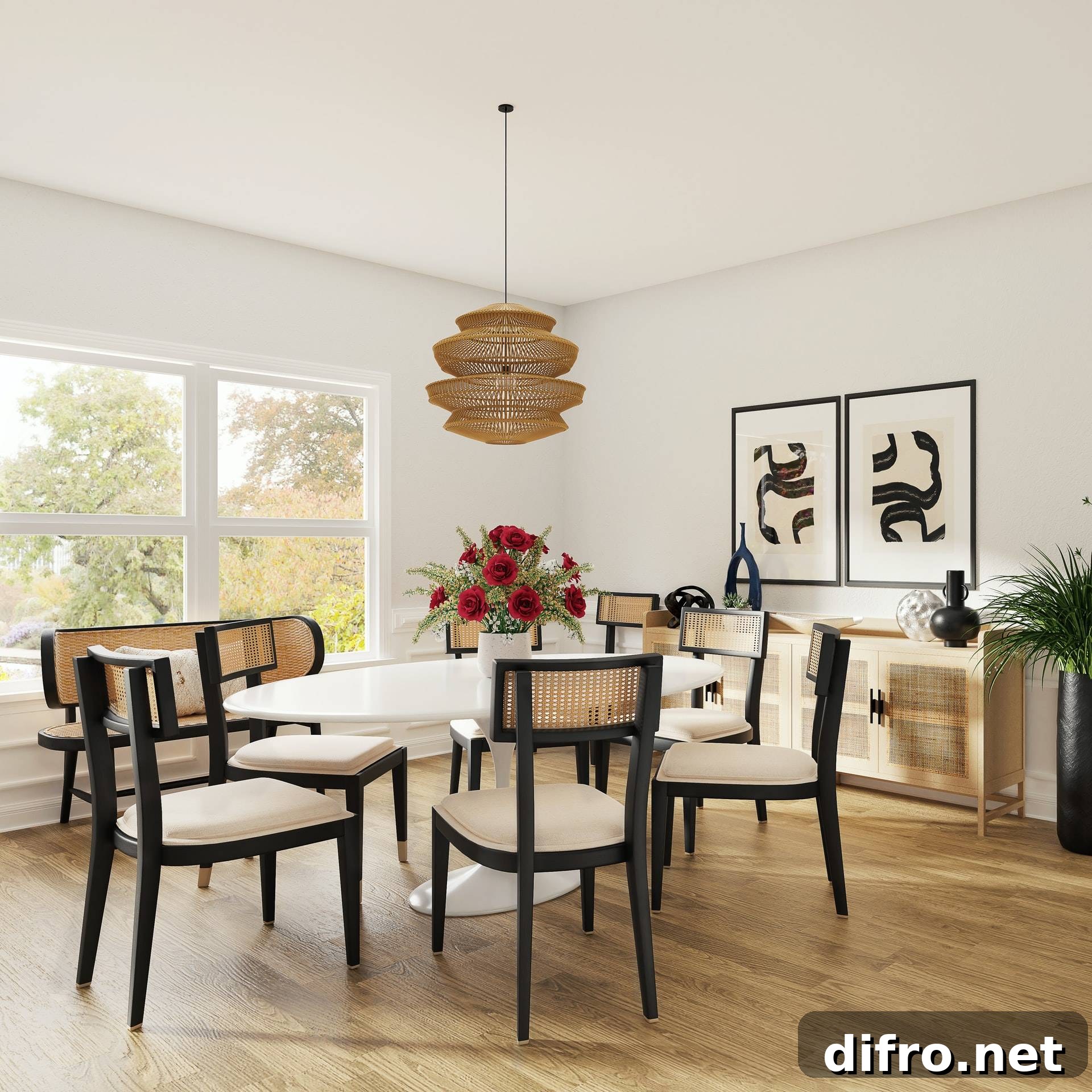
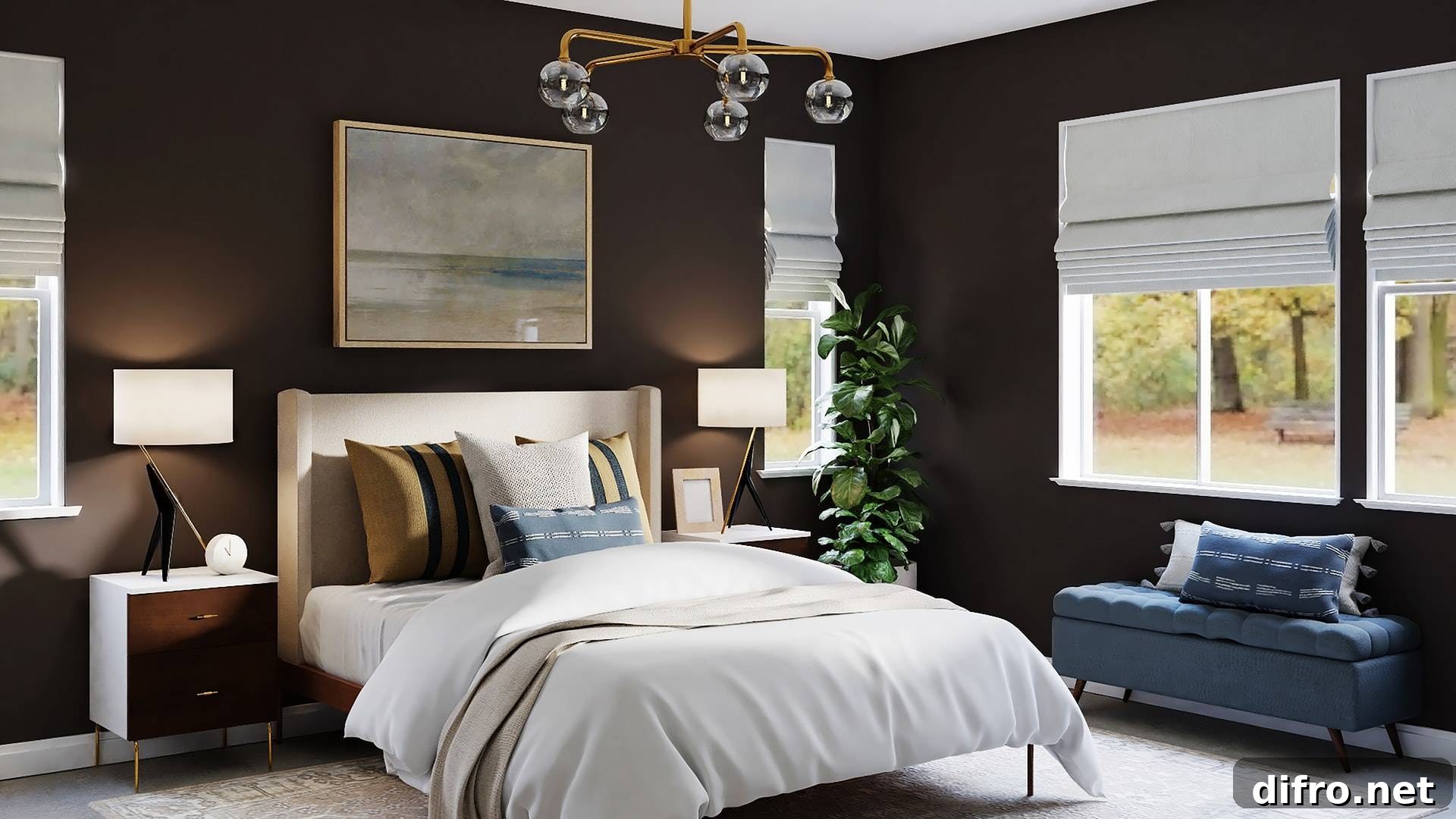
Mid-tone, generic browns have started to feel dated, but deeper, richer browns—like chocolate and espresso—are gaining traction as luxurious accent tones. These deep browns add warmth and depth when used in cabinetry, trim, furniture or textiles. Pair them with lighter neutrals and natural textures to avoid a heavy or overly dark feeling.
Red
Red remains a powerful, attention-grabbing hue but can be overstimulating in spaces meant for rest, such as bedrooms. When warmth is desired, softer alternatives like warm terracotta, muted rust or rose-tone reds can offer coziness without the intensity of primary red. For calm spaces, consider calming blues or muted neutrals instead.
Navy blue
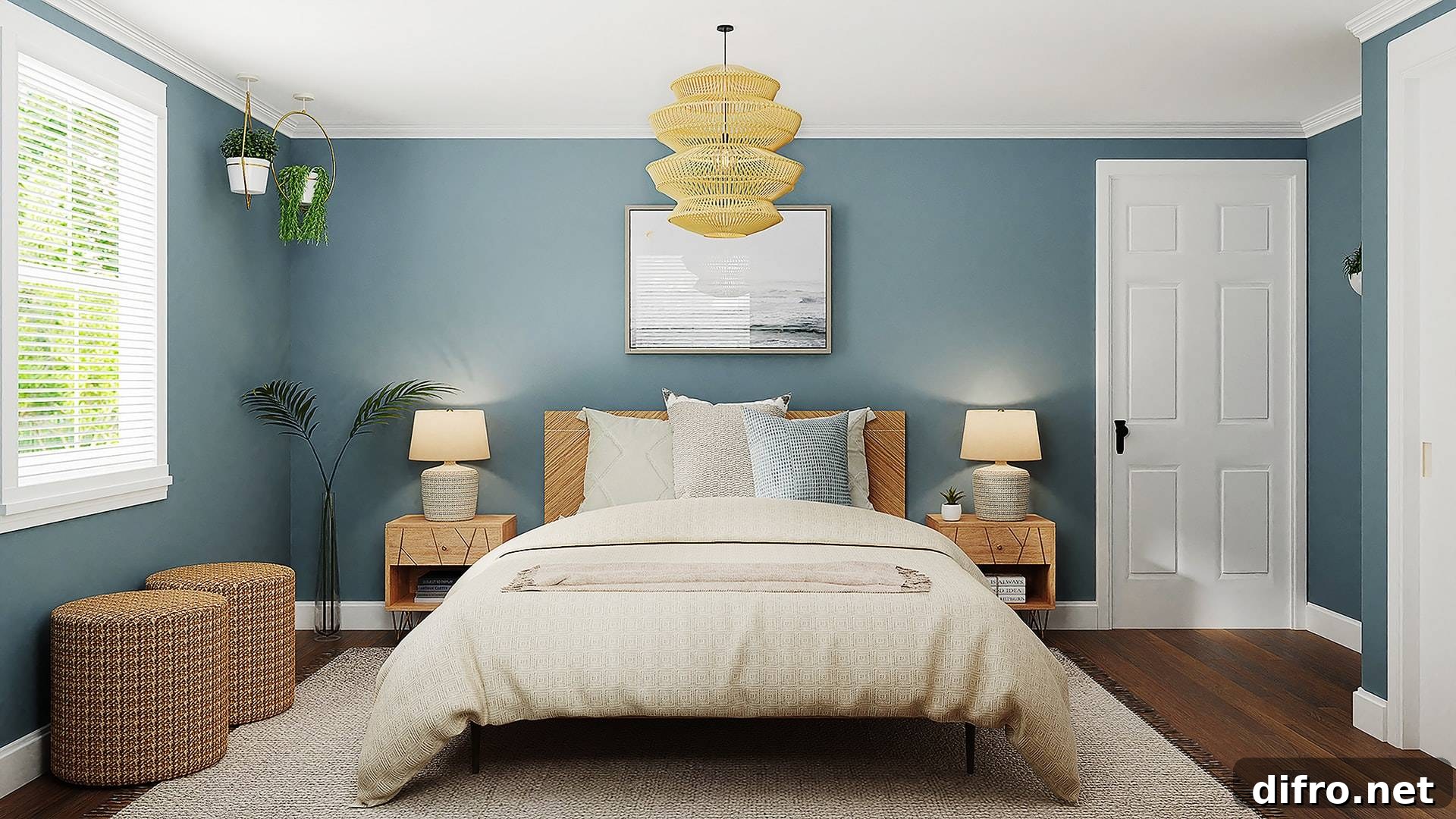
Navy has been a go-to for classic, elegant interiors, but interest in it has softened as designers favor fresher blues. Cobalt and mid-tones bring more vibrancy and modernity, while lighter blues—such as powder or sky blue—help create airy, relaxed spaces. Navy still has a place, especially in traditional or moody schemes, but expect to see it balanced with brighter or softer blues in contemporary design.
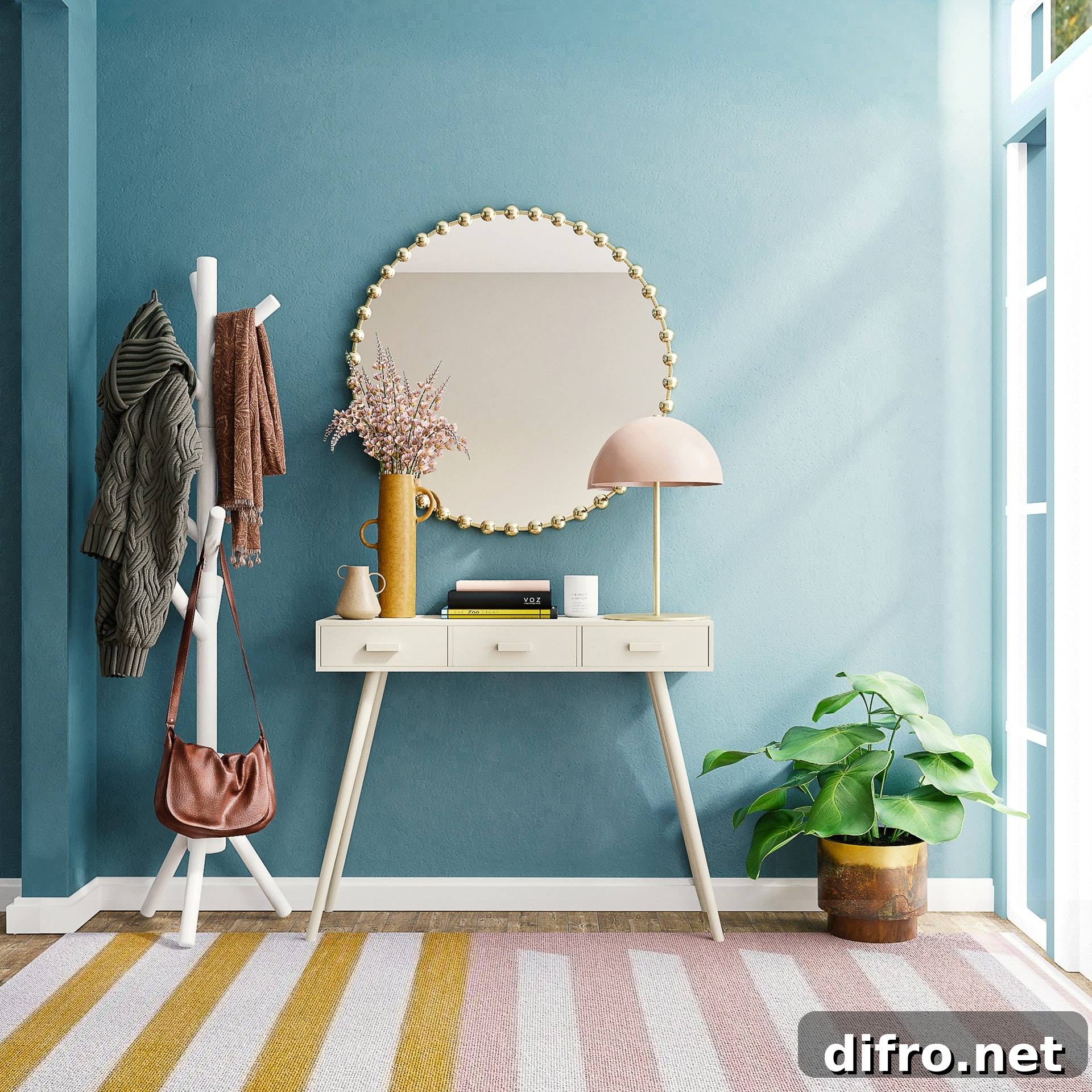
In summary, trending interiors are moving toward calmer, nature-inspired palettes, subtle accents and richer, more sophisticated neutrals. Bright, saturated colors are not entirely out—many work well when used intentionally and in small doses—but the overall shift favors serenity, texture and depth over loud statements. When refreshing your home, consider these shifts and choose tones that support how you want to feel in each room.