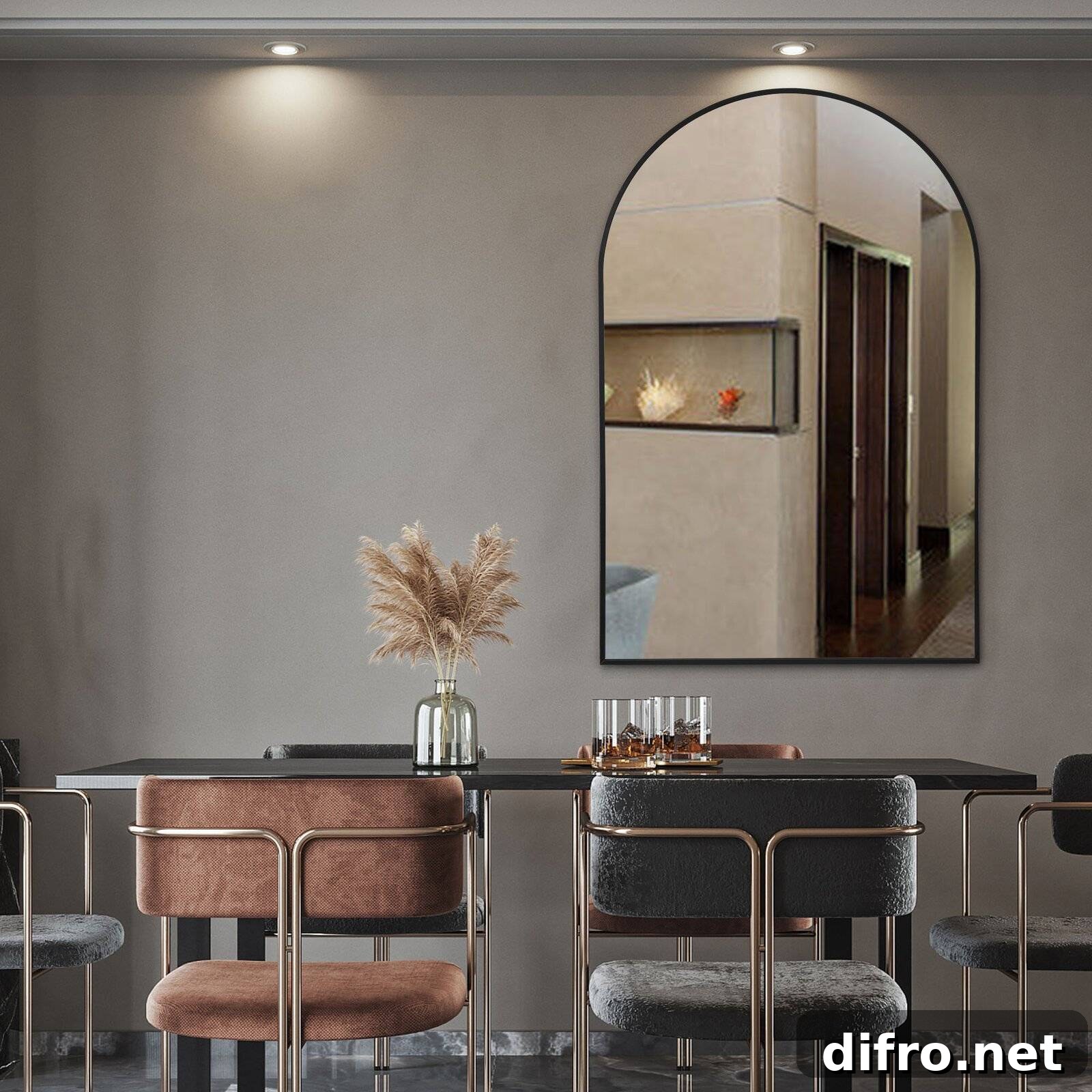
Mirrors are a smart, stylish addition to any home. Beyond their decorative appeal, they reflect light, brighten rooms, and create the illusion of more space—making them one of the most effective tools in interior design for transforming a room without a major renovation.
However, using mirrors well requires some thought. There are common mistakes—poor placement, mismatched scale, or reflecting unattractive views—that can undermine their effect. This guide explains practical, design-driven ways to use mirrors to enhance light, define focal points, and complement your style.
A versatile decor choice
Interior designers favor mirrors because they work across many styles, from modern minimalism to classic or eclectic interiors. A well-placed mirror disperses natural light and visually enlarges a room. Unlike many fleeting trends, mirrors remain a timeless element of home decor, giving immediate impact without being dated.
Highlight a statement piece
Use a mirror to emphasize a key feature in the room. Position the mirror so it reflects an attractive piece of furniture, an artwork, or an interesting architectural detail. Avoid placing a mirror where it will capture cluttered or unattractive views; instead, let it showcase a statement chair, a sculptural lamp, or a decorative wall finish.
The right fit for your style
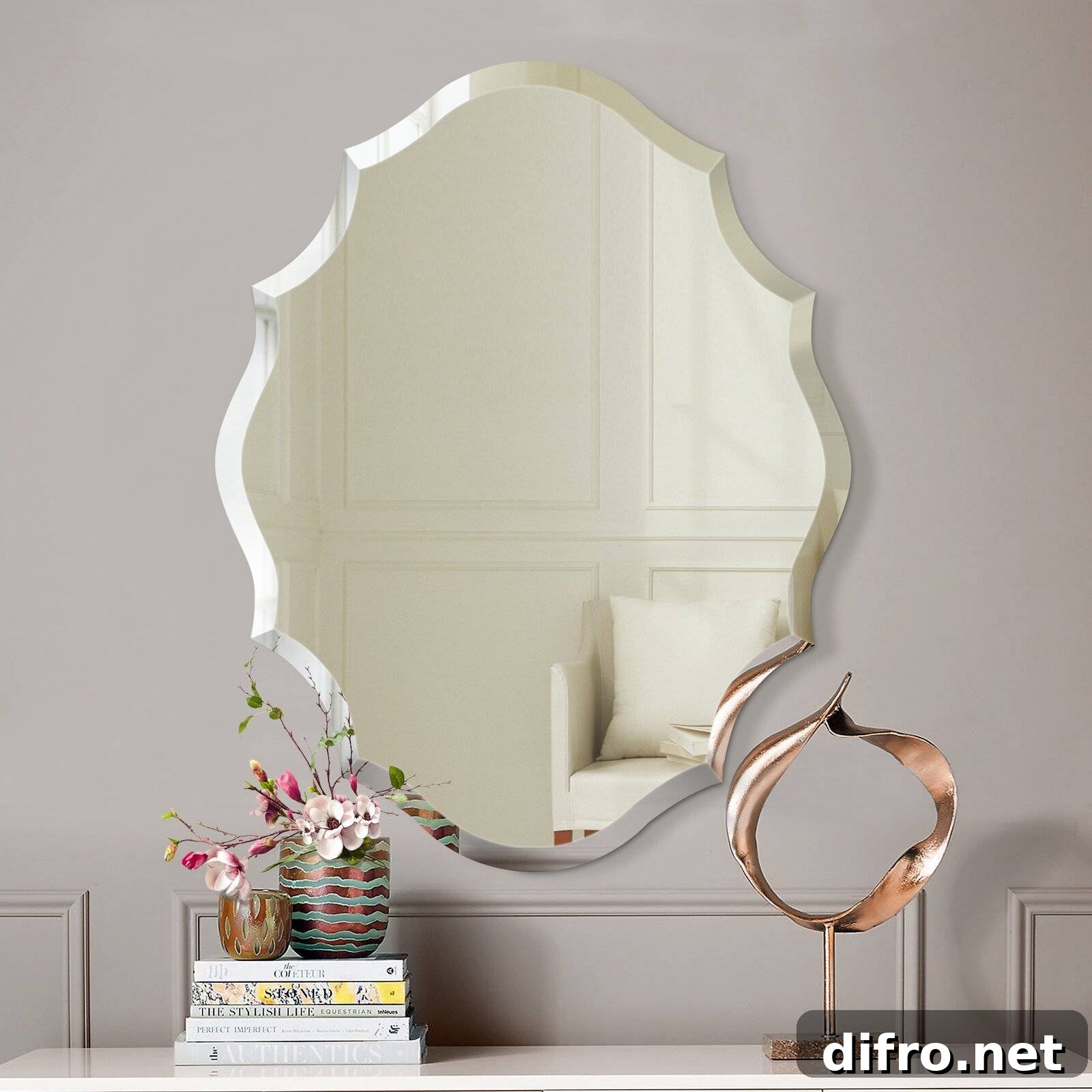
Mirrors come in a wide range of shapes, sizes, and frames, making it straightforward to find one that complements your existing palette and decor. When you can’t find artwork that matches your color scheme, a luxurious or sculptural mirror can fill the gap. For a creative approach, arrange several mirrors in a gallery wall to add personality, depth, and texture to the space.
Round mirrors
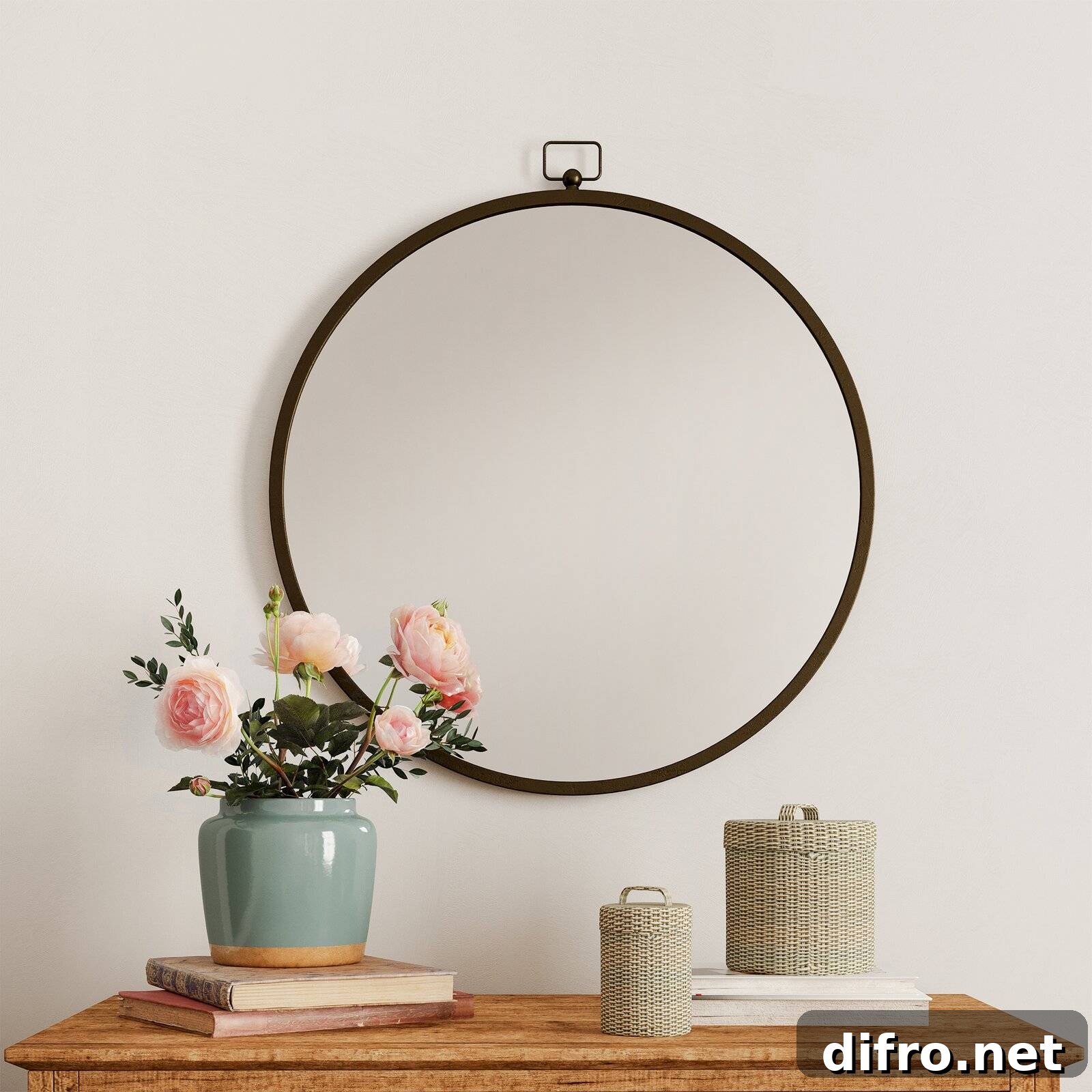
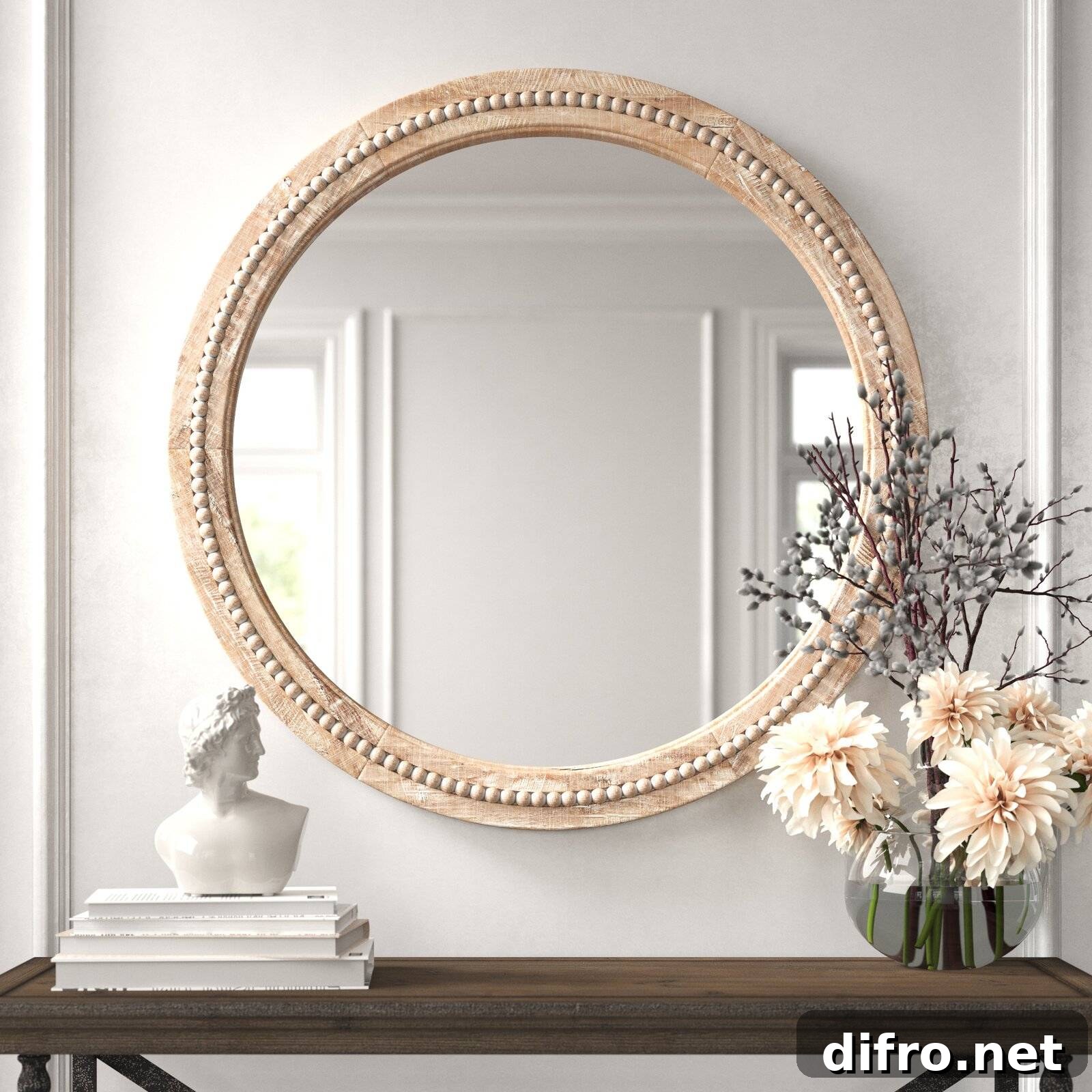
Round mirrors bring balance and a softer silhouette to a room. Their clean, continuous lines add a refined, contemporary touch while keeping the overall look light and streamlined. A simple round mirror with a narrow frame can be both stylish and subtle, serving as an elegant focal point in entryways, bathrooms, or living walls.
Anchor a specific area
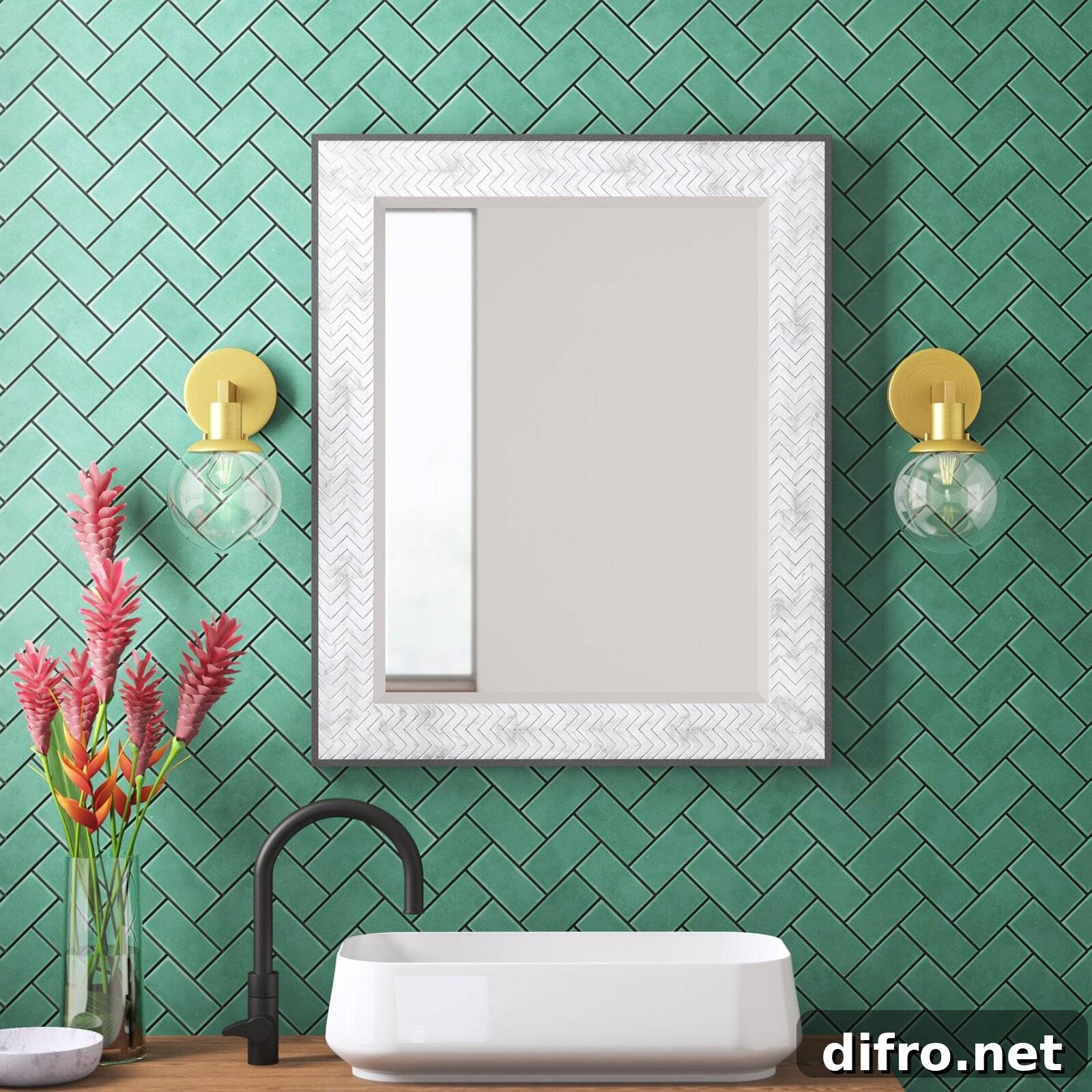
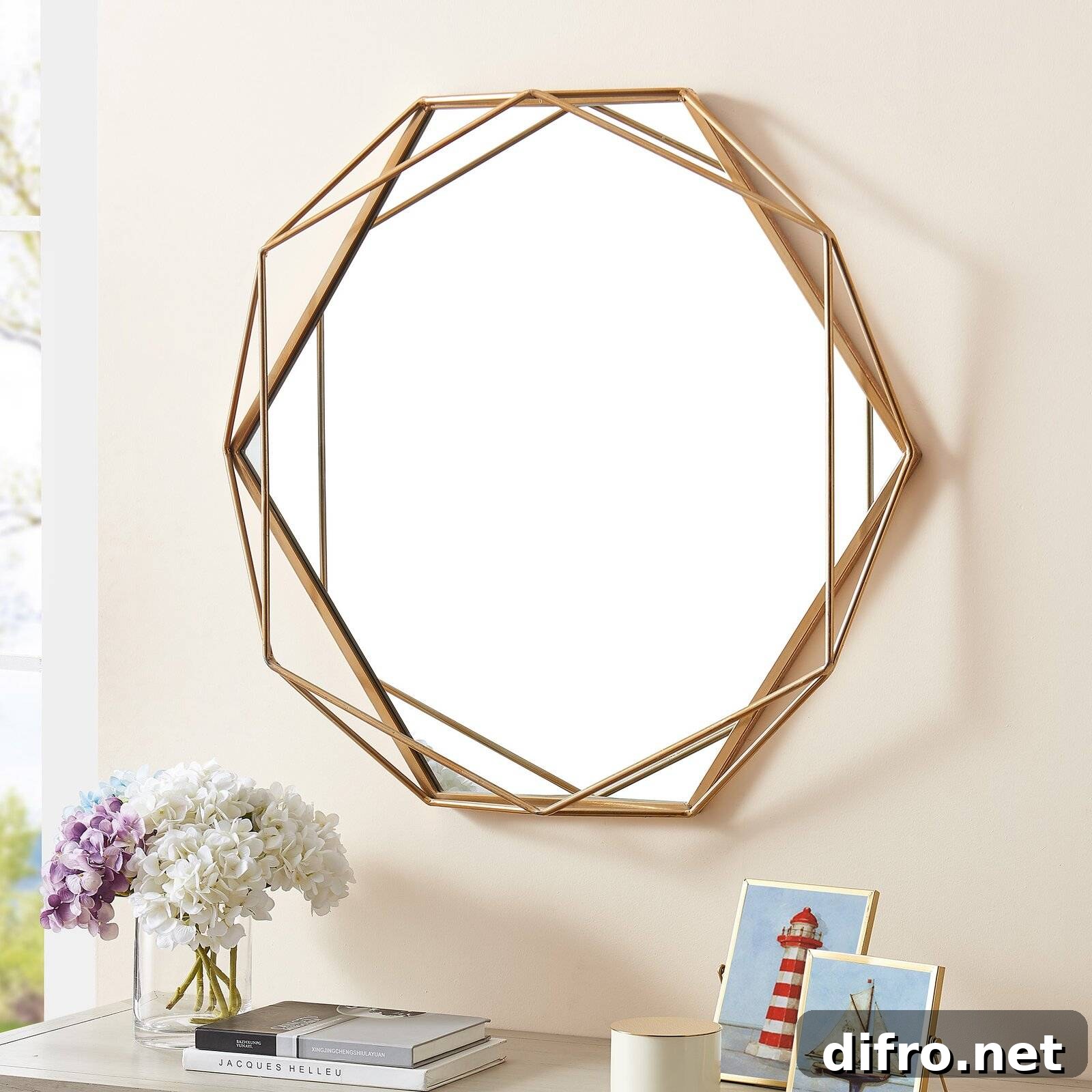
An eye-catching framed mirror can anchor a vignette or zone in an open-plan room. For example, place a distinct mirror above the mantel or console table to create a curated focal point. The frame’s material and finish should tie into nearby elements—metallics pair well with glass and dark woods, while painted frames can link to your accent color palette.
Oversized mirror
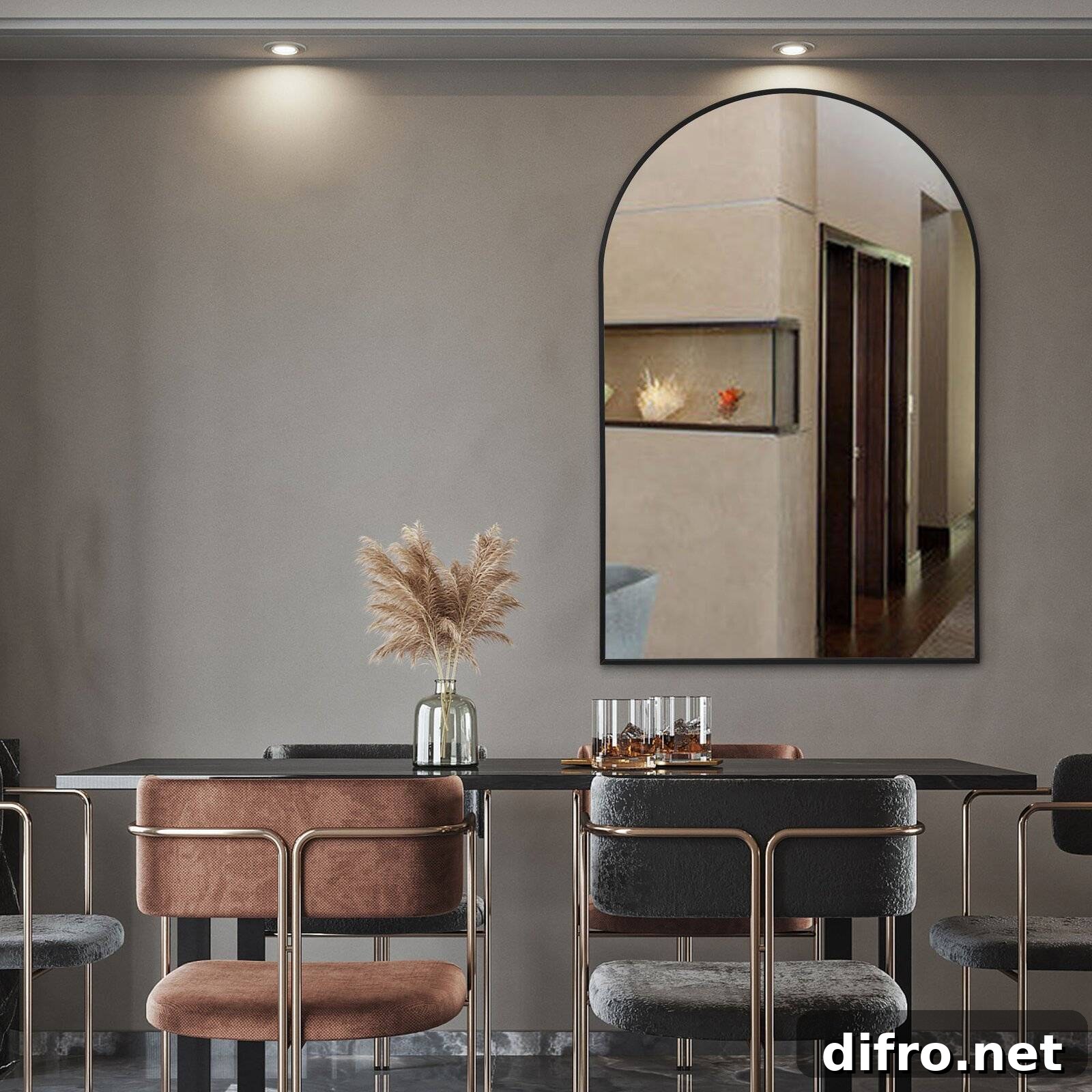
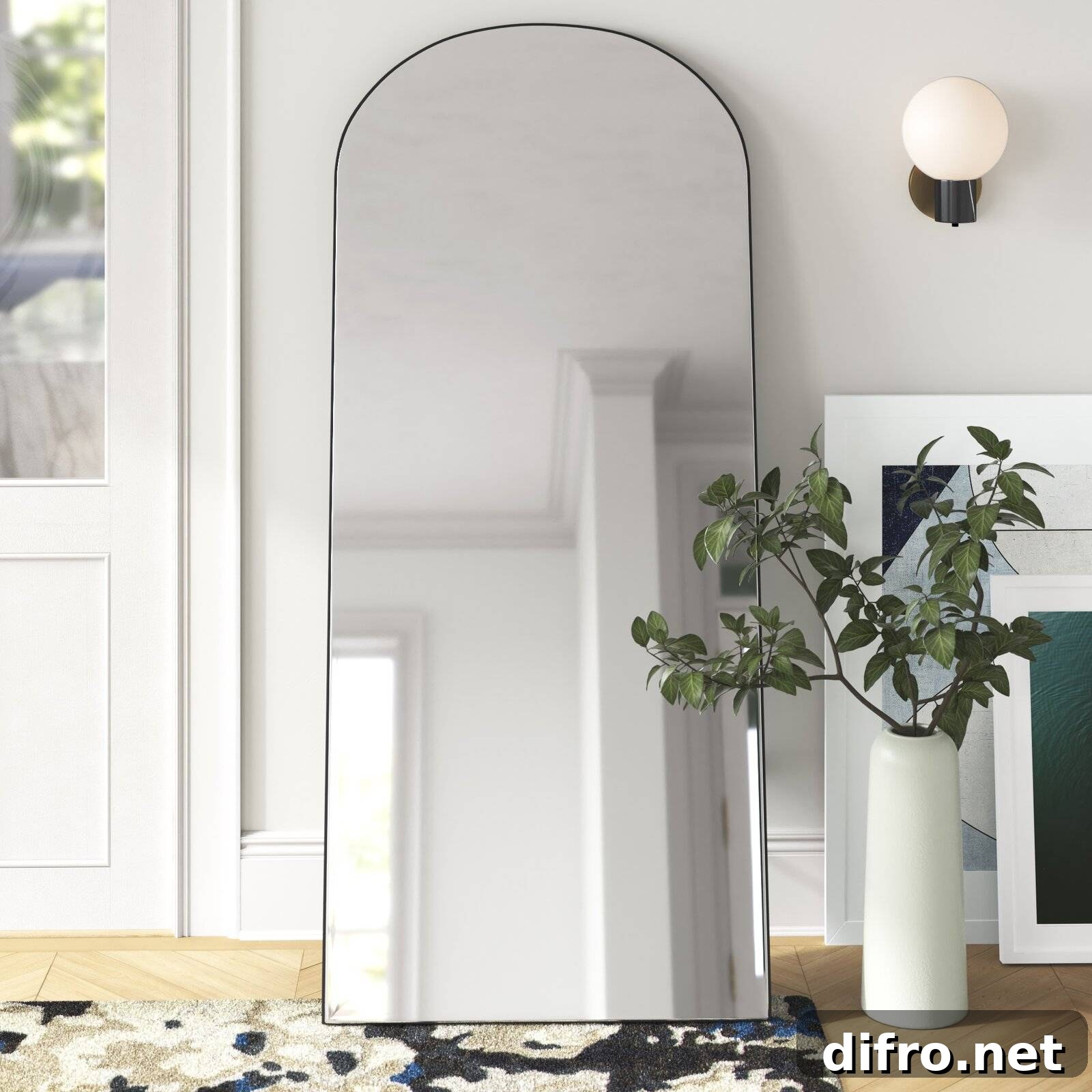
In small rooms, an oversized mirror can dramatically change the perception of space. Full-length floor mirrors or large wall mirrors reflect more of the room and visually extend boundaries, making bedrooms, hallways, and compact living areas feel airier. Leaning a tall mirror against a wall adds casual, modern flair while remaining practical.
The right placement
Placement matters as much as the mirror itself. If the mirror is decorative, position it to maximize reflected light—opposite or adjacent to a window is ideal. For functional mirrors, such as vanity or hallway pieces, mount them where they’re practical for daily use. Consider the scale: a small mirror on a large wall will feel lost, while an oversized mirror in a crowded corner can overwhelm the space.
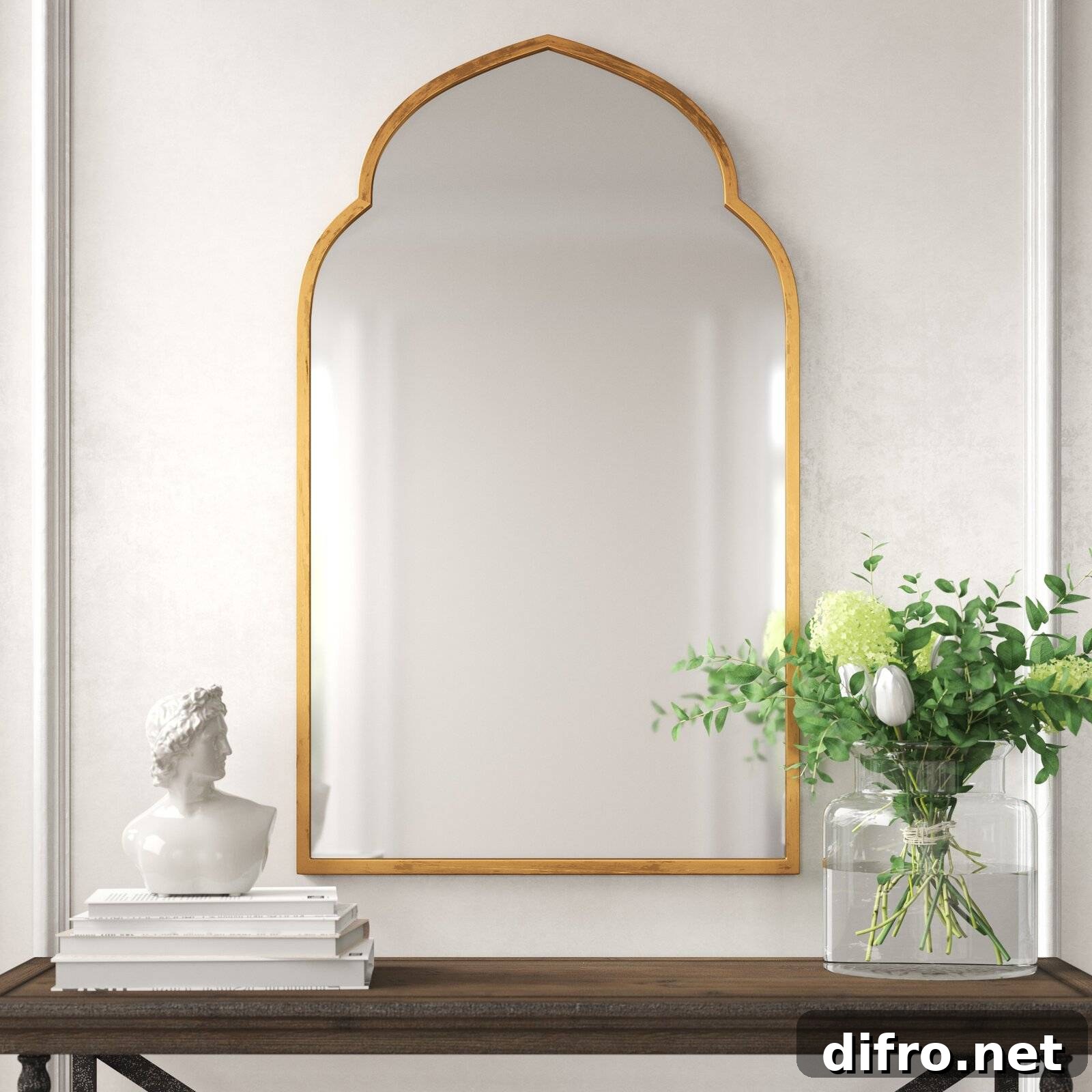
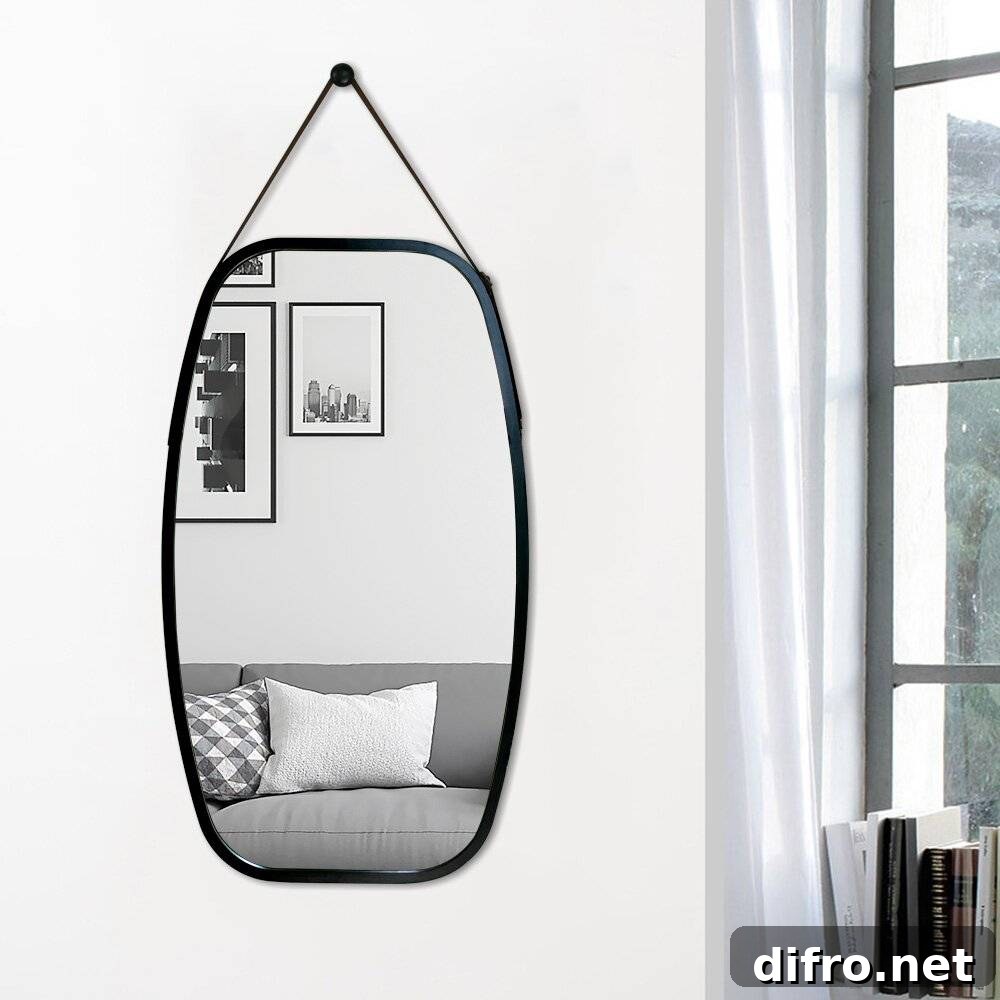
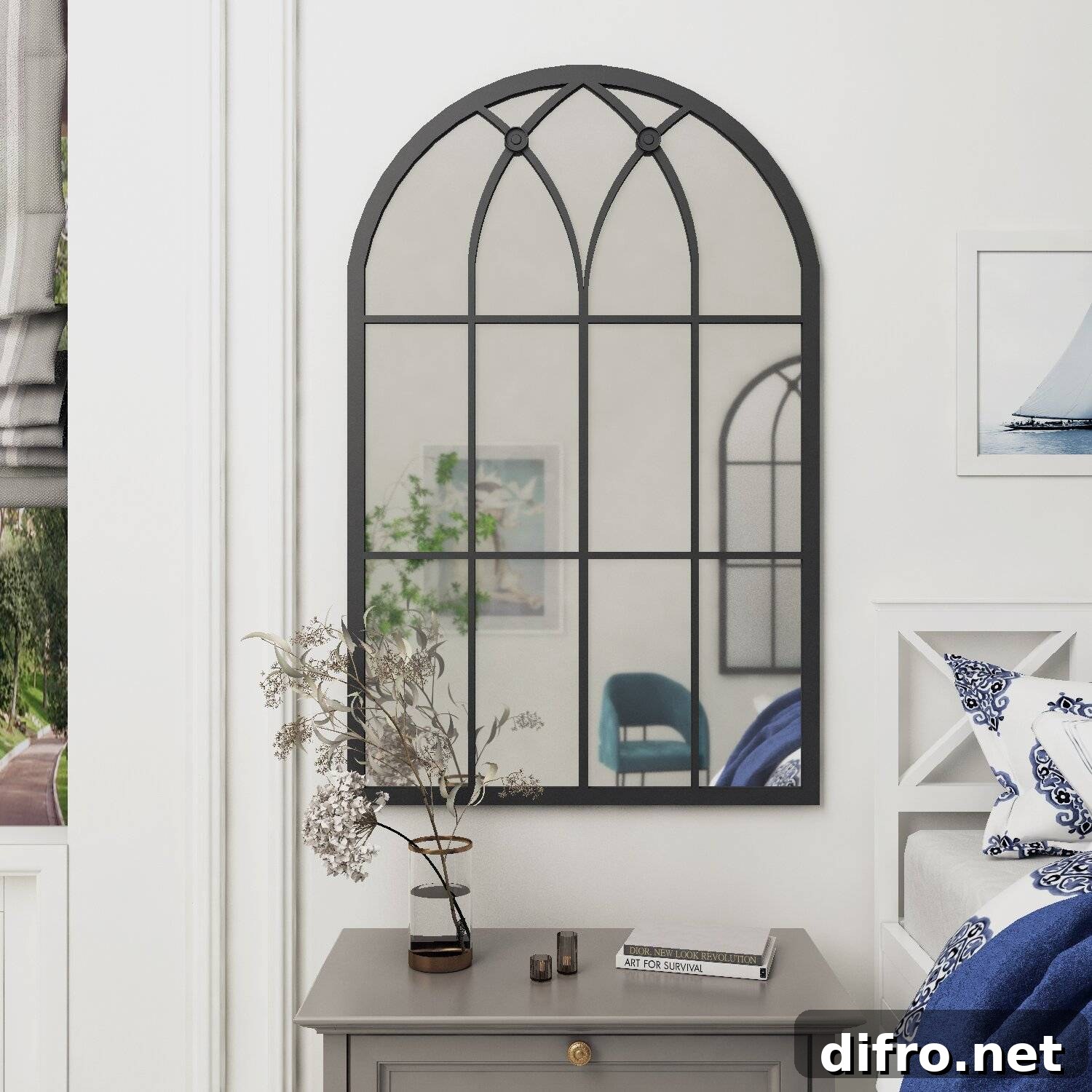
Use mirrors intentionally: choose a style that complements your decor, place them to enhance light and view, and scale them to match the room. Whether you select a round accent mirror, an oversized floor mirror, or a gallery wall of reflective pieces, mirrors are a cost-effective way to elevate design, improve lighting, and make rooms feel more open and inviting.