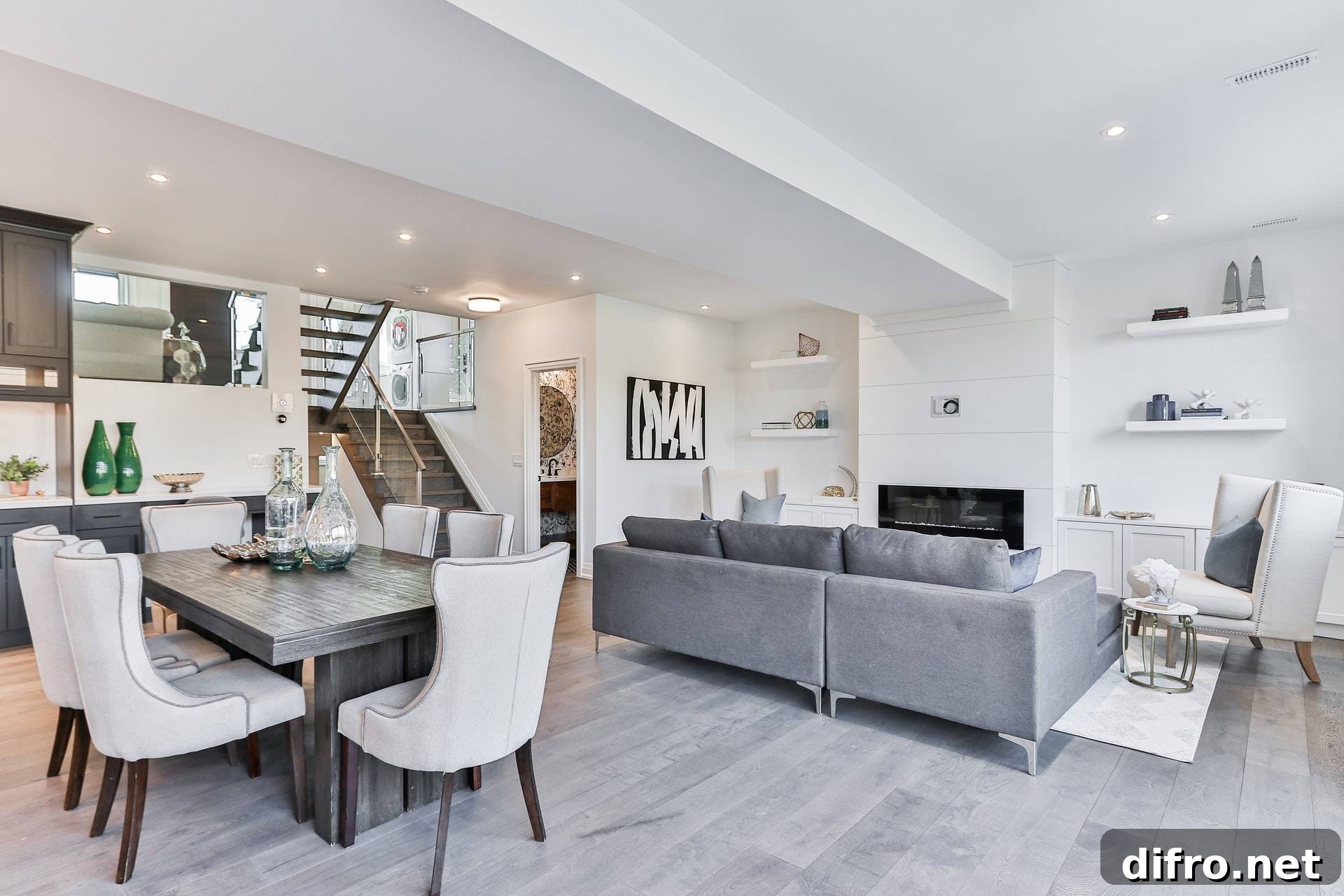
House flipping remains a widely used investment strategy: buy an undervalued property, renovate it, and sell for a profit. Successful flippers spend time sourcing the right deals, negotiating purchase prices, and overseeing renovations from start to finish. Skilled DIYers can reduce expenses by handling some of the work themselves, but every flip requires careful planning, accurate budgeting, and strong project management.
Like any business, flipping houses carries risks. Without proper research and organization, projects can run over budget or sit on the market unsold. For newcomers, recognizing common mistakes and adopting practical strategies will increase the likelihood of profitable outcomes. Below are frequent pitfalls first-time flippers encounter and how to avoid them.
Paying too much for a property
Flipping only makes sense when you buy smart. If you overpay, even excellent renovations may not deliver a profit. A commonly used guideline is the 70% rule: do not pay more than 70% of the after-repair value (ARV) minus estimated repair costs. This rule helps build in a buffer for unexpected expenses and carrying costs. Always run conservative ARV scenarios and leave room for contingency.
Inaccurate cost estimates
Underestimating repair costs is a leading cause of flops. Before closing, have your contractor walk the property and produce a detailed estimate. Include line items for structural repairs, systems (electrical, plumbing, HVAC), permits, finishes, landscaping, and a contingency (typically 10–20%). Accurate estimates determine whether a project is profitable and help you set realistic timelines.

Underestimating the time commitment
House flipping demands significant time and coordination. Finding the right property, securing financing, managing contractors, scheduling inspections, and handling permit processes are time-consuming tasks. After renovation, preparing and marketing the home for sale also requires effort. New flippers should realistically assess how much time they can commit; in many cases, maintaining a steady job while flipping can be the safer approach until you gain experience.
A property with an awkward layout
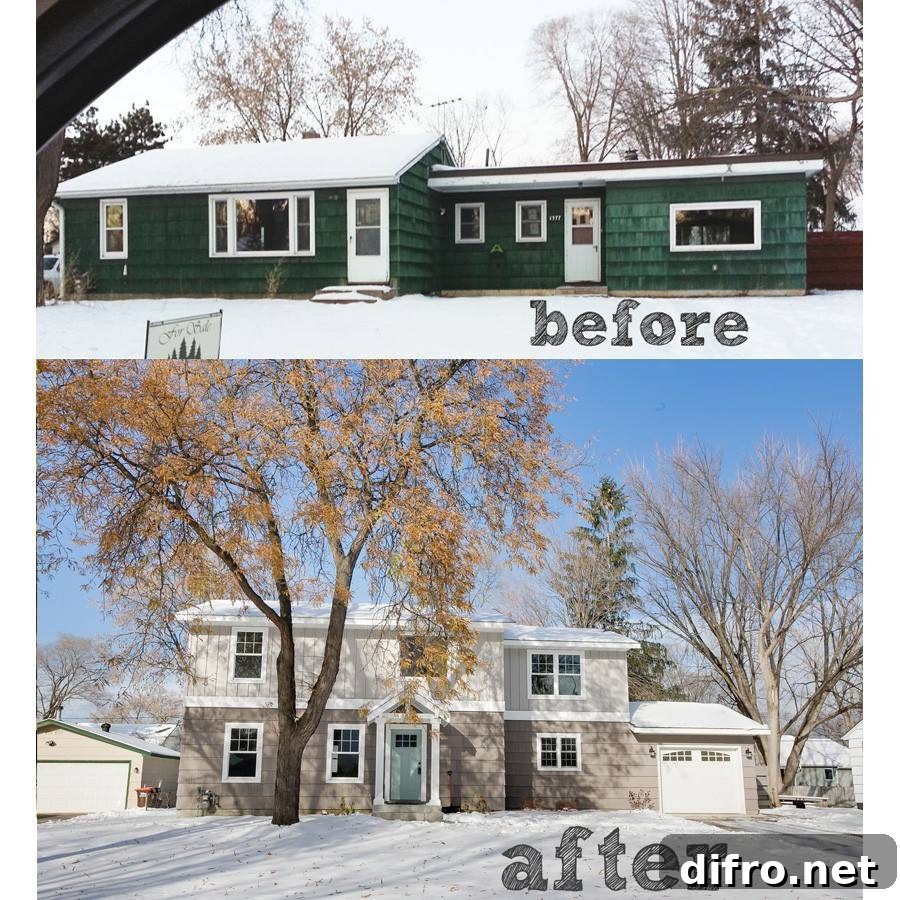
Cosmetic upgrades cannot always overcome a poor floor plan. Structural reconfigurations—moving load-bearing walls, changing stair locations, or altering room layouts—are expensive and can eat into profits. Choose properties with fundamentally good layouts: functional room flow, logical room sizes, and clear uses for each space. Focus your renovation budget on updates that boost usability and curb appeal rather than costly structural change.
Failing to research the local market
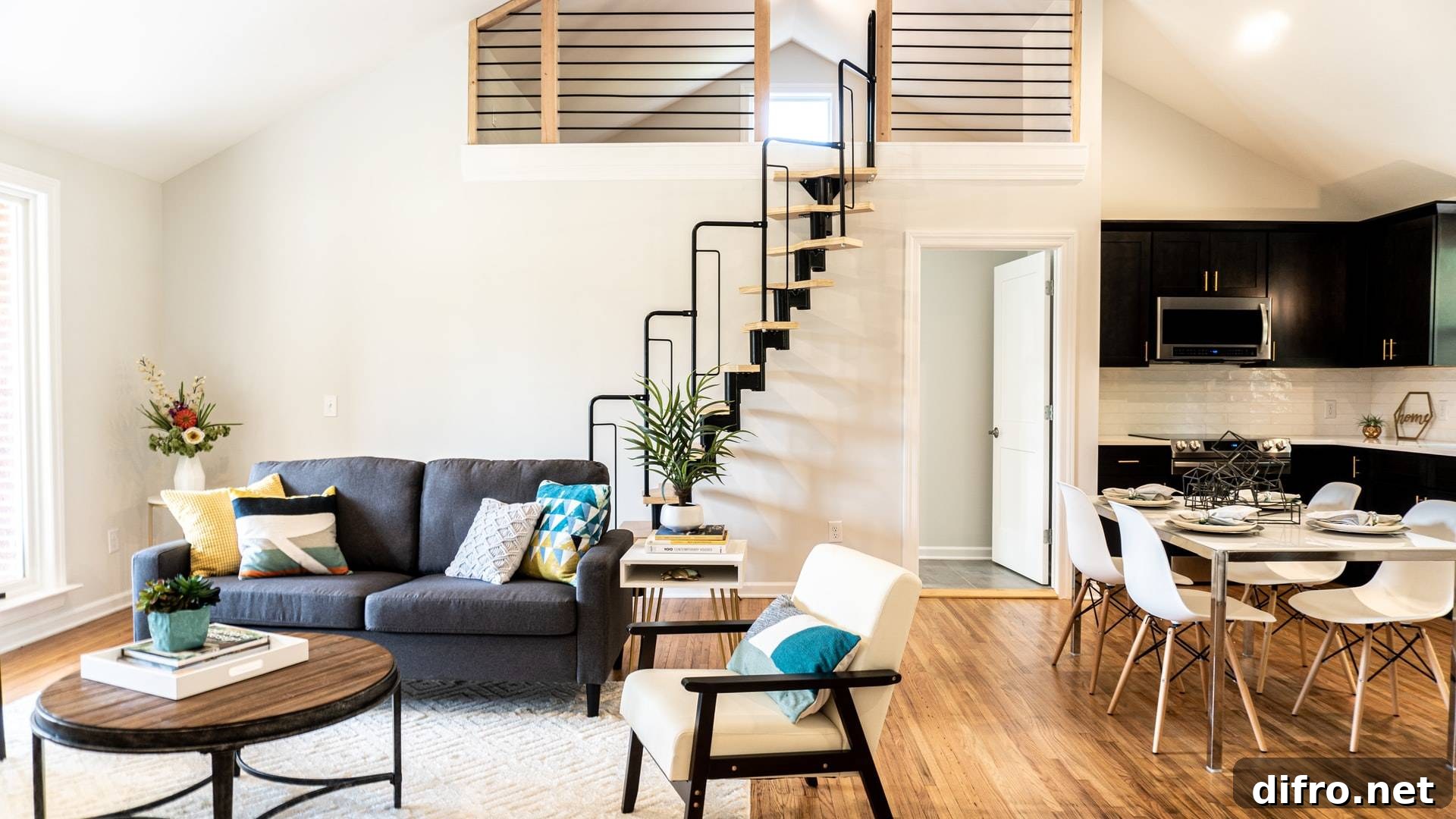
Market research is essential. Understand buyer preferences in the neighborhood where you plan to flip: price ranges, common property types, and features that drive demand. Study active and recently sold listings to gauge realistic resale values and to determine which upgrades deliver the best return. Align your finishes and price point with comparable homes—over-improving a modest neighborhood with high-end features can make it harder to sell.
Work closely with an experienced local real estate agent for insights on buyer demographics, seasonal market shifts, and pricing strategy. Keep monitoring local trends because market conditions can change between purchase and sale; flexibility and timely adjustments improve your chances for profit.

Choosing bold decor over broad appeal
Renovations should help potential buyers imagine themselves living in the space. Strong personal tastes—vivid paint colors, niche finishes, or unusual fixtures—can alienate buyers. Favor neutral palettes, durable materials, and classic fixtures that appeal to the broadest audience. Personalization can be added later by the new owners; your goal as a flipper is to create a clean, versatile canvas that attracts multiple buyers.

Successful house flipping combines disciplined buying, realistic budgeting, market awareness, and practical design choices. Start conservatively, build a reliable team (contractor, inspector, real estate agent), and treat each project as a learning opportunity. Over time, accurate estimates, efficient timelines, and smart design decisions will improve your returns and reduce risk.