Home decorators strive to make living spaces feel warm and welcoming, but a few common mistakes can quickly make a room feel awkward or uncomfortable. From overstuffed surfaces to poorly chosen lighting, small decisions add up. Below are the most frequent design missteps and straightforward ways to avoid them so your home feels intentional, comfortable, and inviting.
Cluttered shelves
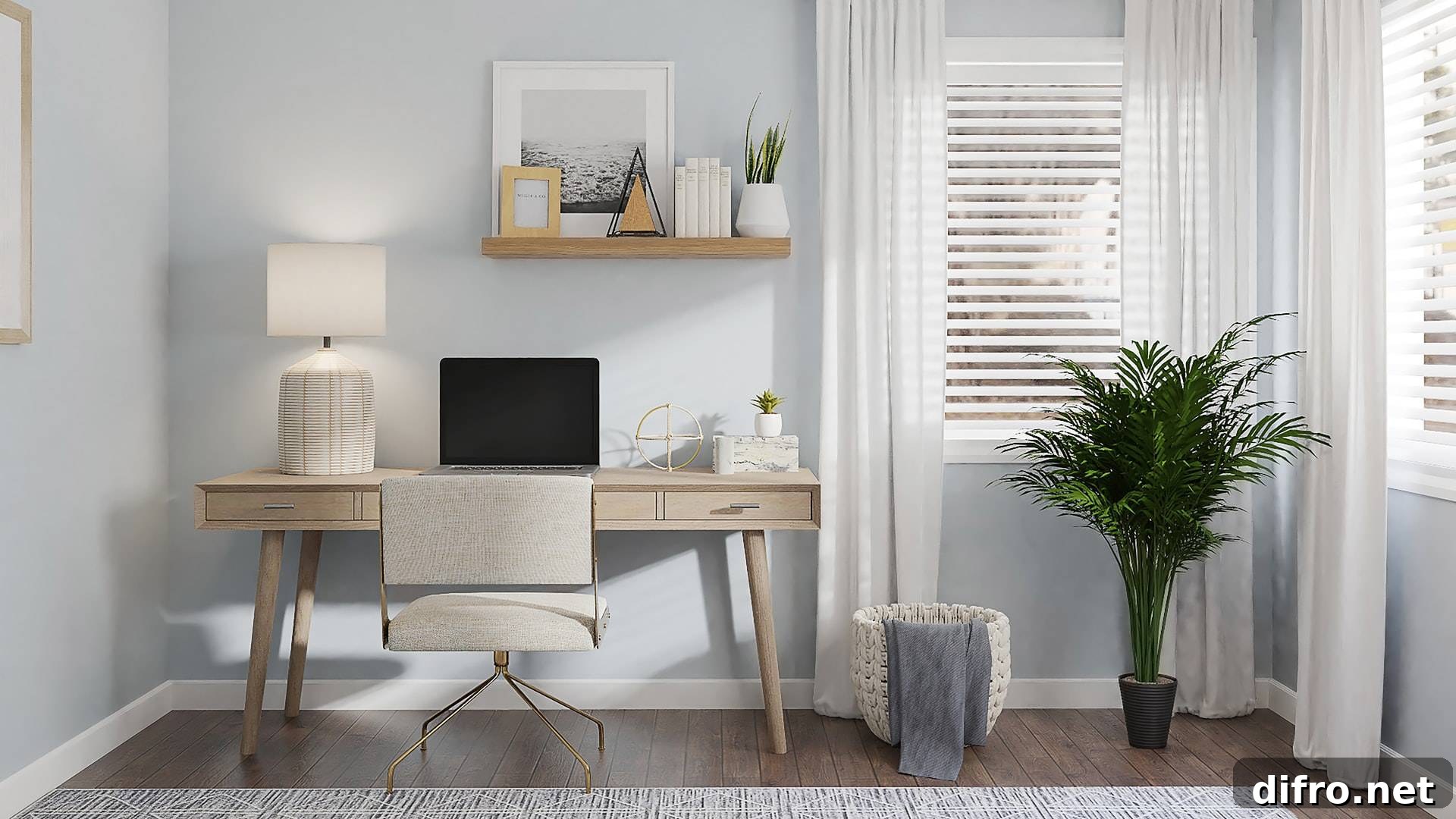
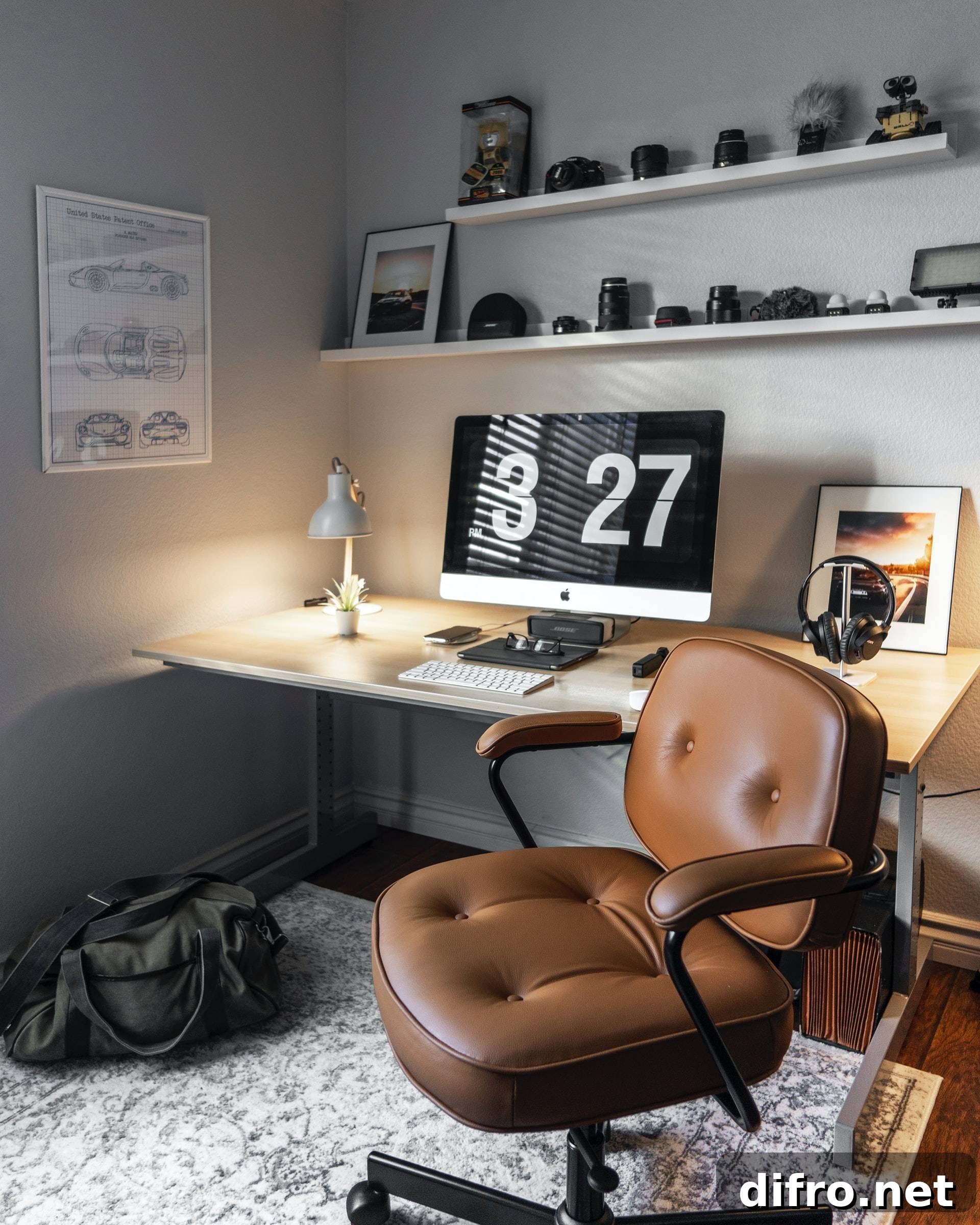
Open shelving can be an attractive and affordable storage solution, but it becomes an eyesore when items are piled on without thought. To keep shelves looking polished, edit ruthlessly: group items into small vignettes, use baskets or boxes for loose items, and leave negative space so the arrangement breathes. If you need a lot of storage, mix open shelving with closed cabinets or drawers to hide clutter and maintain a cleaner overall look.
Choose patterns carefully
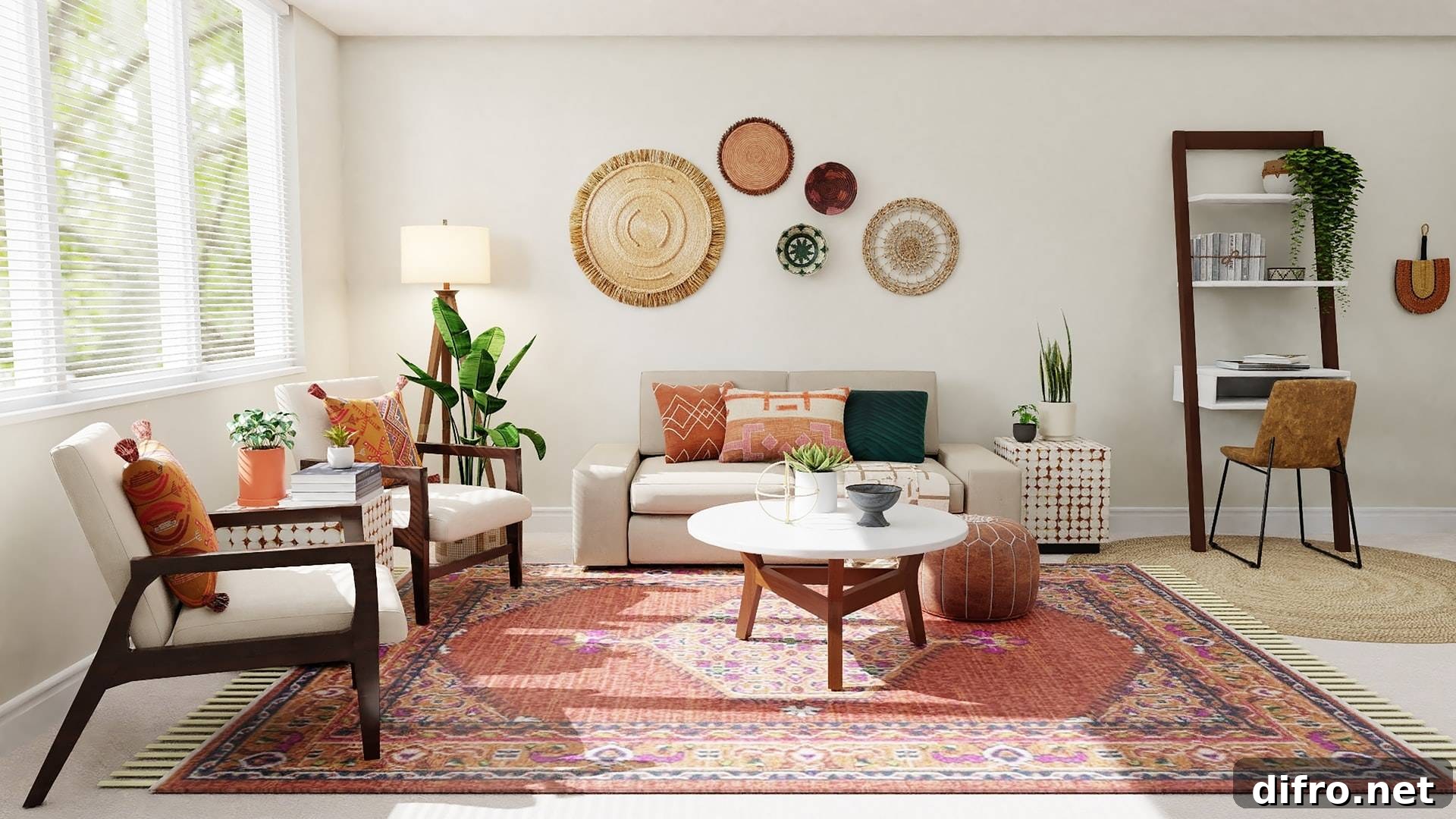
Mixing different patterns can add personality, but when done without consideration it often looks chaotic. A safe rule is to stick to one bold pattern and balance it with solids or subtle textures. Coordinate colors across patterns—pick one or two shared hues—and vary scale so small, medium, and large patterns work together without competing for attention.
Lighting
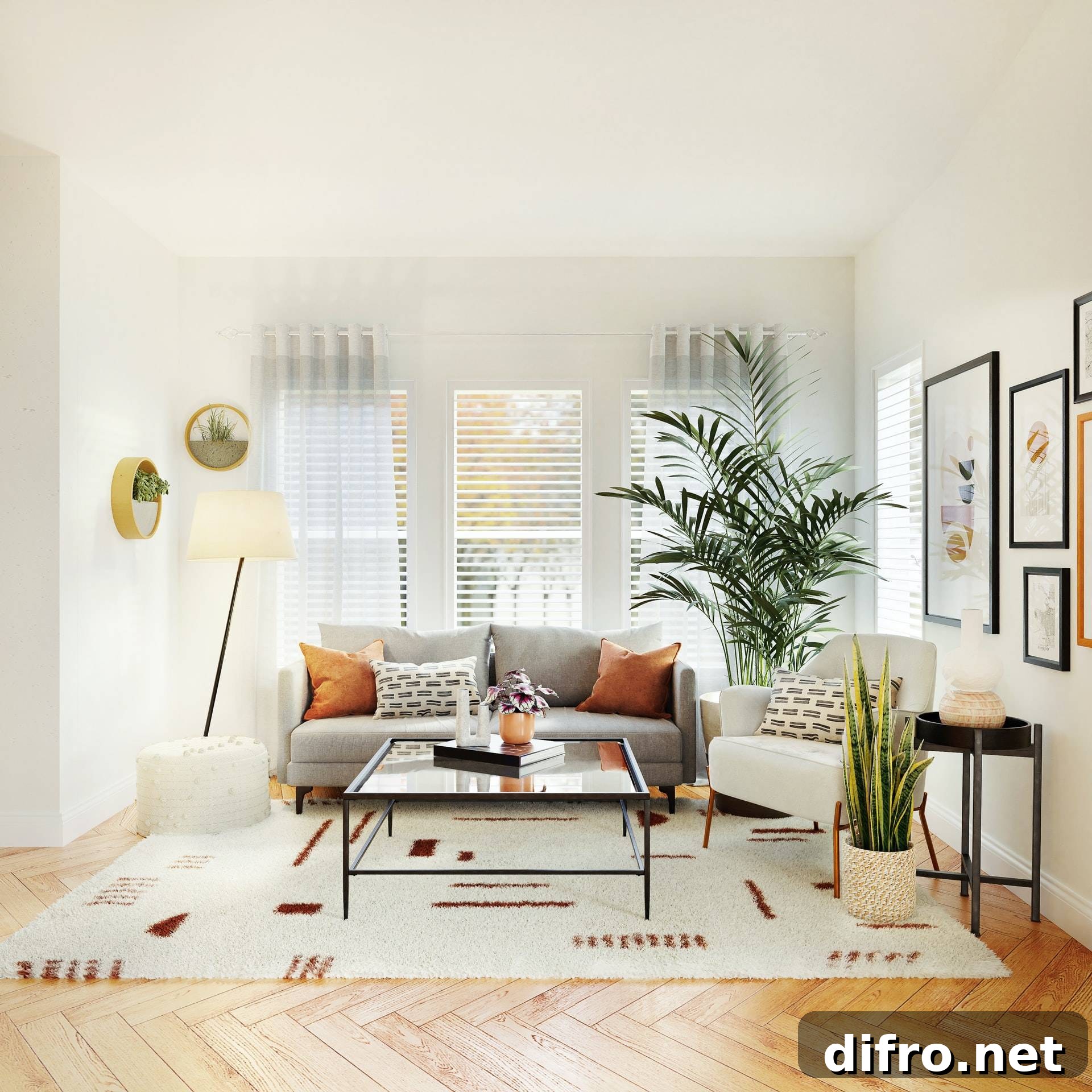
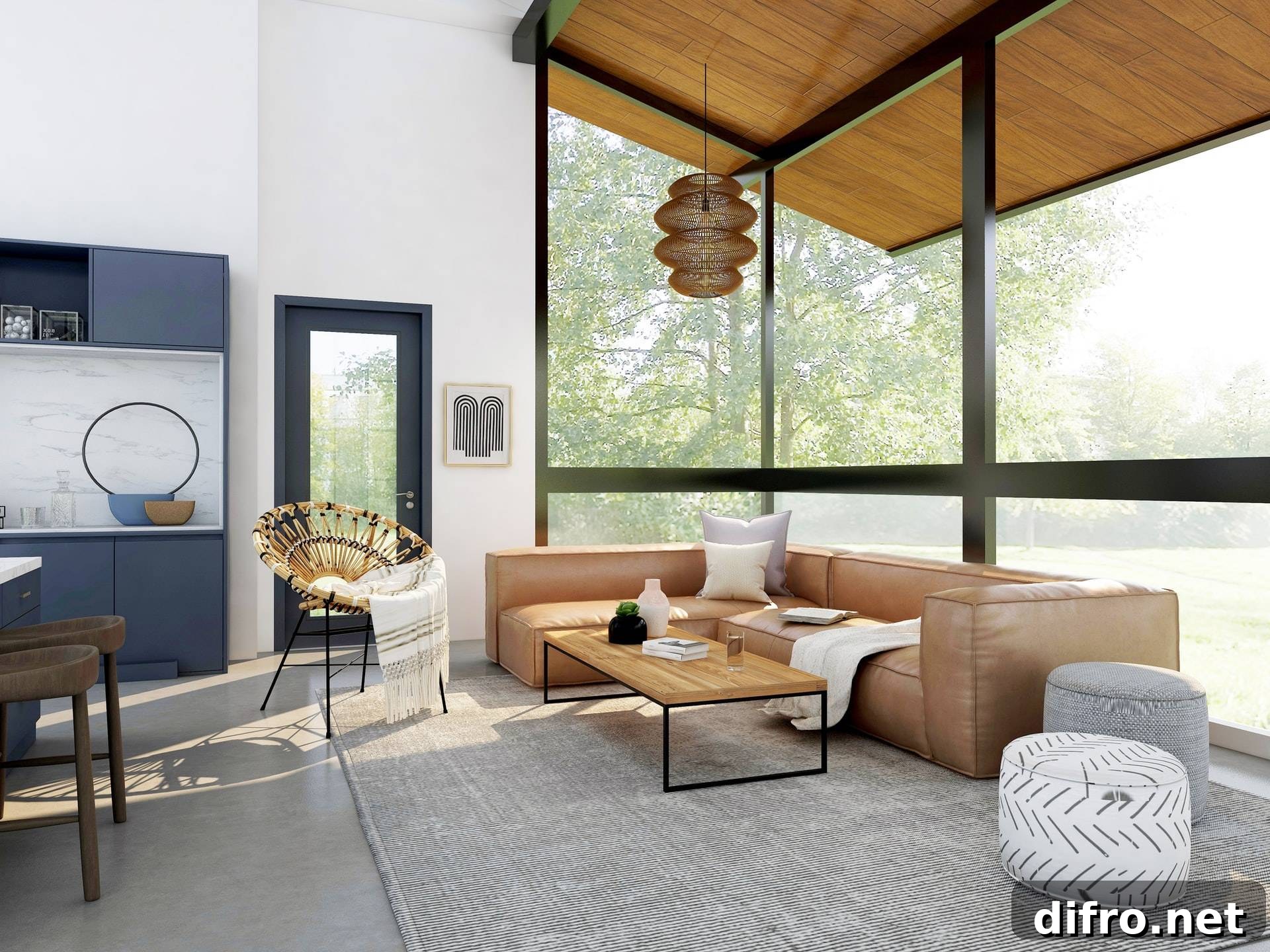
Good lighting is essential for a comfortable, functional home. Layer ambient, task, and accent lighting so each corner can be adjusted for different activities and moods. Task lights—such as reading lamps, under-cabinet lights, and focused pendants—improve usability, while dimmers and warm bulbs help create a relaxed atmosphere in living areas and bedrooms.
Throws and accent pillows
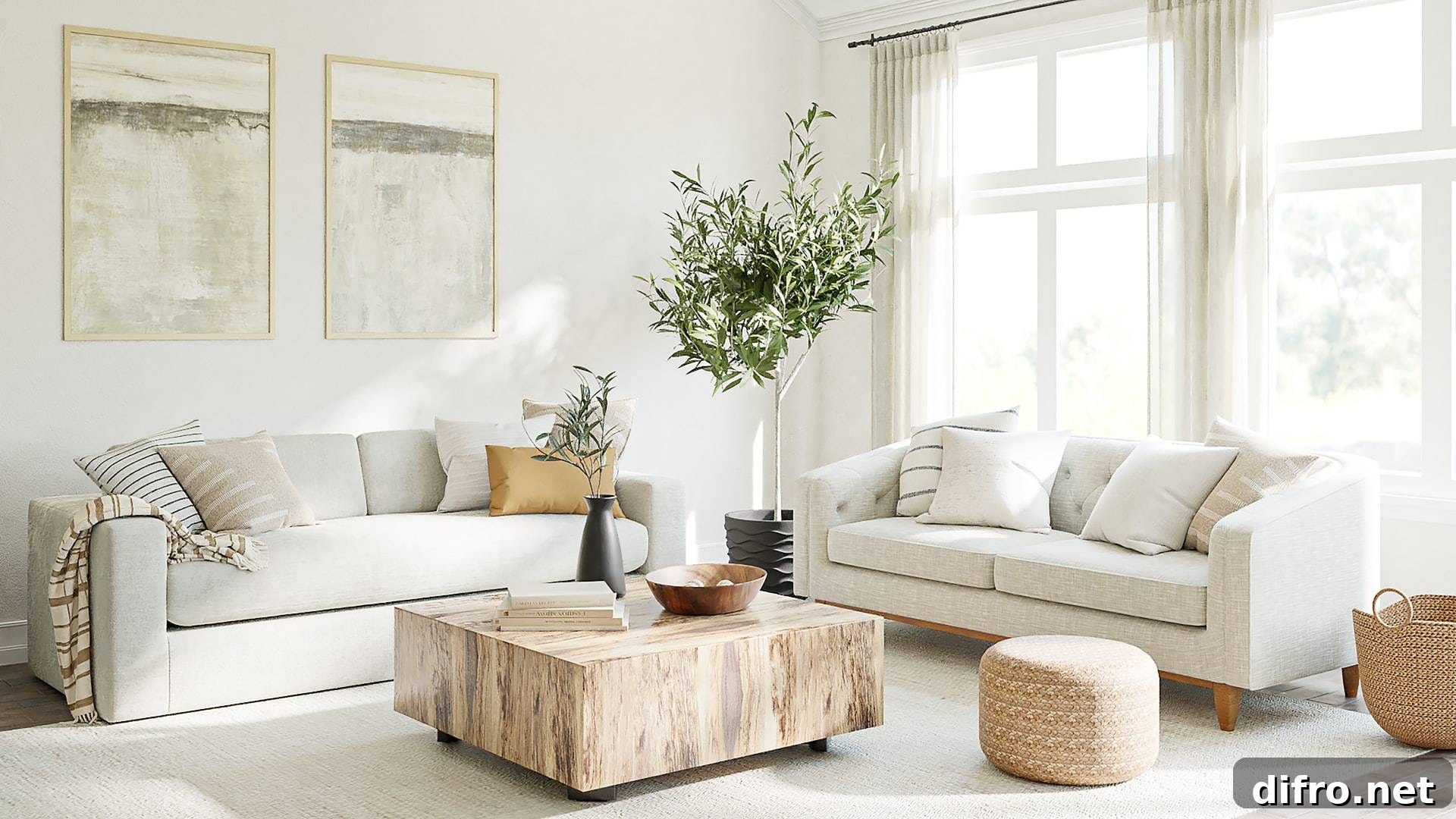
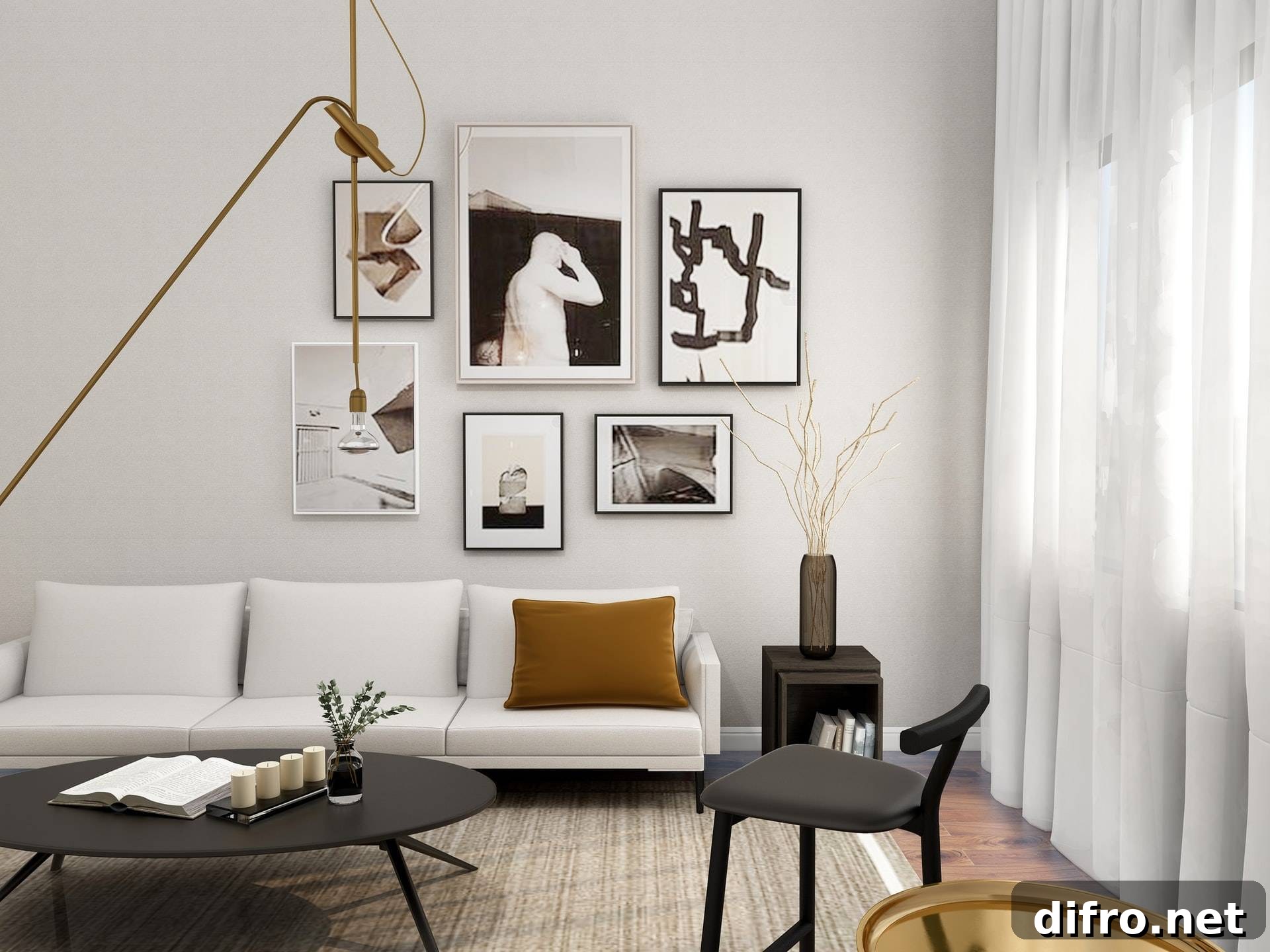
Throws and pillows add comfort and color, but too many will make a sofa or bed look cluttered. Choose a limited palette and vary textures instead of piling on multiple competing patterns. Keep only a few well-placed throws and pillows that complement your main color scheme, and rotate them seasonally to refresh the look without overcrowding the space.
Uncomfortable furniture
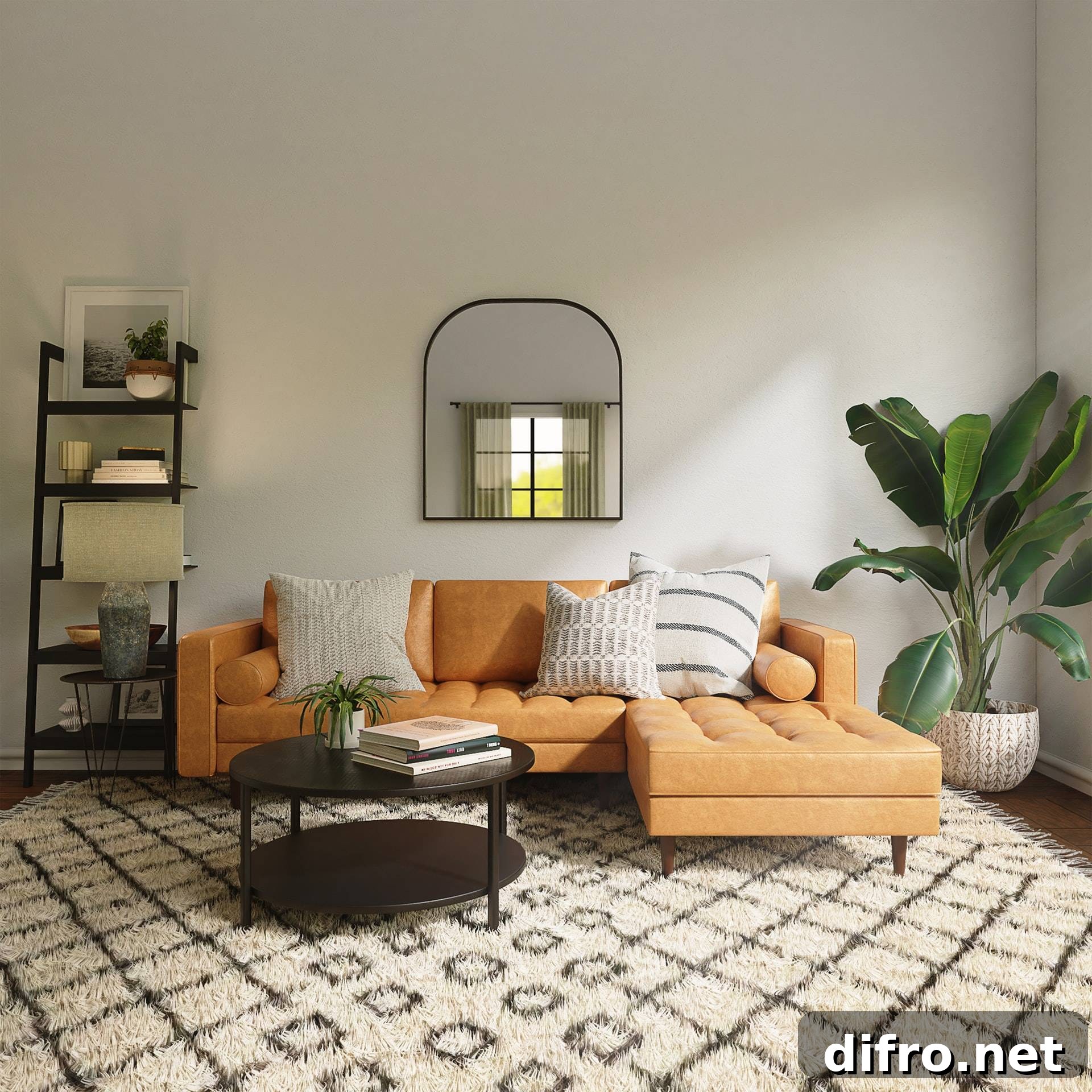
Style is important, but comfort should never be sacrificed—especially on seating pieces you and your guests will use every day. Sit on sofas and chairs before buying, test different cushion densities, and consider scale and ergonomics for your household. If a piece looks great but feels stiff, it may be better placed as an accent rather than primary seating.
Bad smells
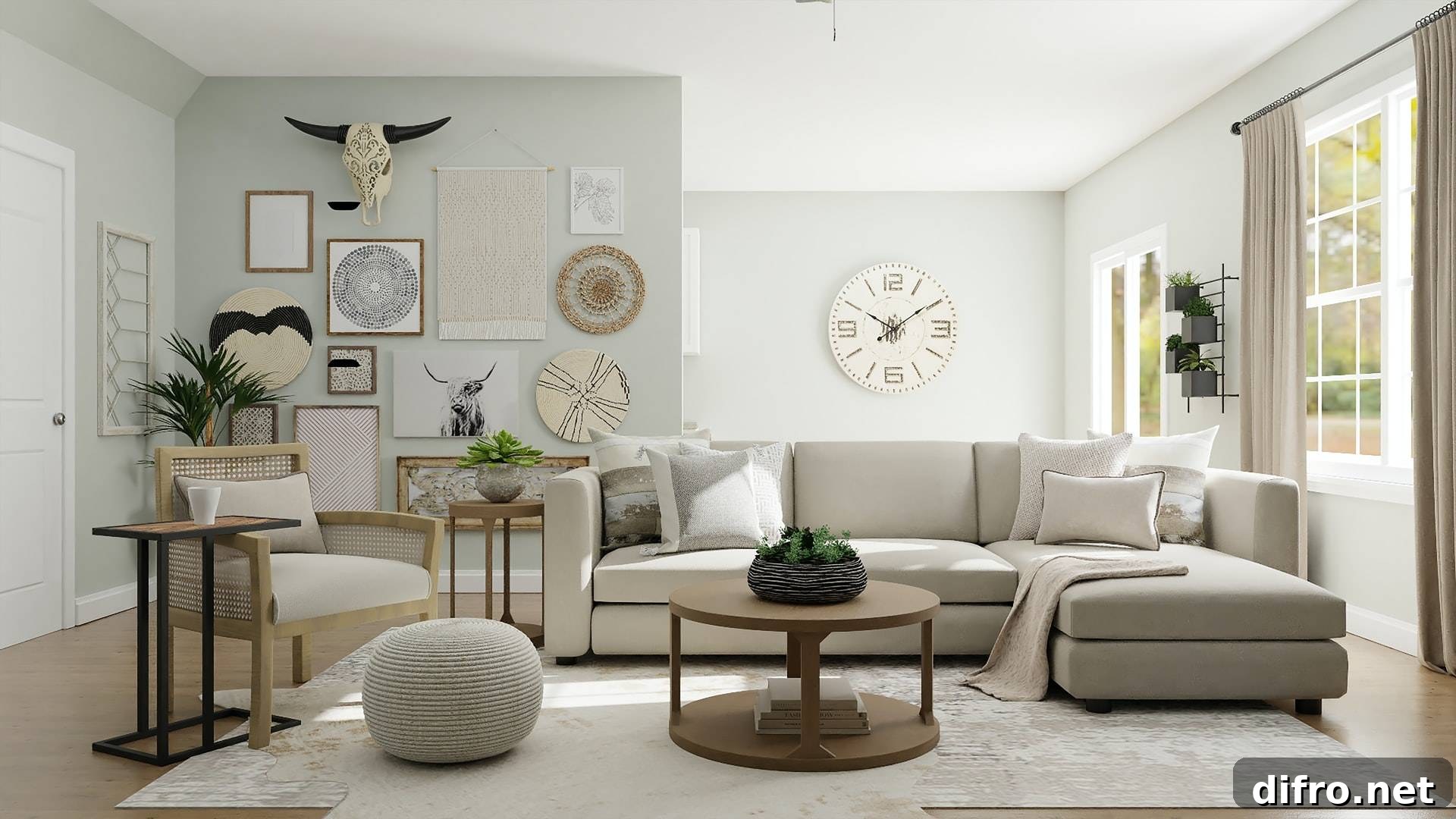
Unpleasant odors instantly make a home feel uninviting. Regular deep cleaning, promptly emptying trash and litter boxes, and ventilating cooking areas are simple, effective habits. If upholstery or carpets retain odors, consider professional cleaning; temporary cover-ups like strong air fresheners or scented candles rarely address the root problem. Open windows when weather allows and use exhaust fans to keep air fresh.
Lack of personal touches
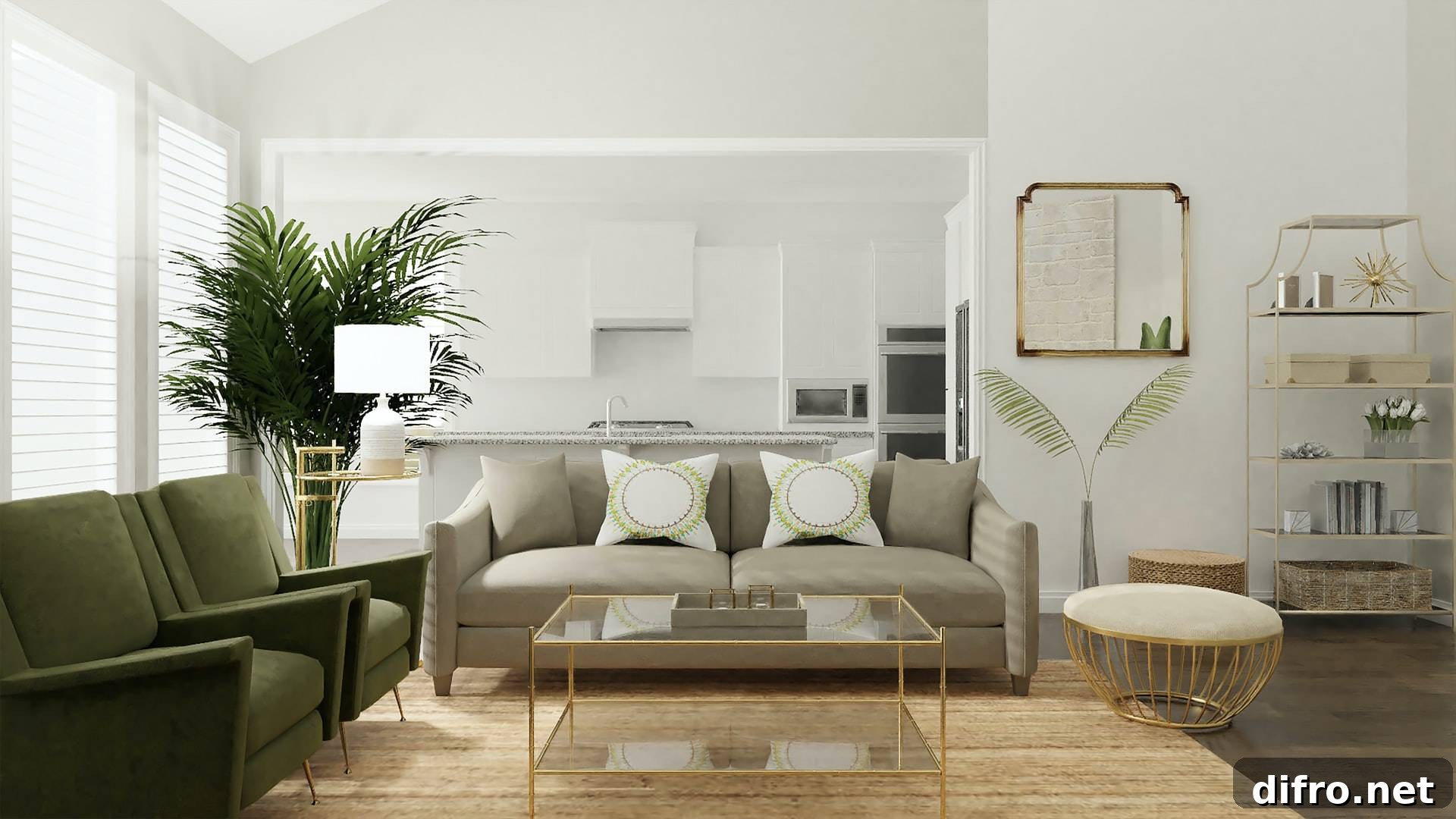
Rooms that lack personal items can feel sterile or impersonal. Incorporate a few curated accessories—photos, meaningful artwork, or travel finds—that reflect your personality without overwhelming the room. Avoid overcrowding surfaces; allow statement pieces space around them so they become true focal points. Thoughtful editing creates a home that feels lived-in and uniquely yours.
Large furniture and proportions
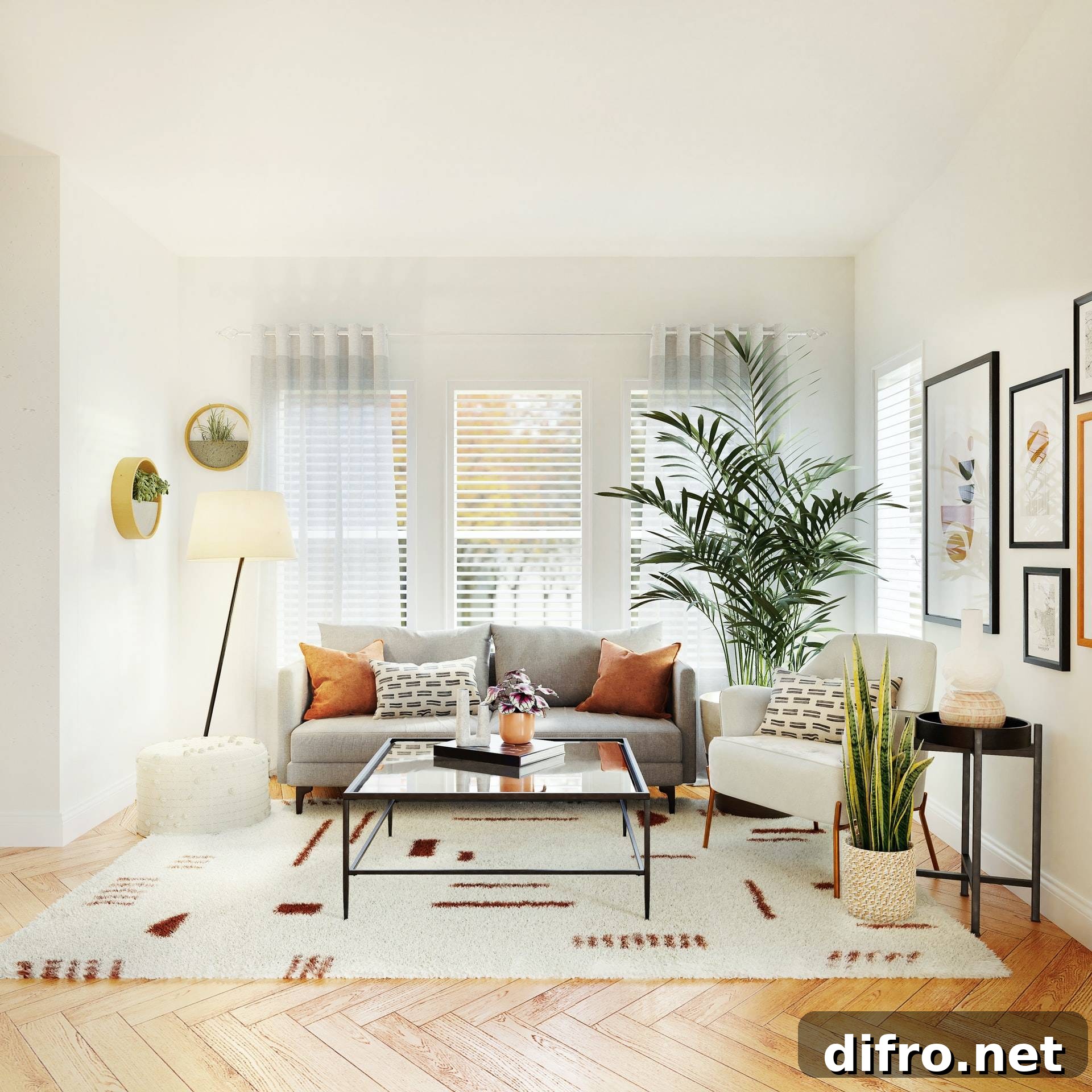
Furniture that is too large for a room will interrupt traffic flow and make the space feel cramped. Measure carefully before buying and consider scale: in small rooms, choose taller, narrower pieces to take advantage of vertical space; in large rooms, use larger groupings so the furniture doesn’t get lost. Arrange seating to allow easy movement and sightlines, and leave pathways clear to maintain a comfortable, functional layout.