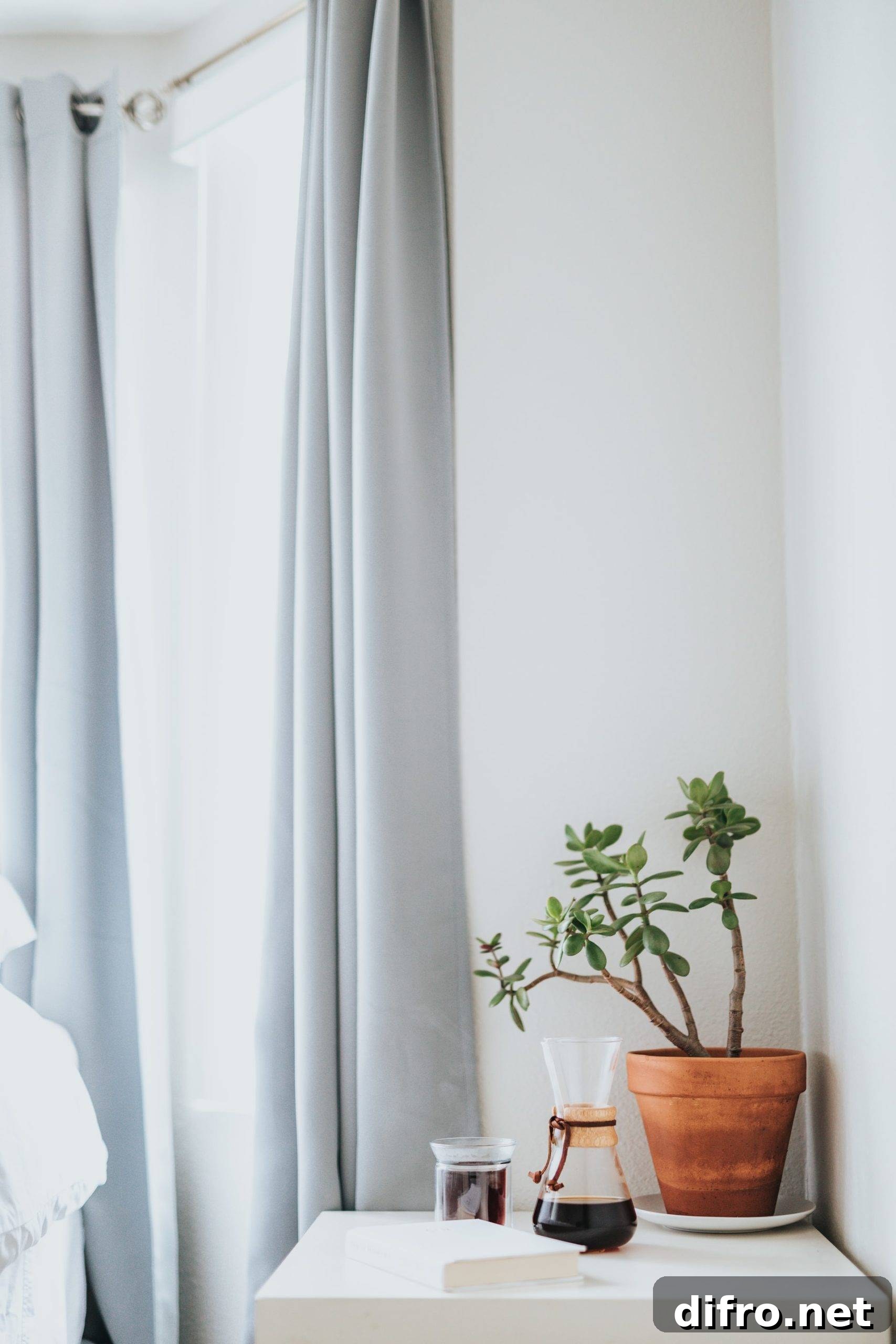
Plants do more than decorate your bedroom—they can improve air quality, promote relaxation, and help you sleep better. Even if you don’t have a lot of gardening experience, many houseplants are low-maintenance and suited to bedroom conditions. Below are some of the best plants to consider for a restful, healthier sleeping space, with simple care tips and placement ideas to help you get started.
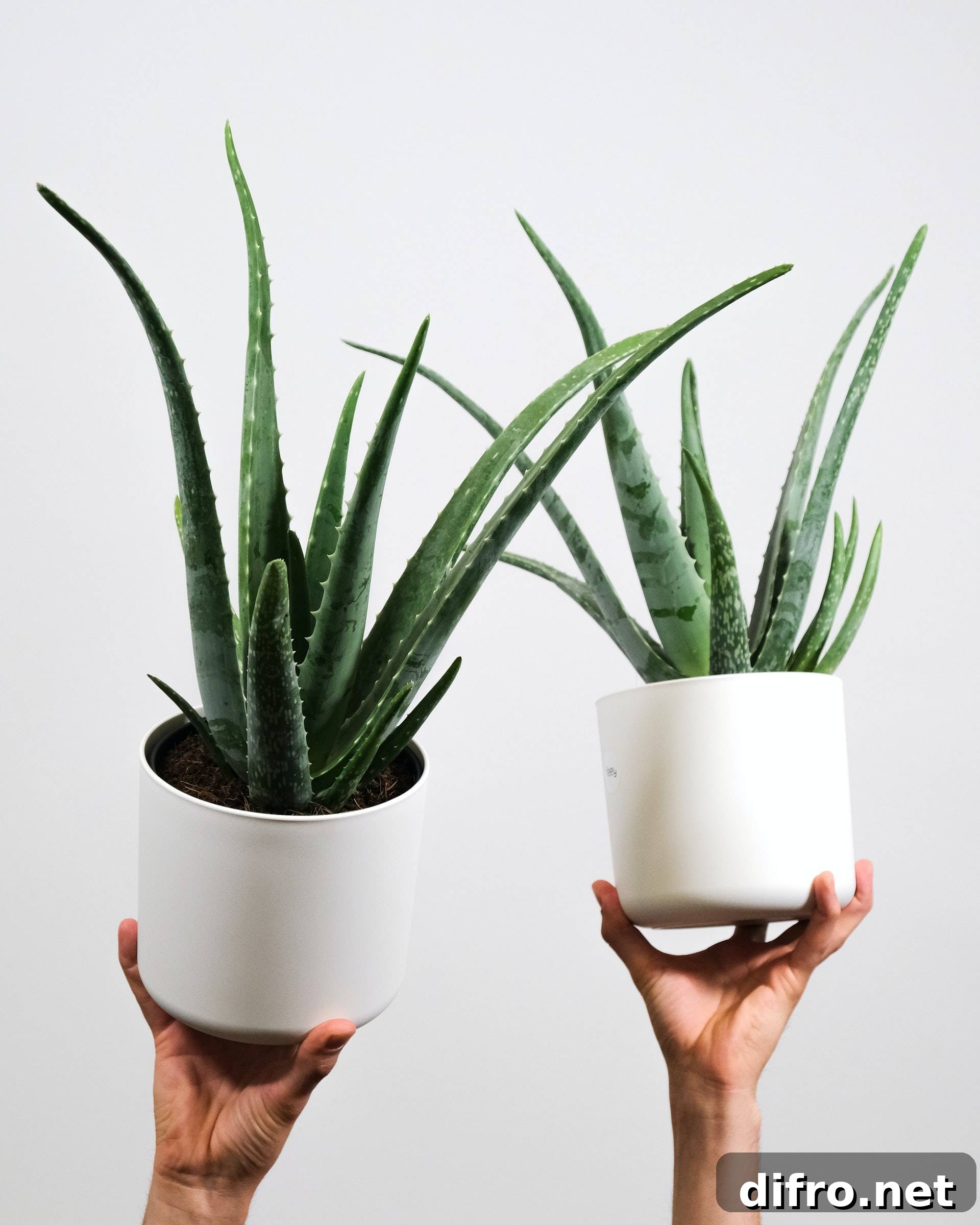
Aloe Vera
Aloe vera is widely known for its soothing gel, but it also offers sleep-related benefits. Unlike most plants, aloe continues to produce oxygen at night, which can help freshen bedroom air while you sleep. It prefers bright, indirect light and infrequent watering—allow the soil to dry out between waterings. Place an aloe plant on a sunny windowsill or a bedside table that receives morning sun for best results.
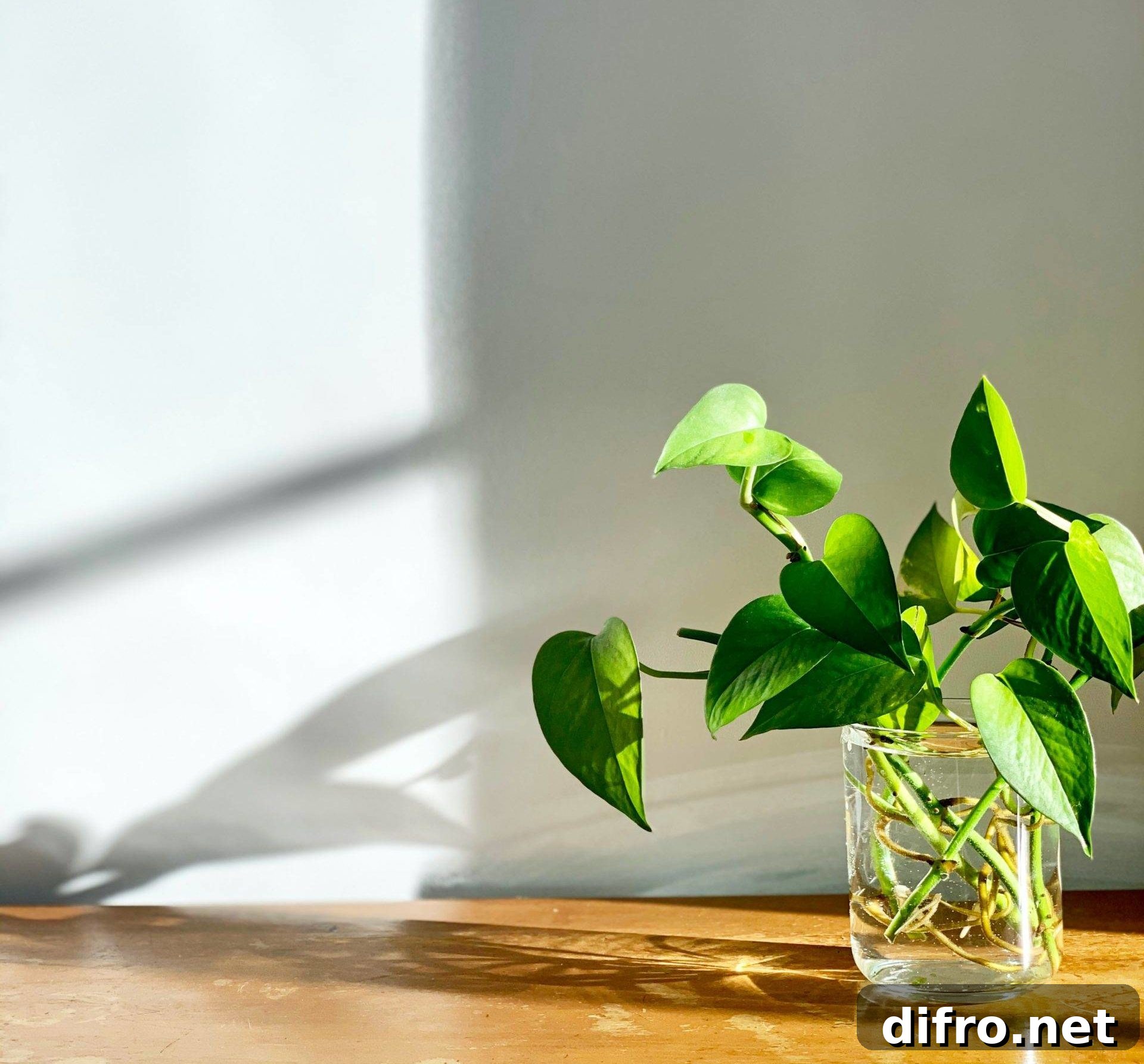
Golden Pothos
Golden pothos (Epipremnum aureum) is a reliable, low-maintenance option that helps filter common indoor air pollutants. Its trailing, heart-shaped leaves make it a great choice for a shelf, hanging planter, or high bookcase where the vines can drape down naturally. Pothos tolerates low light but grows best in bright, indirect light and with moderate watering—let the top inch of soil dry between waterings.
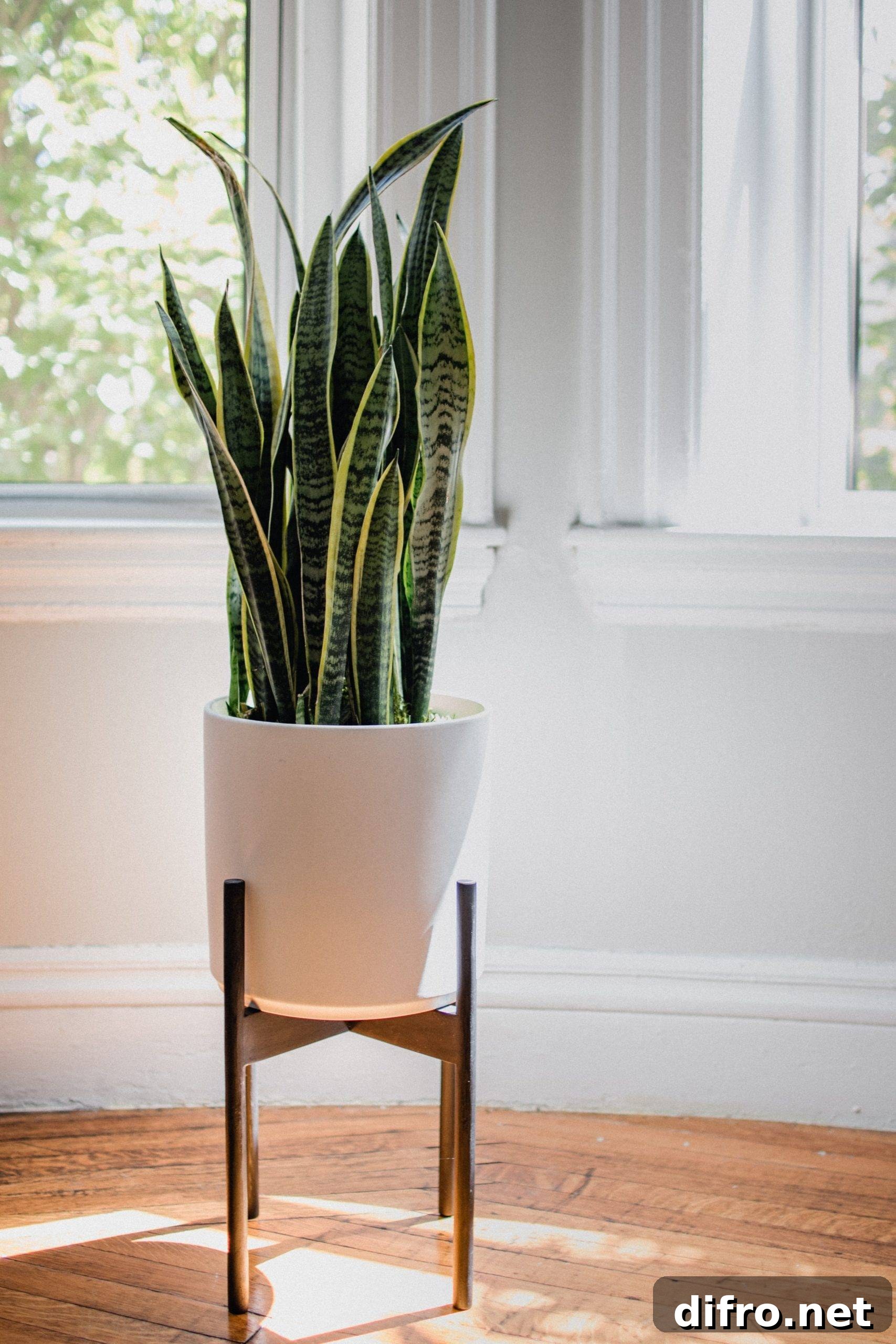
Snake Plant
The snake plant, also called mother-in-law’s tongue, is renowned for its air-purifying qualities and tolerance for neglect. NASA research has identified it among effective indoor air-cleaning plants. It thrives in a wide range of light conditions—from low to bright indirect light—and requires very little water. This makes it ideal for bedrooms where you want benefits without much maintenance.
Valerian
Valerian is an herb traditionally used to ease sleep difficulties. Its delicate flowers and subtle fragrance can help create a calming atmosphere in the bedroom. Valerian prefers full sun to partial shade and well-draining soil; if you grow it in a container, make sure the pot provides good drainage and avoid overwatering. The plant’s scent and appearance make it a pleasant addition to a bedside windowsill or a nearby plant stand.
Lavender
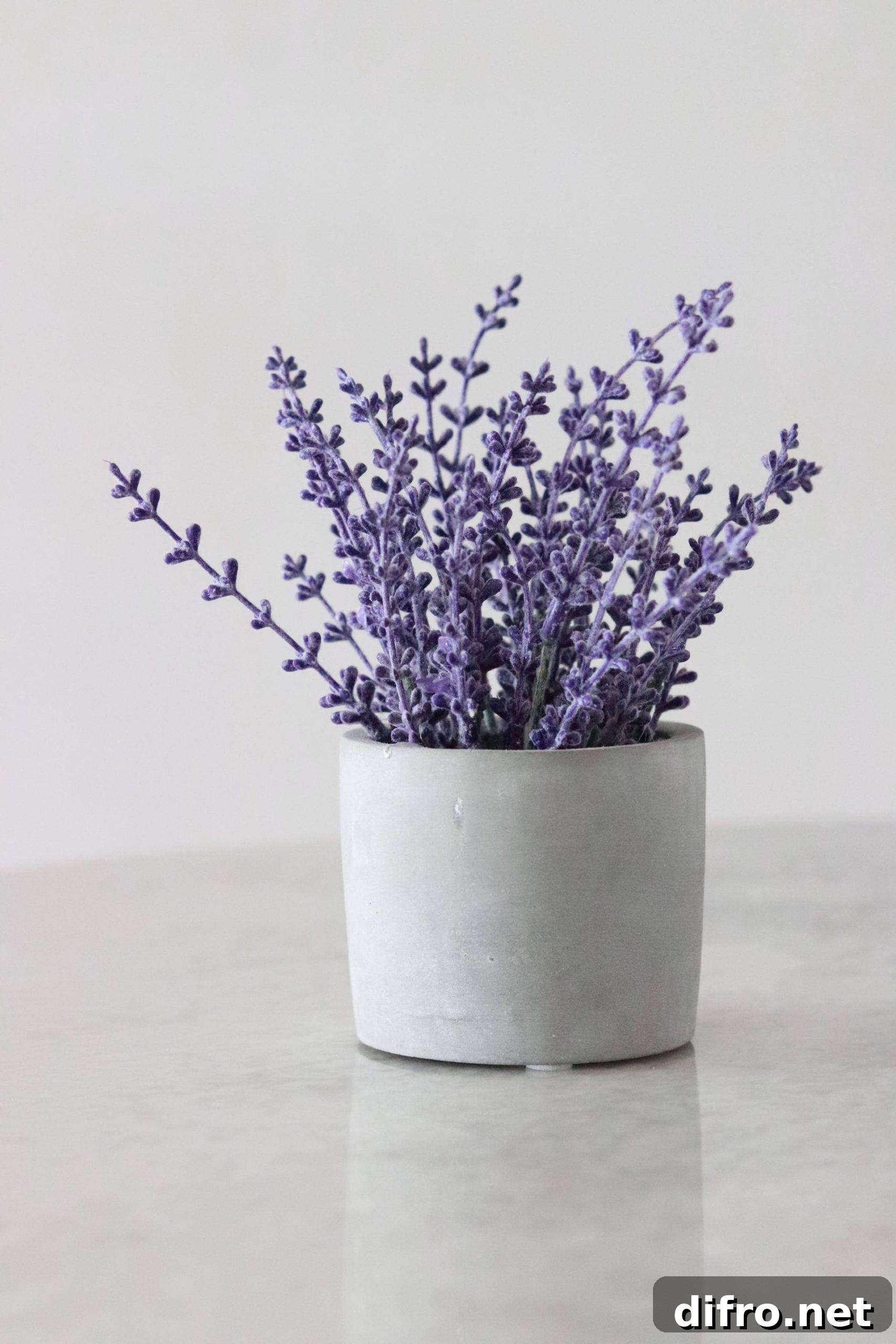
Lavender is prized for its soothing scent and attractive purple flowers. The aroma is often used to reduce stress and foster relaxation, which can support better sleep. Lavender does best with at least three hours of direct sunlight each day, so place it on a sunny windowsill if possible. It requires well-draining soil and moderate watering—allow the soil to dry slightly between waterings to prevent root rot.
Peace Lily
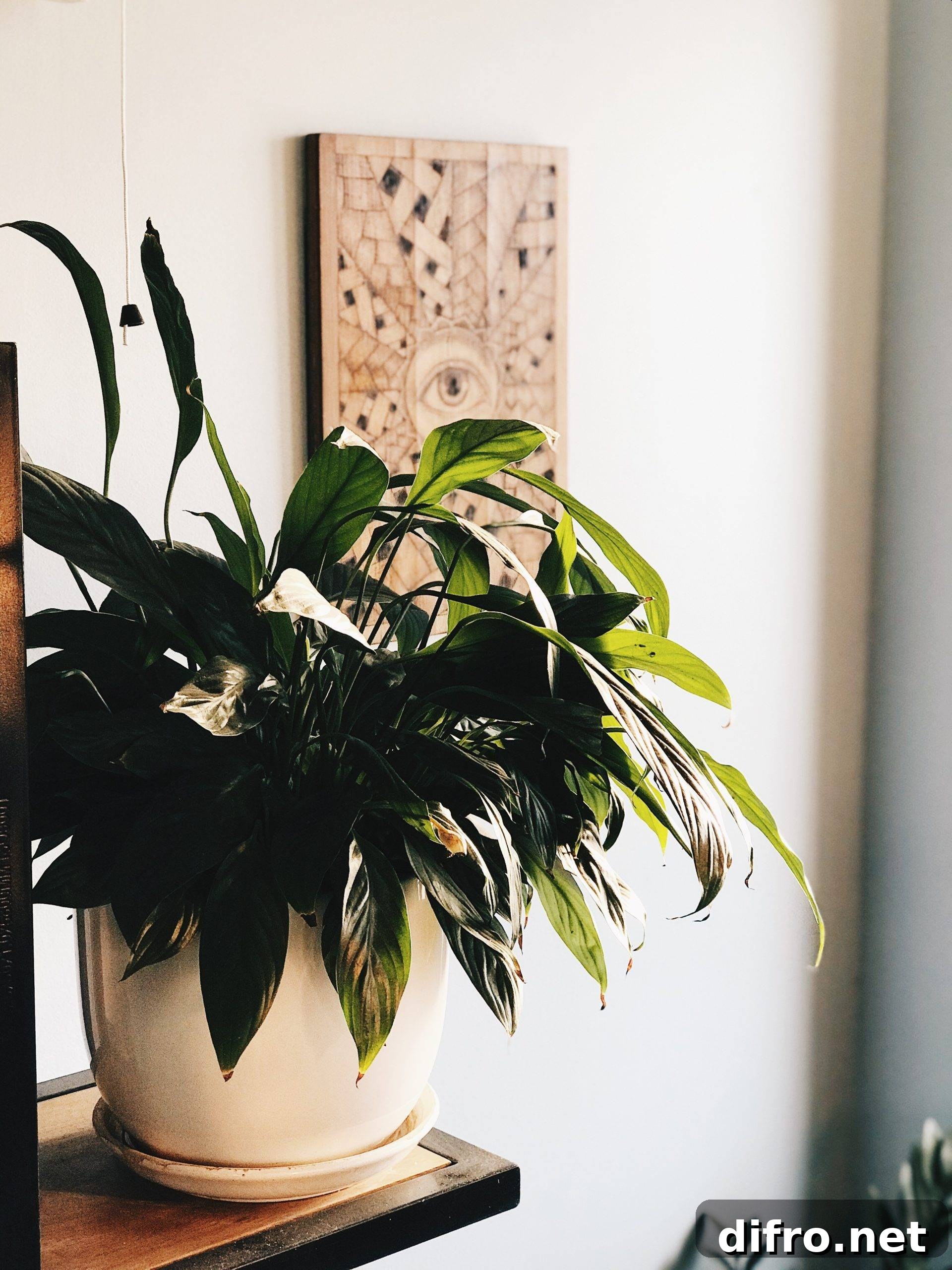
The peace lily is valued for its elegant white blooms and strong air-cleaning abilities. It can help remove common indoor pollutants and also increase room humidity slightly, which can be beneficial for breathing at night. Peace lilies prefer bright, indirect light and consistently moist—not waterlogged—soil. They are an excellent choice for a polished, low-maintenance bedroom plant that also improves indoor air quality.
Gerbera Daisy
Gerbera daisies brighten a room with bold, colorful blooms and can increase oxygen levels at night. They also contribute to indoor air purification. Gerberas need more attention than some other bedroom plants: they prefer bright, indirect light and consistent moisture with good drainage. If you can meet their light and watering needs, the cheerful flowers are well worth the extra care.
Jade Plant
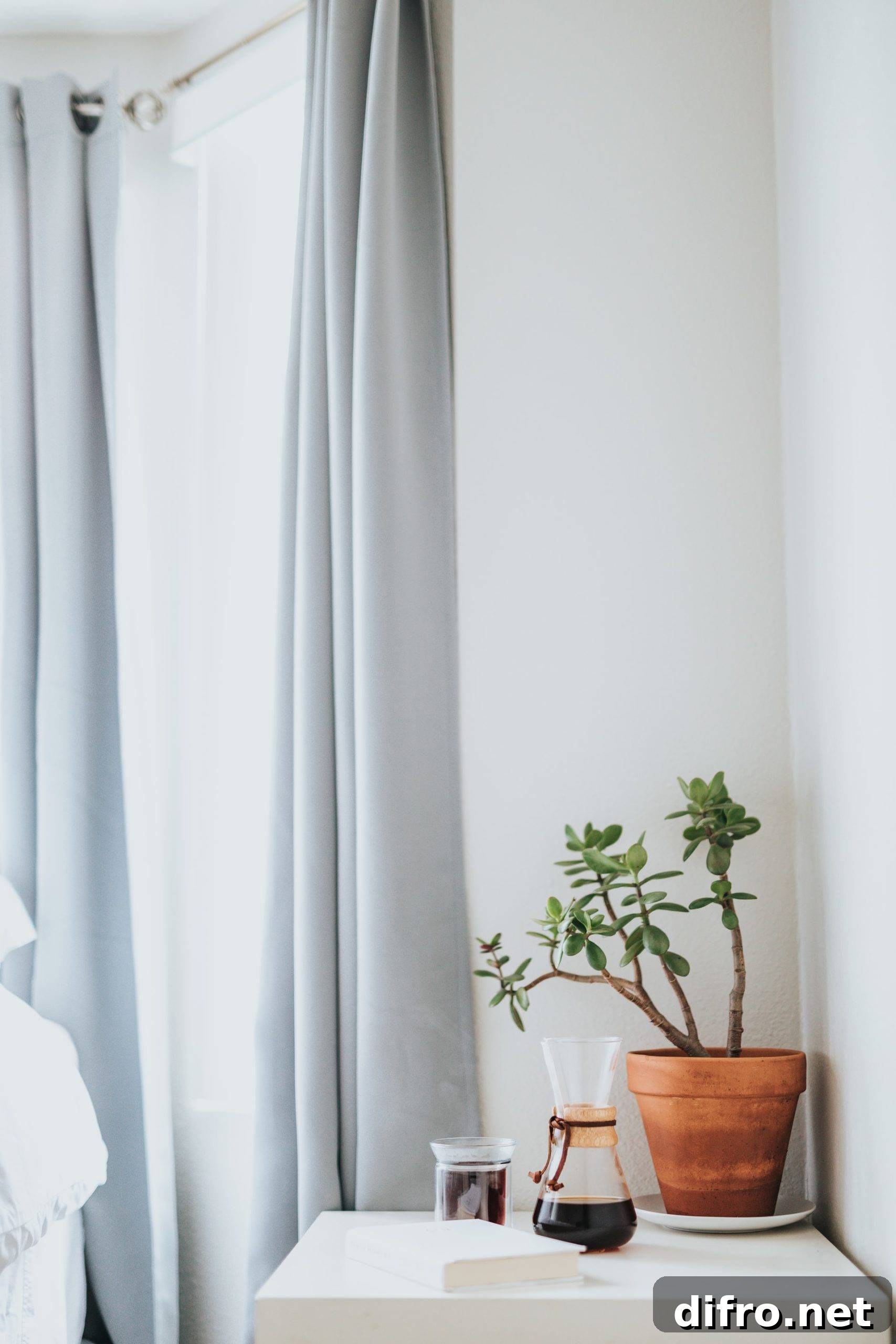
The jade plant is a popular succulent with glossy, fleshy leaves that add a sculptural element to a bedroom. It thrives in bright light and requires minimal watering, making it an easy-care option. Besides its air-filtering qualities, many people appreciate jade plants for their aesthetic appeal and the belief—held in some cultures—that they bring good luck.
Orchid
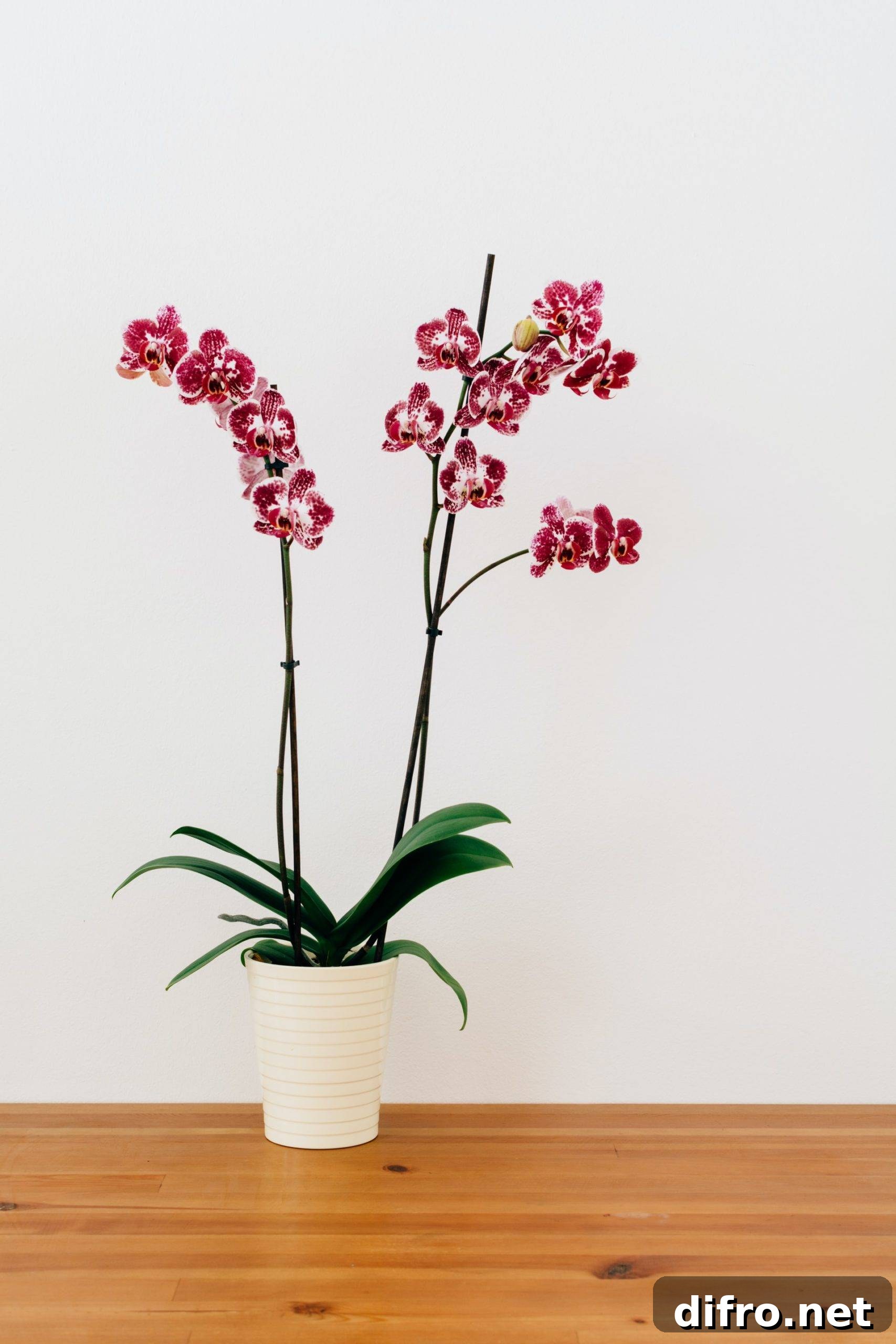
Orchids offer refined, long-lasting blooms that enhance bedroom décor while contributing to a calming environment. Many orchids do well with indirect light and careful watering—avoid overwatering and provide good airflow around the roots. If you use your bedroom as a workspace, having an orchid or other plants nearby can create a more pleasant atmosphere and may help reduce stress. With basic attention to light and moisture, orchids can thrive and reward you with elegant flowers.
Choosing the right plants for your bedroom depends on light conditions, how much care you want to provide, and your aesthetic preferences. Start with one or two varieties that match your routine—low-light tolerant options like snake plant or pothos are great for beginners, while lavender or valerian suit sunnier windows. With the right placement and simple care, bedroom plants can enhance sleep quality, boost mood, and make your space more inviting.