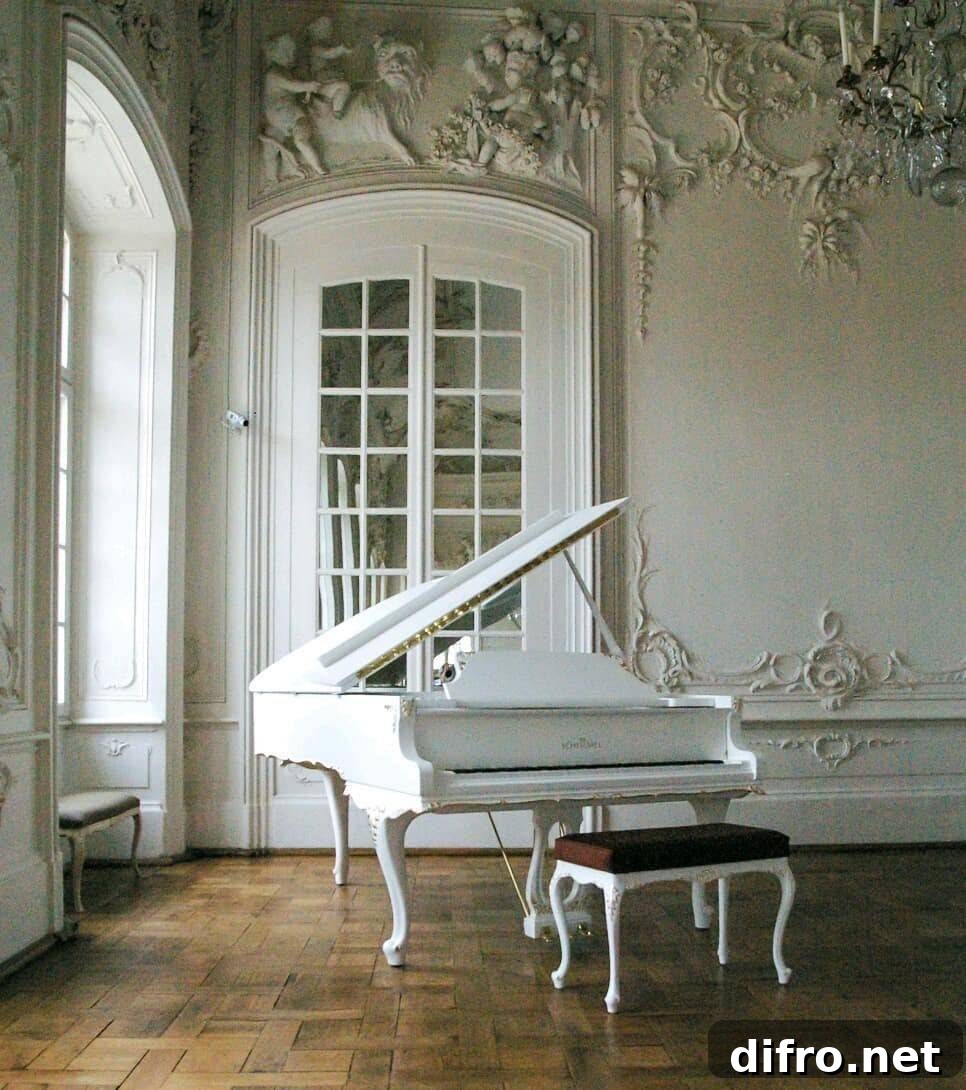
The piano has evolved beyond a purely musical instrument to become a striking decorative centerpiece. A well-placed piano instantly draws the eye, adds character to a room, and can elevate interior design whether you own a grand or an upright model.
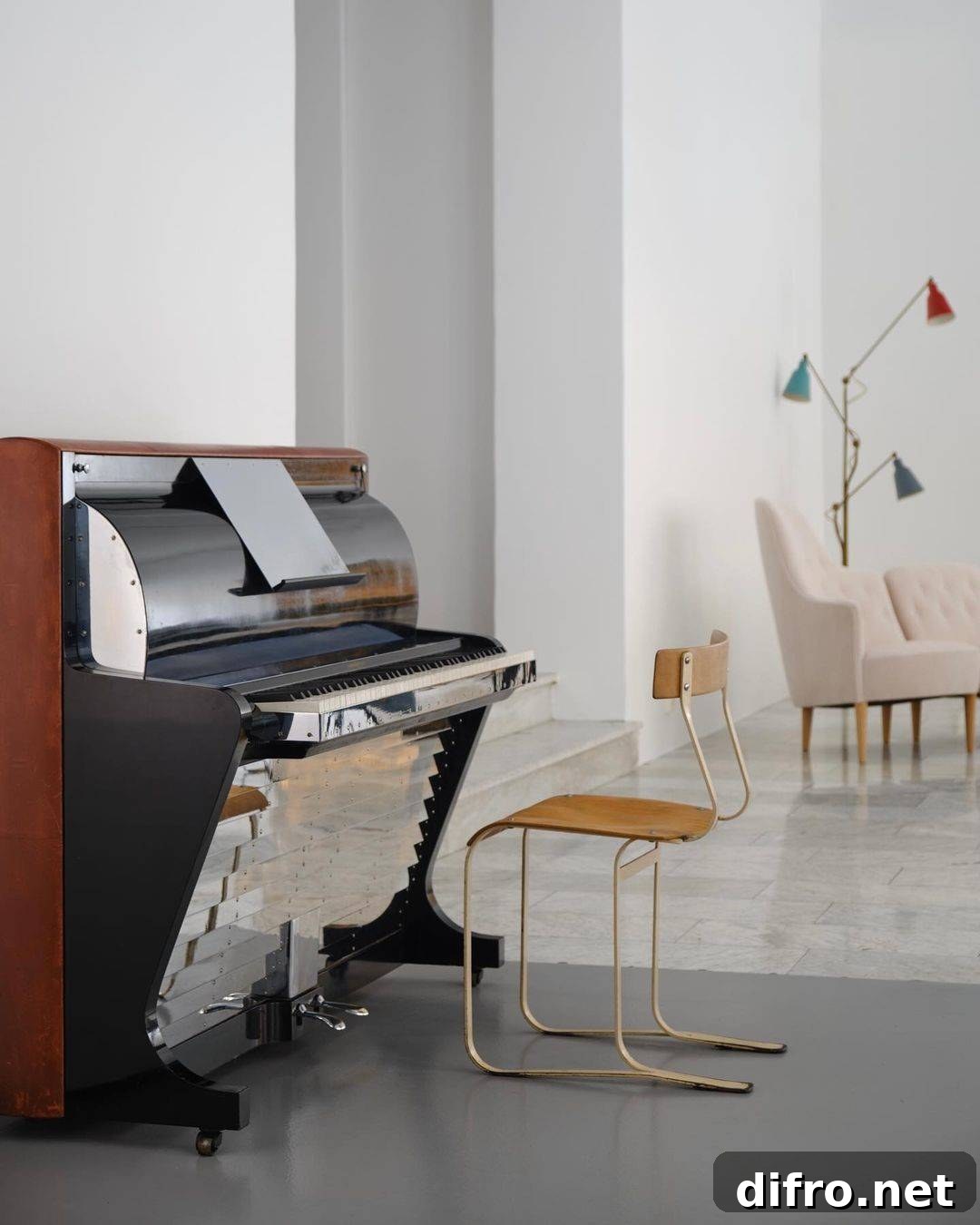
Many homeowners want a piano but worry about how to place it without crowding a room. Room size, traffic flow and natural light will usually determine the best spot. Below are practical ideas and styling tips to showcase your piano while preserving comfortable circulation and a cohesive aesthetic.
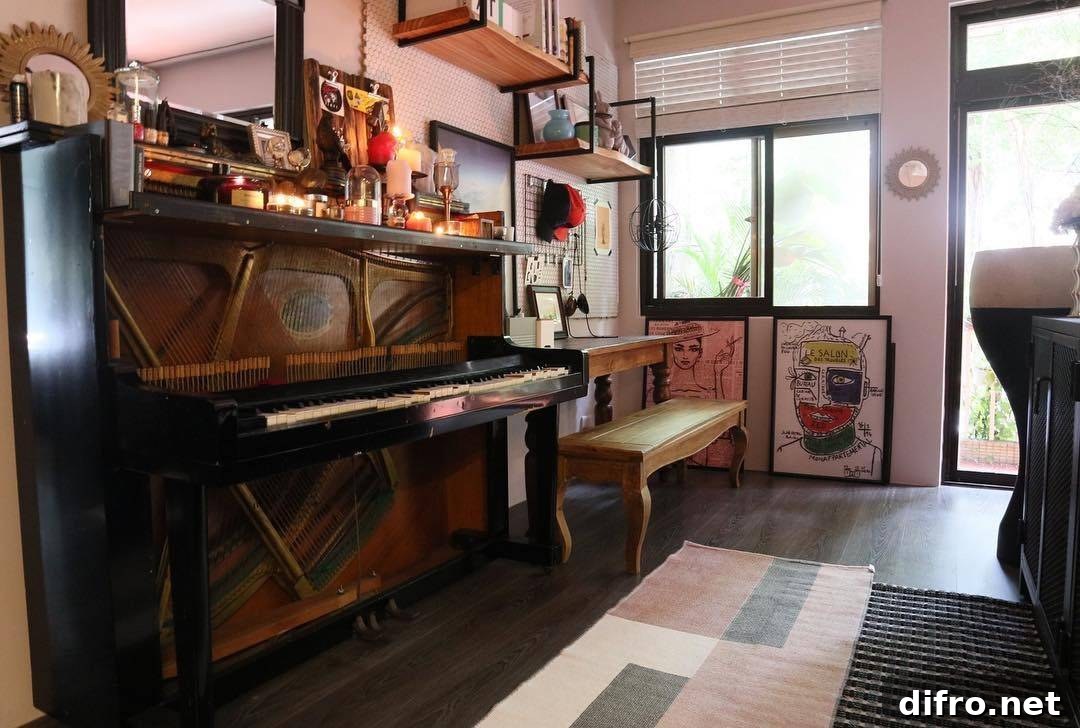
When deciding placement, consider acoustics as well as aesthetics. Hard floors, high ceilings and reflective surfaces can change the way sound carries. Positioning and nearby furnishings will affect both how your piano looks and how it sounds in the space.
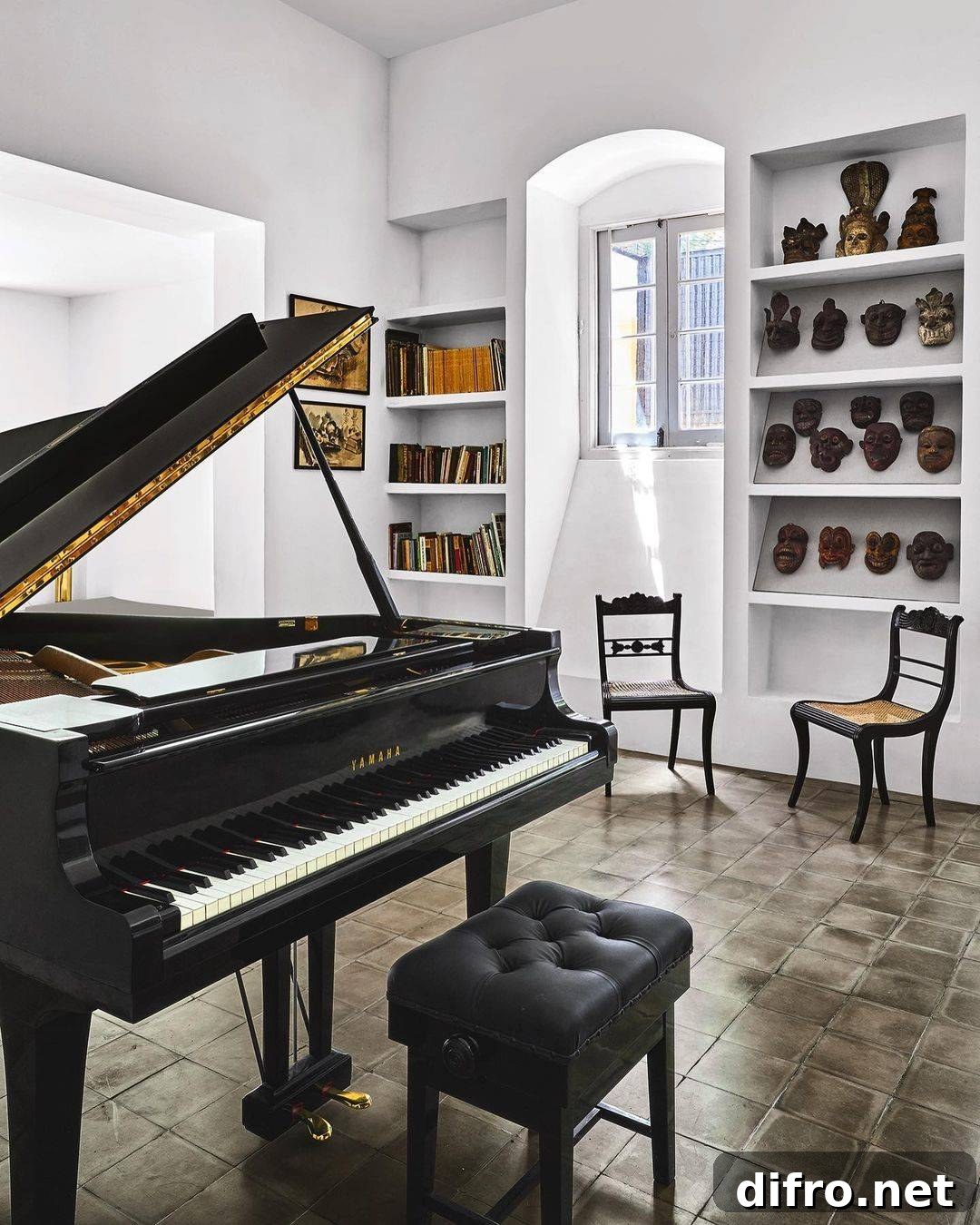
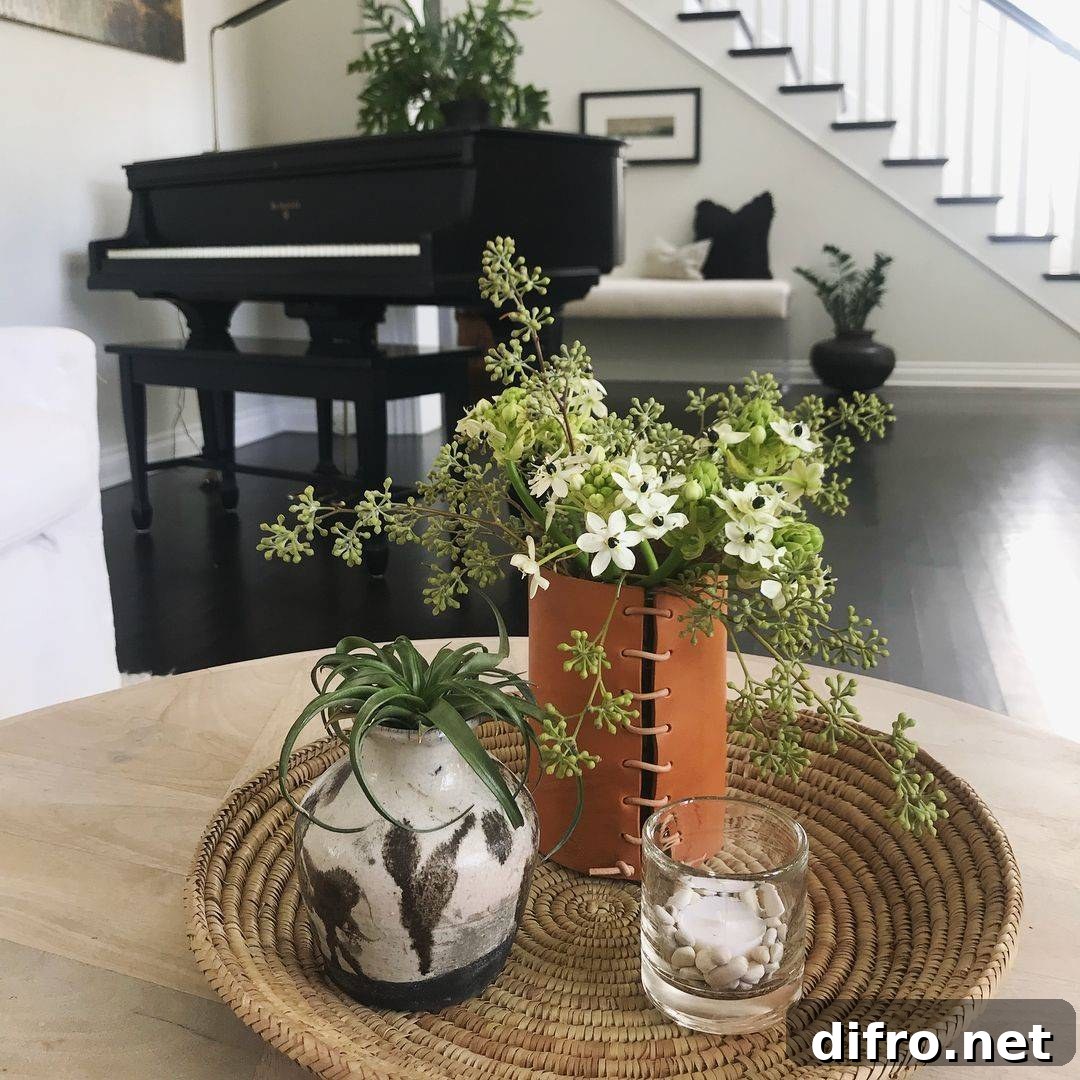
Simple adjustments can open up space: angle the piano slightly to improve sightlines, pair it with compact seating, or use a rug to define the performance area. Thoughtful styling ensures the piano complements the room rather than competing with other focal points.
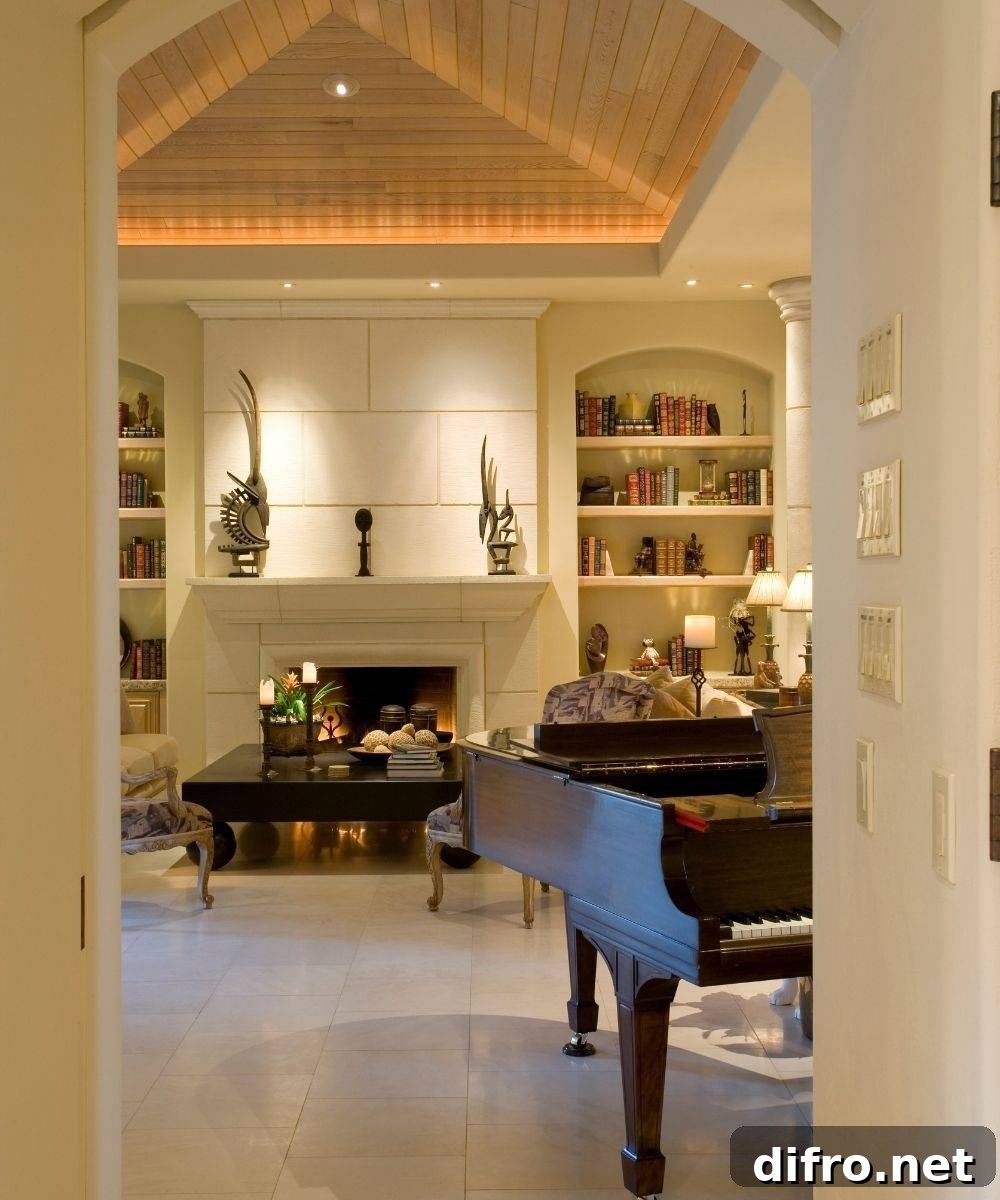
Whether you prefer a bold statement or a more subtle presence, these styling ideas will help you make the most of your instrument and the room it occupies.
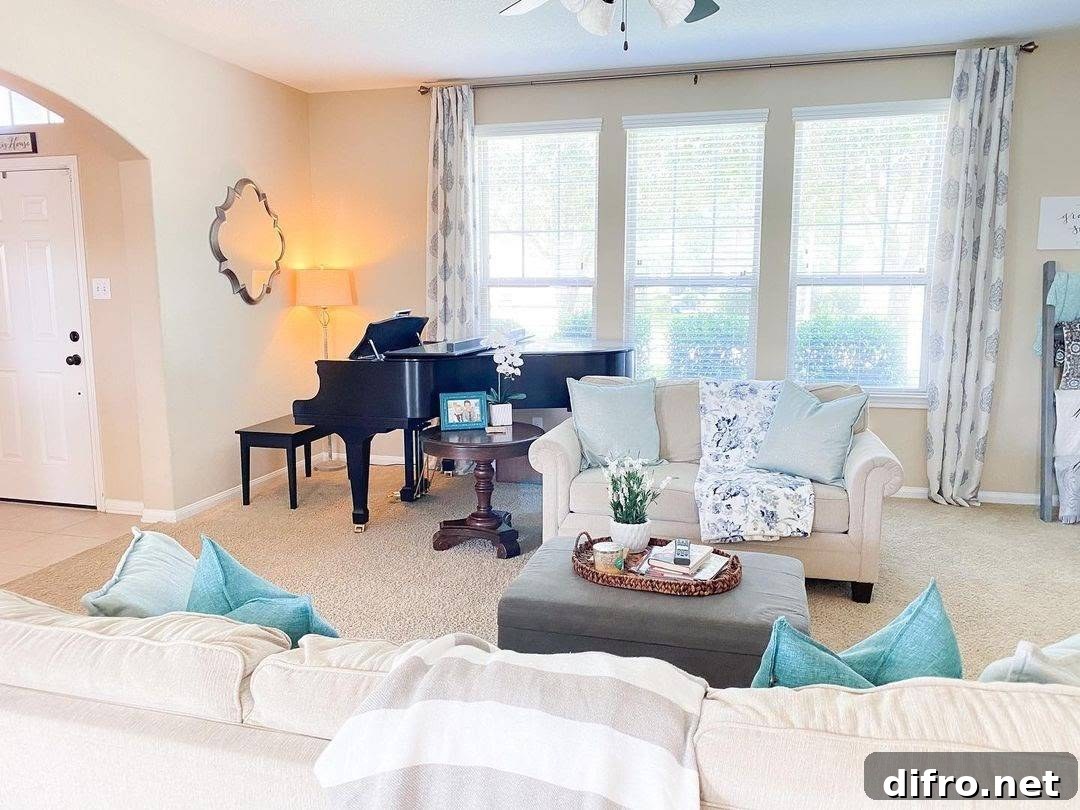
Try it in a sunny area
Placing a piano near a window lets natural light accentuate its finish and invites an inspiring view for both player and audience. Take care to protect the instrument from direct, prolonged sunlight by using curtains or UV-filtering window treatments when necessary.
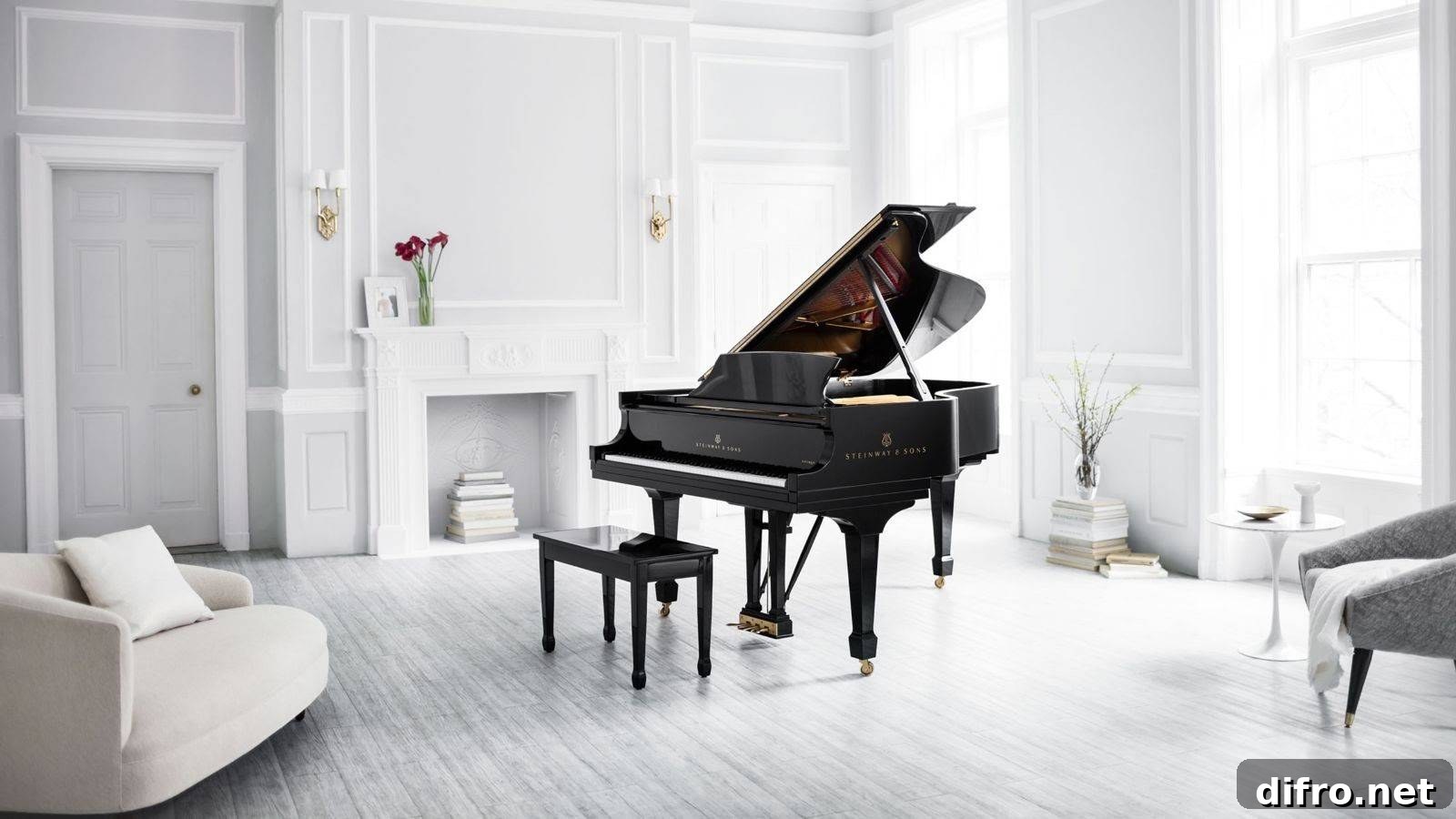
A focal point
Use a grand piano as the central anchor in a formal living room or performance space. Its scale, curves and finish instantly create a refined focal point. Surround it with complementary seating and a neutral backdrop to keep the focus on the instrument.
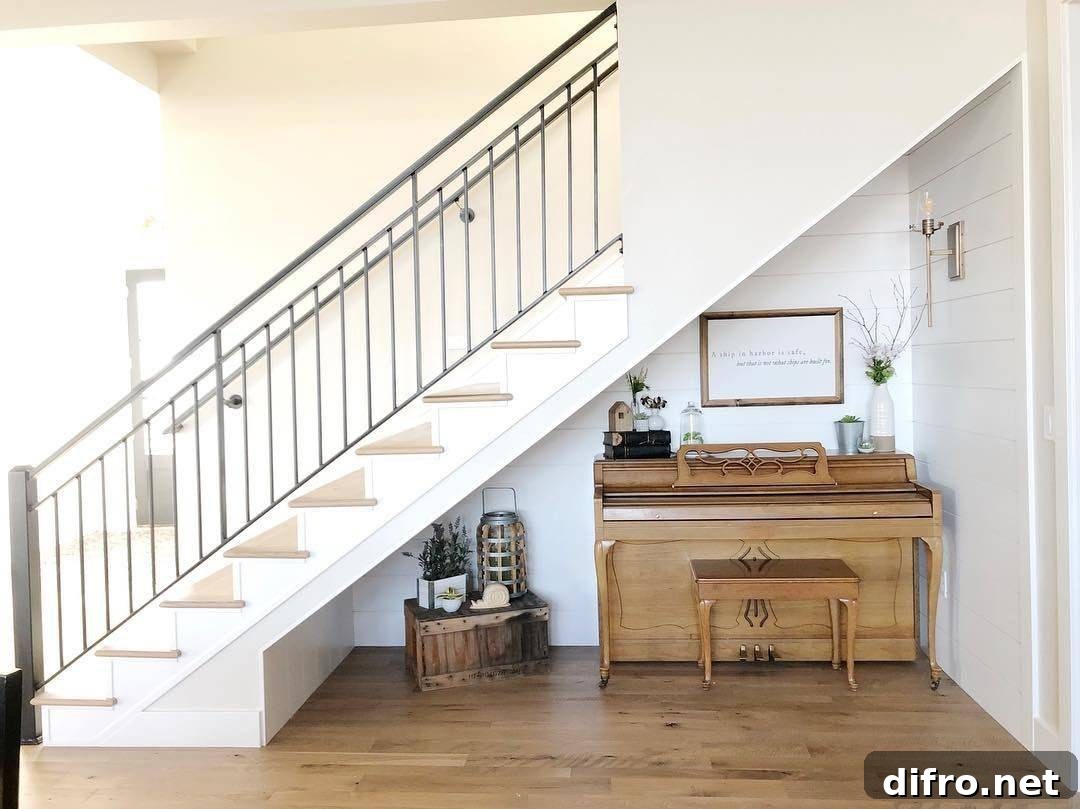
Place it under a staircase
Under-stair spaces are often awkward and underused. A piano fits neatly into that niche, turning an unused pocket into a purposeful and elegant corner. Ensure enough clearance for the bench and comfortable access to the keys.
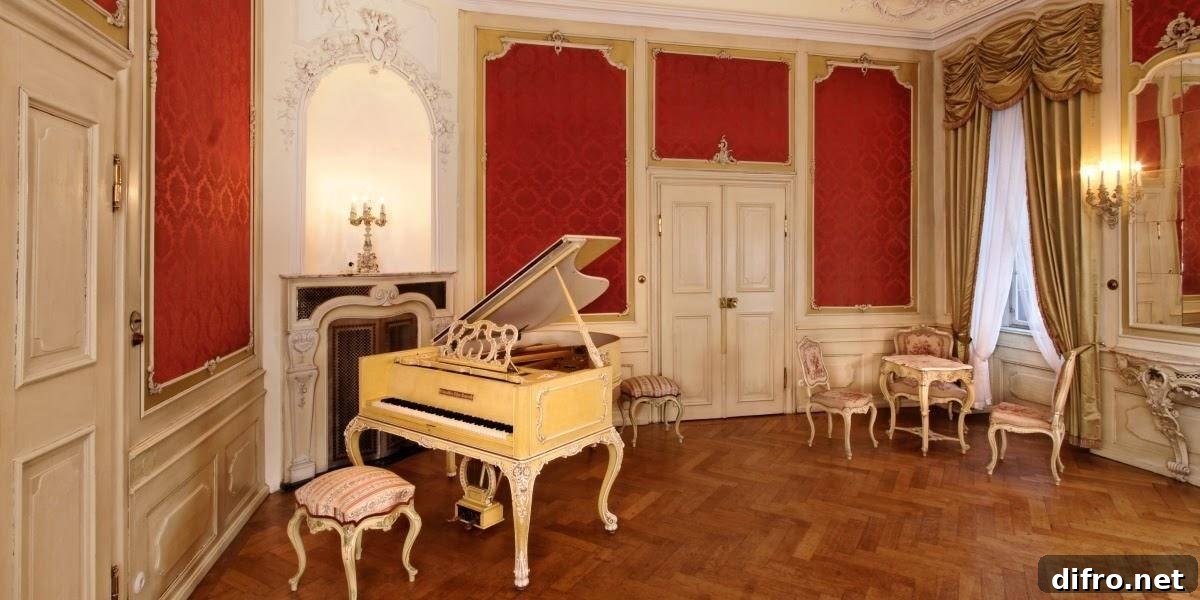
Pair with rich fabrics and finishes
Wooden pianos look beautiful beside warm textures like gold or bronze curtains and herringbone flooring. Dark finishes add drama, while a white or lighter instrument can create a vintage or airy vibe. Match textiles and flooring to the piano’s tone to achieve a cohesive look.
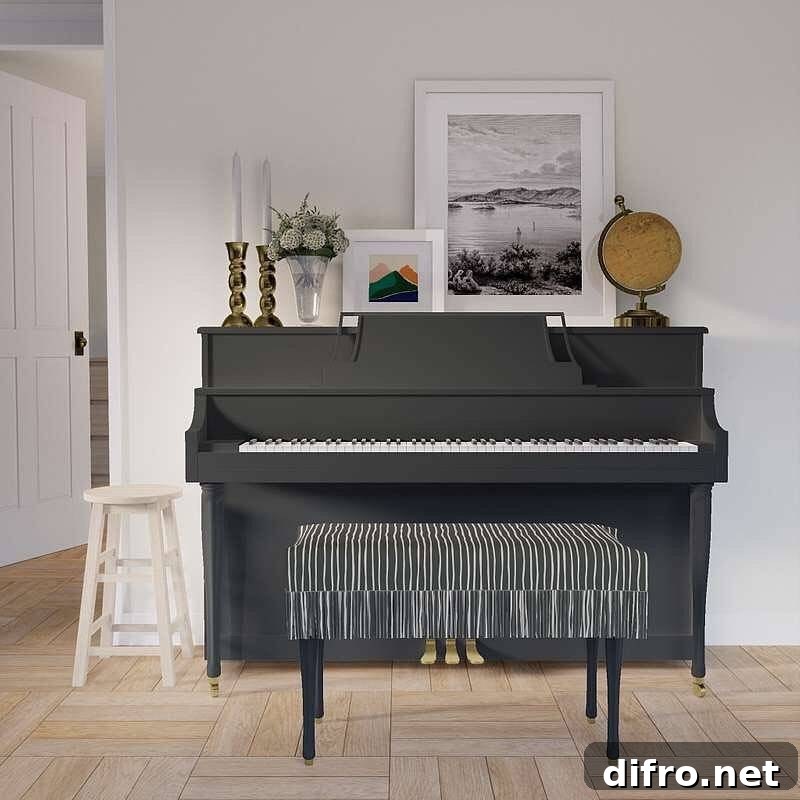
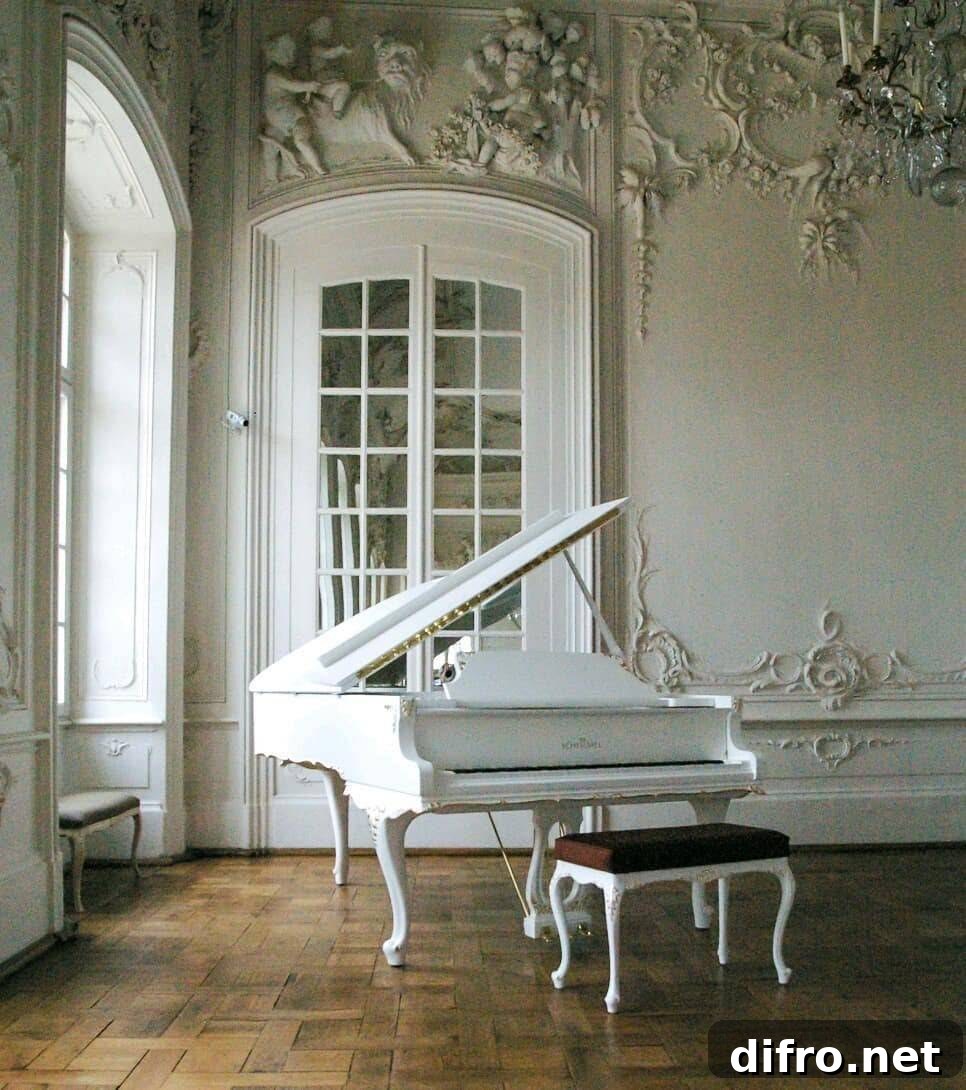
Black or white piano for contrast
A black piano brings an elegant and sophisticated presence to a room, especially against lighter walls or minimal tile floors. A white piano can feel fresh and refined in vintage-inspired or bright, airy interiors. Choose finish and color to complement existing decor rather than clash with it.
Harmonize surrounding furniture
Balance the piano with complementary furnishings: a contrasting sofa, a few plants, or sculptural lighting can create harmony and invite people to linger. Compose the room so seating faces the instrument for an intimate performance setup.
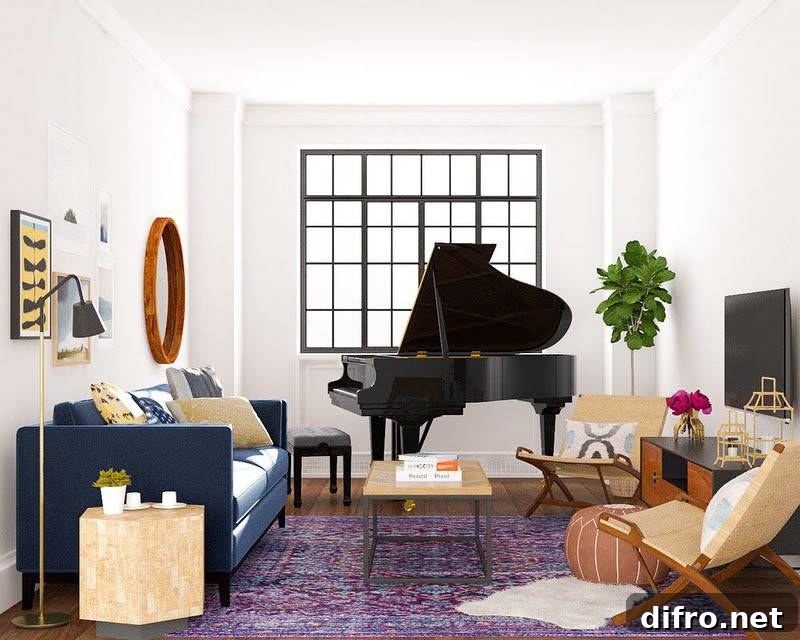
Anchor with a rug and lighting
A generous rug beneath the piano and a striking chandelier or pendant light overhead can define the performance area and make the setup feel intentional. Rugs also help with acoustics and protect floors from bench movement.
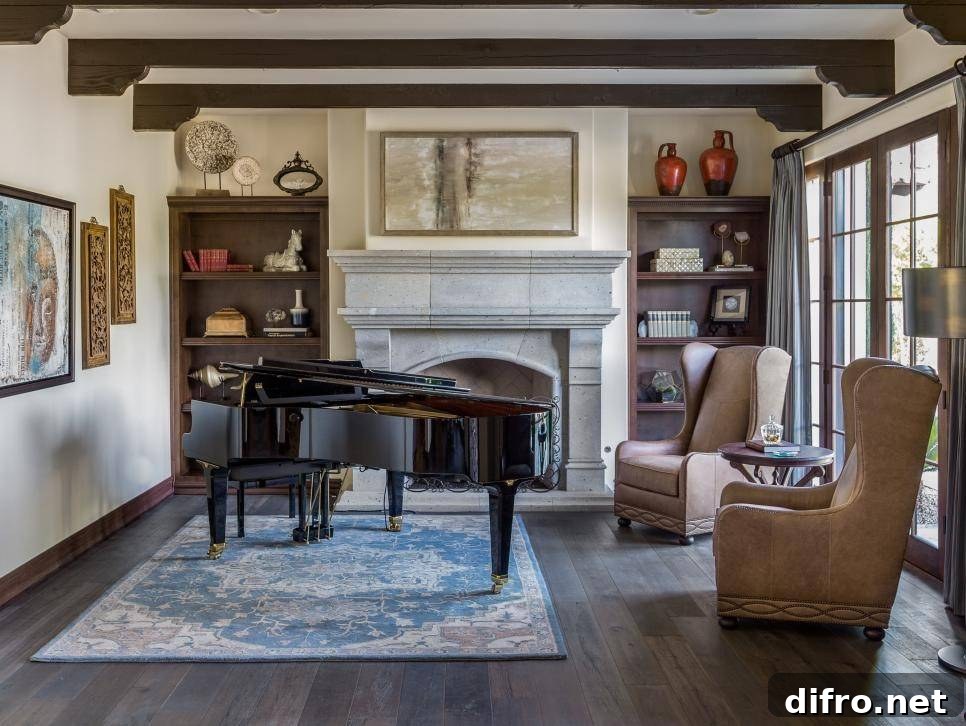
Position near a fireplace for warmth
Placing a piano beside a fireplace creates a cozy focal point for evenings and gatherings. Keep the instrument at a safe distance from direct heat, and use the fireplace as a complementary visual anchor rather than a heat source that could affect tuning or wood finish.
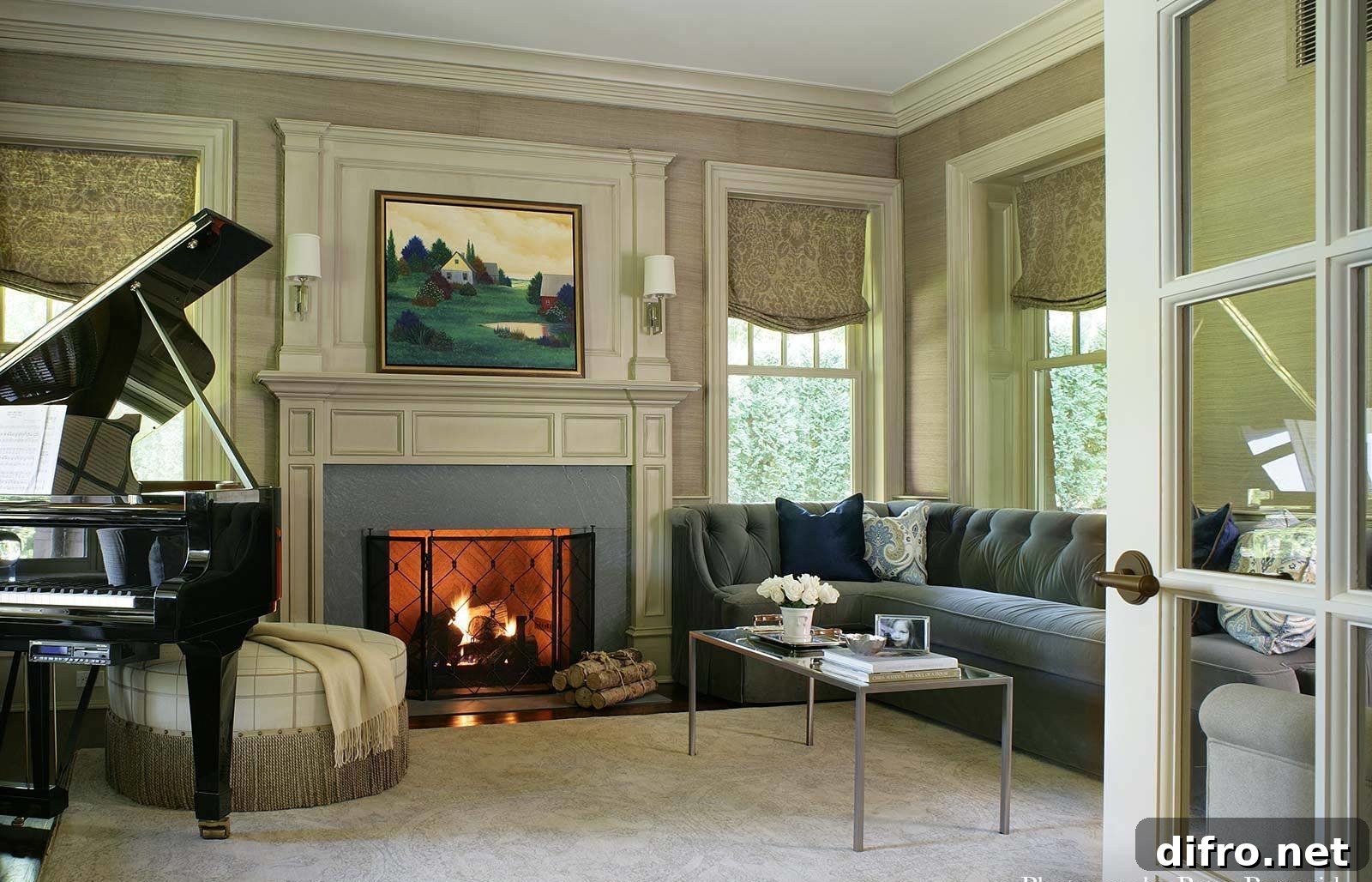
With a little planning — attention to light, color, scale and acoustics — your piano will not only sound beautiful but also enhance your home’s interior design. Use these ideas to find the placement and styling that best highlight your instrument and fit your lifestyle.