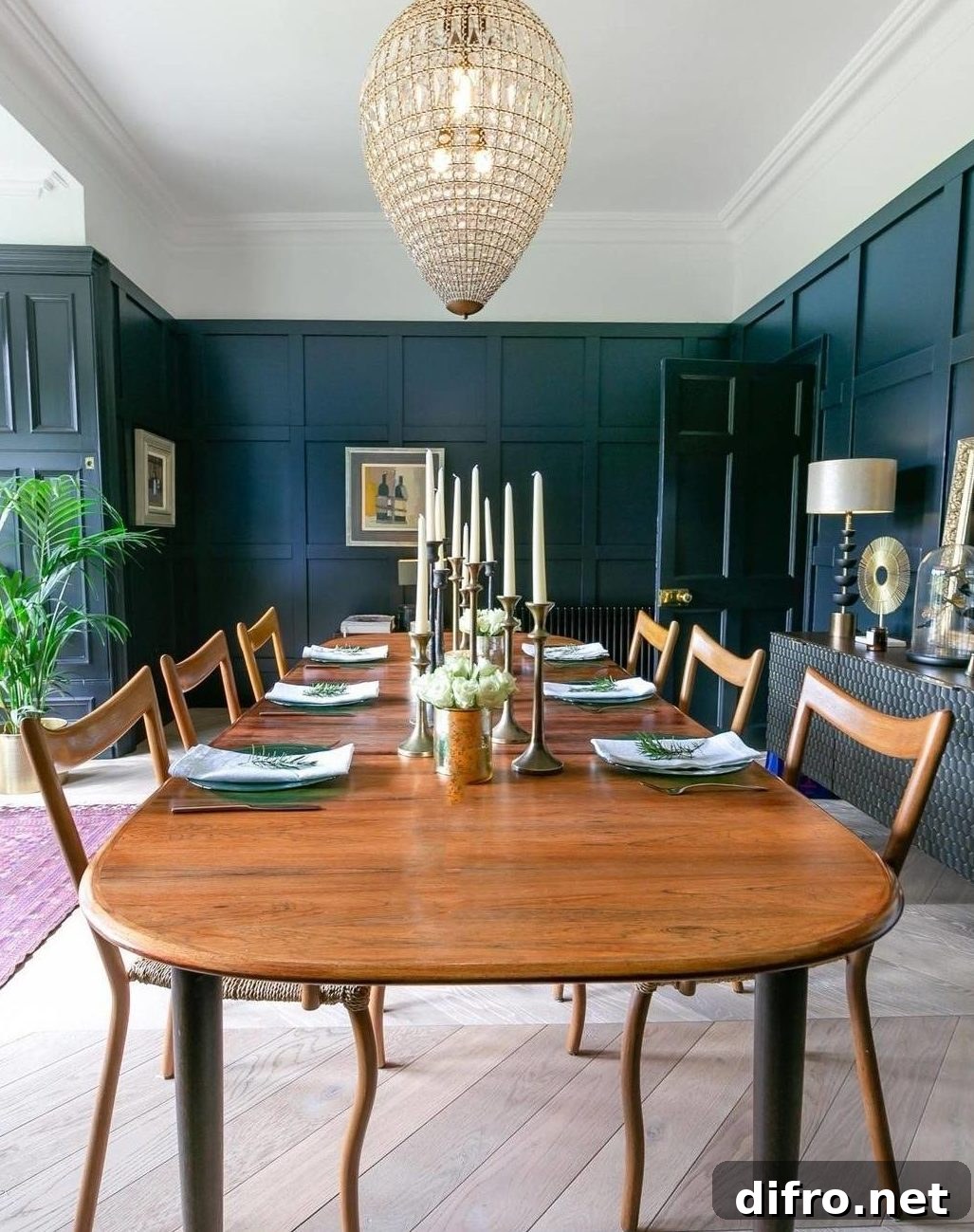
Choosing the right dining table can feel overwhelming with so many styles, sizes and materials available. Many tables combine function and beauty, which makes narrowing down the perfect option a challenge. To ensure you pick a dining table you’ll enjoy for years, focus on size, shape, material and how the table fits your lifestyle and décor.
The dining room is where family and friends gather, so your table should reflect both practical needs and your overall design aesthetic. Below are practical tips to guide your choice and help you create a welcoming, functional dining area.
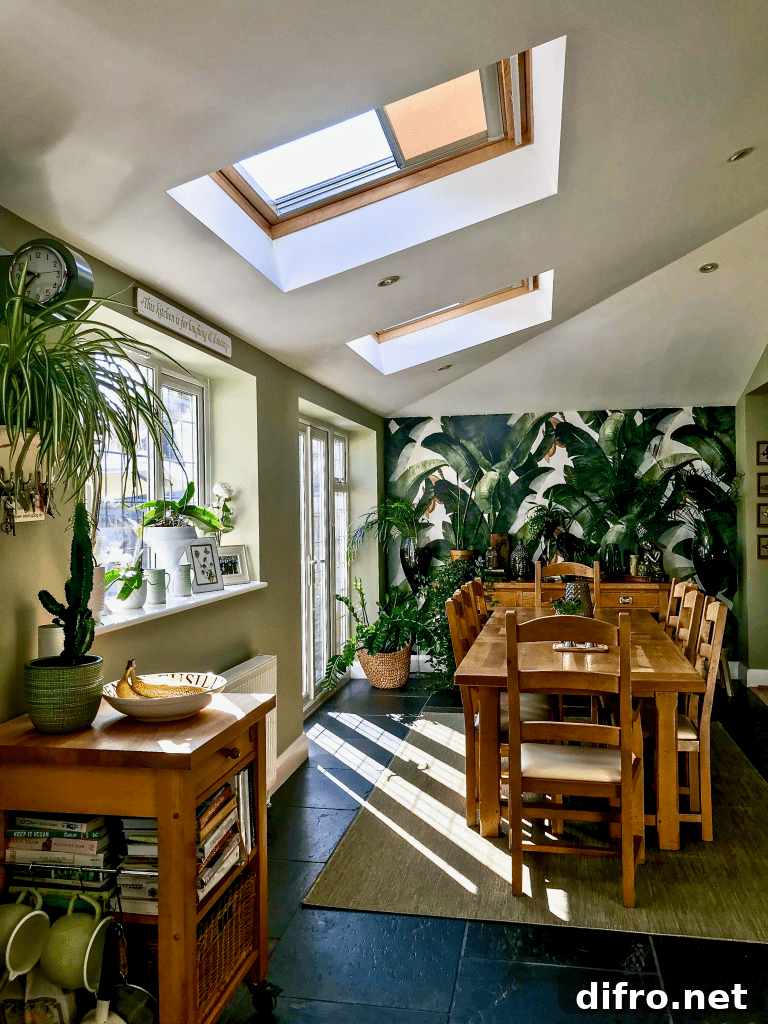
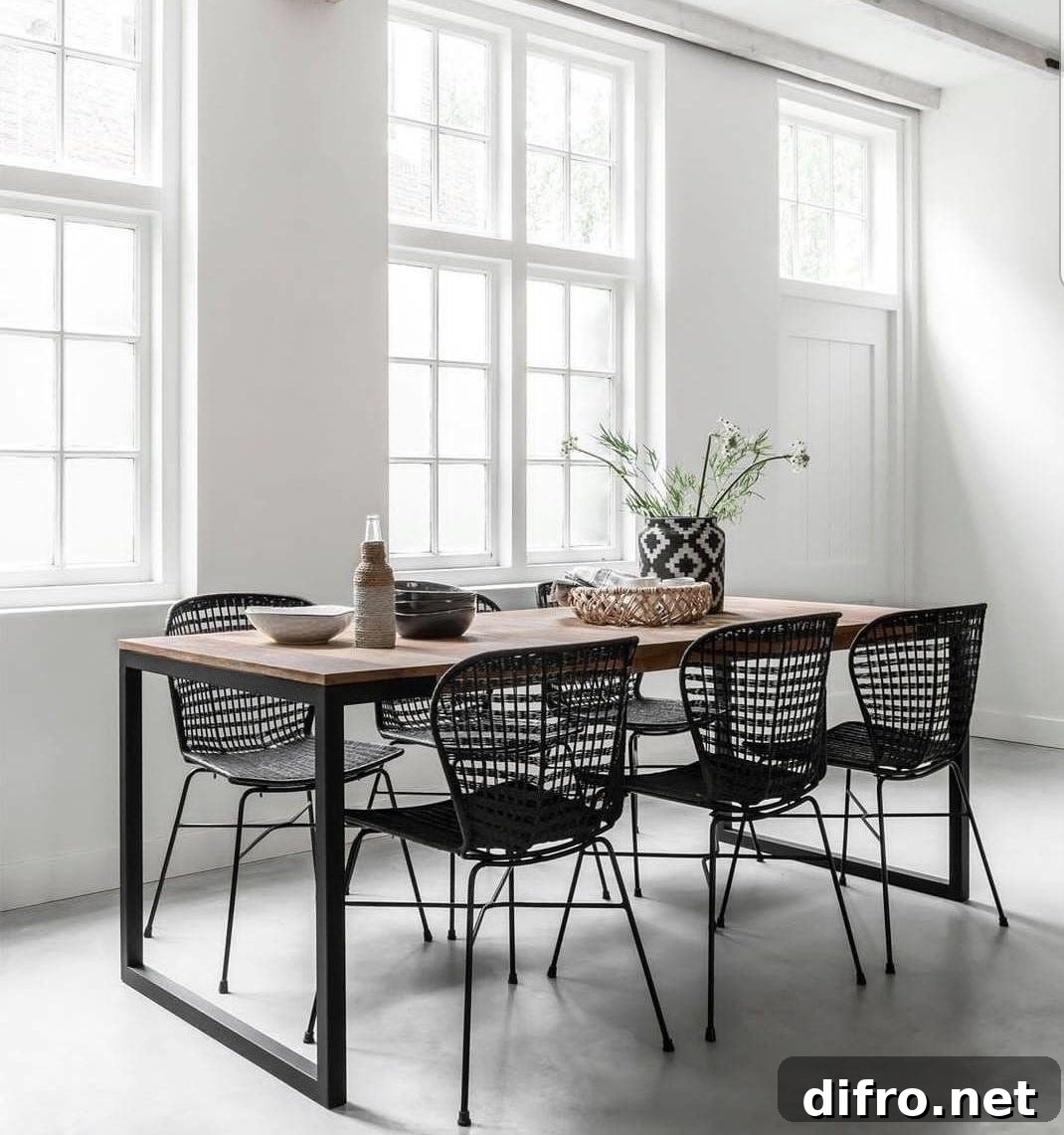
Before you buy, consider how you use the space. Do you host large dinners often, or is the dining area mainly for everyday meals? Will kids be using the table regularly? Answering these questions will clarify which features matter most: seating capacity, durability, easy maintenance, or a statement design.
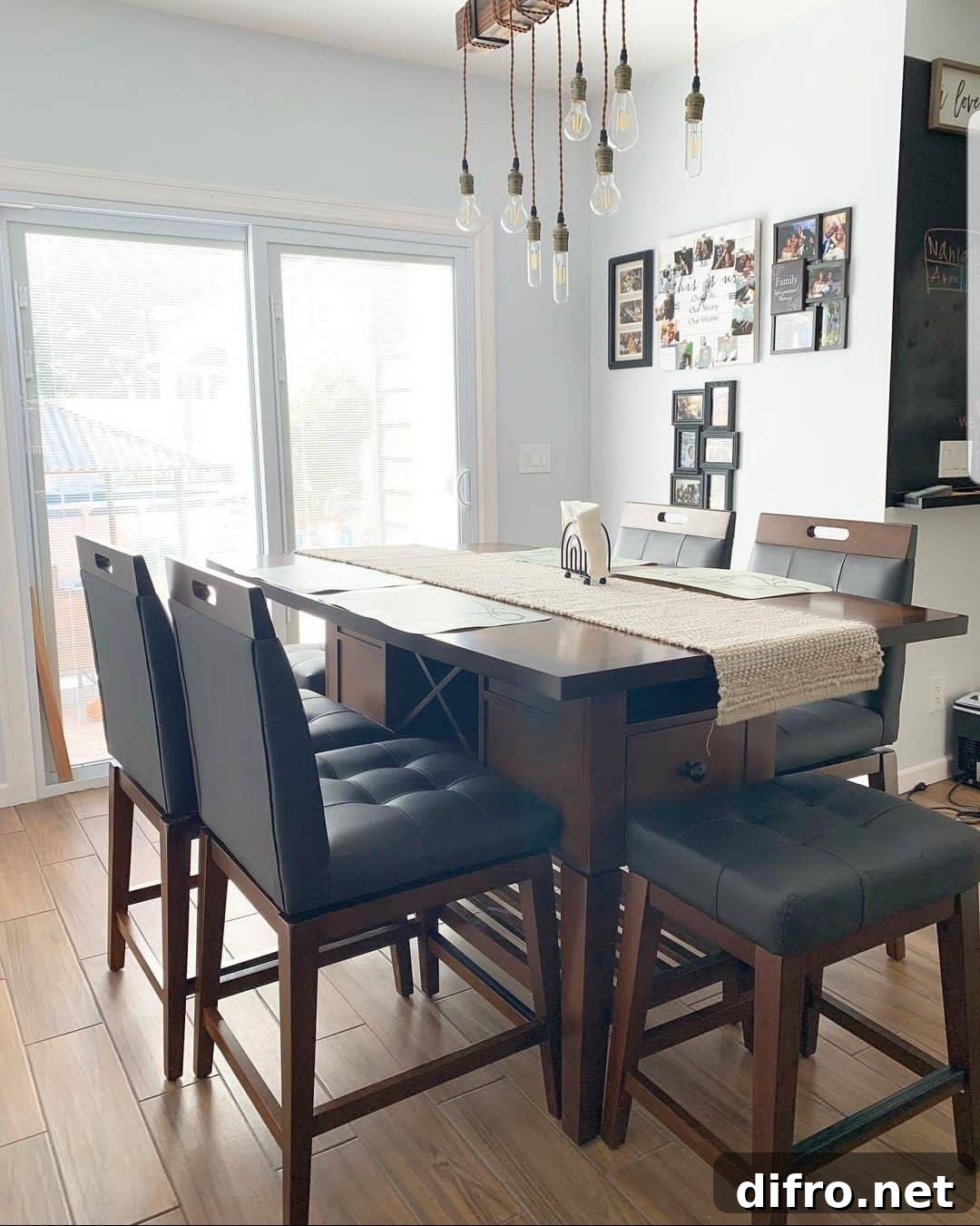
The measurements
Size is the first practical consideration. Measure your dining area before shopping, and remember two key factors: the room layout and how many people you want to seat comfortably. Allow adequate circulation around the table so chairs can be pulled out and people can move freely.
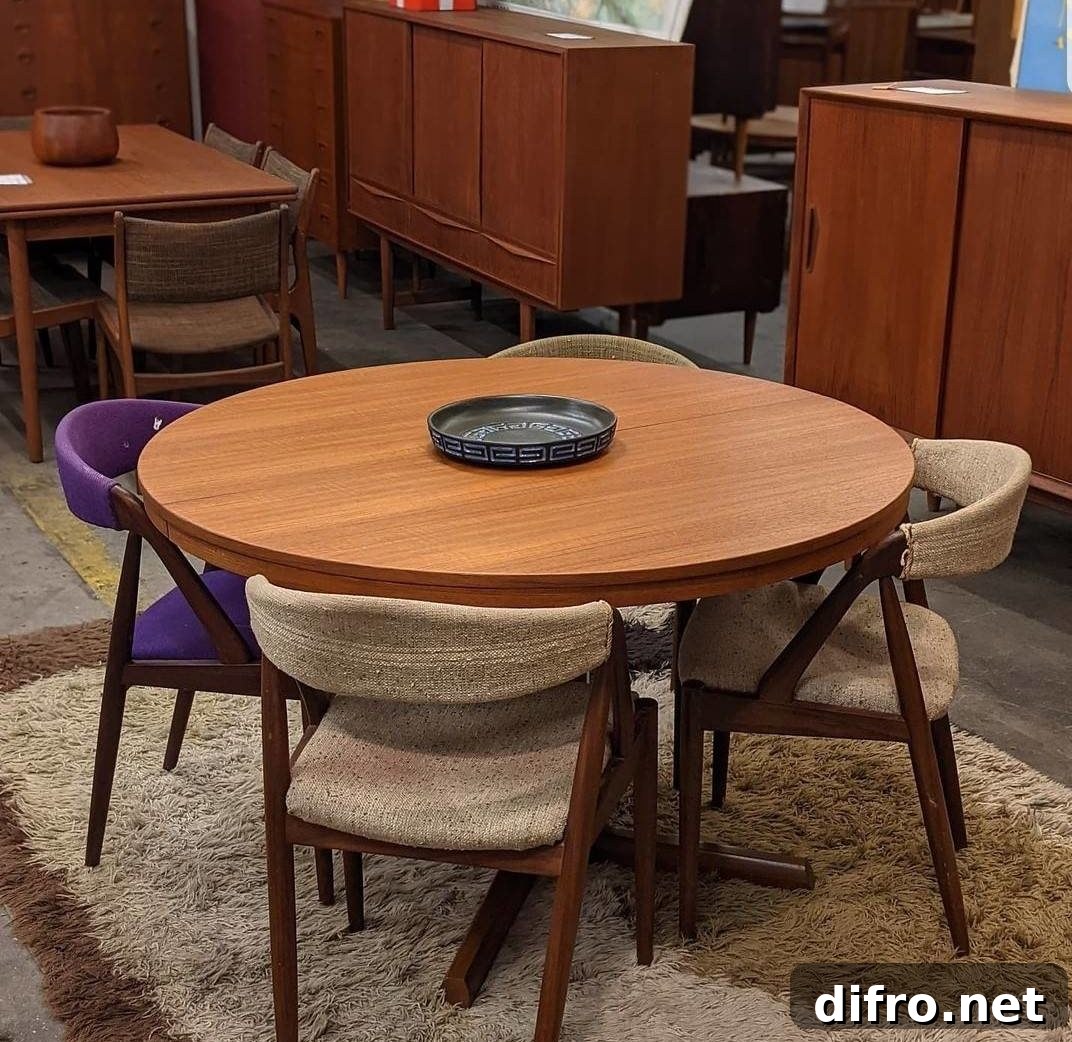
As a guideline, allow about 24 inches (60 cm) of table edge per person so each seat has enough elbow room. For example, a table for six typically needs to be at least 60 inches (150 cm) long and 30–35 inches (75–90 cm) wide. Also plan for at least 36 inches (90 cm) from the table edge to the nearest wall or furniture so chairs can be pulled out comfortably.
If you rarely entertain or mostly have two to three diners, a smaller table will be more appropriate and will help the room feel balanced. For multi-use spaces, consider a drop-leaf or extendable table that saves space daily and expands for guests.
The shape
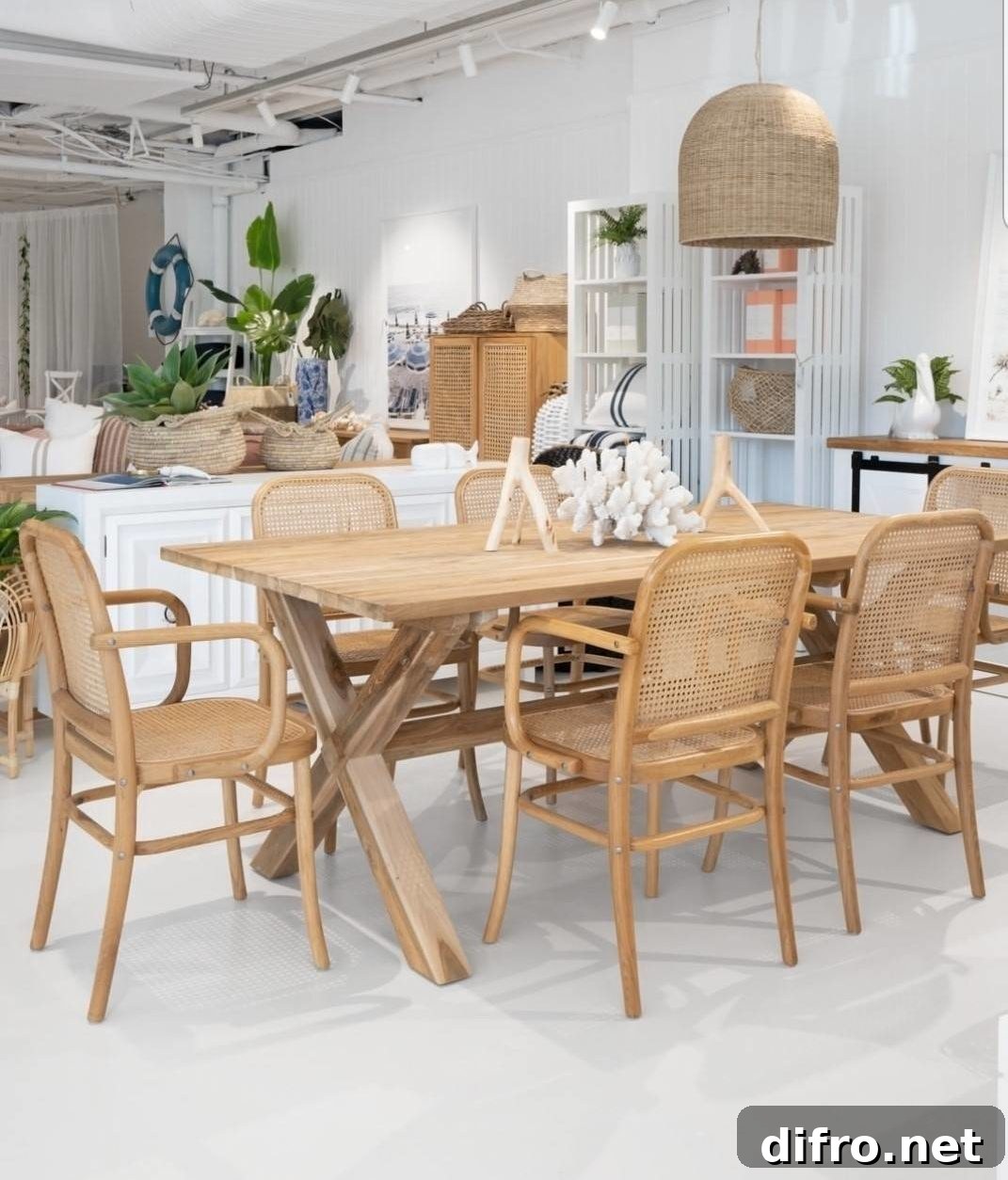
Shape affects both flow and seating arrangement. Rectangular tables are the most common because they provide efficient seating and suit longer rooms or open-plan spaces. They also pair well with benches or a mix of chairs for a flexible seating setup.
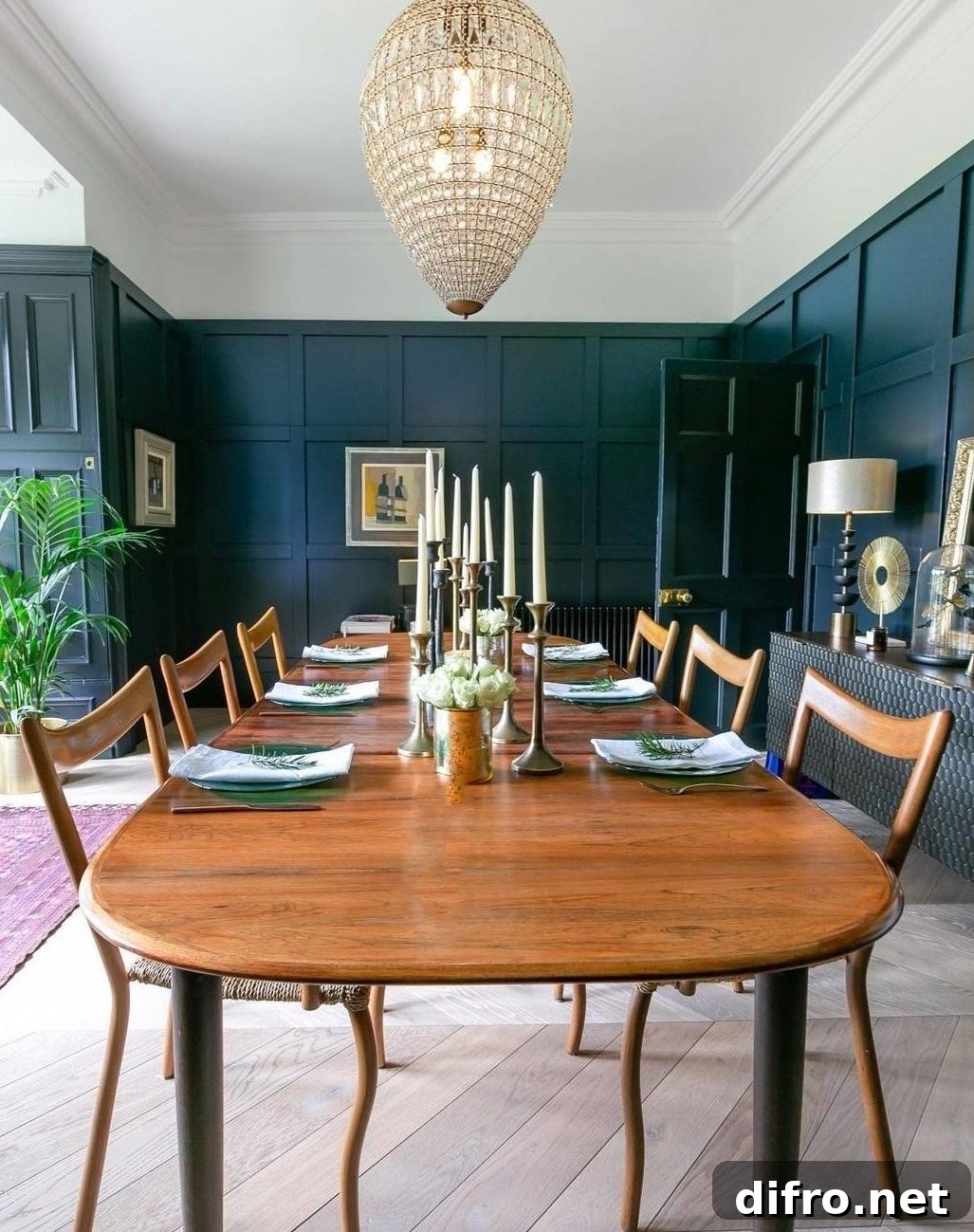
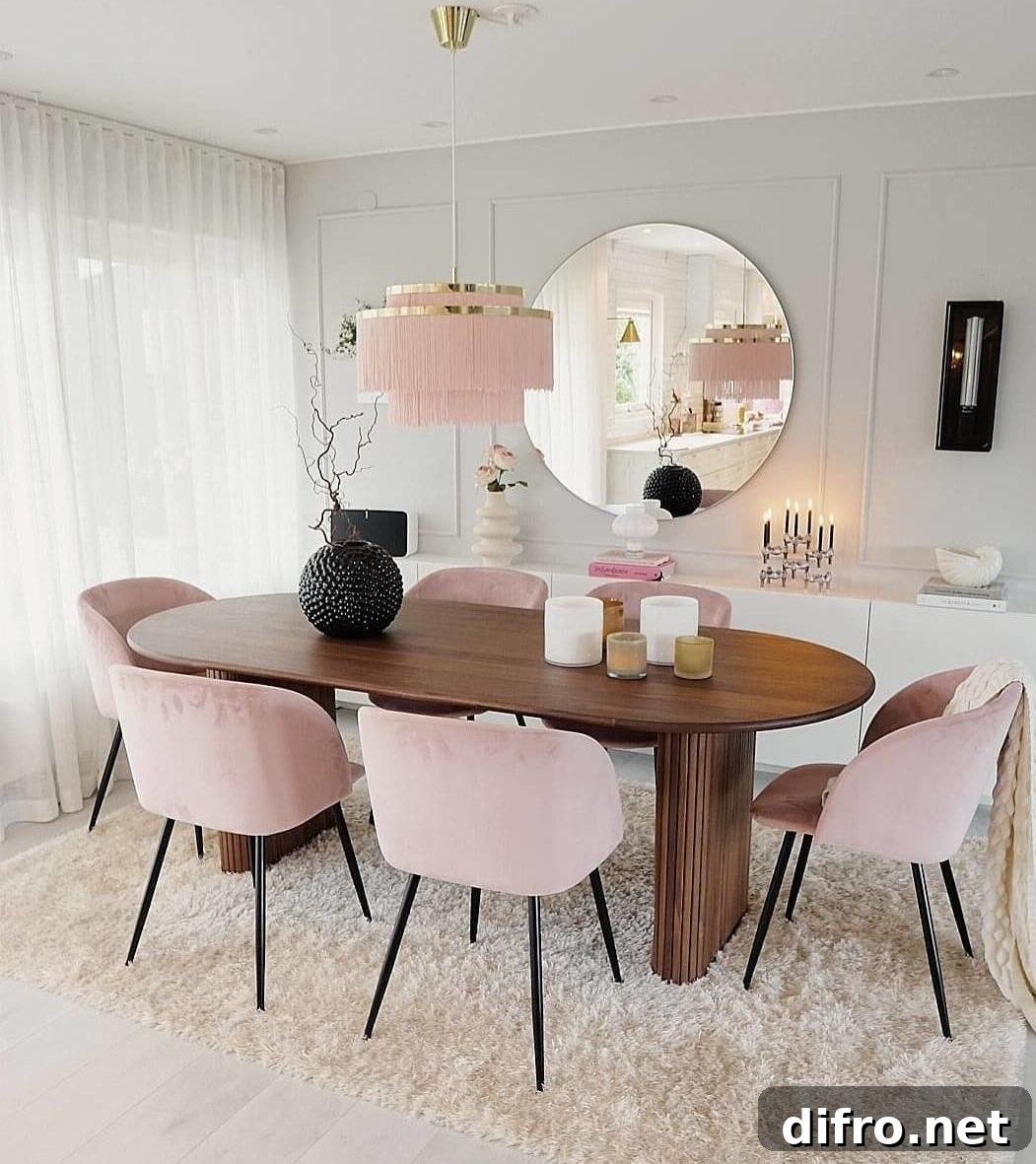
Oval tables soften lines in a room and work well in tighter spaces where a rectangular table would feel heavy. The rounded ends create a more intimate seating arrangement and make it easier to squeeze in an extra guest at the end.
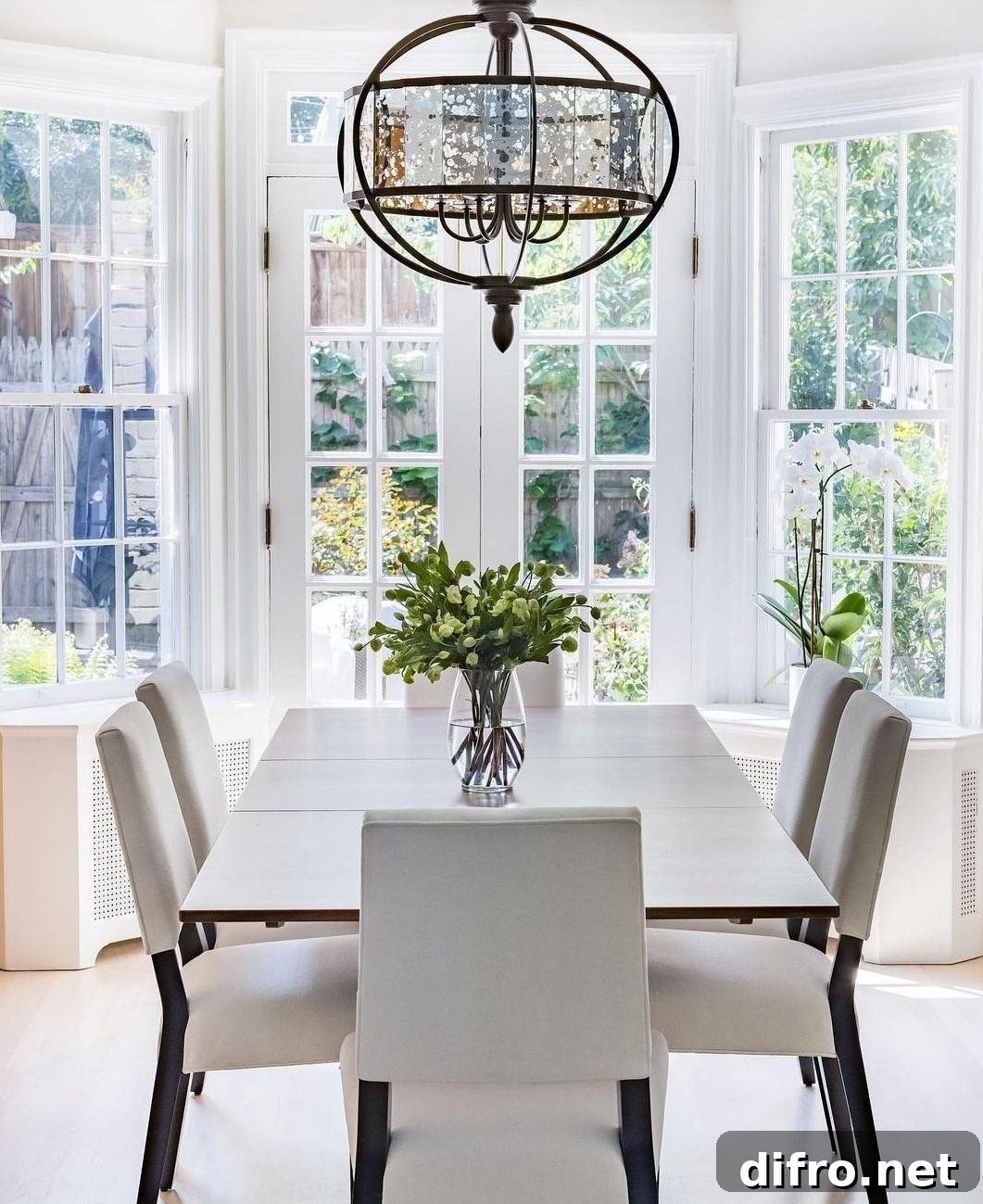
Round and square tables suit smaller dining rooms and promote conversation by keeping everyone within easy eye contact. Round tables eliminate sharp corners — a benefit in homes with children — and can be scaled with different diameters to fit small to medium spaces.
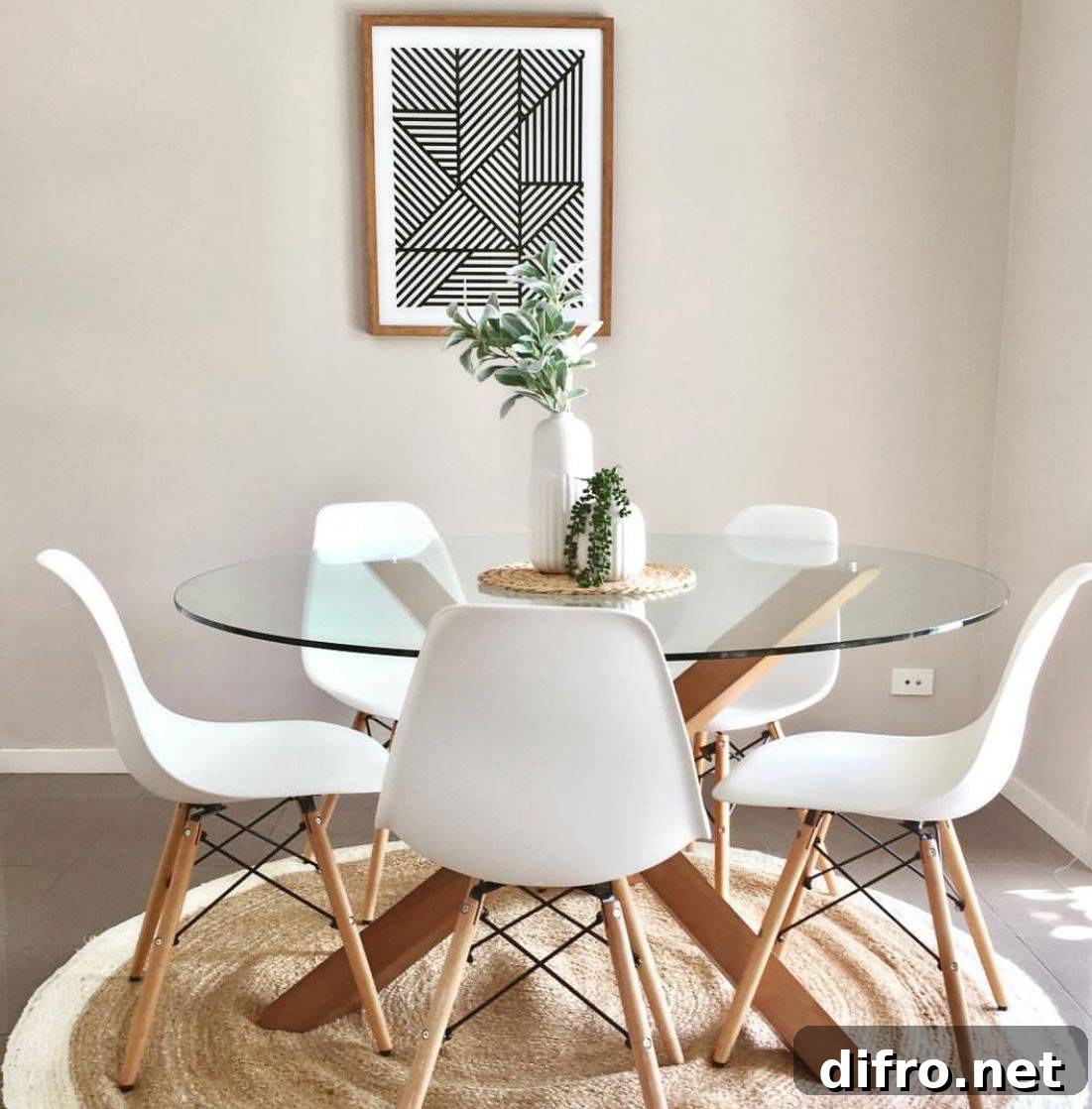
The materials
Material choices determine the table’s appearance, longevity and maintenance requirements. Match the material to your lifestyle and interior style: choose durable surfaces for families with kids, and refined finishes for formal dining settings.
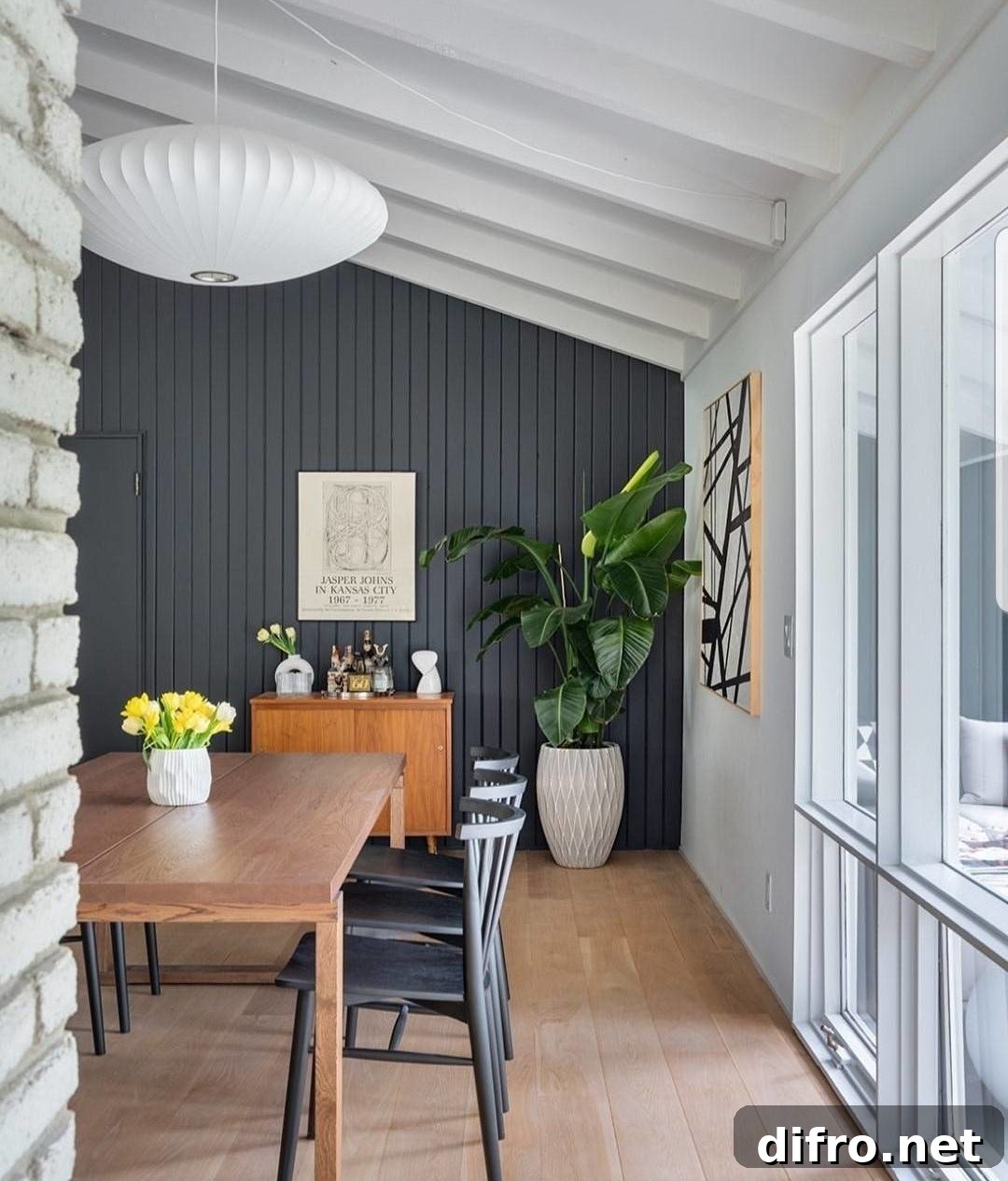
MDF (medium-density fiberboard) is a cost-effective, easy-to-clean option with a smooth finish that can be painted or veneered. It works well in contemporary interiors and for those who need an affordable, low-maintenance surface.
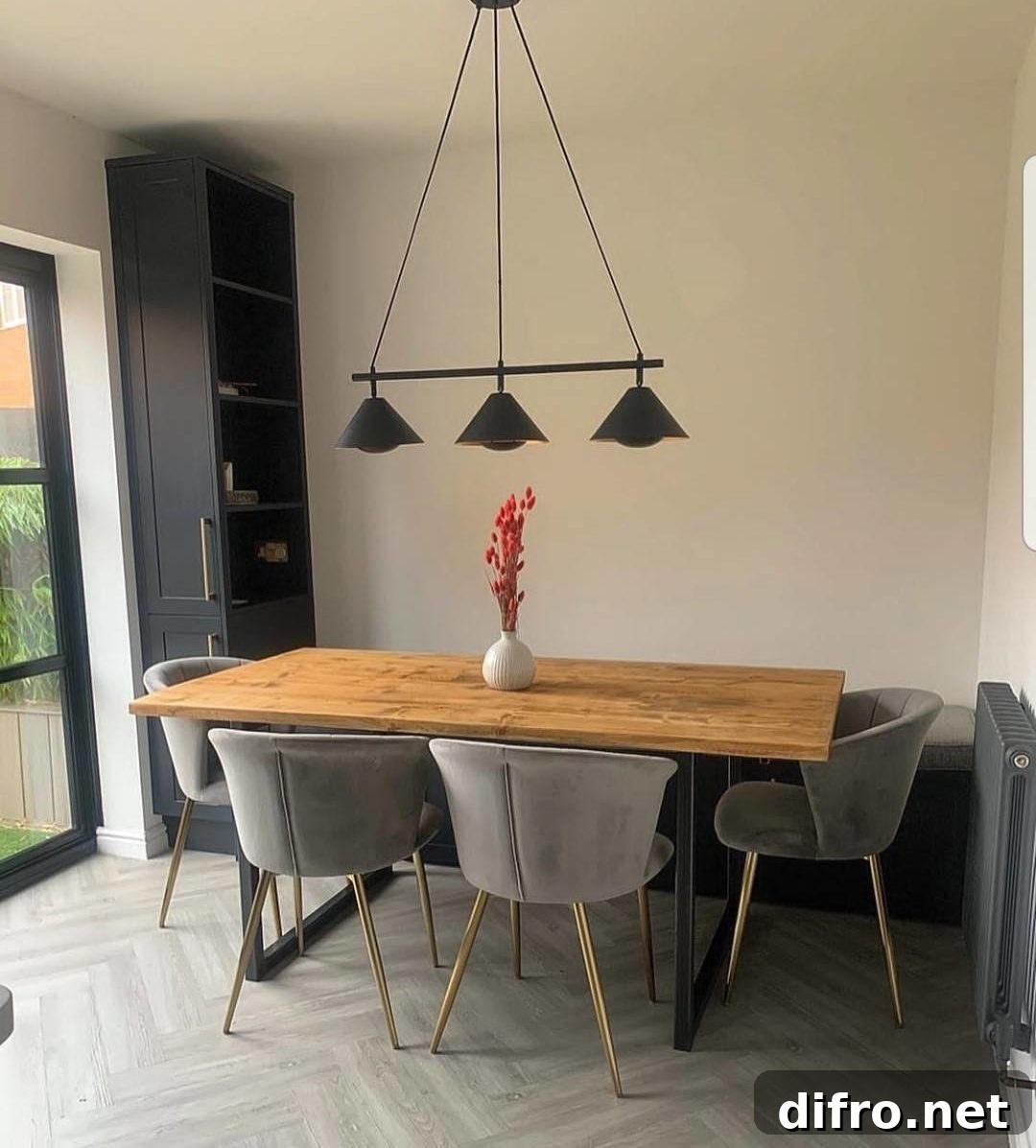
Solid wood brings warmth and durability. Hardwoods like oak, walnut and maple resist wear and can be refinished if scratched. Wood is forgiving for family use and supports many styles, from rustic to modern. Consider grain, color and finish when pairing a wood table with your chairs and flooring.
Tempered glass tops create an airy, modern look and are easy to clean; choose thicker glass for durability and check the base for sturdy support. Metal tables or metal bases bring industrial character and excellent strength, while leatherette or upholstered tabletops can introduce softer texture for a contemporary dining scheme.
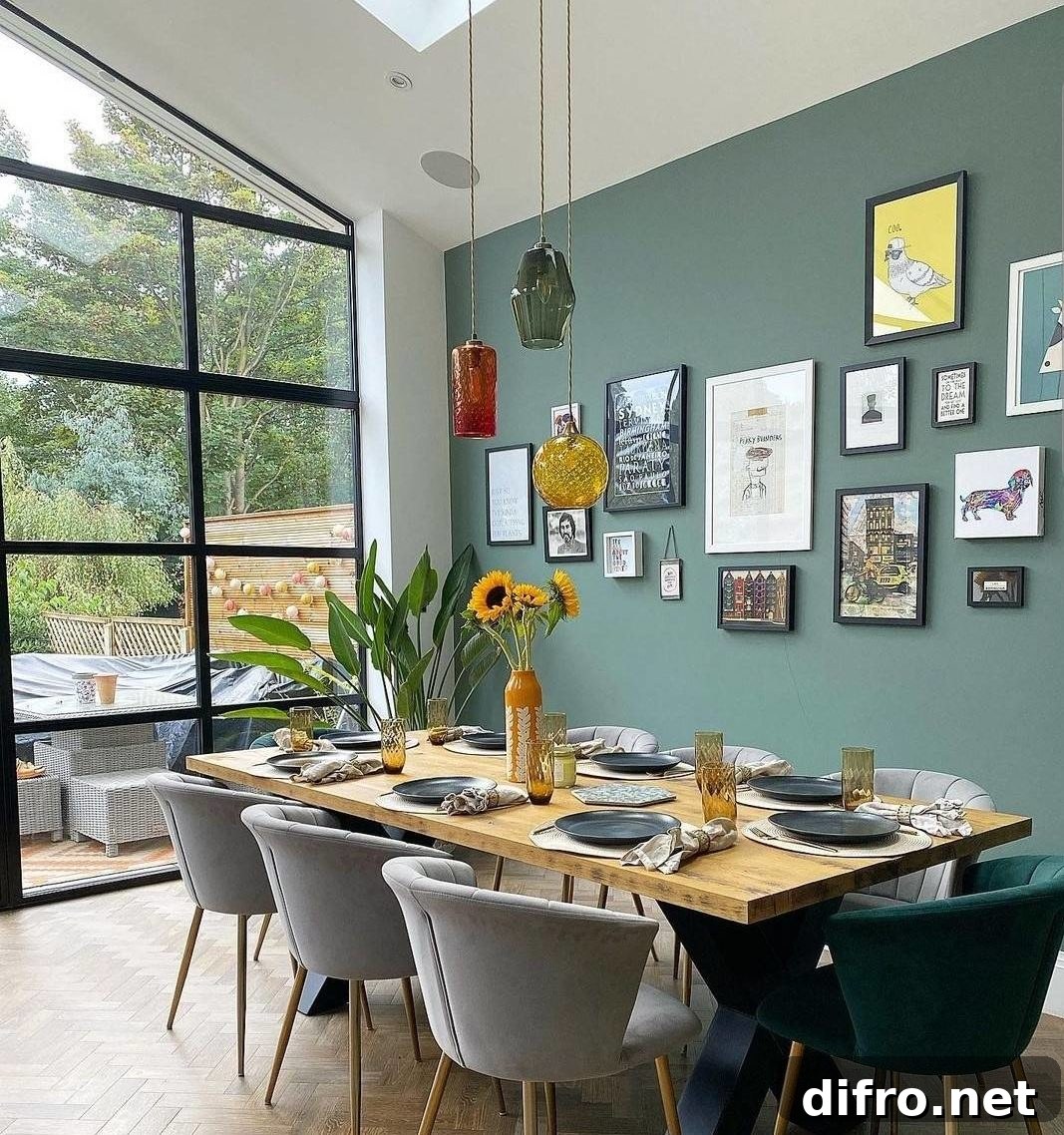
When choosing materials, weigh durability against maintenance. Wood and metal age well and can be repaired; glass resists stains but can chip; MDF is budget-friendly but less robust long-term. For households with young children, prioritize hard-wearing finishes and rounded edges.
Finally, coordinate the table with your chairs, lighting and room scale. The right table height (standard dining height is roughly 28–30 inches or 71–76 cm) and comfortable legroom will make meals more enjoyable. Think about storage needs, whether you prefer fixed seating or flexible arrangements, and whether an extendable top could add useful versatility.
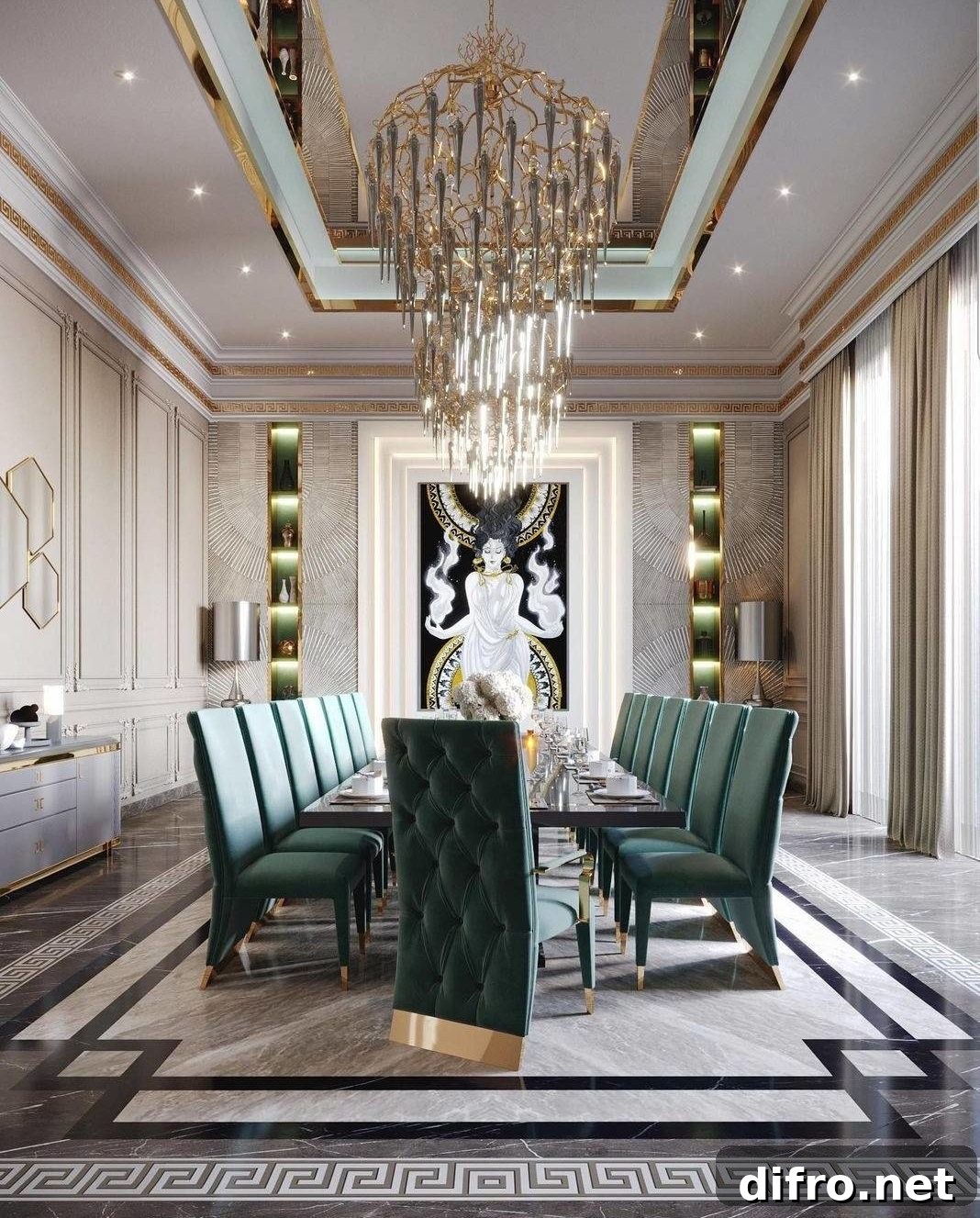
With careful measurements, a thoughtful choice of shape and the right material, you can select a dining table that complements your home and serves your daily needs. Consider longevity, comfort and how the table will be used to ensure your dining room becomes a welcoming place for meals and memories.