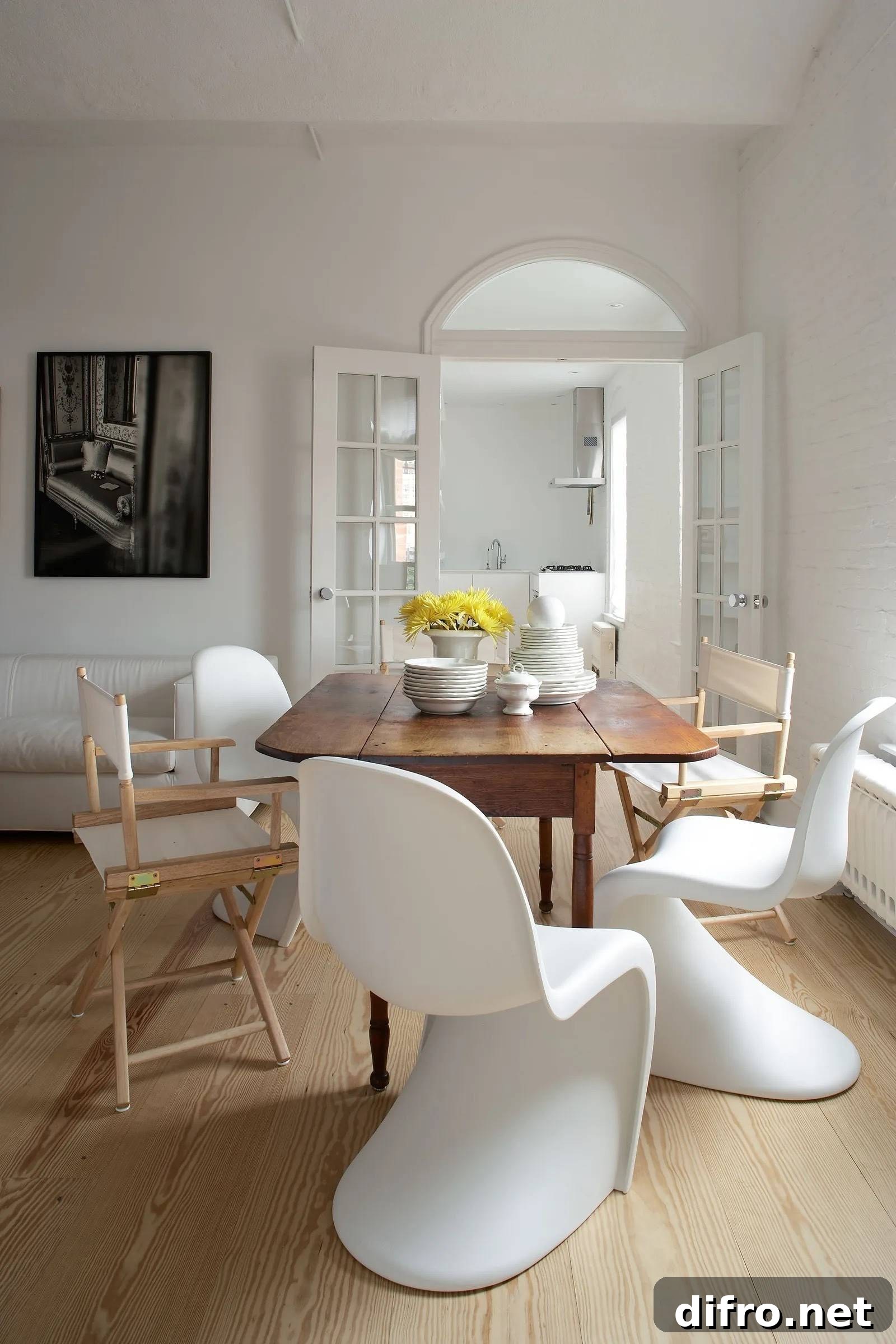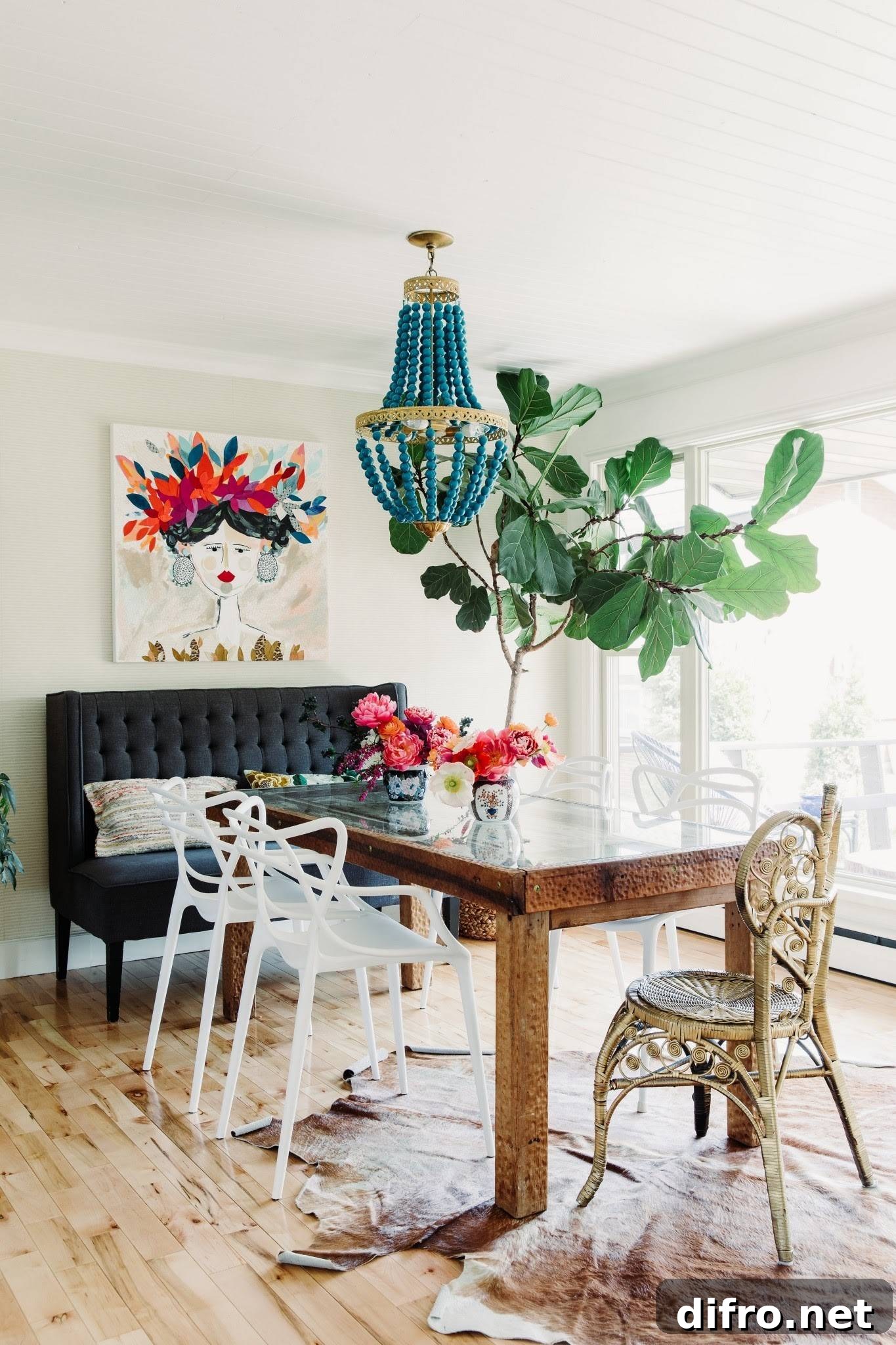
Choosing chairs for your dining room is an opportunity to introduce personality, texture and visual interest. You don’t need a matching set—mixing different styles, eras and colors can create a curated, welcoming look when done thoughtfully.
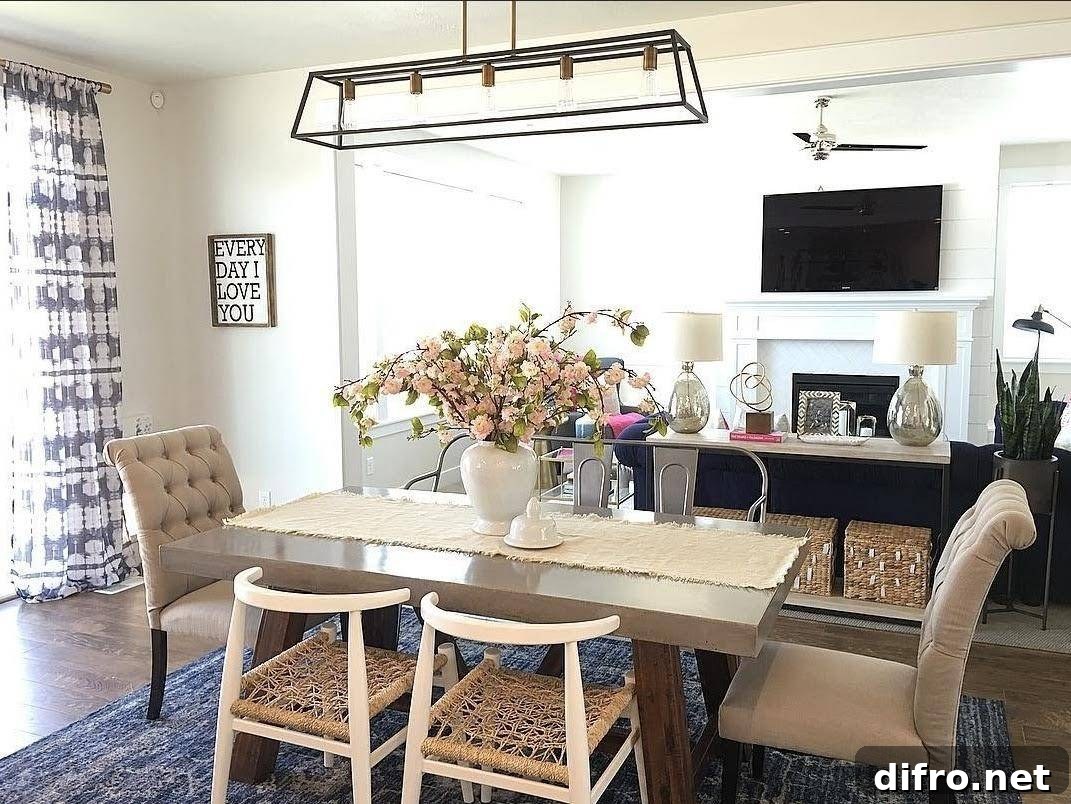
Mismatched dining chairs are a simple, affordable way to reflect your design sensibility. You can mix high-end designer pieces with thrift-store finds, or pair a modern form with vintage wooden seats. When assembled with intention, a variety of chairs will look cohesive rather than chaotic.
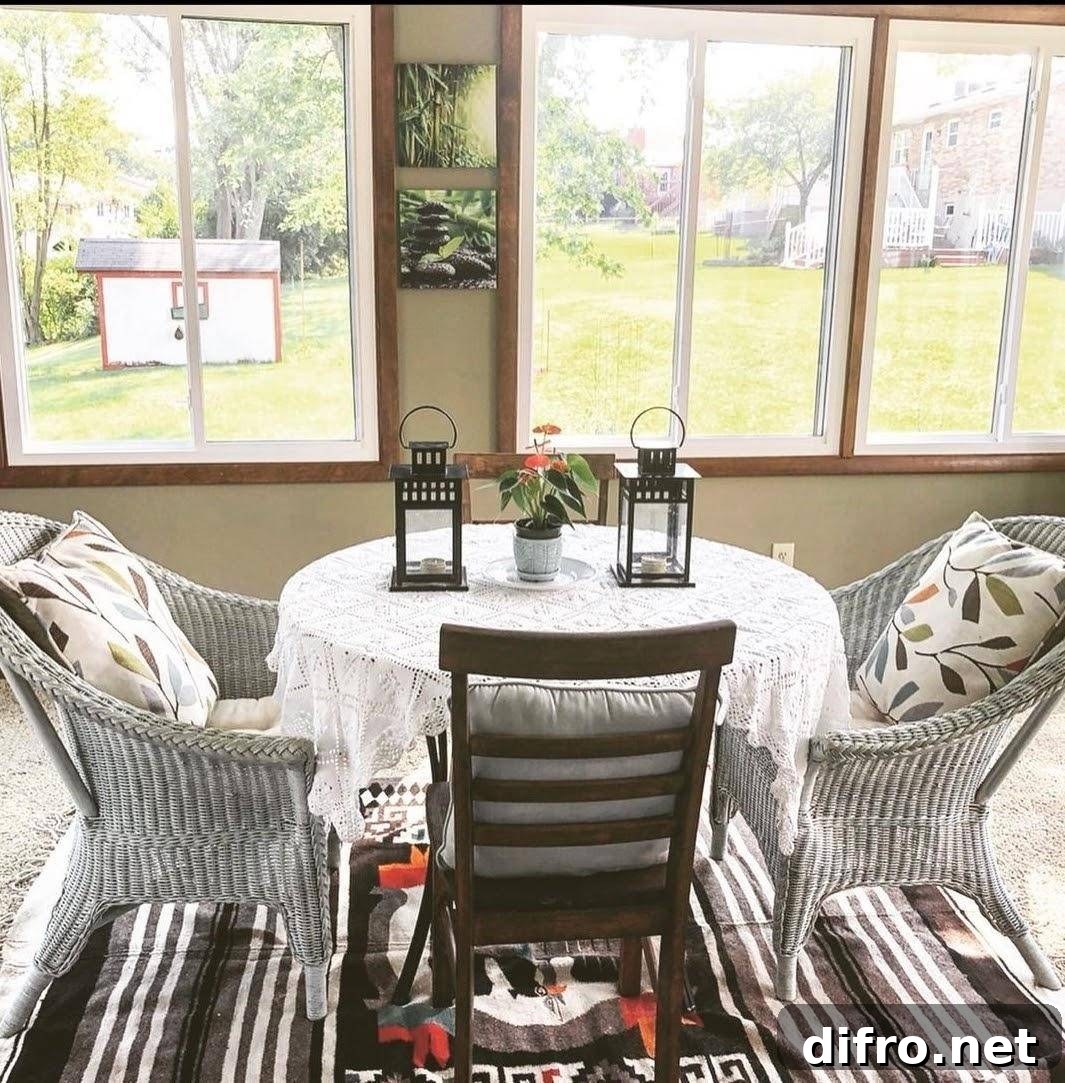
There is an art to arranging mismatched chairs so they feel purposeful. Below are practical guidelines to help you achieve a balanced, stylish dining area.
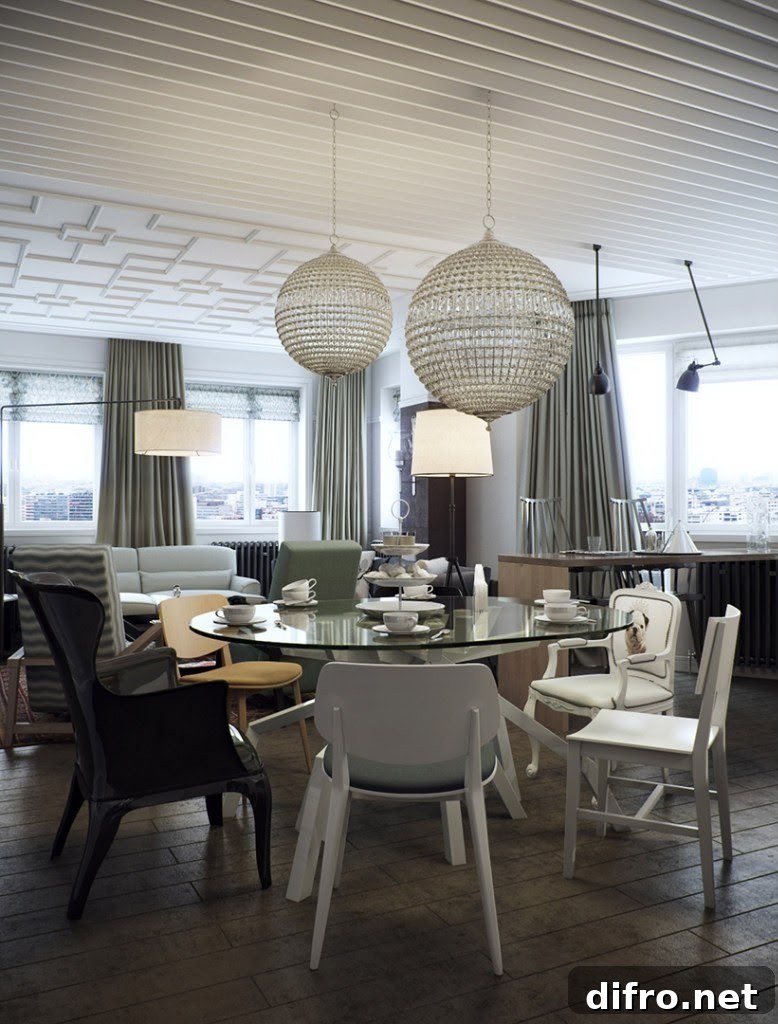
Make a plain room come alive
If your dining space feels bland or uninspired, mismatched chairs are an efficient way to add color, texture and character without a major overhaul. A mix of finishes—painted wood, natural oak, metal frames, or upholstered seats—can enliven the room and give each seat its own presence. This approach works in casual kitchens and formal dining rooms alike.
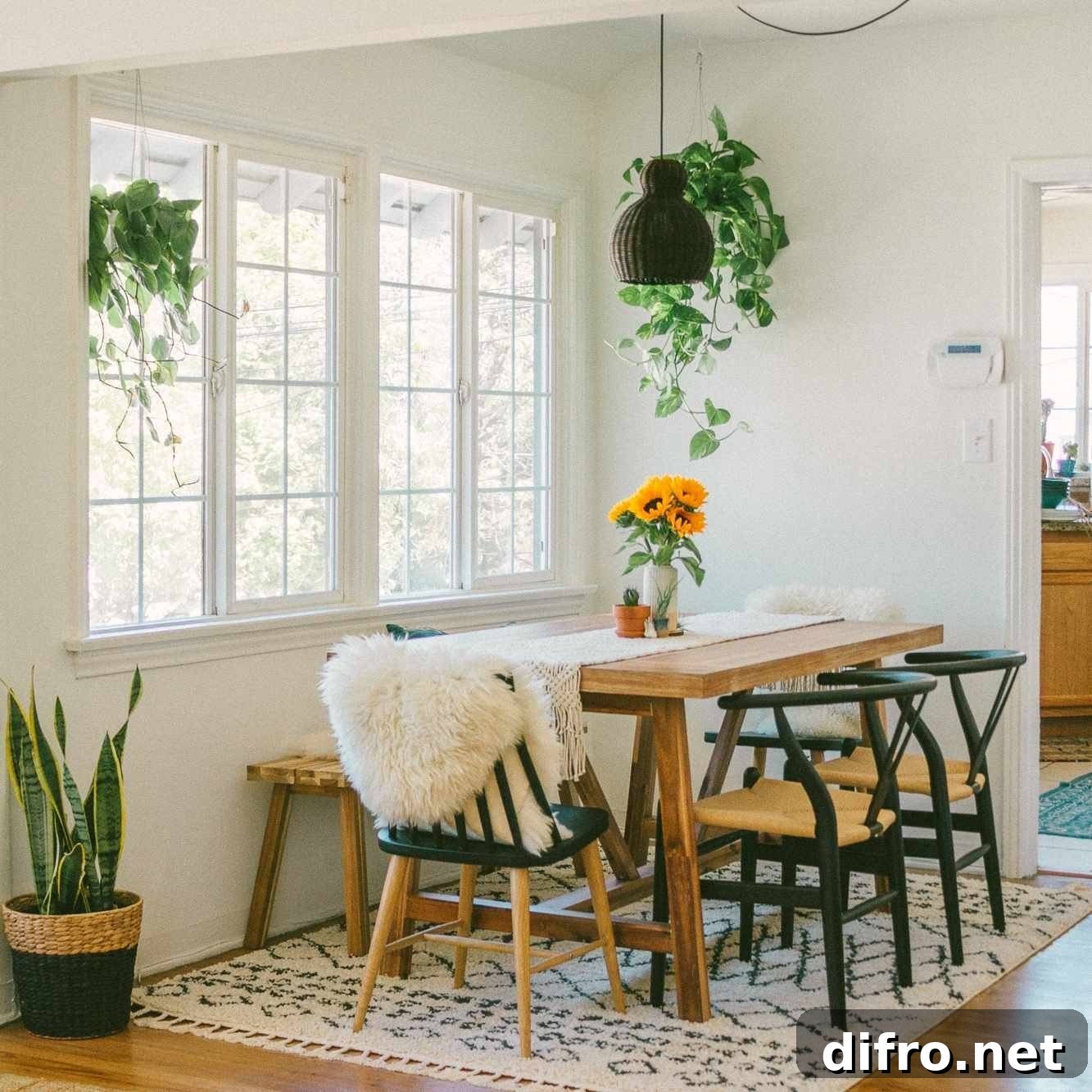
Watch seat height
One of the most important practical considerations is seat height. Chairs should be close in height so everyone sits comfortably at the table. Large height differences not only look awkward but can be uncomfortable during meals. Aim for chairs with similar seat-to-table clearance—most dining tables work best with chairs that keep the seat about 10–12 inches below the tabletop.
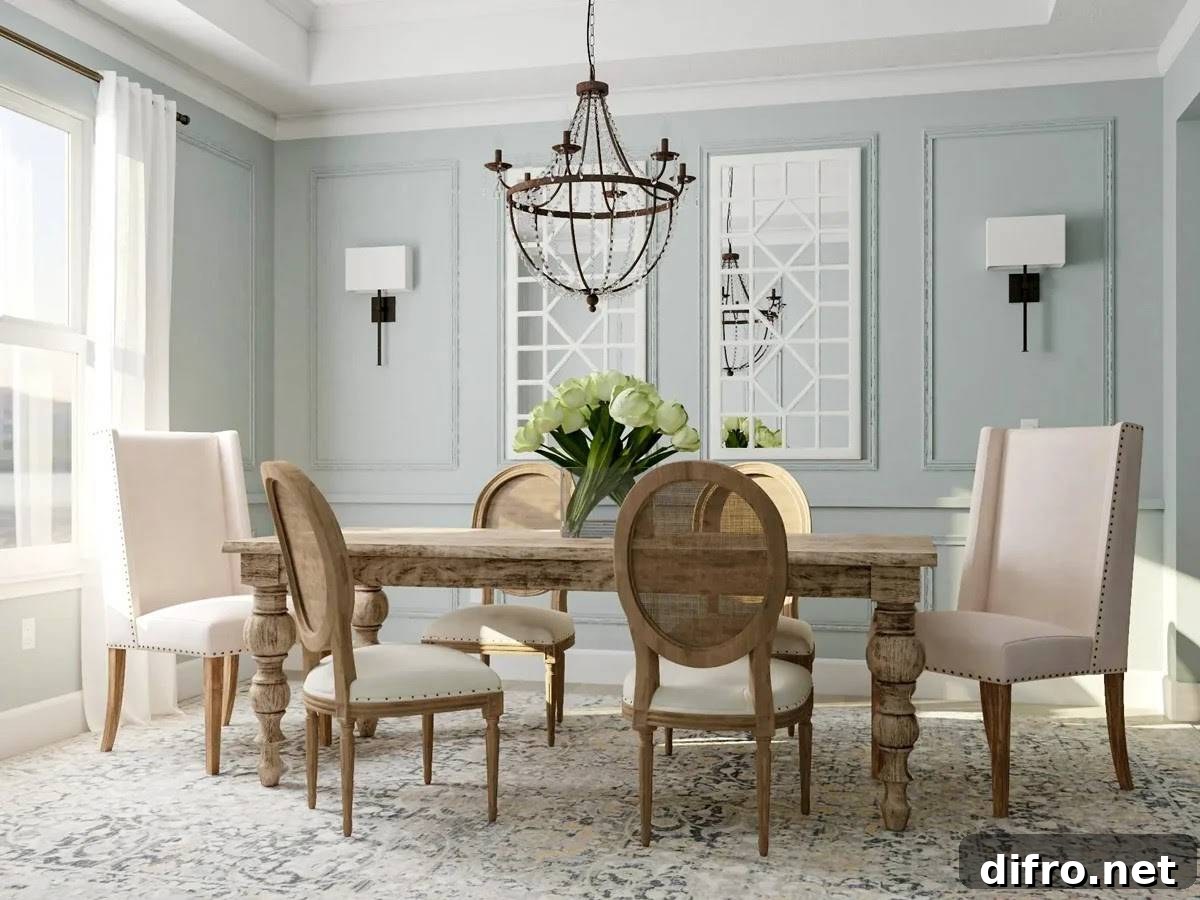
Use color consistently
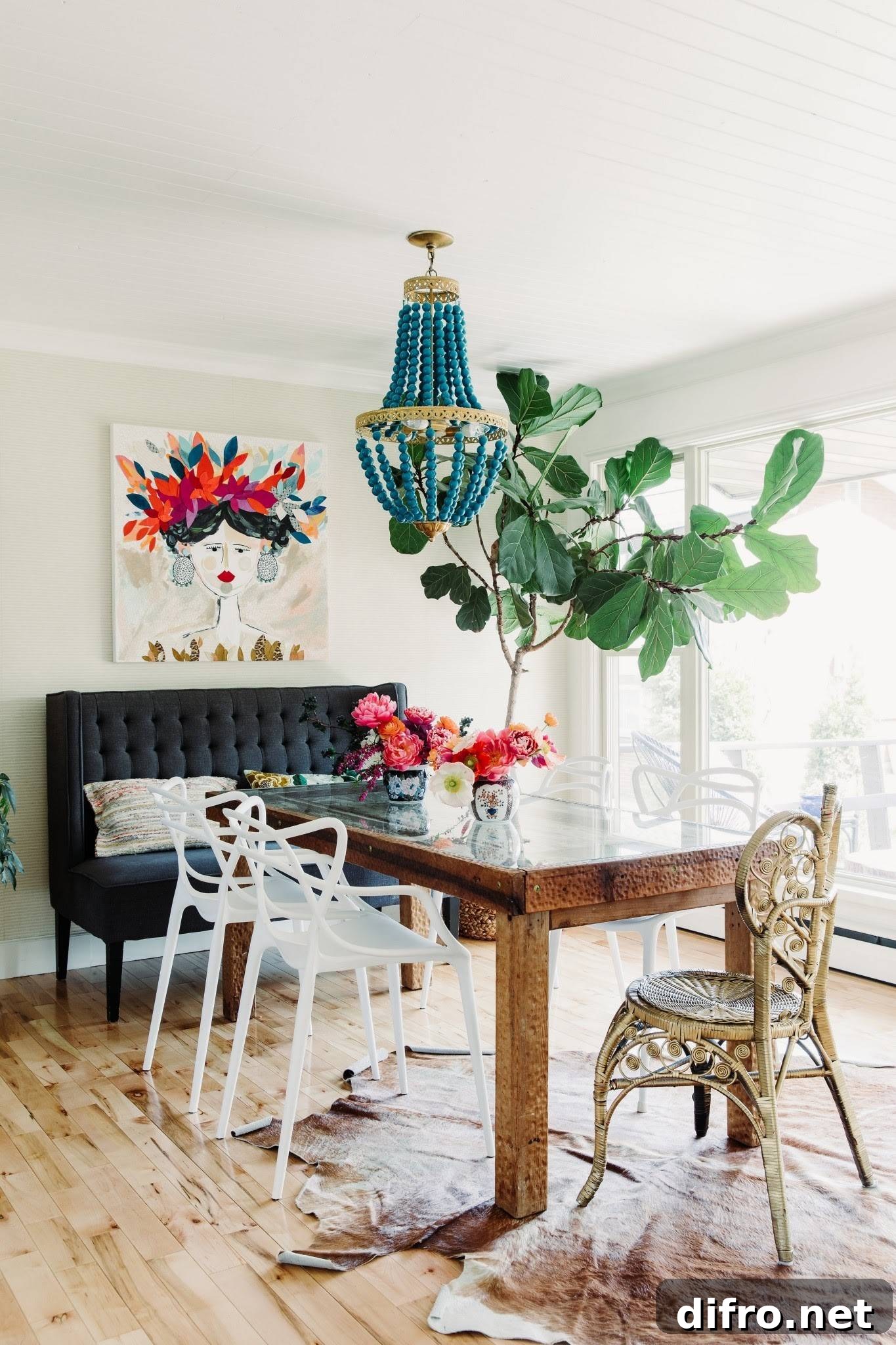
Color is a powerful tool for unifying disparate chair styles. You can choose one of two main strategies: keep the same chair design in many different colors for a playful, cohesive look; or select different chair designs and paint or upholster them within the same color family to create harmony. Either approach lets variety feel intentional rather than random.
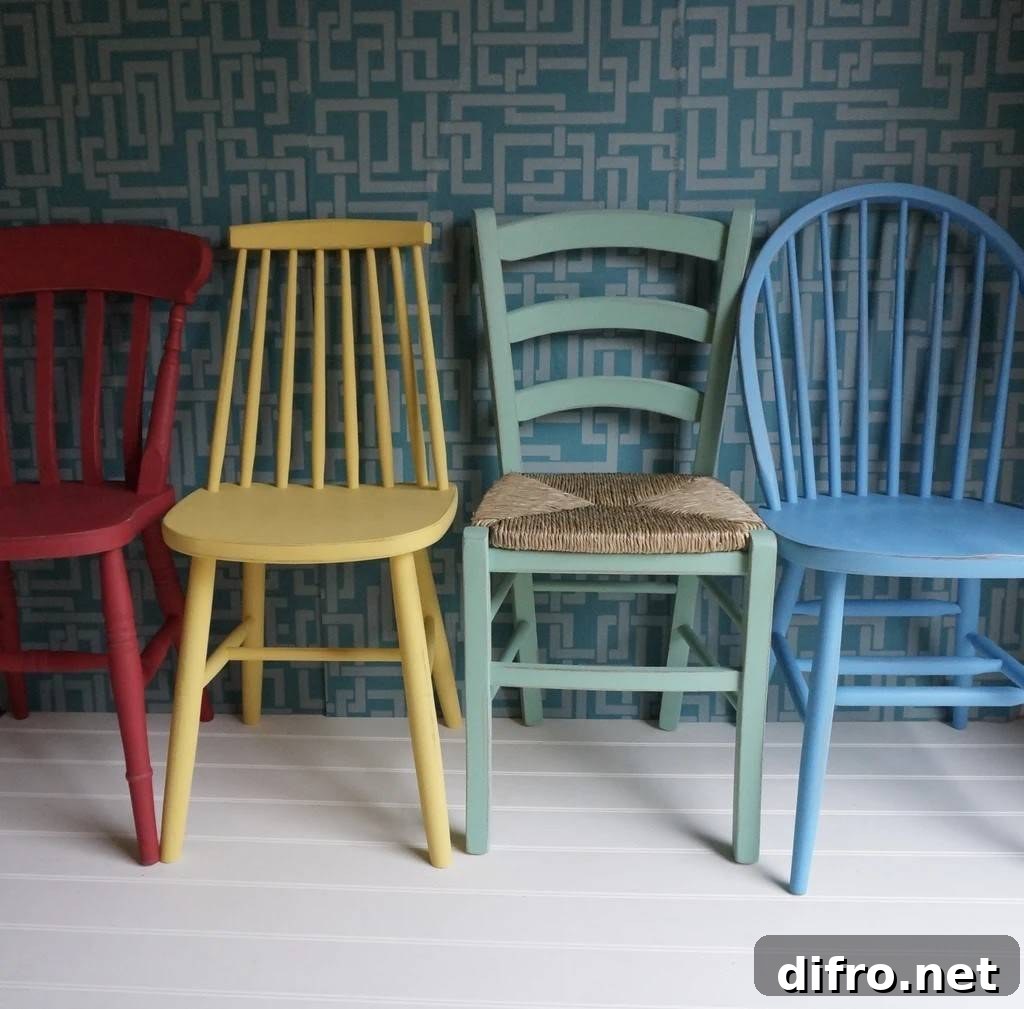
Mix eras and shapes with confidence
Combining chairs from different time periods and styles often works when the silhouettes or proportions echo one another. For example, pairing mid-century modern seats with classic wooden chairs can work if they share similar seat heights or complementary curves. The rule of pairs—using two or more chairs of the same type—helps maintain visual balance and rhythm around the table.
Choose a balanced contrast
Mixing old and new pieces can create an appealing contrast, but avoid overwhelming the room with too many competing elements. Select one or two standout chairs and anchor them with simpler companions. When possible, repeat a material or color elsewhere in the room—on cushions, a rug or tableware—to create cohesion.
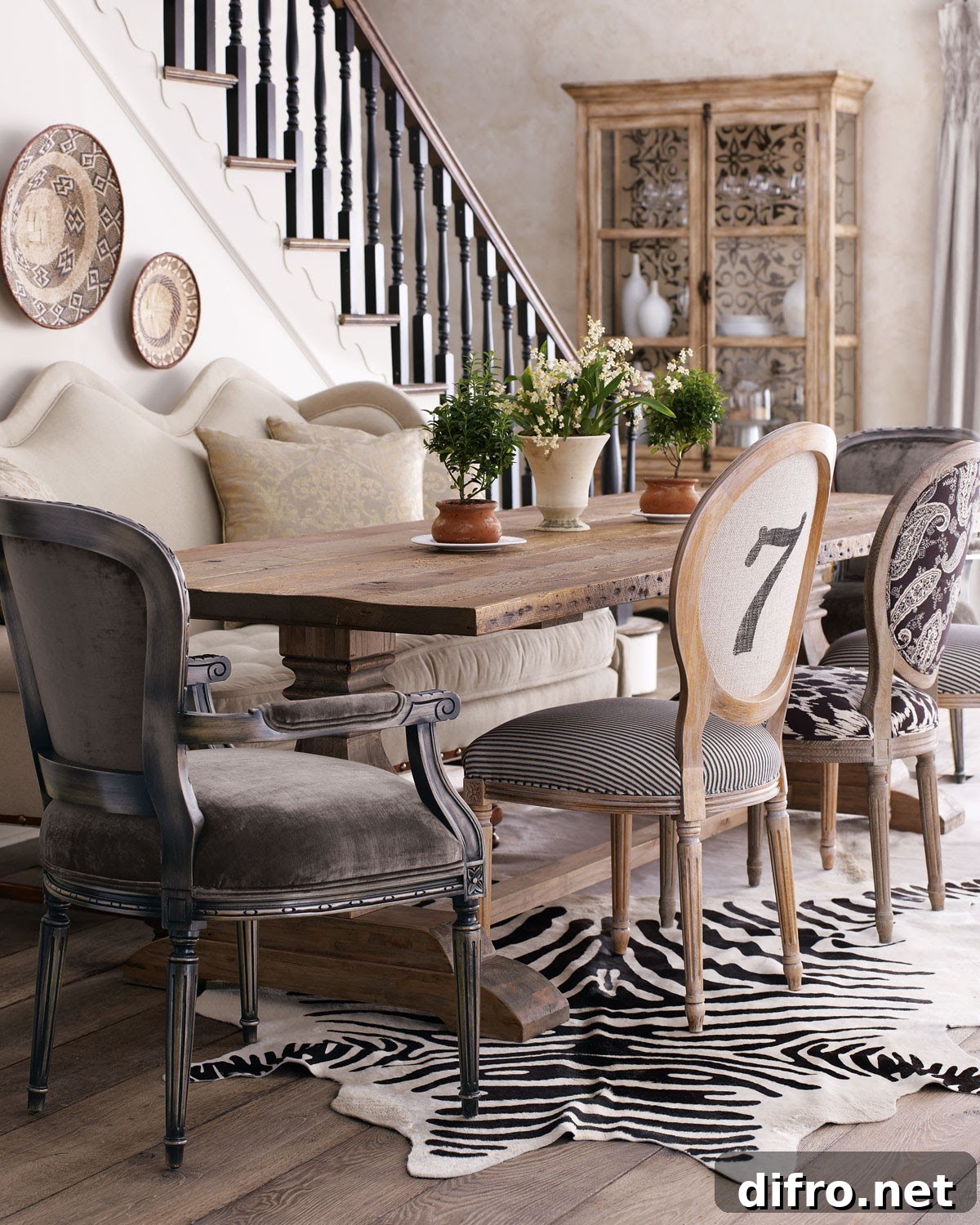
Finally, consider the shape and size of your table. Rectangular tables can accommodate alternating chairs; round tables often benefit from repeating two similar shapes to keep the visual flow. Trust your eye, start with one or two chairs you love, and build the look around them—mismatching done well creates a dining space that feels collected, personal and inviting.