The idea that fashion repeats itself is just as true in interior design. For years, rough wooden beams, stone walls and weathered finishes seemed out of fashion, replaced by plastered walls and polished surfaces. Recently, many homeowners have embraced a warmer, more natural look—pulling away from the slick urban aesthetic toward a cozy, rustic style. If you’ve always loved rustic decorating, now is a great moment to bring that character into your living room.
At the core of this revival is a desire to reconnect with natural materials and simpler comforts. After decades of chasing an urban ideal, many people are seeking the calm and comfort of rustic interiors. You don’t need a full log cabin to get this look—small, thoughtful changes can create a warm, authentic atmosphere. This guide outlines practical rustic touches that transform a living space with ease.
That Wonderful Fireplace
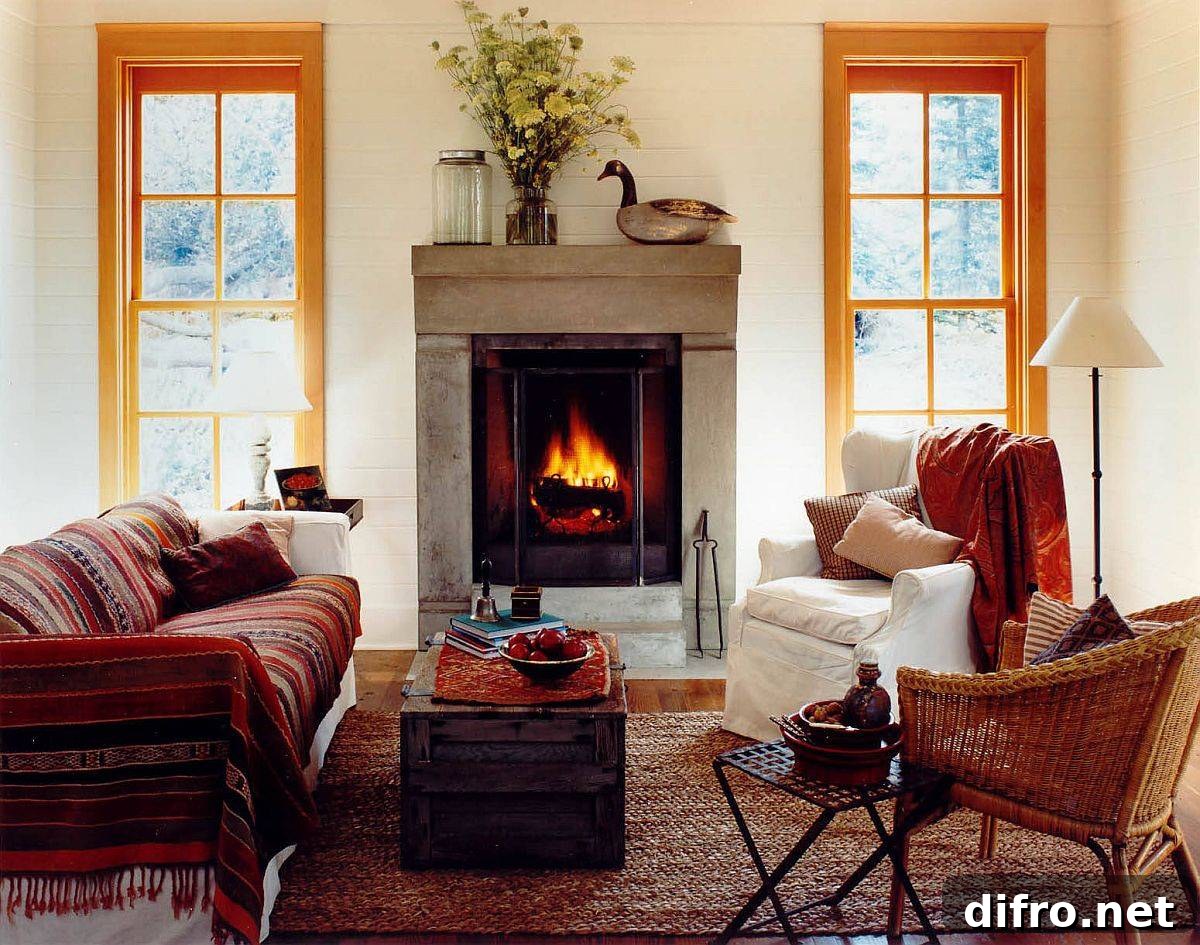
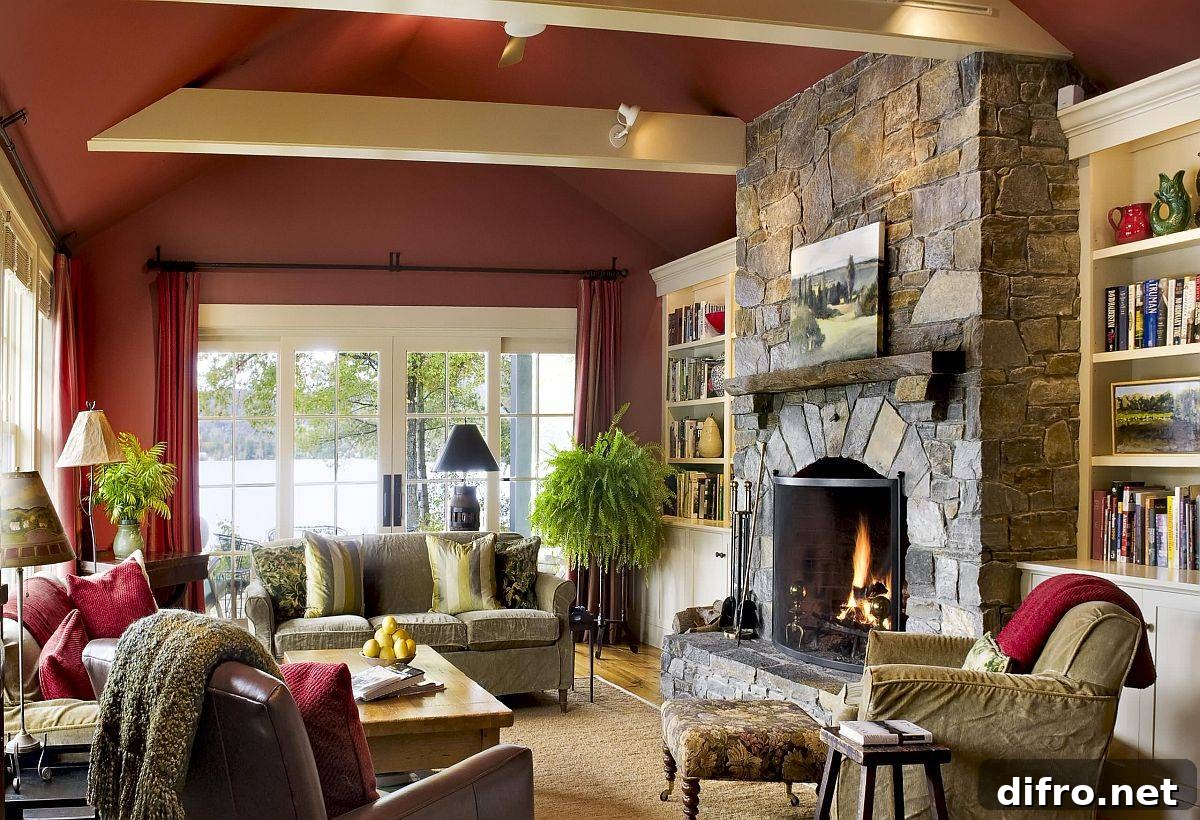
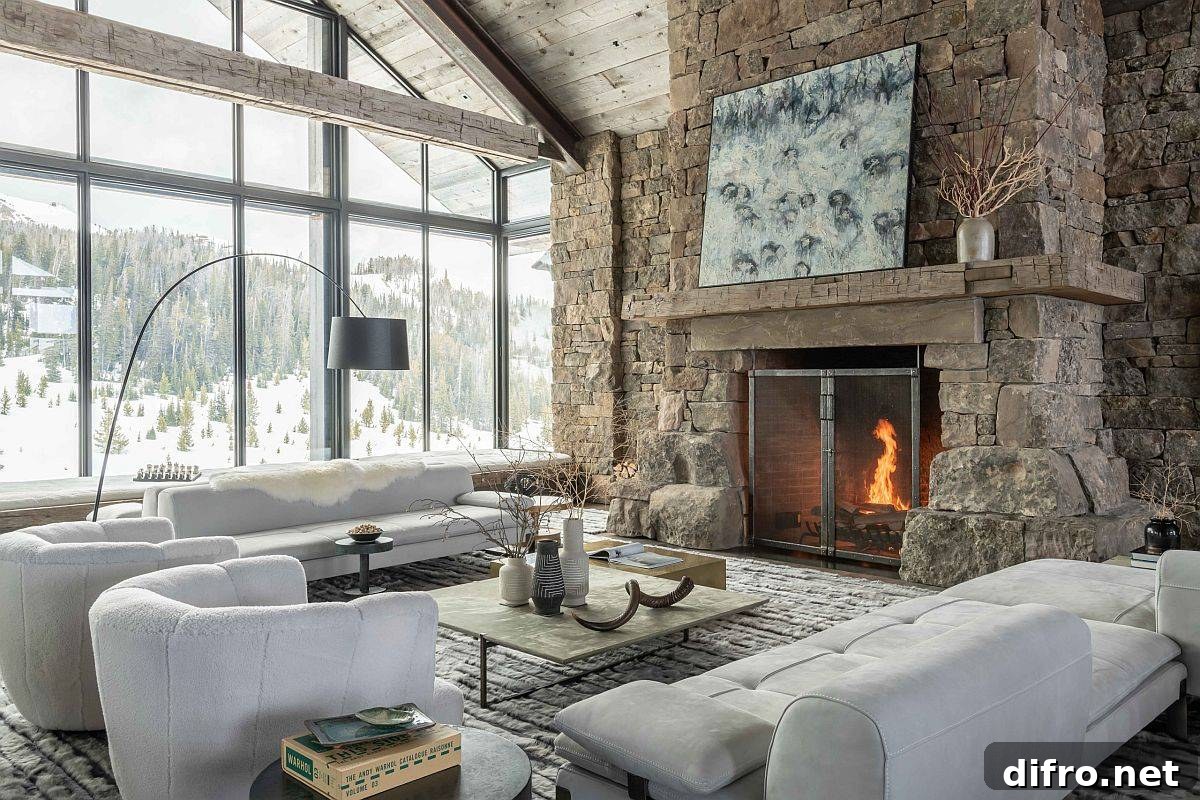
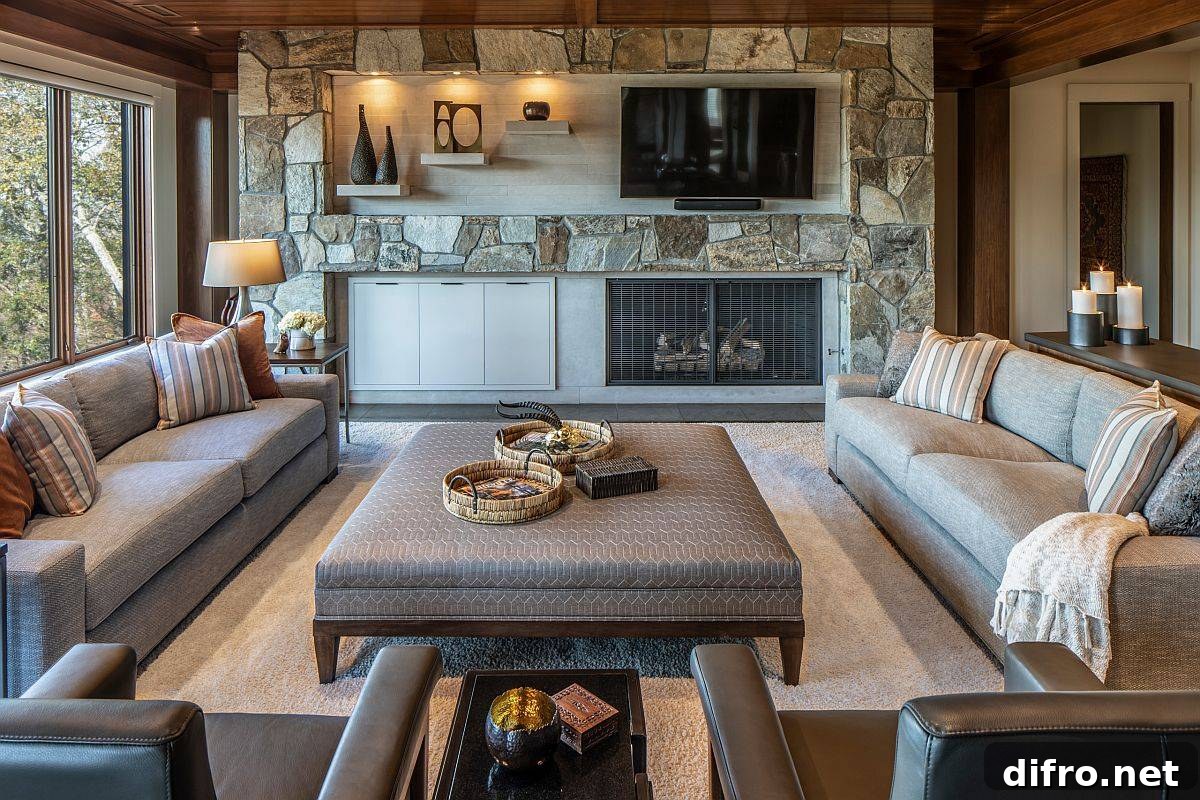
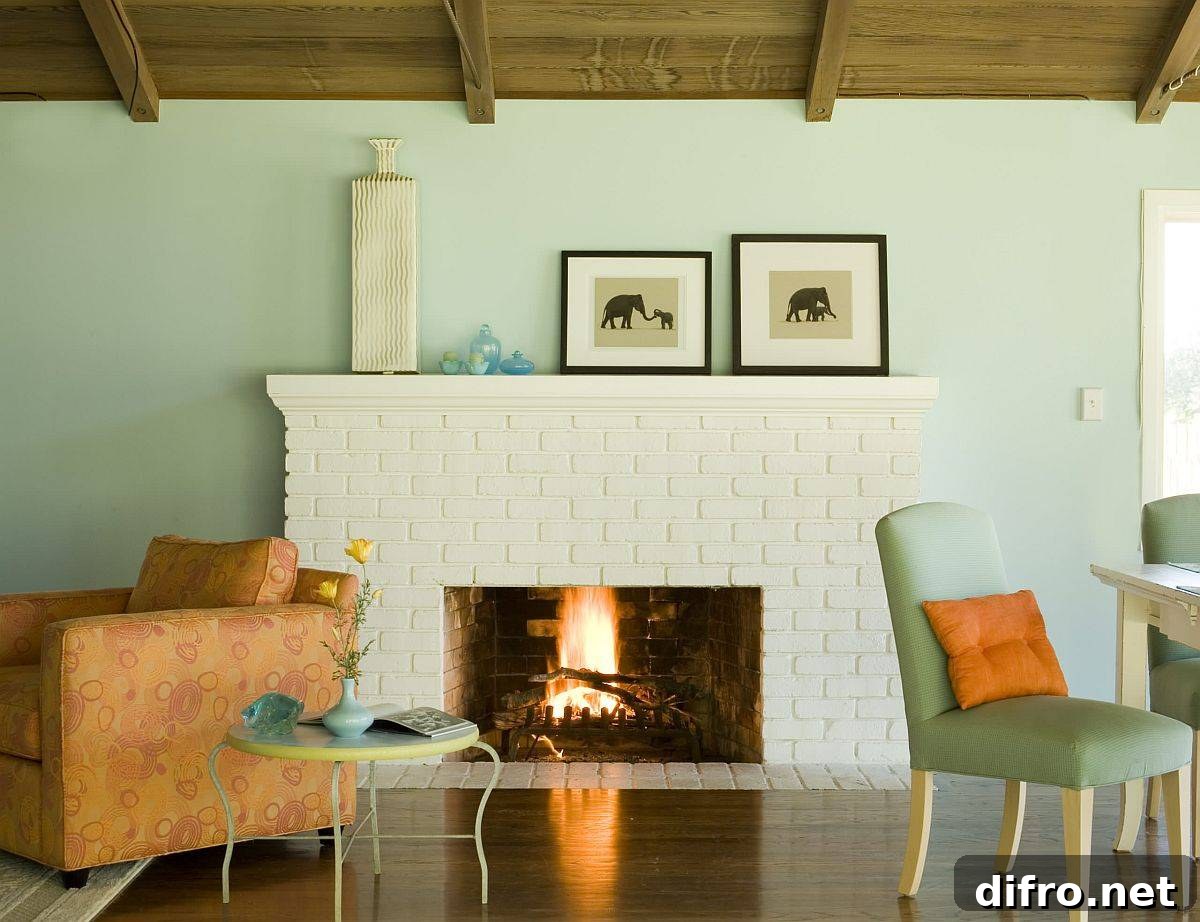
A fireplace instantly creates a focal point and a gathering place in the living room, especially during the cooler months. If your home doesn’t have one, consider installing a conventional fireplace rather than a modern, minimal fire pit—stone or masonry surrounds give a stronger rustic impression. Even a modest traditional fireplace anchors the room and encourages a cozy, lived-in ambiance.
Embrace the Warmth of Wood
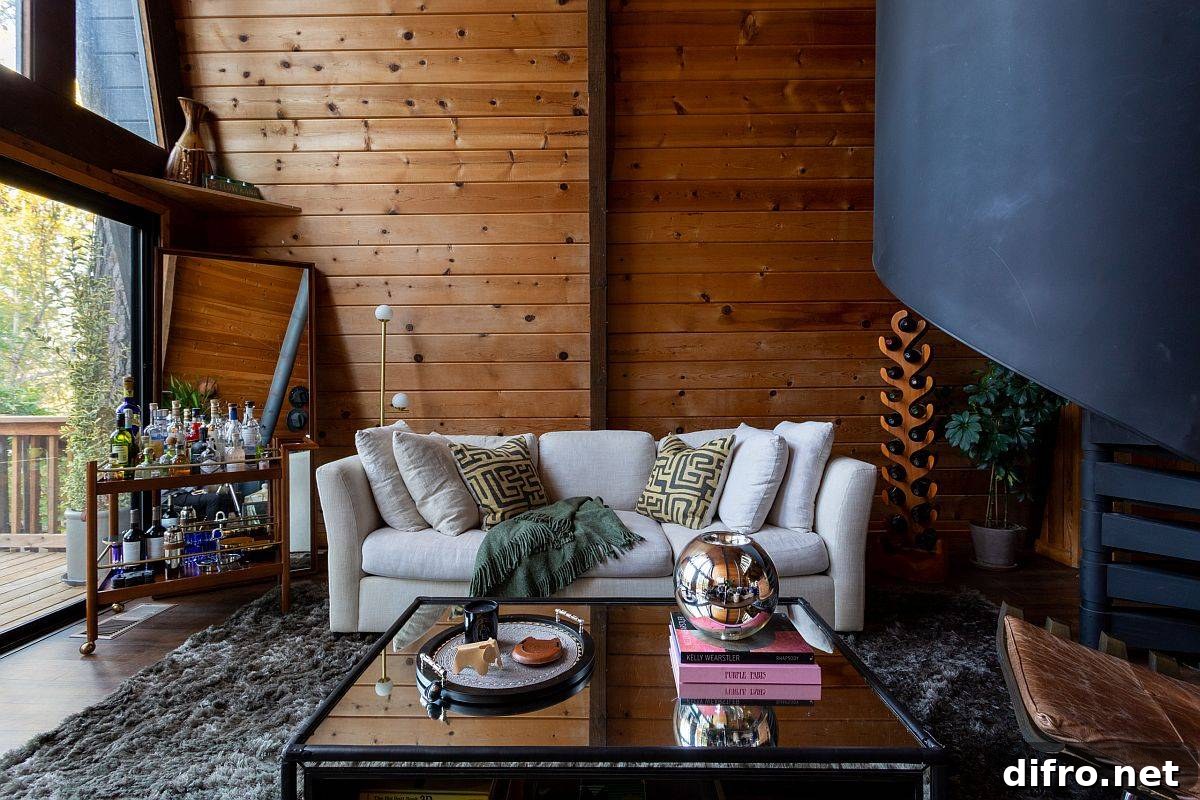
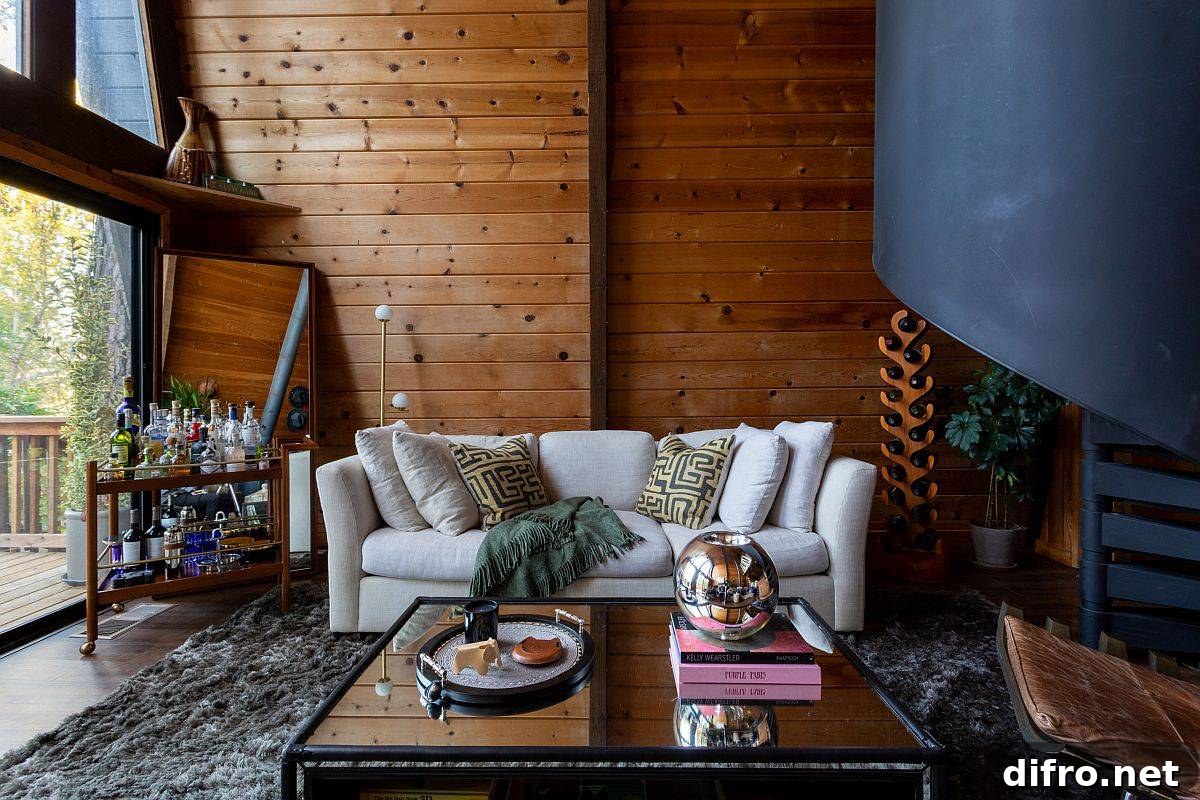
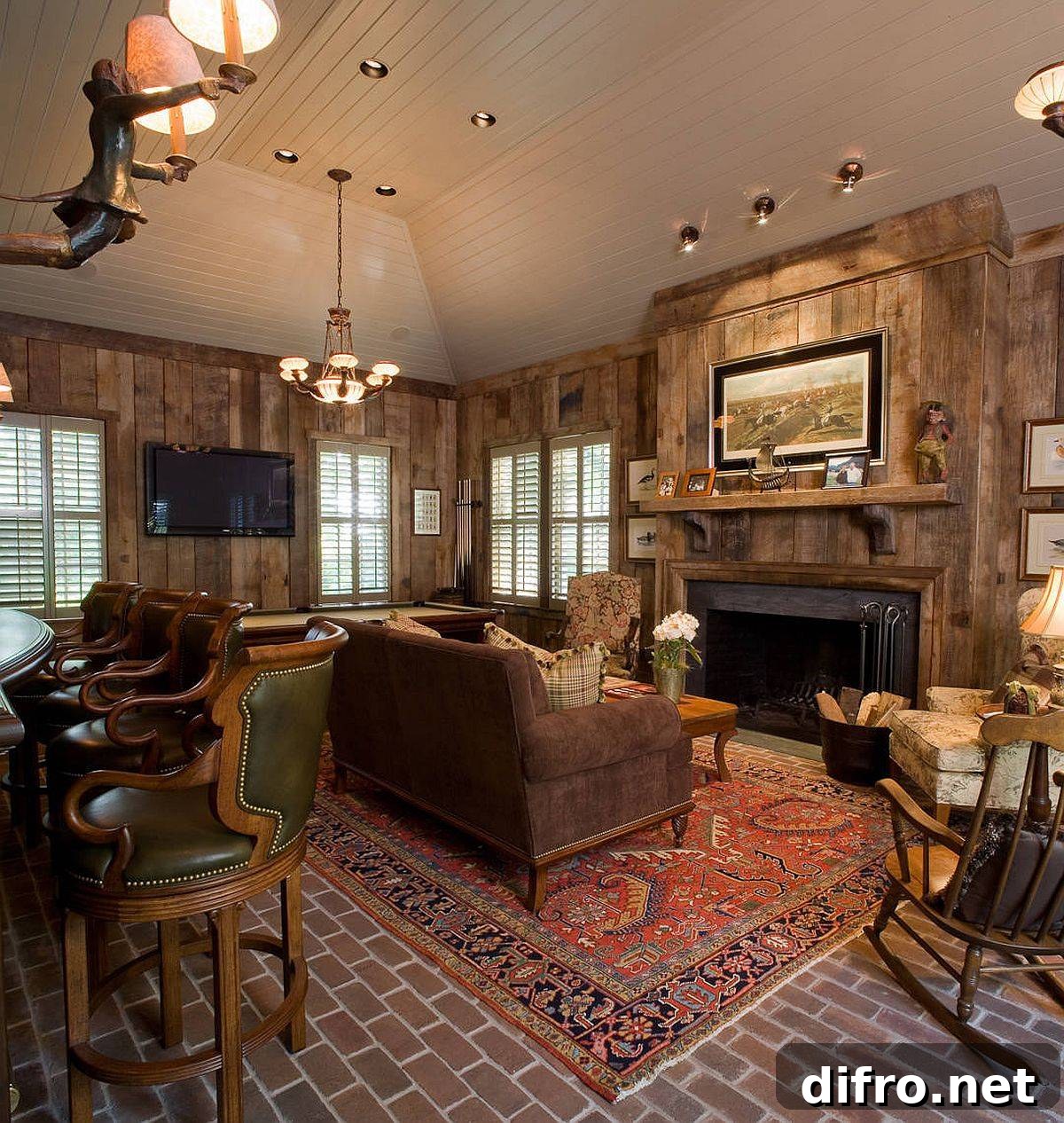
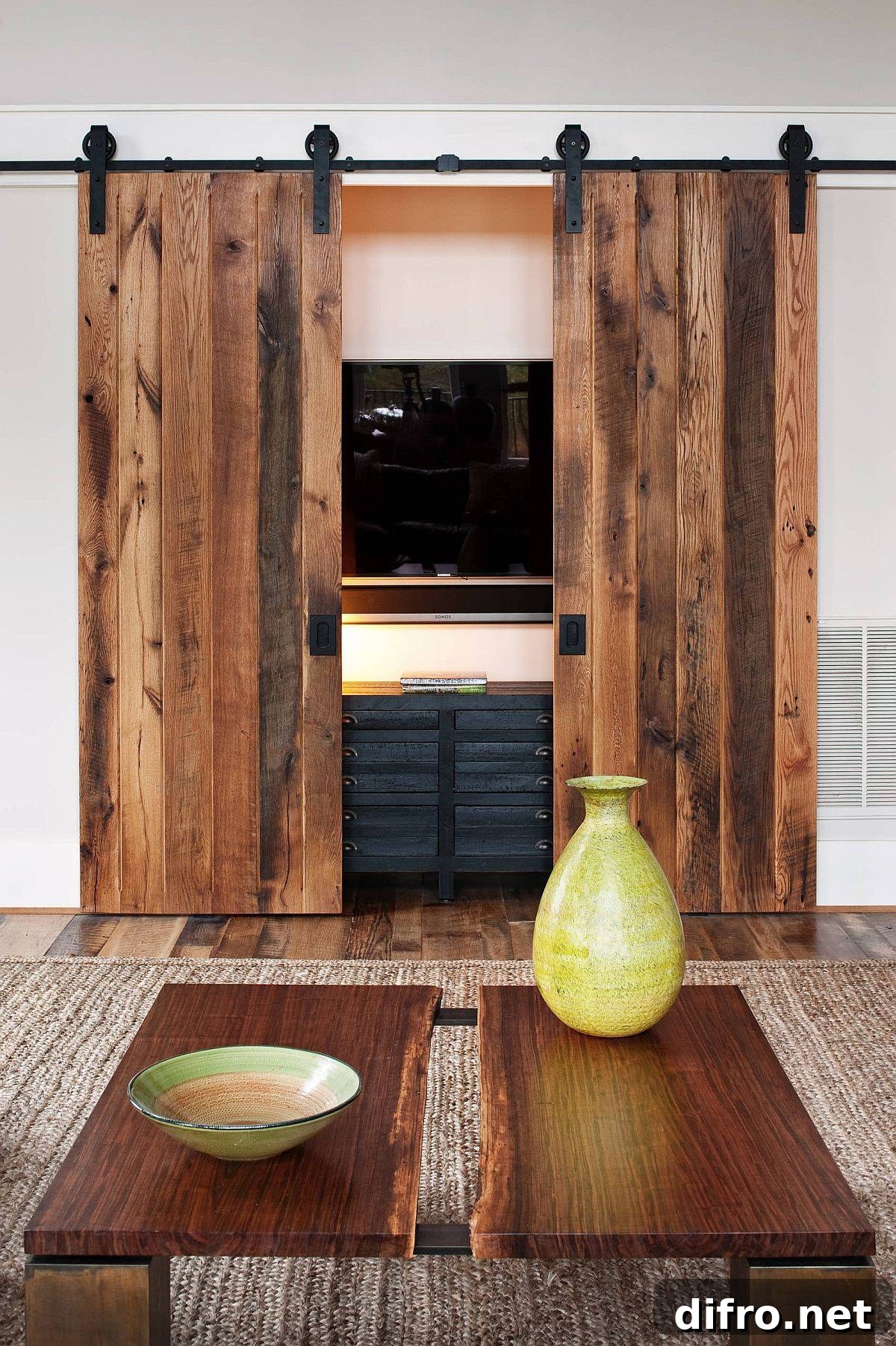
Wood is the defining element of rustic design. From deep, honeyed floors to reclaimed-wood walls and furniture, natural timber introduces warmth and texture that modern materials often lack. Heavy wooden floors can change the room’s tone without major renovation, while a single reclaimed wood-clad wall creates an authentic rustic backdrop. Smaller wooden accents—shelves, mantels, or a barn-style door—add character without overwhelming the space.
Exposed Beams and Stone
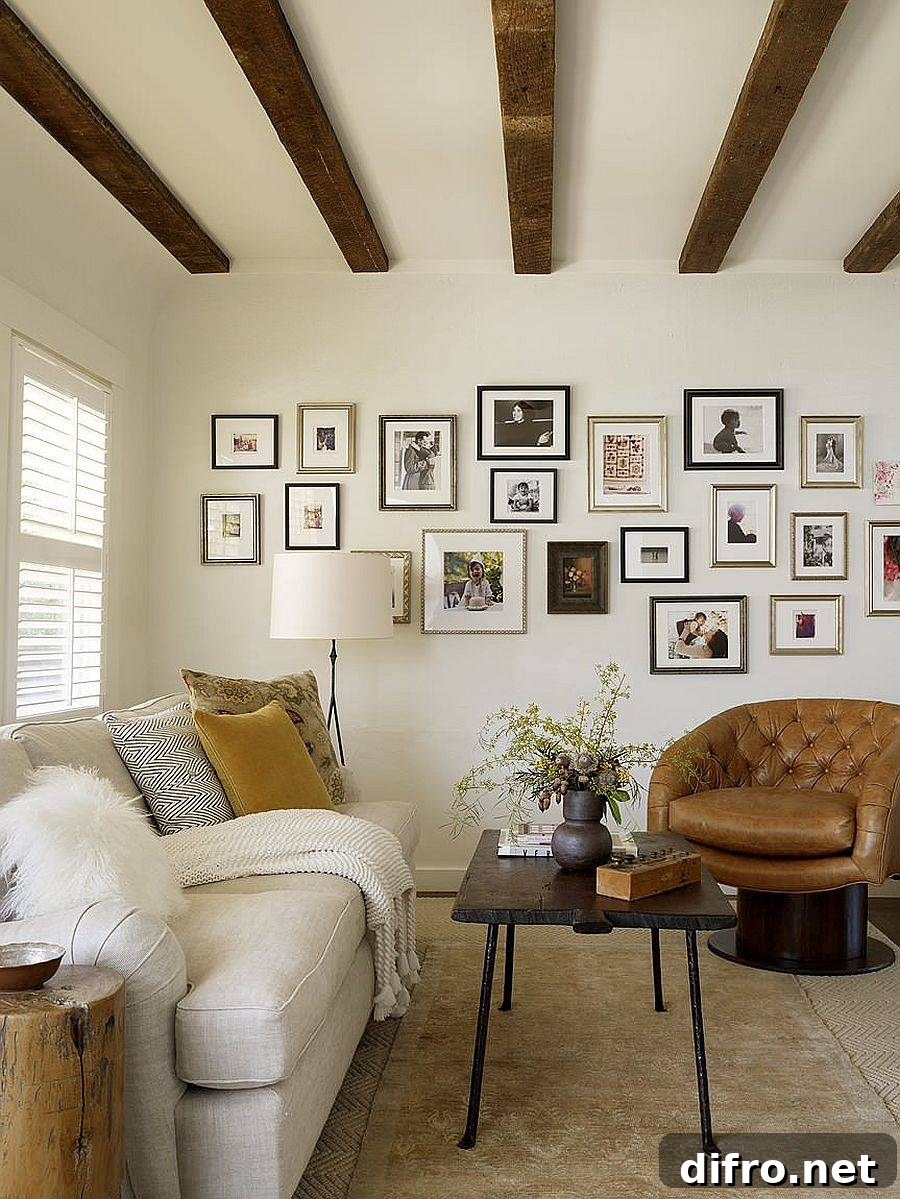
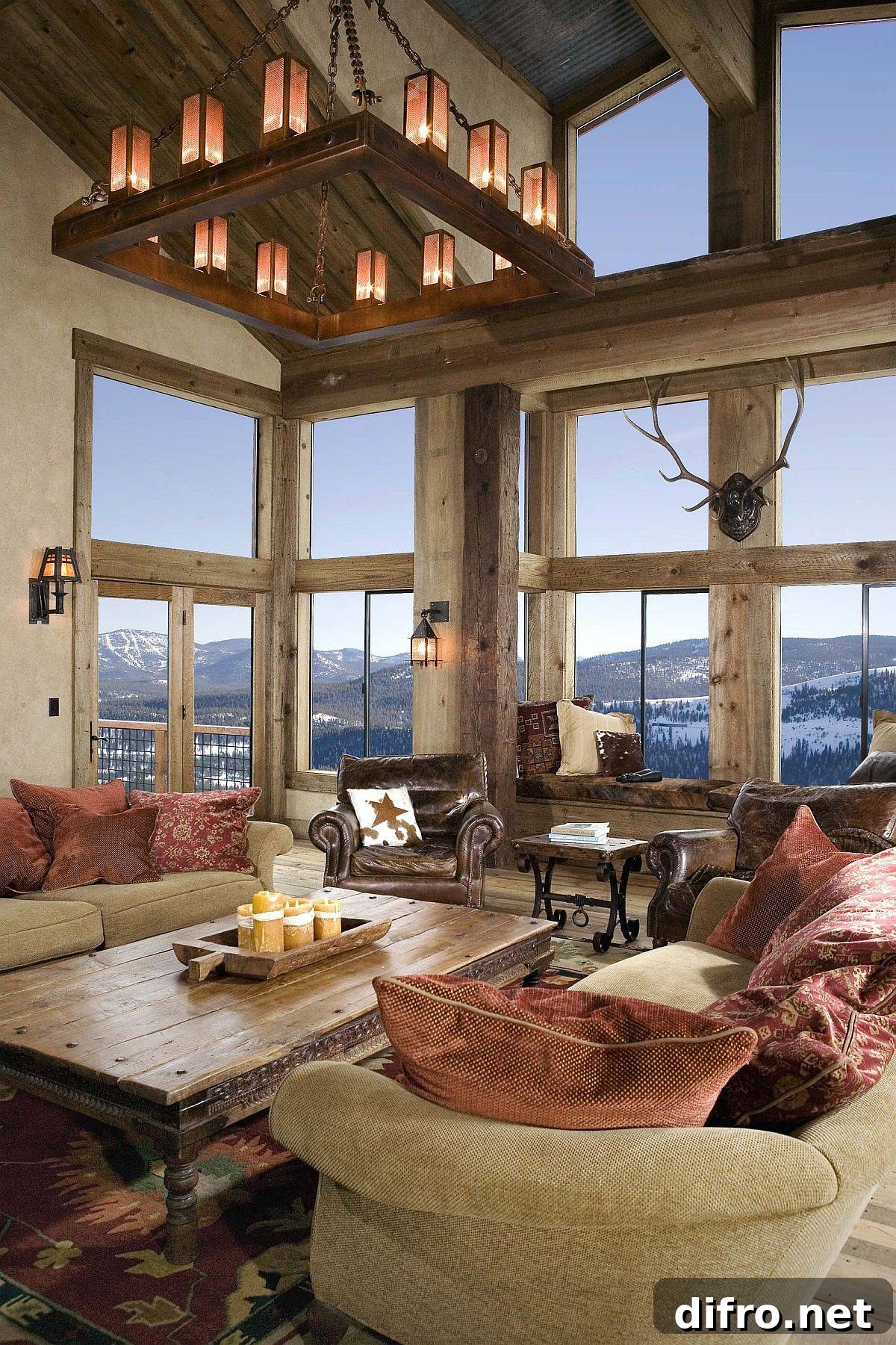
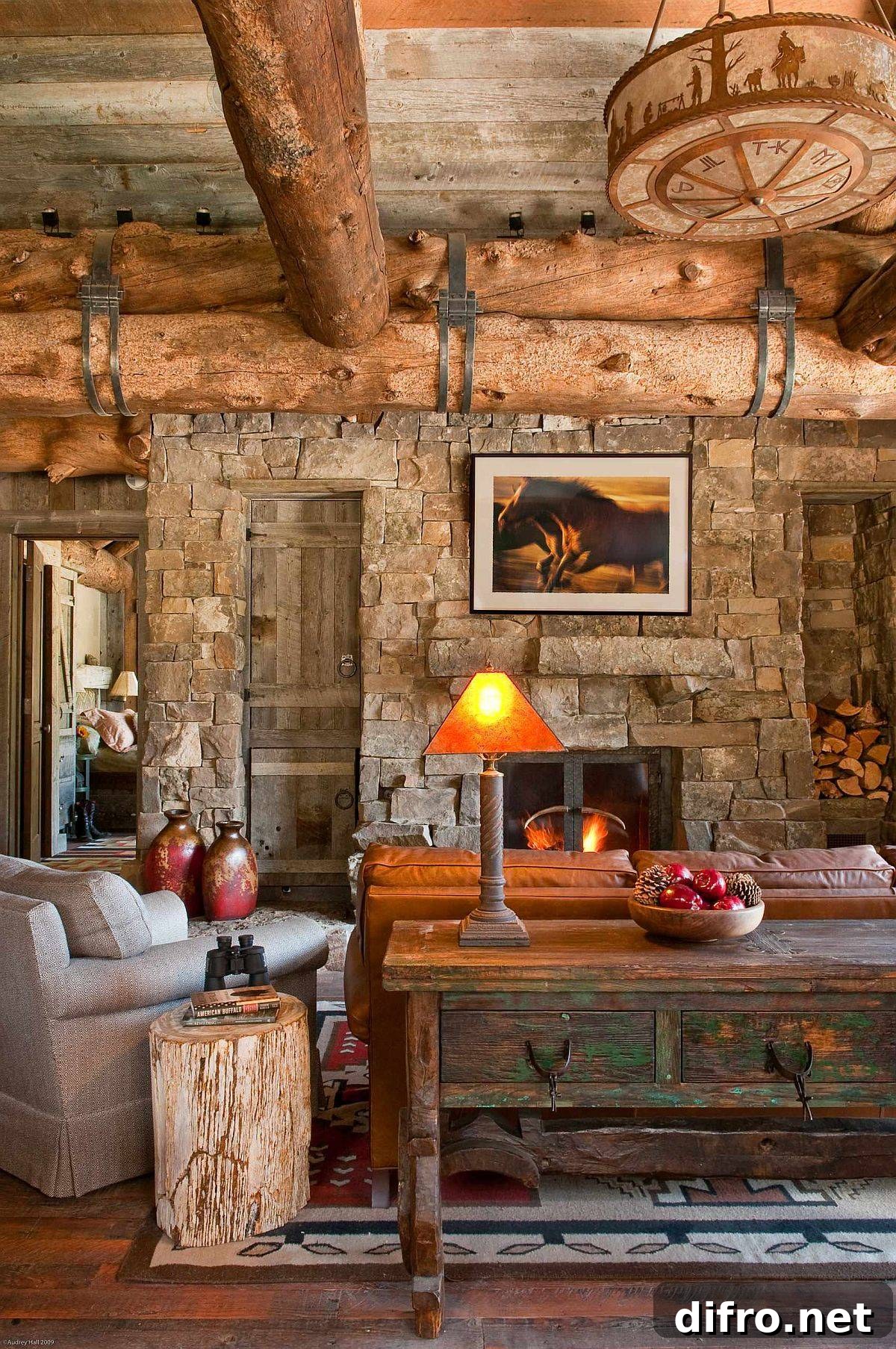
Exposed wooden beams instantly read as rustic and add architectural interest. If your living room already has beams, leave them visible and highlight them with complementary lighting and simple decor. Stone walls are another high-impact feature; combined with wood, stone creates a classic rustic pairing that feels rooted and timeless. Even a partial stone accent wall around the fireplace elevates the room’s character.
Faux Fur and Cowhide Rugs
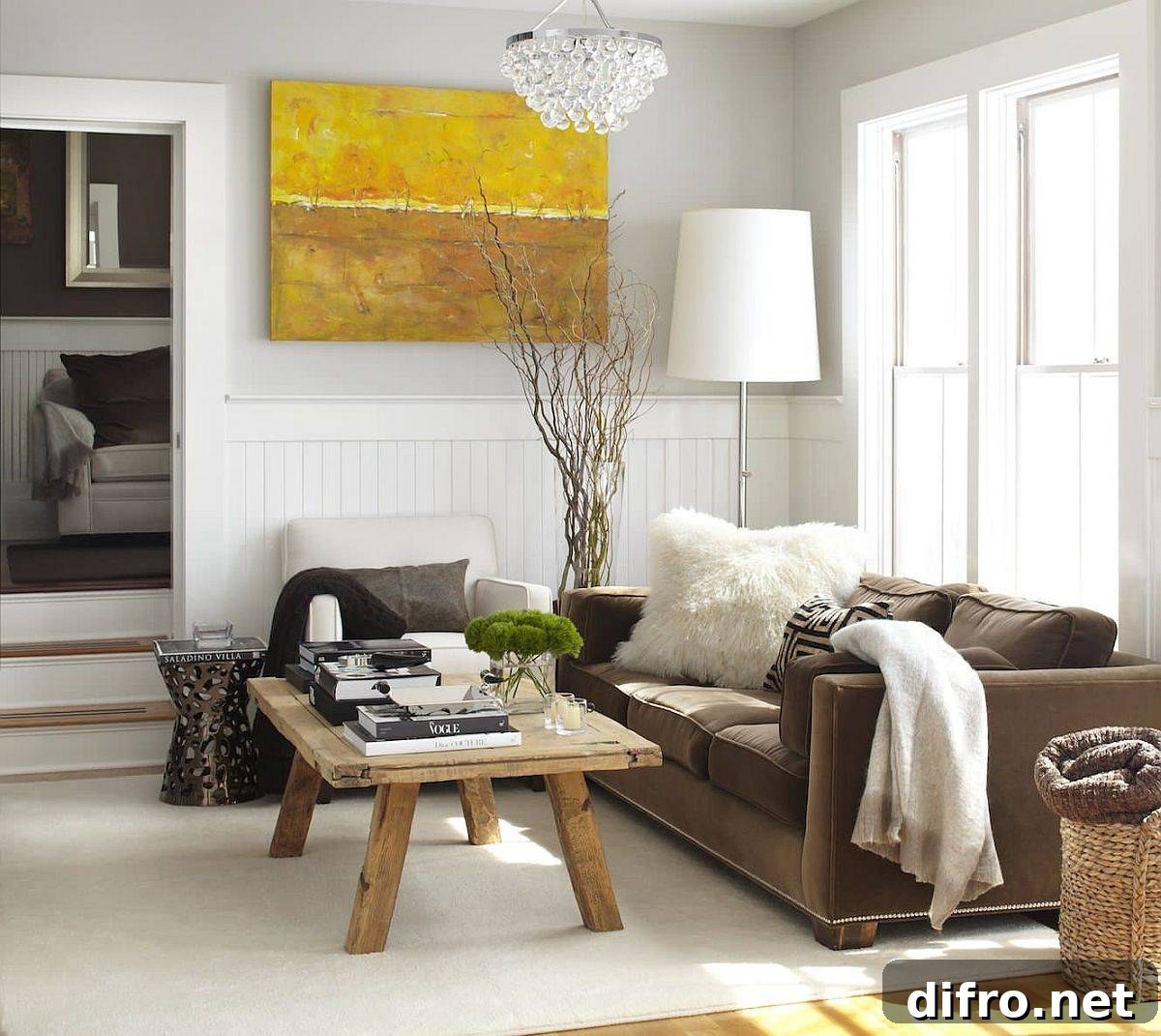
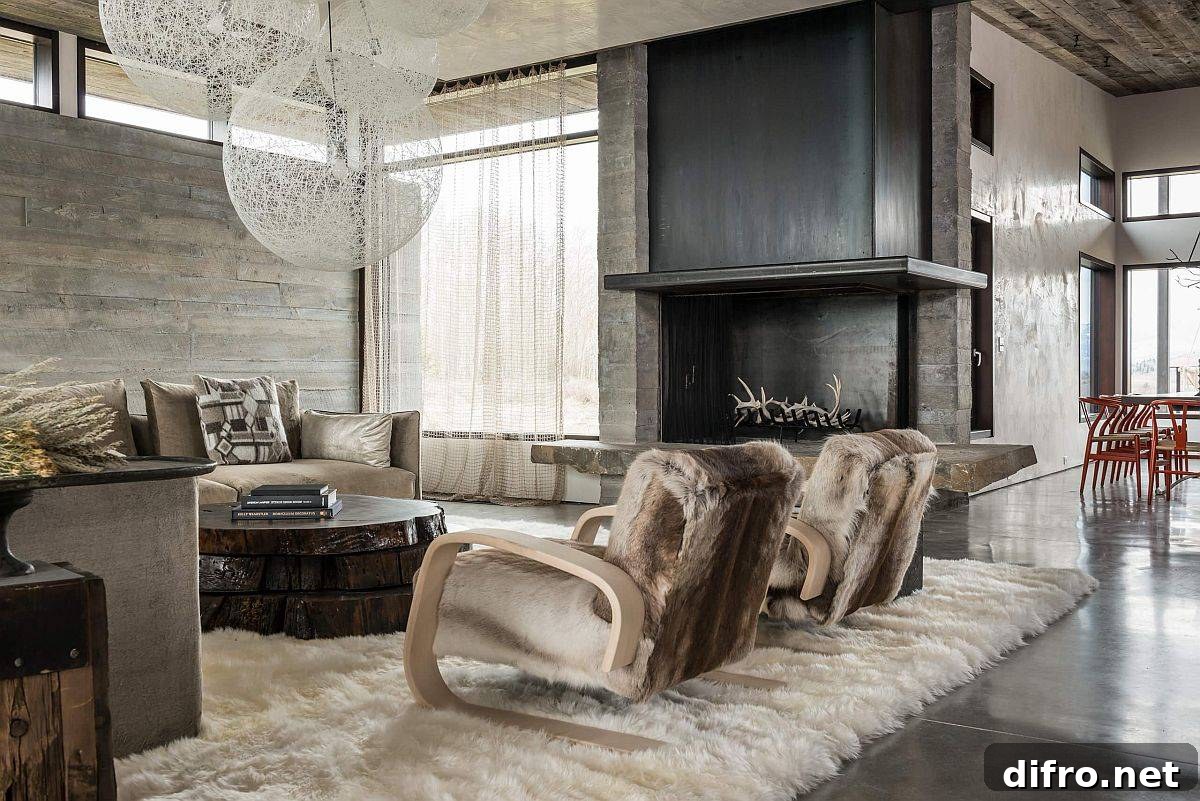
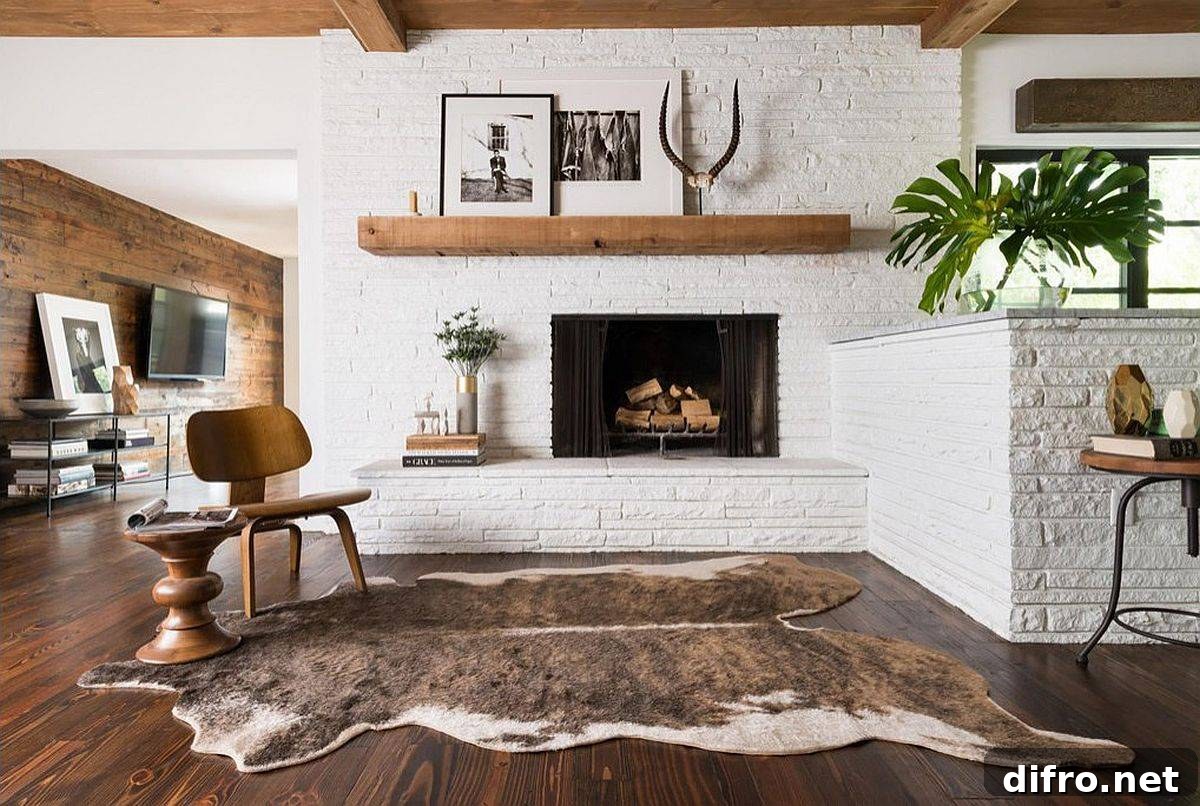
Textiles make a huge difference in achieving a rustic look. Faux fur throws and cowhide rugs add immediate warmth and tactile comfort. Unlike structural changes, rugs and throws are inexpensive, easy to swap, and highly effective. A plush rug anchors seating areas and invites lingering; layered textures—wool, knit, or sheepskin—make a space feel hospitable and seasonally appropriate.
Curated Pops of Restrained Color
Rustic rooms benefit from carefully chosen color accents. Deep reds, warm ochres and muted earth tones complement natural wood and stone beautifully. Use color sparingly—throw pillows, blankets, and a few decorative objects—to add contrast without disrupting the calm. For a softer approach, consider elegant pastels on textiles or an accent wall, which can modernize the rustic palette while preserving warmth.
Vintage and Reclaimed Decor
One or two vintage or reclaimed pieces can define a rustic living room. A coffee table made from reclaimed wood, a repurposed cabinet, or a flea-market armchair with a fresh finish introduces history and personality. Mix these items with simple contemporary pieces for a balanced look—paired contrasts keep the room feeling curated rather than dated.
Usher in a Cozy-Modern Vibe
Ultimately, rustic appeal comes from the overall atmosphere created by layering small, intentional details. Mix textures, introduce warm lighting, and experiment with accents until the room feels right. Swap simple fixtures for classic chandeliers or sconce lights, add candles on the mantle, and balance reclaimed pieces with clean-lined modern furniture for a cozy-modern look. Small changes—rugs, throws, a single reclaimed table—can transform a contemporary living room into a warm, rustic retreat that’s both elegant and inviting.