The Shed: A Sensible, Modern Eco-Friendly Secondary Dwelling
Many people see eco-friendly homes in brief news items and assume they are either eccentric, extreme, or filled with experimental technology. In reality, well-designed green homes are practical, attractive and accessible. The Shed, designed by Anderson Architecture, demonstrates how thoughtful sustainable design can produce a comfortable, efficient and stylish secondary dwelling without relying on gimmicks.
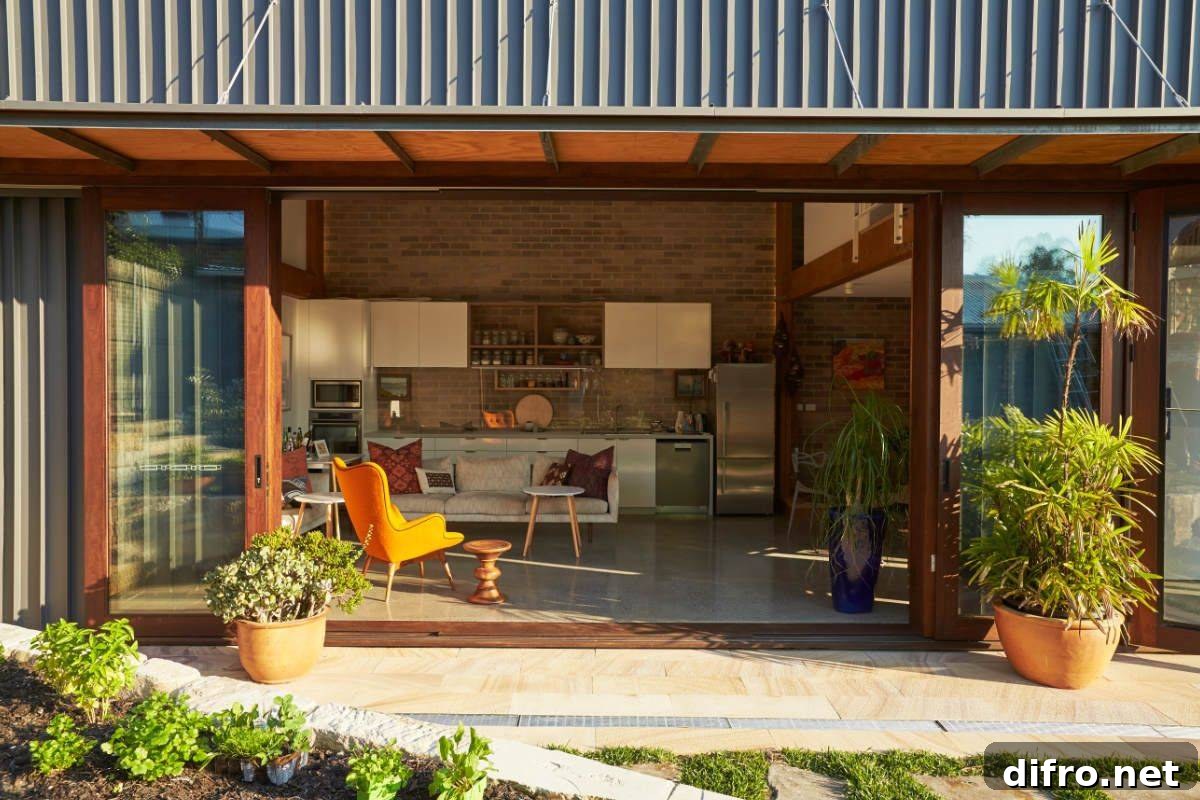
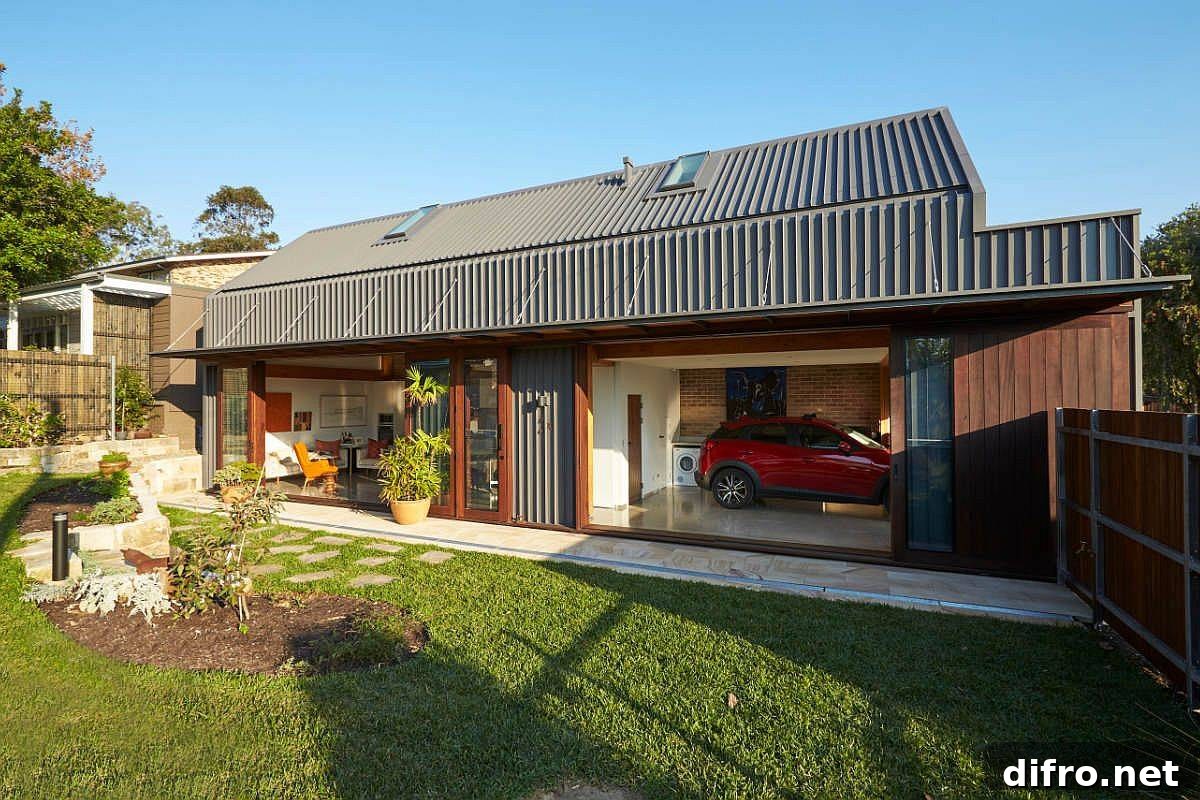
Located in the backyard of a larger family residence, this compact secondary dwelling measures just 60 square meters yet delivers impressive performance and liveability. The design prioritizes passive strategies: the building is oriented to the north to capture low winter sun, and a high-thermal-mass concrete slab stores daytime warmth and releases it after sunset. These simple, proven strategies reduce dependence on active heating while keeping the interior comfortable through colder months.
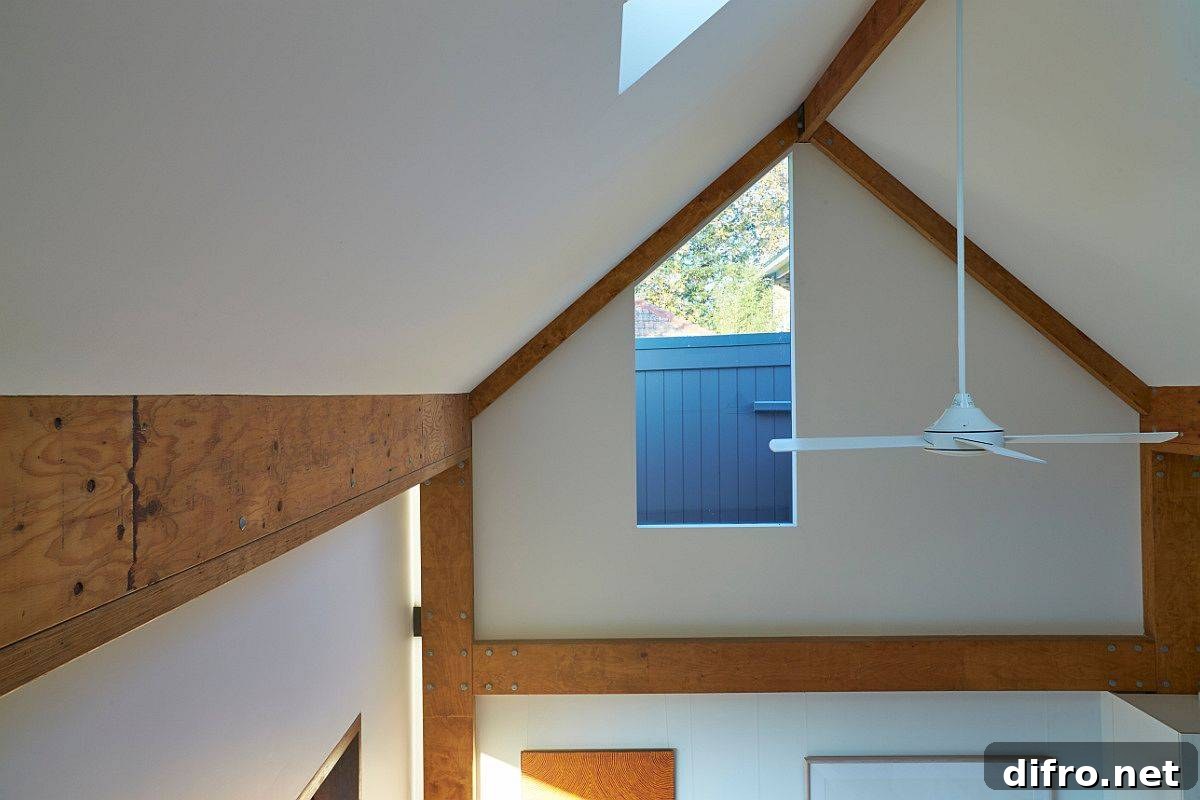
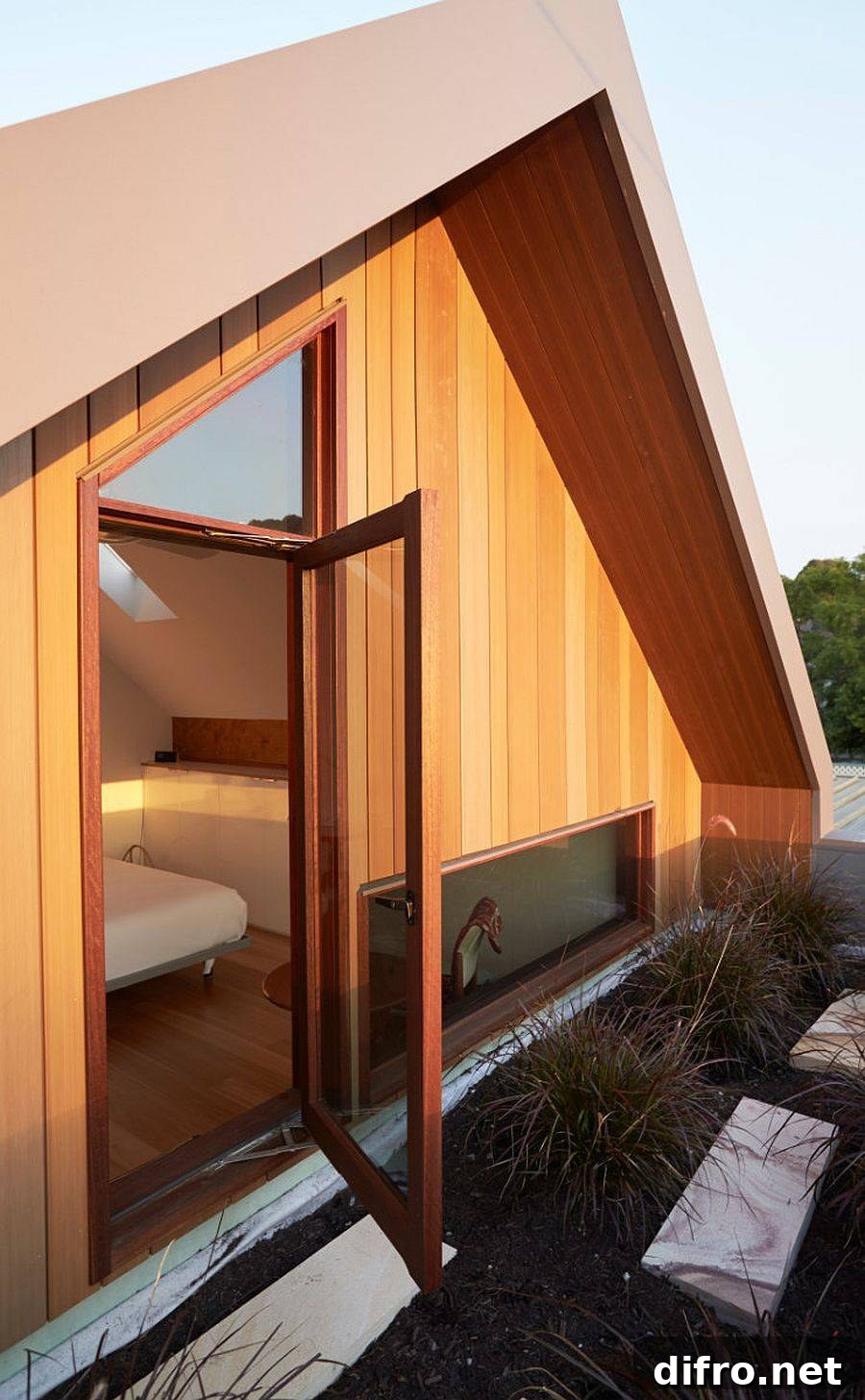
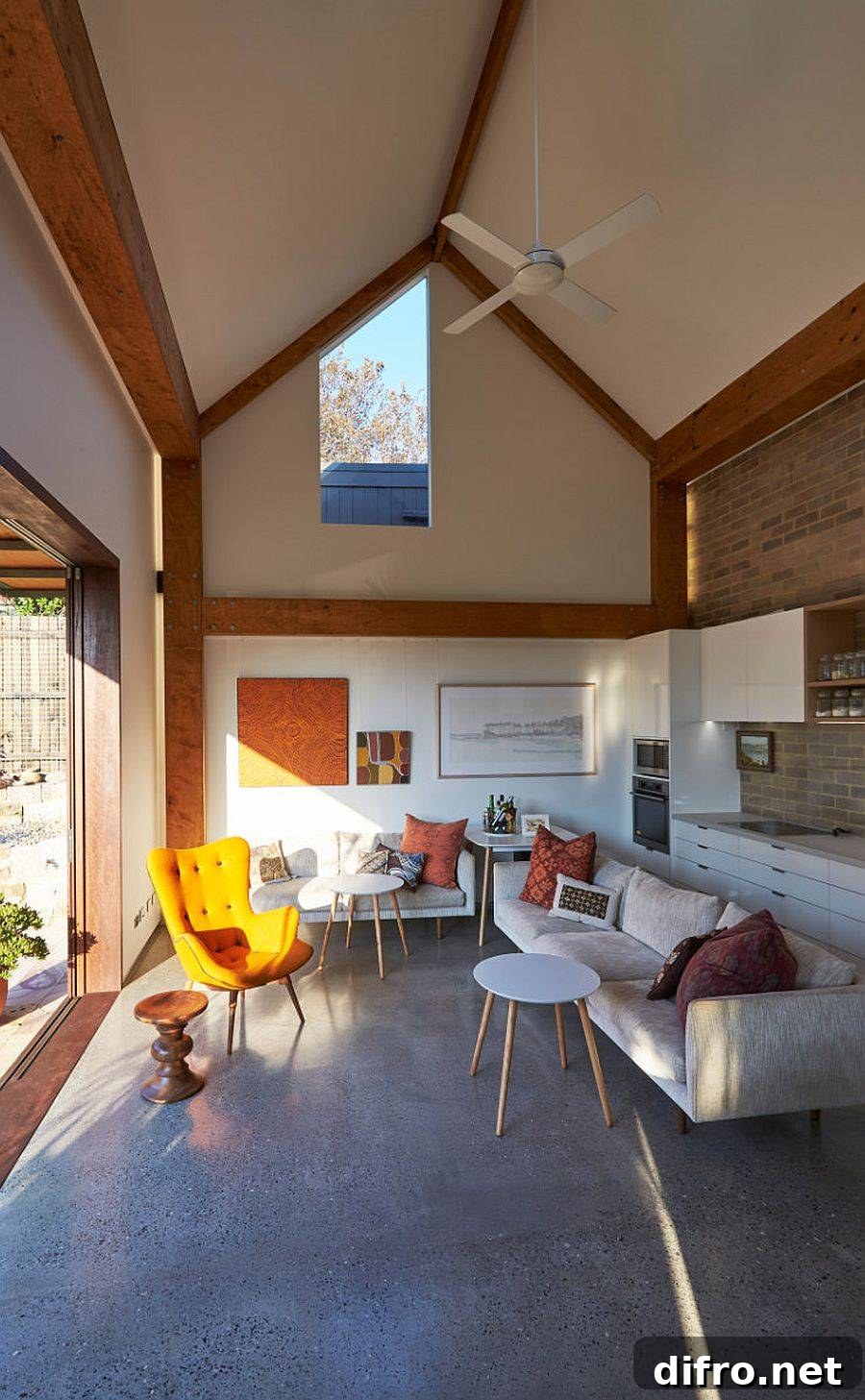
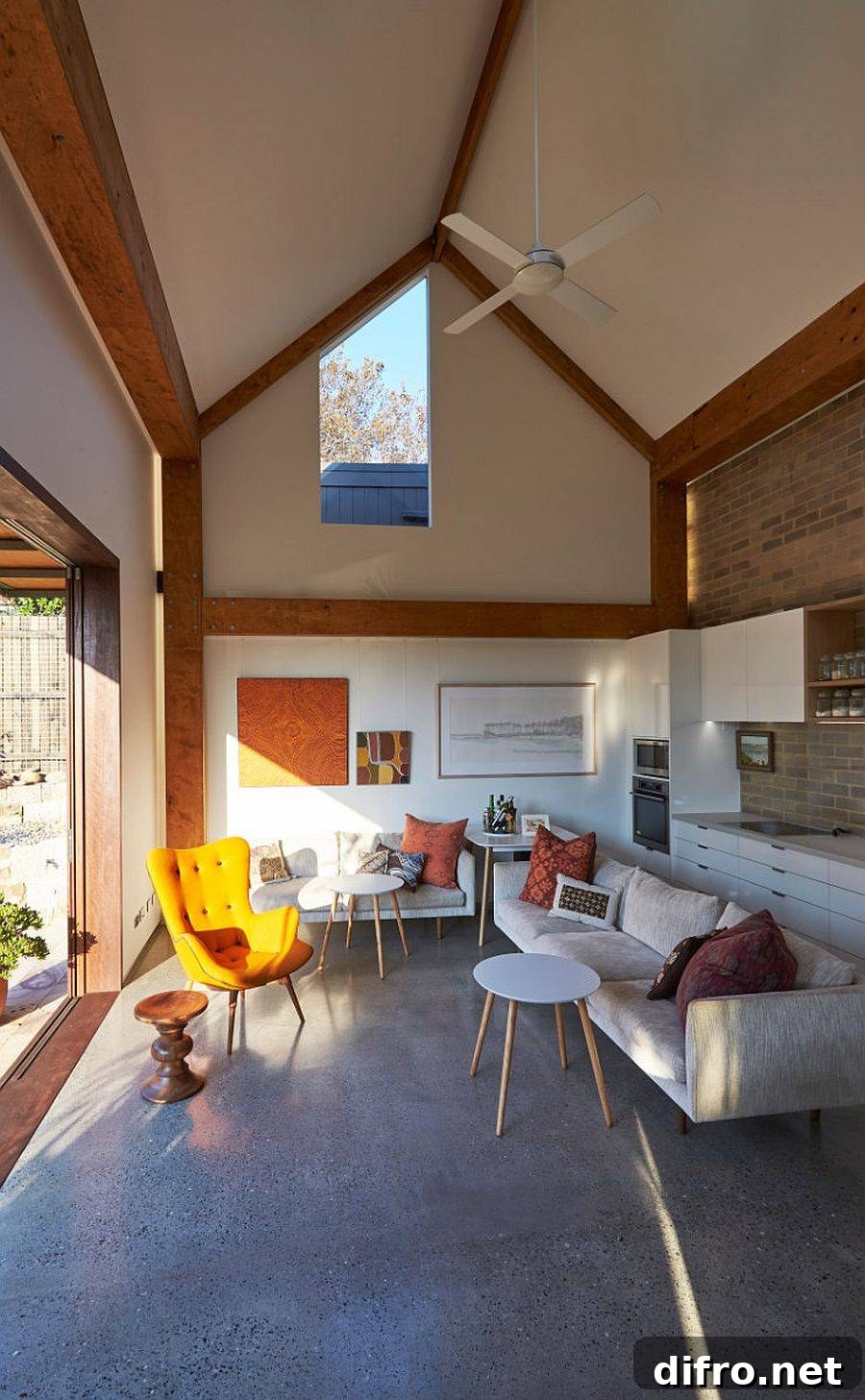
Inside, the sense of space is amplified by a vaulted ceiling and operable skylights that bring daylight deep into the plan and allow hot air to escape in summer. The restrained palette—white surfaces, warm wood accents and exposed concrete—keeps the interior bright and calm, while carefully selected furniture and small pops of yellow and red add personality without clutter. A bedroom on the upper level makes efficient use of the footprint while preserving a generous living area below.
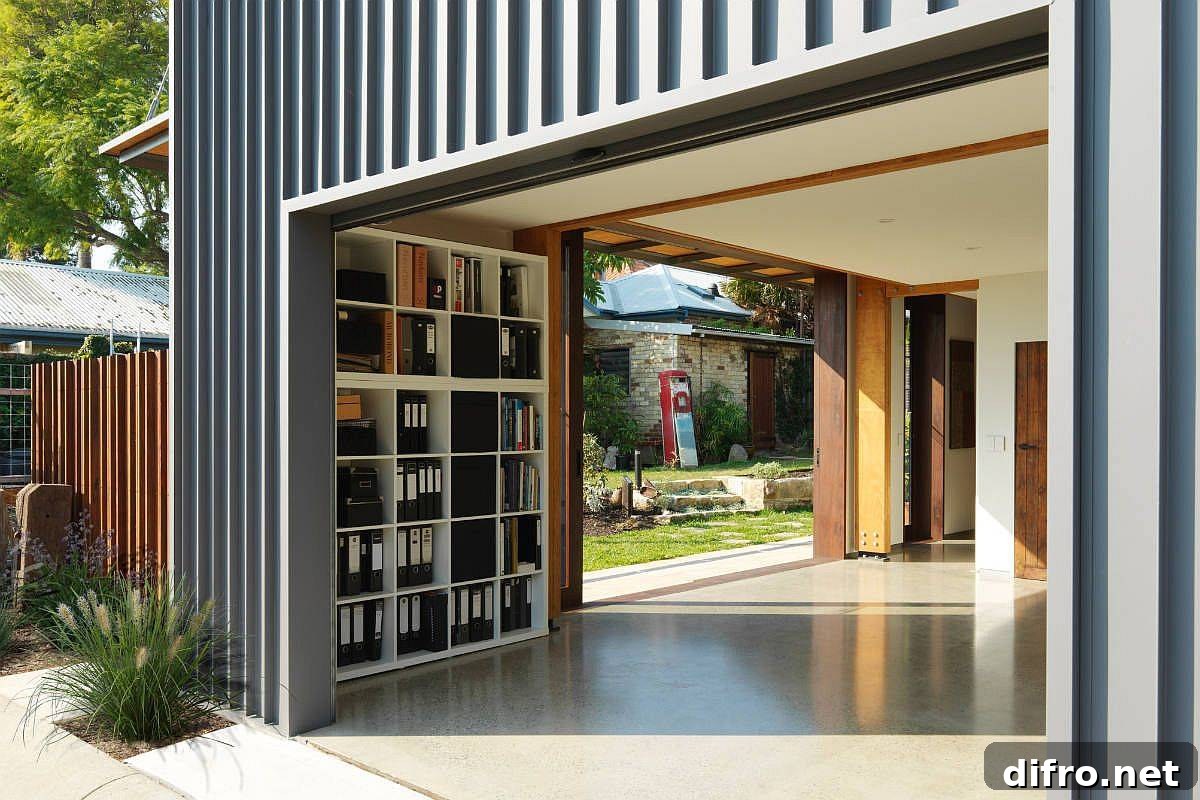
Beyond orientation and thermal mass, the Shed incorporates a range of other sustainable measures. A green roof improves insulation and stormwater retention, while highly insulated walls reduce heat loss and maintain steady interior temperatures year-round. Wherever possible, the project uses locally sourced materials, lowering transport impacts and supporting regional suppliers. Together these measures create a durable, low-maintenance building that works well through all seasons.
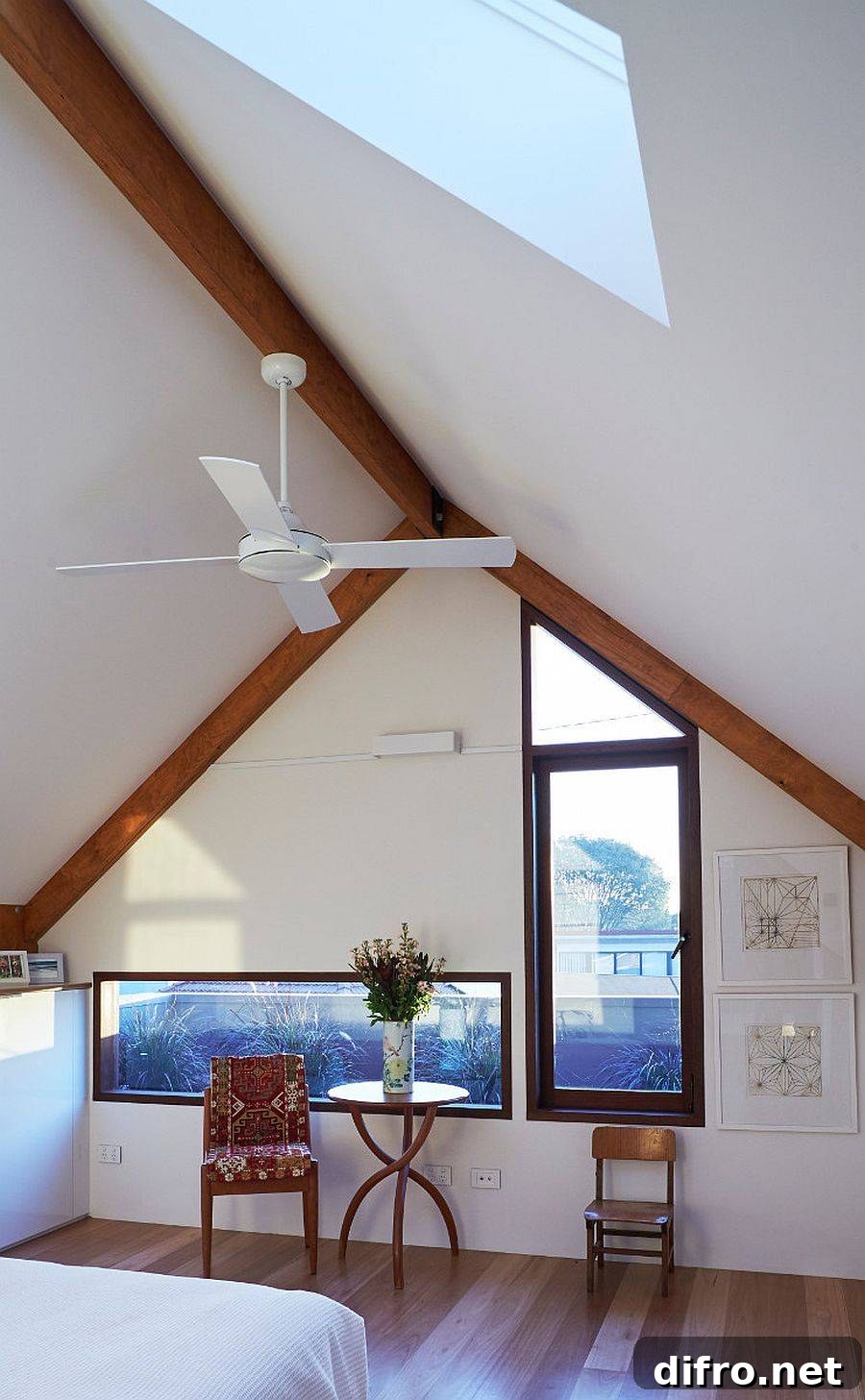
Design choices here emphasize longevity and comfort rather than flashy technology. The concrete floor, the insulated envelope and the practical exterior cladding combine to make a resilient small home that requires less energy to heat and cool. Operable windows and skylights enable natural ventilation in milder months, reducing the need for mechanical cooling. These strategies show how modest investments in design can yield significant benefits in occupant comfort and energy use.
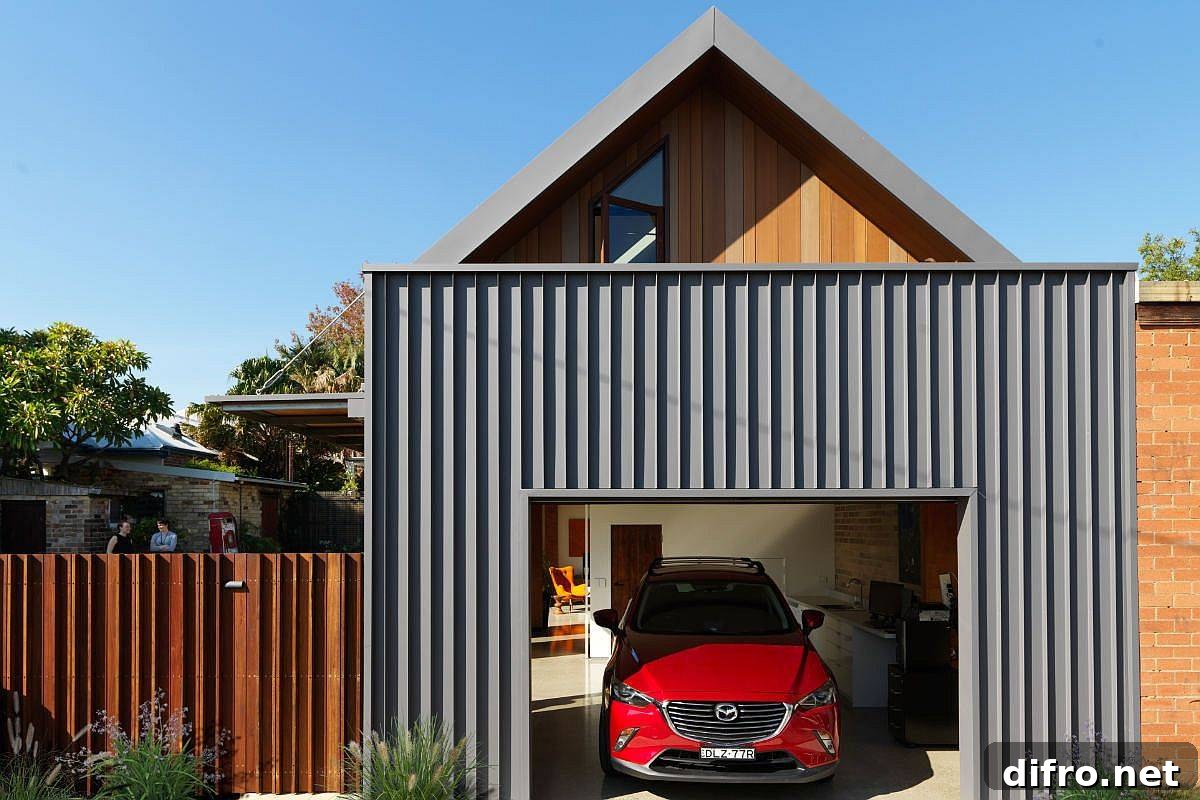
As an accessory dwelling unit, the Shed also demonstrates how compact housing can be carefully tailored to a site and climate. North-facing glazing, shading and thermal mass work together to maximize winter solar gain while keeping summer heat at bay. The result is a small home that feels airy and generous inside while remaining efficient and practical to run.
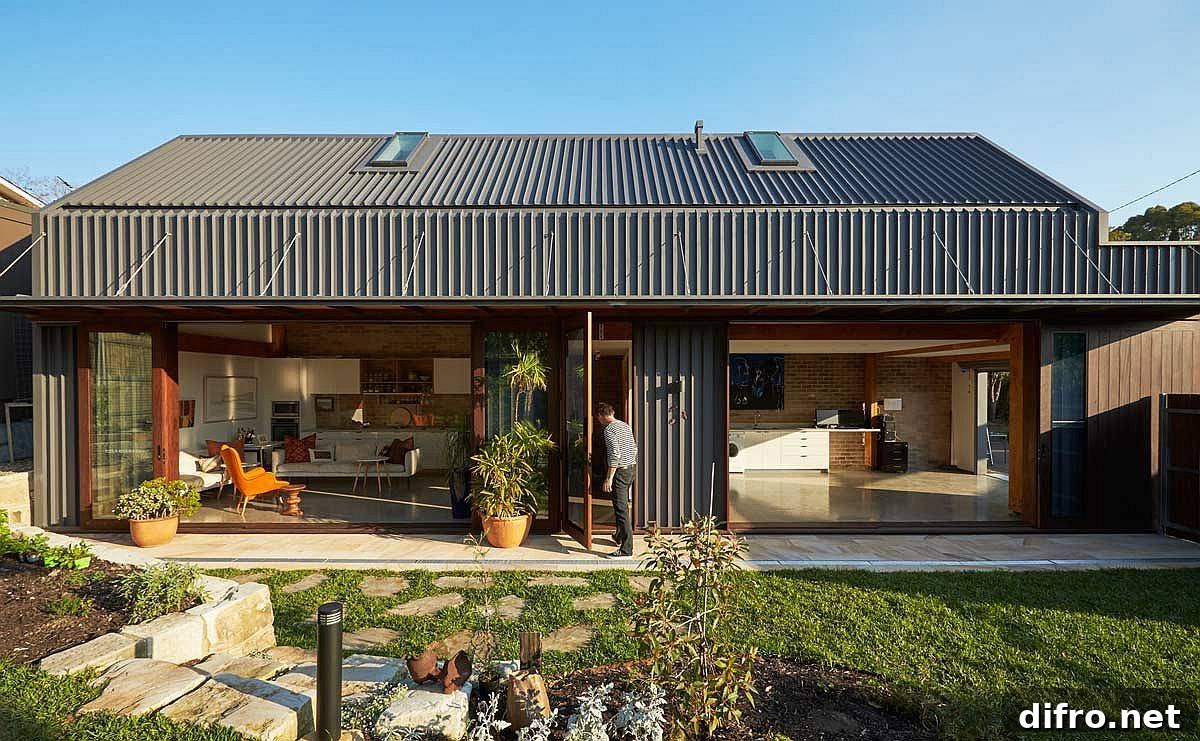
Overall, the Shed is a clear example of practical sustainable architecture: it balances passive design, well-chosen materials and thoughtful detailing to create a small but fully functional home. The project shows that green design need not be extreme to be effective—small-scale, carefully considered choices can deliver a comfortable, efficient and attractive dwelling that performs well throughout the year. Photography: Nick Bowers