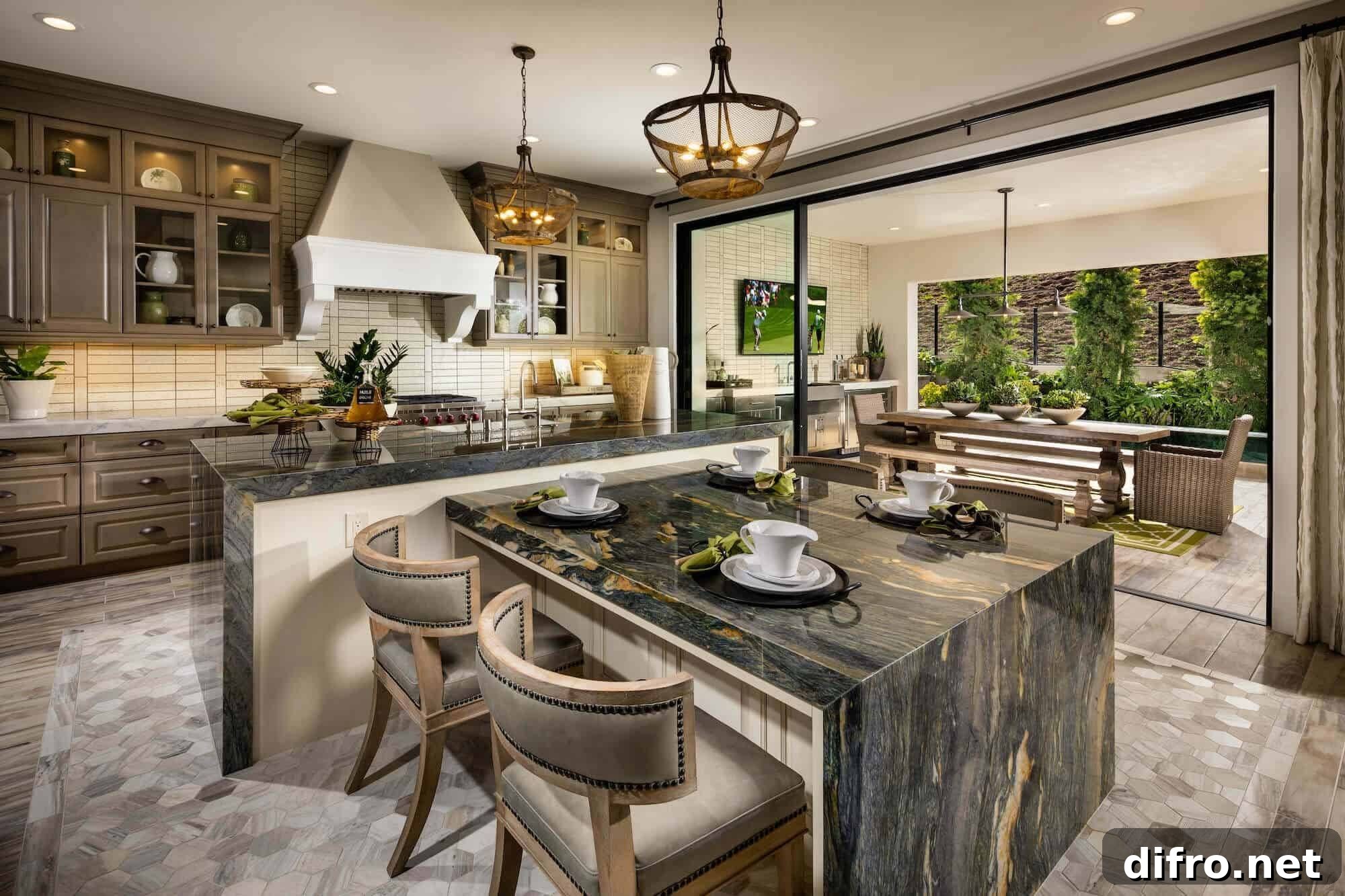
The kitchen, whether large or compact, remains the heart of the home.
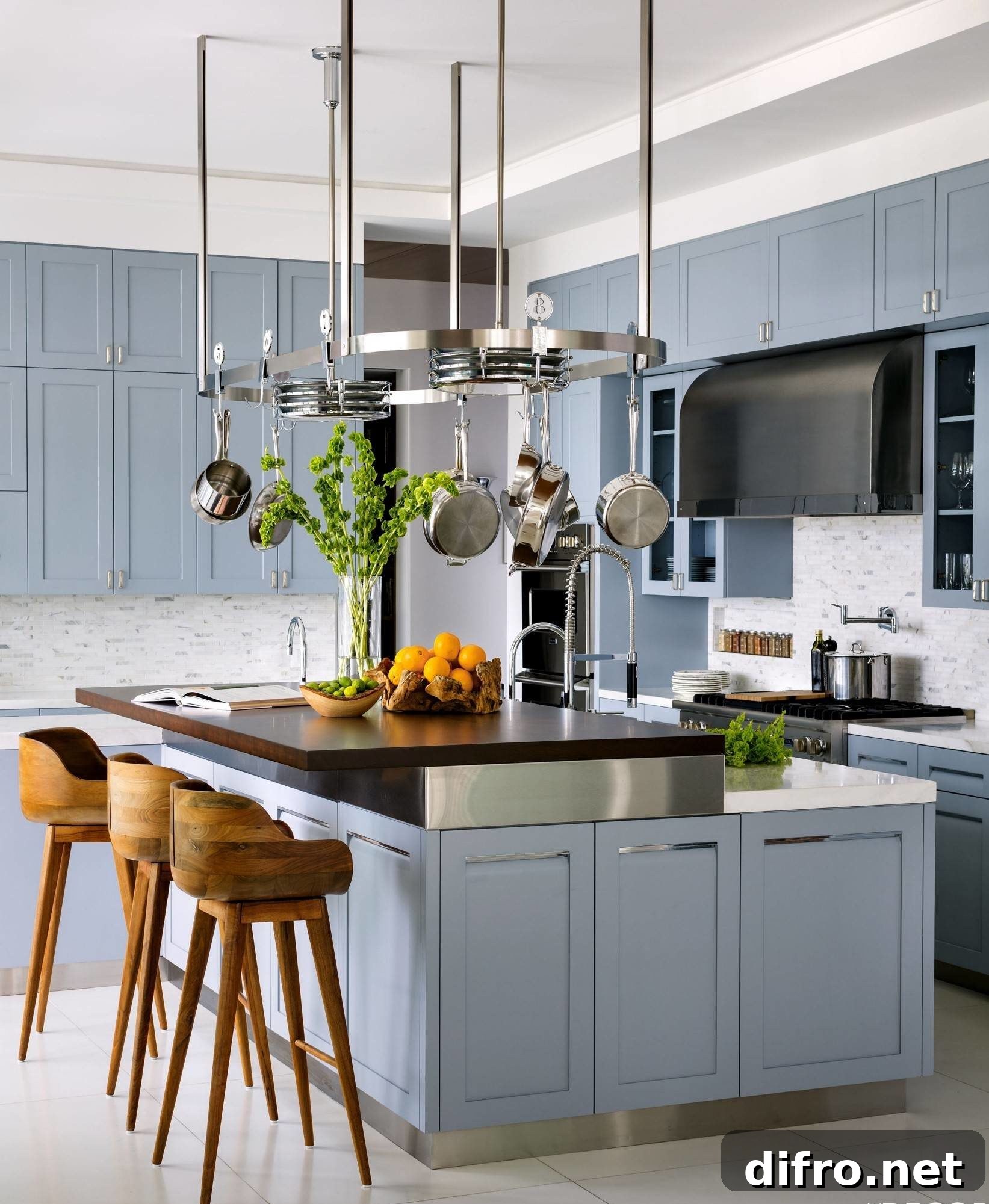
It’s where meals are prepared, conversations happen, homework gets done and, increasingly, where people work from home. Because the kitchen serves so many purposes, it’s important that it not only looks good but is also easy to keep clean.
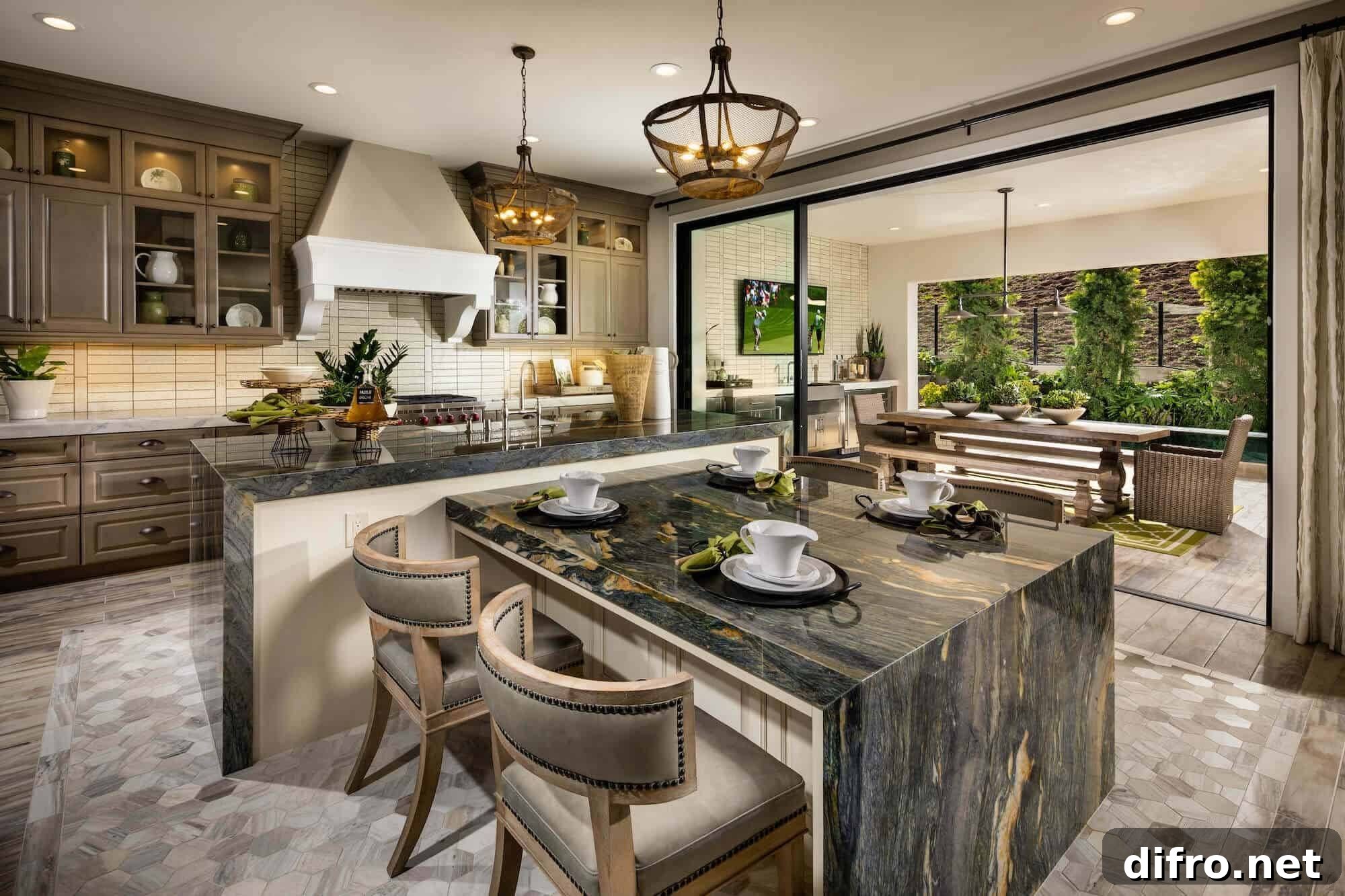
Kitchens are also one of the hardest rooms to maintain. Food stains, crumbs, grease, dust and spills are daily realities. Choosing materials and finishes that minimize upkeep makes cleaning faster and reduces long-term wear.
Some surfaces—like natural marble or softwood floors—look beautiful but demand frequent attention and careful maintenance. If low maintenance is a priority, opt for materials designed to resist stains, scratches and daily wear.
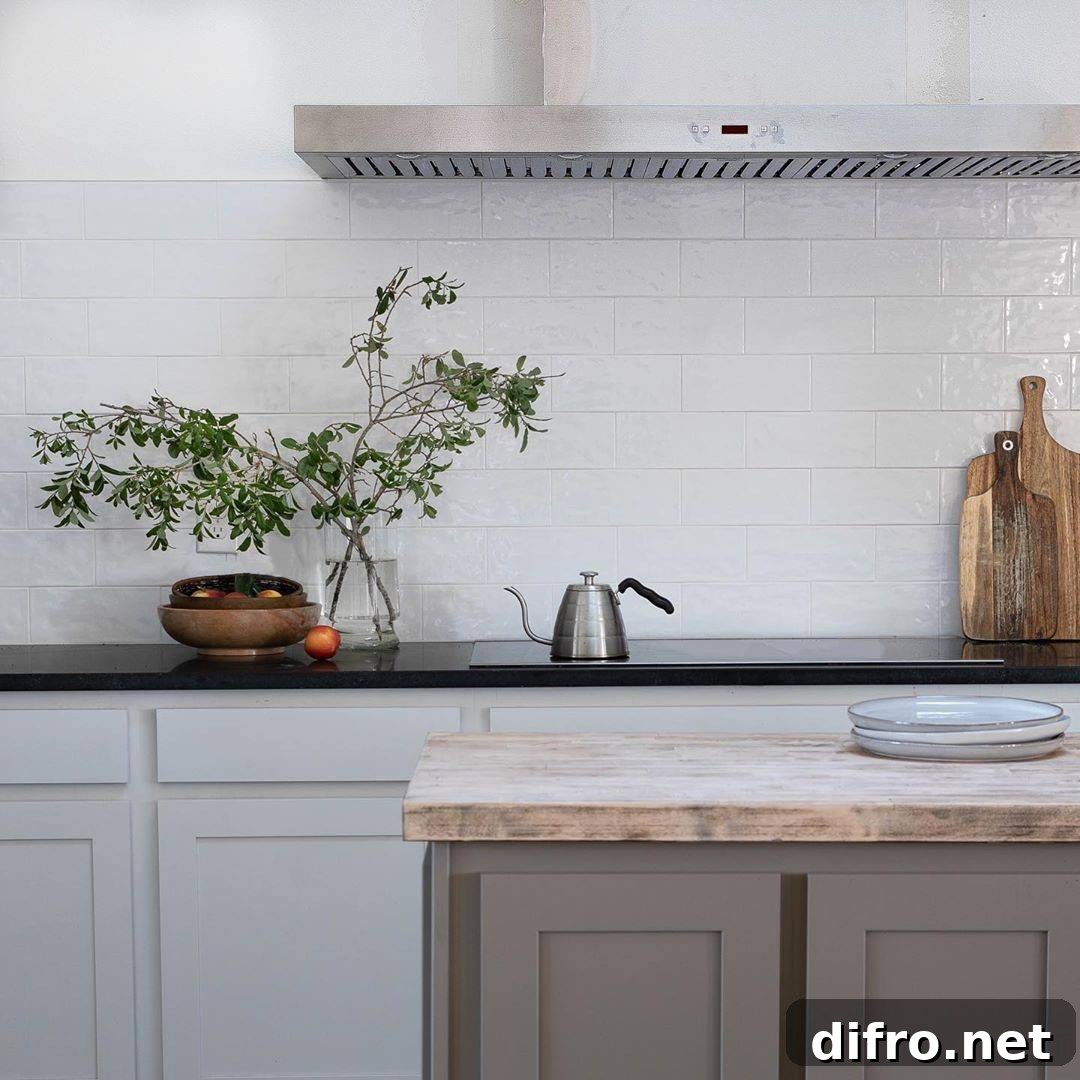
Below are key elements to consider when designing a low-maintenance, attractive kitchen that’s easy to clean and built to last.
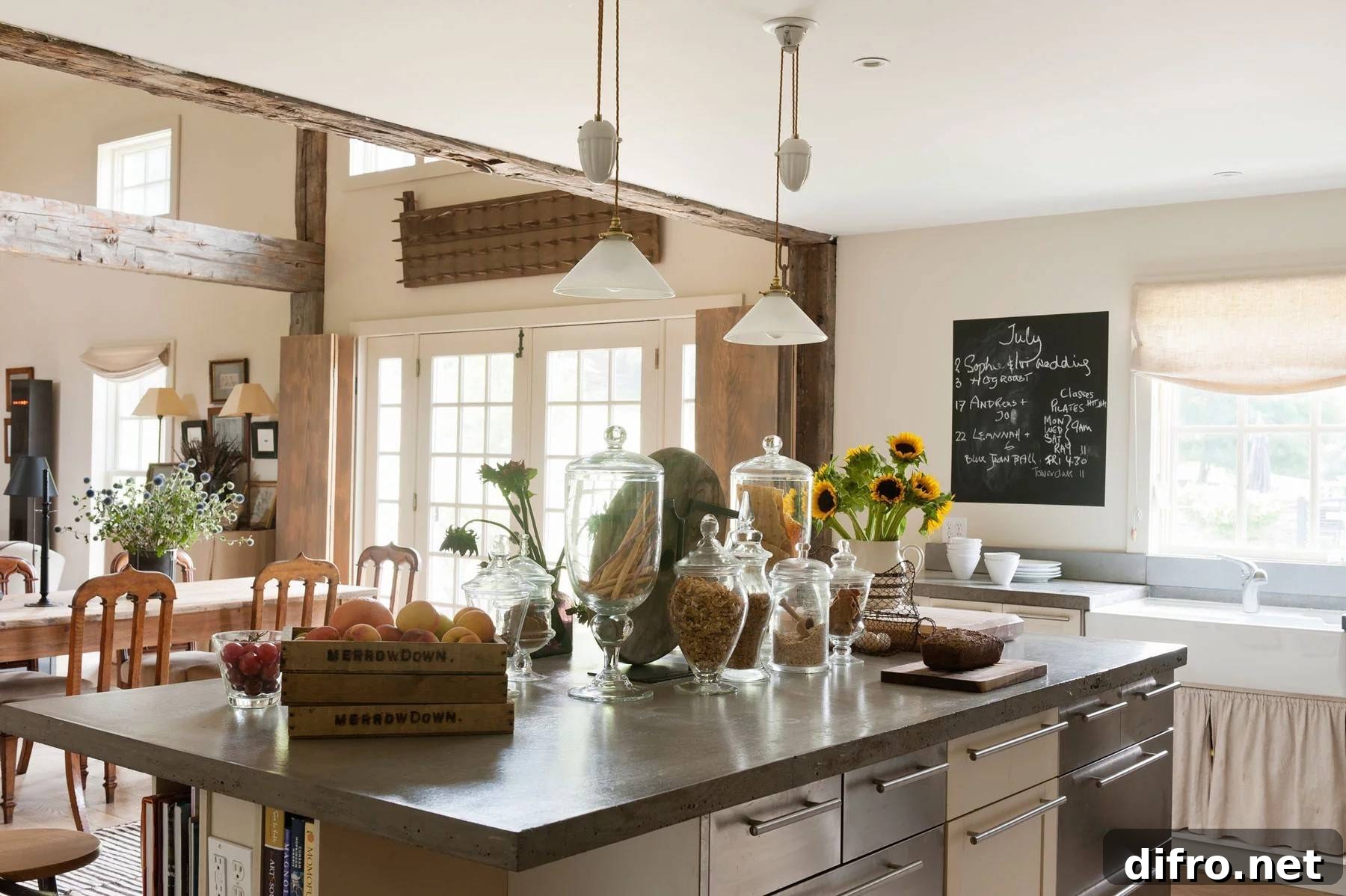
Long-lasting countertops
Modern countertops now include engineered, non-porous options that resist stains and require minimal maintenance. Quartz is one of the most common of these surfaces: it’s an engineered product made from stone chips, pigments and resins and offers excellent resistance to staining, heat and abrasion. Unlike some natural stones, quartz typically does not need periodic sealing, making it a practical choice for busy kitchens.
Other low-maintenance options include stainless steel and large porcelain slabs. Both wipe clean easily and handle heavy use without showing wear as quickly as softer natural stones.
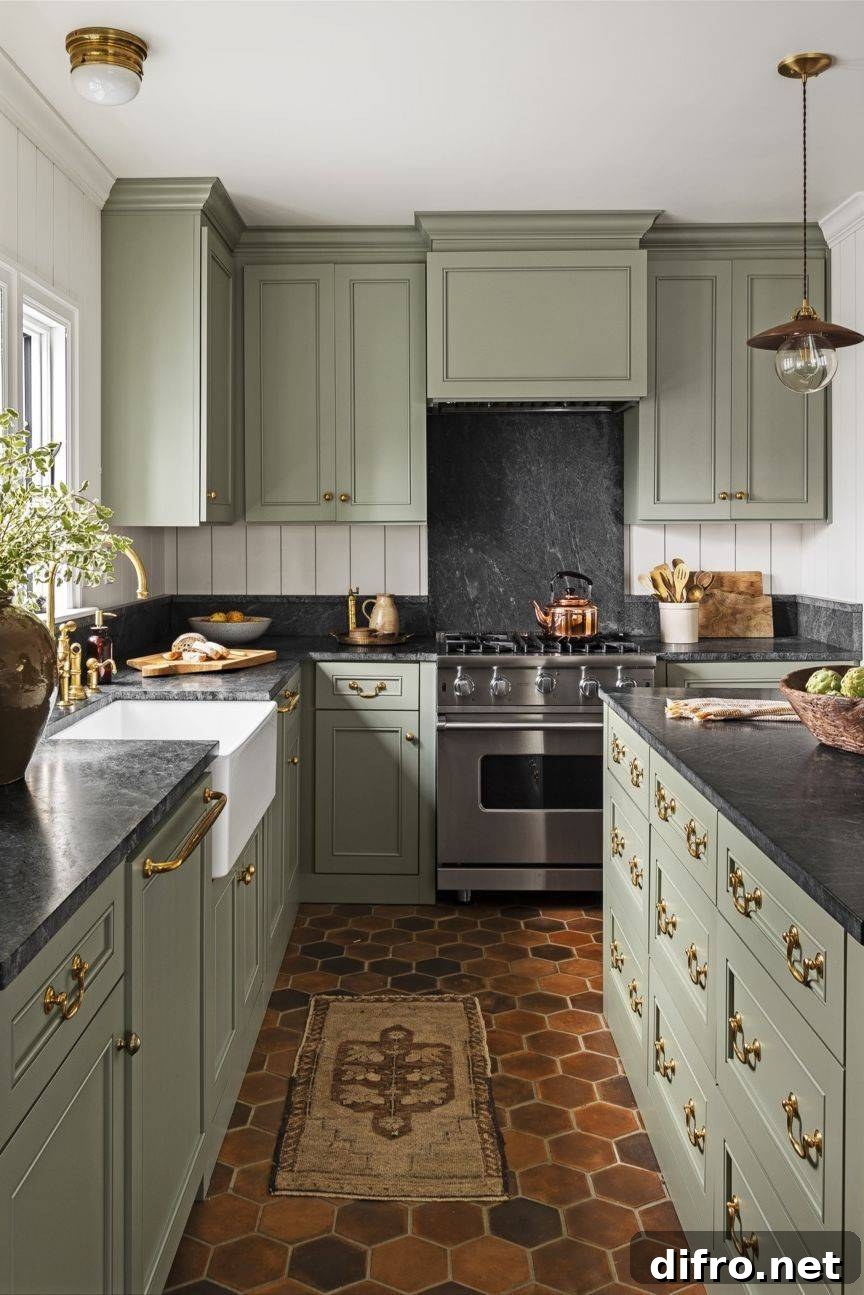
Durable flooring for high-traffic kitchens
Kitchen floors must withstand heavy foot traffic and spills. Modern porcelain tile is a popular, low-maintenance choice: it’s waterproof, stain-resistant and hard to scratch, and it cleans up quickly. Luxury vinyl flooring is another practical option—durable, simple to maintain and forgiving with drops and dents where wood might suffer.
Avoid soft wood in the busiest areas or choose engineered wood with a durable finish if you prefer the warmth of wood. Also consider color: very light or very dark floors show dirt and splatters more readily. Medium tones or patterned finishes hide everyday messes until you can address them.
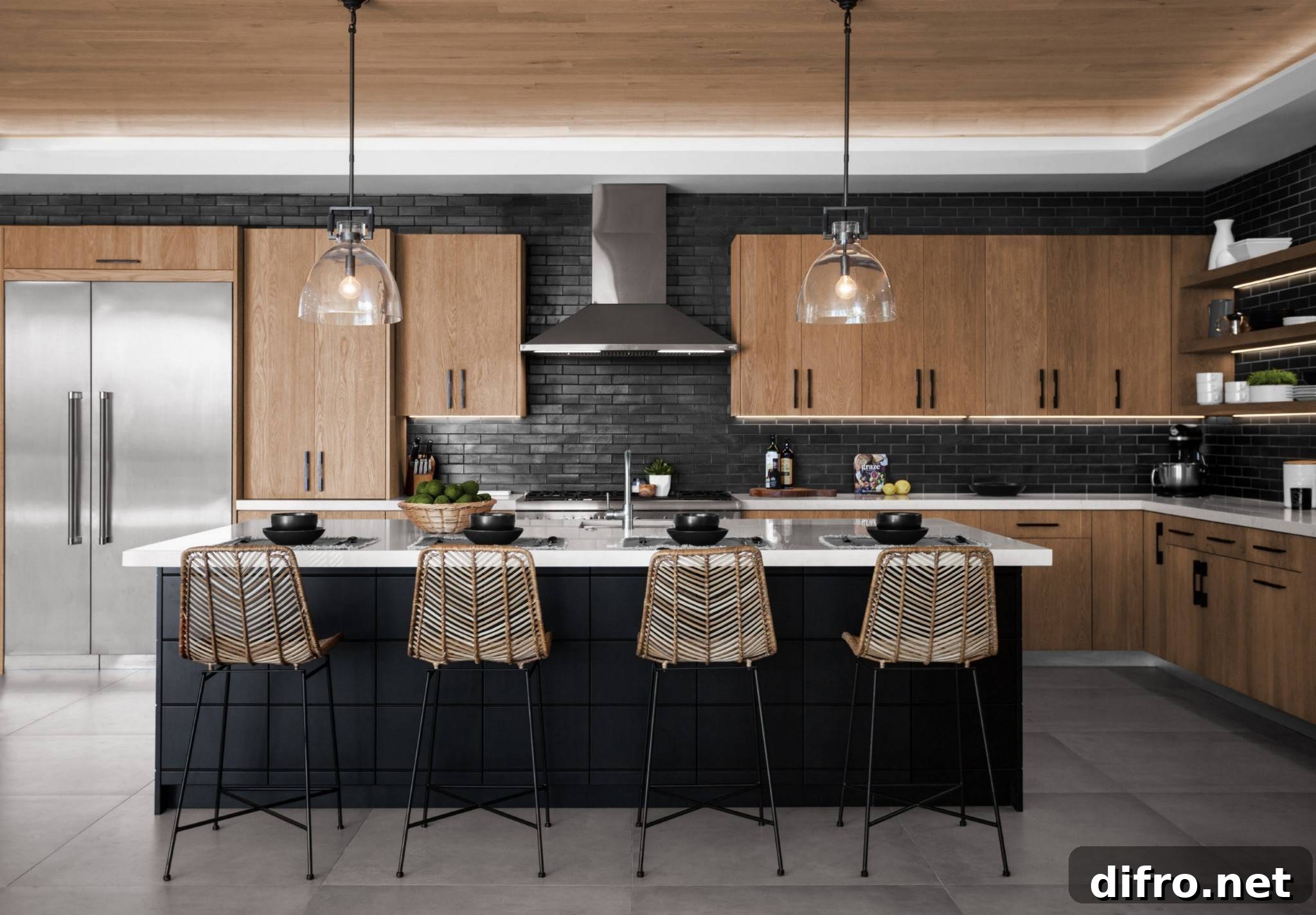
Smudge-resistant finishes
Stainless steel is popular for its clean, professional look, but classic stainless can show fingerprints and smudges easily. For a similar aesthetic with less visible upkeep, look for darker or matte stainless finishes and other smudge-resistant hardware and appliances that hide fingerprints and water spots.
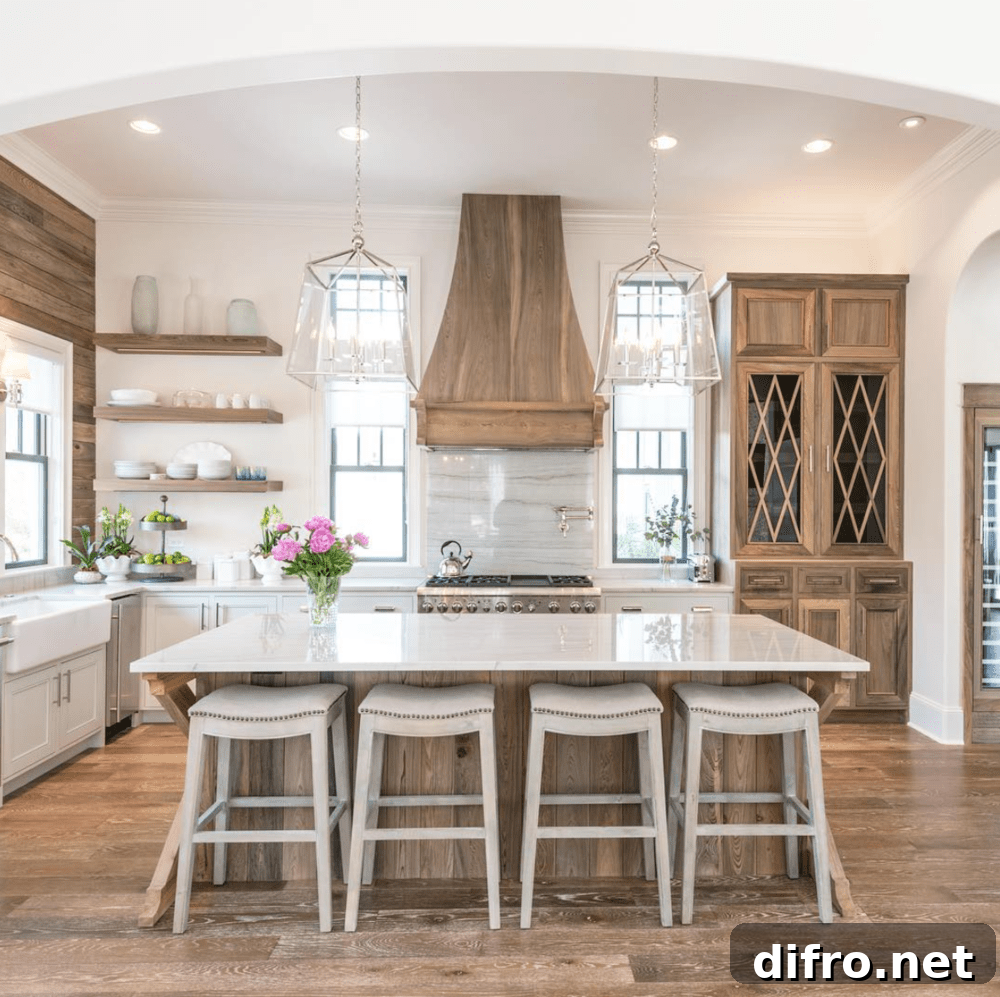
Easy-to-clean cabinets
Simpler cabinet styles reduce cleaning time. Flat-front cabinets without ornate molding, grooves or exposed hardware are easiest to wipe down. Consider push-to-open doors or integrated handles to avoid dirt-collecting hardware. If you prefer painted cabinets, a satin or low-sheen finish shows fewer fingerprints and conceals minor scratches better than high-gloss paint.
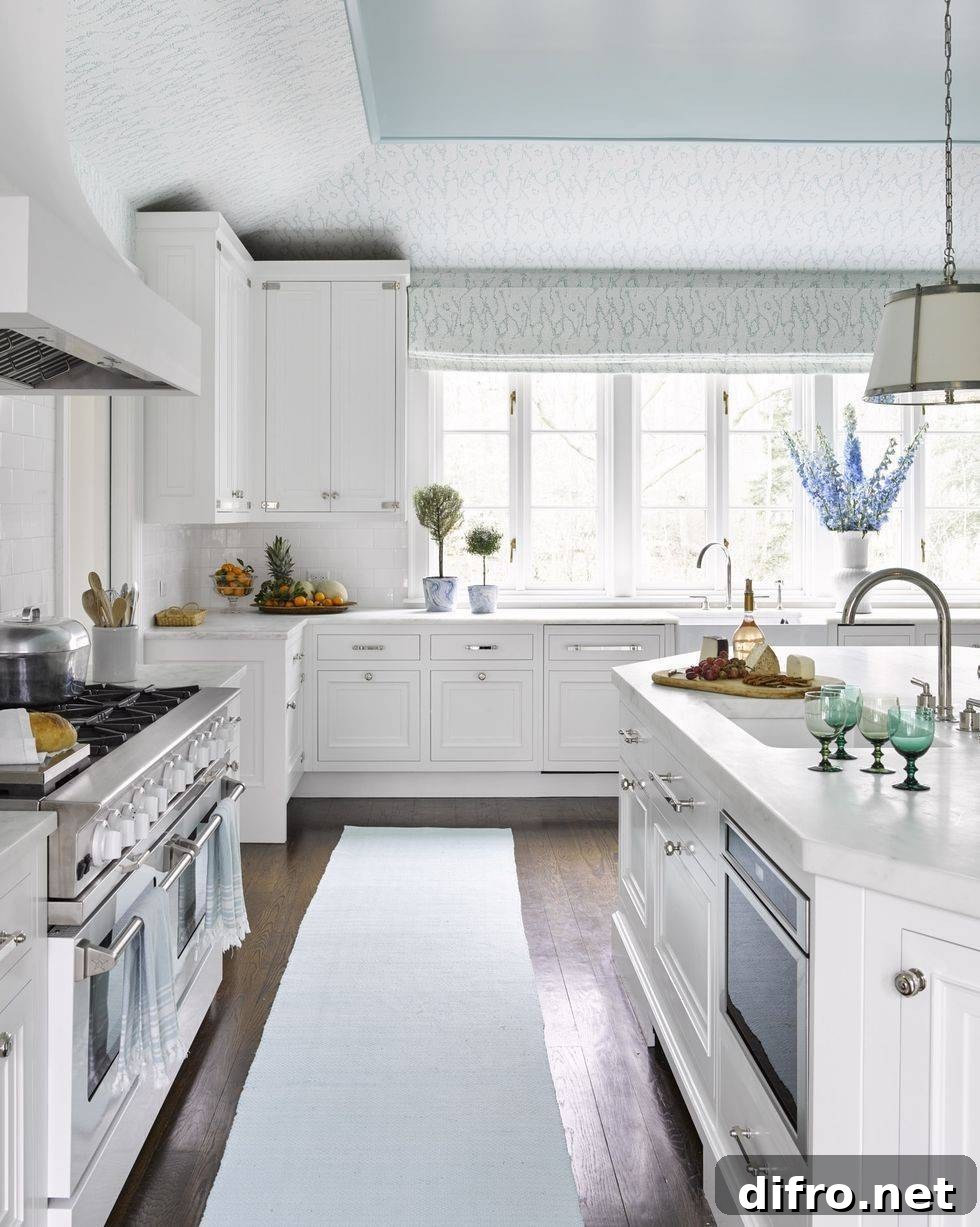
Choose an undermount sink
Undermount sinks create a seamless transition between countertop and sink, so crumbs and liquids can be wiped directly into the basin. Drop-in or top-mounted sinks can trap dirt around the rim, making cleanup harder. Pair an undermount sink with a simple faucet finish that resists spots for the easiest, most sanitary setup.
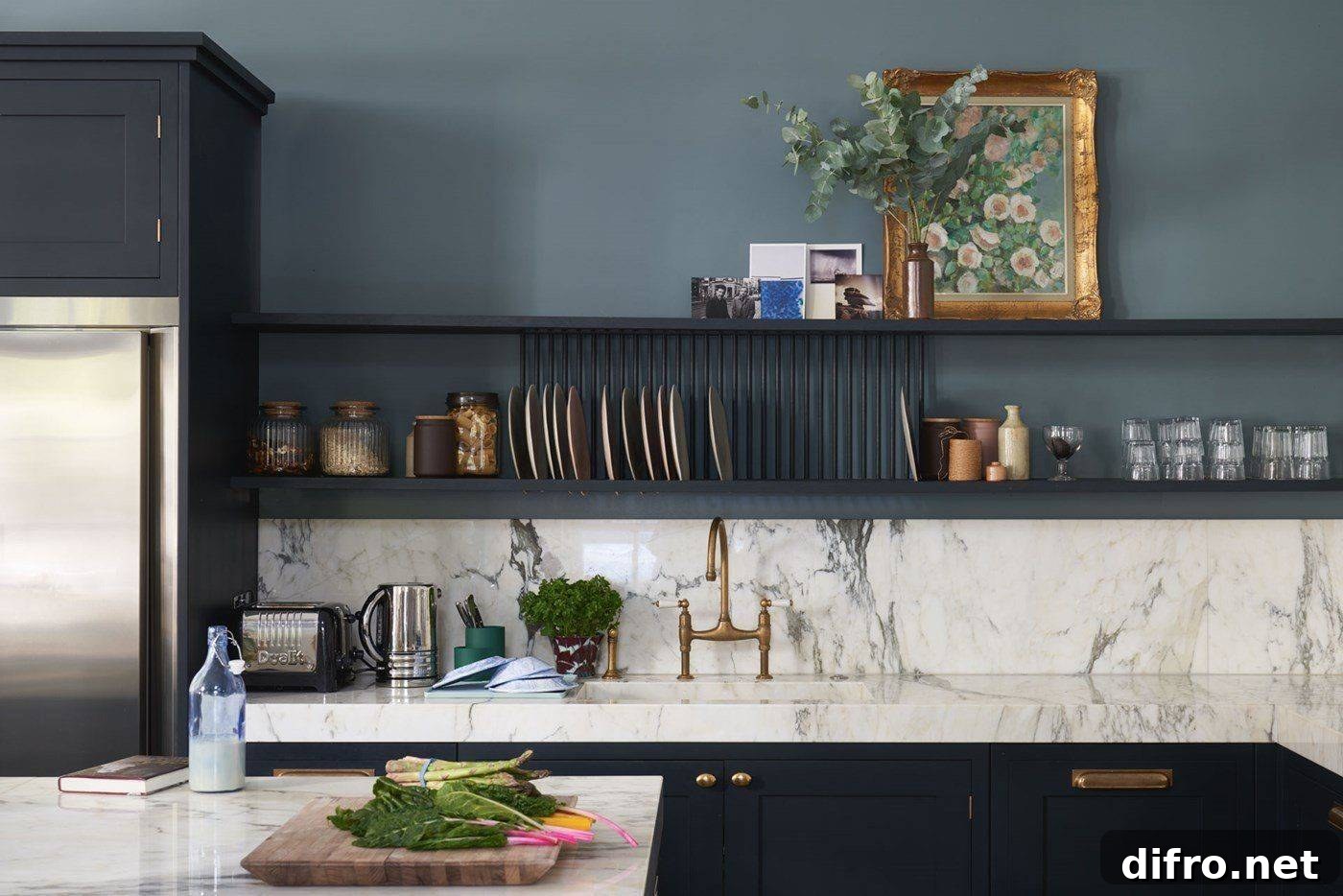
By prioritizing durable materials, stain-resistant surfaces, simplified cabinetry and finishes that hide fingerprints, you can create a kitchen that stays beautiful longer with far less effort. These thoughtful choices reduce cleaning time, protect your investment and make the kitchen a more enjoyable, functional space for everyday life.