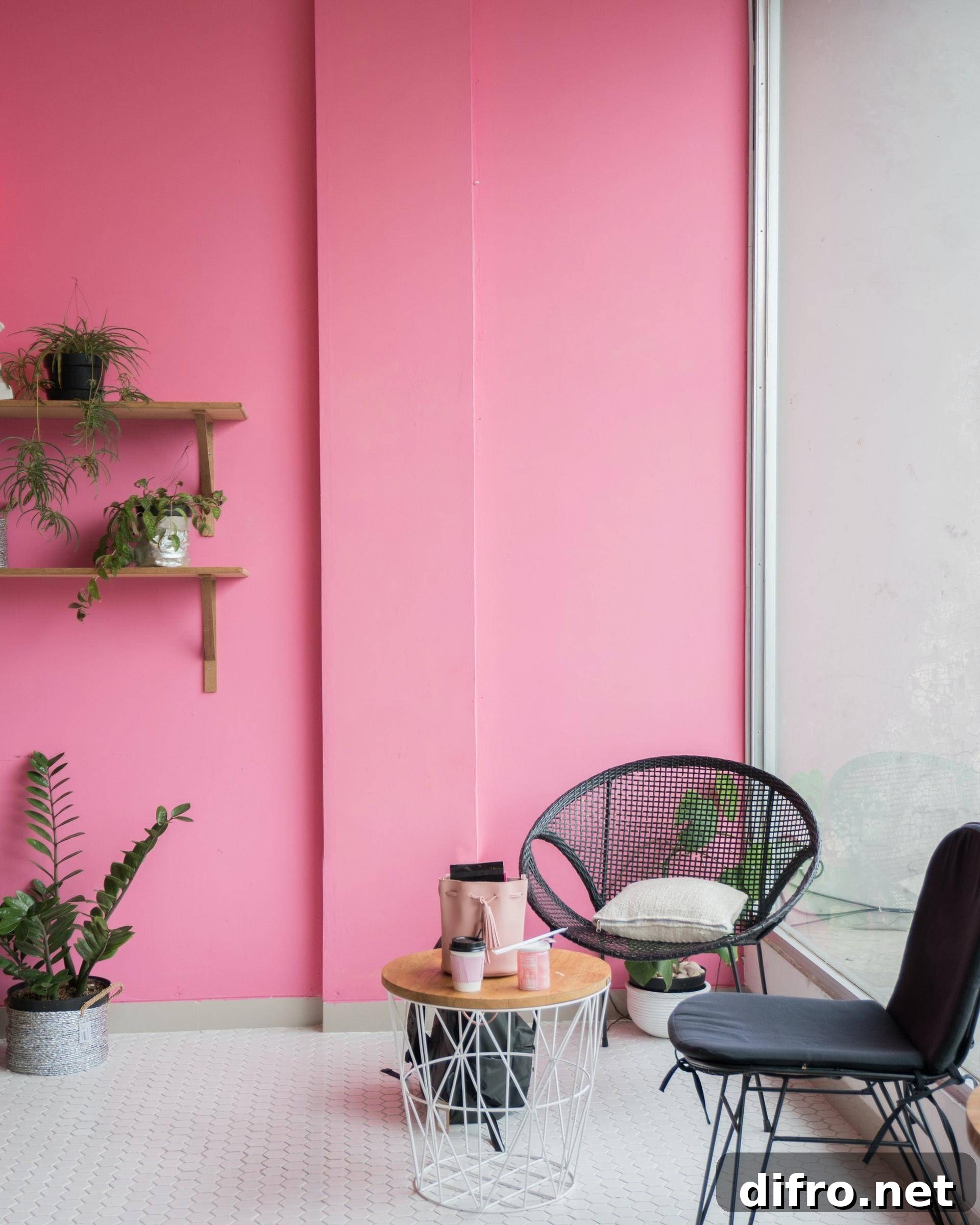
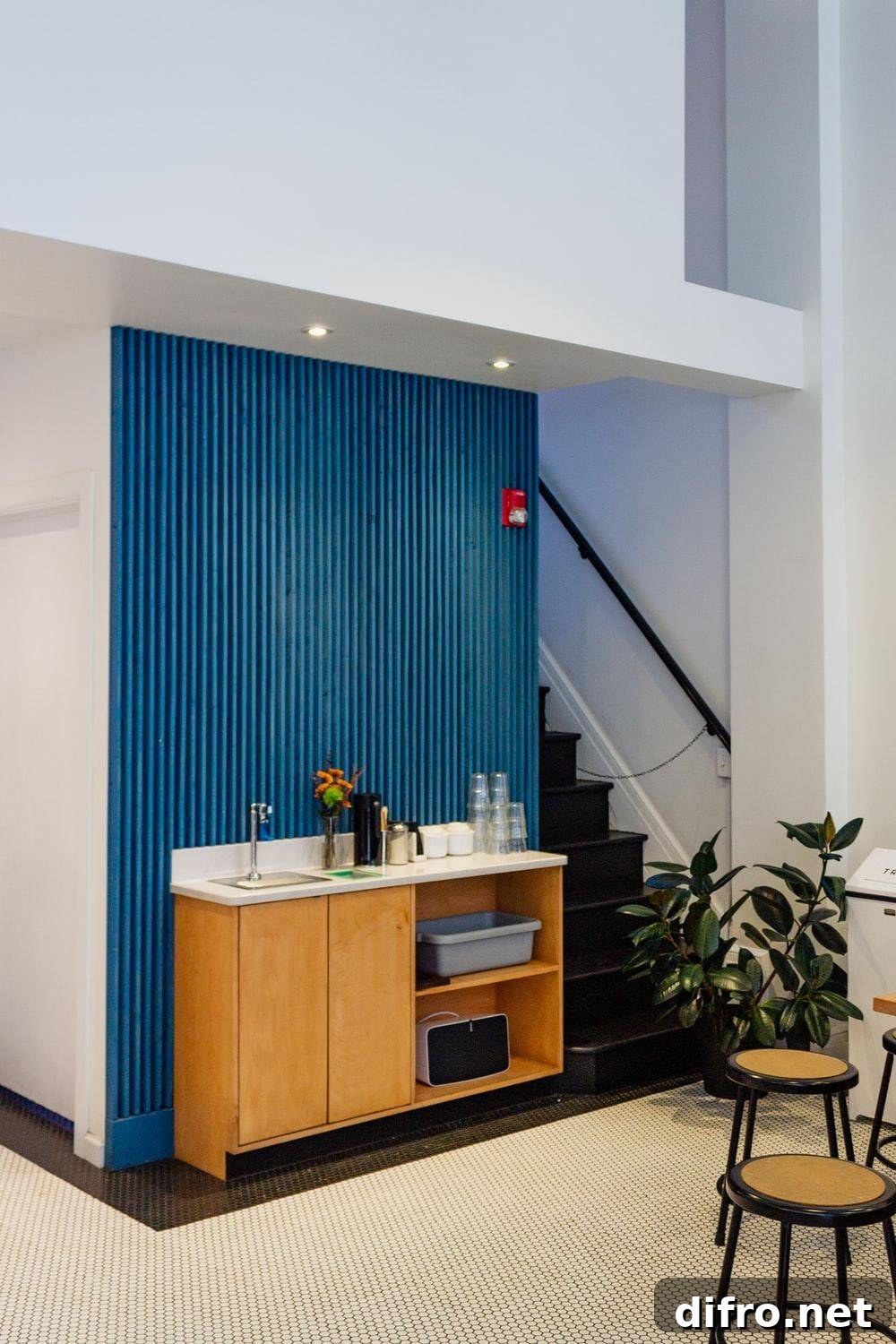
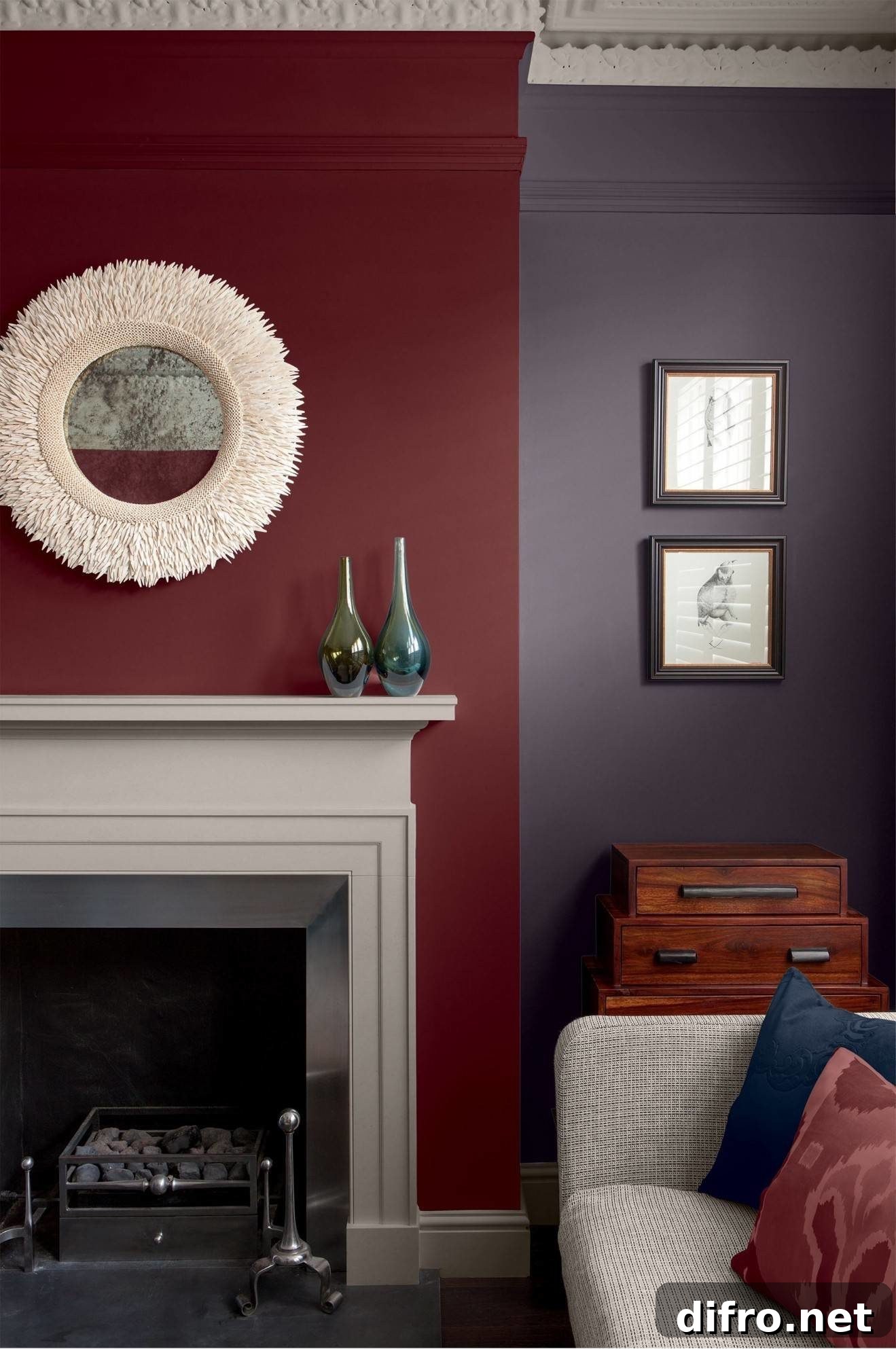
Accent walls are a perennial favorite in interior design because they introduce personality and focus without overwhelming a room. A well-chosen accent wall can change the mood of a space, highlight architectural features, or simply provide a backdrop that makes furniture and decor pop.
At its simplest, an accent wall is one wall that differs from the surrounding walls—often through color, texture, or finish—to create contrast and visual interest. Think of accent pillows on a neutral sofa: they draw the eye and add character. The same concept applies to a wall; it should complement the rest of the room while standing out enough to feel intentionally designed.
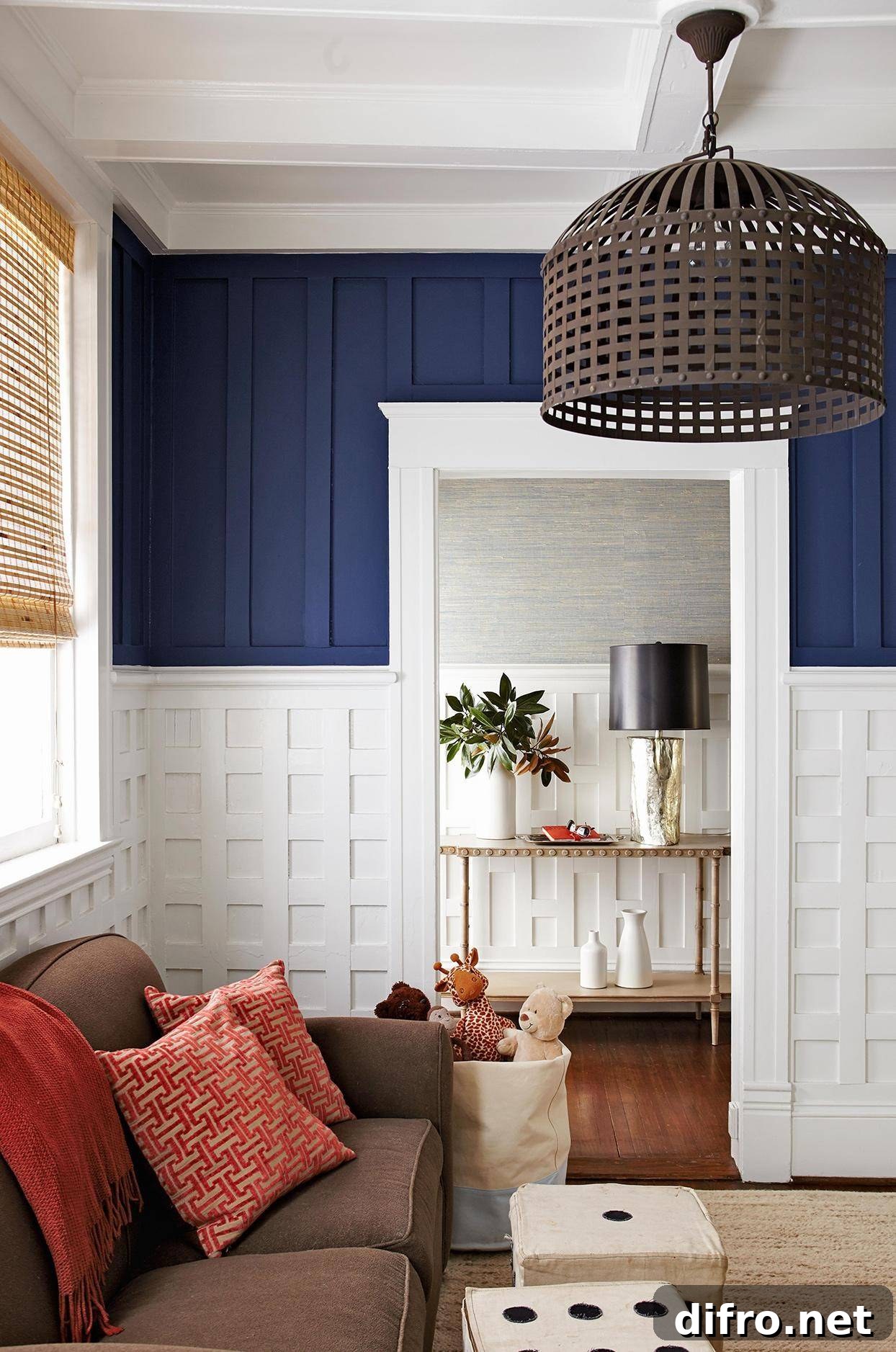
Creating an effective accent wall is straightforward when you plan carefully. Below are practical do’s and don’ts to help you choose the right wall, color, and finish, and to ensure the result enhances your room rather than competing with it.
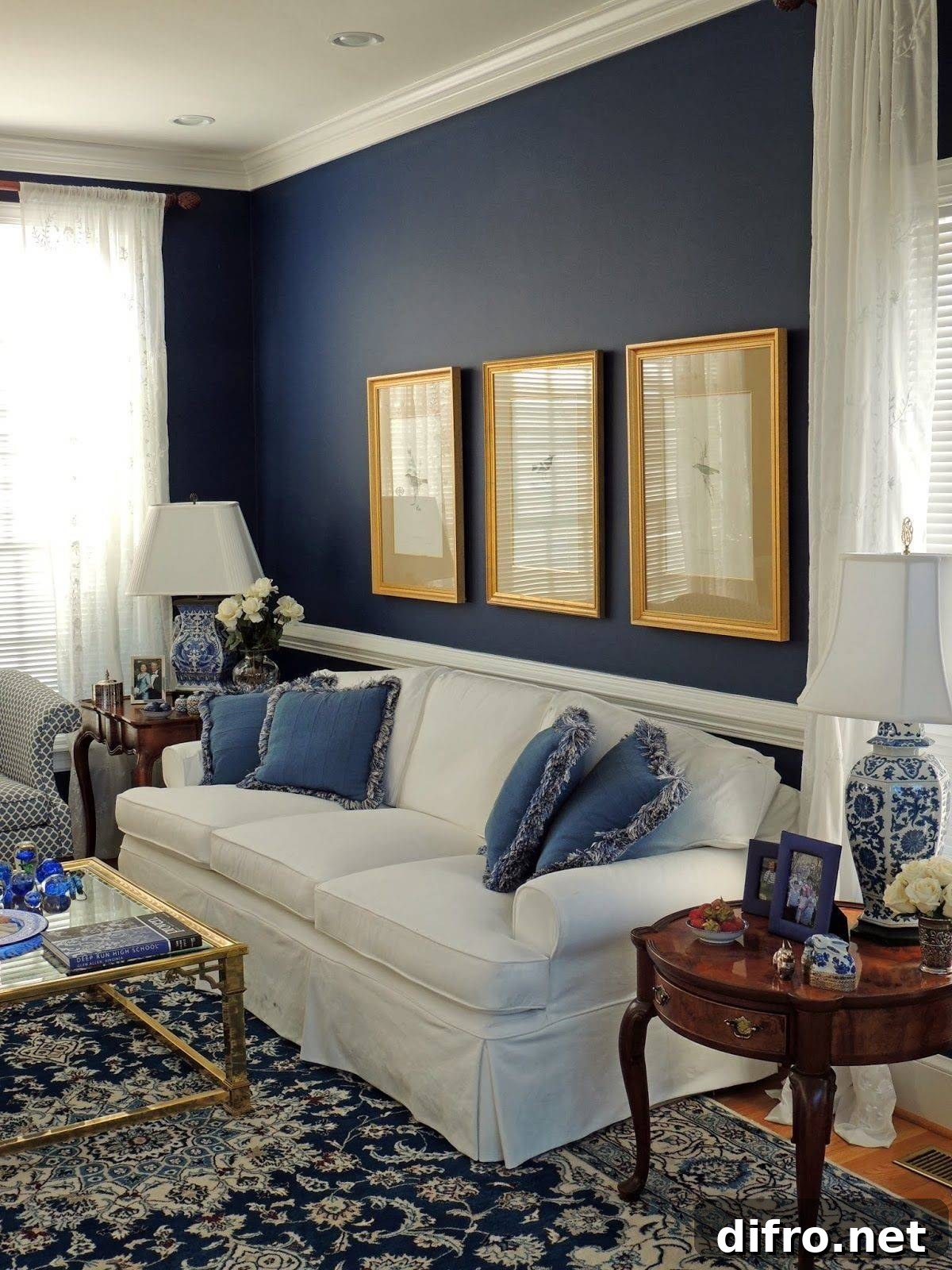
The Do’s
- See The Big Picture
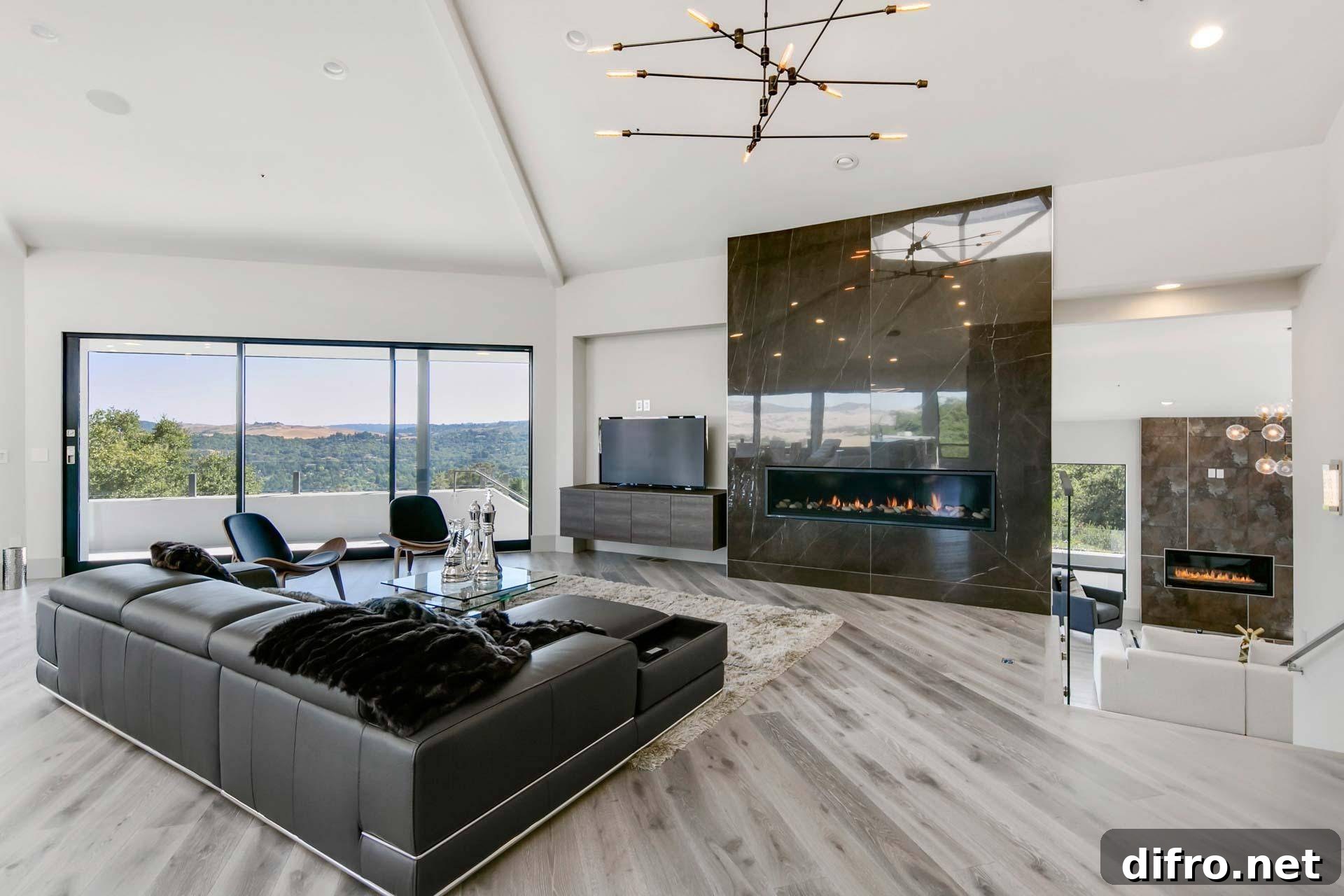
Before you commit to a color or finish, visualize how the accent will relate to the whole room. Consider furniture, flooring, textiles, and existing paint colors. A strong accent should feel cohesive with the surrounding palette—use a color wheel or swatches to test combinations and avoid choices that will clash with major elements in the space.
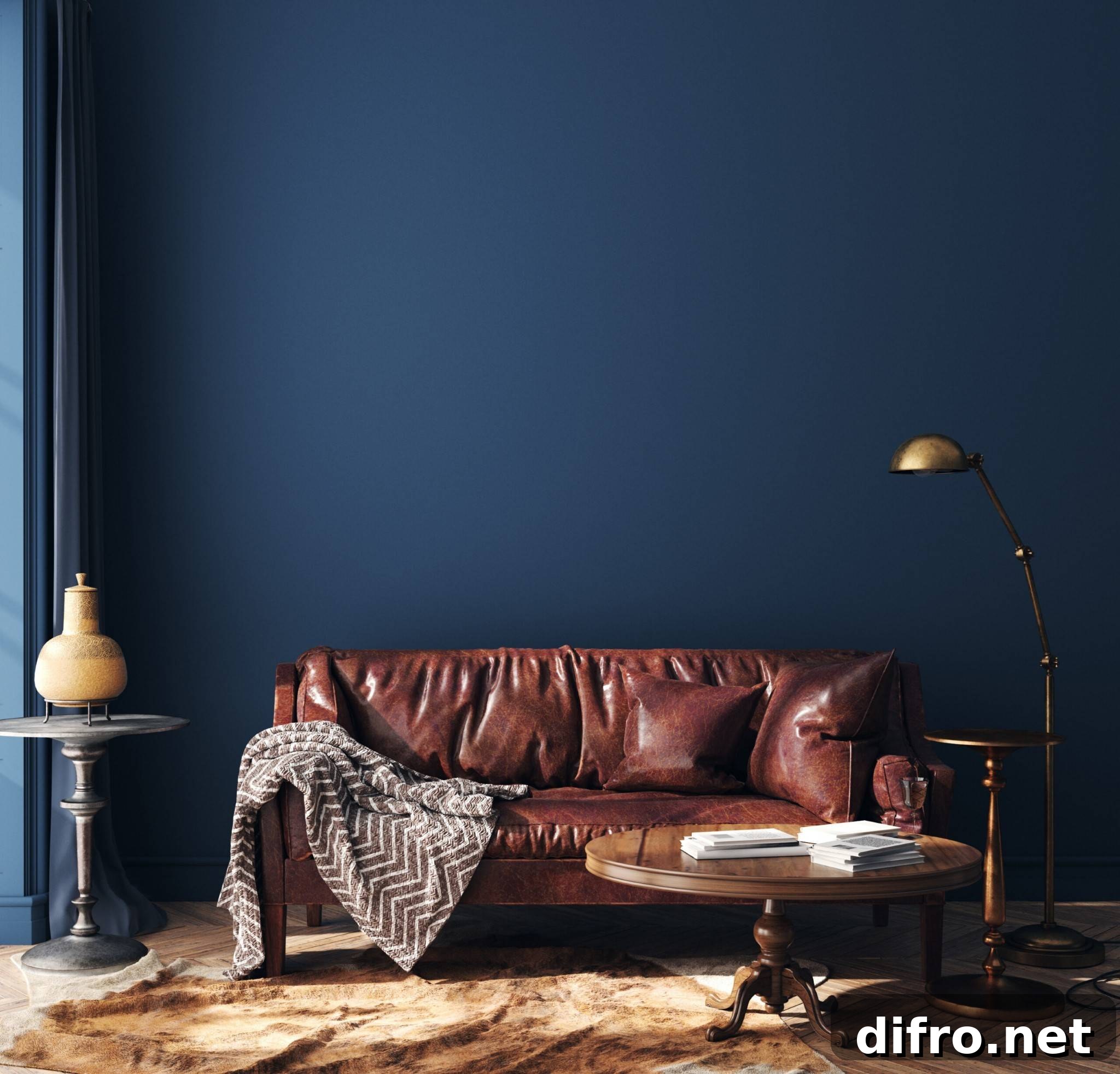
Be Creative
Don’t feel limited to a flat paint color. Stripes, geometric patterns, ombré effects, metallic finishes, or textured plasters can turn a wall into a focal point. Creative treatments make an accent wall feel intentional—choose a technique that complements your style, whether modern, classic, or eclectic.
Give Neutral Decor A Pop
If your room is predominantly neutral, an accent wall is an easy way to introduce depth without disrupting the calm. A deeper shade of a neutral—charcoal, deep taupe, or rich brown—can create contrast while preserving a minimalist aesthetic. The wall will attract attention by contrast rather than brightness.
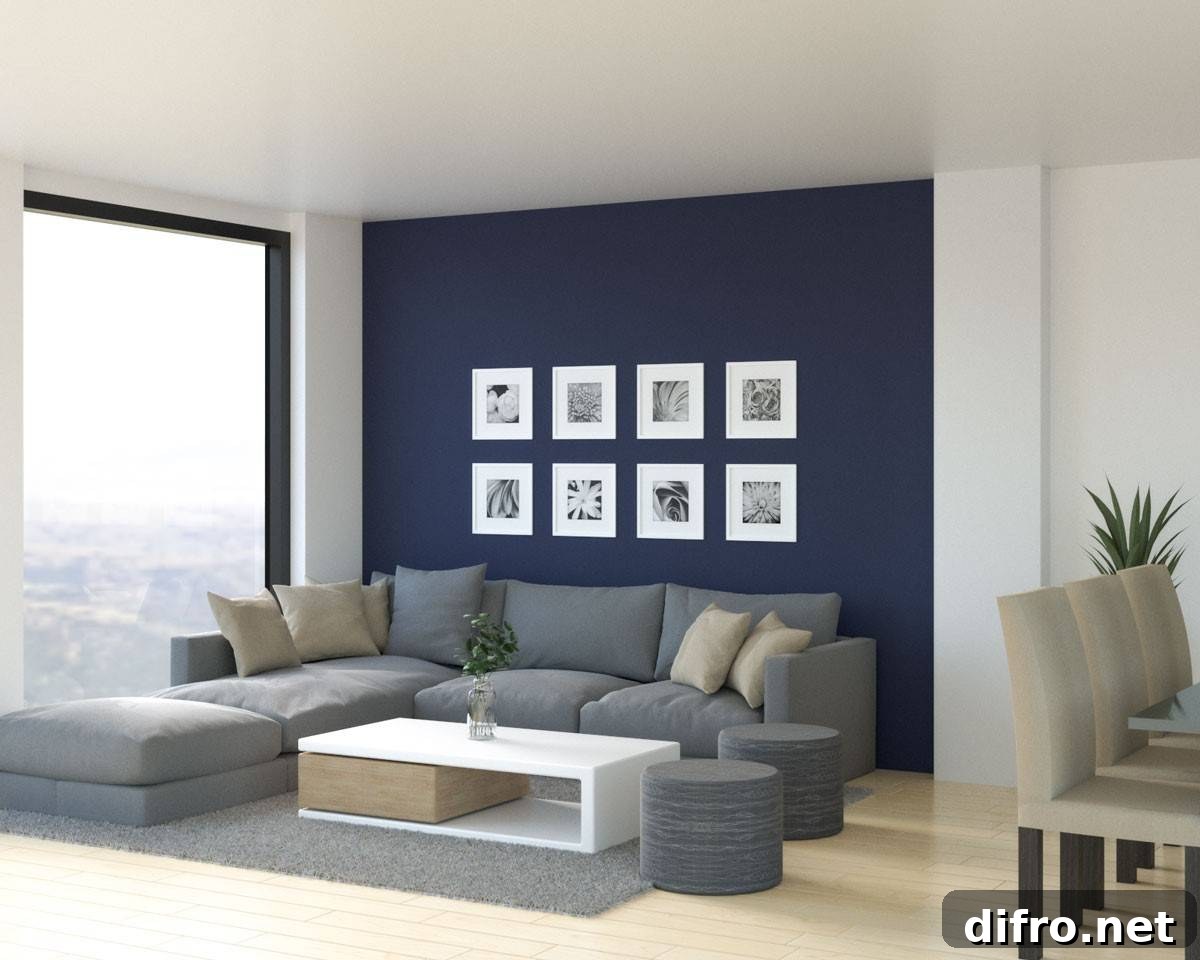
The Don’ts
- Don’t Forget Lighting
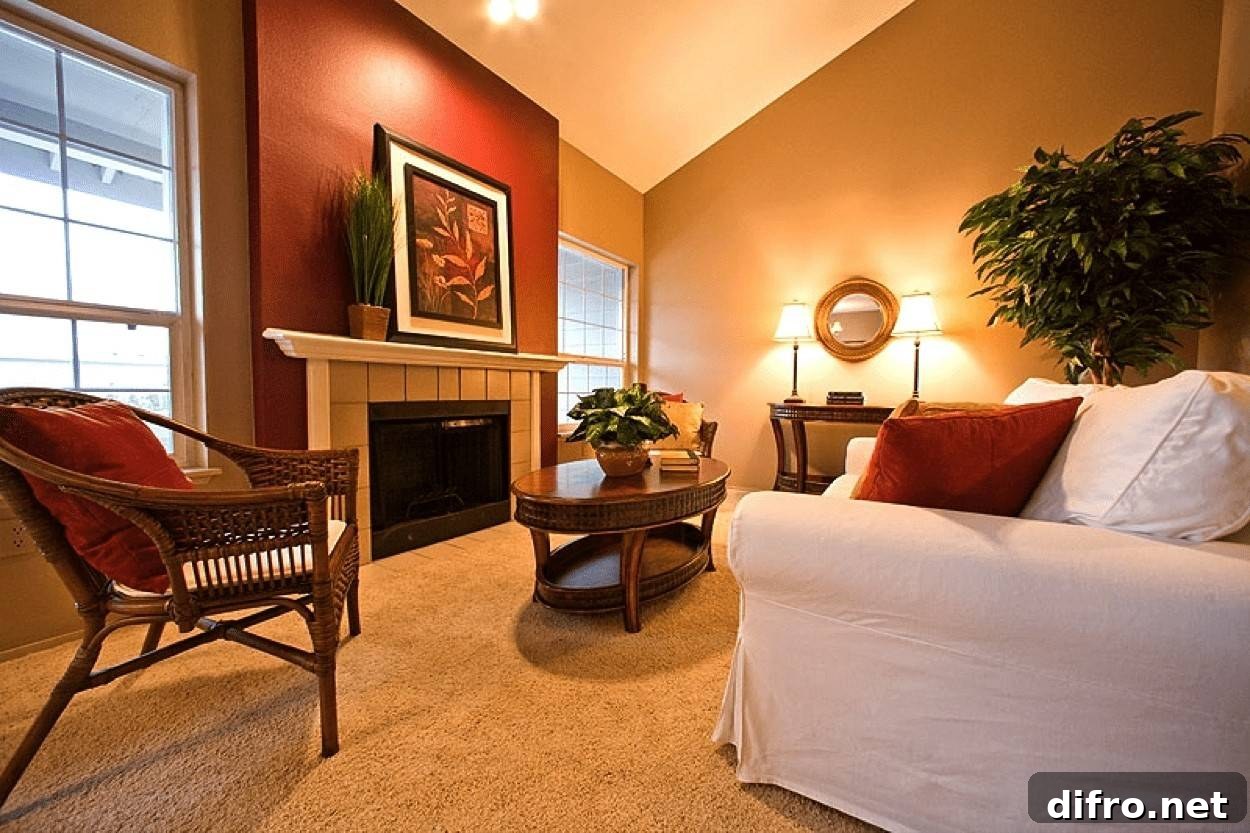
Lighting has a major effect on how paint and textures read. Test paint samples at different times of day and under artificial light. A color that looks warm and inviting in daylight may appear flat or overly intense at night. Plan for layers of lighting—ambient, task, and accent—to ensure the wall looks good under all conditions.
Don’t Neglect Texture
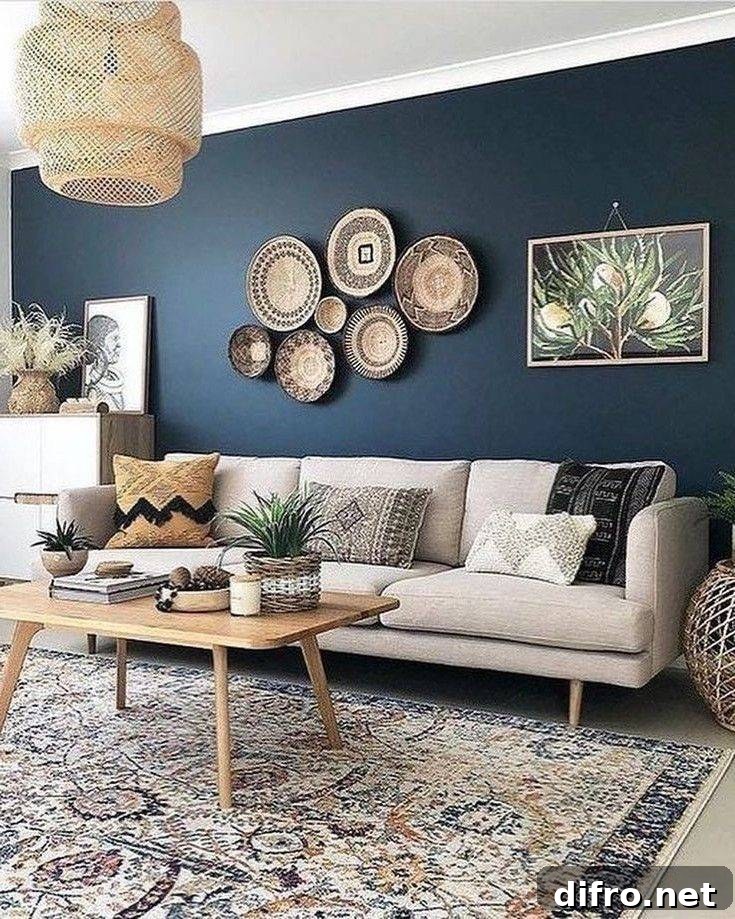
An accent wall is more than color. Consider materials and surface treatments—reclaimed wood, stone veneer, wallpaper, paneling, or even a gallery of framed art can create depth and interest. Texture helps an accent wall feel purposeful and can tie the room’s tactile elements together.
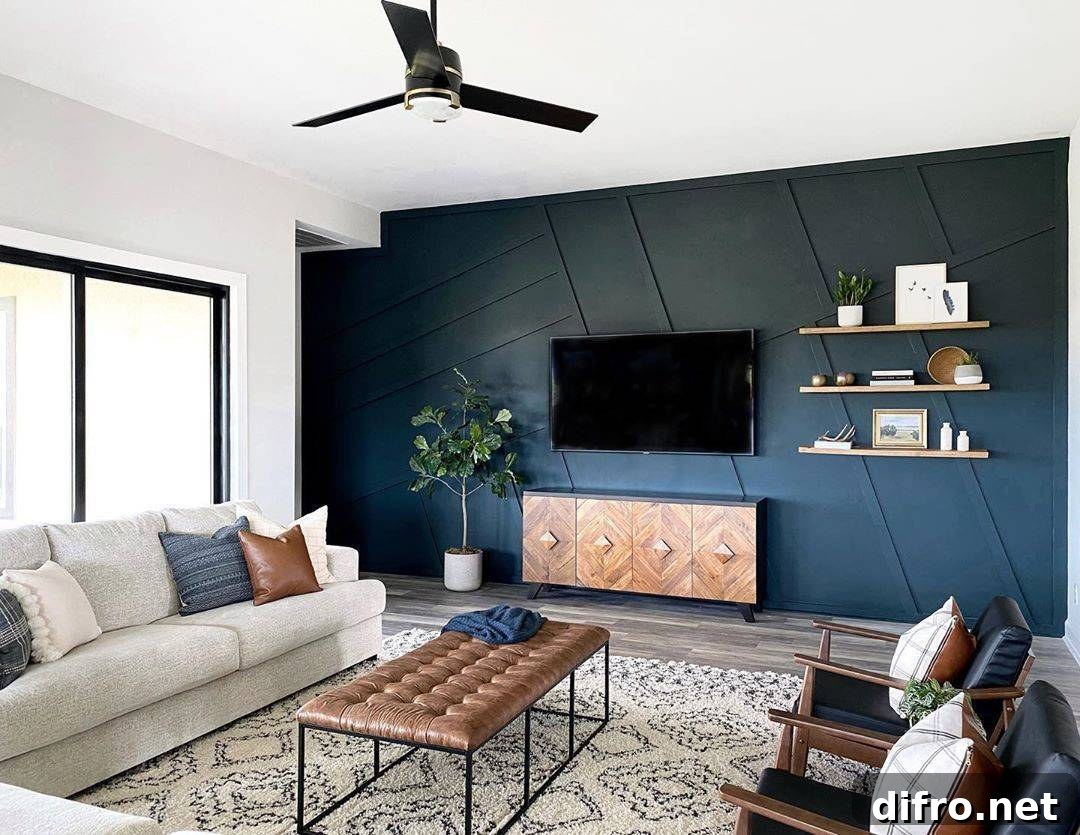
Newer trends include mounting electric fireplaces, shelving, or a curated display on the feature wall. Whatever you add, keep scale and balance in mind so the wall enhances the room instead of dominating it.
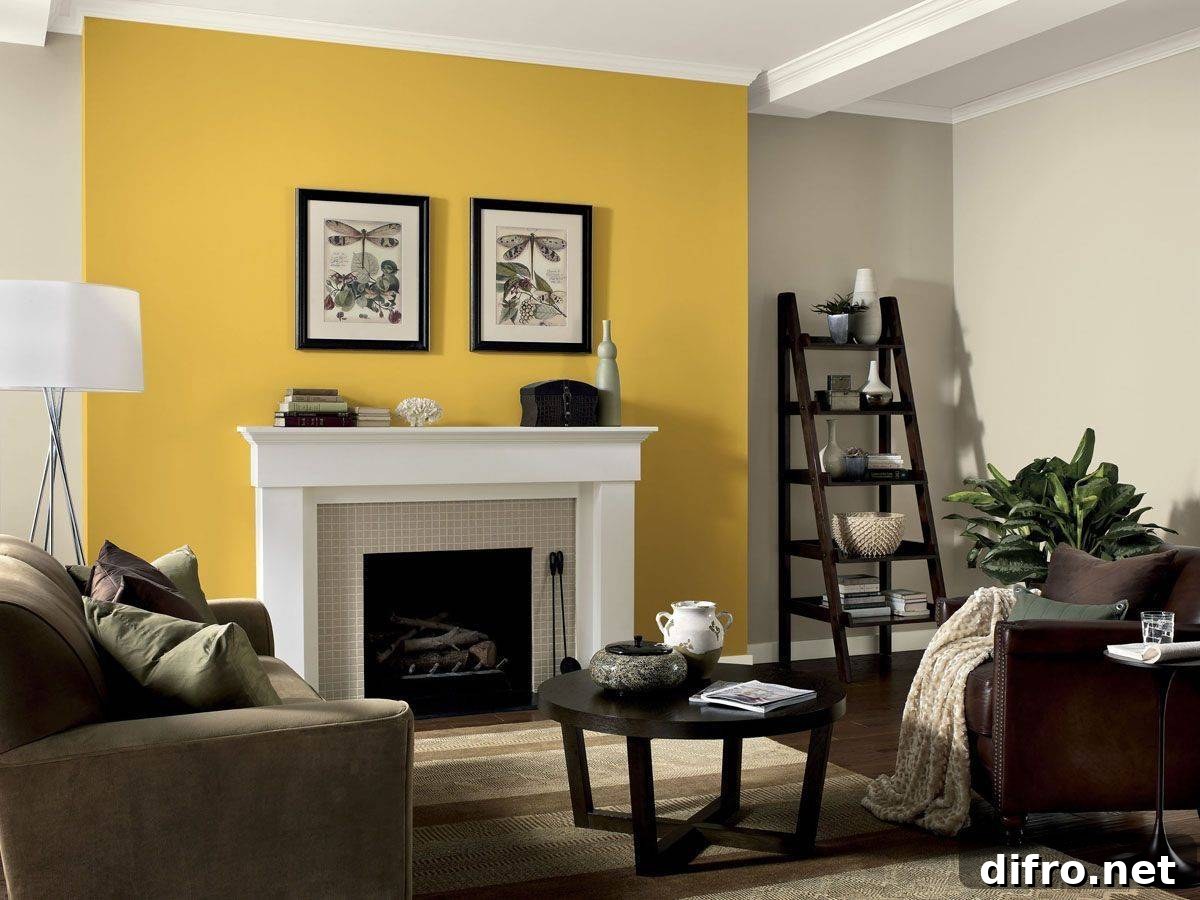
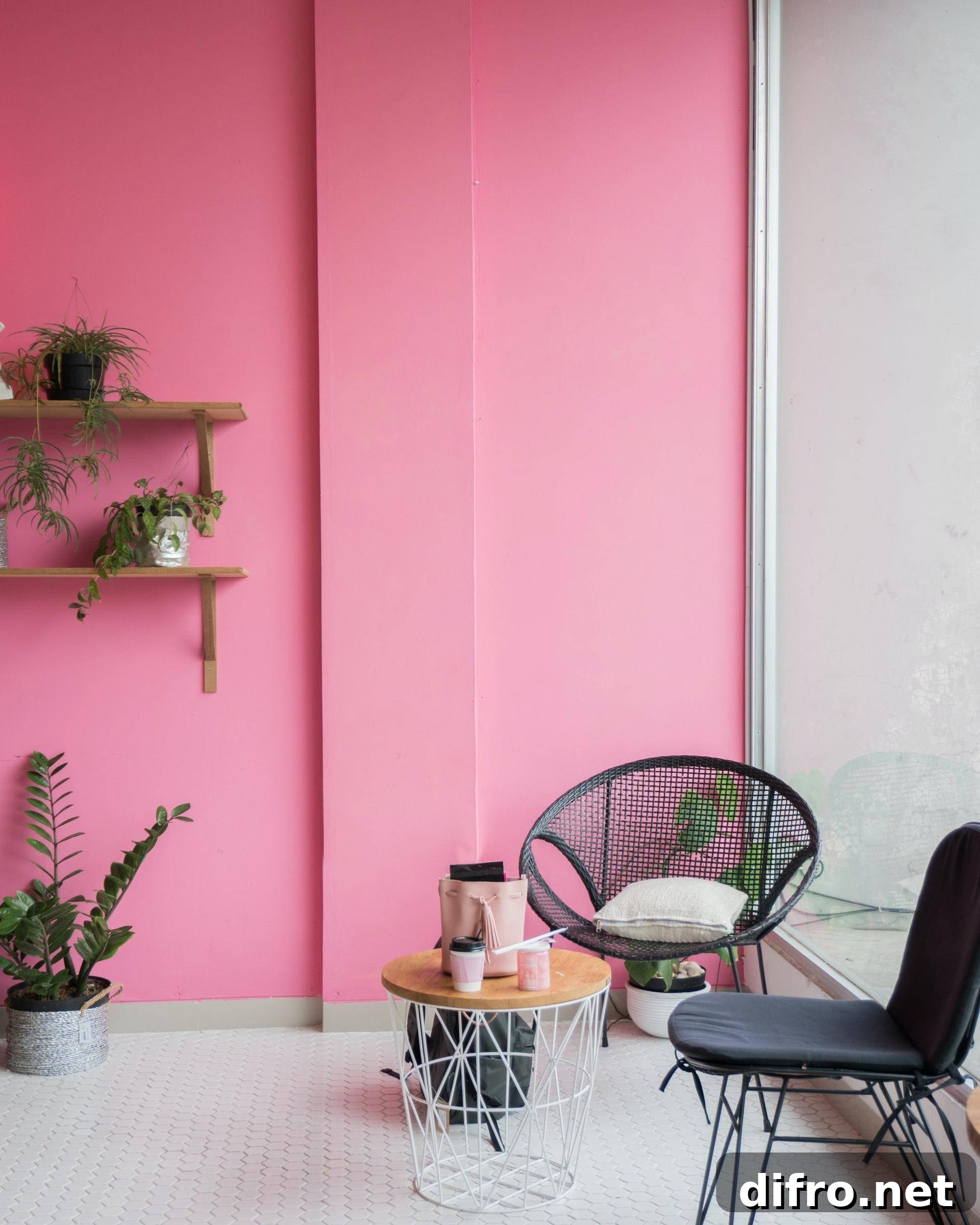
Don’t Avoid Bold Colors
Bold colors can create energy and personality. If you choose an intense hue, coordinate accents—pillows, rugs, or artwork—so the room reads as a unified scheme. A bold wall works best when the surrounding elements support it rather than compete with it.
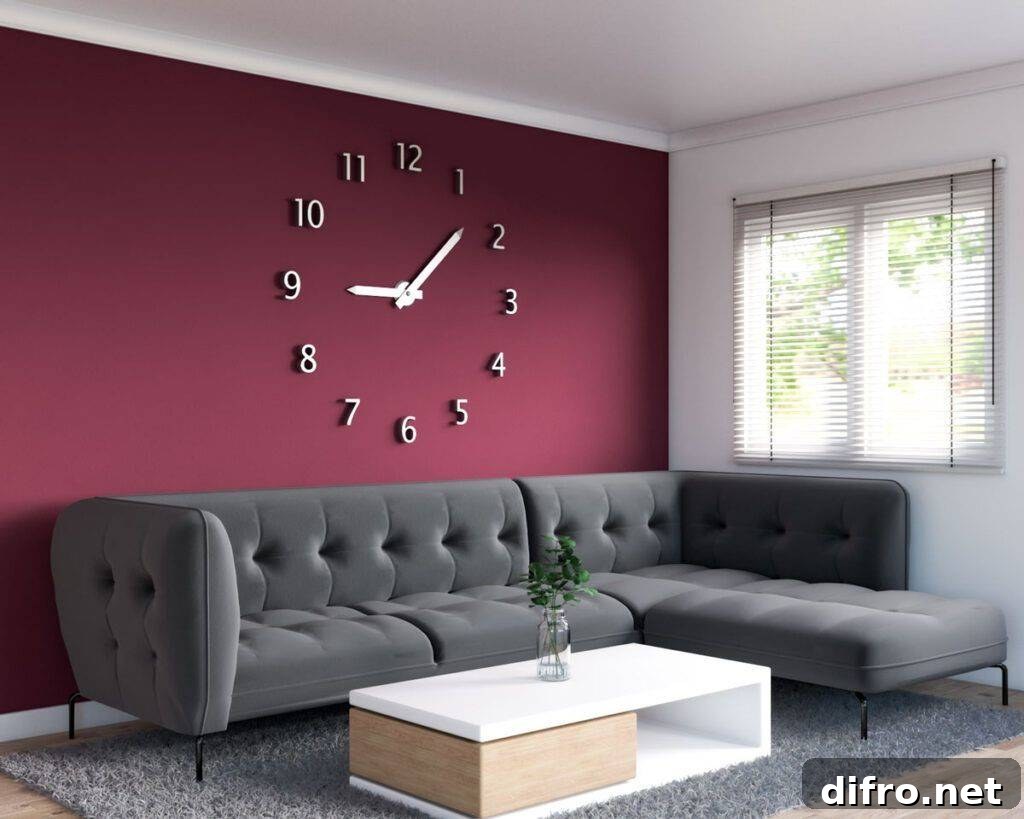
Final tips: test large paint samples directly on the wall, live with them for a few days, and consider how furniture placement will interact with the new color or texture. A thoughtful accent wall adds depth, personality, and a clear design focus—when chosen and executed with the room as a whole in mind.